Steven Lukes es un distinguido teórico político y social cuya obra profundiza en las complejidades del poder, la ideología y la justicia social. Sus contribuciones intelectuales han moldeado el pensamiento contemporáneo, ofreciendo profundas perspectivas sobre las fuerzas que gobiernan las sociedades e influyen en la vida de los individuos. La carrera académica de Lukes se ha desarrollado en instituciones prestigiosas, lo que subraya su significativo impacto en el discurso político y sociológico.
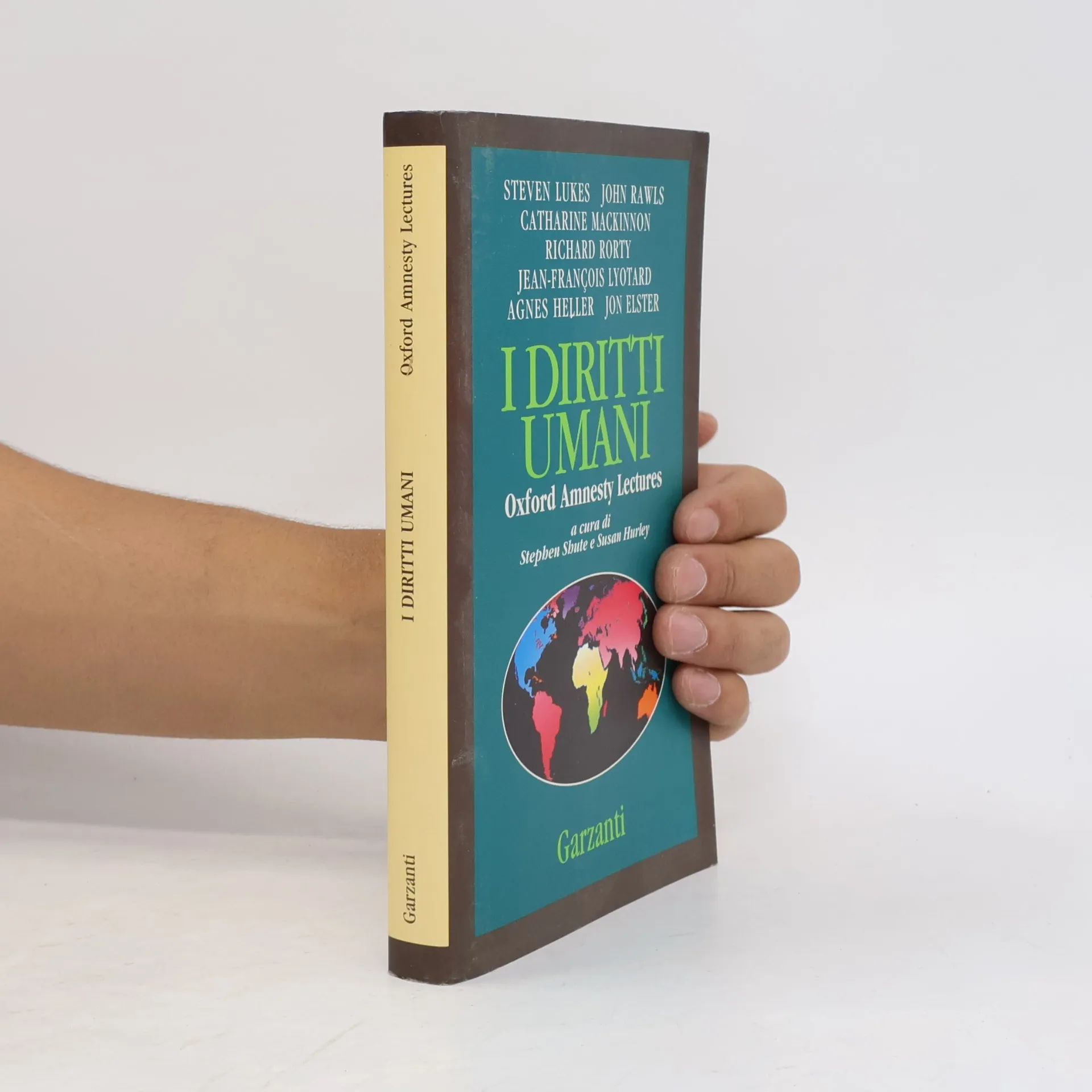
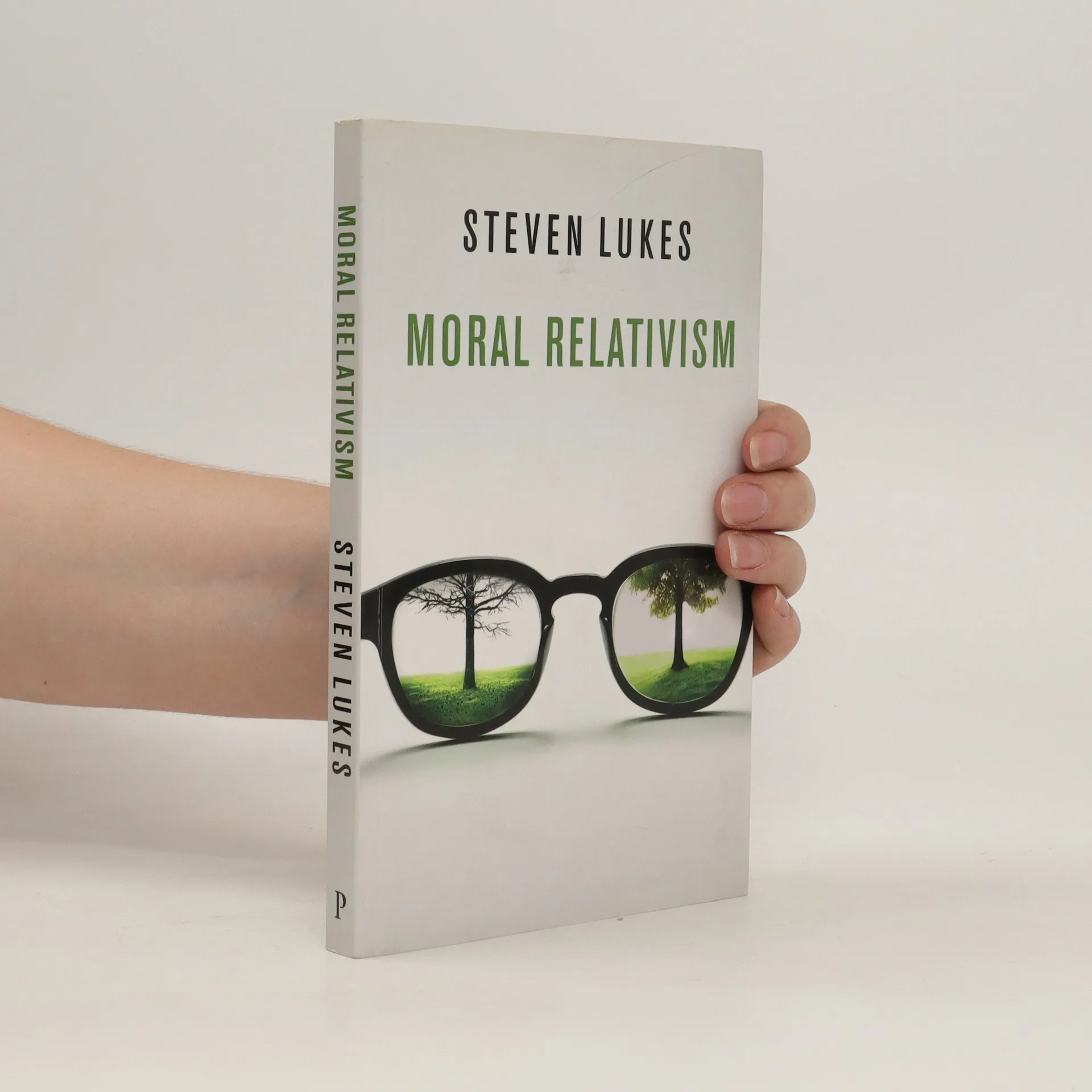
Everyone holds beliefs. So what gives us the right to judge the behaviour of others in a world where ethics seem increasingly diverse and conflicting? Do universal human rights exist, or do we just have to accept that there's an irreparable moral discord between us and the other?
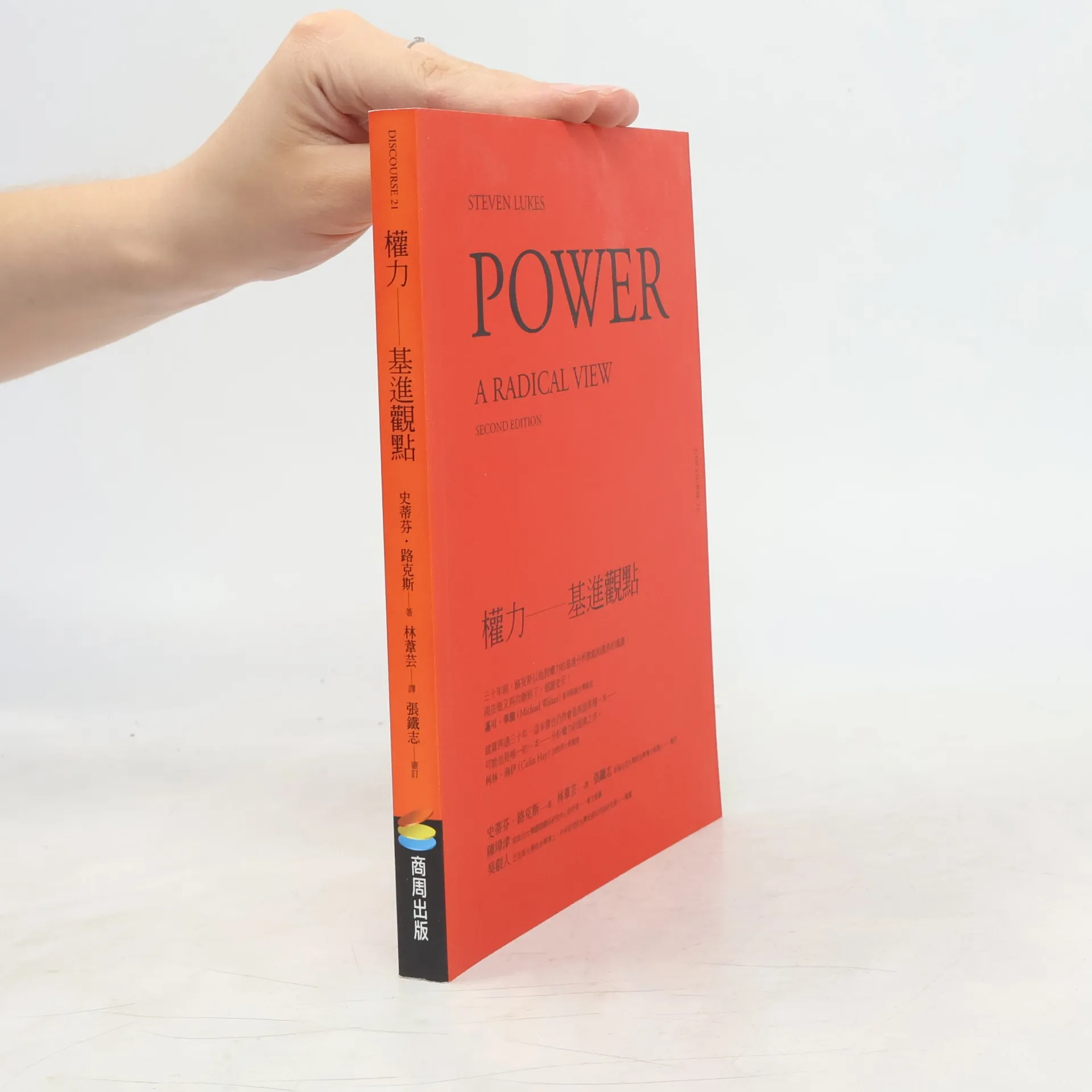
The second edition of this seminal work includes the original text, first published in 1974, alongside two major new chapters. Power: A Radical View assesses the main debates about how to conceptualize and study power, including the influential contributions of Michel Foucault. Power Revisited reconsiders Steven Lukes' own views in light of these debates and of criticisms of his original argument. With a new introduction and bibliographical essay, this book has consolidated its reputation as a classic work and a major reference point within Social and Political Theory. It can be used on modules across the Social and Political Sciences dealing with the concept of power and its manifestation in the world. It is also essential reading for all undergraduate and postgraduates interested in the history of Social and Political Thought.
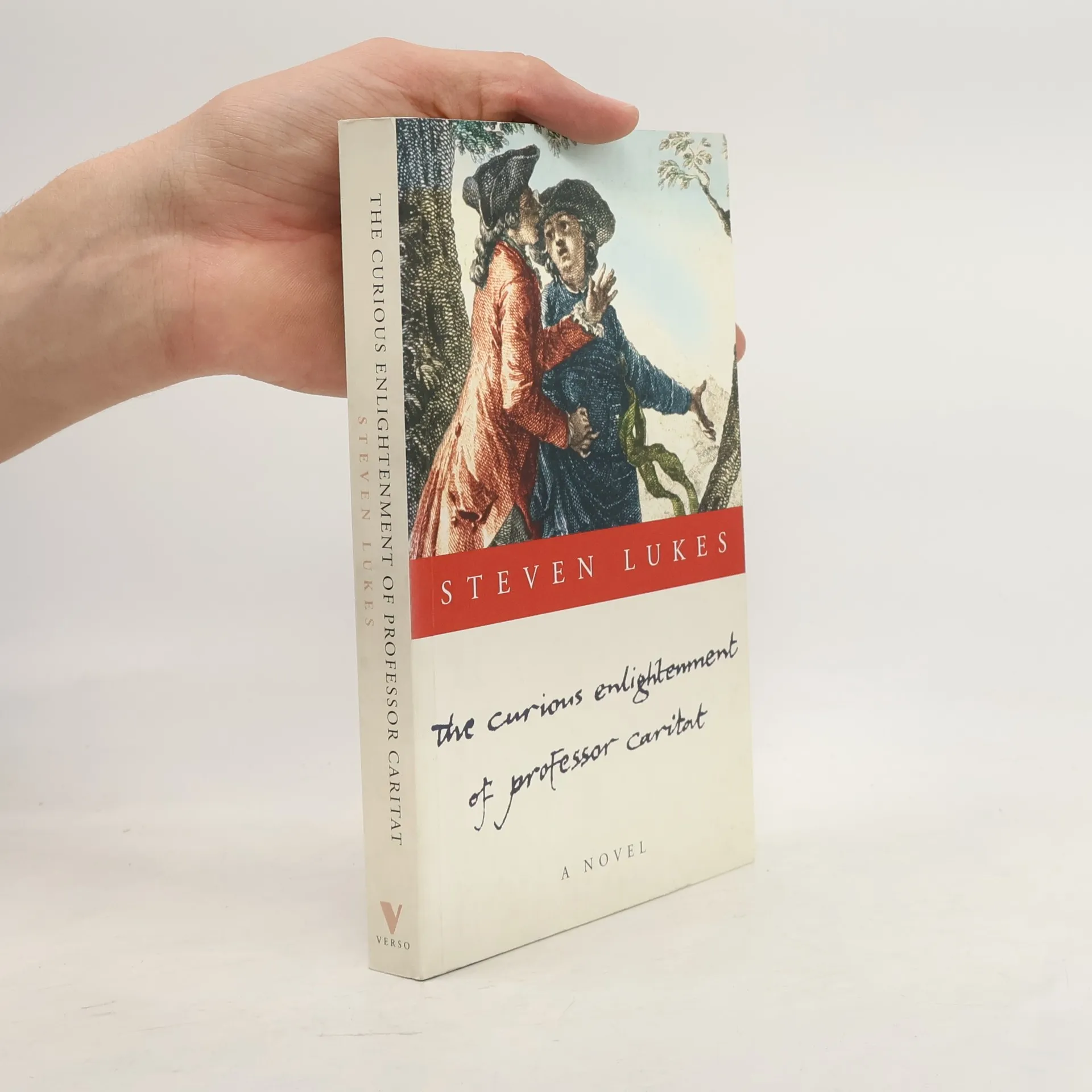
By turns witty and profound, The Curious Enlightenment of Professor Caritat is a novel in the spirit of Gulliver’s Travels or Animal Farm. Telling the story of the travels of a Professor Caritat, who is in search of the perfect world, Steven Lukes us on an irreverent romp through the history of western political philosophy. Doing for that discipline what Sophie’s World did for philosophy in general, The Curious Enlightenment of Professor Caritat is both a refreshing humorous introduction to the clasing ideologies of our time, and a passionate defence of the much-abused Enlightenment and its core values of reason, freedom and tolerance.
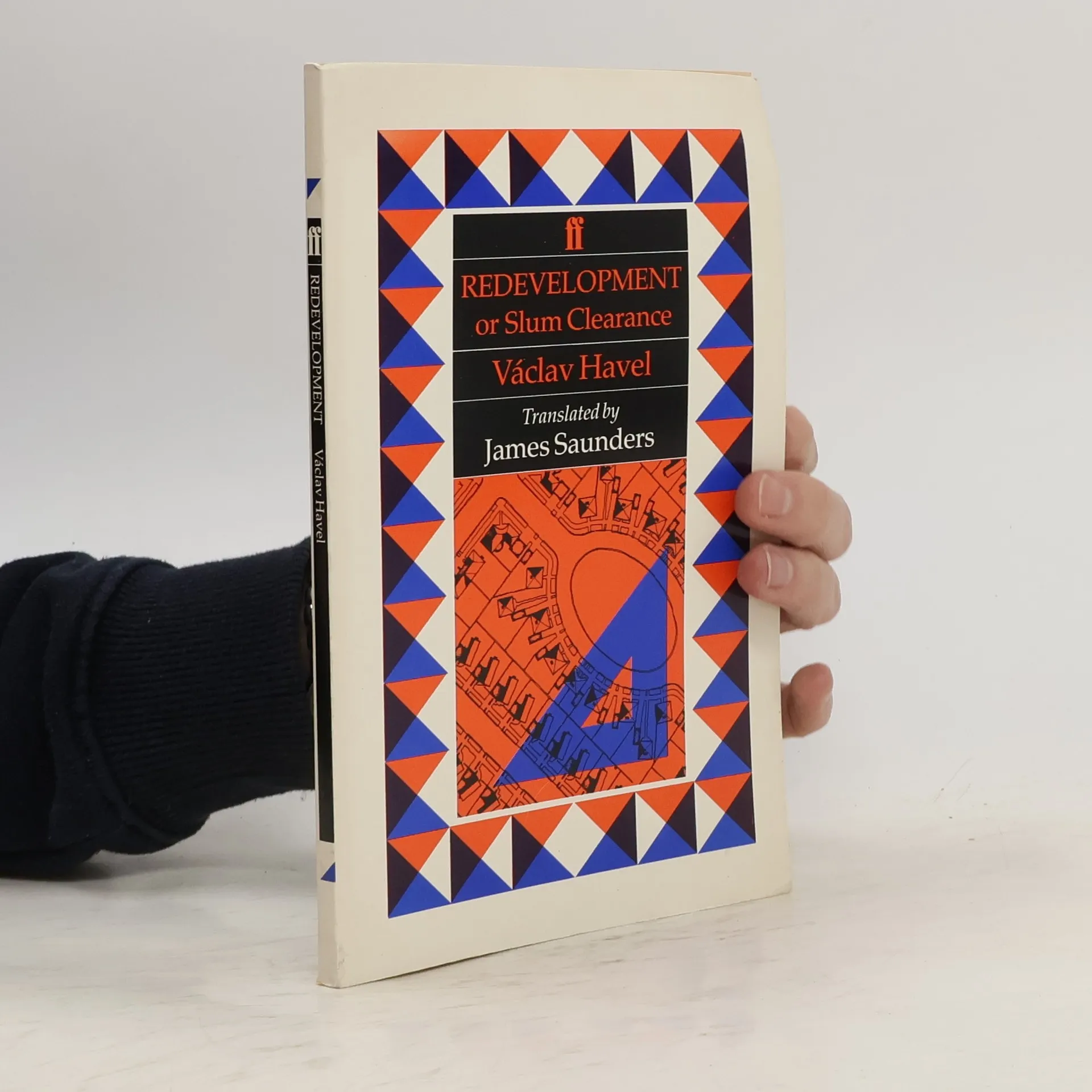
In a converted European castle a weekend conference is taking place. Gathered together is a group of architects, town planners and government officials, and the action of the play concerns itself with the professional, intellectual, ideological and sexual concerns of the participants.
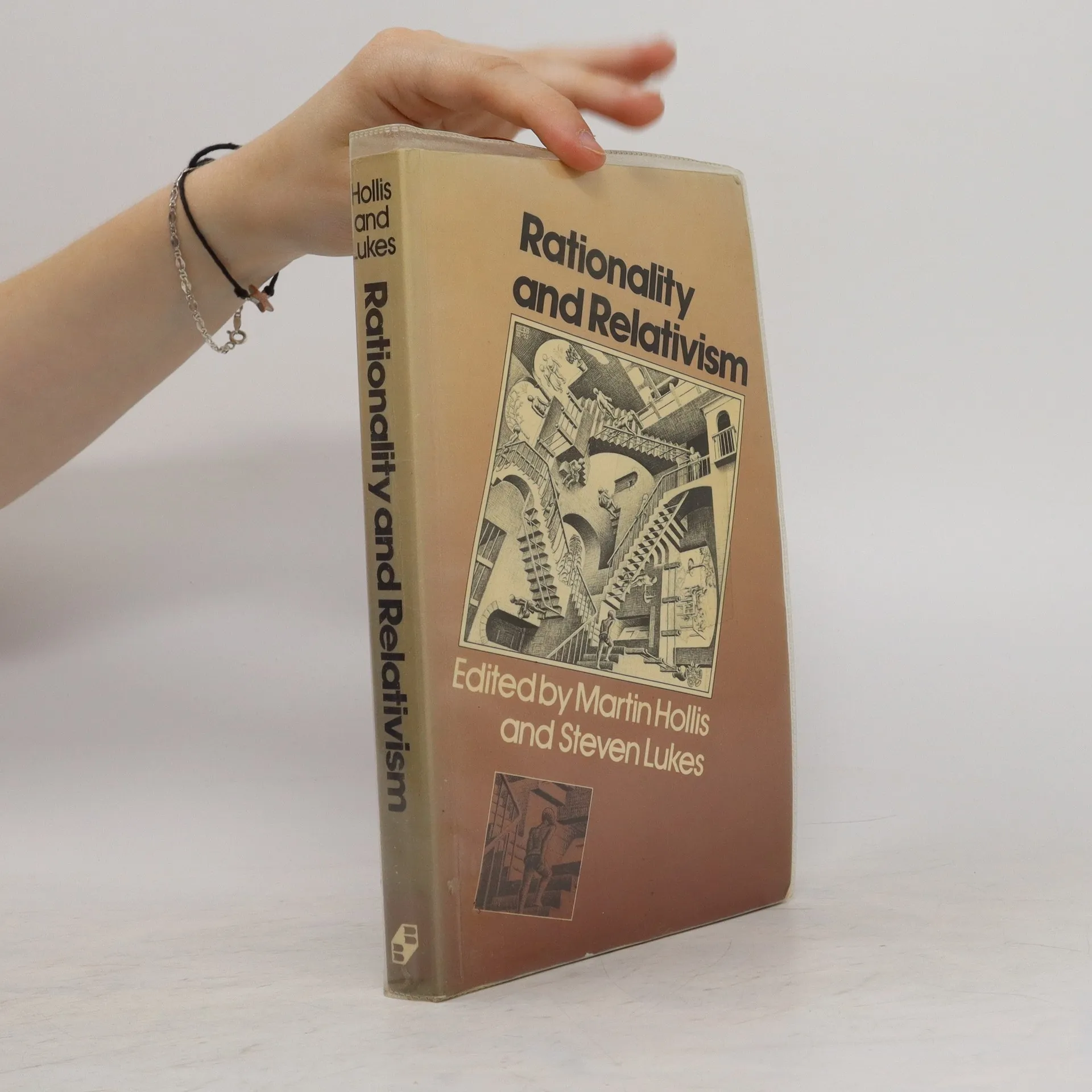
Are there absolute truths that can be gradually approached over time through rational processes? Or are all modes and systems of thought equally valid if viewed from within their own internally consistent frames of reference? Are there universal forms of reasoning and understanding that enable us to distinguish between rational beliefs and those that are demonstrably false, or is everything relative? These central questions are addressed and debated by the distinguished contributors to this lively book. Some of them - Hollis, Lukes, Robin Horton, and Ernest Gellner - discuss new directions in their thinking since their earlier articles appeared in 1970 in the seminal volume Rationality (edited by Bryan Wilson). They are now joined in the debate by Ian Hacking, W. Newton-Smith, Charles Taylor, Jon Elster, Dan Sperber, and, in the jointly authored lead article, by Barry Barnes and David Bloor. Emerging from the debate are a variety of supportable interpretations and conclusions rather than a single, distinct "truth." The contributors represent the complete spectrum of positions between a relativism that challenges the very concept of a single world and the idea that there are ascertainable, objective universals.