Compra 10 libros por 10 € aquí!
Bookbot

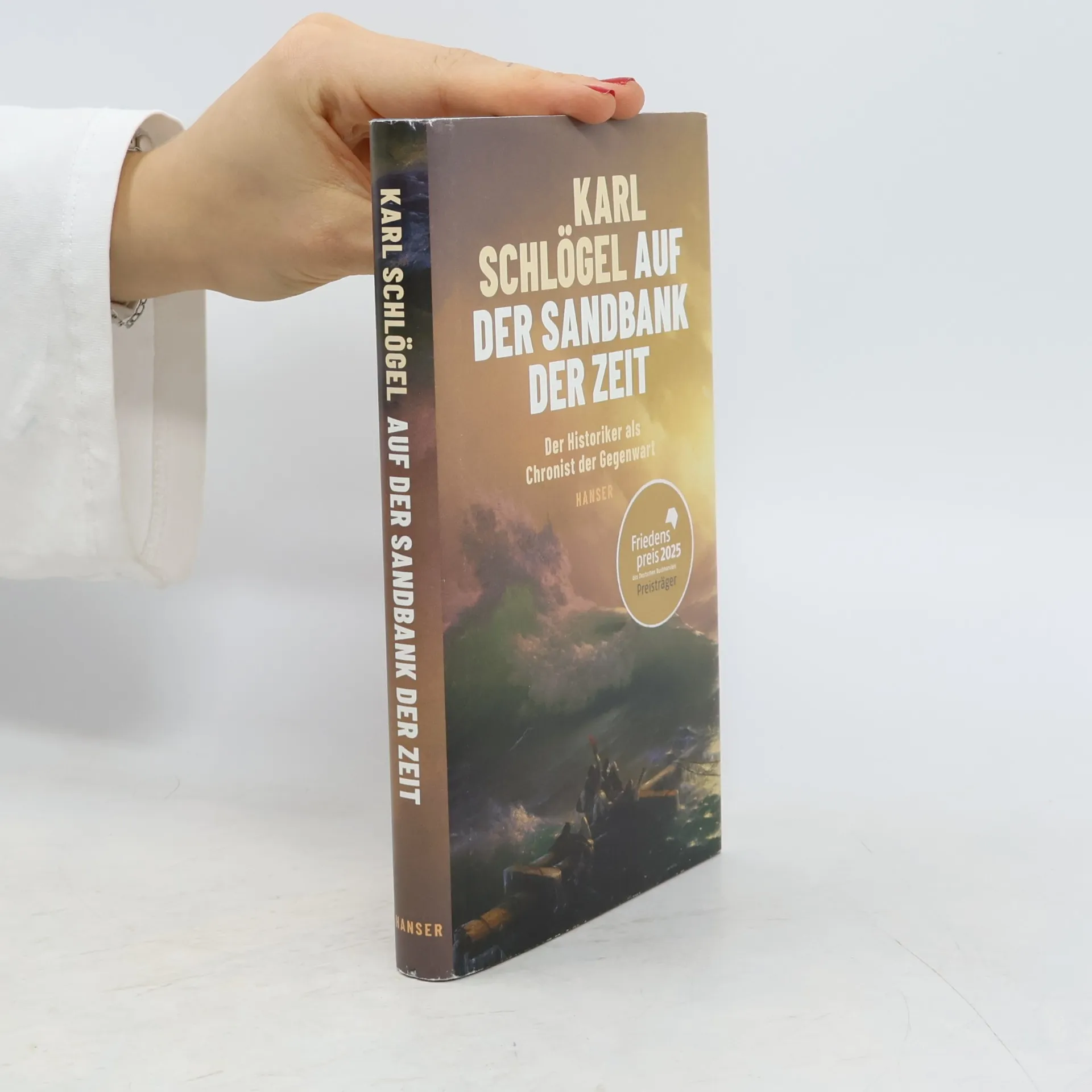
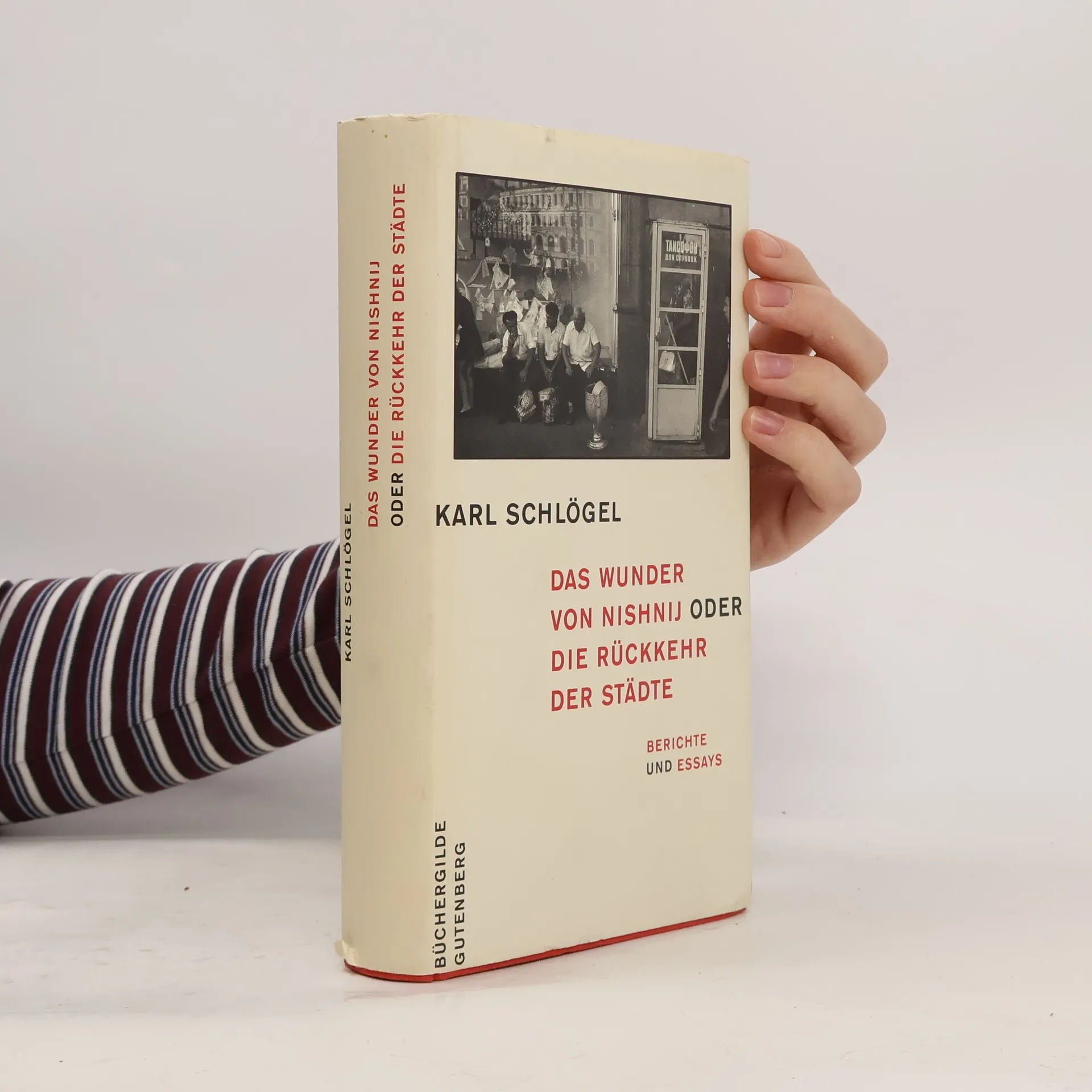
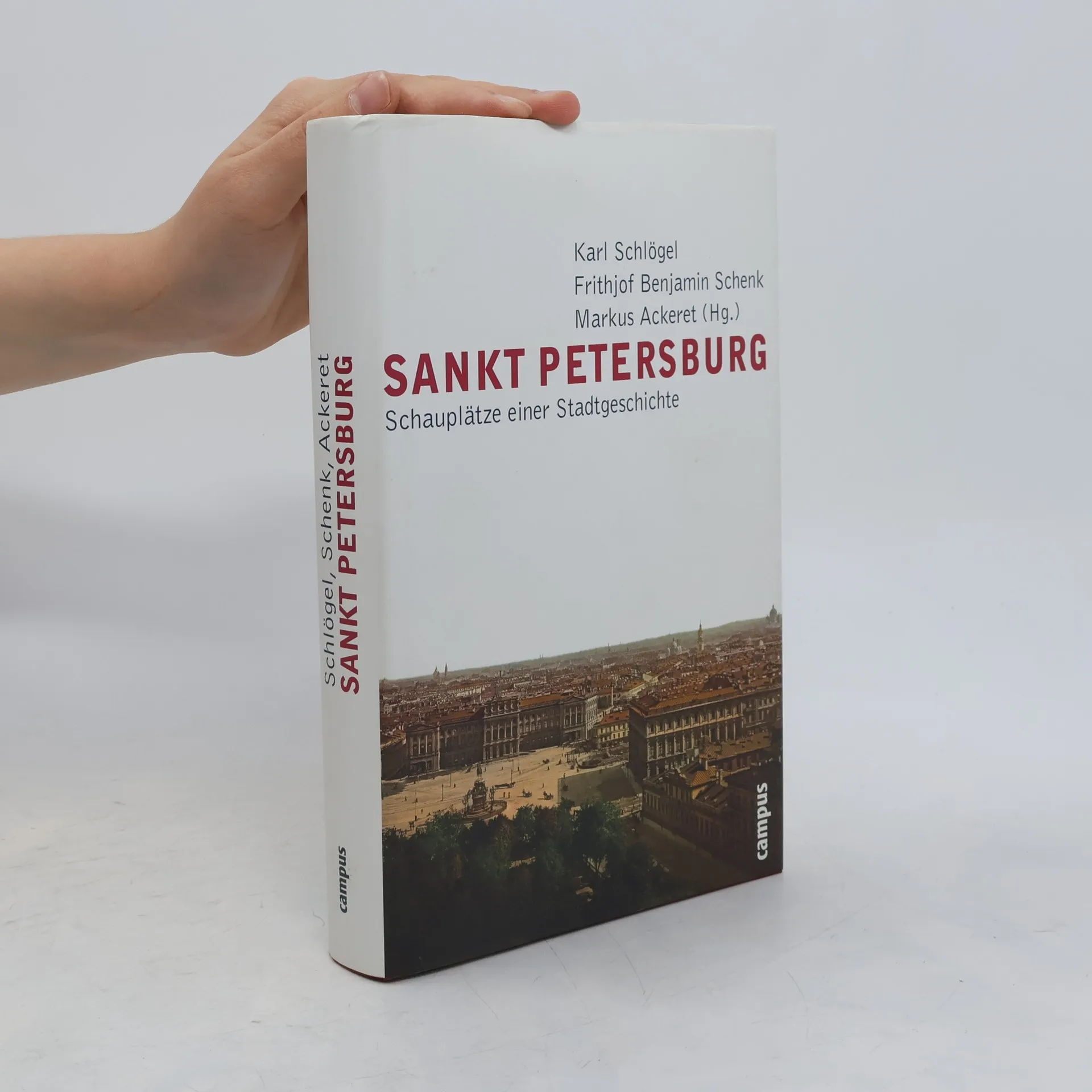
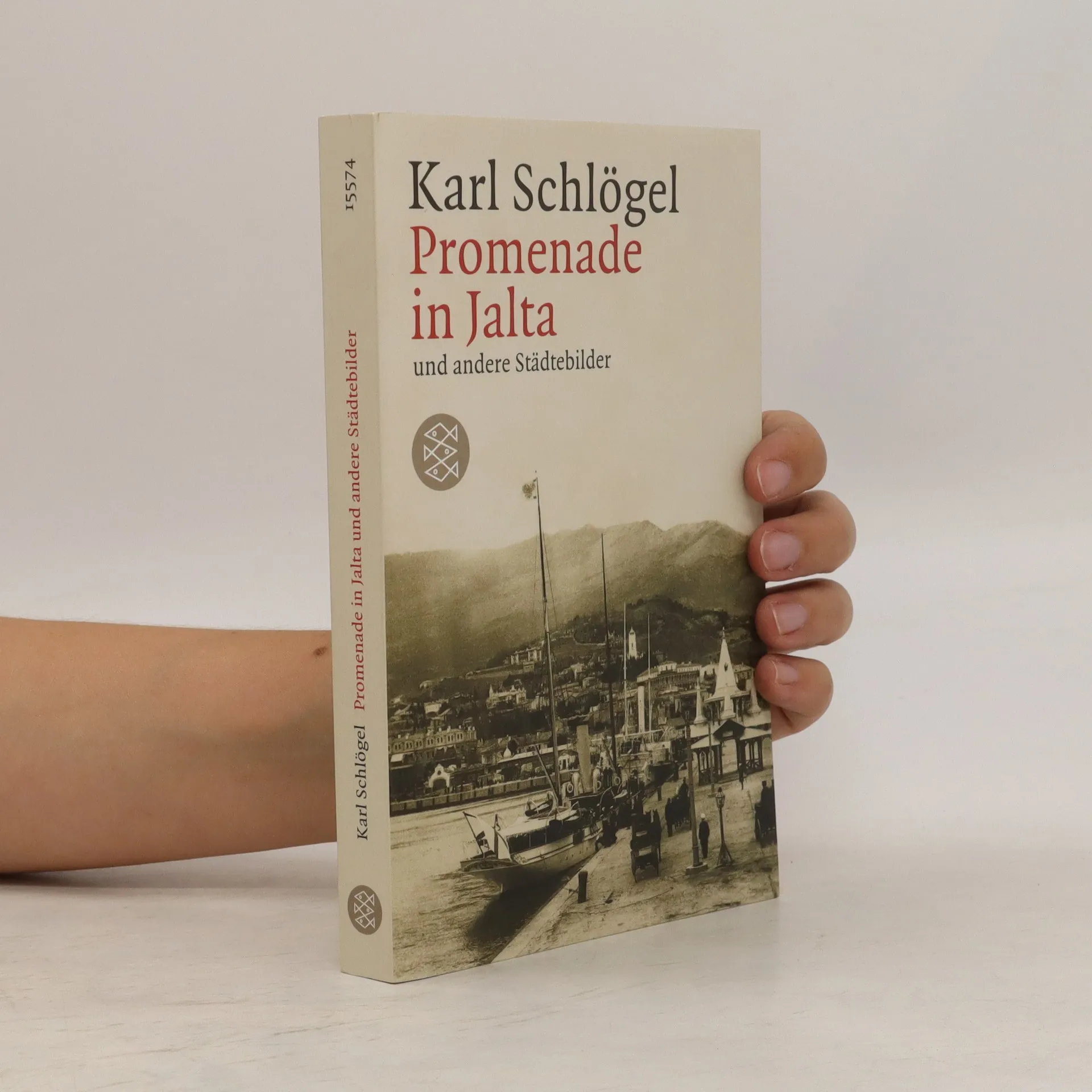
Karl Schlögel

    7 de marzo de 1948
    The Scent of Empires
    The soviet century
    Moscow, 1937
    Moscow
    Ukraine
    Russian-German special relations in the twentieth century
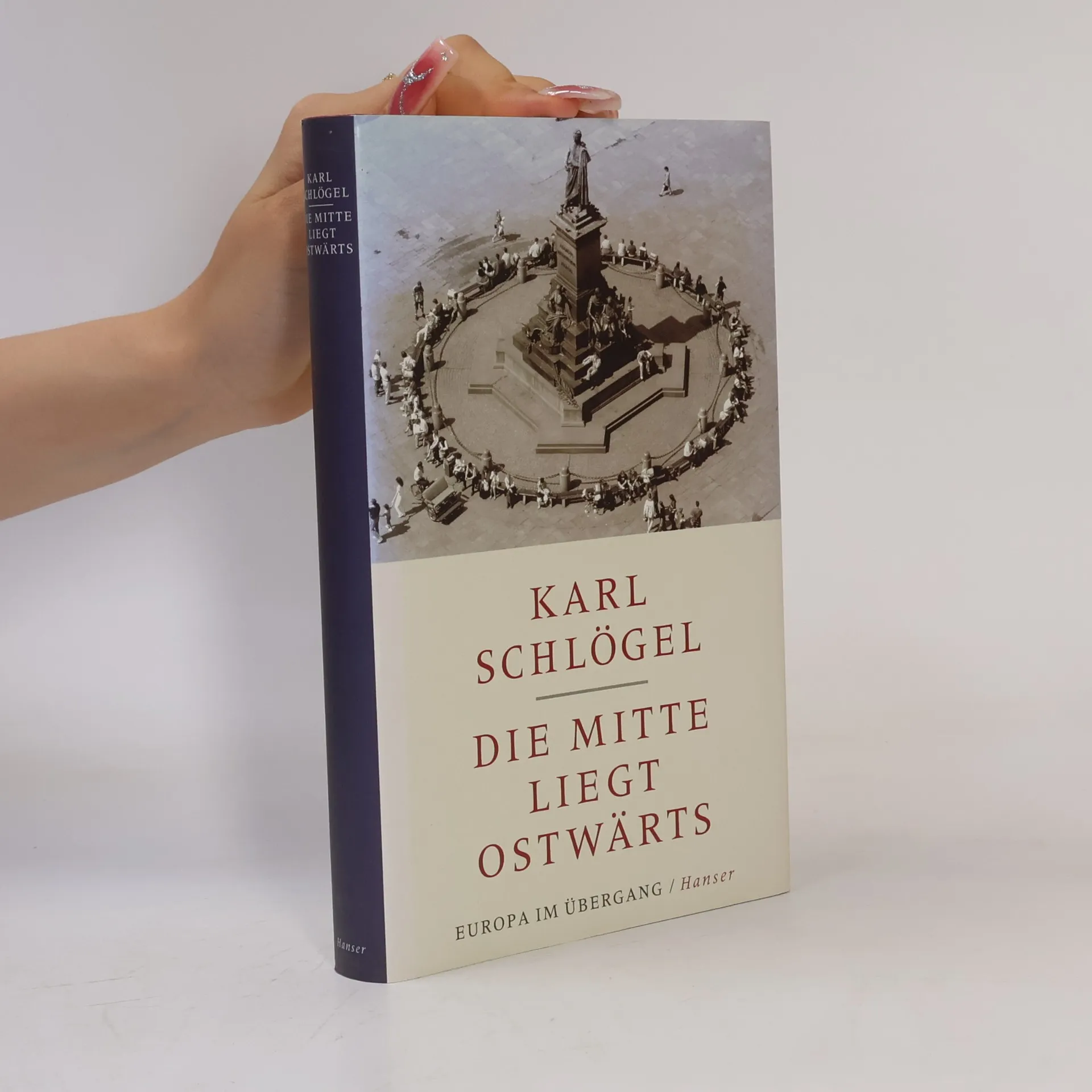
    • Twentieth-century Europe, especially Central Eastern Europe, has been largely defined by Russia and Germany. In this century, cultural and economic exchanges between the two countries were as active as the fires of hatred intense. The smaller states in between, with their unstable borders and internal minorities, suffered from the powers' alliances and their antagonisms. This volume of new research in political and cultural history examines the two powers' turbulent relationship, including the pre-1914 era of exchange and cooperation; the projects of modernity in post-revolutionary Russia and Weimar Germany; the struggle for dominance over Central Europe in World War II; and mutual views of Germans and Russians after 1945. In the wake of the crucial events of 1989 and the transformation of German-Russian relations, it asks whether the configuration of Russian-German relations that once dominated twentieth-century Europe has now dissolved, leaving us to find new ways of cooperation between 'New Russia' and 'New Europe'.

      Russian-German special relations in the twentieth century
    • Ukraine

      • 296 páginas
      • 11 horas de lectura

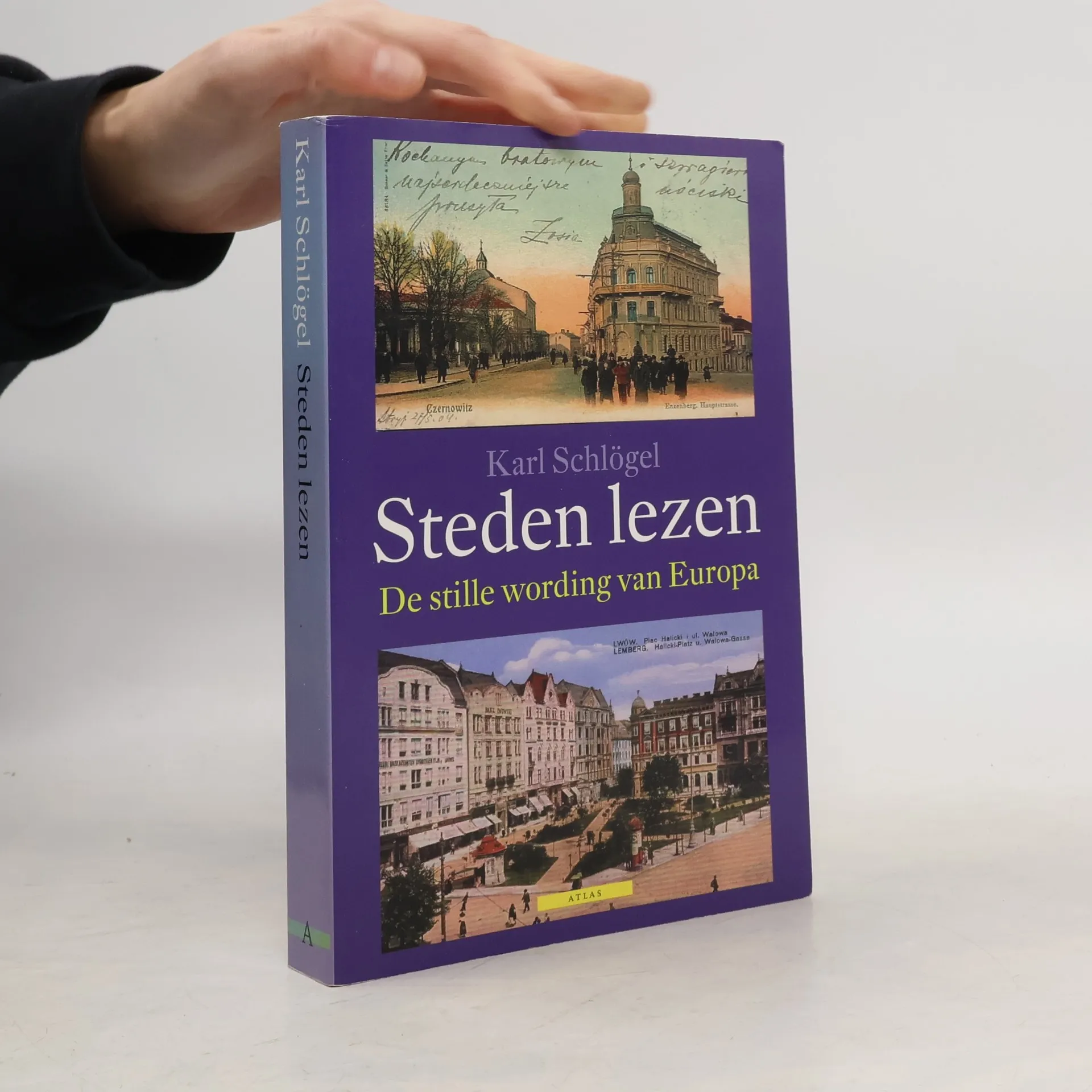
      Ukraine is a country caught in a political tug of war: looking East to Russia and West to the European Union, this pivotal nation has long been a pawn in a global ideological game. And since Russia’s annexation of Crimea in March 2014 in response to the Ukrainian Euromaidan protests against oligarchical corruption, the game has become one of life and death. In Ukraine: A Nation on the Borderland, Karl Schlögel presents a picture of a country which lies on Europe’s borderland and in Russia’s shadow. In recent years, Ukraine has been faced, along with Western Europe, with the political conundrum resulting from Russia’s actions and the ongoing Information War. As well as exploring this present-day confrontation, Schlögel provides detailed, fascinating historical portraits of a panoply of Ukraine’s major cities: Lviv, Odessa, Czernowitz, Kiev, Kharkov, Donetsk, Dnepropetrovsk, and Yalta—cities whose often troubled and war-torn histories are as varied as the nationalities and cultures which have made them what they are today, survivors with very particular identities and aspirations. Schlögel feels the pulse of life in these cities, analyzing their more recent pasts and their challenges for the future.
      Ukraine
    • Moscow

      • 380 páginas
      • 14 horas de lectura

      No European city has undergone as much upheaval in the past fifteen years as Moscow. The stage for the fall of a world empire and the rebirth of a globally-connected Russia, Moscow has transformed from a monochrome capital city to a new Babylon iridescent with neon lights. Karl Schlögel's Moscow offers a fascinating and engaging portrait of this international metropolis in transformation. First published in German in 1984, and now rapidly attaining the status of a classic work, this debut English edition of Moscow has been updated with a new introduction and conclusion covering the post-Soviet period. Schlögel describes the modern history of Moscow from various aspects as he explores the city's streets and unearths the rich histories of its buildings, monuments, and parks. A city where the past and future continually clash, Moscow struggles to define its global role in the twenty-first century, and Karl Schlögel's insightful essays in Moscow provide a valuable window into the complex and resilient character of the ever-evolving capital and its citizens.

      Moscow
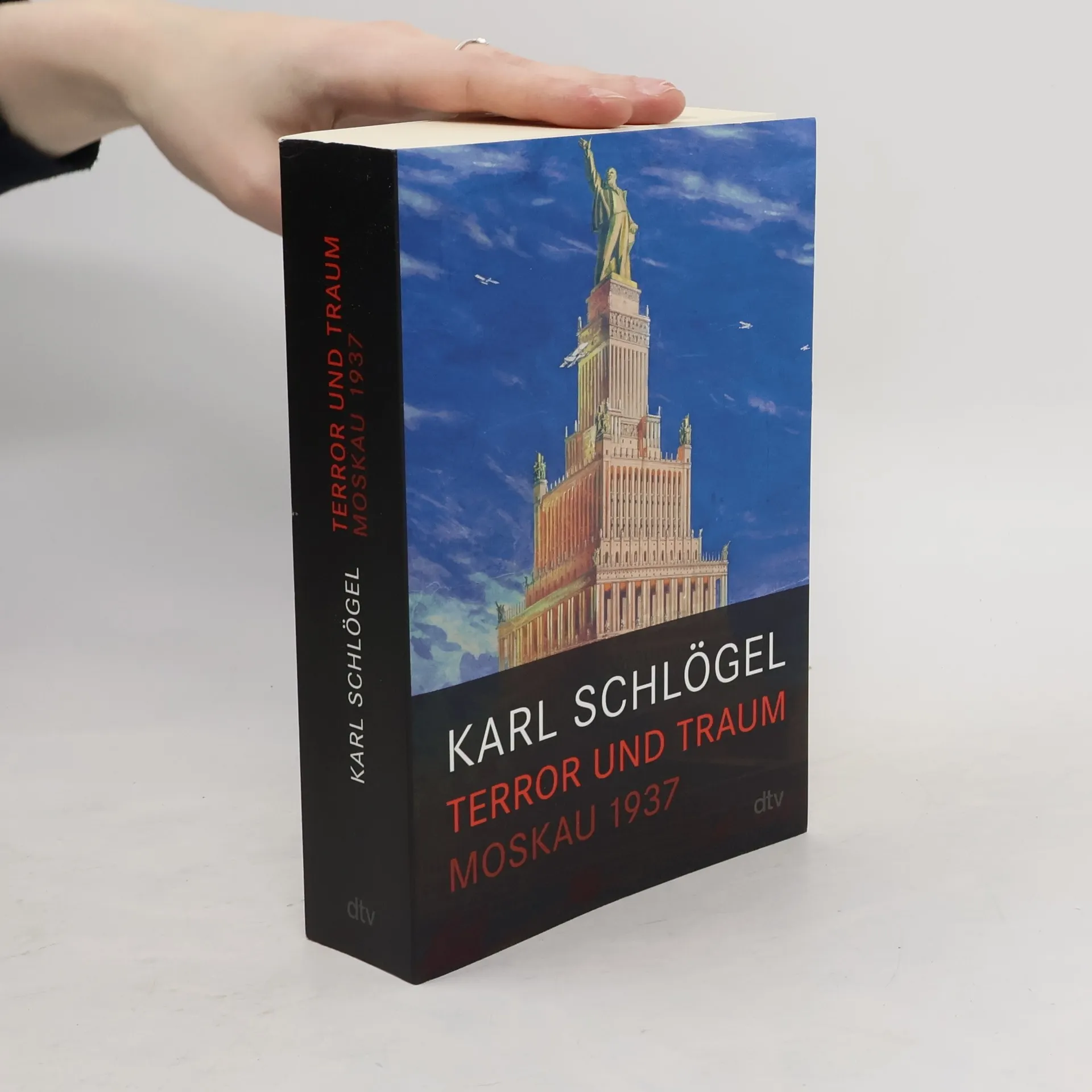
    • Moscow, 1937

      • 652 páginas
      • 23 horas de lectura

      Moscow, 1937: the soviet metropolis at the zenith of Stalin’s dictatorship. A society utterly wrecked by a hurricane of violence. In this compelling book, the renowned historian Karl Schlögel reconstructs with meticulous care the process through which, month by month, the terrorism of a state-of-emergency regime spiraled into the ‘Great Terror’ during which 1 ½ million human beings lost their lives within a single year. He revisits the sites of show trials and executions and, by also consulting numerous sources from the time, he provides a masterful panorama of these key events in Russian history. He shows how, in the shadow of the reign of terror, the regime around Stalin also aimed to construct a new society. Based on countless documents, Schlögel’s historical masterpiece vividly presents an age in which the boundaries separating the dream and the terror dissolve, and enables us to experience the fear that was felt by people subjected to totalitarian rule. This rich and absorbing account of the Soviet purges will be essential reading for all students of Russia and for any readers interested in one of the most dramatic and disturbing events of modern history.

      Moscow, 1937
    • The soviet century

      • 928 páginas
      • 33 horas de lectura

      An encyclopedic and richly detailed history of everyday life in the Soviet Union, this work delves into the remnants of a unique civilization that has since vanished. It vividly captures what it was like to live in the USSR, exploring the sensory experiences of its inhabitants. The narrative serves as both a museum and a travel guide to the Soviet past, detailing both grand and mundane aspects of life, from the Gulag and planned economy to cookbooks, military medals, and the iconic perfume Red Moscow. The exploration includes well-known elements like long queues, communal apartments, parades, and the Lenin mausoleum, alongside lesser-known yet significant features such as the Great Soviet Encyclopedia, Radio Moscow, graffiti, and even the typical toilet, which became a cultural topic. The book illustrates how Soviet life intertwined utopian dreams with everyday routines and an underlying atmosphere of terror, epitomized by the Lubyanka, the secret police's headquarters. Drawing on decades of travel in the Soviet and post-Soviet realms and enriched with over eighty illustrations, this account is both vivid and immediate, based on firsthand experiences with the places and objects it describes. The result is an unforgettable portrayal of a complex era.

      The soviet century
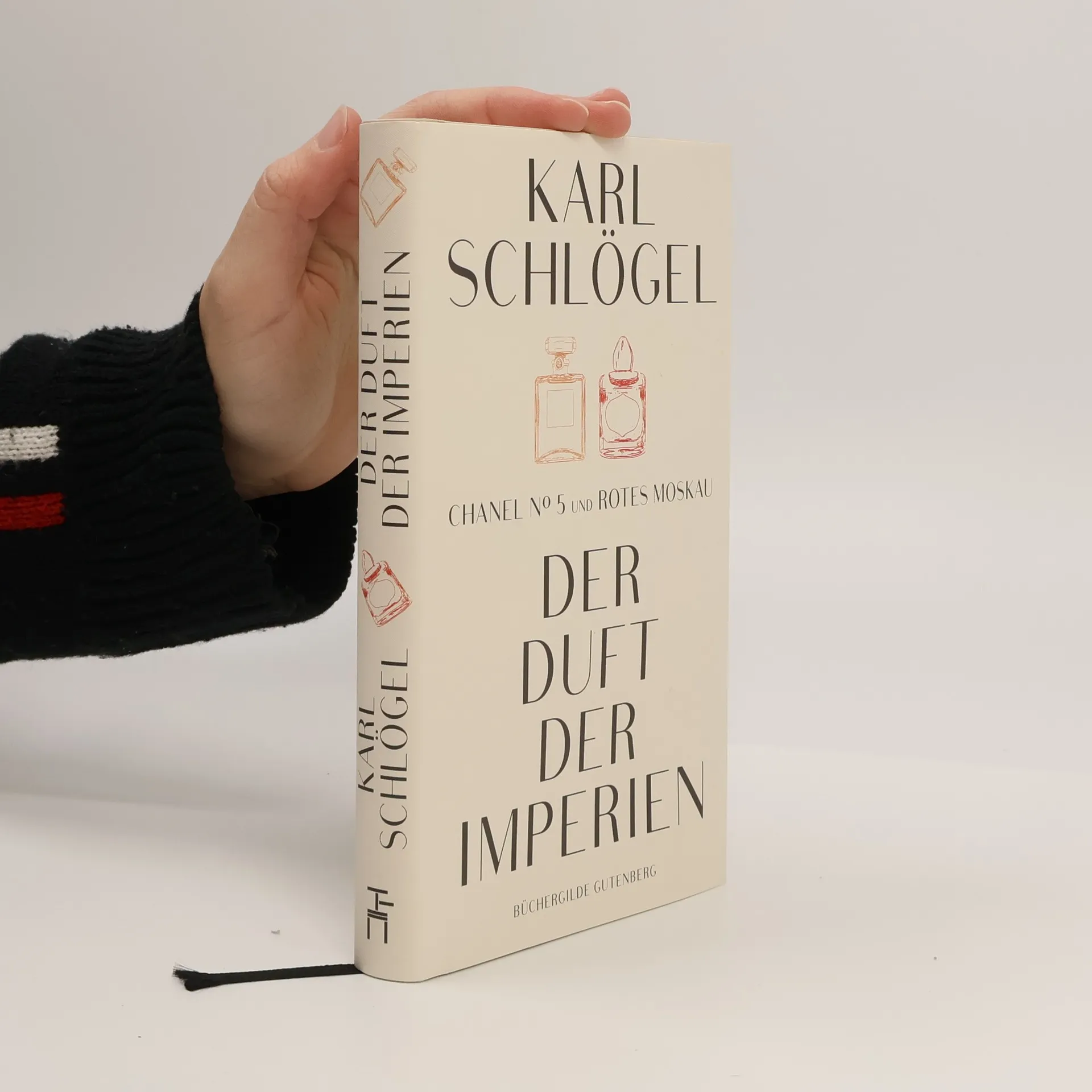
    • "Can a drop of perfume tell the story of the twentieth century? Can a smell bear the traces of history? What can we learn about the history of the twentieth century by examining the fate of perfumes? In this remarkable book, Karl Schlögel unravels the interconnected histories of two of the world's most celebrated perfumes. In tsarist Russia, two French perfumers - Ernest Beaux and Auguste Michel - developed related fragrances honouring Catherine the Great for the 300th anniversary of the Romanov dynasty. During the Russian Revolution and Civil War, Beaux fled Russia and took the formula for his perfume with him to France, where he sought to adapt it to his new French circumstances. He presented Coco Chanel with a series of ten fragrance samples in his laboratory and, after smelling each, she chose number five - the scent that would later go by the name Chanel No. 5. Meanwhile, as the perfume industry was being revived in Soviet Russia, Auguste Michel used his original fragrance to create Red Moscow for the tenth anniversary of the Revolution. Piecing together the intertwined histories of these two famous perfumes, which shared a common origin, Schlögel tells a surprising story of power, intrigue and betrayal that offers an altogether unique perspective on the turbulent events and high politics of the twentieth century. This brilliant account of perfume and politics in twentieth-century Europe will be of interest to a wide general readership."--Amazon.com

      The Scent of Empires
    • Moskau 1937: Die sowjetische Metropole auf dem Höhepunkt der stalinistischen Diktatur. Karl Schlögel rekonstruiert diese Zeit, in der anderthalb Millionen Menschen dem »Großen Terror« zum Opfer fielen. Doch damit ist nicht alles erzählt: Im Schatten des Terrors will das Regime um Stalin eine neue Gesellschaft aufbauen. Gestützt auf zahllose Dokumente, vergegenwärtigt Schlögel in seinem historischen Meisterwerk eine Zeit, in der Terror und Traum fließend ineinander übergingen.

      Terror und Traum
    • Das sowjetische Jahrhundert

      Archäologie einer untergegangenen Welt

      Der große Osteuropa-Historiker Karl Schlögel lädt mit seiner Archäologie des Kommunismus zu einer Neuvermessung der sowjetischen Welt ein. Wir wussten immer schon viel darüber, wie "das System" funktioniert, weit weniger über die Routinen des Lebens in außer gewöhnlichen Zeiten. Aber jedes Imperium hat seinen Sound, seinen Duft, seinen Rhythmus, der auch dann noch fortlebt, wenn das Reich aufgehört hat zu existieren. So entsteht, hundert Jahre nach der Revolution von 1917 und ein Vierteljahrhundert nach dem Ende der Sowjetunion, das Panorama eines einzigartigen Imperiums, ohne das wir "die Zeit danach", in der wir heute leben, nicht verstehen können. Karl Schlögel ist dabei, wenn die Megabauten des Kommunismus eingeweiht und die Massengräber des Stalin'schen Terrors freigelegt werden. Er interessiert sich für Paraden der Macht ebenso sehr wie für die Rituale des Alltags, er erkundet die Weite des Eisenbahnlandes und die Enge der Gemeinschaftswohnung, in der Generationen von Sowjetmenschen ihr Leben zubrachten. Die Orte des Glücks und der kleinen Freiheit fehlen nicht: der Kulturpark, die Datscha, die Ferien an der Roten Riviera. In allem – ob im Mobiliar, im Duft des Parfums oder der Stimme des Radiosprechers – hat das "Zeitalter der Extreme" seine Spur hinterlassen.

      Das sowjetische Jahrhundert
    • Karl Schlögel beweist mit dem Titel ›Entscheidung in Kiew: Ukrainische Lektionen‹ erneut, dass er der Kenner Osteuropas und seit vielen Jahren in der Ukraine unterwegs ist. Er zeigt uns, dass man auf die Städte der Ukraine schauen muss, wenn man wirklich wissen will, was in Europa gerade passiert. Darunter zählen unter anderem Lemberg, Odessa, Czernowitz, Kiew, Charkiw und Donezk. All diese Namen stehen für einst blühende Städte, für eine Kultur von eigenem Rang. Doch mit dem Krieg ist eine Kontroverse über die politische und kulturelle Eigenständigkeit des Landes und seiner Städte ausgebrochen. Selbst in der unruhigen jüngsten Zeit hat Schlögel Reisen in die kulturell vielfältige Ukraine unternommen. Er führt mit seinen Städtebildern dem Leser vor Augen, was gar nicht fern von uns auf dem Spiel steht.

      Entscheidung in Kiew
    • Entscheidung in Kiew

      Ukrainische Lektionen Aktualisierte und erweiterte Neuausgabe

      Was macht die Ukraine aus? Erst mit der russischen Annexion der Krim entwickelte sich ein Bewusstsein für die Eigenständigkeit dieses Landes, das nach dem Willen der Aggressoren nun von der Landkarte verschwinden soll. Seit vielen Jahren ist Karl Schlögel in der Ukraine unterwegs, seine ukrainischen Lektionen von 2015 ergänzt er nun um einen großen Essay über den Krieg, der sich gegen die Idee der Freiheitlichkeit überhaupt richtet. Lemberg, Odessa, Czernowitz, Kiew, Charkiw, Mariupol: All diese Namen, die sich nun mit Schreckensnachrichten verbinden, stehen eigentlich für eine offene, vielfältige Welt, die der Westen viel zu lange ignoriert hat. Wer wirklich wissen will, was in Europa auf dem Spiel steht, muss auf die Ukraine schauen.

      Entscheidung in Kiew