

La obra de Michelle Kuo profundiza en las profundas intersecciones de la raza, la desigualdad y el poder transformador de la literatura. Basándose en sus experiencias como abogada de derechos de inmigrantes y educadora, crea narrativas que iluminan el profundo impacto de la educación y la justicia. Su escritura une de manera única lo personal con lo político, ofreciendo perspicaces reflexiones sobre la reforma de la justicia penal y la educación en prisiones. La voz literaria de Kuo se distingue por su sabiduría ganada con esfuerzo y su vital contribución a los debates sobre la pobreza, la raza y la educación.
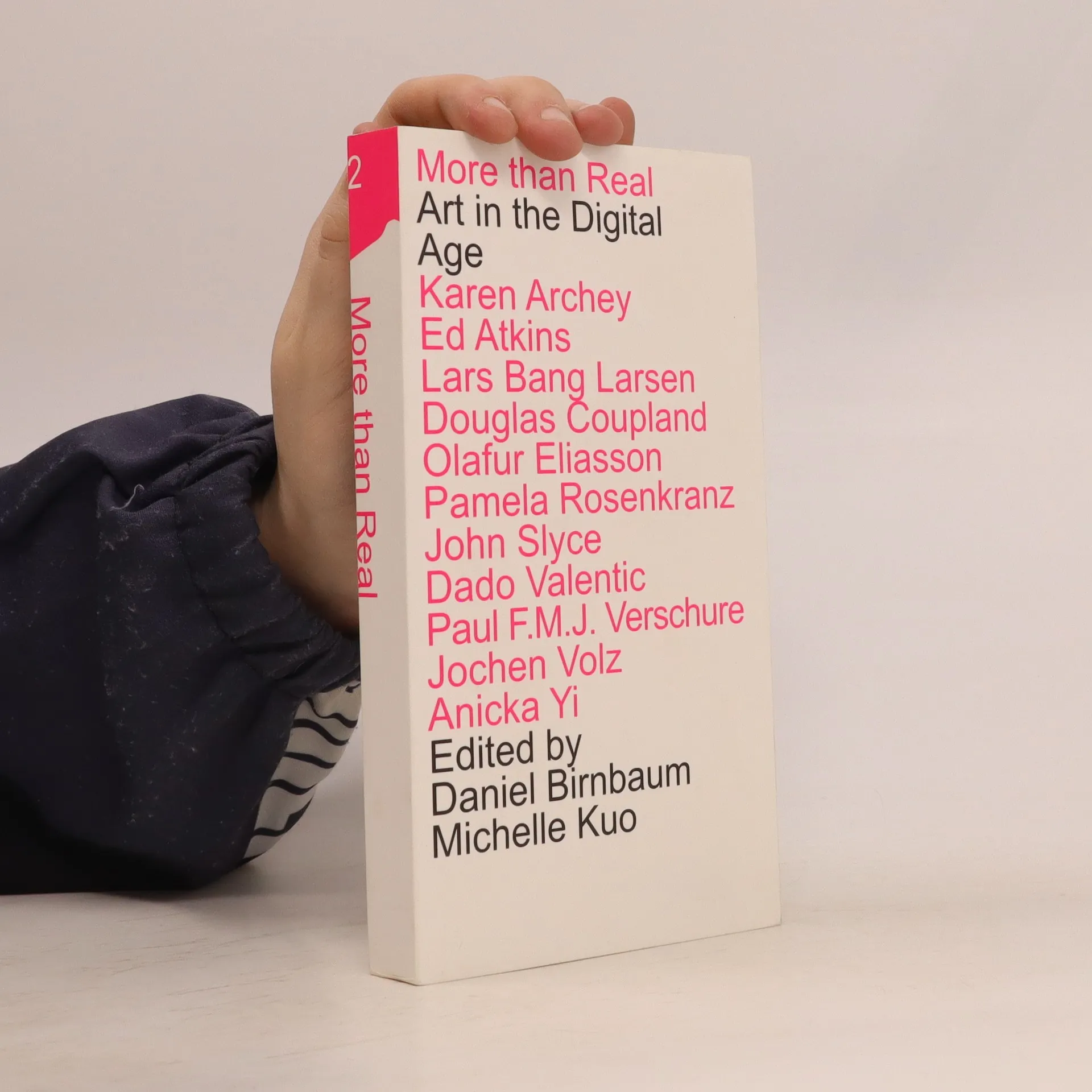
This is the second in the Summit publication series, disseminating key insights of the 2018 Summit and extending a global dialogue on an important social issue: art in the digital age. The multidisciplinary perspectives come together through the inspirational book design of Irma Boom. Acting as a cultural incubator for innovative ideas and change, the Verbier Art Summit is an international platform erected to optimise the role of art in a global society. Their mission is to connect thought leaders to key figures in the art world and thus position the Summit as a catalyst for innovation and change. Their vision is to create an influential platform in a non-transactional context for artists, curators, museum directors, private and corporate collectors, art historians/critics, gallerists and art consultants to generate new insights and ideas. Text: Karen Archey, Ed Atkins, Lars Bang Larsen, Douglas Coupland, Olafur Eliasson, Susanne Pfeffer, Pamela Rosenkranz, Anneliek Sijbrandij, John Slyce, Dado Valentic, Paul F. M. J. Verschure, Jochen Volz, Anicka Yi
This updated edition offers an in-depth look at artist Olafur Eliasson's work from the 1990s to today, featuring recent exhibitions and hundreds of illustrations. It showcases his diverse output, from large-scale interactive installations to delicate works on paper and glass, accompanied by insightful writings.
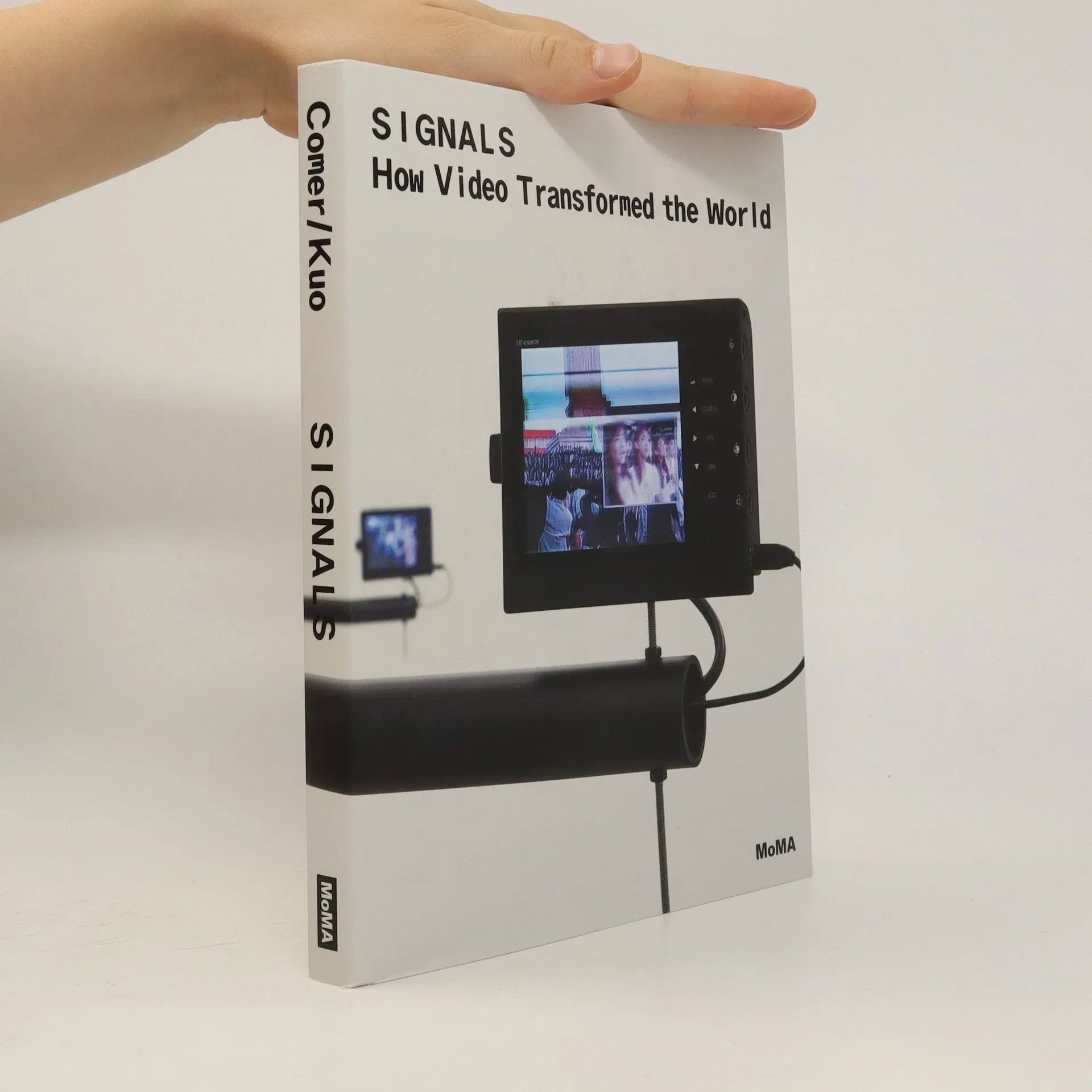
Having become widely accessible as a consumer technology in the 1960s, video is ever-present today-on our phones and our screens, defining new spaces and experiences, shaping our ideas and politics, and spreading disinformation, documentation, evidence, fervor. Signals: The Politics of Video charts the ways in which artists have both championed and questioned the promise of video, revealing a history that has been planetary, critical, and activist from its very beginnings. The Museum of Modern Art has been at the forefront of bringing video into museums-pioneering the collection, conservation, and definition of a new artistic medium. Signals aims to renew and revise our understanding of art and video, both within and outside the museum. A companion to the exhibition, this catalogue-the Museum's first major publication on the subject in twenty-five years-includes an introductory essay by the curators and six thematic texts by leading scholars and artists that investigate the range of artistic engagements with video, media, and the public sphere. Here, video is posed not as a traditional medium but as a pervasive and fluid media network that is thoroughly global, social, and interactive: a means of politics.
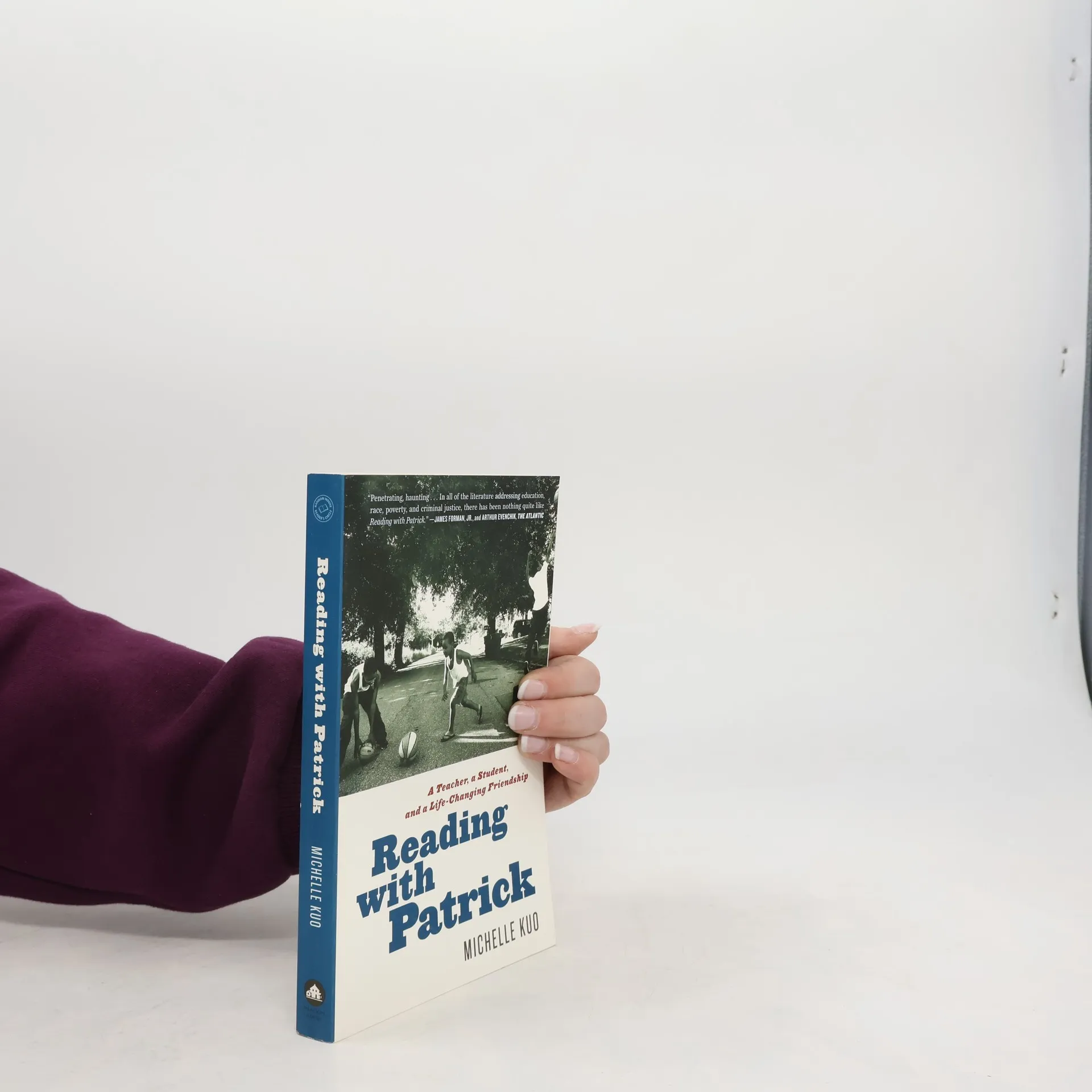
A Teacher, a Student, and a Life-Changing Friendship
336 páginas
12 horas de lectura
<b>Finalist for the Dayton Literary Peace Prize </b>- <b>"In all of the literature addressing education, race, poverty, and criminal justice, there has been nothing quite like <i>Reading with Patrick</i>."--<i>The Atlantic</i></b> <b>A memoir of the life-changing friendship between an idealistic young teacher and her gifted student, jailed for murder in the Mississippi Delta</b> Recently graduated from Harvard University, Michelle Kuo arrived in the rural town of Helena, Arkansas, as a Teach for America volunteer, bursting with optimism and drive. But she soon encountered the jarring realities of life in one of the poorest counties in America, still disabled by the legacy of slavery and Jim Crow. In this stirring memoir, Kuo, the child of Taiwanese immigrants, shares the story of her complicated but rewarding mentorship of one student, Patrick Browning, and his remarkable literary and personal awakening. Convinced she can make a difference in the lives of her teenaged students, Michelle Kuo puts her heart into her work, using quiet reading time and guided writing to foster a sense of self in students left behind by a broken school system. Though Michelle loses some students to truancy and even gun violence, she is inspired by some such as Patrick. Fifteen and in the eighth grade, Patrick begins to thrive under Michelle's exacting attention. However, after two years of teaching, Michelle feels pressure from her parents and the draw of opportunities outside the Delta and leaves Arkansas to attend law school. Then, on the eve of her law-school graduation, Michelle learns that Patrick has been jailed for murder. Feeling that she left the Delta prematurely and determined to fix her mistake, Michelle returns to Helena and resumes Patrick's education--even as he sits in a jail cell awaiting trial. Every day for the next seven months they pore over classic novels, poems, and works of history. Little by little, Patrick grows into a confident, expressive writer and a dedicated reader galvanized by the works of Frederick Douglass, James Baldwin, Walt Whitman, W. S. Merwin, and others. In her time reading with Patrick, Michelle is herself transformed, contending with the legacy of racism and the questions of what constitutes a "good" life and what the privileged owe to those with bleaker prospects. <b>"A powerful meditation on how one person can affect the life of another . . . One of the great strengths of <i>Reading</i> <i>with Patrick</i> is its portrayal of the risk inherent to teaching."--<i>The</i> <i>Seattle Times</i></b> <b>"[A] tender memoir."--<i>O: The Oprah Magazine</i></b>