
Bookbot

Heinz Heger

    1 de enero de 1914 – 29 de junio de 1978

    Este autor exploró los horrores de los campos de concentración nazis y las experiencias de hombres perseguidos por su orientación sexual. Su obra, aunque arraigada en la tragedia personal, ofrece un poderoso testimonio de la resiliencia del espíritu humano frente a la opresión extrema. A través de su escritura, buscó arrojar luz sobre períodos oscuros de la historia, asegurando que estas historias no cayeran en el olvido. Su contribución sirve como un recordatorio perdurable de la importancia de la tolerancia y la comprensión.

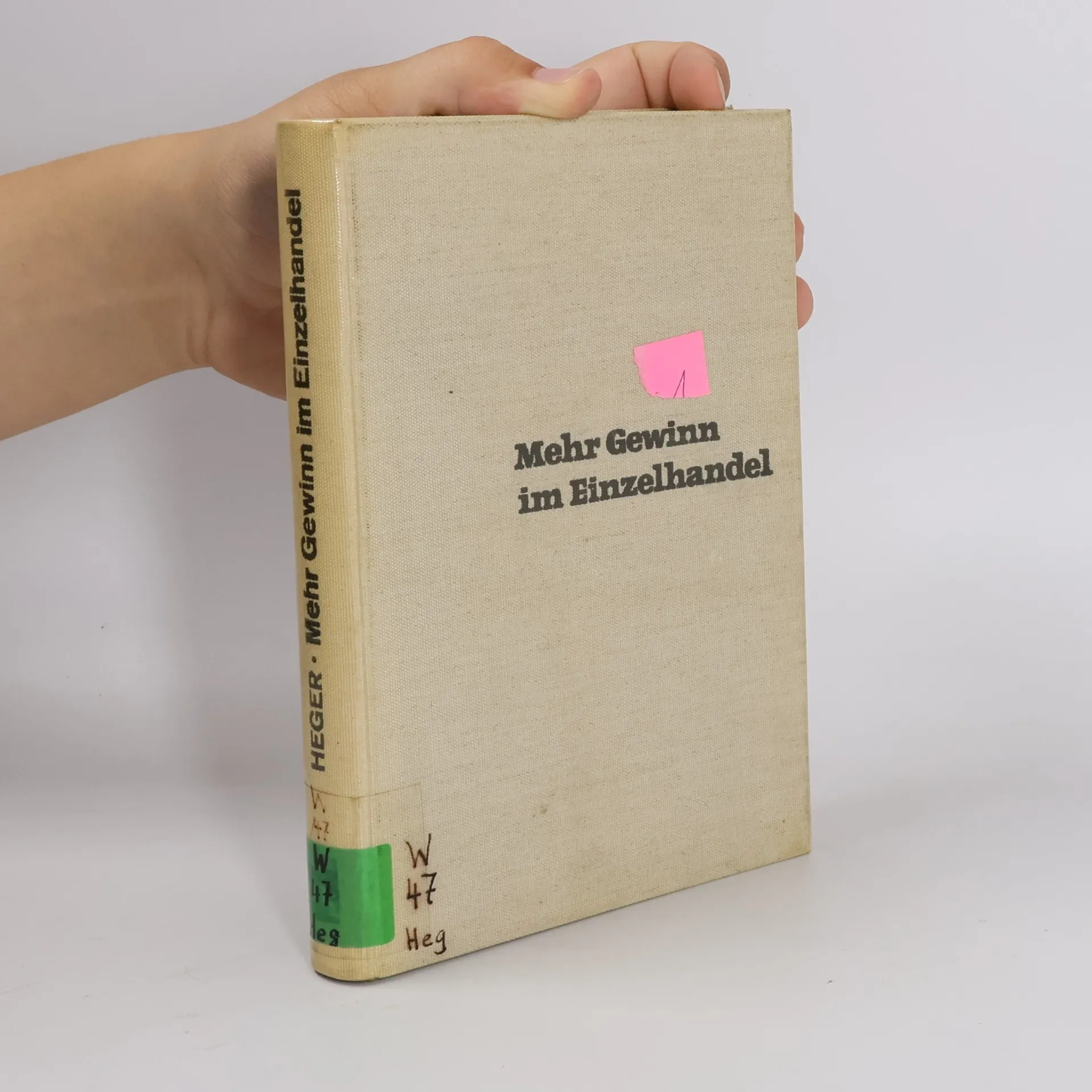
    Mehr Gewinn im Einzelhandel
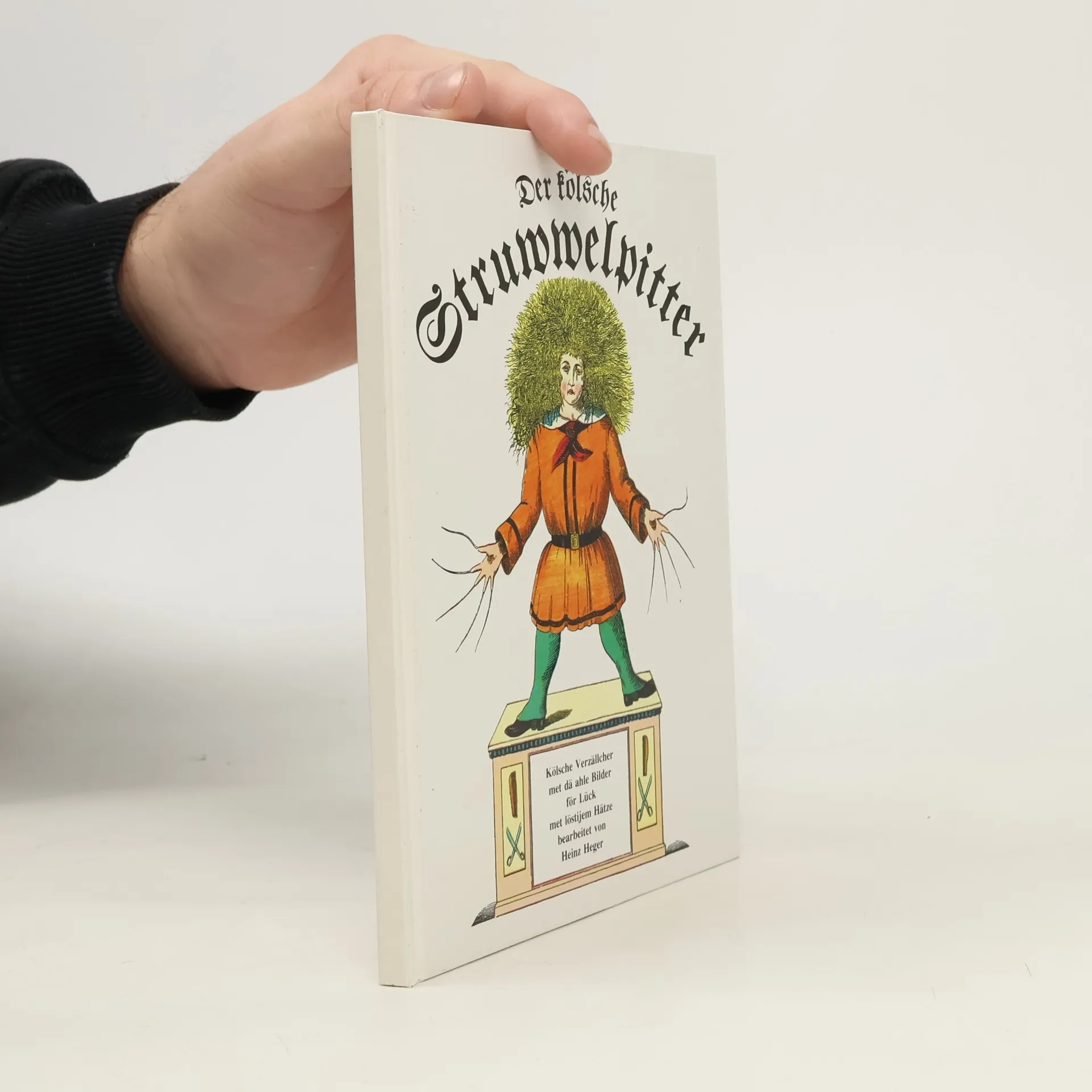
    Der kölsche Struwwelpitter
    The men with the pink triangle
    • Der kölsche Struwwelpitter

      Kölsche Verzällcher met dä ahle Bilder för Lück met löstijem Hätze

      • 32 páginas
      • 2 horas de lectura

      First published in 1845. Struwwelpeter (variously translated as "slovenly" or "shock-headed" Peter) has become widely recognized as one of the most popular and influential children's books ever written. Heinrich Hoffmann was a Frankfurt physician. Unhappy with the dry and pedagogic books available for children at the time, he wrote and illustrated Struwwelpeter as a Christmas present for his three-year-old son. The book relates in verse and pictures the often gruesome consequences that befall children who torment animals, play with matches, suck their thumbs, refuse to eat, fidget at meals, etc. Written in rhyming couplets and illustrated by the author, the book was an immediate success. It has since gone through hundreds of editions and been published in almost every European language.

      Der kölsche Struwwelpitter1987
    • The men with the pink triangle

      • 120 páginas
      • 5 horas de lectura

      It has only been since the mid-1970s that any attention has been paid to the persecution and interment of gay men by the Nazis during the Third Reich. Since that time, books such as Richard Plant's The Pink Triangle (and Martin Sherman's play Bent) have illuminated this nearly lost history. Heinz Heger's first-person account, The Men with the Pink Triangle, was one of the first books on the topic and remains one of the most important. In 1939, Heger, a Viennese university student, was arrested and sentenced to prison for being a "degenerate." Within weeks he was transported to Sachsenhausen, a concentration camp in East Germany, and forced to wear a pink triangle to show that his crime was homosexuality. He remained there, under horrific conditions, until the end of the war in 1945. The power of The Men with the Pink Triangle comes from Heger's sparse prose and his ability to recall--and communicate--the smallest resonant details. The pain and squalor of everyday camp life--the constant filth, the continuous presence of death, and the unimaginable cruelty of those in command--are all here. But Heger's story would be unbearable were it not for the simple courage he and others used to survive and, having survived, that he bore witness. This book is harrowing but necessary reading for everyone concerned about gay history, human rights, or social justice. --Michael Bronski

      The men with the pink triangle1972
      4,4