Bookbot

György Varga

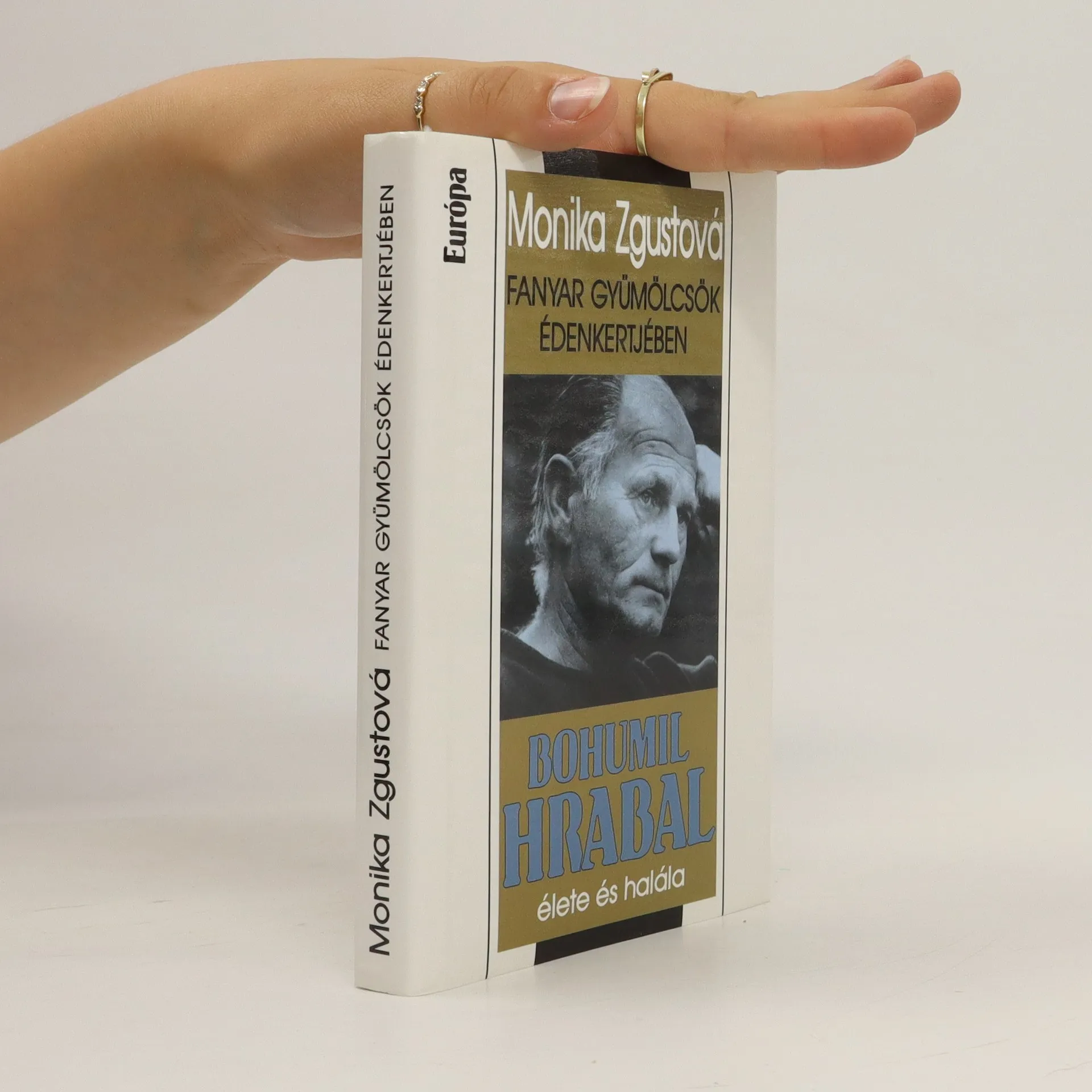
    Fanyar gyümölcsök édenkertjében : Bohumil Hrabal élete és halála
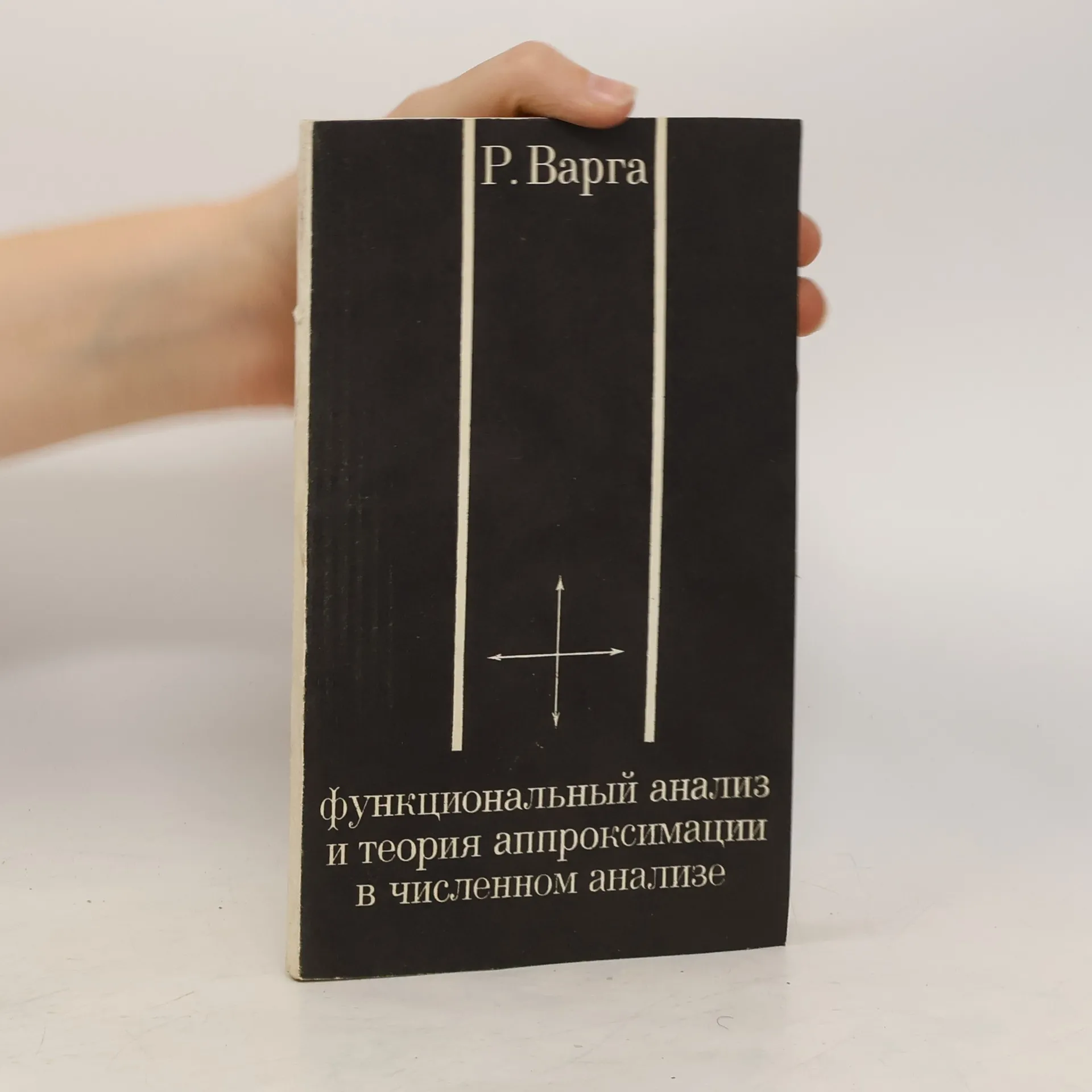
    Функциональный анализ и теория аппроксимации в численном анализе
    Society for the Prevention of Cruelty to Animals
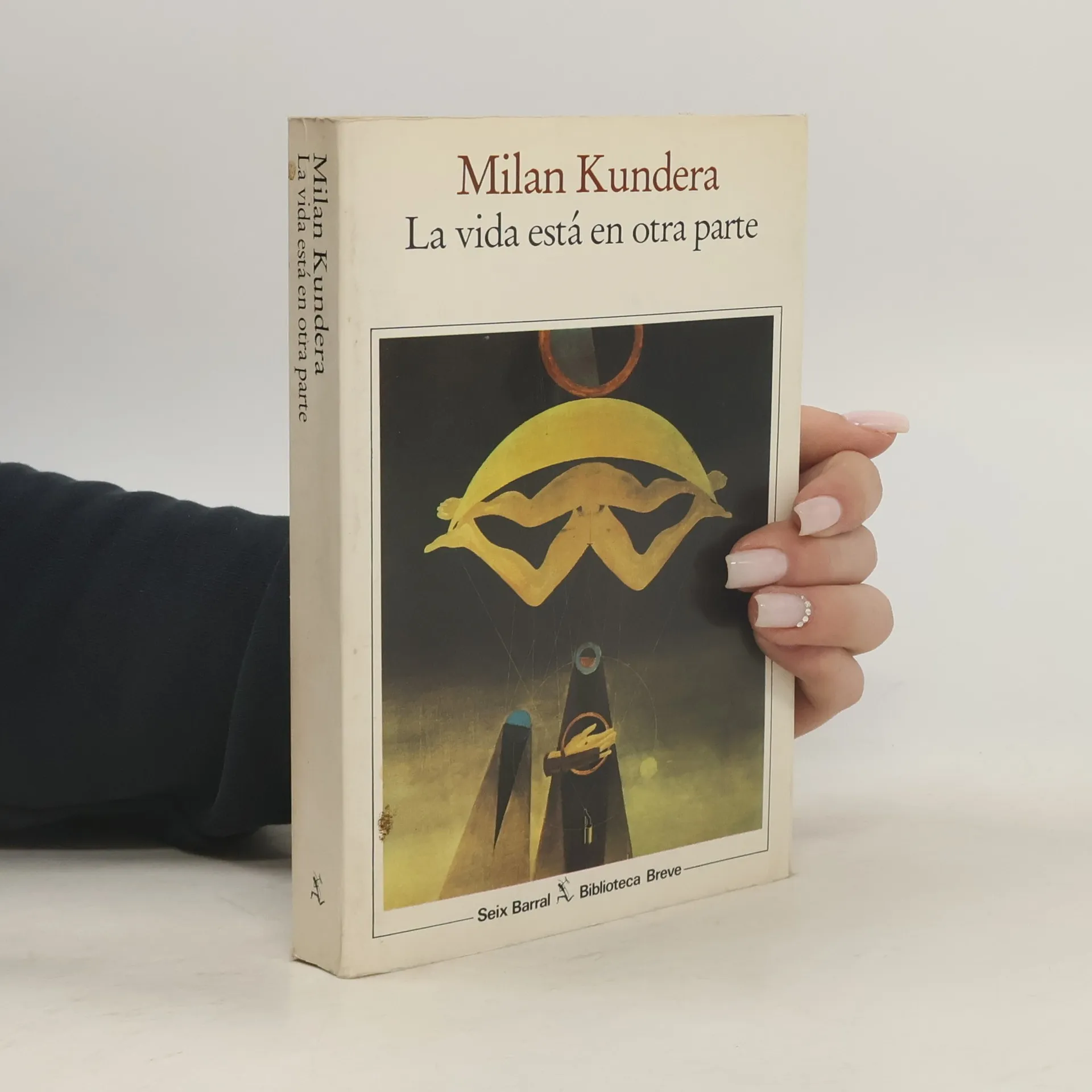
    La vida está en otra parte
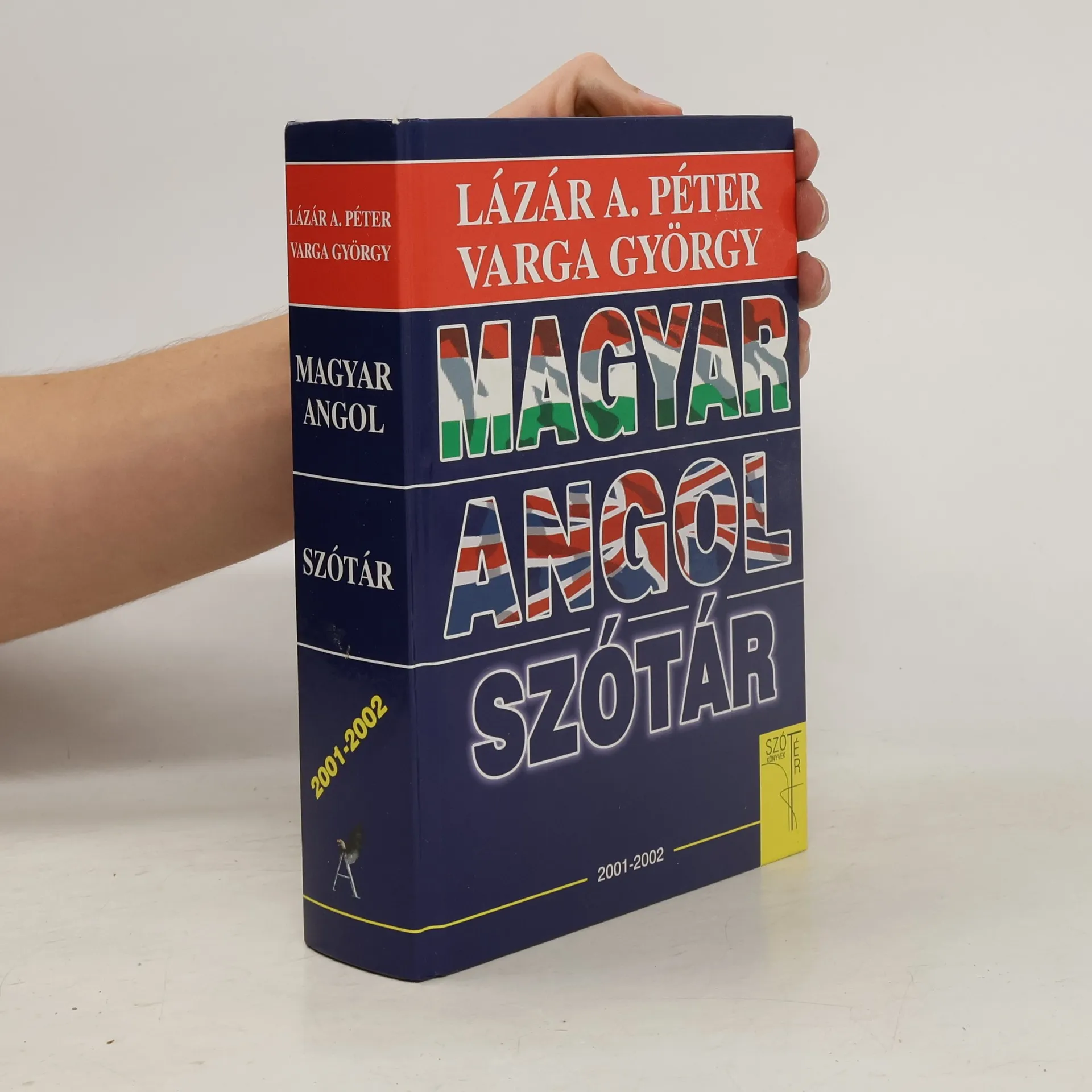
    Hungarian-English Dictionary
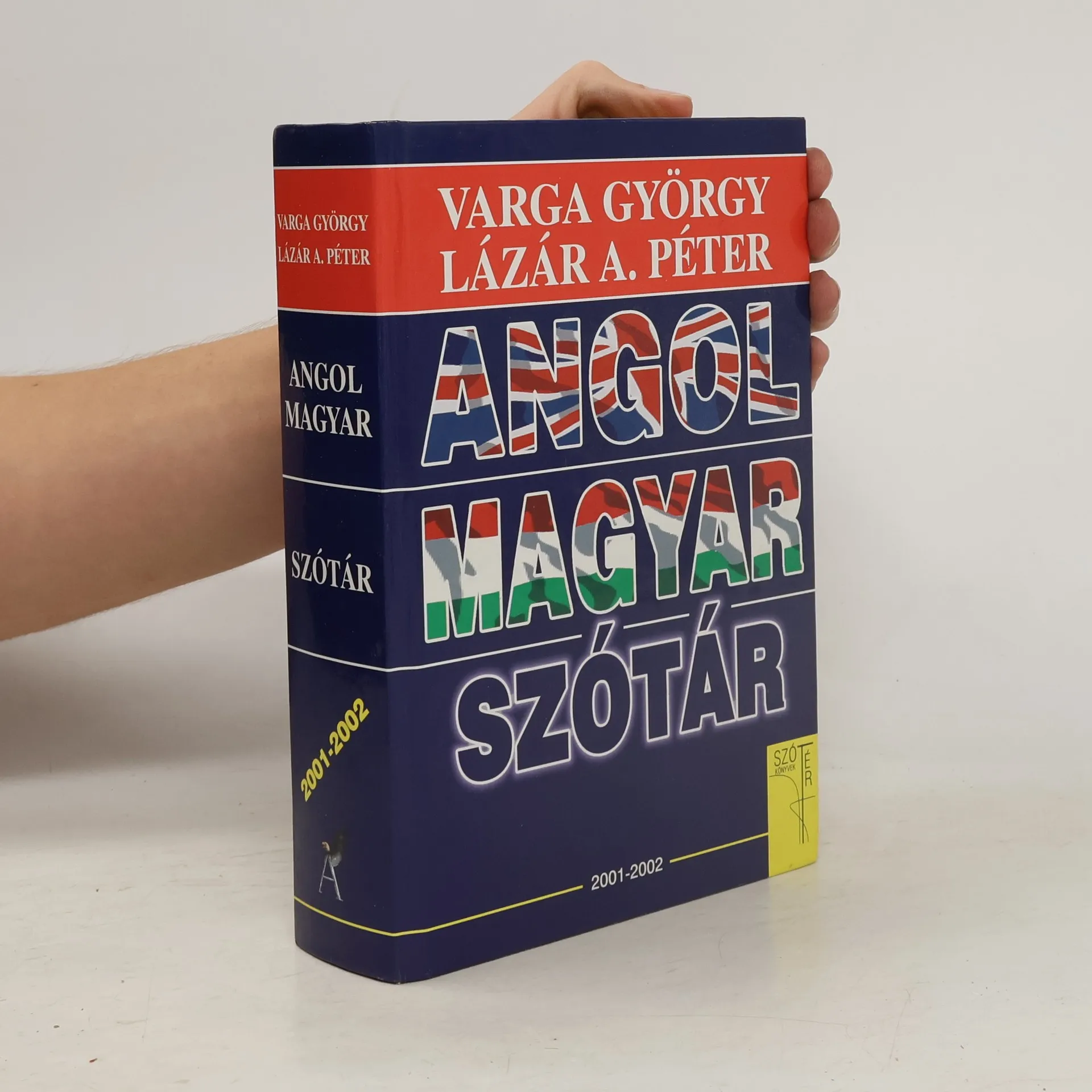
    Angol Magyar Szotar
    • La vida está en otra parte

      • 393 páginas
      • 14 horas de lectura

      El tema de "La vida está en otra parte" es el destino de un poeta, marcado desde su adolescencia por el signo de Rimbaud, que vive en el seno de una sociedad estalinista, en la que su conciencia deberá pactar con el humanismo oficial hasta llegar a la colaboración con las actividades policiales. En esta paradoja trágica, la Historia se encarga de sumergirnos en una atmósfera de ironía kafkiana. Como señala Carlos Fuentes: «Milan Kundera, el otro K de Checoslovaquia, no necesita acudir a forma alegórica alguna para provocar la extrañeza y la incomodidad con la que Franz Kafka invadió de formas luminosas un mundo que ya existía sin saberlo. Ahora, el mundo de Kafka sabe que existe. Los personajes de Kundera no necesitan amanecer convertidos en insectos porque la historia de la Europa central se encargó de demostrarle que un hombre no necesita ser un insecto para ser tratado como un insecto.» Obra maestra de la actual narrativa europea, La vida está en otra parte ha revelado al público hispánico a uno de los grandes escritores de hoy.

      La vida está en otra parte2015
      4,0
    • This book is subtitled "A Humorous – If Possible – Novella from the Ghetto.” It was published in 1969 by a famous satirist from Prague, a co-creator of the "small form theater” and a contributor to the humorous Porcupine magazine. The author’s coming of age in the Terezín Ghetto presents a unique image amongst the volumes of the Holocaust literature, combining death and terror with absurdity and humor as well as stark openness. The traditional image of the world of adults viewed through the eyes of a child is constructed in a humorous manner, however, through laughter it also presents experience that is beyond description. The text, translated into English by Alex Zucker and with and epilogue by Jáchym Topol, is followed by personal memories of the author’s sister, film documentarian Zuzana Justmanová.

      Society for the Prevention of Cruelty to Animals1986
      3,8