
Compra 10 libros por 10 € aquí!
Bookbot

Dani Rodrik

    14 de agosto de 1957

    Dani Rodrik es profesor de economía política internacional en la Universidad de Harvard. Su trabajo se centra en la política económica y su relación con la política y las instituciones. Explora cómo los países pueden lograr un crecimiento y una prosperidad sostenibles a través de reformas adecuadas. Rodrik a menudo desafía la sabiduría convencional y aboga por un enfoque pragmático ante los desafíos económicos.

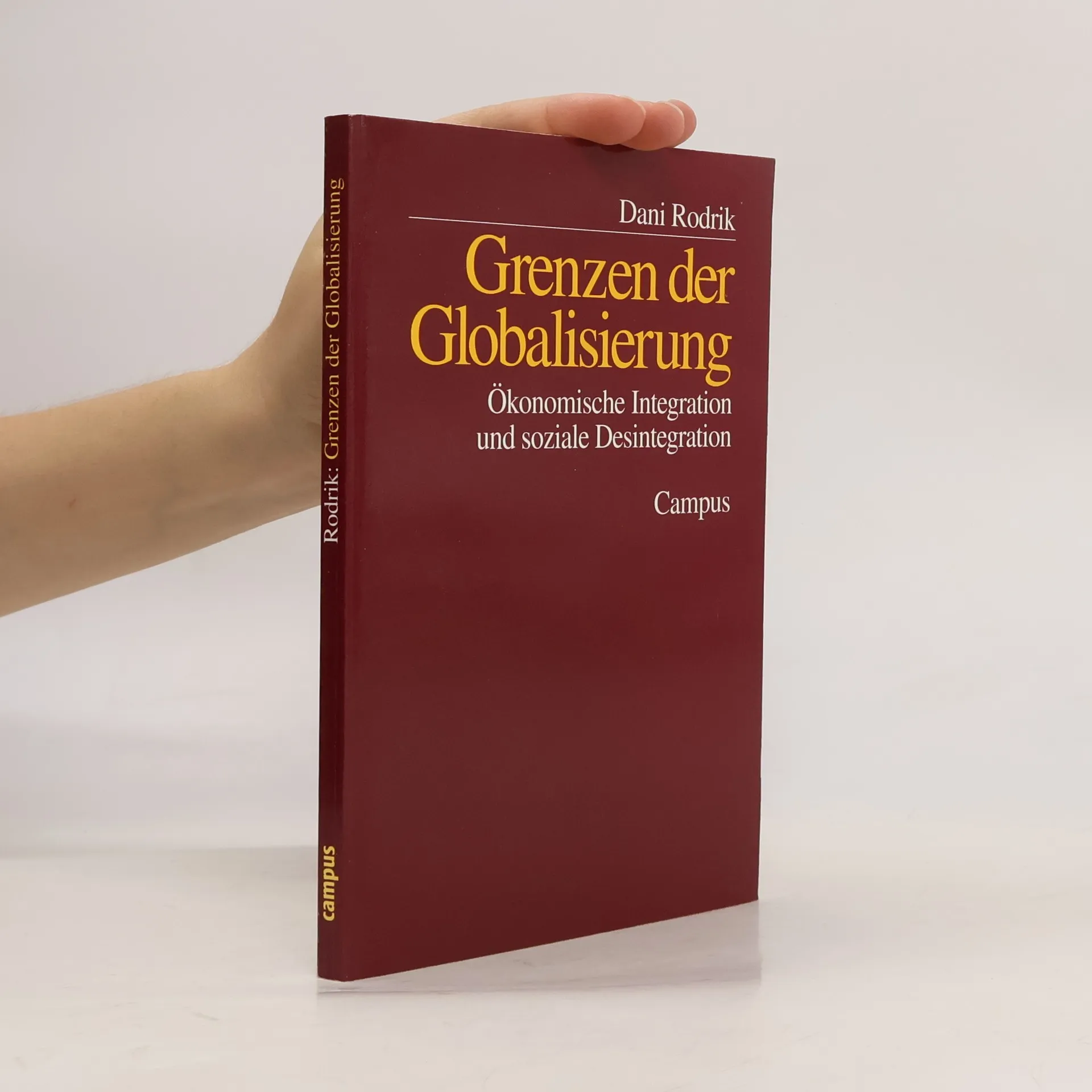
    Grenzen der Globalisierung
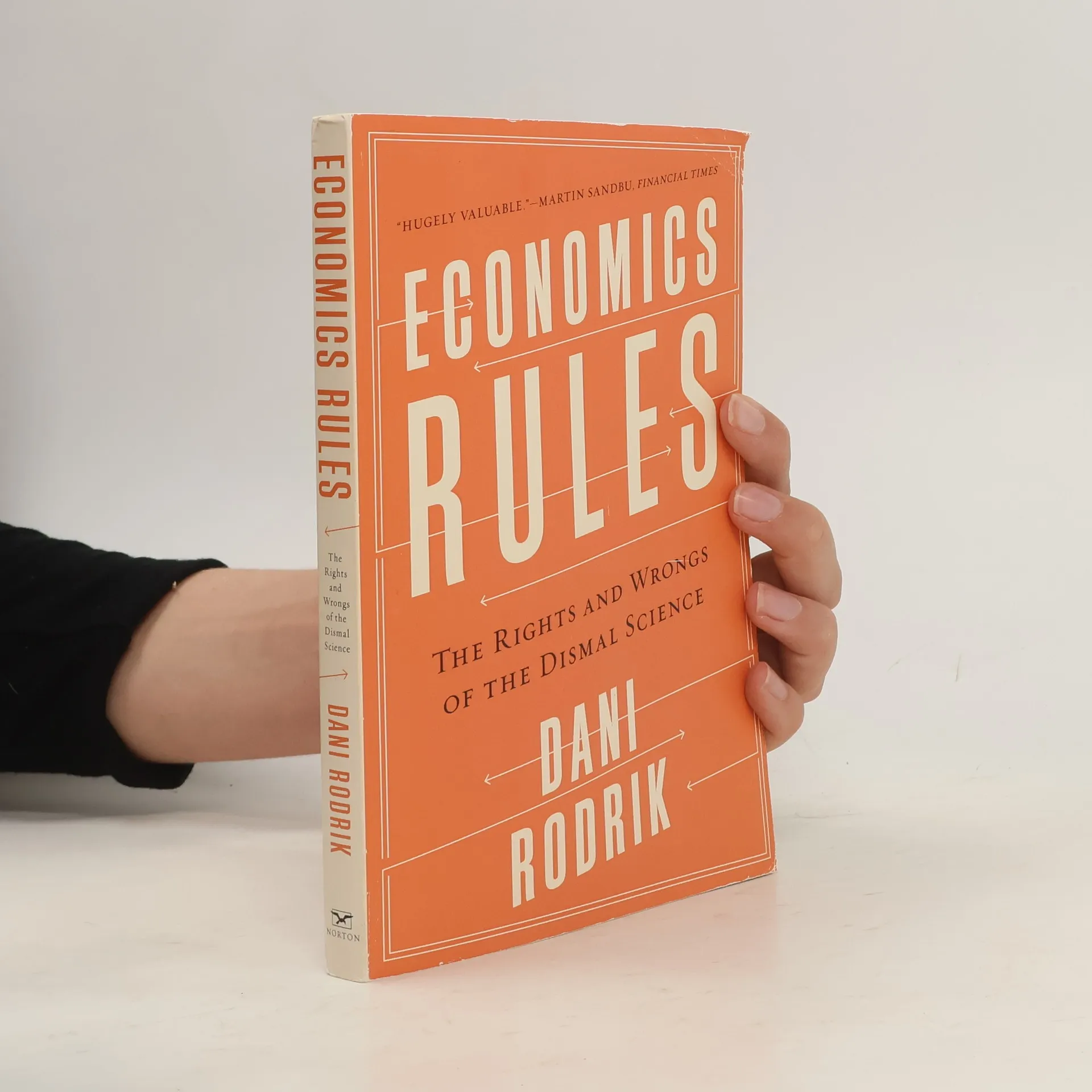
    Economics Rules
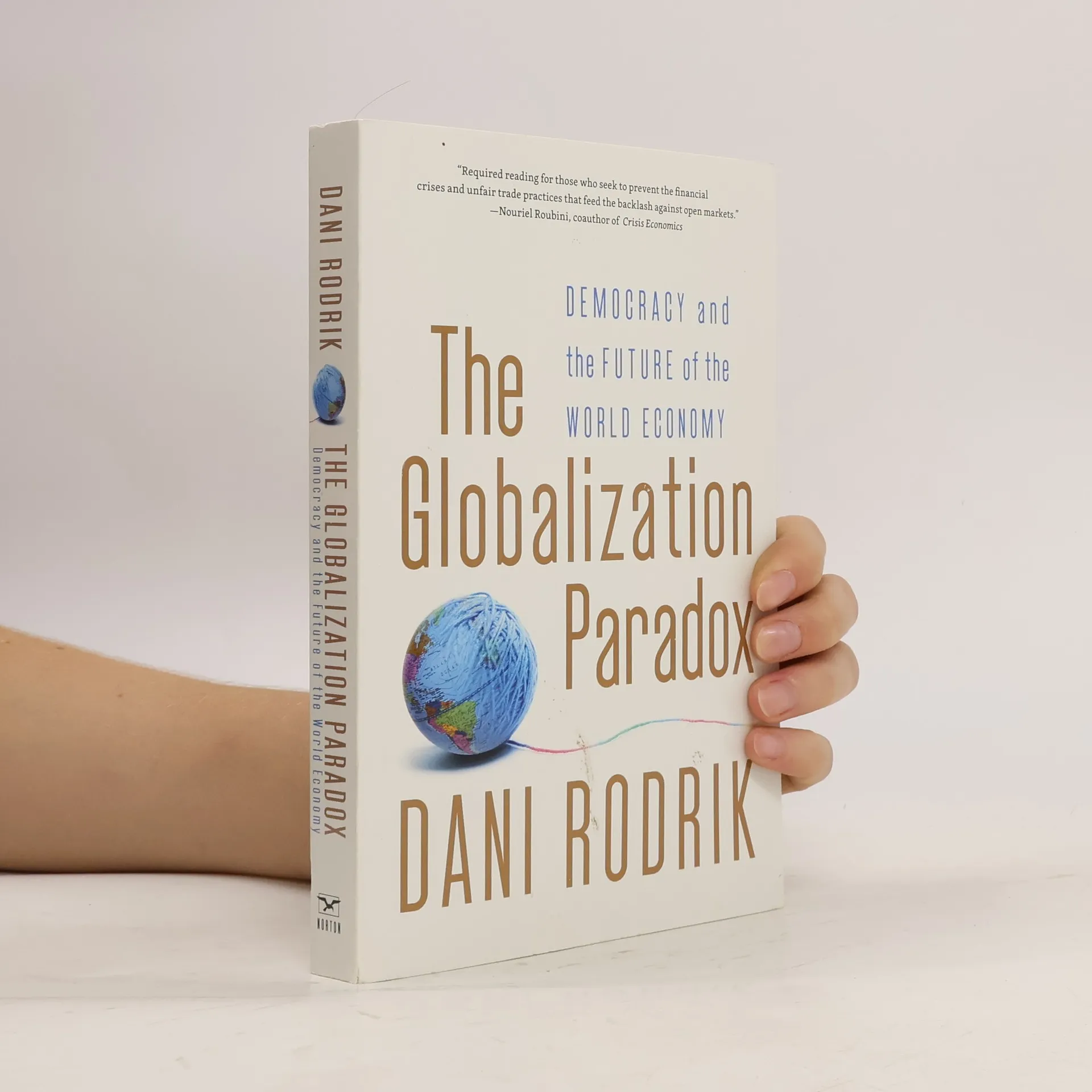
    The Globalization Paradox
    • 2016

      Economics Rules

      • 272 páginas
      • 10 horas de lectura

      Takes a close look at economics to examine when it falls short and when it works, to give a surprisingly upbeat account of the discipline. Drawing on the history of the field and his deep experience as a practitioner, Rodrik argues that economics can be a powerful tool that improves the world--but only when economists abandon universal theories and focus on getting the context right. Economics Rules argues that the discipline's much-derided mathematical models are its true strength. Models are the tools that make economics a science. Too often, however, economists mistake a model for the model that applies everywhere and at all times

      Economics Rules
    • 2011

      The Globalization Paradox

      Why Global Markets, States, and Democracy Can't Coexist

      • 368 páginas
      • 13 horas de lectura

      Globalization, Rodrik argues, rests on shaky foundations. Despite the benefits it has brought to much of the world, there are profound conflicts of interest between democracy, national determination, and full economic globalization. He traces the idea's history, pinpoints its weaknesses, and points the way forward to a new 'smart globalization'

      The Globalization Paradox
    • 2000

      Grenzen der Globalisierung

      • 133 páginas
      • 5 horas de lectura

      Dani Rodrik, Professor für Internationale Wirtschaft an der Harvard University, stellt zwei Kernfragen: Führt die Globalisierung zur Desintegration nationaler Gesellschaften? Wie können Regierungen die Folgen auffangen? Der Autor kritisiert sowohl die reflexartige Verdammung der Globalisierung, die meist auf ein mangelndes Verständnis der Vorteile und Risiken internationalen Handels zurückgeht, als auch die Ausblendung ihrer sozialen Folgen. Im Mittelpunkt der Studie steht die Untersuchung der Auswirkungen auf Arbeitsbeziehungen und Beschäftigung, soziale Institutionen und Wertesysteme sowie die Systeme der sozialen Sicherung.

      Grenzen der Globalisierung