

Compra 10 libros por 10 € aquí!
Bookbot

Johan Eklöf

    1 de enero de 1973
    Johan Eklöf
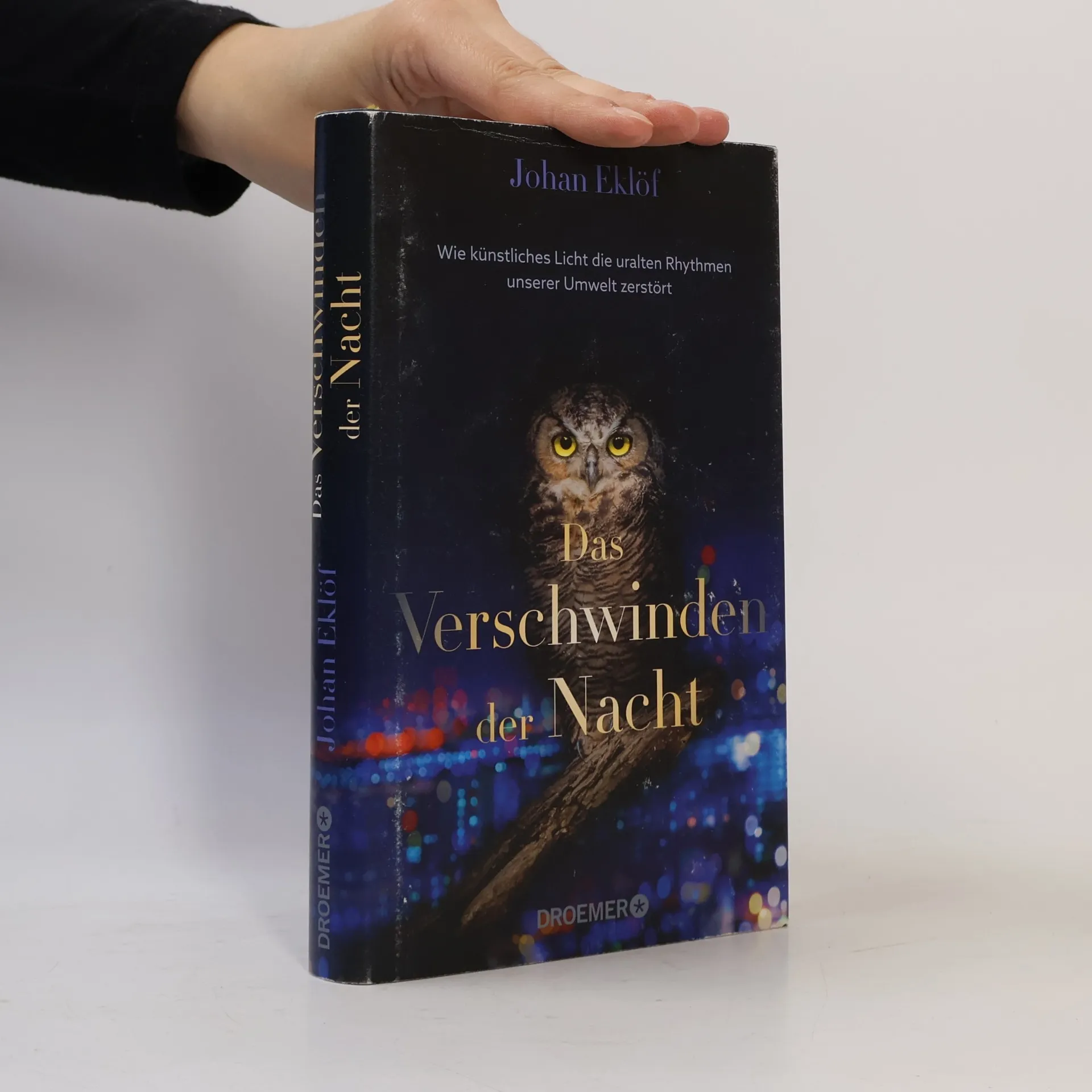
    Das Verschwinden der Nacht
    Manifest za tmu : o umělém osvětlení a ohrožení prastarého rytmu
    The Darkness Manifesto
    • 2023

      Tmy není třeba se bát, je nutné o ni pečovat. Světlo je život, světlo je naděje… ale je tomu tak za všech okolností? Švédský vědec Johan Eklöf zkoumá, jak umělé osvětlení a světelný smog ovlivňují přirozené biorytmy fauny, flóry i člověka. Autor je zoolog, avšak na dosud opomíjený problém nadměrného využívání umělého osvětlení se dívá rovněž z pohledu kulturní historie, ekologie a filozofie.

      Manifest za tmu : o umělém osvětlení a ohrožení prastarého rytmu
    • 2022

      Das Verschwinden der Nacht

      Wie künstliches Licht die uralten Rhythmen unserer Umwelt zerstört | Ein Sachbuch über Lichtverschmutzung und die Folgen für die Natur

      Ein mitreißendes Plädoyer für mehr natürliche Dunkelheit und gegen Lichtverschmutzung - in bester Tradition des Nature Writing geschrieben vom schwedischen Zoologen und Fledermaus-Experten Johan Eklöf. Natur- und Artenschutz sind in aller Munde, aber ein Aspekt, der unsere Natur massiv bedroht, wird dabei meist außer Acht gelassen: Das künstliche Licht, das unsere Städte und Dörfer erhellt. Alle Rhythmen der Natur sind in irgendeiner Weise abhängig vom Wechsel zwischen Tag und Nacht. Fällt dieser Wechsel weg, weil die Nacht verschwindet, dann hat das gravierende Folgen. Vögel singen in allzu heller Umgebung mitten in der Nacht. Und Nachtfalter umschwirren Straßenlaternen, statt ihrer nächtlichen Bestimmung, der Suche nach Nektar und der Befruchtung nachblühender Gewächse, nachzugehen. Und auch der Mensch leidet unter zu viel Licht, weil Störungen seines Schlaf-Wach-Rhythmus ihn körperlich und psychisch krank machen. Der schwedische Zoologe Johan Eklöf vermittelt in seinem Buch eindrücklich, welche Bedeutung die Dunkelheit für die Natur hat - und welche Faszination von der Nacht ausgeht. Ein mitreißender Appell zum Schutz der Dunkelheit - aus Gründen des Naturschutzes. Ein kaum beachteter, aber wichtiger Aspekt: Wie zu viel künstliches Licht zum Artensterben beiträgt. Persönlich erzählt, wissenschaftlich fundiert, erkenntnisreich

      Das Verschwinden der Nacht
    • 2022

      In the tradition of Why We Sleep and The Sixth Extinction, this urgent exploration highlights the hidden consequences of light pollution and advocates for the preservation of natural darkness for environmental and personal well-being. Satellite images reveal a planet illuminated by artificial light, raising the question of how much is too much. Over the past 150 years, our extended days have disrupted the natural day-night cycle, impacting all life forms, including humans. Swedish conservationist Johan Eklöf passionately argues for the appreciation of natural darkness and its unique benefits. He reflects on the beauty of the night sky, the swift movements of owls, and the bioluminescence of deep-sea creatures. Eklöf illustrates the alarming effects of light pollution: insects confused by streetlamps struggle to reproduce, birds are disoriented by artificial lights, and bats face starvation due to the absence of nocturnal insects. For humans, excessive light disrupts sleep patterns, affecting hormones and mental health. The prevalence of streetlamps and bright LEDs is transforming ecosystems, with scientists just beginning to grasp the long-term implications. This insightful work offers educational and hopeful solutions, urging us to embrace darkness for a healthier future for ourselves and the planet.

      The Darkness Manifesto