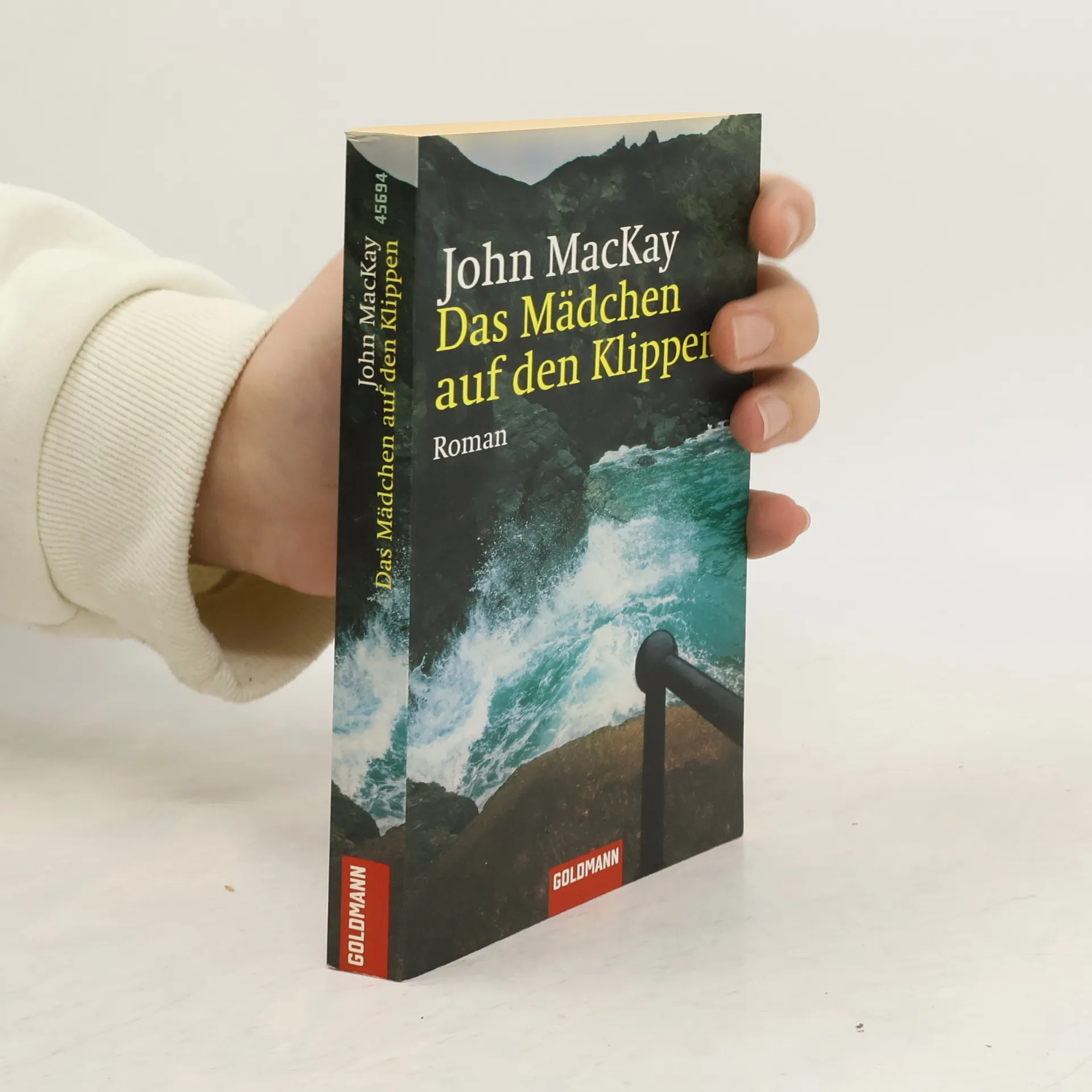
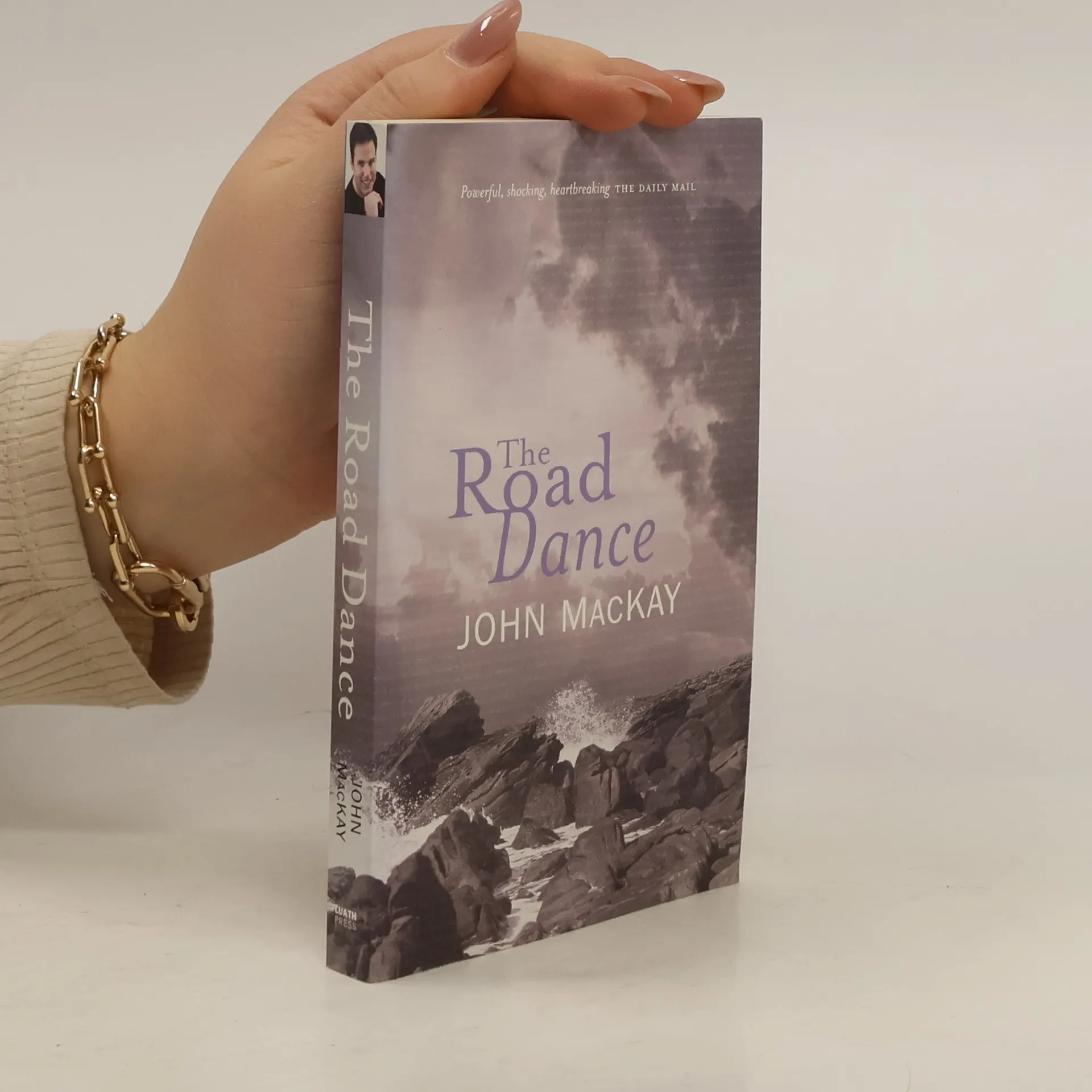
Life in the Scottish Hebrides can be harsh - the edge of the world some call it. For Kirsty MacLeod, the love of Murdo promises a new life away from the scrape of the land and the repression of the church. But the Great War looms.
John Henry Mackay Libros
6 de febrero de 1864 – 16 de mayo de 1933
John Henry Mackay fue conocido como poeta lírico y anarquista. Su obra sobre Max Stirner reavivó el interés por el filósofo del egoísmo del siglo XIX. La larga carrera literaria de Mackay abarcó diversas formas de escritura, pero siguió siendo más célebre por su poesía. Su voz y estilo únicos resuenan en los lectores que buscan profundas reflexiones.


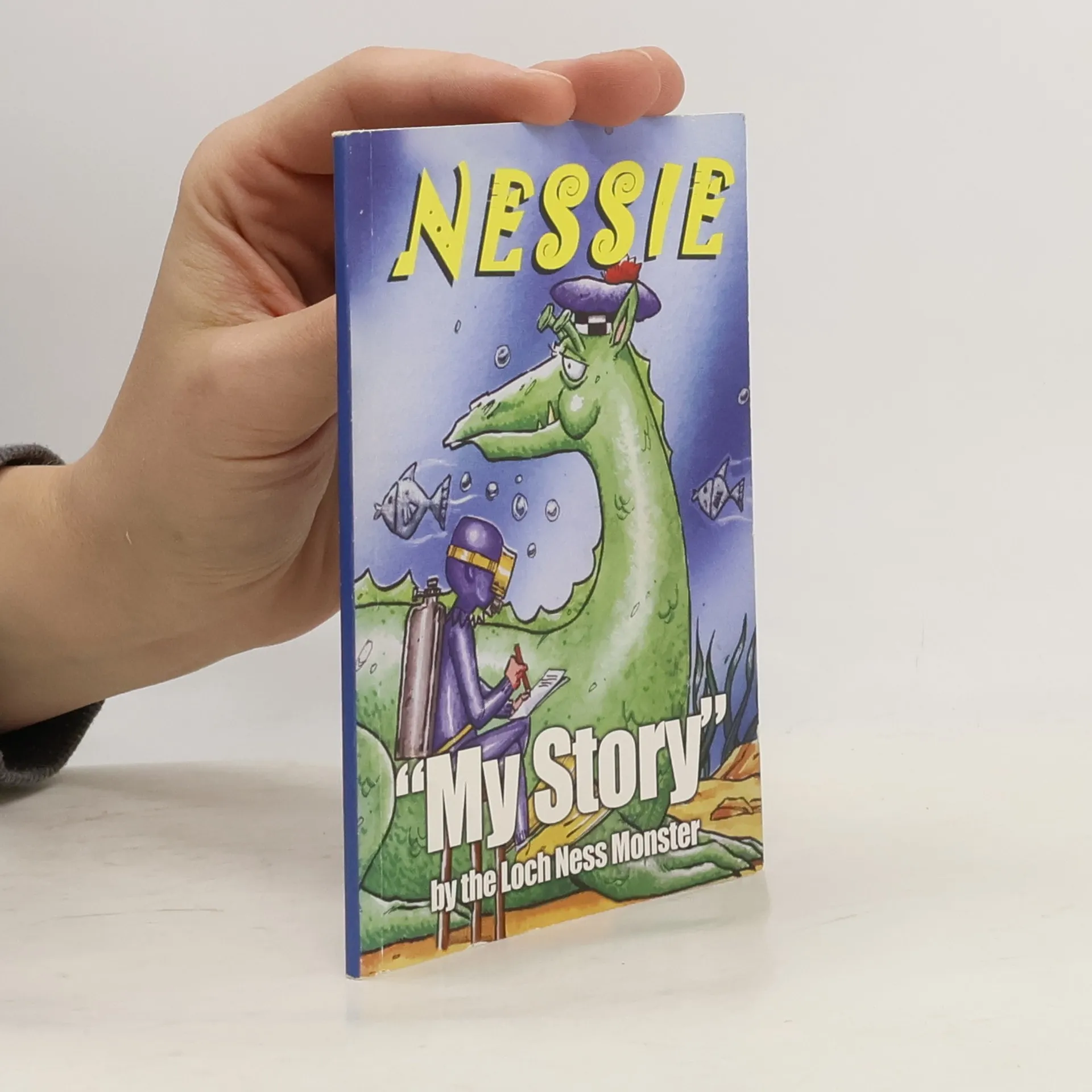
Nessie
- 36 páginas
- 2 horas de lectura
The MacDonalds
- 32 páginas
- 2 horas de lectura
Here is recounted the stirring history of the MacDonalds, one-time Lords of the Isles. Read of the bloody feuds with rivals and their bitter struggle to retain autonomy from the encroachments of the Crown and central government. Thrill to the spectacular exploits of the clan under the Maquis of Montrose during his guerilla campaigns in the Highlands. Here is told the terrible saga of the Massacre of Glencoe, when the clan was brutally destroyed by their mercenary guests. And, of course, the most famous clan member of all is recalled - Flora MacDonald, who helped Bonnie Prince Charlie escape from the Redcoats. This little book contains, where available, the clan motto, crest and tartan, in addition to the history of the name.
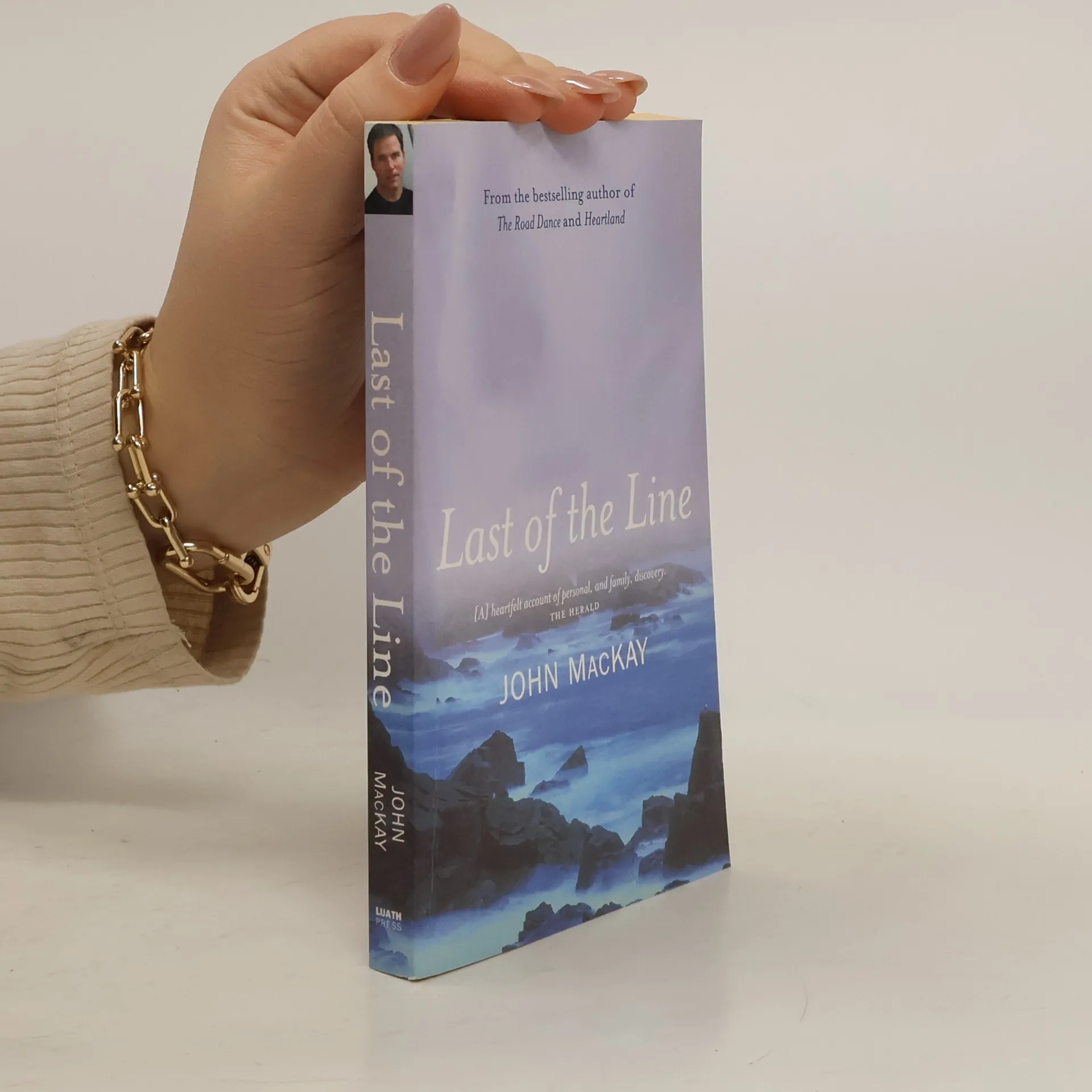
Last of the Line
- 208 páginas
- 8 horas de lectura
With both his parents dead, his aunt Mary is his only remaining blood link. He leaves the fast-paced life of the city for the Outer Hebrides, where traditional values and beliefs are adhered to and respected. It is a life he neither belongs to nor understands. When she goes he will be the last of the family line and he couldn't care less. Family and history are just bonds to tie him down. Reluctantly, he sets out to do his duty and stumbles across questions that challenge everything he ever knew about himself and the people from whom he came. In the days between his aunt's death and funeral he is drawn into the role of genealogy detective. In a place where everyone knows everything about everybody, Cal finds that secrets are buried deep. Mairi, a young widow, knows far more than she is willing to tell. Kate Anna, his aunt's lifelong friend, avoids his questions. And what of Finlay, who lays claim to the house? Cal begins to understand that Aunt Mary was not the woman he knew and the secret she kept hidden for so long means he might not be the person he thought he was. Last of the Line is a story that explores the part in all of us that wants to know who we are and where we are from.
Der Puppenjunge
- 352 páginas
- 13 horas de lectura
Günter, ein fünfzehn oder sechzehn Jahre alter Junge, ist von zu Hause durchgebrannt und trifft mit dem Nachmittagszug am Stettiner Bahnhof in Berlin ein. Was er in der Großstadt sucht, ahnt er noch nicht einmal. Neugierig und voller Erwartung stürzt er sich in das Leben der Metropole. Zur selben Zeit kommt auch Hermann Graff an. Er ist Anfang zwanzig und hat recht genaue Vorstellungen davon, was ihn in die Großstadt treibt. Berlin in den „goldenen zwanziger Jahren“: So wie der Autor seine beiden Protagonisten zur selben Stunde im Eldorado der Homosexuellen eintreffen lässt, so führt er sie zusammen. Doch was seiner Utopie folgend sicher eine wenn auch ungewöhnliche Liebesgeschichte hätte werden sollen, entwickelt sich zu einem realistisch und einfühlsam geschriebenen Drama.
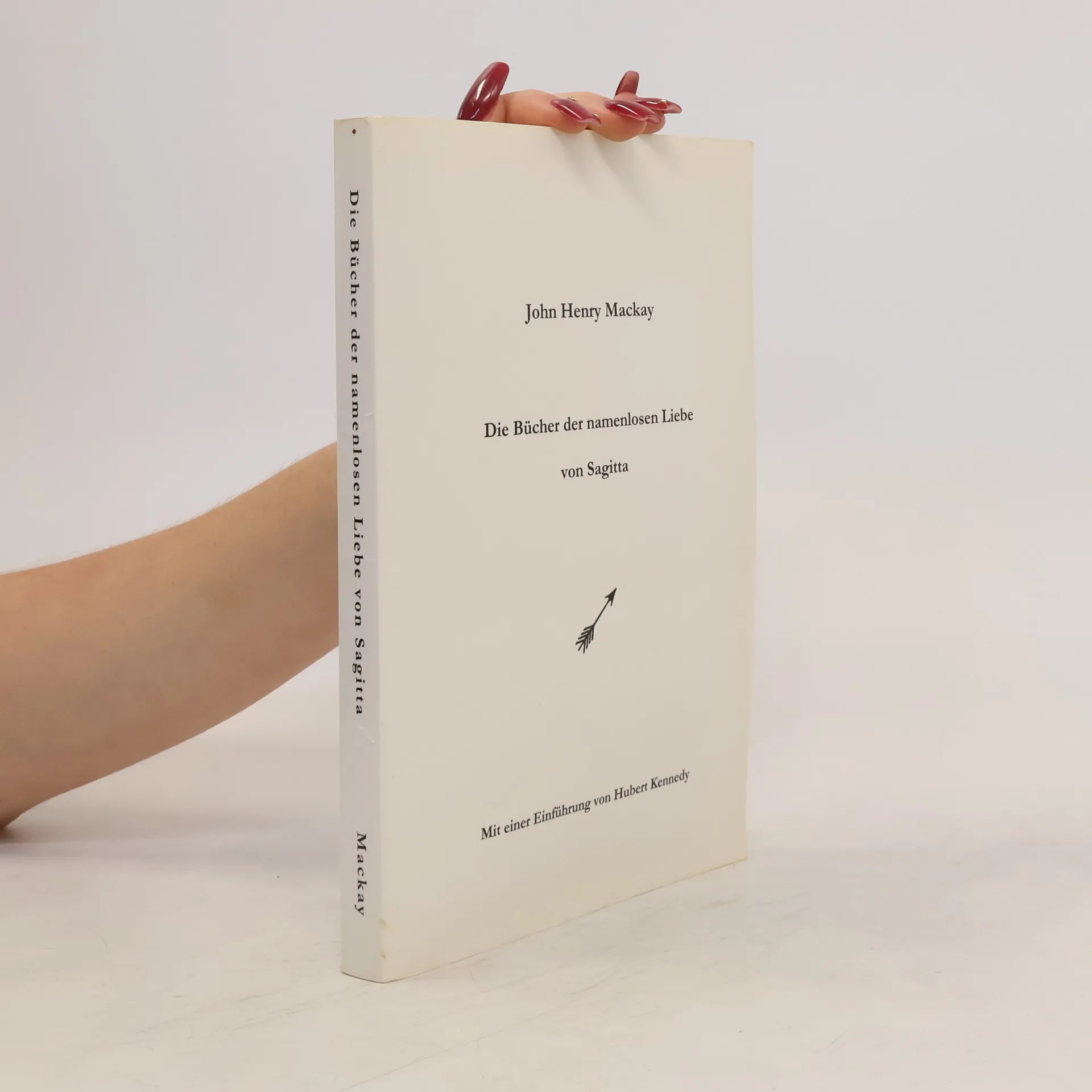
Die Bücher Der Namenlosen Liebe Von Sagitta
- 336 páginas
- 12 horas de lectura
Hier liegt eine neue Ausgabe der Sammlung von sechs "Buchern" vor, die John Henry Mackay unter Pseudonym als Die Bucher der namenlosen Liebe von Sagitta erstmals 1913 und in erweiterter Form 1924 veroffentlicht hat. Das 1905 begonnene Vorhaben war mit grossen Schwierigkeiten verbunden, uber die Mackay in seiner Einleitung "Die Geschichte eines Kampfes um die namenlose Liebe" berichtet. Dieser Bericht und die Sammlung insgesamt sind ein bedeutsames historisches Zeugnis aus der Zeit der sich entfaltenden homosexuellen Emanzipationsbewegung in Deutschland vor rund einhundert Jahren und insbesondere zu der Rolle, die sog. Knabenliebhaber in dieser Bewegung spielten bzw. spielen konnten. Die Texte gewahren zugleich Einblick in das Denken und Fuhlen eines anerkannten Schriftstellers, der aus eigener Erfahrung die Freuden und Schmerzen der "namenlosen Liebe" kannte, die Oscar Wilde mit einer Gedichtzeile aus dem Gedicht "Two Loves" seines Freundes Lord Alfred Douglas, als "die Liebe, die ihren Namen nicht zu nennen wagt" ("the Love that dare not speak its name") bezeichnet hat
Die Anarchisten
- 304 páginas
- 11 horas de lectura
John Henry Mackay: Die Anarchisten. Kulturgemalde aus dem Ende des 19. Jahrhunderts Erstdruck: 1891 Vollstandige Neuausgabe. Herausgegeben von Karl-Maria Guth. Berlin 2015. Umschlaggestaltung von Thomas Schultz-Overhage unter Verwendung des Bildes: The Haymarket Riot am 15 May 1886, zeitgenossische Darstellung. Gesetzt aus Minion Pro, 11 pt."
Der Schwimmer
- 218 páginas
- 8 horas de lectura
Das Mädchen auf den Klippen
- 284 páginas
- 10 horas de lectura
England zu Beginn des 20. Jahrhunderts: Das Leben auf den Hebriden ist geprägt von den Naturgewalten und den Gesetzen der Kirche. Die achtzehnjährige Kirsty träumt daher, gemeinsam mit ihrem Verlobten Murdo ein besseres, freieres Leben in Amerika anzufangen. Aber Murdo wird mit Ausbruch des Ersten Weltkriegs nach Frankreich eingezogen. Ein großes Fest soll Murdo einen würdevollen Abschied bereiten, doch in dieser Nacht geschieht Kirsty ein furchtbares Unglück, dass das Leben auf der Insel für immer verändern wird ...§
Der Band bietet eine umfassende Biografie über Max Stirner, die sowohl sein Leben als auch sein philosophisches Werk beleuchtet. Als bedeutender Denker des 19. Jahrhunderts wird seine Individualismus-Theorie und die kritische Auseinandersetzung mit gesellschaftlichen Normen und Ideologien dargestellt. Der unveränderte Nachdruck der Originalausgabe aus 1898 ermöglicht es den Lesern, Stirners Gedanken und deren historischen Kontext authentisch zu erleben.
Fenny Skaller. Ein Leben der namenlose Liebe
- 174 páginas
- 7 horas de lectura
Fenny Skaller, ein Mann in den Vierzigern, blickt zurück auf sein Leben. Anhand von Fotos erlebt er erneut Enttäuschungen und beglückende Momente, erinnert er sich, wie ihm allmählich bewusst wurde, dass er Jungen im Alter zwischen 14 und 17 Jahren liebt. Ein Zeitungsjunge in Paris, der Fenny Skaller ein Foto von sich geschenkt hat, öffnete ihm die Augen für die Möglichkeit, dass auch diese Form der Liebe auf Erwiderung hoffen darf: „Sie küssen mein kleines Bild, Monsieur - Warum küssen Sie nicht lieber mich selbst?“ Der Roman trägt deutlich autobiographische Züge. Friedrich Kröhnke zu dem vor rund hundert Jahren geschriebenen Text: In Berlin erlebt Fenny Skaller in allen Spielarten die „namenlose Liebe“, es ist Anfang des zwanzigsten Jahrhunderts, und alles ist so frisch, als wäre es gestern geschrieben, gestern geschehen. Sicher macht es mich schmunzeln, wenn Fenny seine „Cigarre“ raucht, auf der Straße einen Jungen kennen lernt, weil ihm zufällig „sein Stock entgleitet“, er den Fünfzehnjährigen nun siezt. Und doch sind die Begegnungen, die Typen, die Psychologie kein bisschen anders als heute, wenn Männer und Jungen einander begegnen, solche Männer und solche Jungen. Es frappiert. Es bestürzt geradezu. Selbst Mackays gleichbleibend erhabener Ton wird unterbrochen und ergänzt und wahr, wenn die Jungen reden: „Ich kann nur das Gequatsche nicht leiden.“
Abrechnung
- 188 páginas
- 7 horas de lectura