

Bookbot

Robert Kershaw

    Robert Kershaw es un historiador militar cuya obra profundiza en las complejidades de la guerra y las operaciones estratégicas. A partir de su extensa experiencia en servicio activo, incluyendo roles dentro de la OTAN y despliegues en regiones como Irlanda del Norte, la Guerra del Golfo y Bosnia, ofrece una perspectiva única sobre las realidades del conflicto. La escritura de Kershaw se caracteriza por su detallado análisis de tácticas, logística y el elemento humano del compromiso militar. Sus contribuciones son reconocidas por su autenticidad y precisa representación de eventos militares históricos.

    Red Sabbath
    Dunkirchen 1940
    Never Surrender
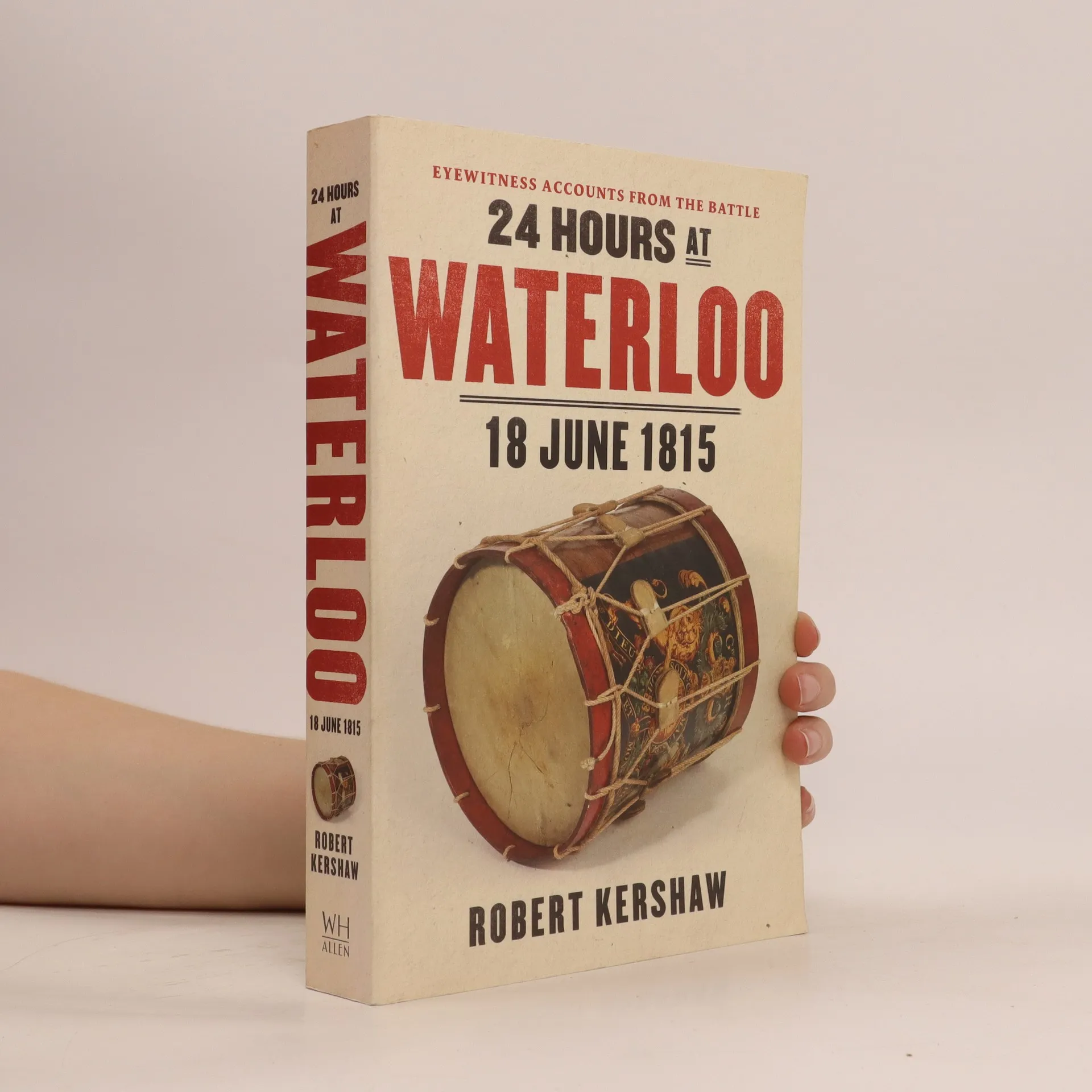
    24 hours at Waterloo. 18 June 1815
    • 24 hours at Waterloo. 18 June 1815

      • 448 páginas
      • 16 horas de lectura

      One of the lancers rode by and stabbed me in the back with his lance. I then turned, lying face upward, and a foot soldier stabbed me with his sword as he walked by. Immediately after, another soldier, with his firelock and bayonet, plunged into me, exclaiming, "SacrU nom de Dieu!" The brutal battle of Waterloo was a pivotal moment in history, defining Europe's future in a single day. In March 1815, the Allies declared war on Napoleon following his escape from exile, reigniting the threat to imperial rule. By June 18, 1815, after suffering losses at Quatre-Bras, Wellington's army retreated to Waterloo, ten miles south of Brussels, to block Napoleon's advance to the capital. This marked the Allies' final stand. Acclaimed military historian Robert Kershaw provides an intimate, hour-by-hour account, resurrecting the human stories at the heart of the fighting. Drawing on his deep understanding of military strategy, Kershaw immerses readers in the battle, alongside the soldiers on the mud-splattered ground. He masterfully weaves together meticulously researched eyewitness accounts, diaries, and letters—many previously unpublished—offering unparalleled authenticity. Vivid images of the men and women involved emerge, as the voices of sergeants, exhausted foot soldiers, boy ensigns, captains, and cavalry troopers resonate, capturing the tense atmosphere as Europe's fate hangs by a thread.

      24 hours at Waterloo. 18 June 1815
      4,8
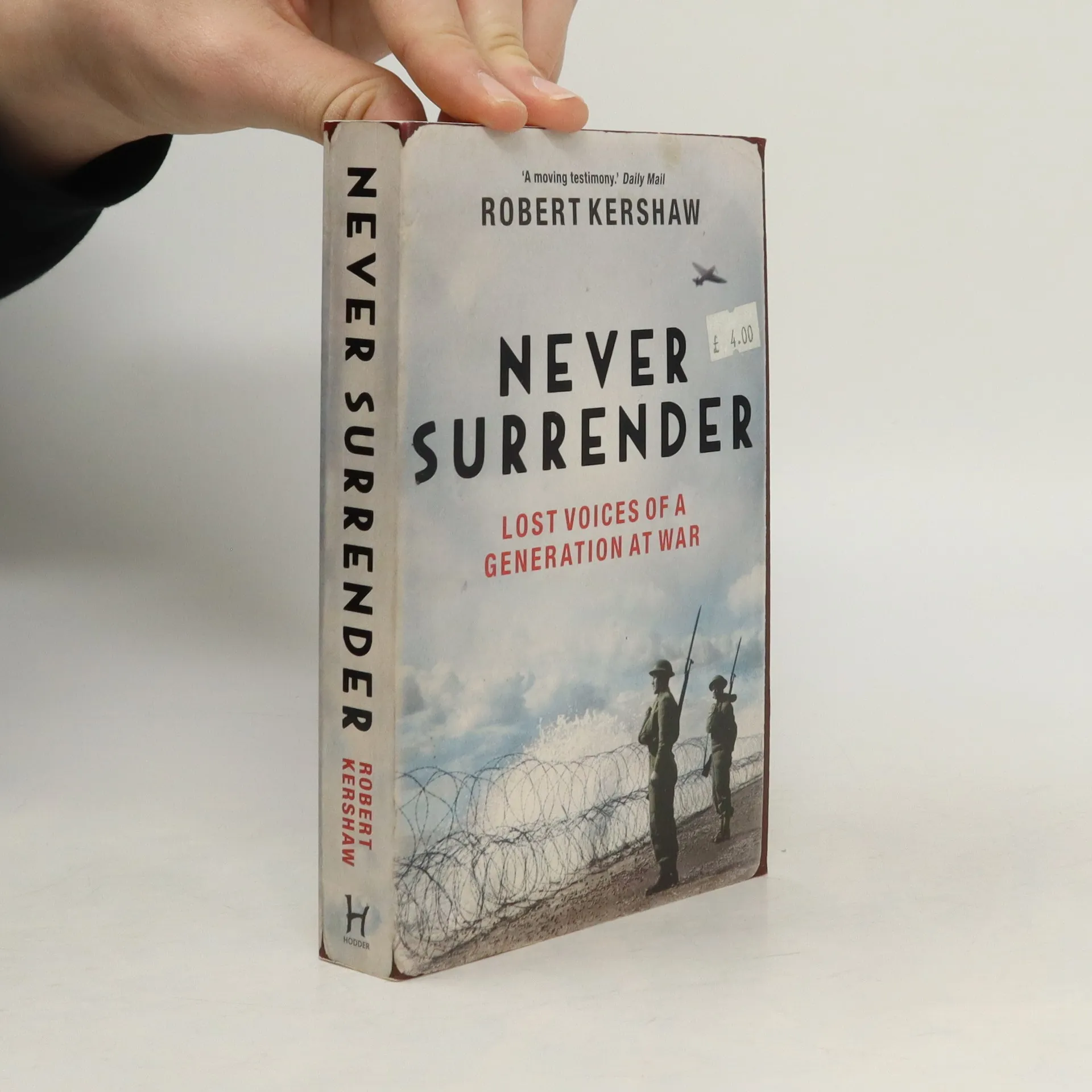
    • Never Surrender

      • 384 páginas
      • 14 horas de lectura

      In Never Surrender Robert Kershaw captures the authentic voices of the ordinary heroes of the Second World War, from the soldiers fighting abroad to those battling on the home front, and creates an extraordinary portrait of a generation fighting for survival. Beginning with first-hand accounts of the reaction to Chamberlain's declaration of war in 1939, Kershaw portrays the many aspects of war through the words of those who were there, from the sailors of the little ships of Dunkirk to German soldiers preparing for Operation 'Sea Lion'. He takes us from the nightly horrors of the Blitz to battles in the limitless desert of North Africa, and from jungle war in Burma to Lancaster bombers over Germany and the beaches of Normandy. Featuring new interviews with veterans and civilians from Britain, the Commonwealth and Germany as well as diaries, letters, and first-hand accounts, this is a testimony to the remarkable men and women who lived through the Second World War - whose refusal to surrender changed them, and Britain, forever.

      Never Surrender
      4,0
    • Dunkirchen 1940

      • 352 páginas
      • 13 horas de lectura

      Using revelatory new material on an event which changed the tide of World War II, Robert Kershaw’s ground-breaking history explores the Battle of Dunkirk from the German perspective.

      Dunkirchen 1940
      4,3
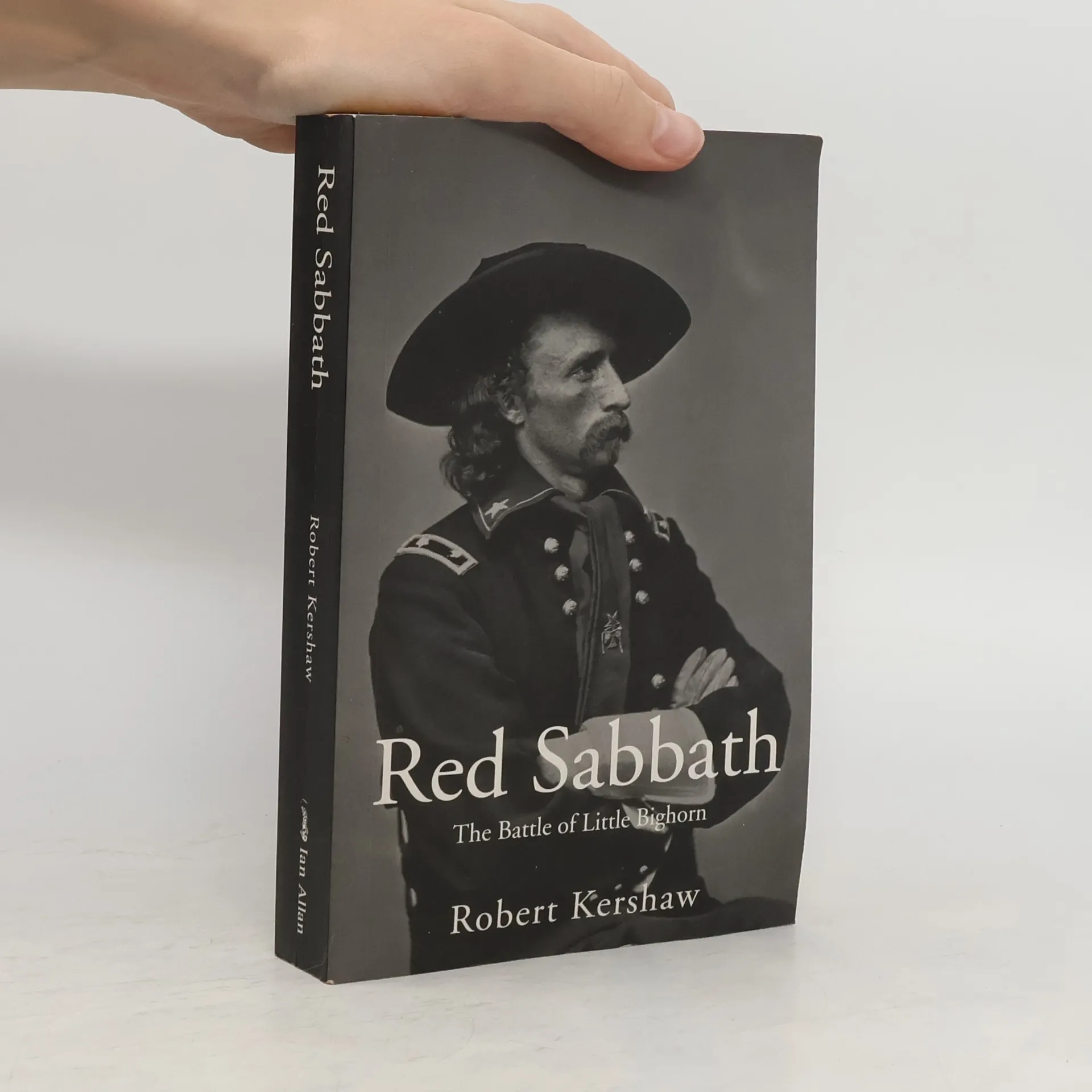
    • Red Sabbath

      The Battle of Little Bighorn

      • 340 páginas
      • 12 horas de lectura

      Few battles in the history of U.S. expansion during the Indian Wars are as famous as Little Bighorn. The romanticized view of Custer's last stand against Native Americans has achieved iconic status, but recent research reveals a more complex reality. The Battle of Little Bighorn, occurring on June 25, 1876, was the result of ongoing conflict between Native Americans and European settlers. The 7th Cavalry, led by Custer, encountered a large Indian camp by the Little Bighorn River, leading to a legendary but misconceived battle. With no survivors from the 7th Cavalry to recount their experiences, the Native Americans recorded their victory through pictographs and oral traditions, which historians have long struggled to interpret. Military historian Robert Kershaw examines the causes of Custer's defeat from a soldier's perspective, analyzing the factors contributing to this setback for a modern U.S. Army against a seemingly unsophisticated foe. Kershaw's forensic approach draws on a variety of sources, including contemporary reports and recent archaeological findings, to provide a fresh perspective on the battle and its implications. His work challenges established myths about Custer's military prowess and offers a unique insight into the complexities surrounding the Battle of Little Bighorn.

      Red Sabbath
      4,1