
Bookbot

Alastair McEwen

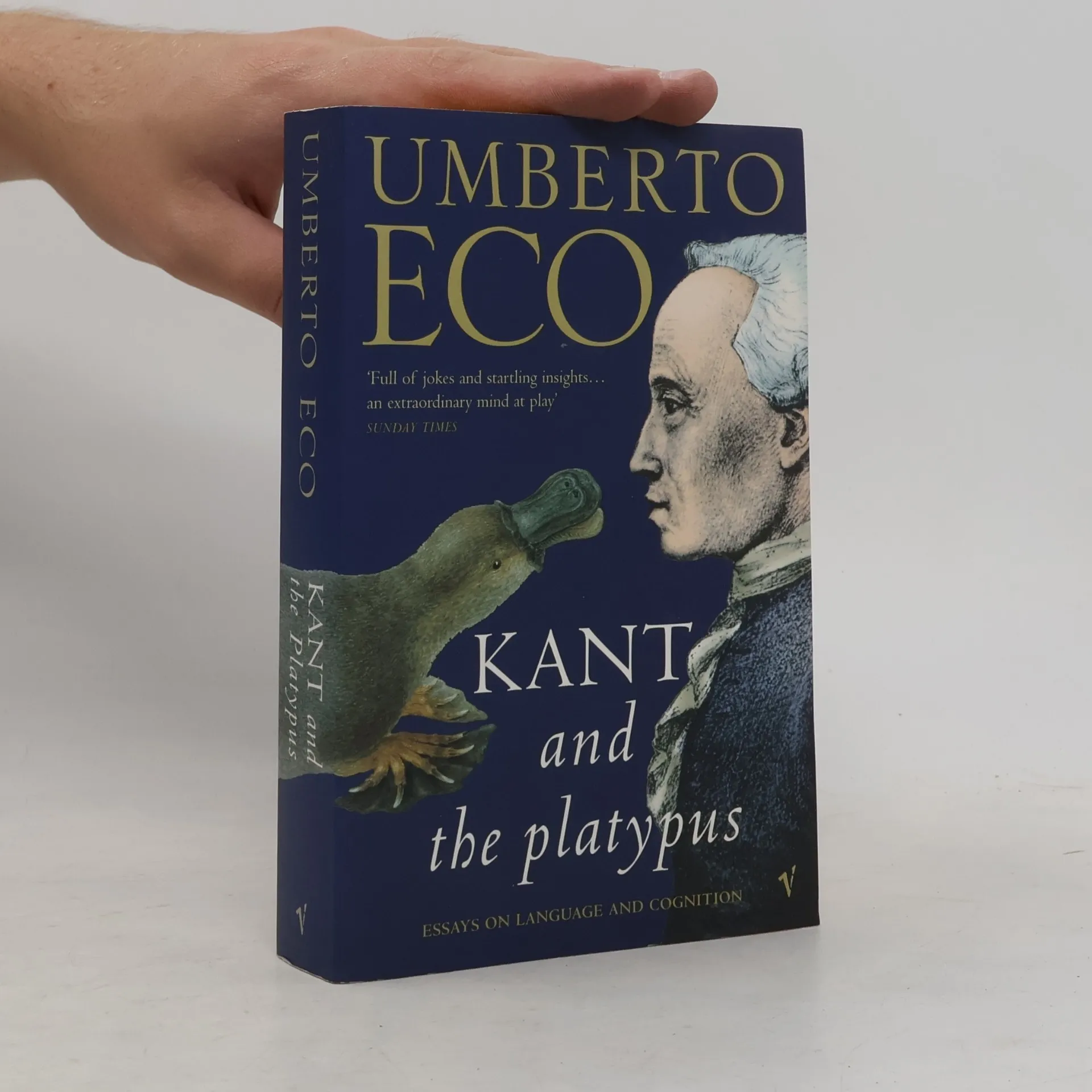
    Kant and the Platypus
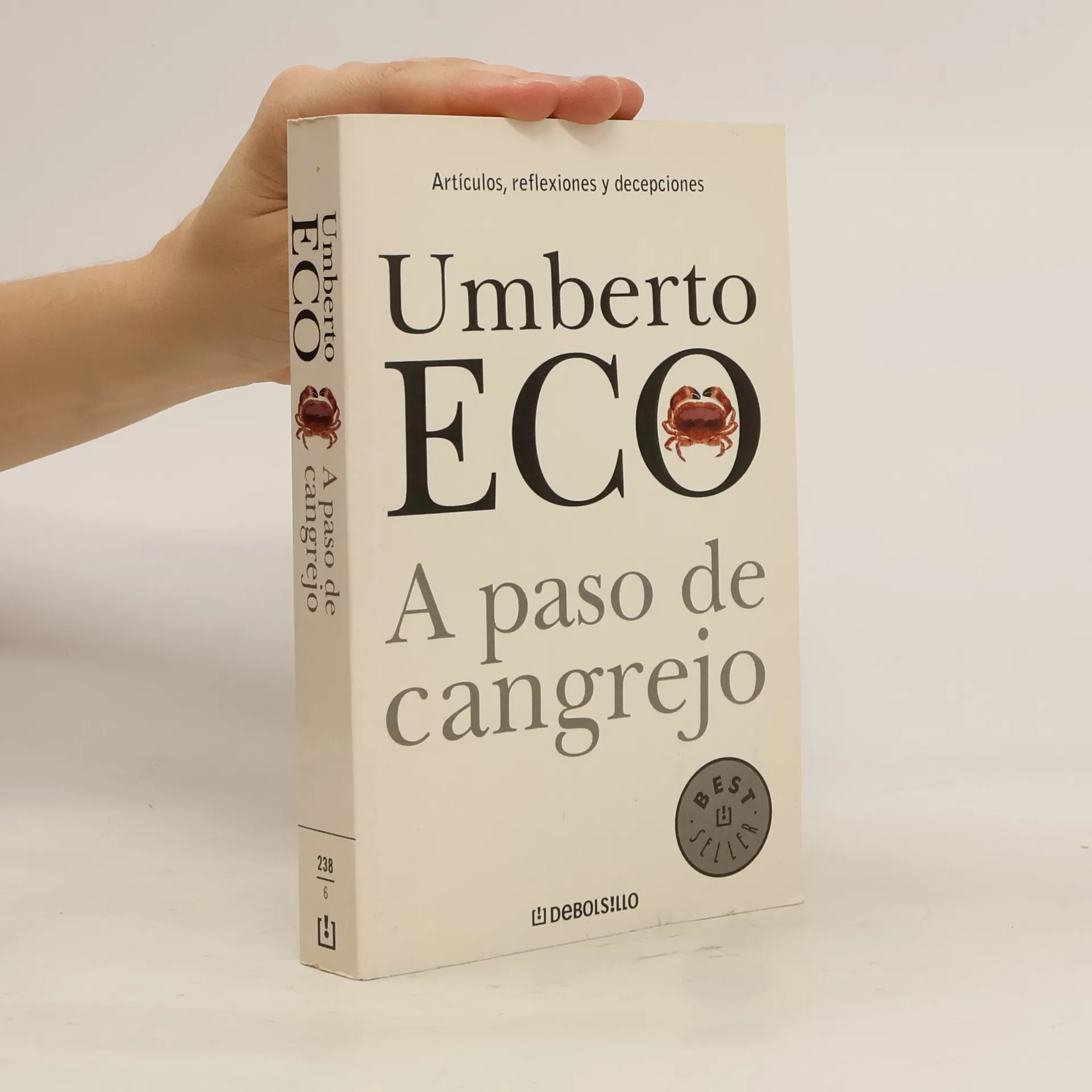
    A paso de cangrejo. Artículos, reflexiones y decepciones
    Five moral pieces
    How to Spot a Fascist
    • How to Spot a Fascist

      • 64 páginas
      • 3 horas de lectura

      We are here to remember what happened and to declare solemnly that 'they' must never do it again. But who are 'they'? HOW TO SPOT A FASCIST is a selection of three thought-provoking essays on freedom and fascism, censorship and tolerance - including Eco's iconic essay 'Ur-Fascism', which lists the fourteen essential characteristics of fascism, and draws on his own personal experiences growing up in the shadow of Mussolini. Umberto Eco remains one of the greatest writers and cultural commentators of the last century. In these pertinent pieces, he warns against prejudice and abuses of power and proves a wise and insightful guide for our times. If we strive to learn from our collective history and come together in challenging times, we can hope for a peaceful and tolerant future. Freedom and liberation are never-ending tasks. Let this be our motto: 'Do not forget.'

      How to Spot a Fascist2020
      4,6
    • A paso de cangrejo, es decir, hacia atrás, parece avanzar la historia en este nuevo milenio. Los avances científicos y los progresos democráticos que prometían un futuro brillante se han transformado en conflictos e insatisfacciones. La humanidad, tras el 11 de septiembre, ha entrado en una peligrosa regresión. Viejos conflictos territoriales y guerras medievales con tintes de "cruzada" resurgen, junto con la nostalgia por los totalitarismos, el antisemitismo y diversas formas de racismo. En algunos lugares, persiste la lucha contra las teorías evolutivas de Darwin. Eco, inspirado por el jurista Norberto Bobbio, que propuso que el deber de los intelectuales es sembrar dudas en lugar de certezas, critica la vida contemporánea, las guerras, la política internacional y el consumismo en grandes superficies como único ocio viable. También señala el papel perjudicial de los medios de comunicación, que construyen una imagen del mundo basada en el espectáculo y la manipulación. El resultado es un libro intenso y combativo, repleto de análisis lúcidos sobre nuestro entorno. Eco nos invita a reflexionar sobre el presente y el futuro, ofreciendo un trabajo que evade el maniqueísmo y aboga por la cautela intelectual ante un panorama incierto.

      A paso de cangrejo. Artículos, reflexiones y decepciones2006
      3,7
    • Five moral pieces

      • 111 páginas
      • 4 horas de lectura

      embracing the web of multi-culturalism that has become a fact of contemporary life from New York to New Delhi, Eco argues that we are more connected to people of othe traditions and customs than ever before, making tolerance the ultimate value in today's world.

      Five moral pieces2001
      3,9
    • How do we know a cat is a cat? And why do we call it a cat? How much of our perception of things is based on cognitive ability, and how much on linguistic resources? Here, in six remarkable essays, Umberto Eco explores in depth questions of reality, perception, and experience. Basing his ideas on common sense, Eco shares a vast wealth of literary and historical knowledge, touching on issues that affect us every day. At once philosophical and amusing, Kant and the Platypus is a tour of the world of our senses, told by a master of knowing what is real and what is not.

      Kant and the Platypus1999
      3,5