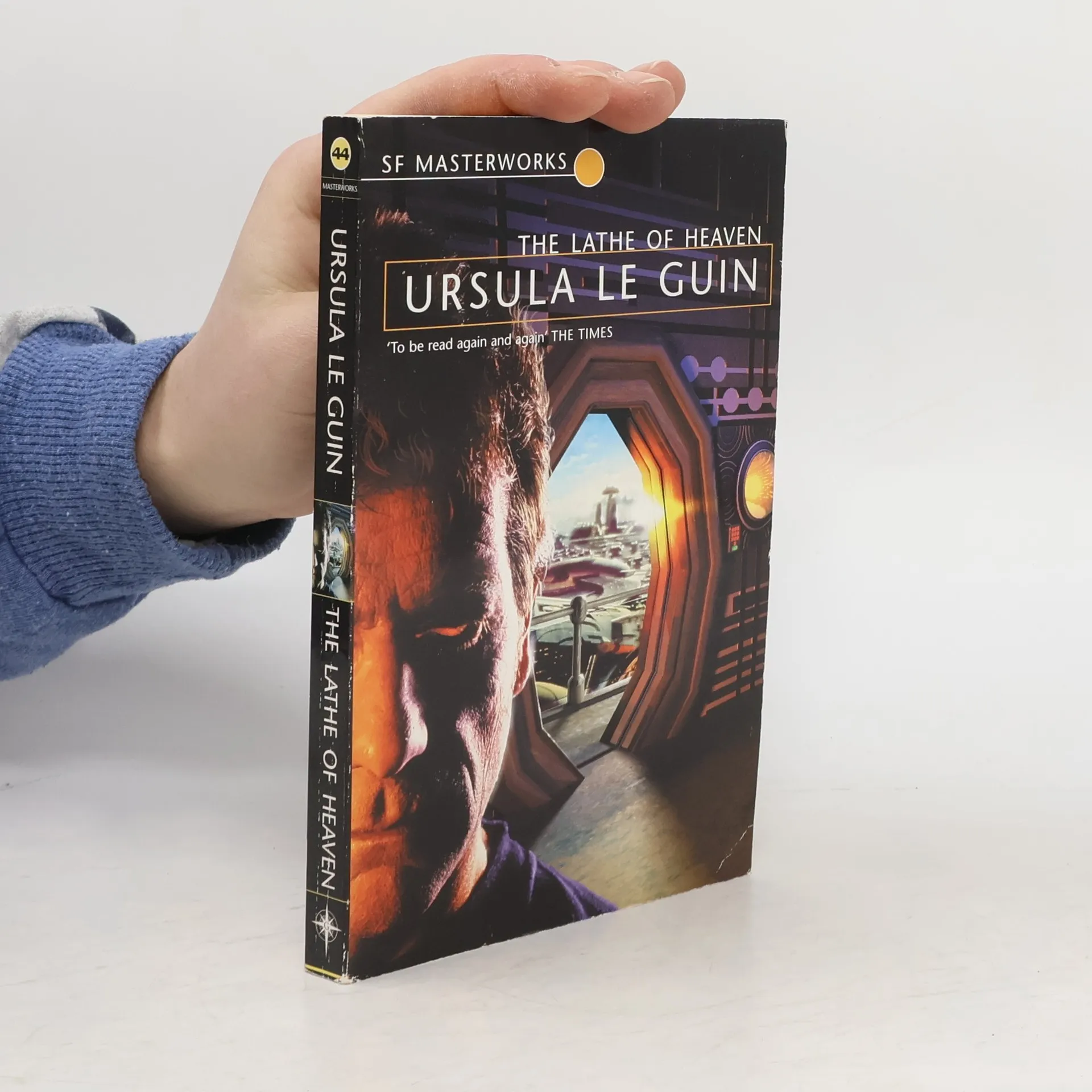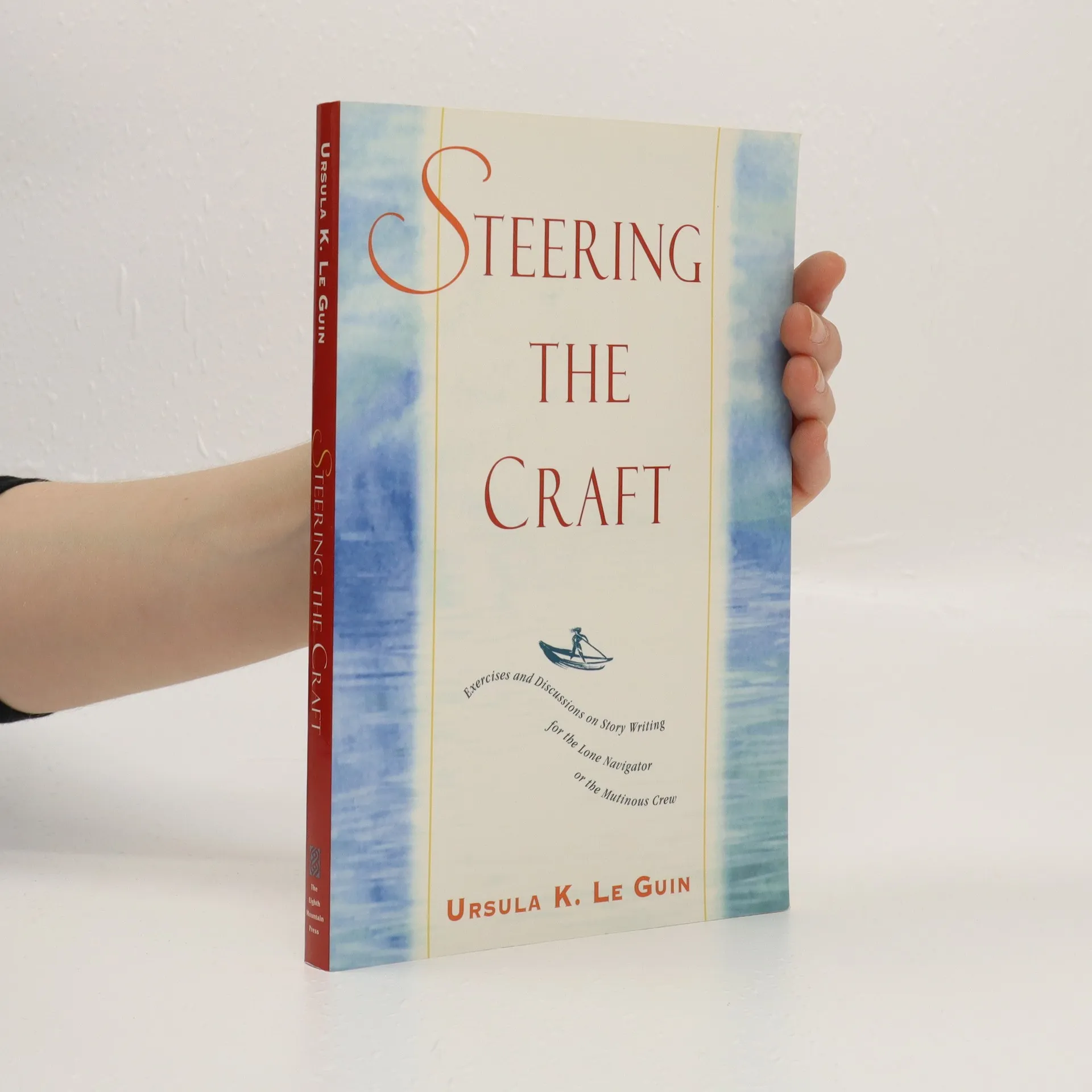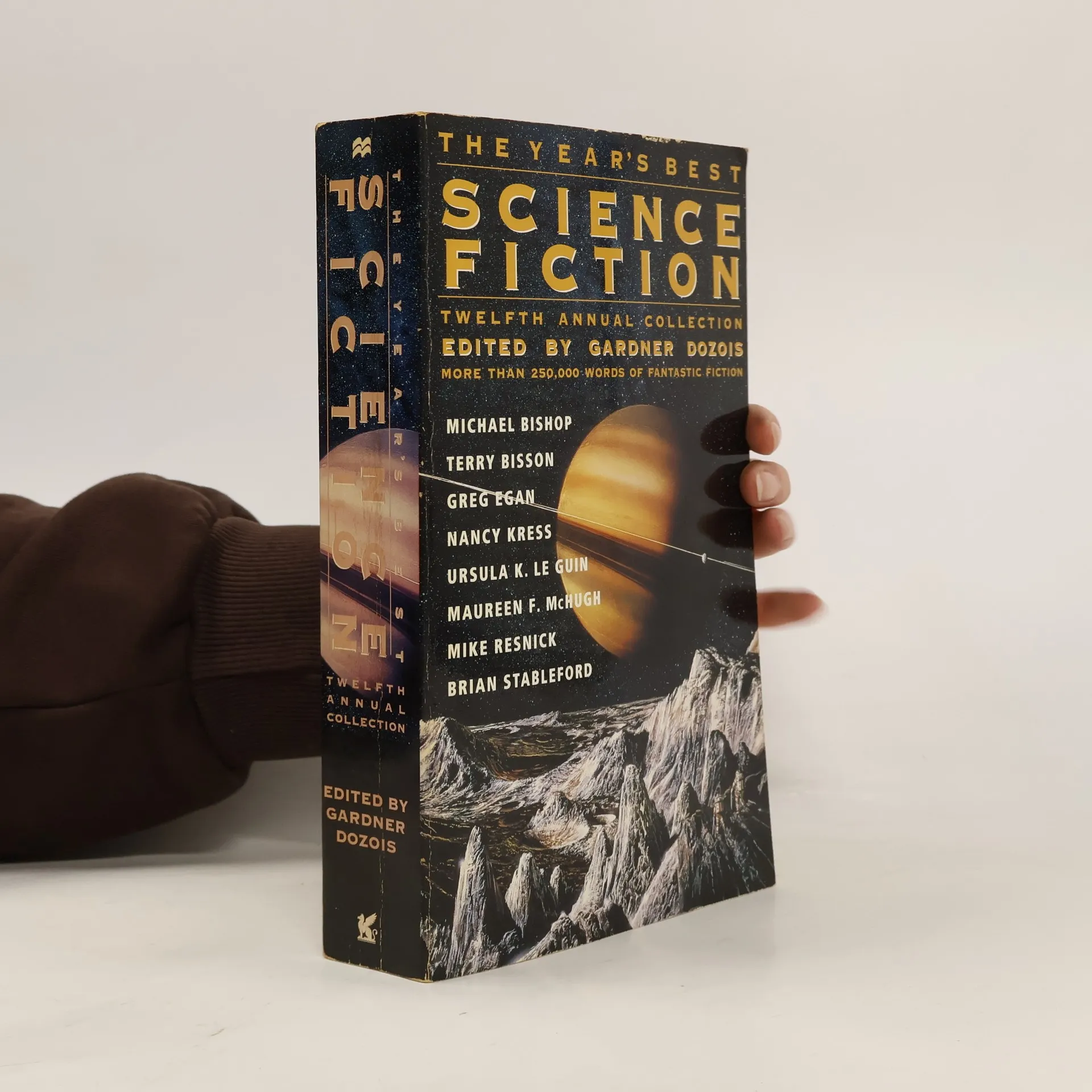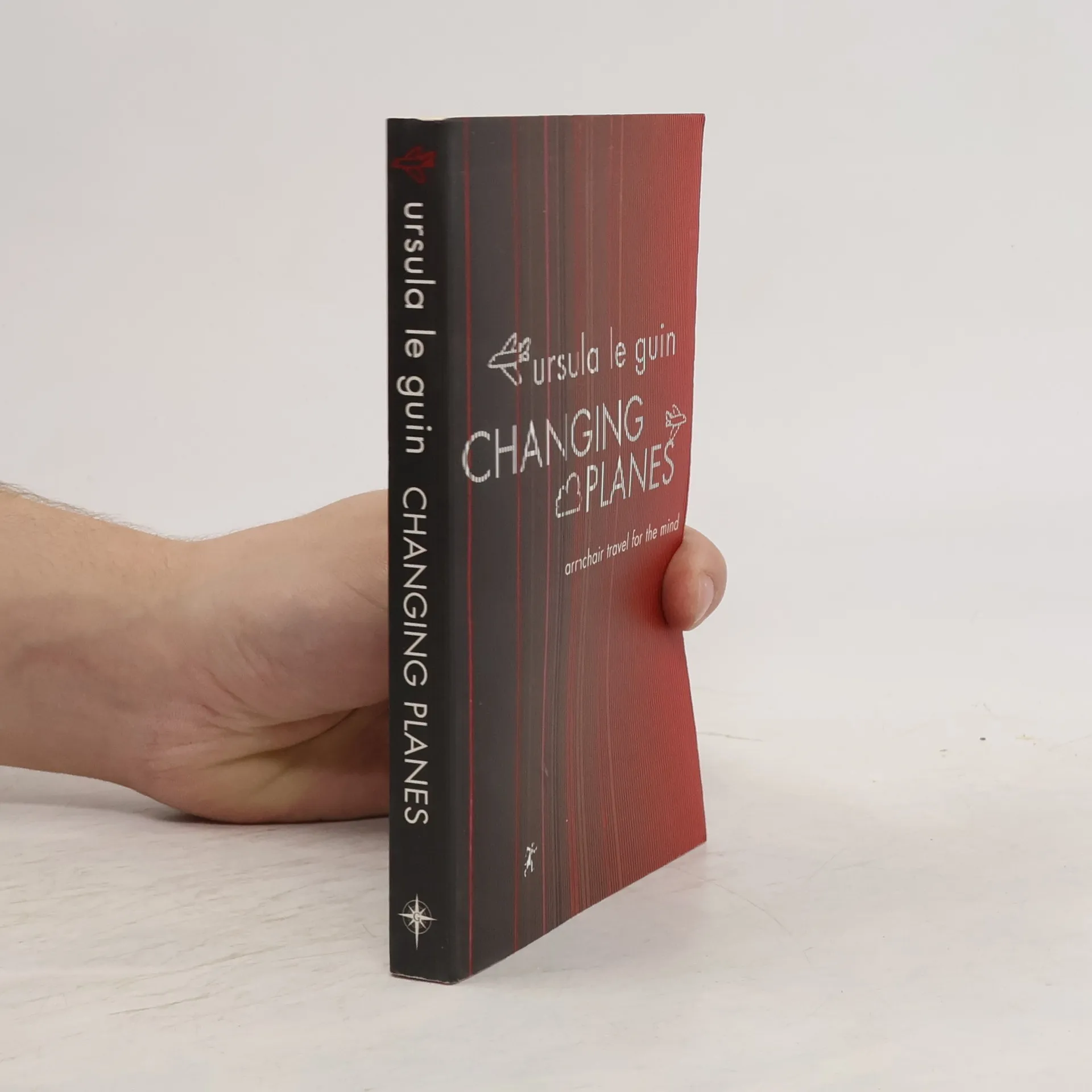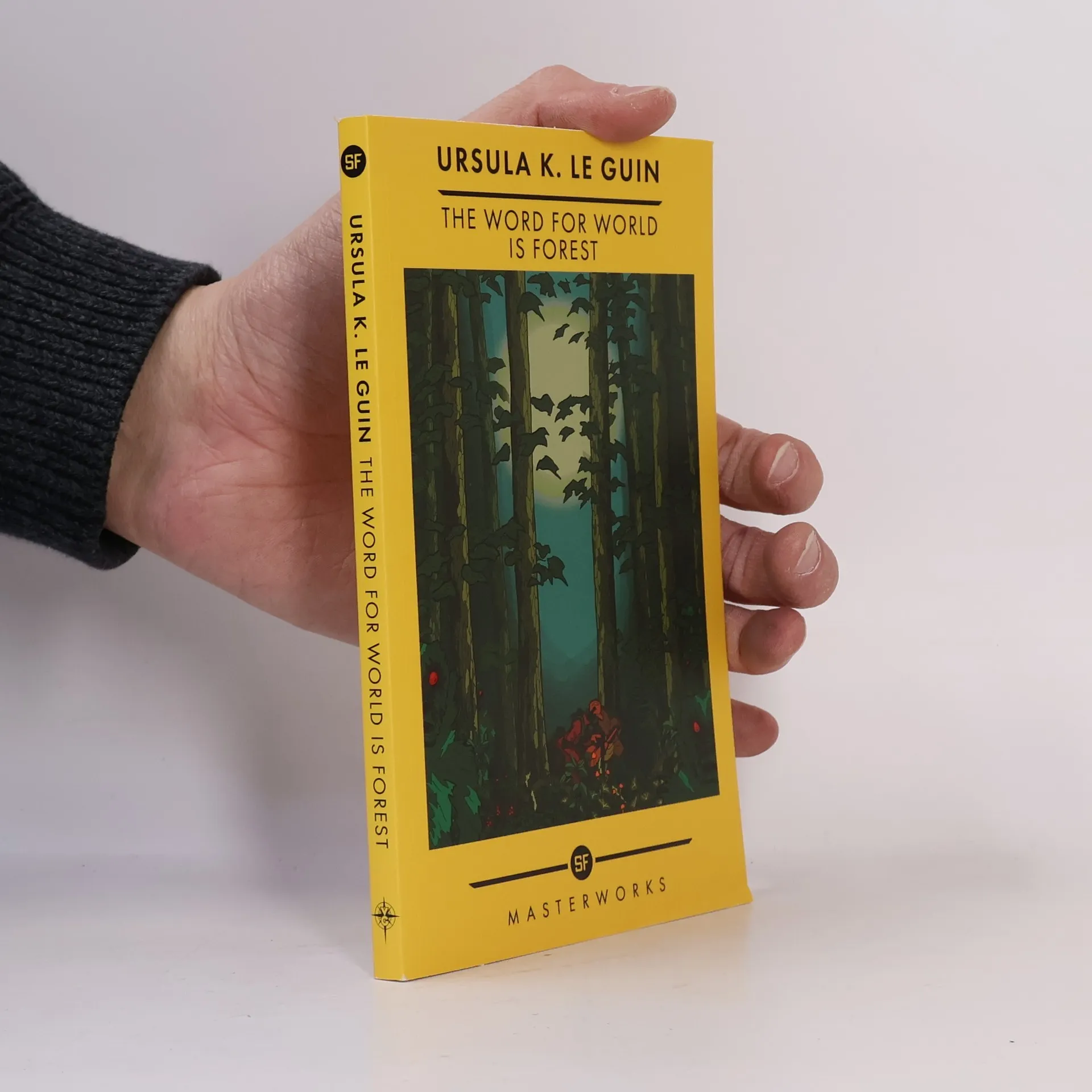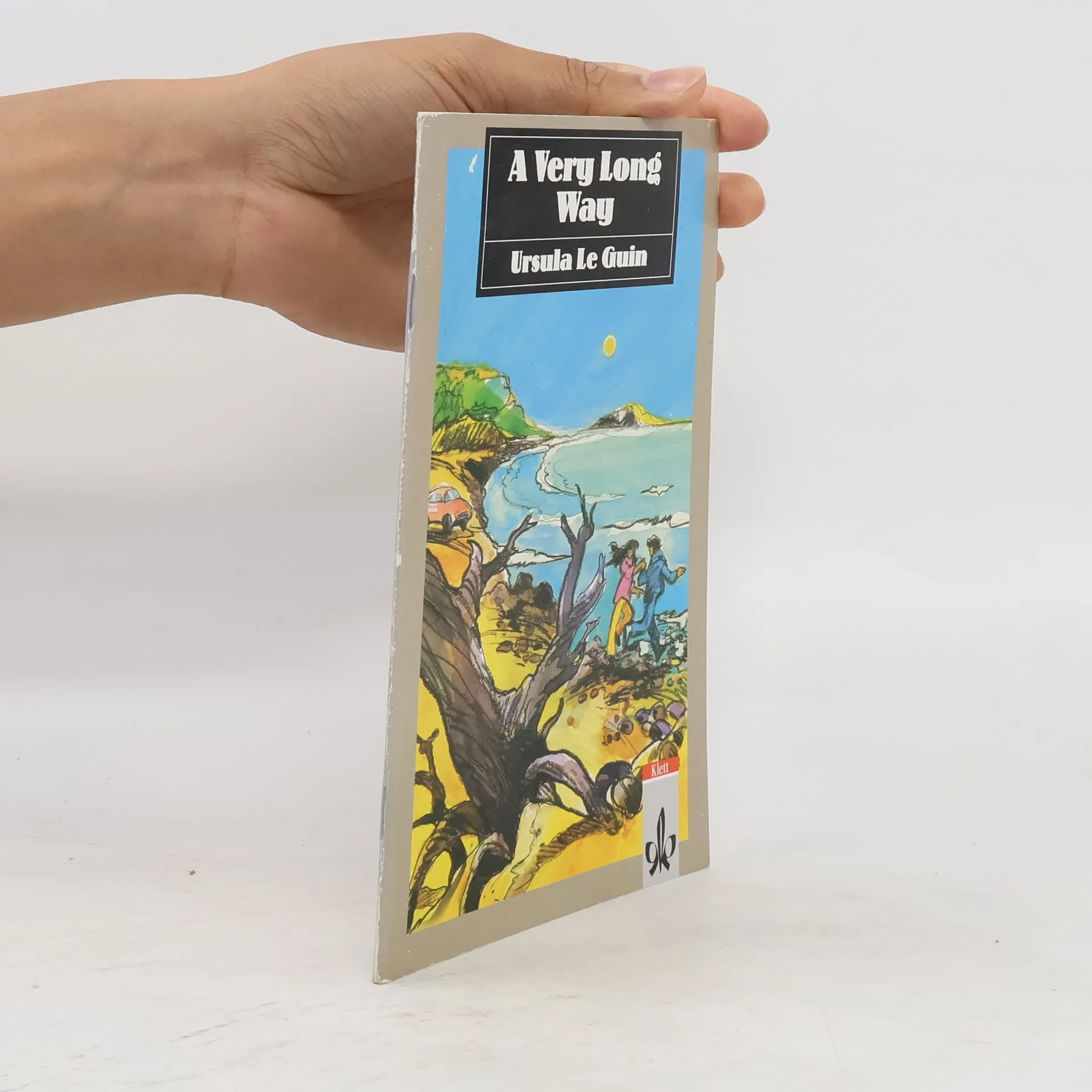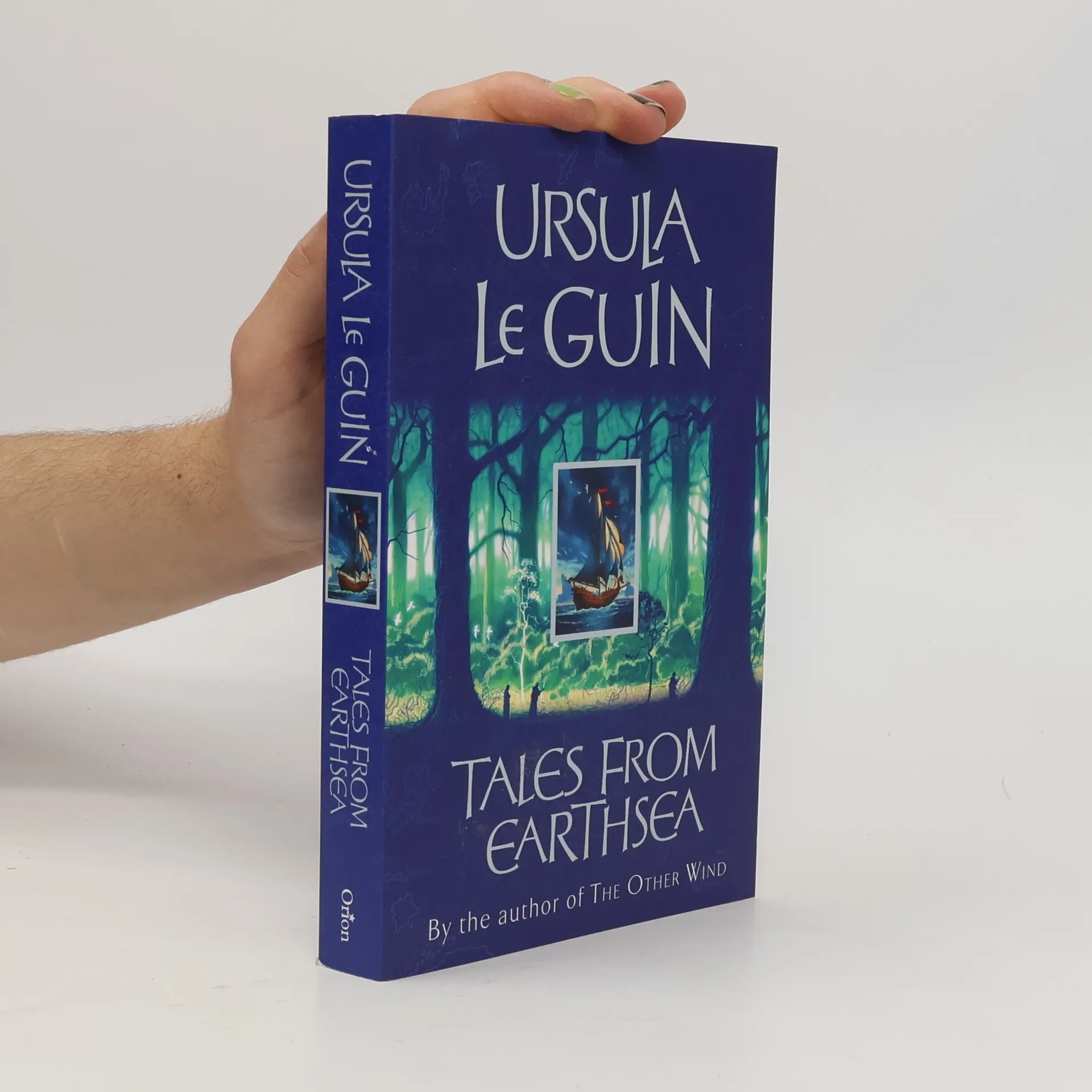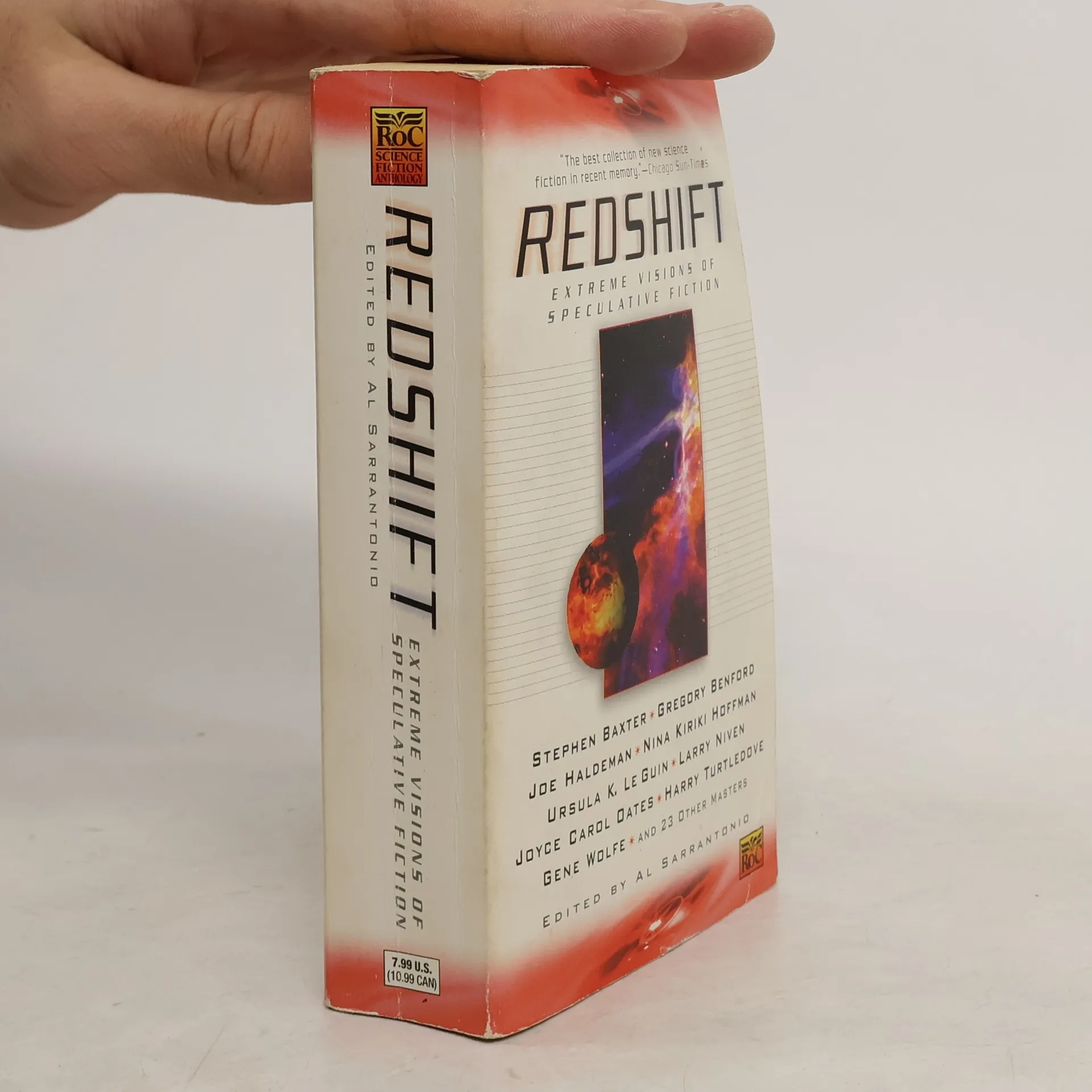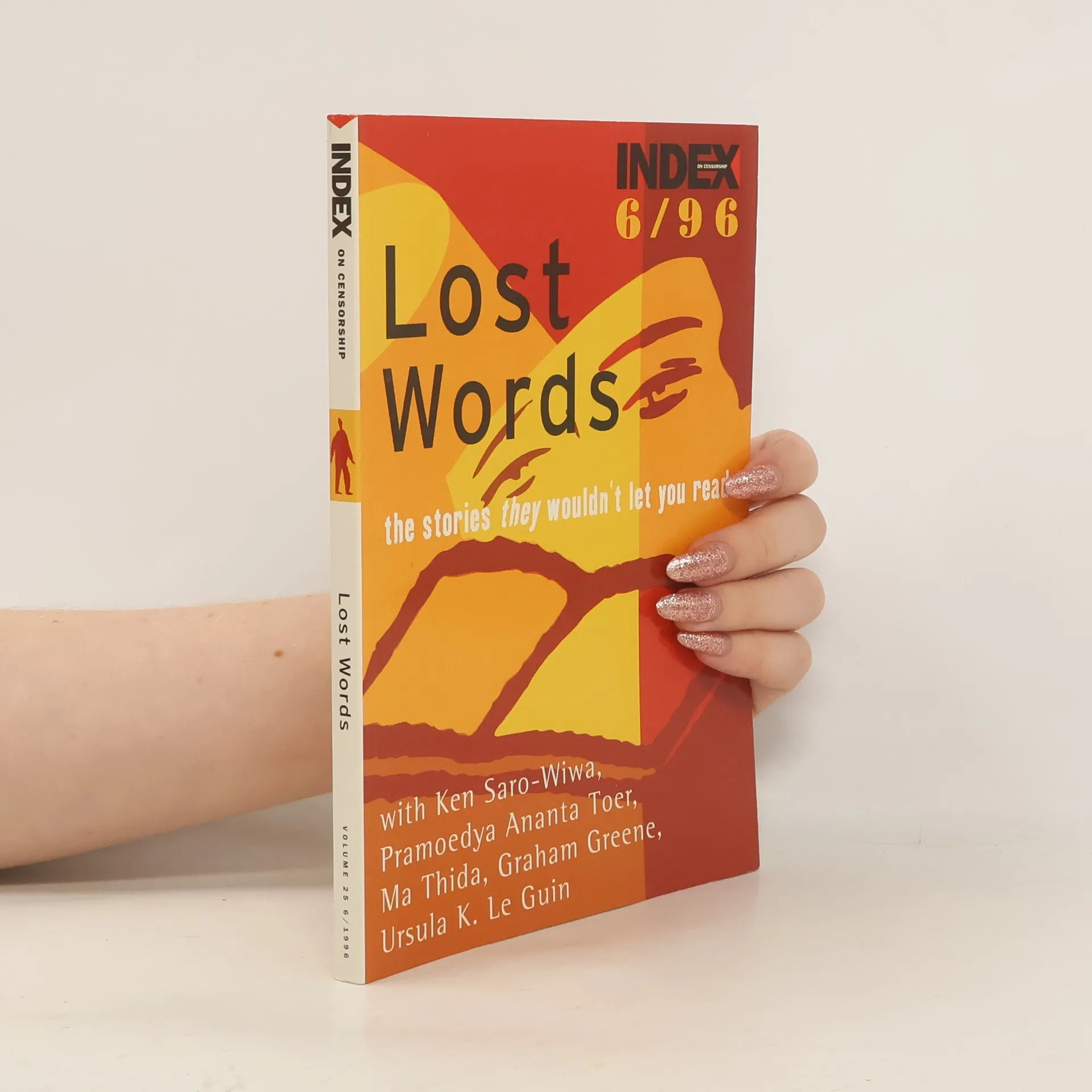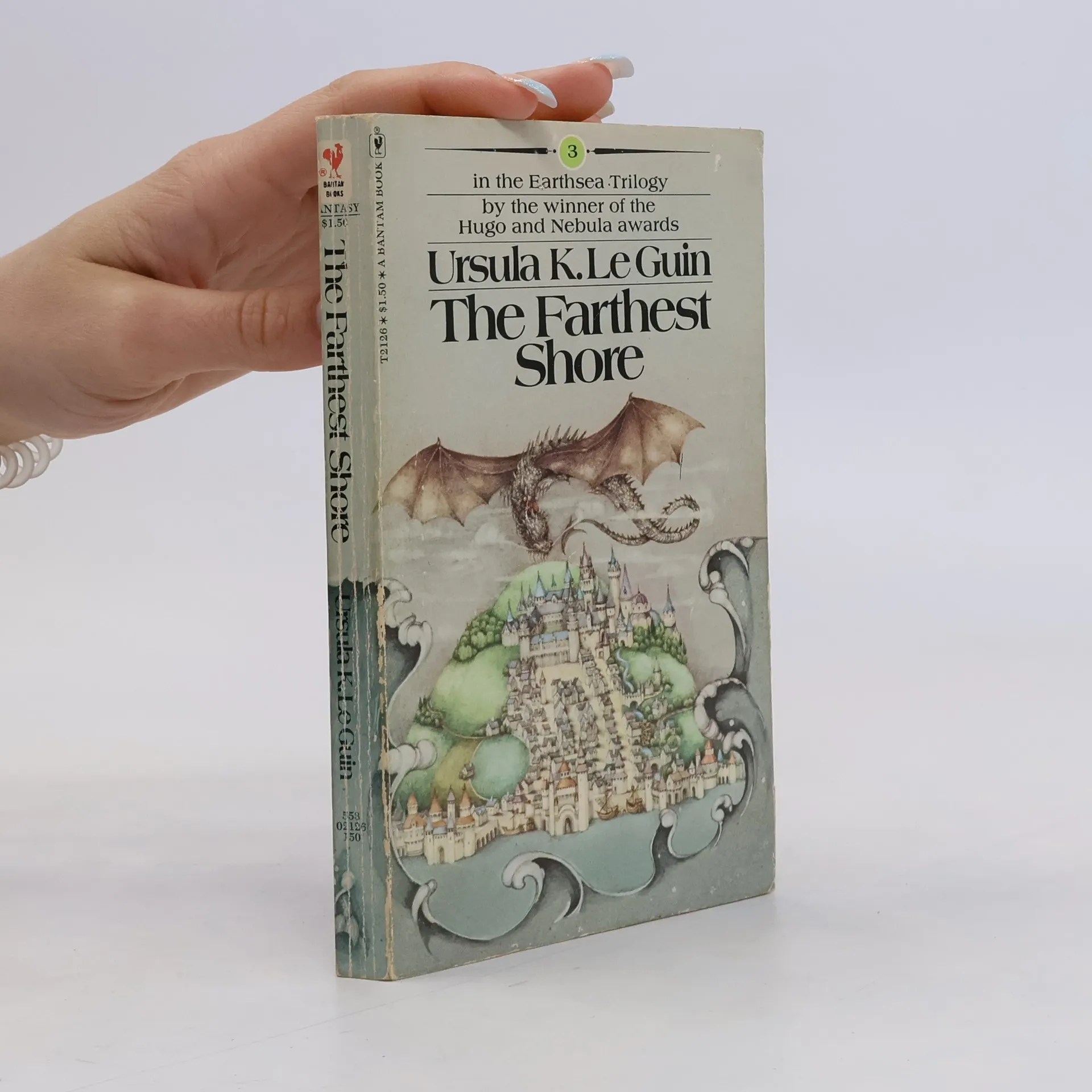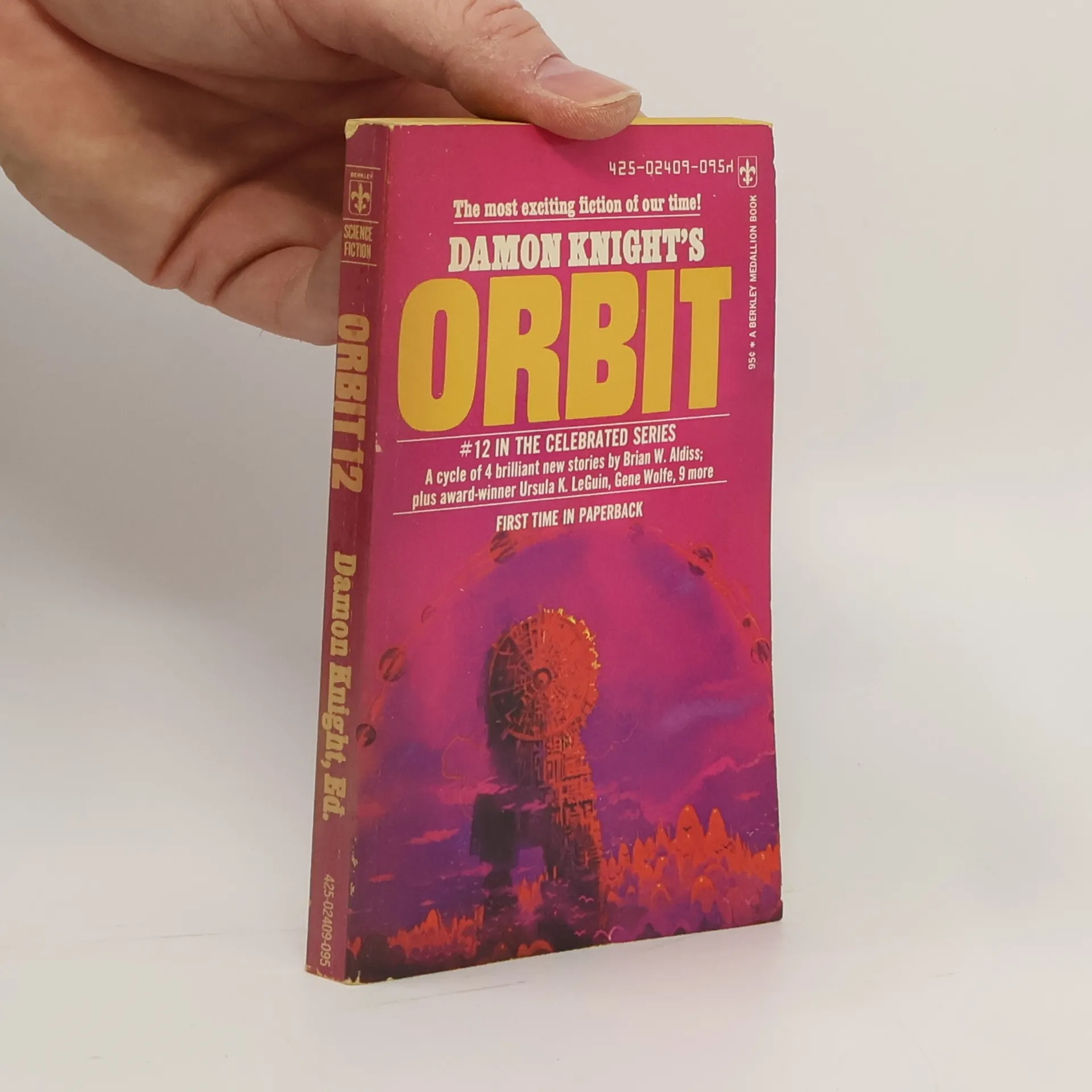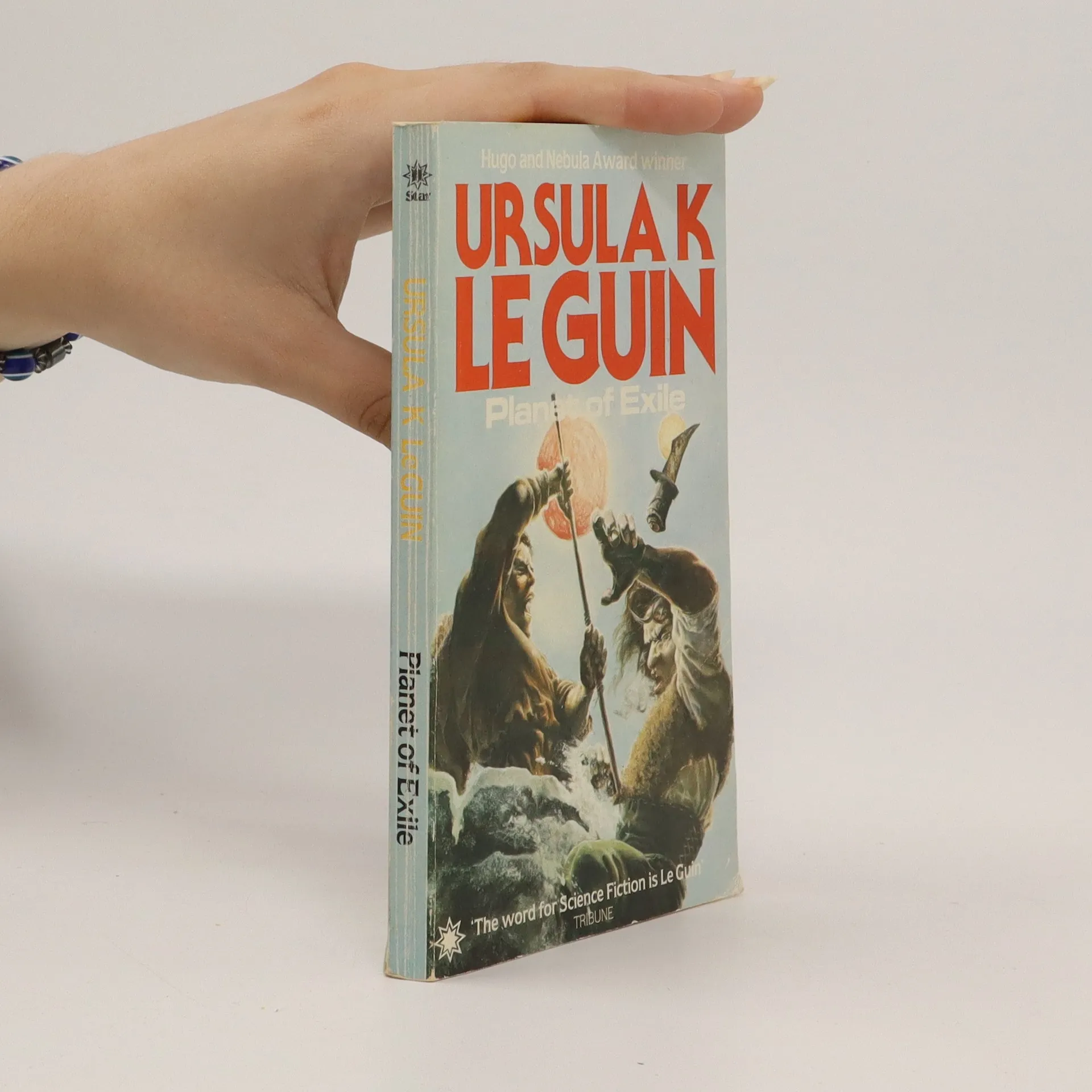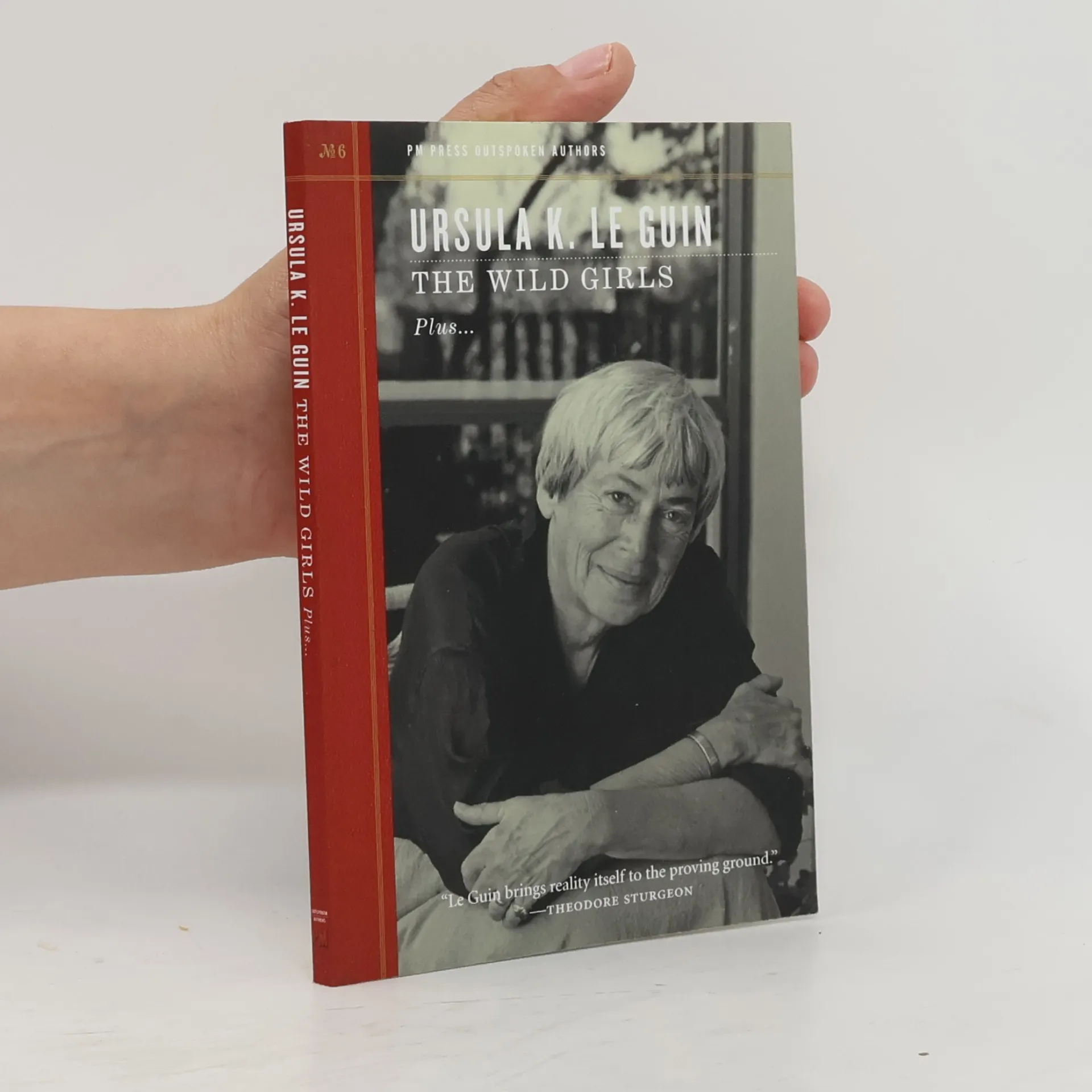
Ursula K. Le Guin fue reconocida por sus incisivas exploraciones sobre género, sistemas políticos y la otredad. Sus obras a menudo se basaron en una profunda comprensión de la antropología, evidente en la creación de intrincadas sociedades ficticias. A través de sus narradores, a menudo enviados, examinó los encuentros e interacciones entre culturas y mundos dispares. Le Guin utilizó su distintiva narración en primera persona para sumergir profundamente al lector en la esencia de la experiencia humana y la diferencia.
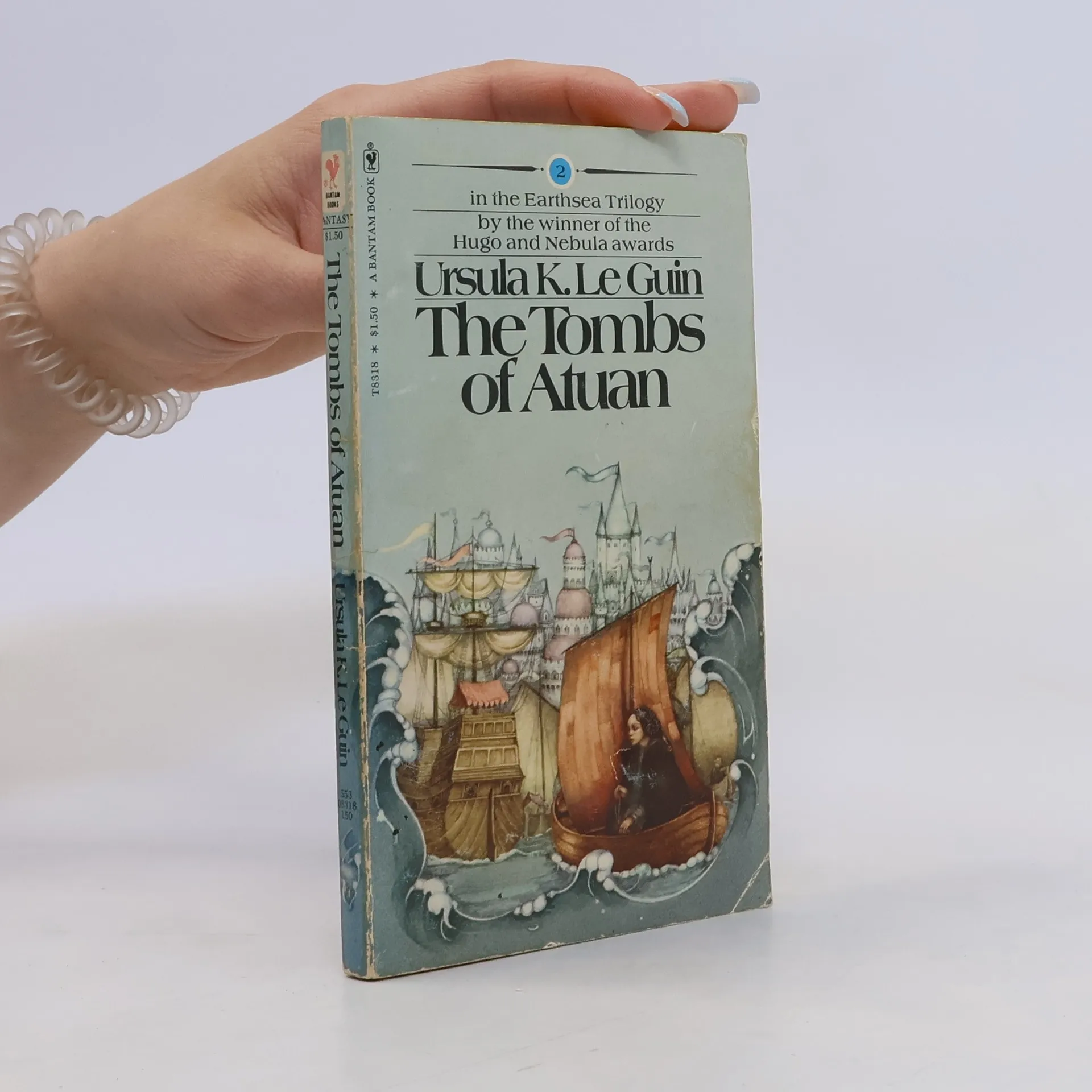
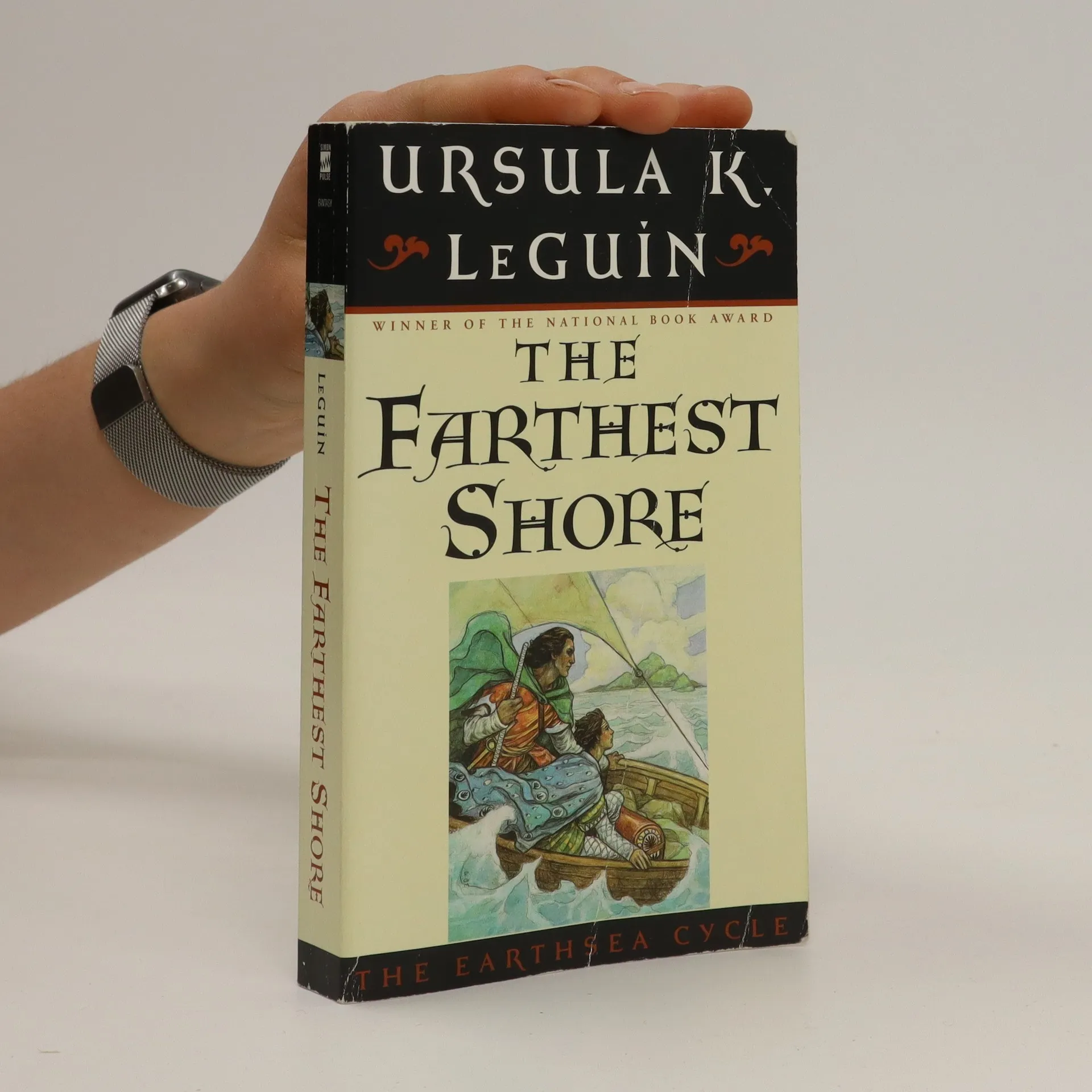
Ged, the greatest sorcerer in all Earthsea, was called Sparrowhawk in his reckless youth. Hungry for power and knowledge, Sparrowhawk tampered with long-held secrets and loosed a terrible shadow upon the world. This is the tale of his testing, how he mastered the mighty words of power, tamed an ancient dragon, and crossed death's threshold to restore the balance.
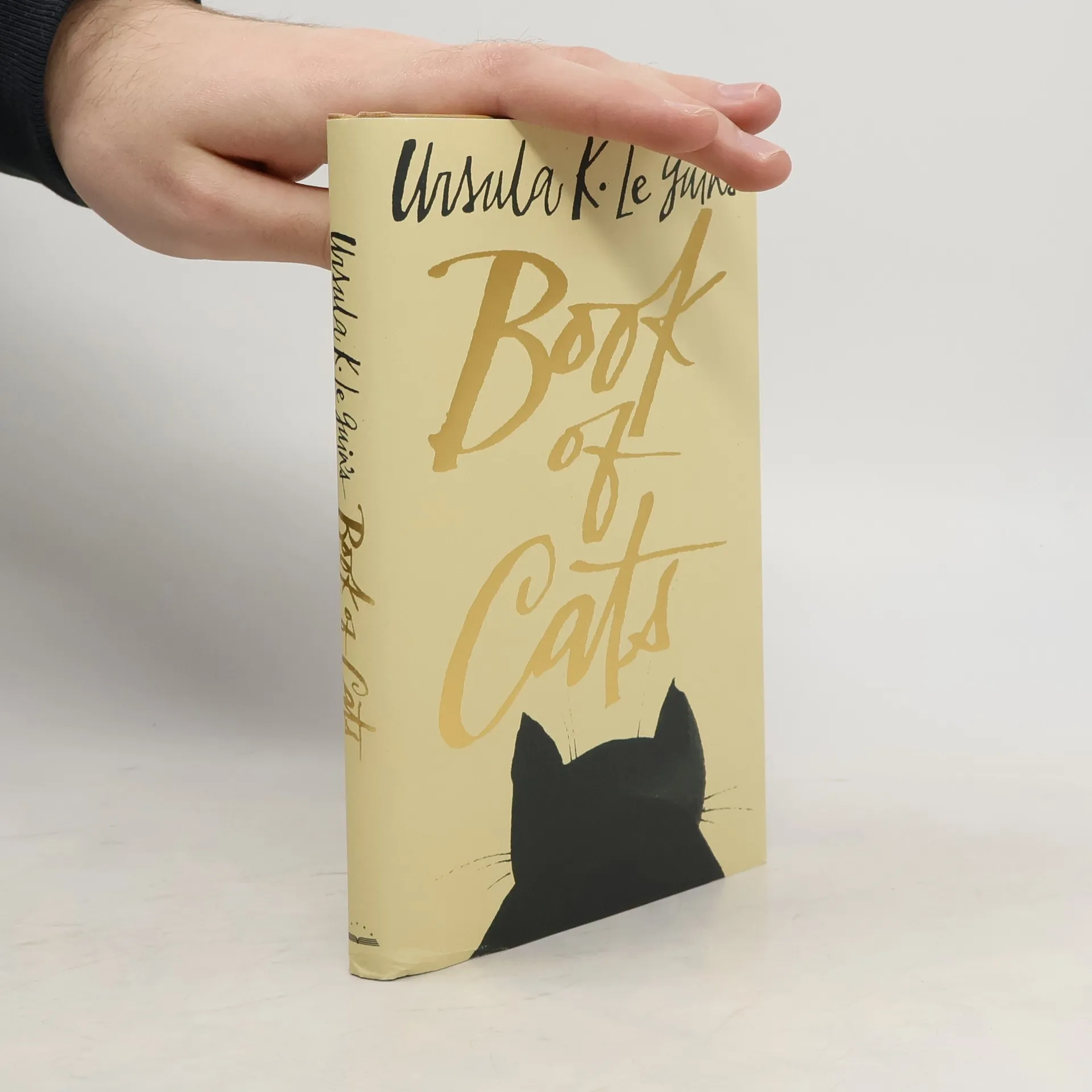
Los mejores relatos, ensayos y poemas de la literatura felina universal
415 páginas
15 horas de lectura
Este libro trae gatos de todos los tipos: rencorosos, recién despertados, tímidos, noruegos, con la tripa llena, estudiosos, malheridos, con el título de Patrón de Embarcaciones de Recreo recién sacado y una gorra de capitán bien calzada, felices, sepultados por mantas gordas, endeudados, graciosetes. La frase «de noche todos los gatos son pardos» es un dicho que hace referencia al ser humano, pero no a los gatos: no hay un gato igual que otro gato. Cada gato es único, de día y de noche. El año pasado publicamos un volumen hermano de éste ―«El Gran Libro de los Perros»― centrado en esos animales que no son gatos, y uno de los comentarios más repetidos fue que muy bien, que muy bonito, pero que cuándo iba a salir el libro de los gatos. El editor, Jorge de Cascante, se dio cuenta editando aquel primer libro que por cada autor o autora con un cuento sobre perros, había diez con un cuento sobre gatos. O un poema, o un fragmento de novela. Los gatos son animales mucho más literarios que los perros, o al menos mucho más interesantes para las personas que escriben, en general. Este libro era poco menos que inevitable. Acércate a esta antología como se acerca un gatito a una madeja de lana: con la intención de deshacerla. Deshazla abriendo el libro por la página que más te llame y camina por sus cornisas sin miedo al vacío. En estas páginas siempre caerás de pie (más o menos). En este libro encontrarás a Ursula K. Le Guin, Charles Baudelaire, H.P. Lovecraft, Federico García Lorca, William Burroughs, Borges, Dickens, Ana María Matute, Louisa May Alcott, Carmen Martín Gaite, Emilia Pardo Bazán, Anne Brontë, Patricia Highsmith y muchísimas firmas más.
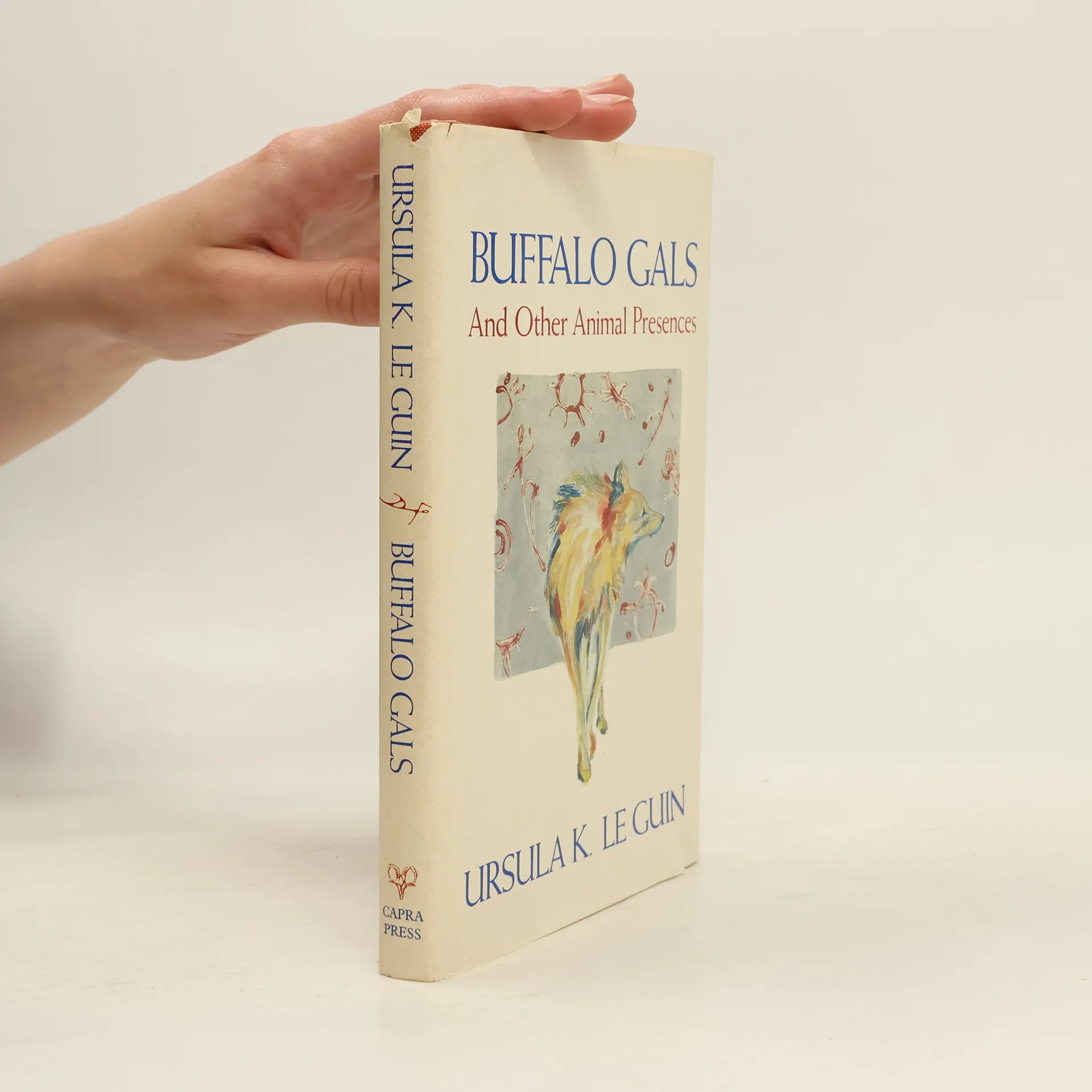
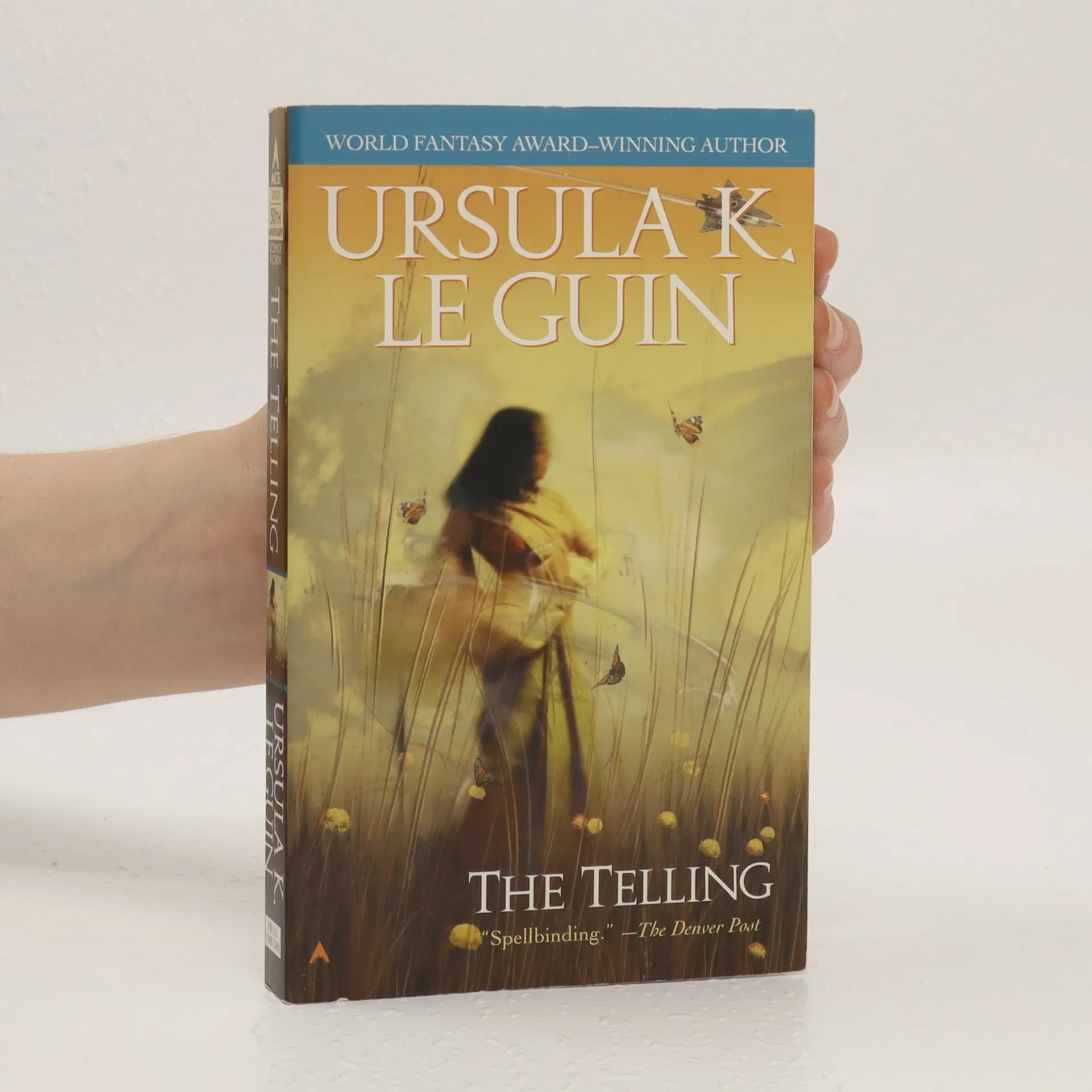
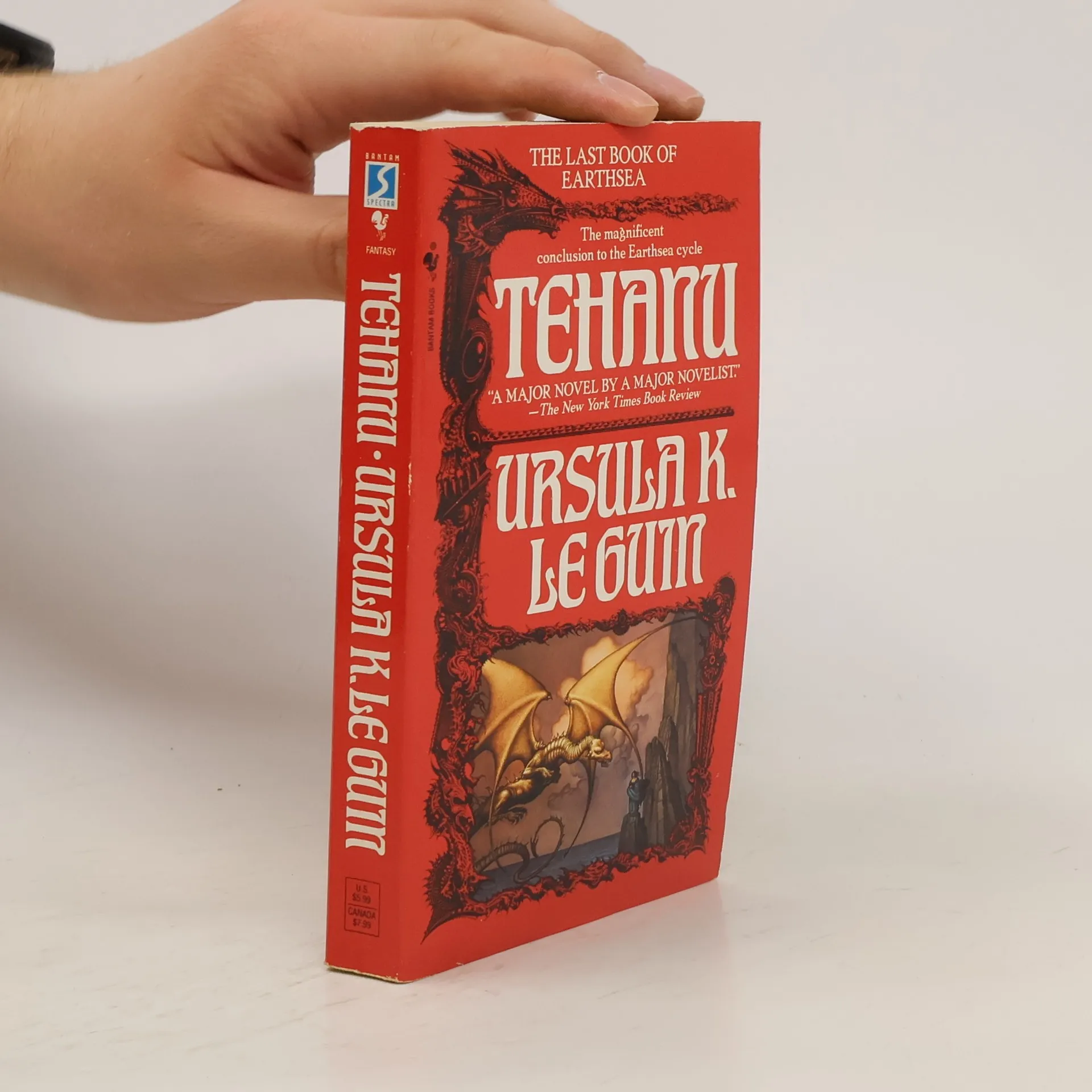
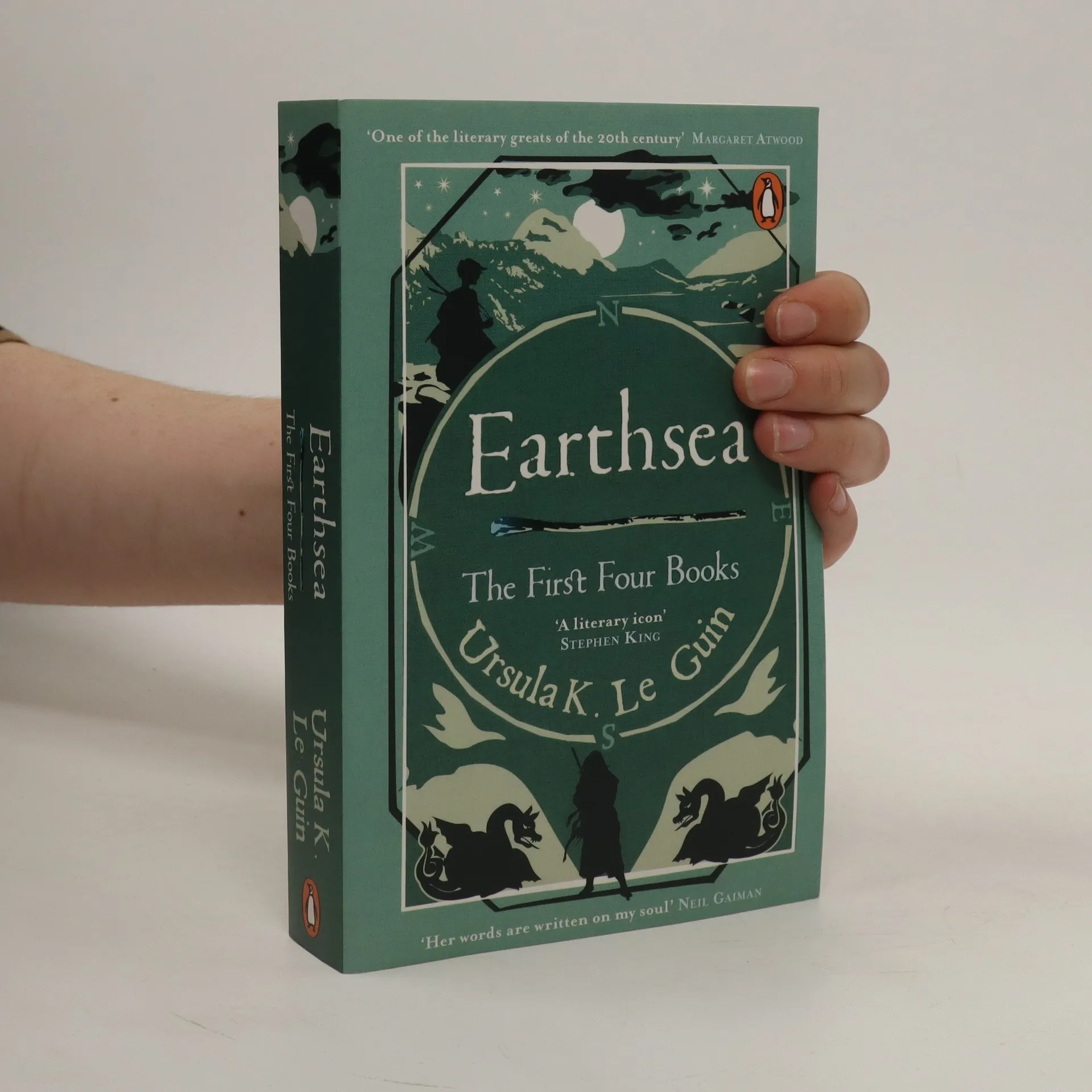
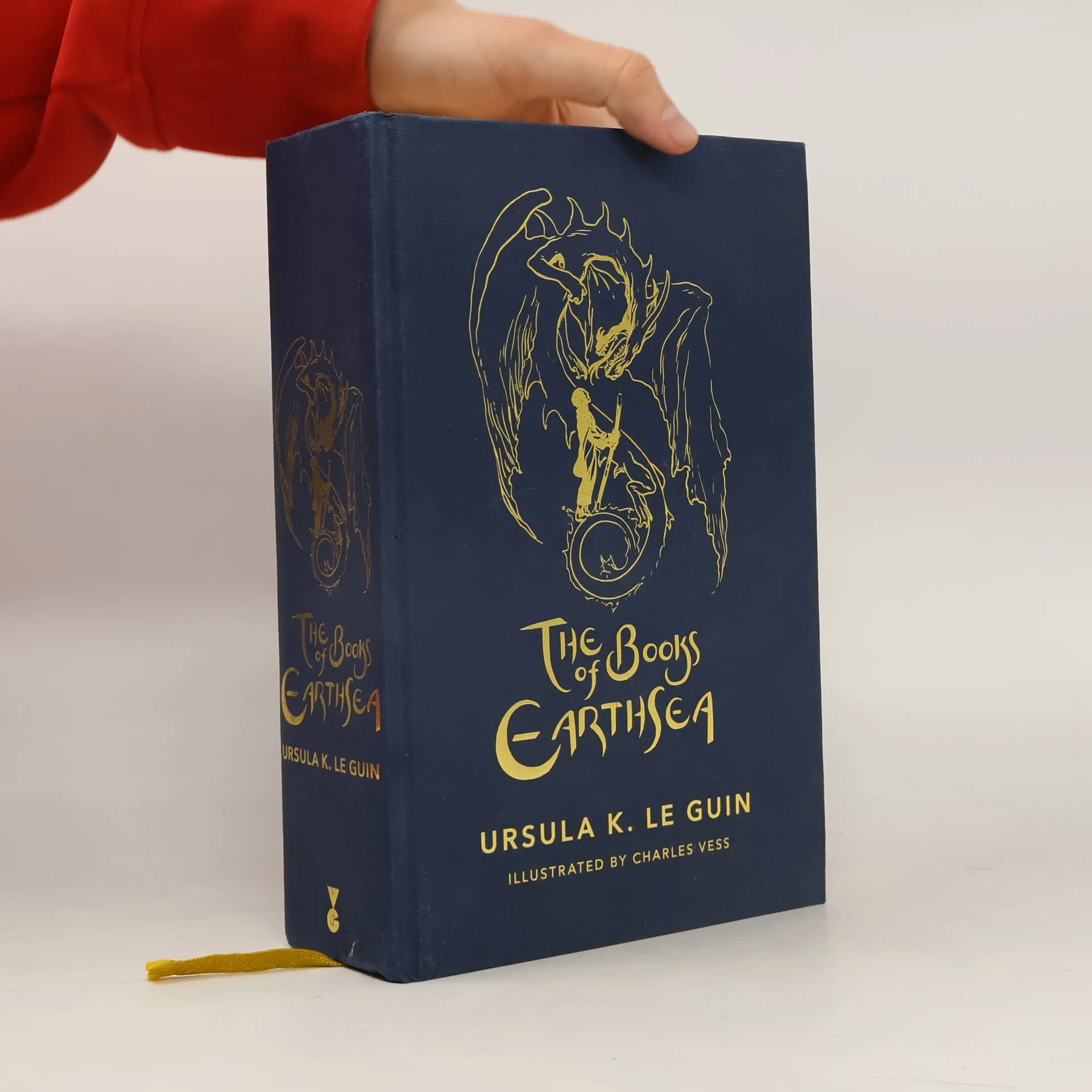
Celebrate the 50th anniversary of the timeless and beloved A Wizard of
Earthsea. Includes six novels, short stories and non-fiction, and with over
fifty illustrations by Charles Vess
In The Carrier Bag Theory of Fiction, visionary author Ursula K. Le Guin retells the story of human origin by redefining technology as a cultural carrier bag rather than a weapon of domination. Hacking the linear, progressive mode of the Techno-Heroic, the Carrier Bag Theory of human evolution proposes: 'before the tool that forces energy outward, we made the tool that brings energy home.' Prior to the preeminence of sticks, swords and the Hero's long, hard, killing tools, our ancestors' greatest invention was the container: the basket of wild oats, the medicine bundle, the net made of your own hair, the home, the shrine, the place that contains whatever is sacred. The recipient, the holder, the story. The bag of stars. This influential essay opens a portal to terra ignota: unknown lands where the possibilities of human experience and knowledge can be discovered anew. With a new introduction by Donna Haraway, the eminent cyberfeminist, author of the revolutionary A Cyborg Manifesto and most recently, Staying with the Trouble and Manifestly Haraway. With images by Lee Bul, a leading South Korean feminist artist who had a retrospective at London's Hayward Gallery in 2018.
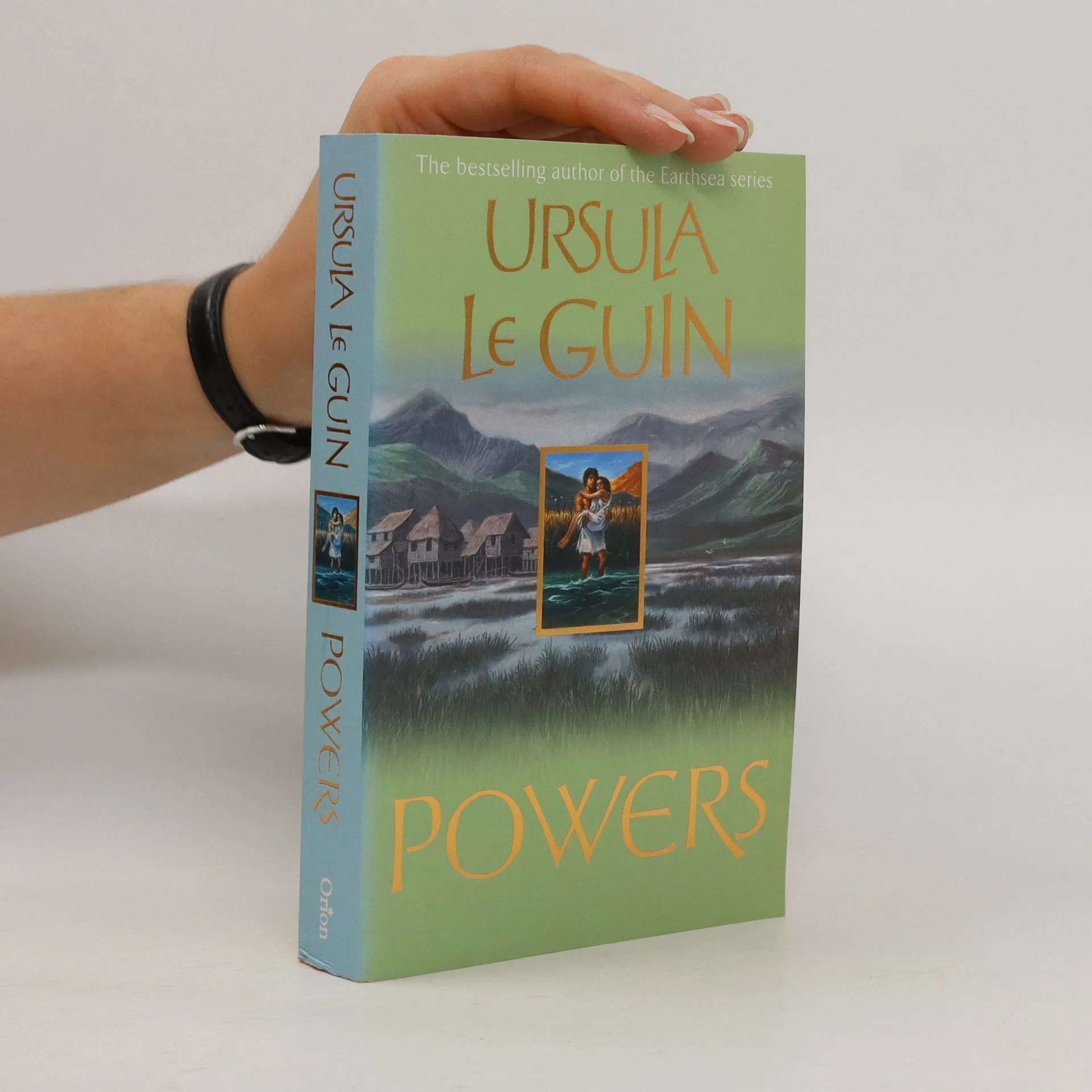
"This fifth volume in the definitive Library of America edition of Ursula K. Le Guin's work presents a trilogy of coming-of-age stories set in the Western Shore, a world where young people find themselves struggling not just against racism, prejudice, and slavery, but with mysterious and magical gifts. Includes Gifts, Voices, and Powers"-- Provided by publisher
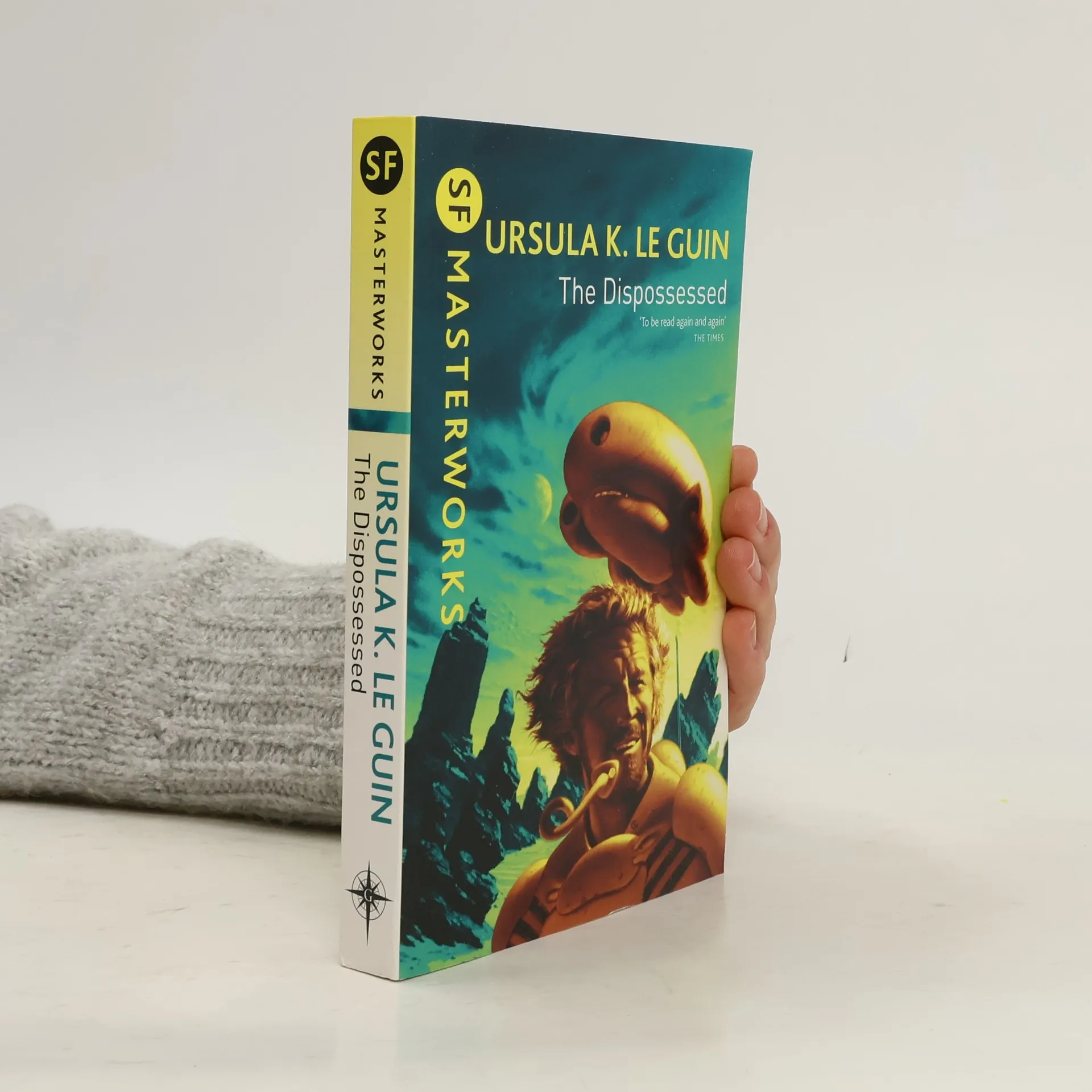
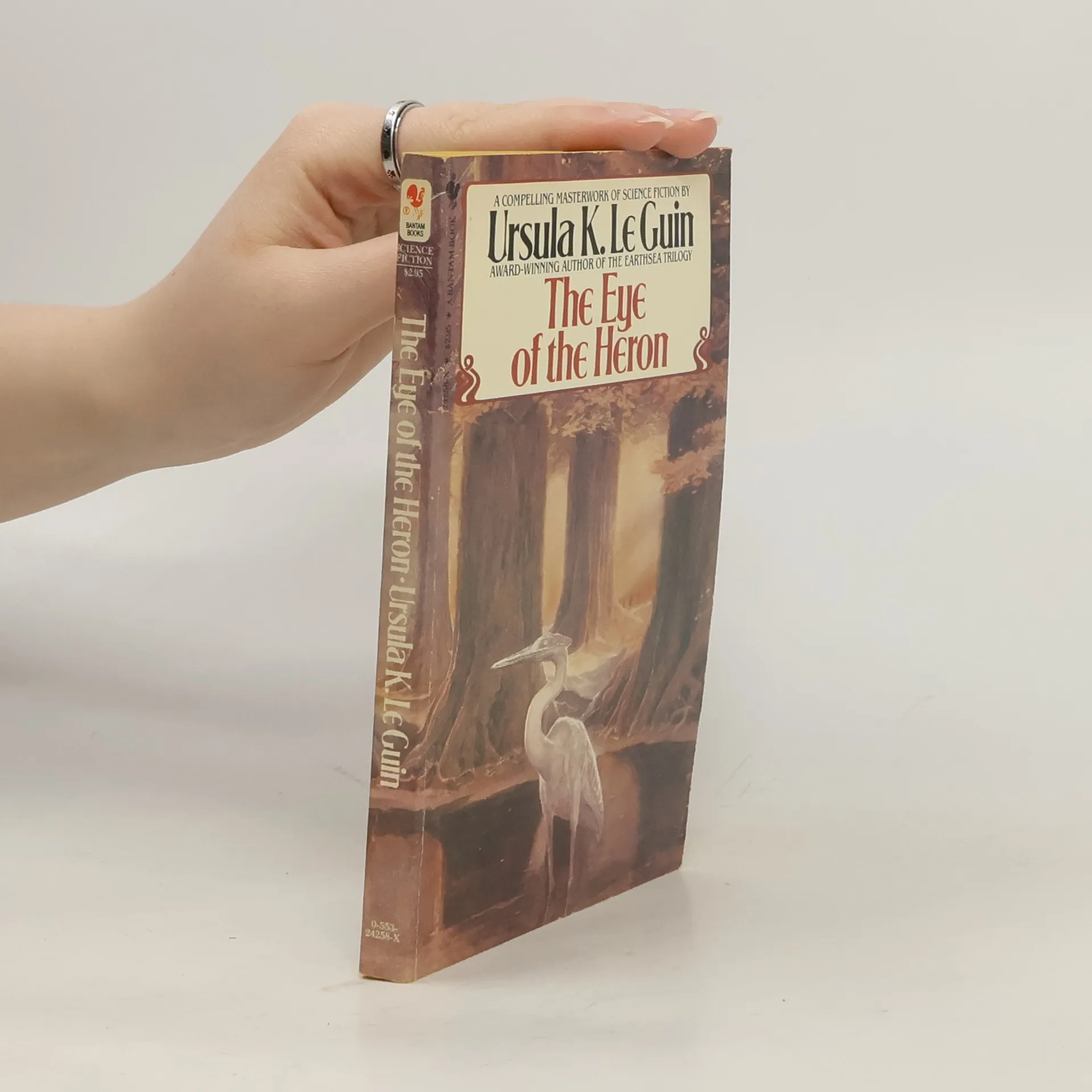
The Principle of Simultaneity is a scientific breakthrough which will revolutionize interstellar civilization by making possible instantaneous communication. It is the life work of Shevek, a brilliant physicist from the arid anarchist world of Anarres. But Shevek's work is being stifled by jealous colleagues, so he travels to Anarres's sister-planet Urras, hoping to find more liberty and tolerance there. But he soon finds himself being used as a pawn in a deadly political game.
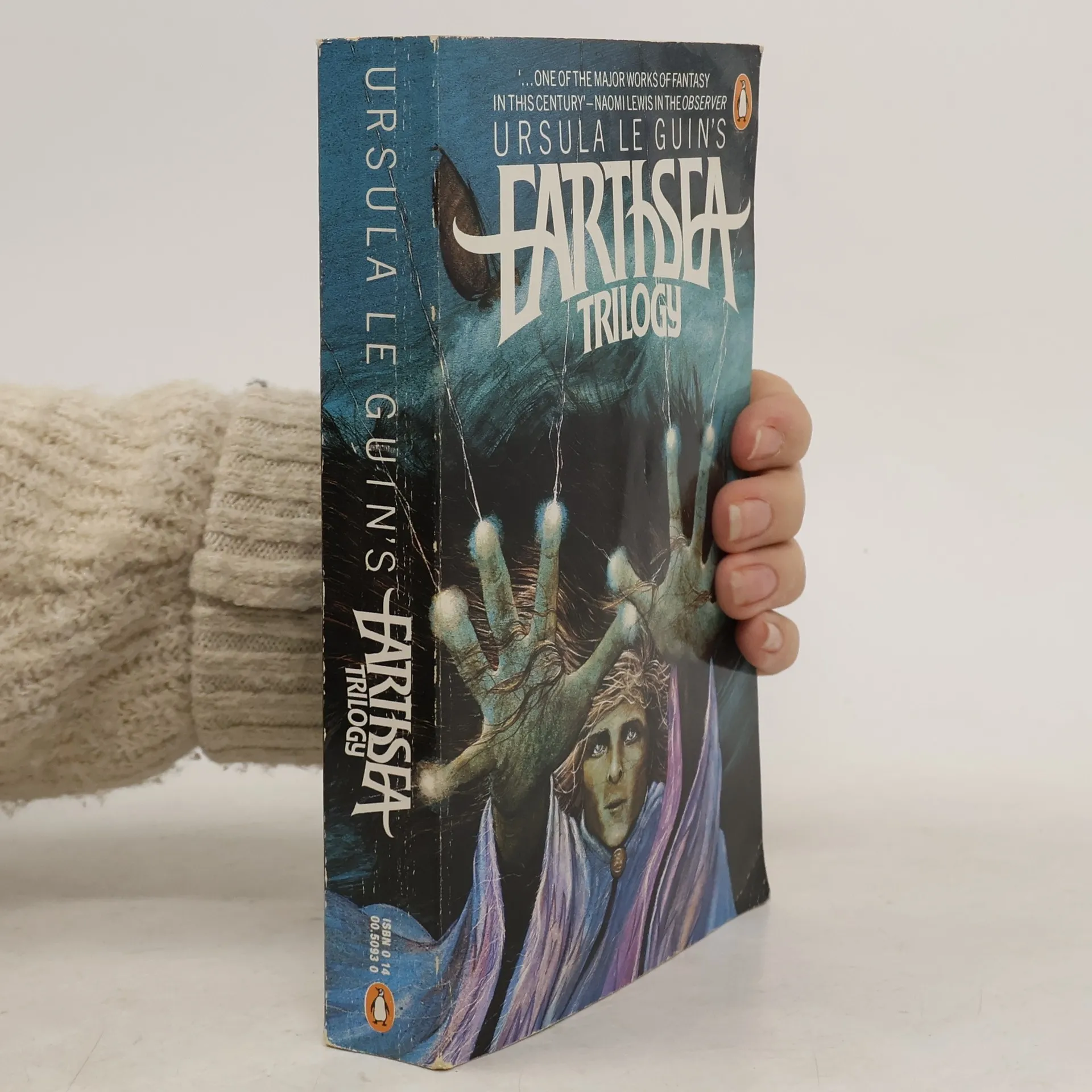
As a young dragonlord, Ged, whose use-name is Sparrowhawk, is sent to the island of Roke to learn the true way of magic. A natural magician, Ged becomes an Archmage and helps the High Priestess Tenar escape from the labyrinth of darkness. But as the years pass, true magic and ancient ways are forced to submit to the powers of evil and death.
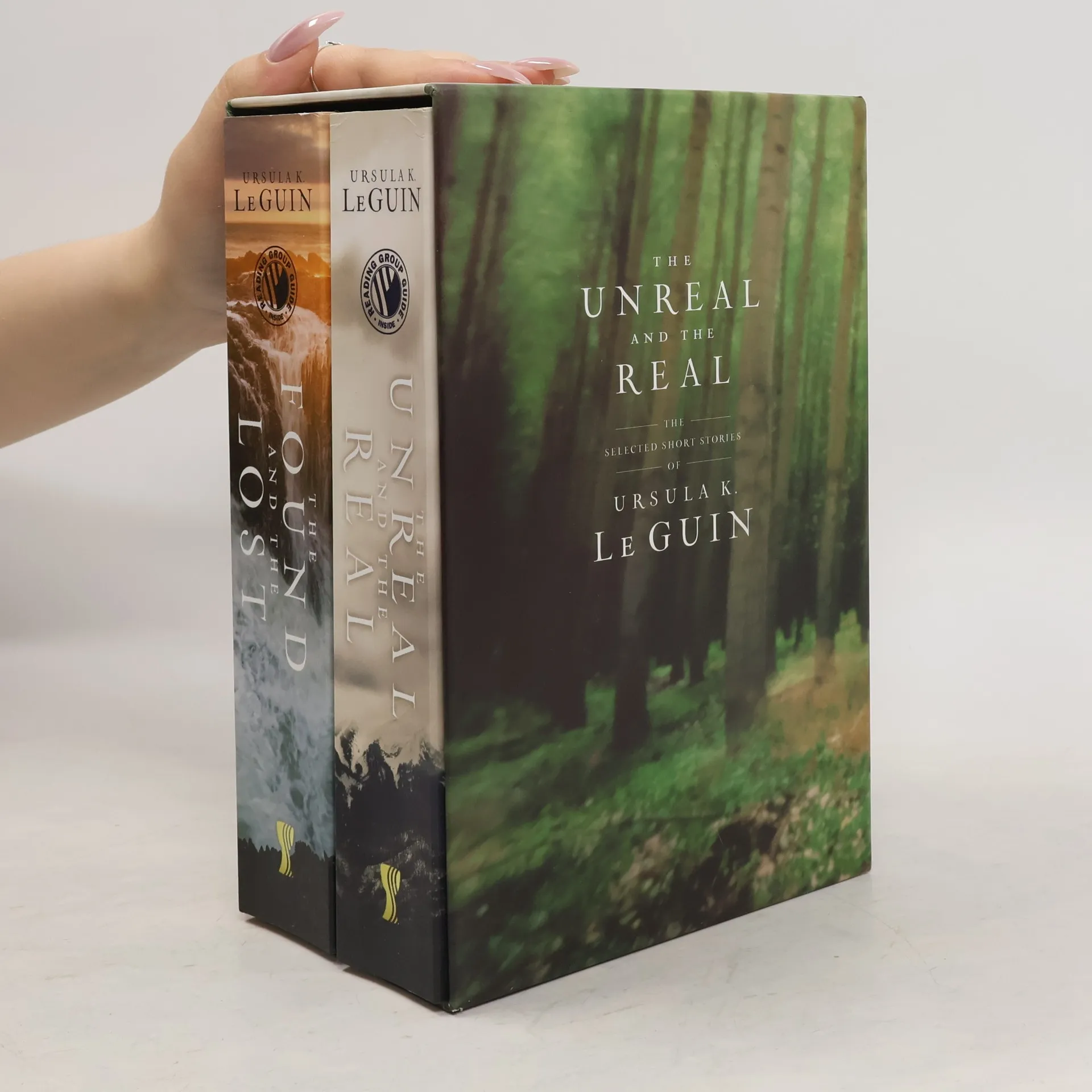
Ursula K. Le Guin's poetry encapsulates themes of freedom, human bravery, and the intricacies of nature, reflecting her lifelong exploration of creativity. This definitive volume brings together her verse, from her first collection, Wild Angels, to her last, So Far So Good, along with sixty-eight previously uncollected poems. The edition includes a new introduction by Harold Bloom and selections of her prose on poetry, offering insight into her artistic journey and the profound ideas that permeate her work.
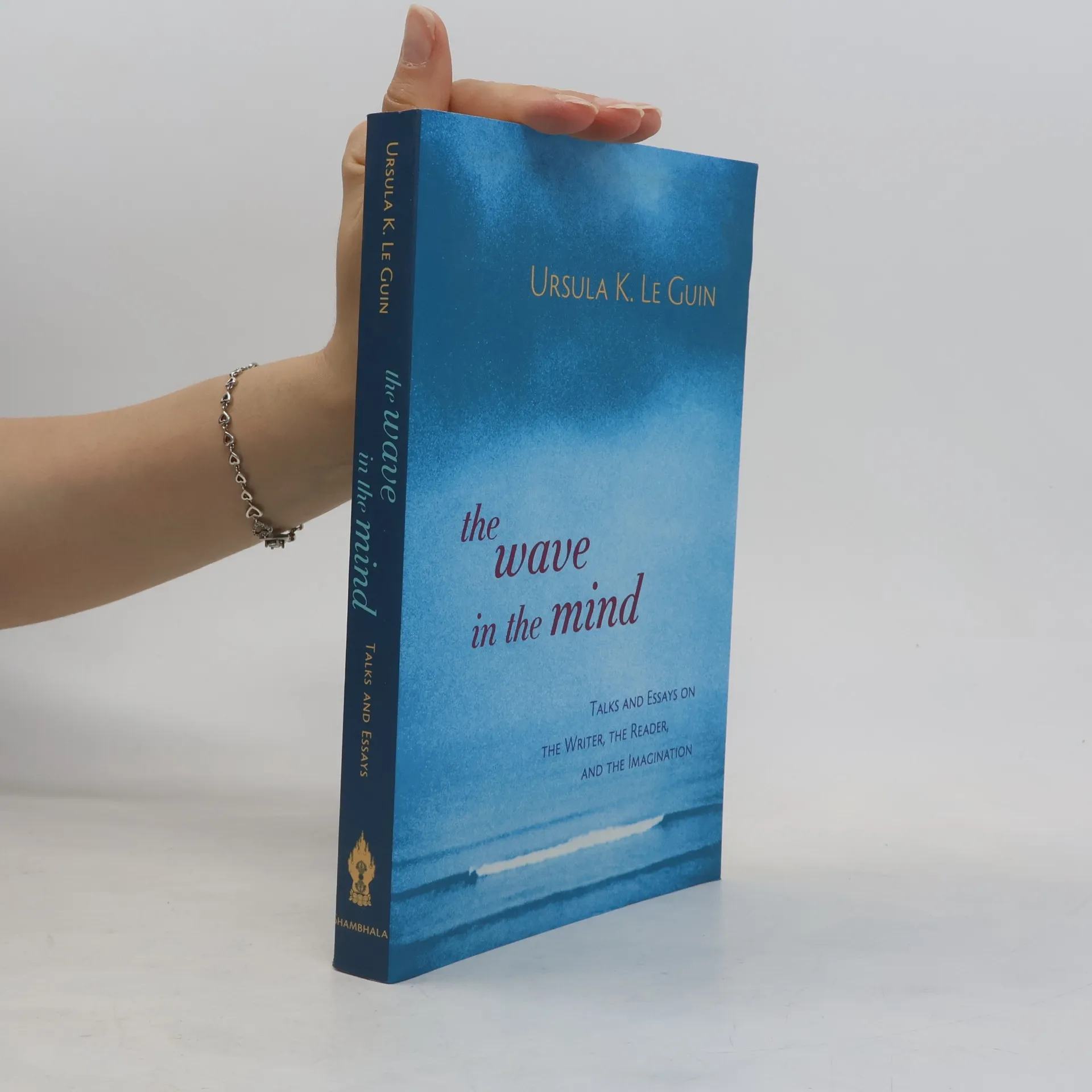
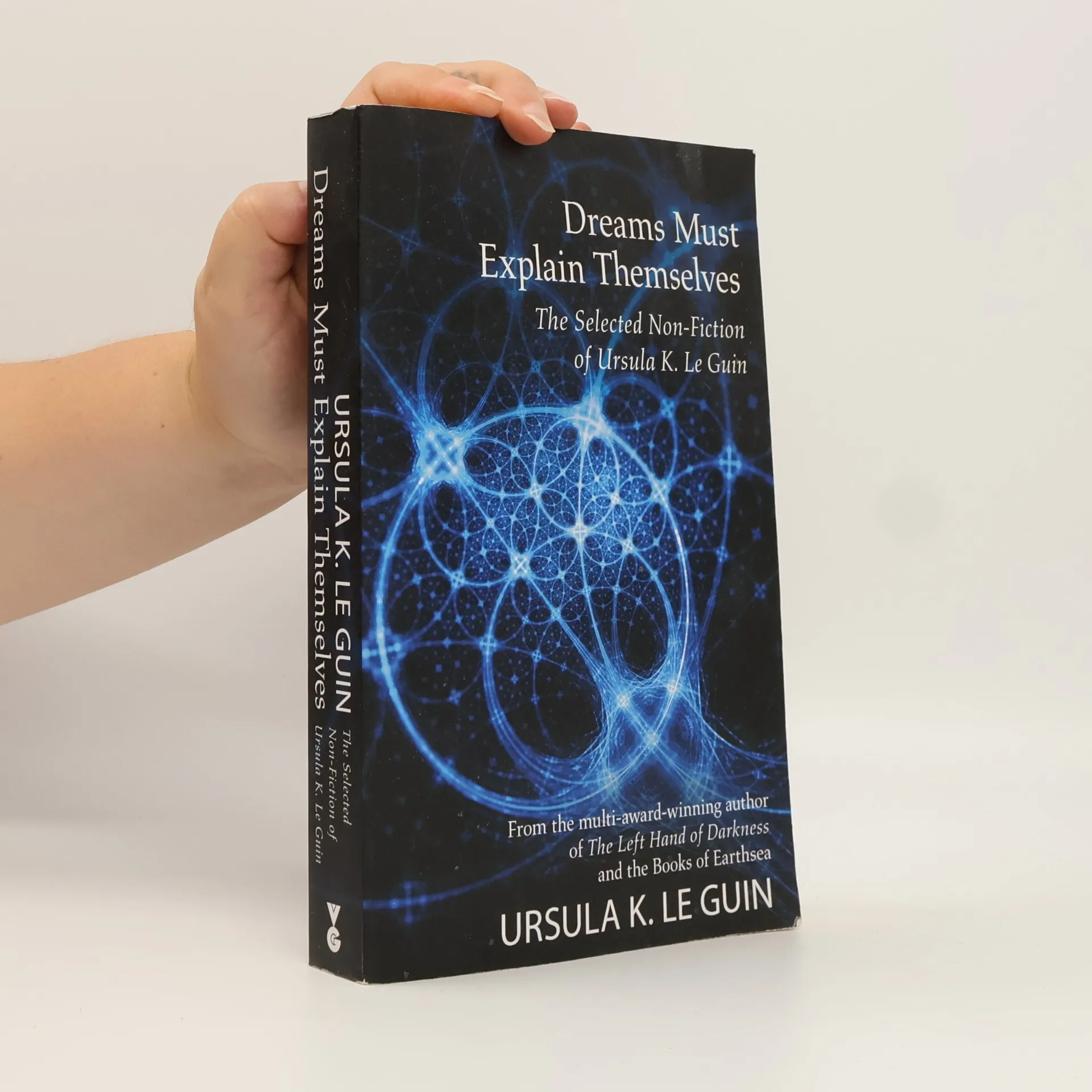
Featuring a new introduction by Ken Liu, this revised edition of Ursula K. Le Guin’s first full-length collection of essays covers her background as a writer and educator, on fantasy and science fiction, on writing, and on the future of literary science fiction. “We like to think we live in daylight, but half the world is always dark; and fantasy, like poetry, speaks the language of the night.” —Ursula K. Le Guin Le Guin’s sharp and witty voice is on full display in this collection of twenty-four essays, revised by the author a decade after its initial publication in 1979. The collection covers a wide range of topics and Le Guin’s origins as a writer, her advocacy for science fiction and fantasy as mediums for true literary exploration, the writing of her own major works such as A Wizard of Earthsea and The Left Hand of Darkness, and her role as a public intellectual and educator. The book and each thematic section are brilliantly introduced and contextualized by Susan Wood, a professor at the University of British Columbia and a literary editor and feminist activist during the 1960s and ’70s. A fascinating, intimate look into the exceptional mind of Le Guin whose insights remain as relevant and resonant today as when they were first published.
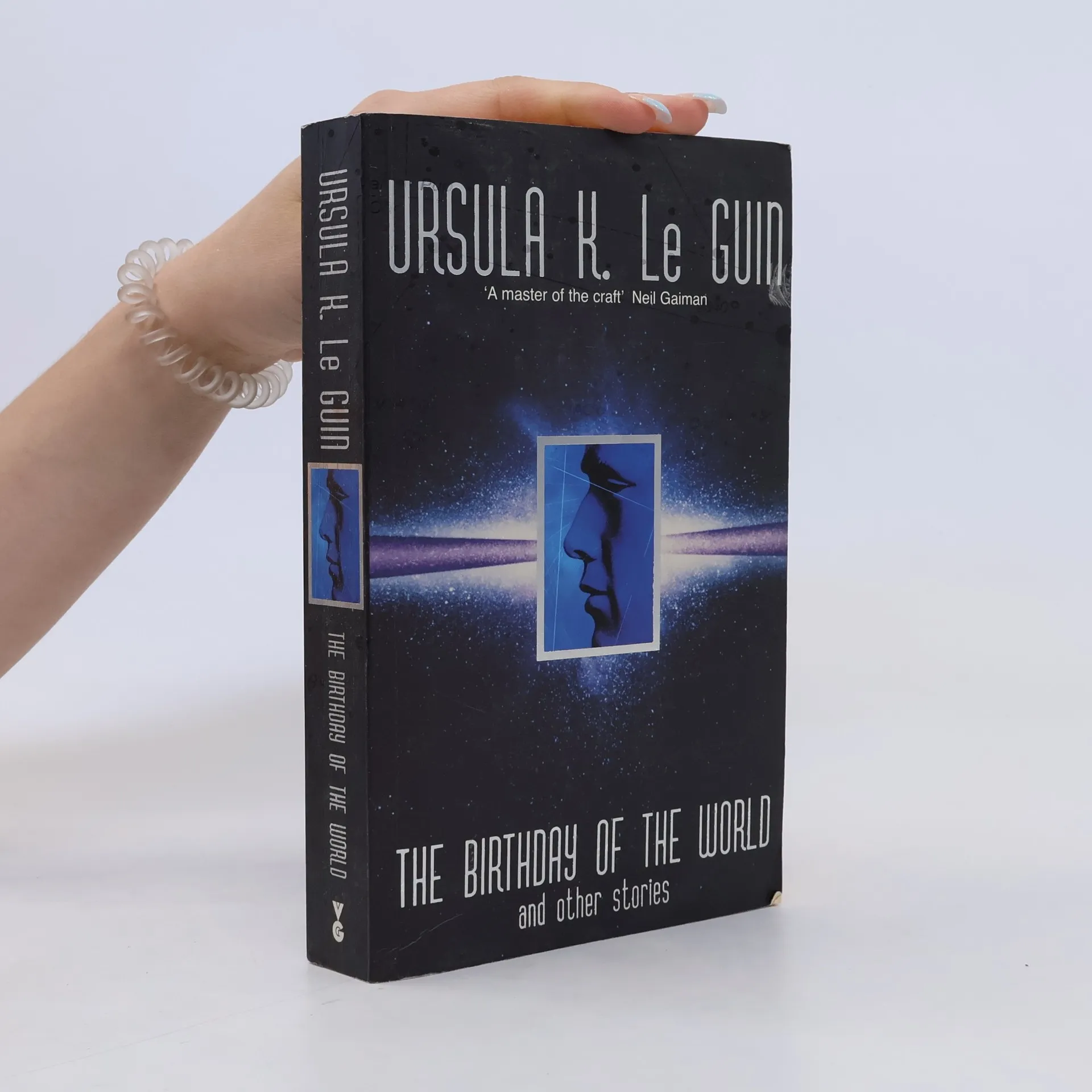
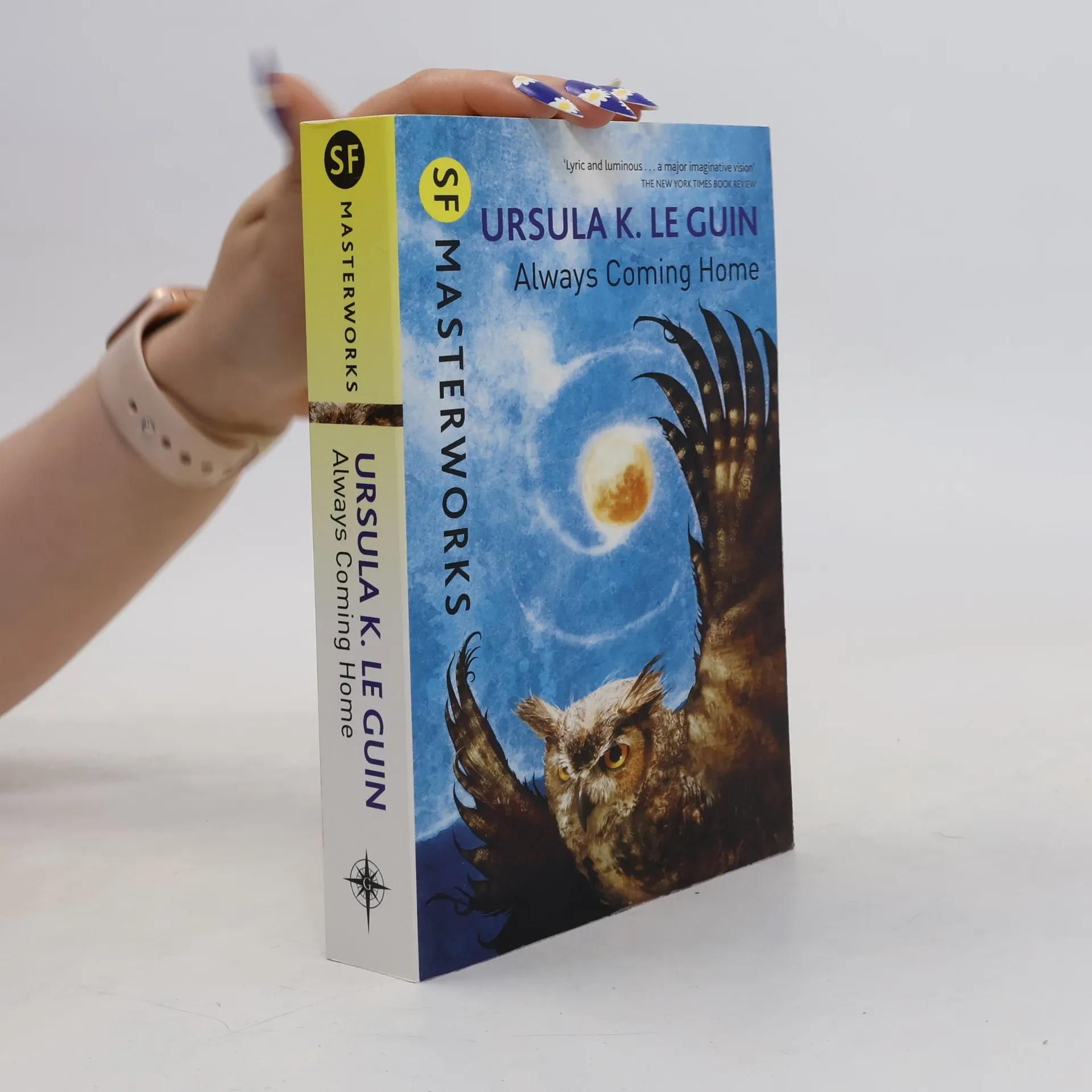
'Her most important book since ALWAYS COMING HOME and her most satisfactory collection since her first, the brilliant, THE WIND'S TWELVE QUARTERS. A formidable and rewarding work, a prime candidate for best SF collection of the year. An essential book.' LOCUS Six of the eight piece are set in Le Guin's classic Hainish cycle. The title story, 'The Birthday of the World', stands alone and the final piece, 'Paradises Lost', is a new short novel original to the collection, a major addition to the generation starship subgenre of science fiction.