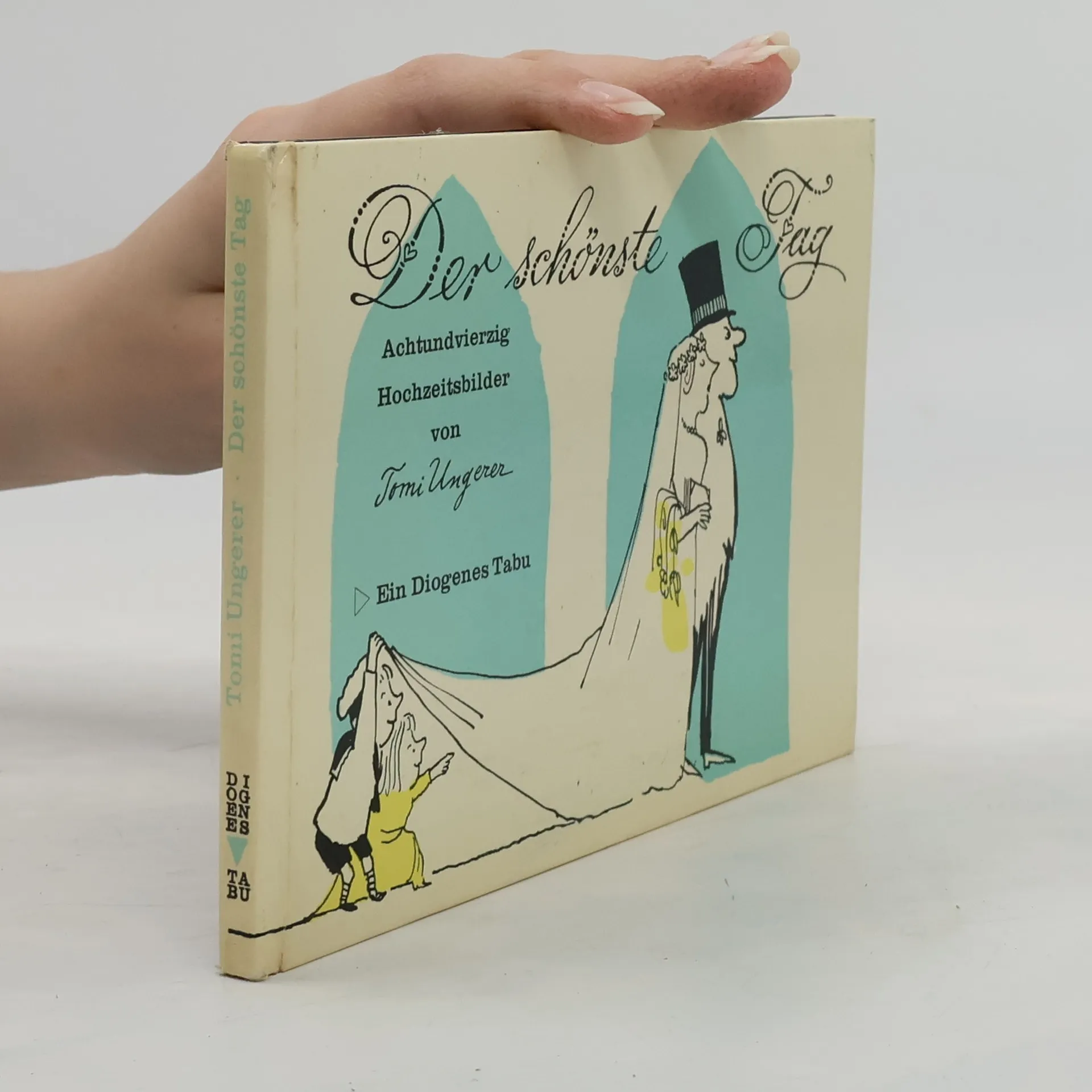
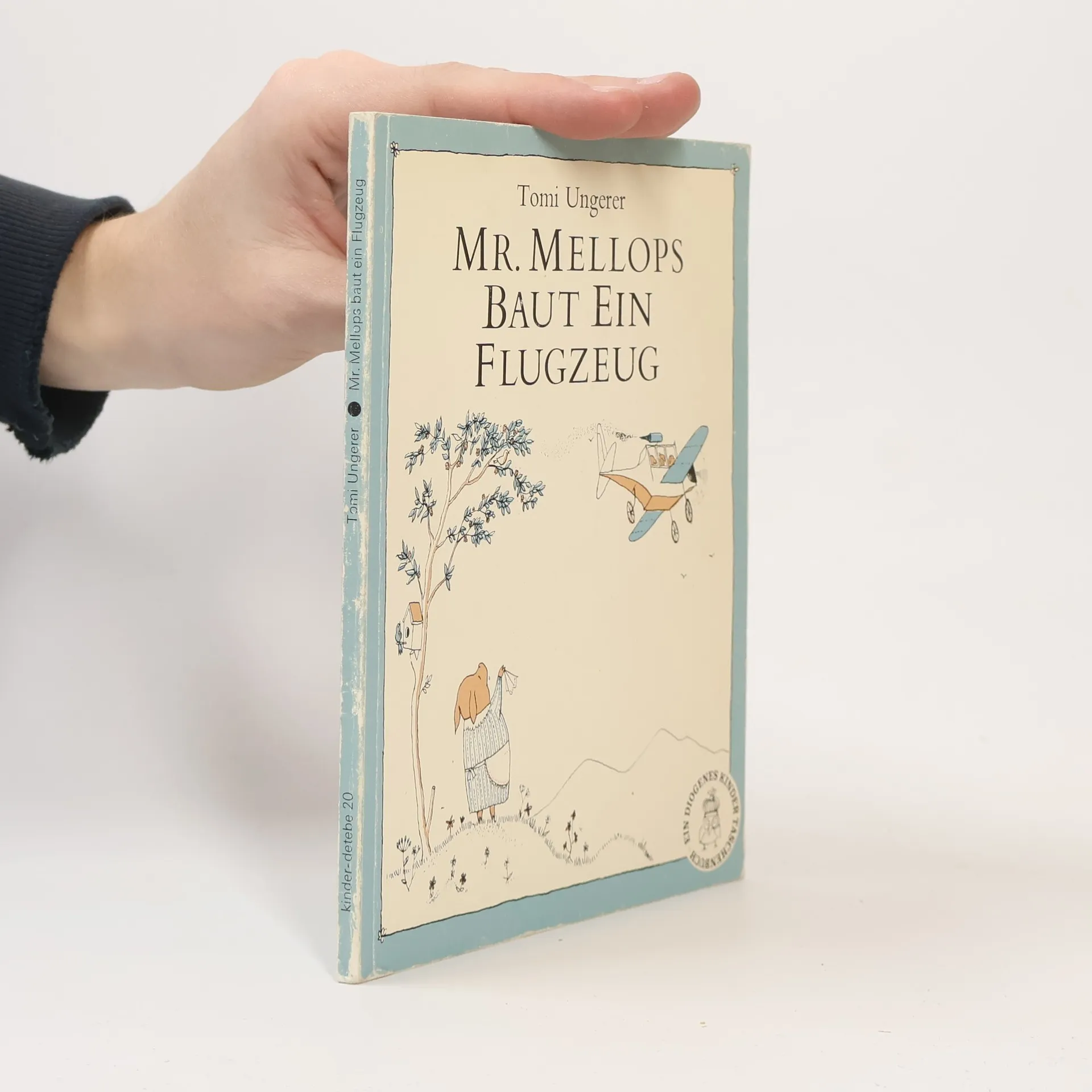
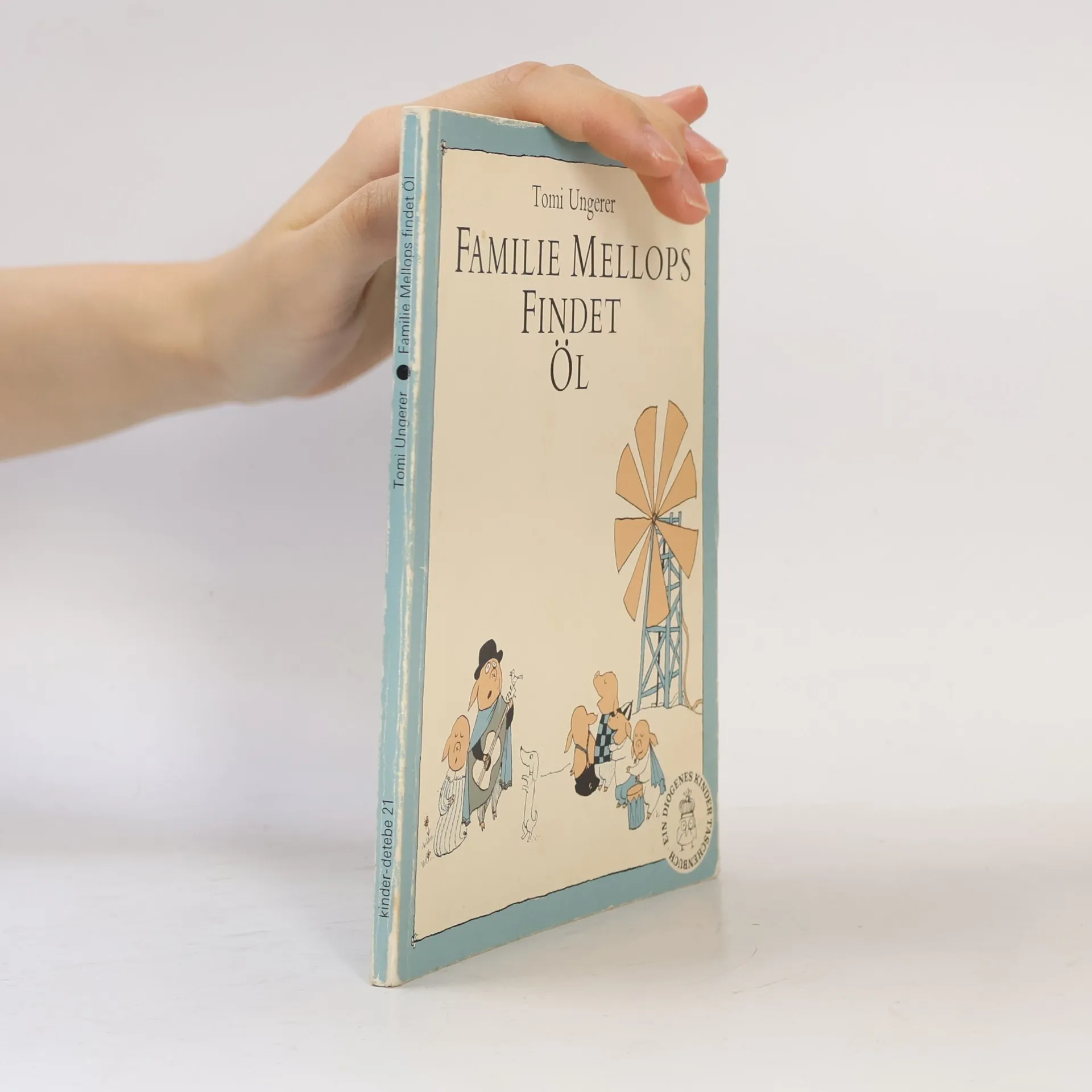
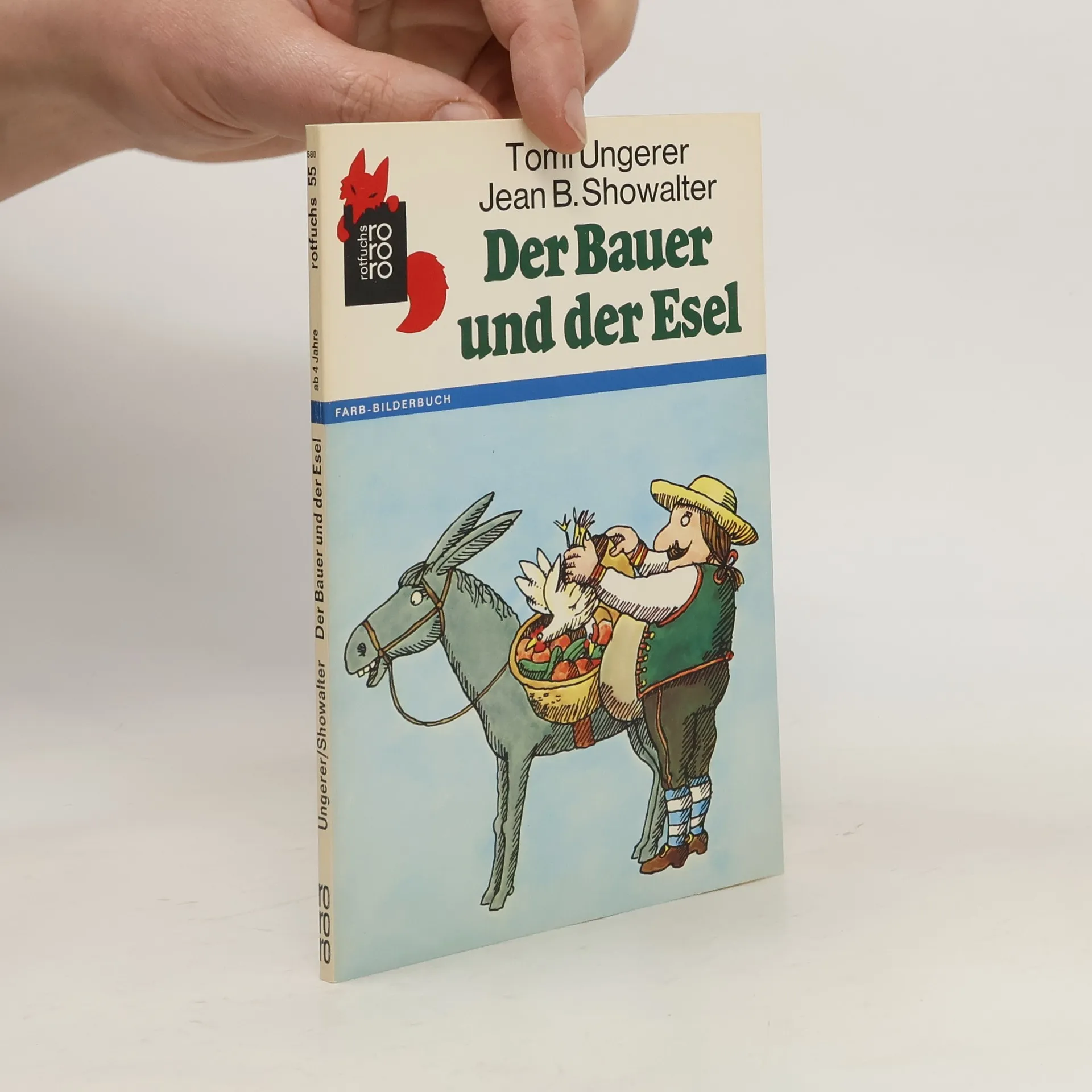
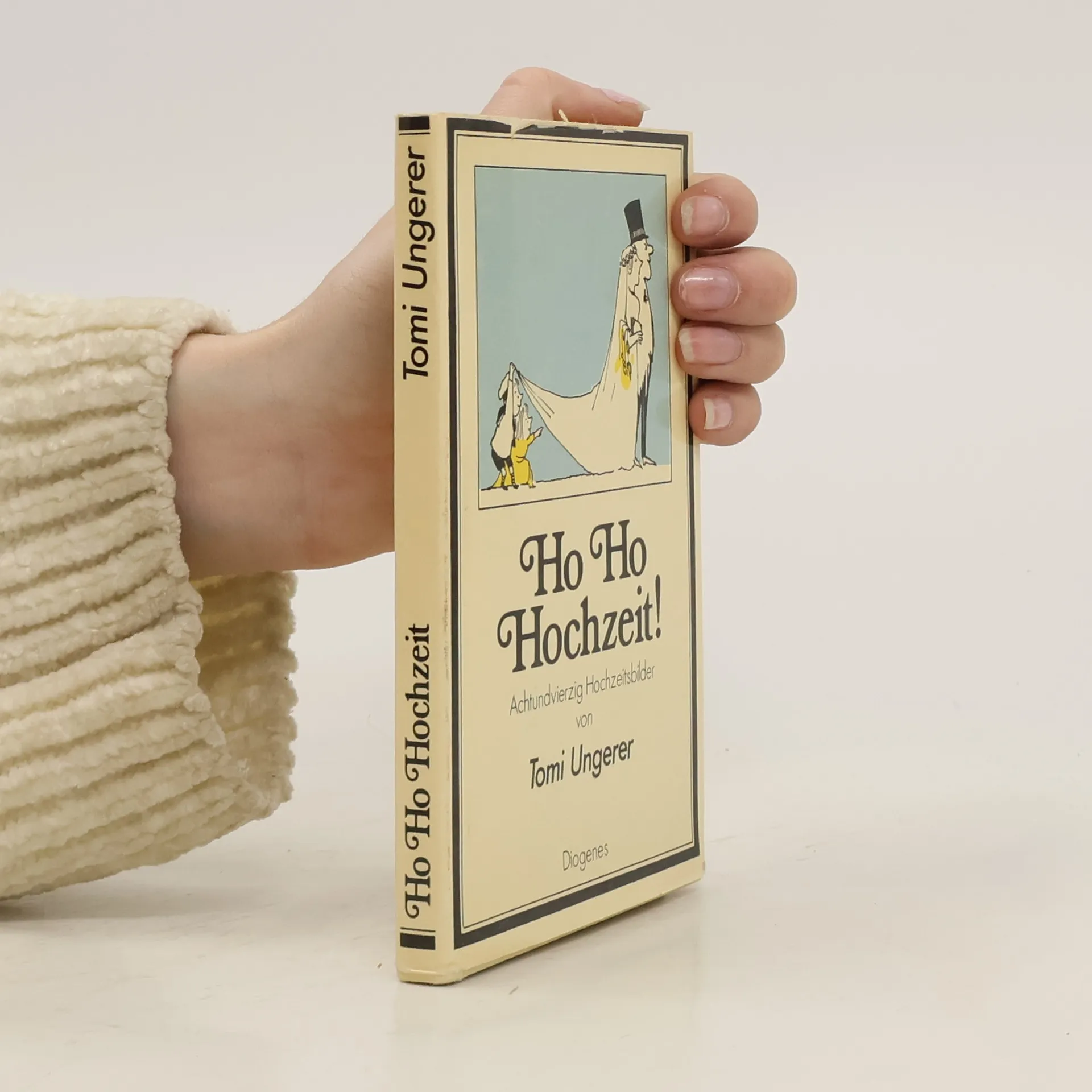
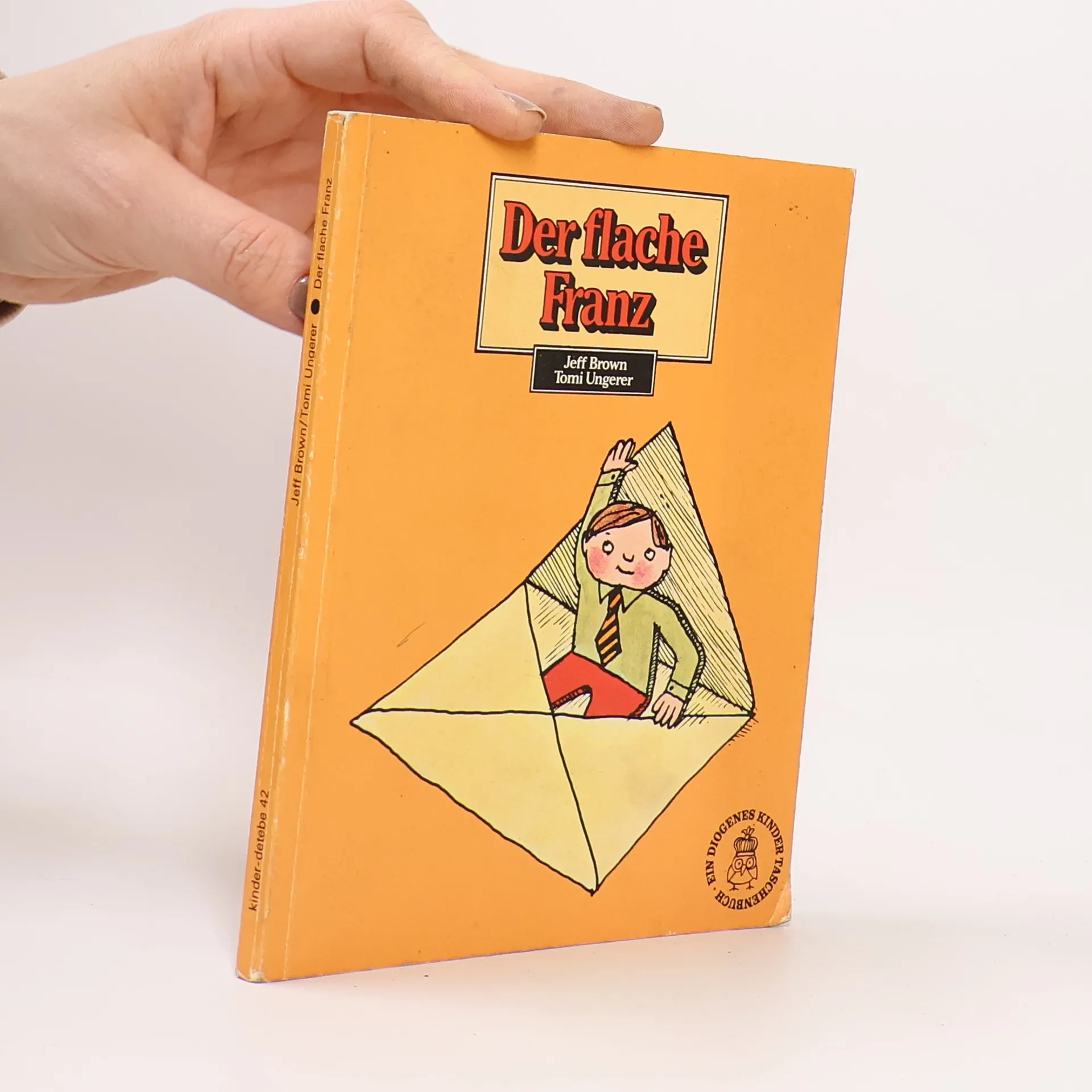
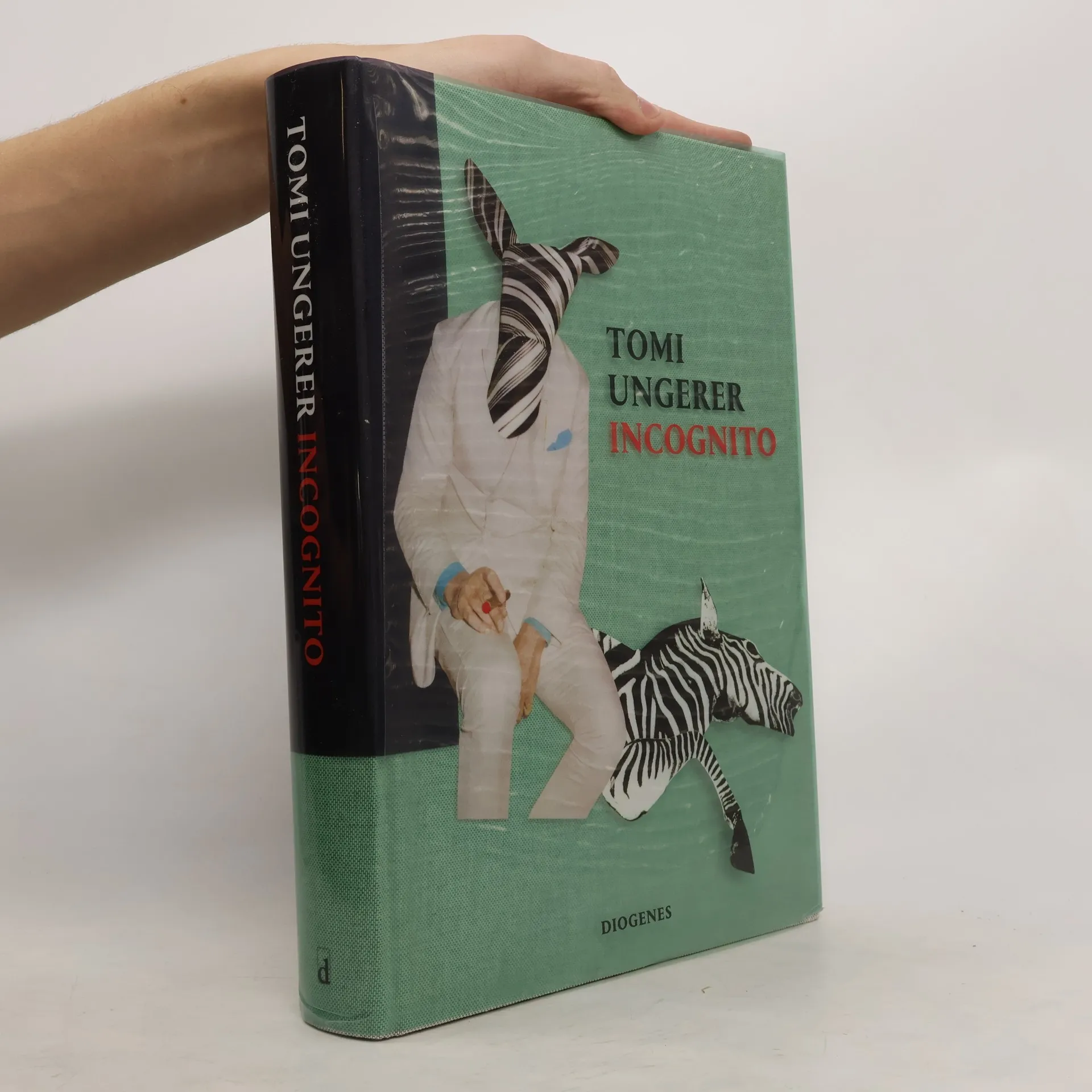
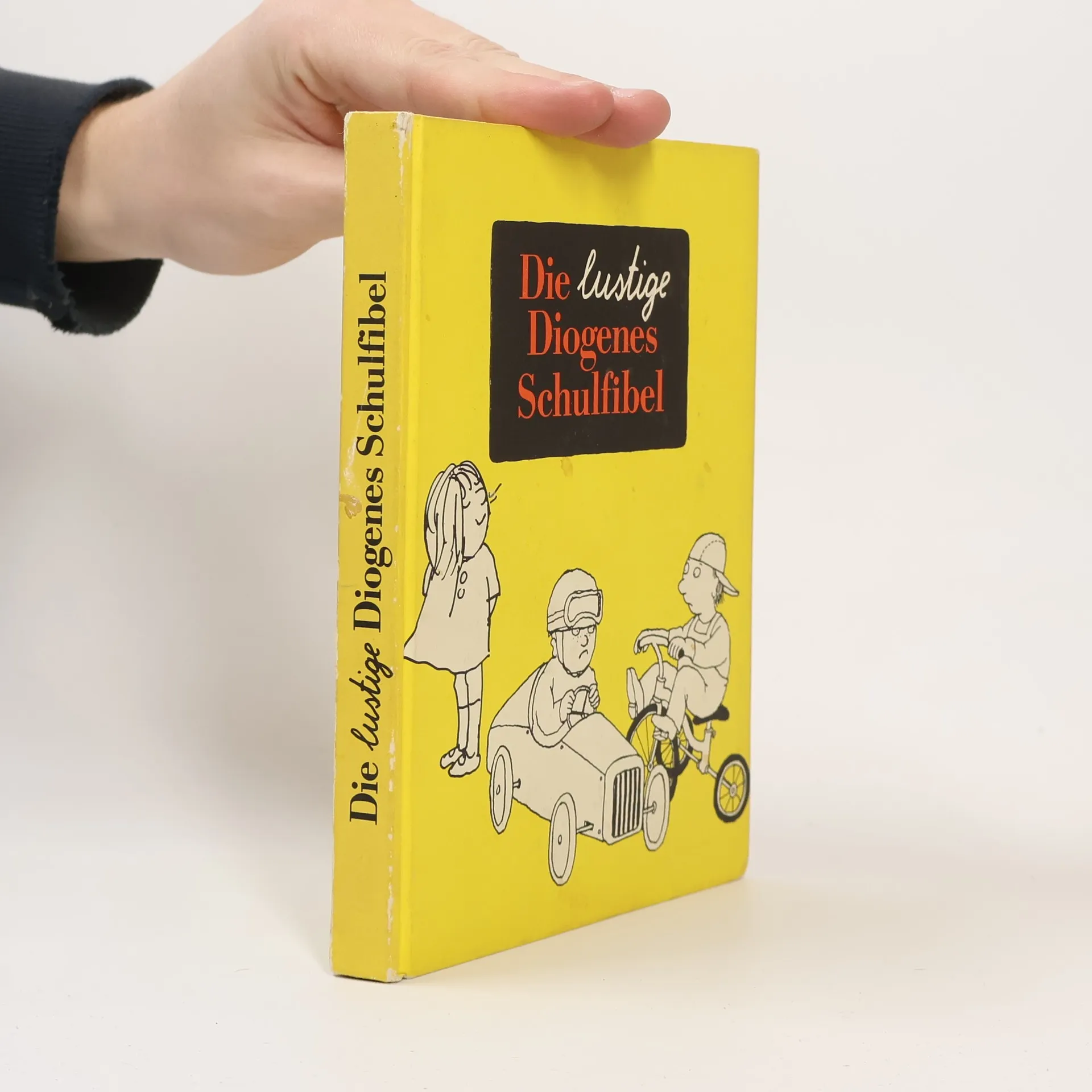
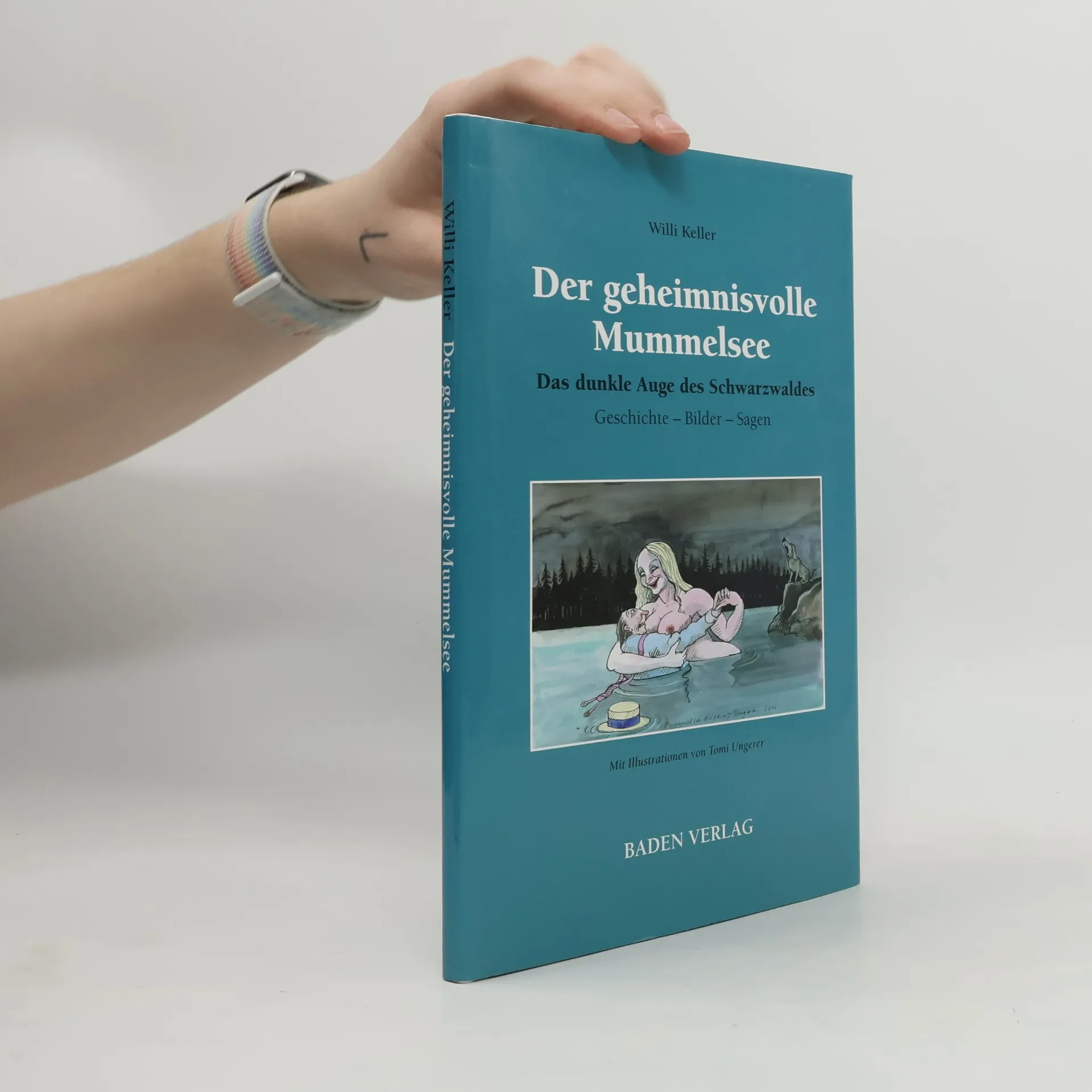
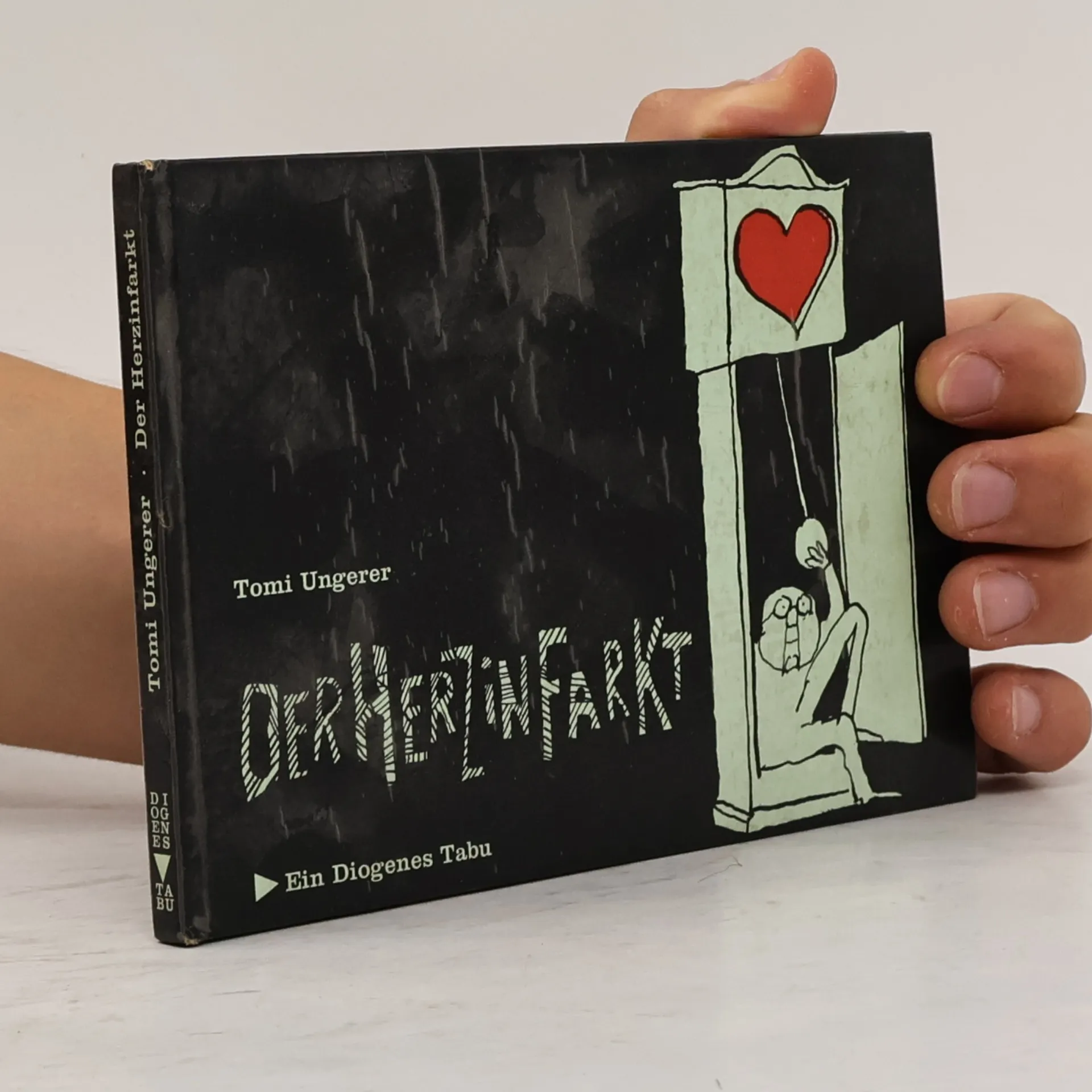
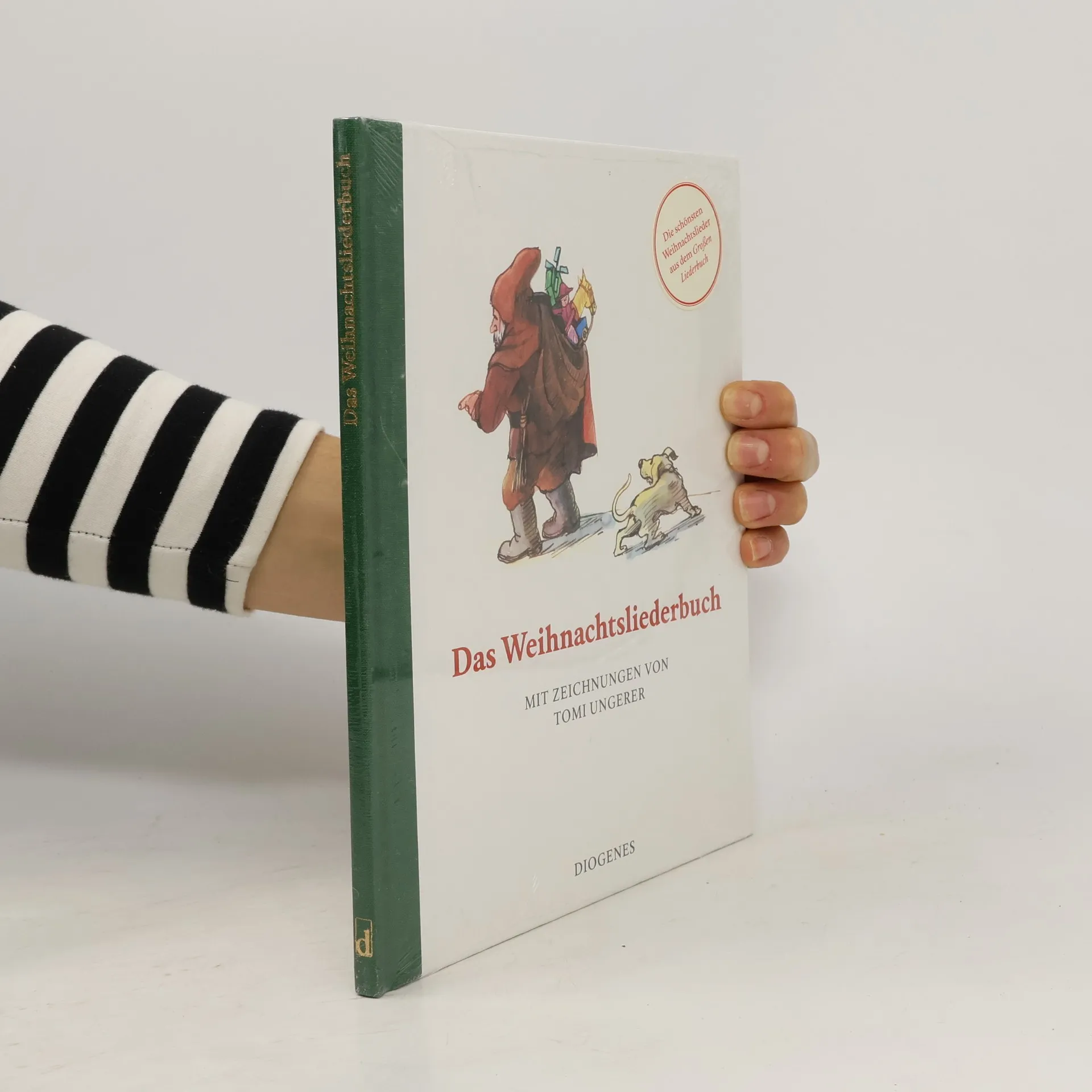
Jean-Thomas Ungerer, también conocido como Tomi, fue un ilustrador francés célebre por sus ilustraciones provocadoras y de carga política, así como por sus libros infantiles. Sus obras exploran con frecuencia los límites del gusto y la moral con una imaginación visual única. El arte de Ungerer es rico en ironía y comentario social, presentado con franqueza intransigente y un estilo distintivo.
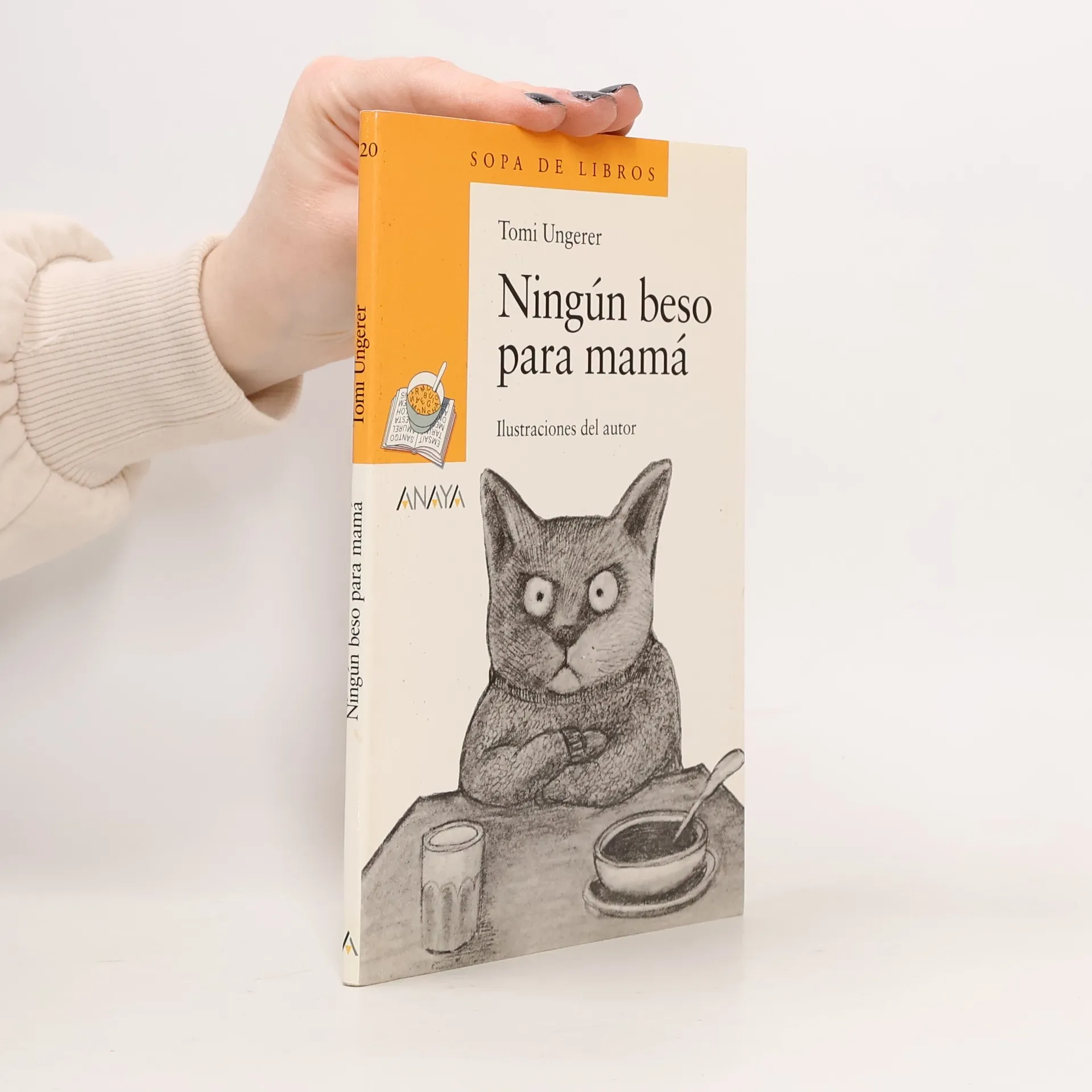
A Toni Zarpas no le gustan los besos, y Mamá Zarpas no lo entiende. Ella lo trata como si fuera un bebé, y Toni no lo soporta, pues él es el gato más travieso de la clase, quien más disfruta con las bromas pesadas, y jamás rechaza una pelea. Pero un día todo cambia y, aunque no habrá besos para mamá, los dos conseguirán algo mucho más importante.
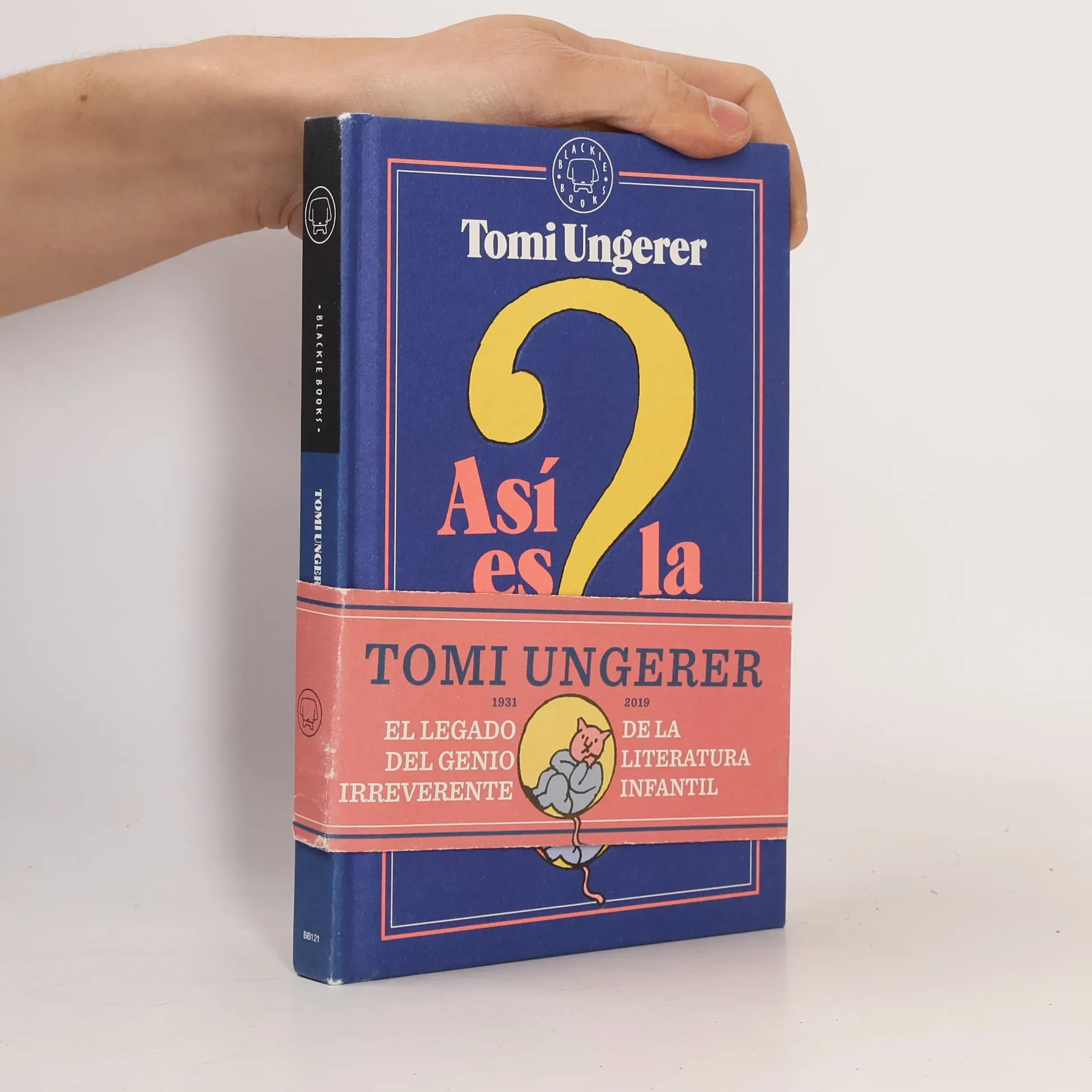
Respuestas filosóficas y divertidas a preguntas de niñas y niños
176 páginas
7 horas de lectura
¿Por qué los mayores dicen siempre que no tienen tiempo? ¿Por qué existe el dinero? ¿Por qué a veces me siento invisible? ¿Se puede morir de amor? ¿Es interesante morirse? ¿Por qué nos hacemos preguntas todo el tiempo? *** La mujer de Tomi Ungerer solía decirle que nunca se había hecho adulto del todo. Quizá por eso, por haber mantenido esa inocencia lúdica pero irreverente, entiende y sabe contestar como nadie a las preguntas de las niñas y los niños. Sin condescendencia, ni paternalismo, ni sobreprotección, sus respuestas son destellos filosóficos de pura inteligencia para todas las edades. Especialmente para los adultos que tienen mucho que aprender del niño que han olvidado que fueron un día.
Eight classic picture books by the legendary author, brought together in one lavish slipcased volume This glorious treasury brings together eight iconic tales by Tomi Ungerer, featuring well-known classics (The Three Robbers, Moon Man, Otto), acclaimed recent works (Fog Island), and lost gems (Zeralda's Ogre, Flix, The Hat, and Emile), some of which are being published for the first time in 50 years! Special features include a personal letter from Tomi, new quotes and anecdotes about each story, an exclusive interview, photos and previously unpublished materials from the making of some of his most celebrated works, such as storyboards, sketches, photographs, and images that inspired him.
This collection of drawings and one-page cartoons by the internationally infamous cartoonist (and beloved children's book author) is a universal condemnation of human rottenness.
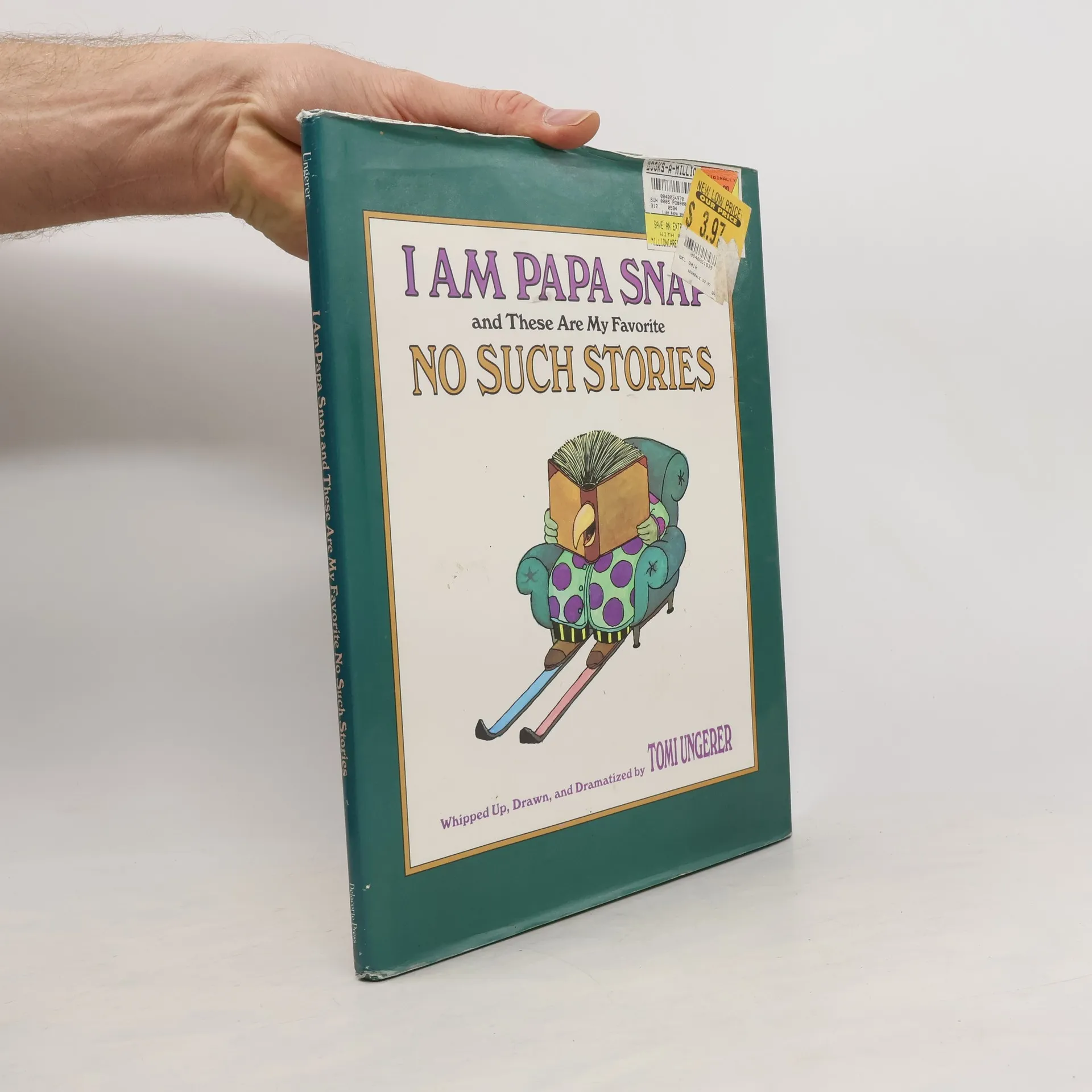
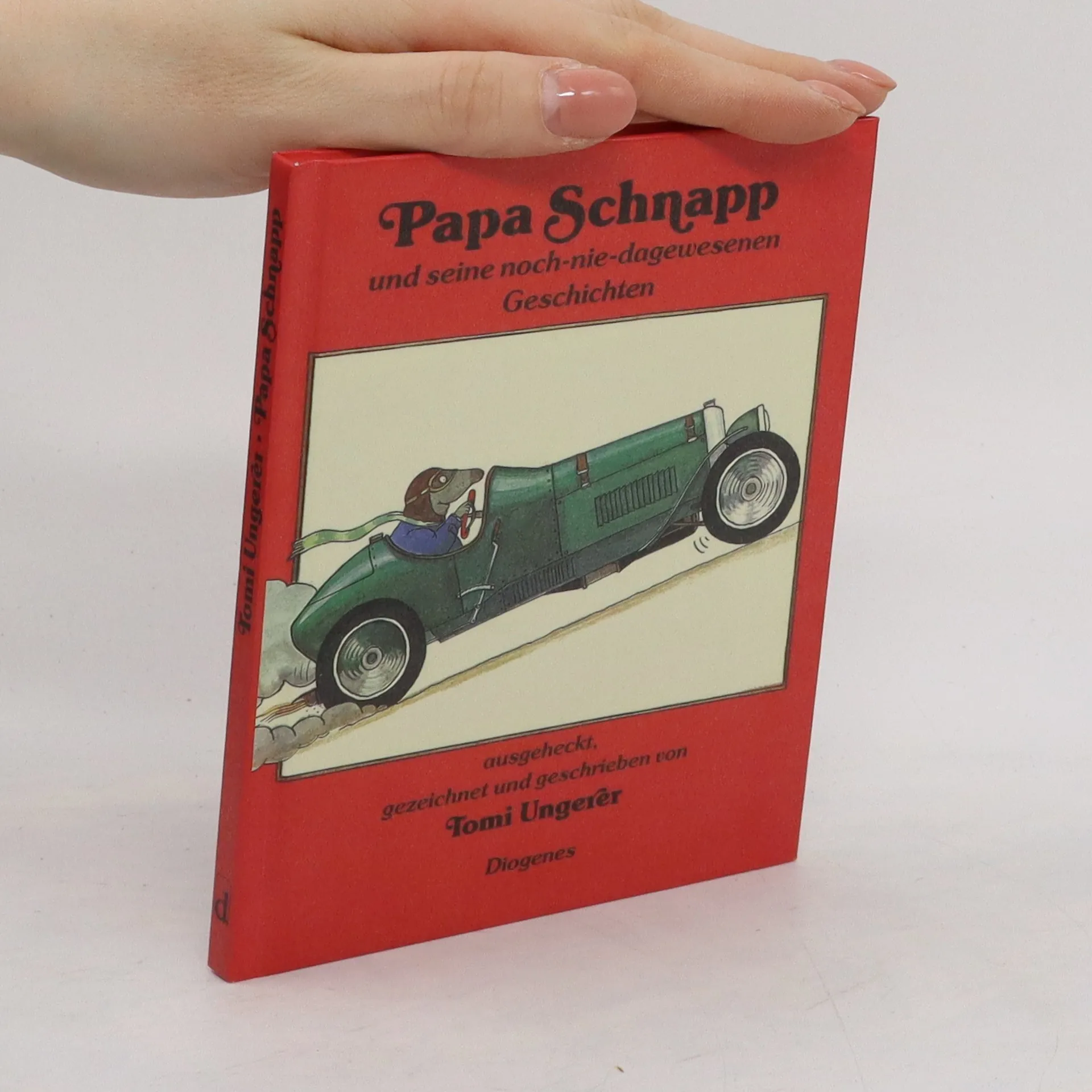
Papa Snap relates a series of zany, fantastical tales about such colorful characters as Zink Slugg, Mr. and Mrs. Kaboodle, Bunny Buson Brittle, and the four Tremblance brothers--Fester, Fister, Faster, and Foster.
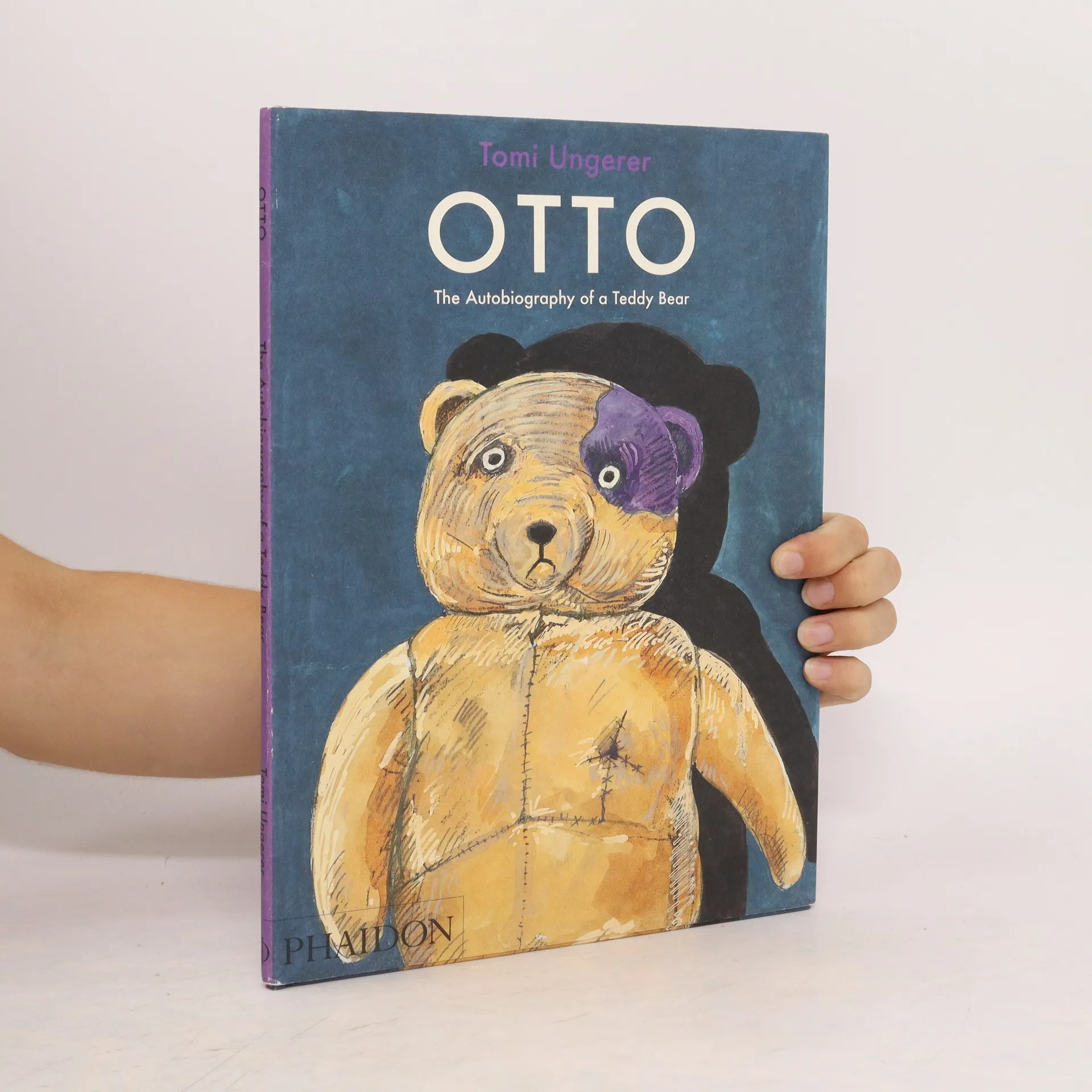
A teddy bear tells his life story, beginning with his creation in Germany prior to World War II, and continuing through the war and on to America, where eventually he is miraculously reunited with his original owner
Originally published in 1964, Tomi Ungerer’s infamous Underground Sketchbook became a notorious aesthetic talisman among in-the-know cartoonists and fan connoisseurs, revered for its audacious visual wit and coruscating and absurdist humor, spoken about with awe among the tribe of cartooning lovers. It is the first book in which the award-winning children’s book illustrator let loose, a blast of social commentary, dada-esque observations, and existential angst. Jonathan Miller, in his introduction to the original book, described the work as “an iconography of this bewildering, centrifugal universe. Ungerer illustrates a world where things are coming apart, where the old unquestioned entities are at best provisional arrangements, loosely thrown together and never to be relied upon.” Sound familiar? Underground Sketchbook is, among other things, a relentless rage against avarice, unfettered consumerism, alienation, the exploitation of everything, the mechanization of human experience, and the public acquiescence to the worst instincts that fuel a modern economy — as timely now as it was then, if not moreso. This is as powerful a dose of visual ingenuity, moral outrage, and bemused disgust at the human comedy that you are ever likely to experience by an artist of international renown.
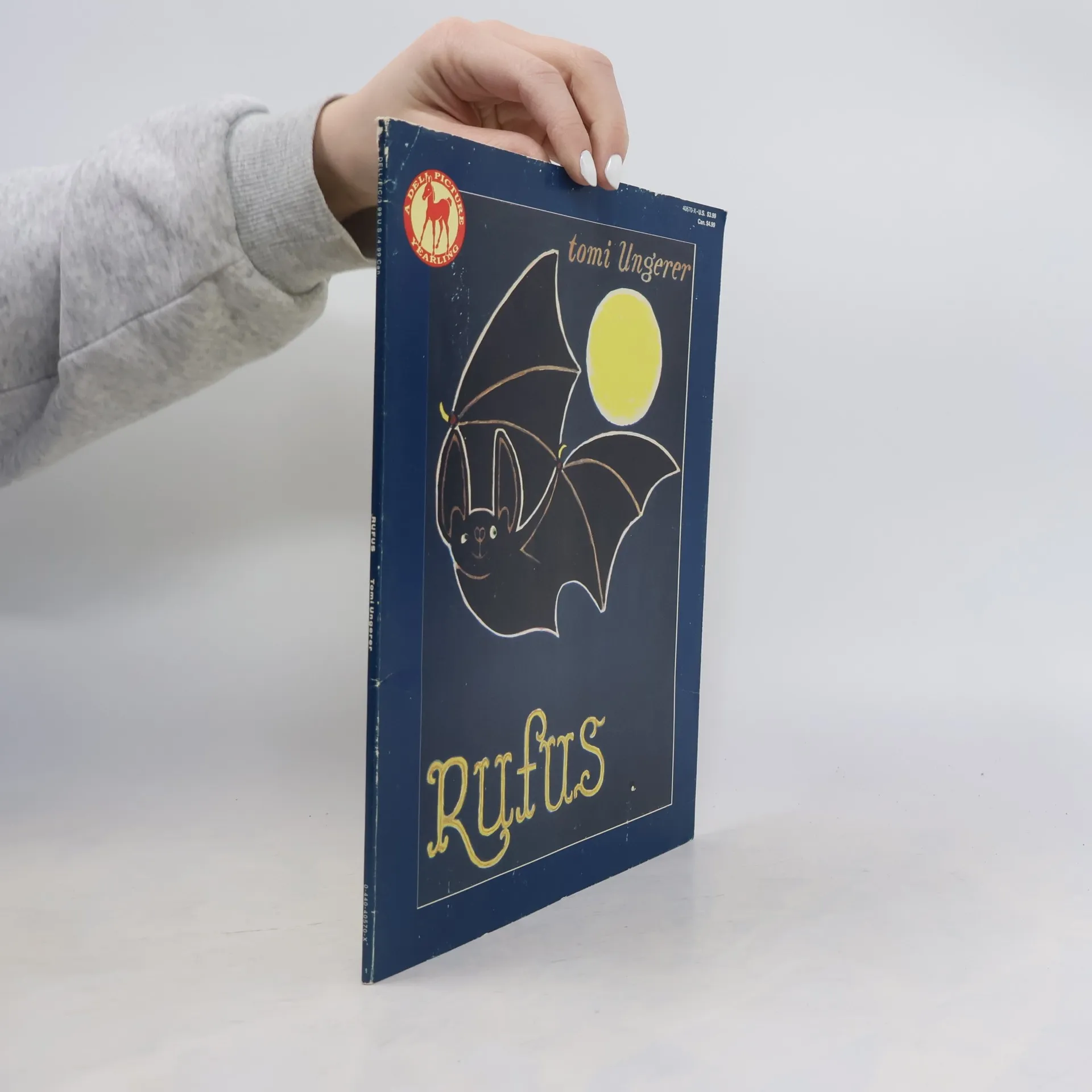
Picture Yearling brings Tomi Ungerer's magnificent full-color story books into paperback for the first time. The talents of this award-winning, world-renowned author and illustrator are highlighted in Rufus, the charming tale of an ordinary bat who has his first technicolor experience with an outdoor movie theater.
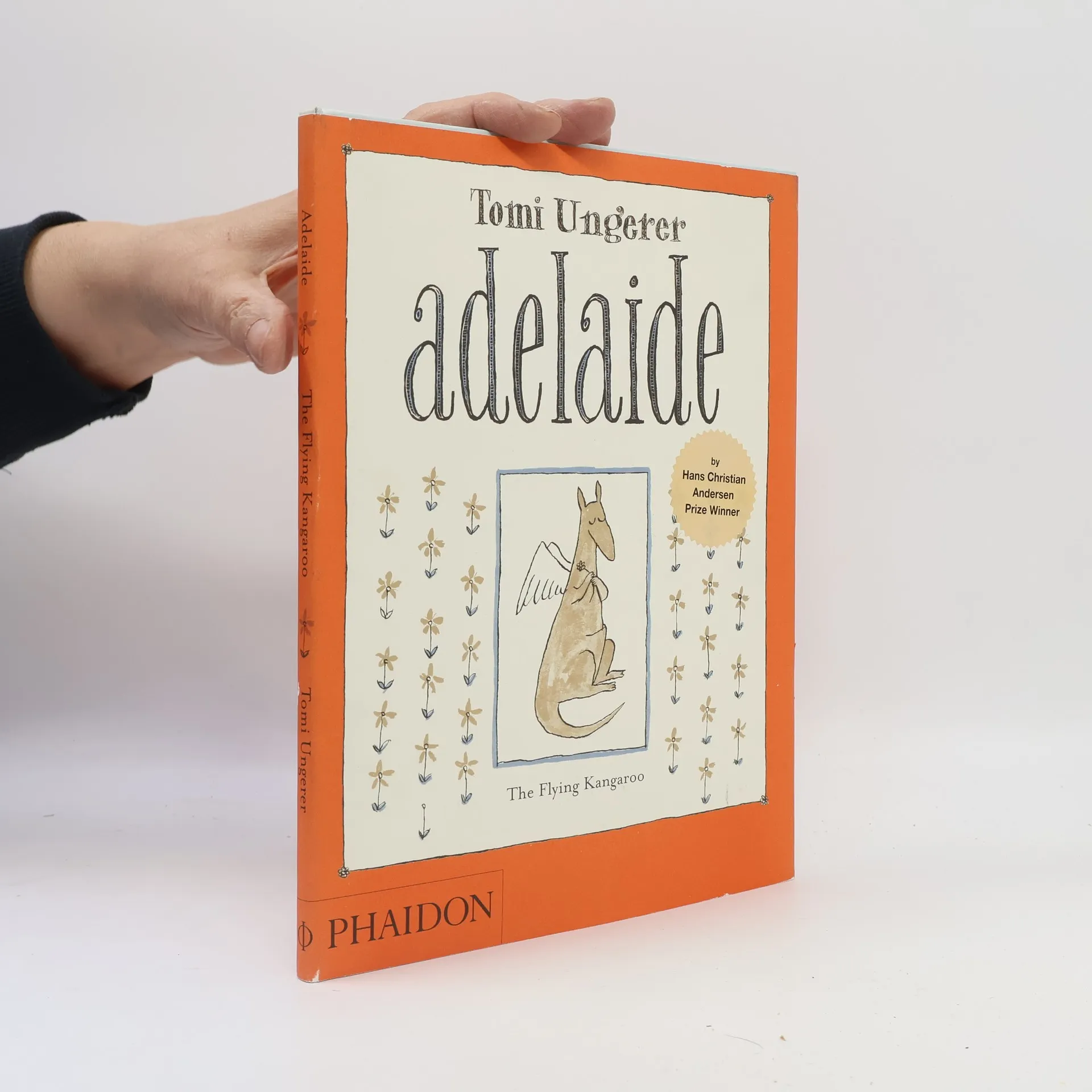
An endearing tale about a kangaroo who discovers the importance of being an individual. Leaving her family behind, brave and adventurous Adelaide flies off to see the world. She visits lots of exciting places and finds herself in many sticky situations - including a thing called 'falling in love'.
Tomi Ungerer eviscerates the 1 percent in this series of cartoon vignettes (a proto-graphic novel) that are unfortunately as relevant now as the time they were drawn and shall remain so forever and ever. Created in the 1960s, The Party takes place in the Hamptons. It's attended by captains of industry, tycoons, magnates, moguls, and various undistinguishable fat cats, luxuriating in their tuxedos, evening gowns, and prattling small talk. The depiction of one grotesquerie after another ― often couples ― cavorting through the haze of booze and caviar, with the occasional wanton display of sybaritically libidinal impulse. Ungerer accompanies each full-page image with a hilarious, hand-lettered caption, which provides the characters' names and a brief deadpan description of their social standings, creating a dissonance between image and text.
Hard cover with printed boards, no jacket, in good condition. Illustrated pastedowns and endpapers, and highly illustrated throughout. General shelf and handling wear, including light wear to edges, small blemish to top corner, front board, and light rubbing. Pageblock tanned, leading a little into page edges. Within, pages are tightly bound, and content is clear, bright and unmarked. CN
A charming portrait of 1950s America from the author of the children’s classics The Three Robbers and Moon Man This extravagant book presents 330 of Tomi Ungerer’s illustrations, paintings and collages, many of them previously unpublished. When Ungerer moved from the Alsace to New York in the mid-1950s and began working as a graphic designer and illustrator, a crazy new world opened itself up to him, which the artist transformed into what are perhaps the most remarkable and powerful works of his career―expressive and universal pictures that present the land of opportunity in an inimitable manner.Tomi Ungerer (born 1931) failed his final school exams yet subsequently hitchhiked throughout Europe and published his first drawings in the legendary Simplicissimus magazine. He began his extensive career as an illustrator, children’s book author and artist in New York. In 2003 Ungerer was appointed the first Ambassador for Childhood and Education by the Council of Europe, and in 2007 the Tomi Ungerer Museum opened in Strasbourg, making him the first living artist with a museum dedicated to his life and work in France. In 2014 he received France’s National Order of Merit, and in 2018 he was appointed Commandeur de la Legion d’Honneur by French president Emmanuel Macron. Ungerer lives with his family in southwest Ireland and Strasbourg.
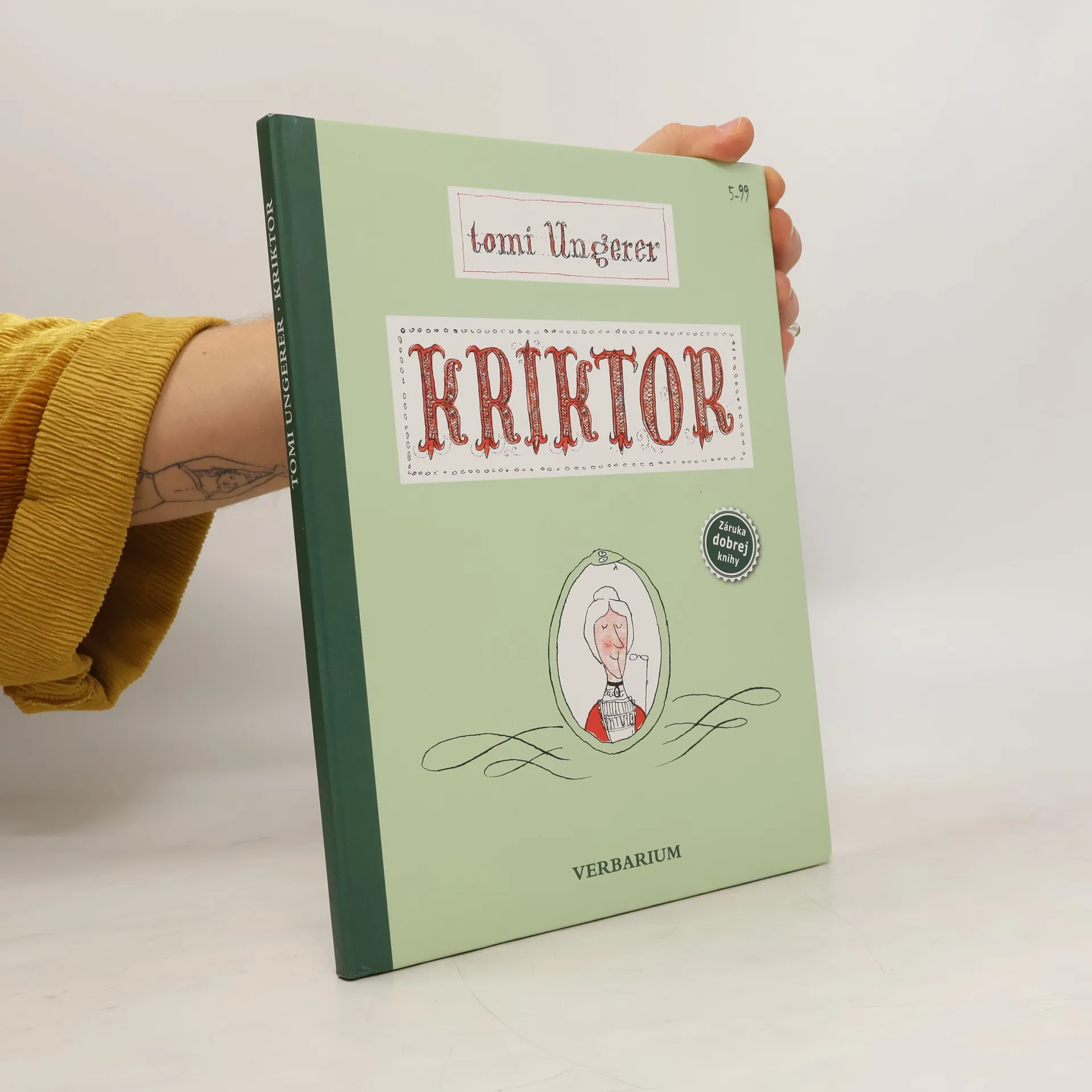
Jedného dňa dostane pani Lujza Bodková balík zvláštneho tvaru. Keď ho otvorí,
veľmi sa naľaká. Je v ňom totiž veľhad kráľovský! Zatiaľ ešte maličký, ale
predsa, je to had. Pani Lujza ho začne kŕmiť mliekom z fľaše a všade ho vodí
so sebou. Myslíte si, že sa to ostatným obyvateľom mestečka páči? A ako
dopadne nakoniec ich nezvyčajné priateľstvo? Zábavný príbeh z pera
svetoznámeho autora a ilustrátora TomihoUngerera, držiteľa Ceny Hansa
Christiana Andersena, o odlišnosti, ktorá sa nakoniec môže stať silnou
stránkou, poteší všetkých čitateľov bez rozdielu veku.
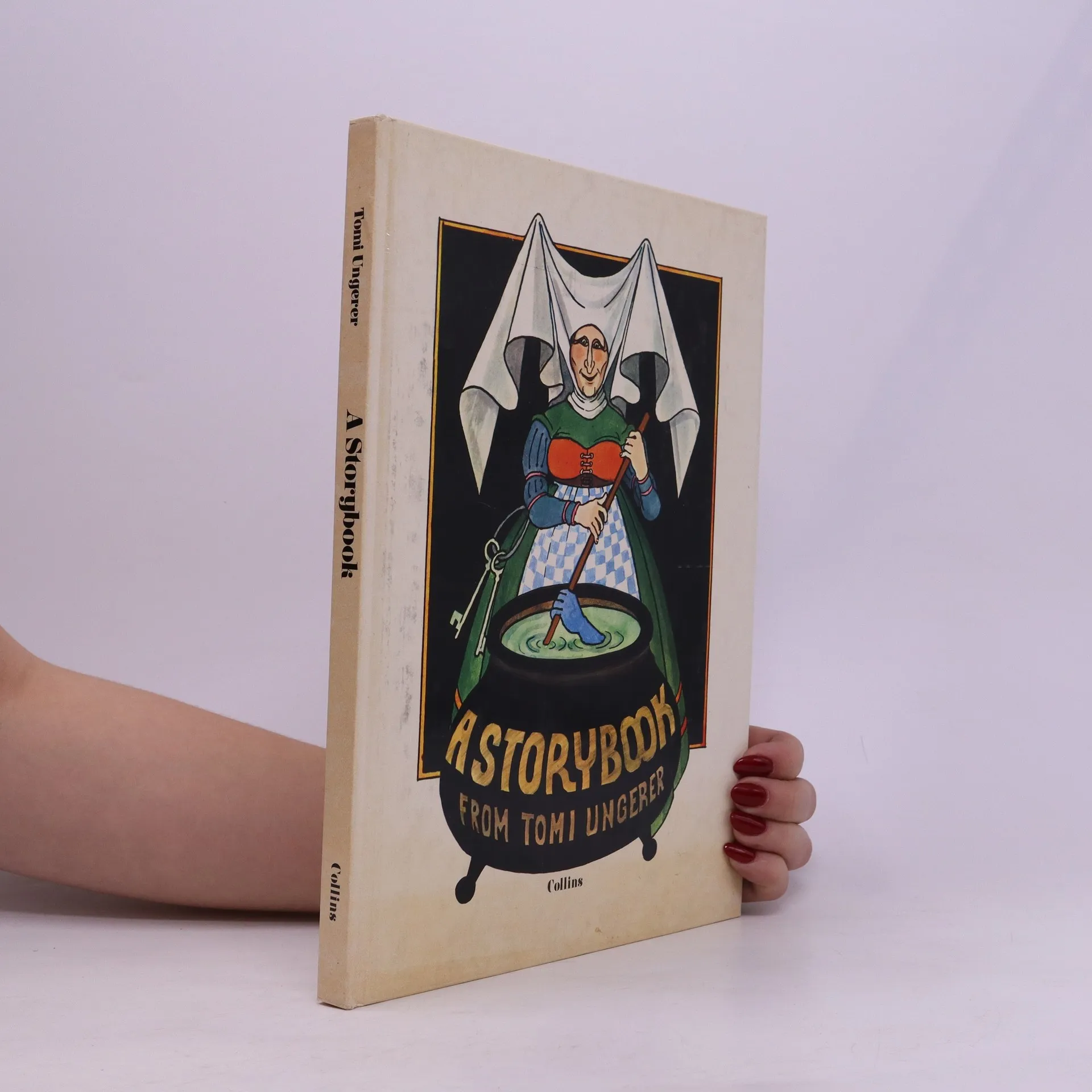
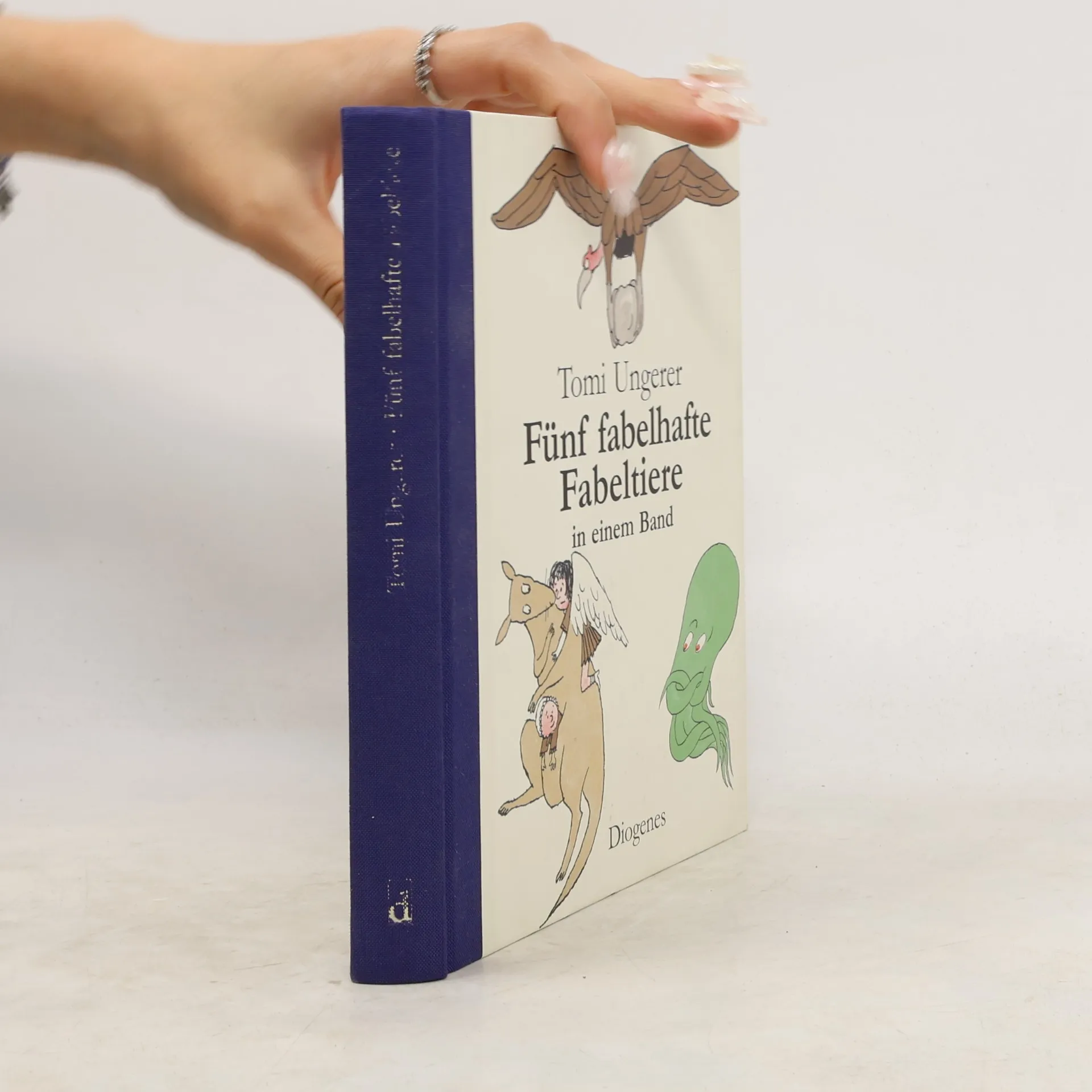
Fünf Ungerer-Geschichten: Fünf Geschichten des berühmten französischen Grafikers und Illustrators Tomi Ungerer, die er während den Jahren 1958 bis 1966 herausgebracht hat, sind in diesem Sammelband vereint. Die Hauptfiguren darin sind zumeist Tiere, welche abenteuerliches erleben, hilfsbereit sind, manchmal sogar Menschen retten, geliebt und für manche "gute Tat" belohnt werden. Da ist die Schlange Crictor, welche einen Einbrecher überführt, oder das Känguruh Adelaide, welches Flügel besitzt und Kinder aus einem brennenden Haus rettet, oder der Geier Orlando, der einen Jungen aus den Händen von Banditen rettet. Tomi Ungerers vorliegende Tiergeschichten leben von seinen feinen colorierten Tuschzeichnungen und den liebenswert gemalten Hauptfiguren, mit deren Abenteuer Kinder mitfiebern. Sie sind ausdrucksstark und mit vielen amüsanten Details versehen und zeigen Ungerers grosses zeichnerisches Talent. Ein schöner Sammelband mit herrlichen Bildern, dessen Geschichten auch heute noch Kinderherzen erfreuen. Ab 4 Jahren, *****, Beatrice Balint.
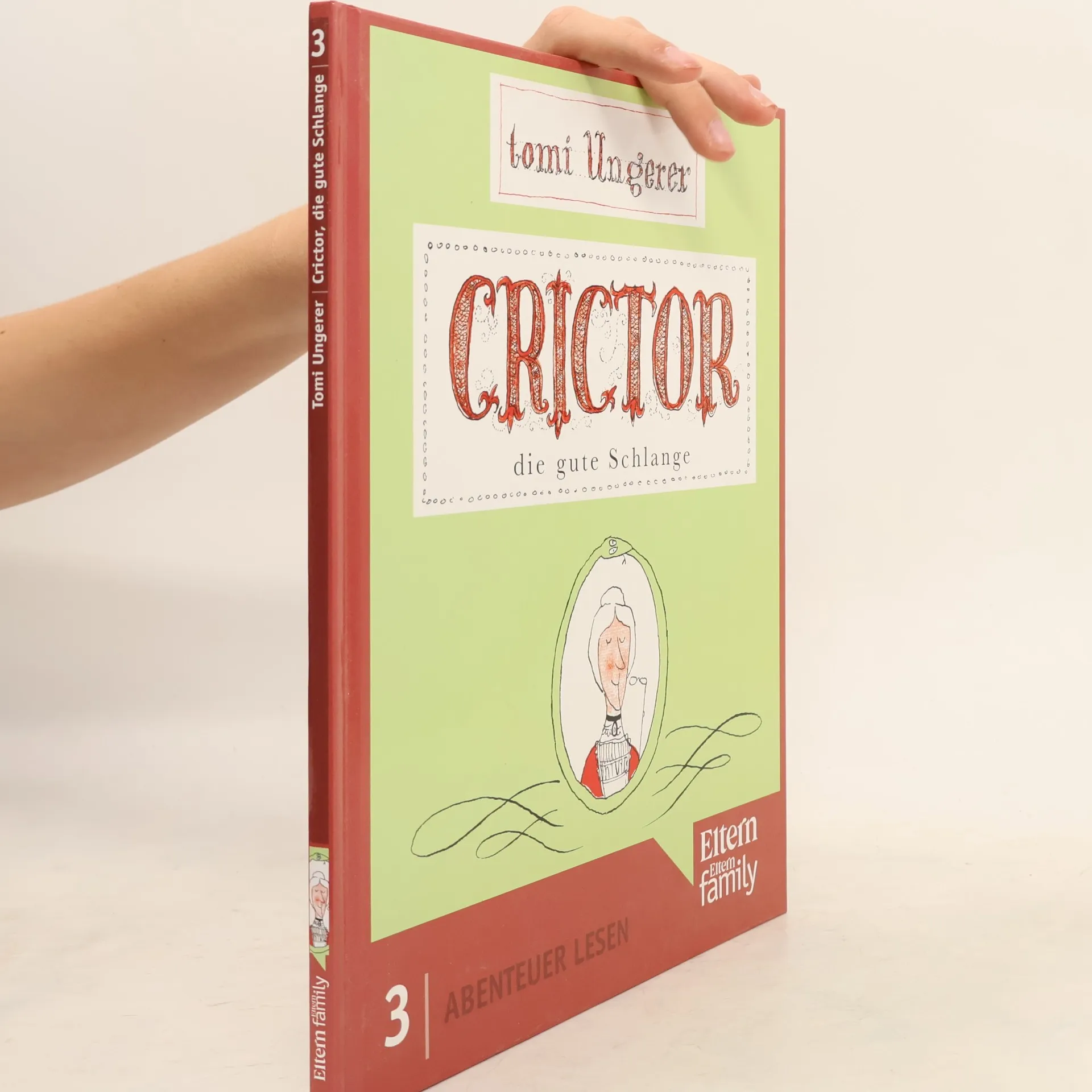
Eines Morgens bringt der Postbote Madame Bodot ein Paket, in dem sich eine Schlange befindet. Es ist eine echte Boa Constrictor. Deshalb nennt Madame Bodot die Schlange Crictor und die beiden werden die besten Freundinnen.
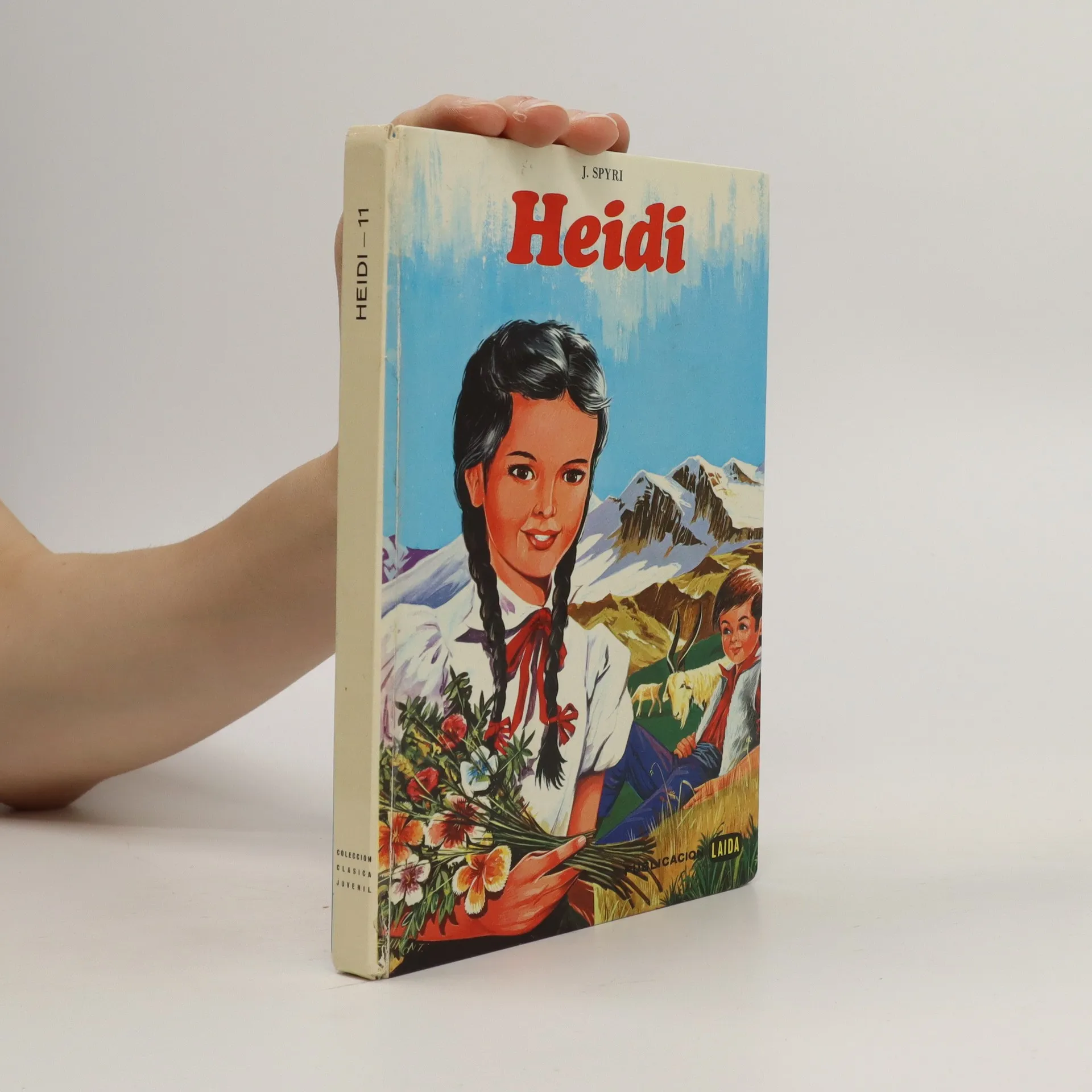
Heidi nos cuenta la historia de una pequeña huérfana de cinco años a la que su tía Dete tiene que llevar a vivir con su abuelo, un hombre solitario y algo rudo, que vive como un ermitaño en un bonito pueblo, Mayenfeld, de los Alpes suizos. Poco a poco, Heidi se irá ganando el cariño del anciano y de todos los habitantes del valle, entre los que encontrará a Pedro, el joven cabrero del pueblo, su compañero de aventuras. Su vida tranquila y alegre en las montañas se complicará cuando tenga que regresar de nuevo a la ciudad con su tía. En esta nueva edición reunimos los dos tomos que originalmente componen las aventuras de Heidi: Los años de formación y andanzas de Heidi y Heidi pone en práctica todo lo que ha aprendido. Heidi le dio fama internacional a su autora Johanna Spyri, una maestra rural que conocía muy bien el mundo de los niños. Un libro lleno de inocencia, donde se resaltan los valores humanos y el amor hacia la naturaleza.
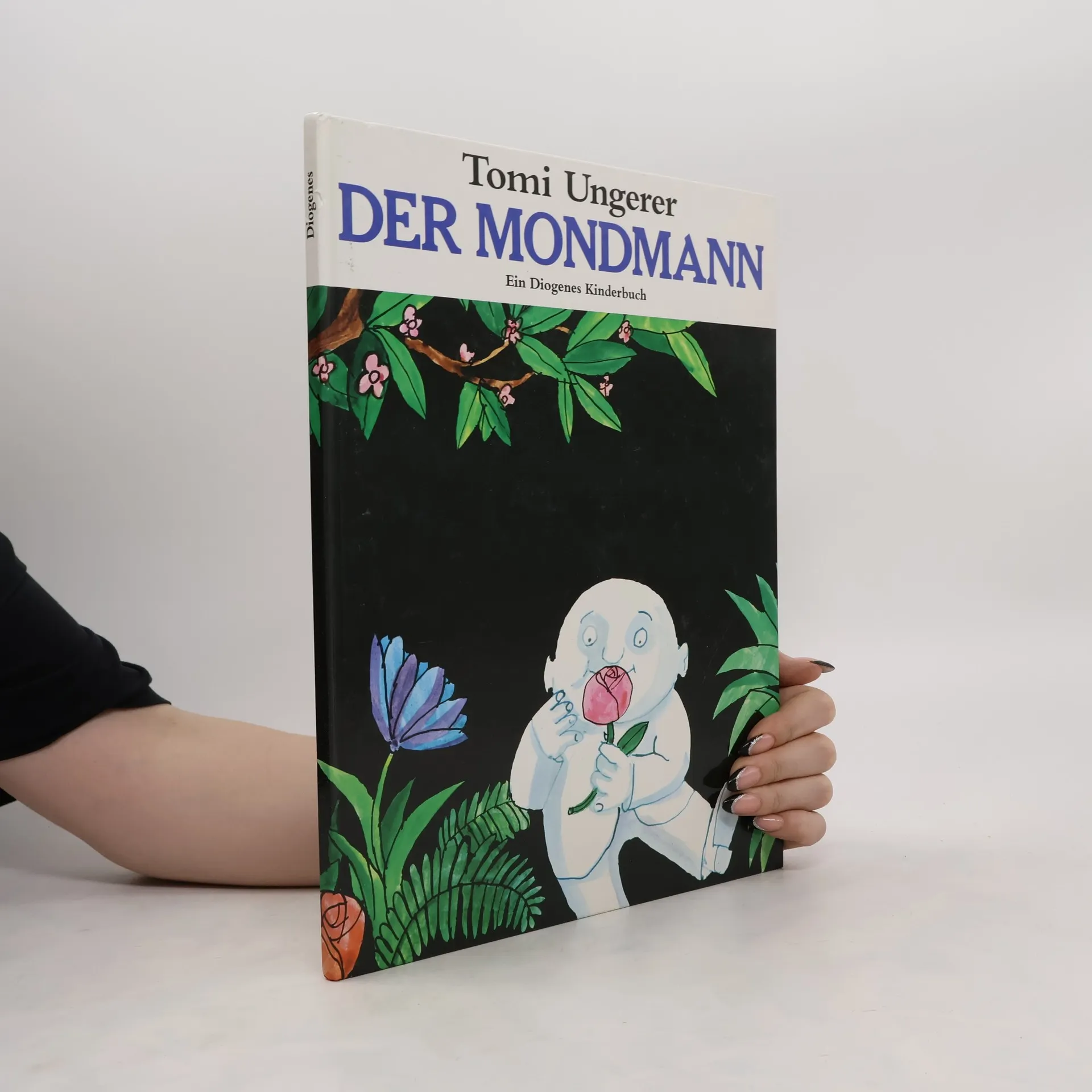
Der Mondmann langweilt sich. Jede Nacht muss er zusehen, wie die Menschen auf der Erde fröhlich tanzen. "Wenn ich doch nur ein einziges Mal dabei sein könnte", seufzt er. Aber als der Mondmann doch einmal die Erde besucht, wird er von misstrauischen Regierungsbeamten sofort ins Gefängnis gesteckt. Schließlich muss er all seine ganz besonderen Mondkräfte aufwenden, um wieder nach Hause zurückkehren zu können. Nach dem bereits legendären Hörspiel zu Tomi Ungerers "Die drei Räuber" nun auch zur nächsten Verfilmung das Hörspiel mit Starbesetzung.
Giraffe und Maus haben wirklich wenig gemeinsam. Nicht nur, dass einer riesig und der andere winzig ist. ›Giraffe war bräunlich, / Maus war grau. / Maus liebte die Nacht, / Giraffe den Morgentau. / Maus knabberte Kerne, / Giraffe mochte Blätter gerne.‹ Doch als ein Brand den Urwald bedroht, tun sich Herr Groß und Herr Klein zusammen, um sich zu retten.
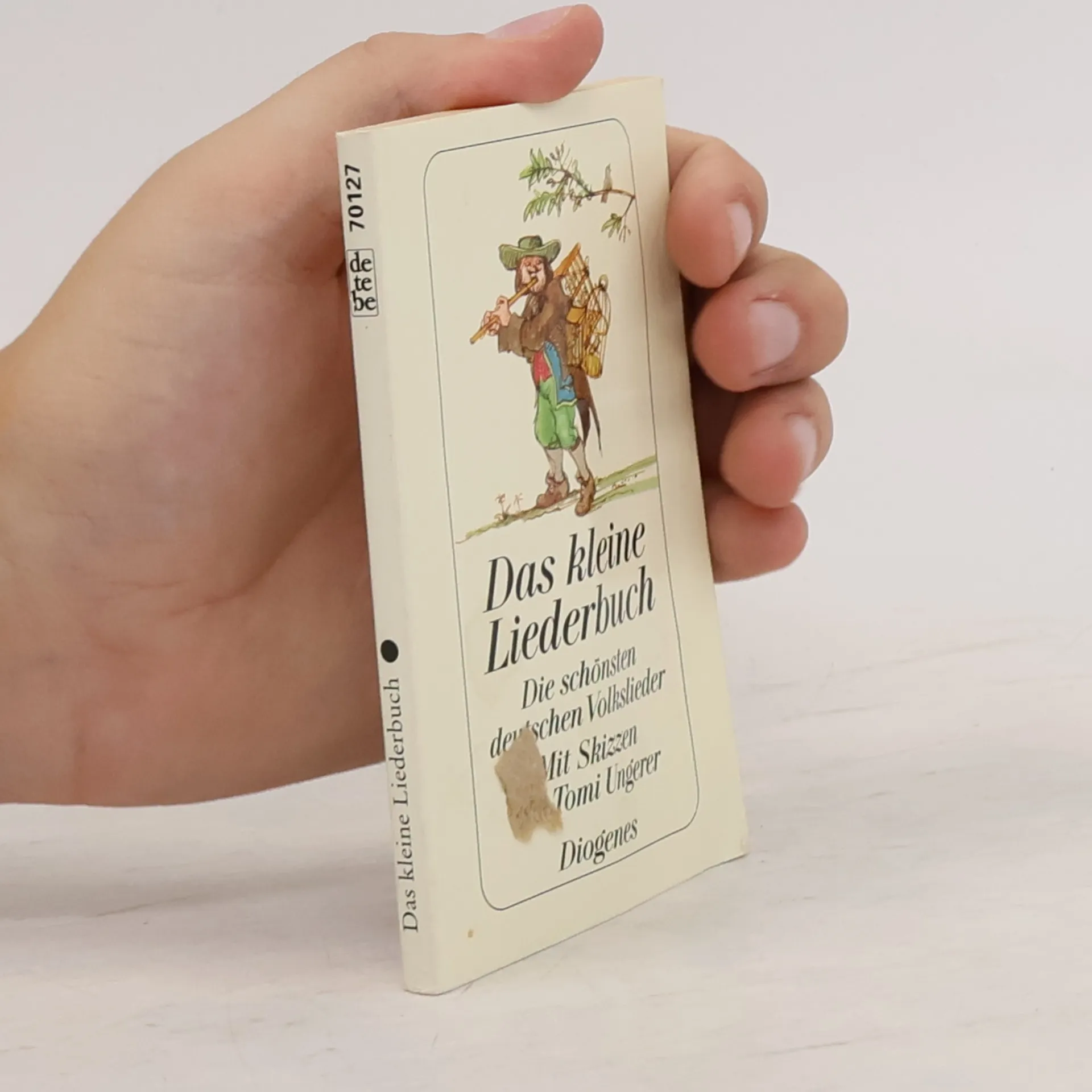
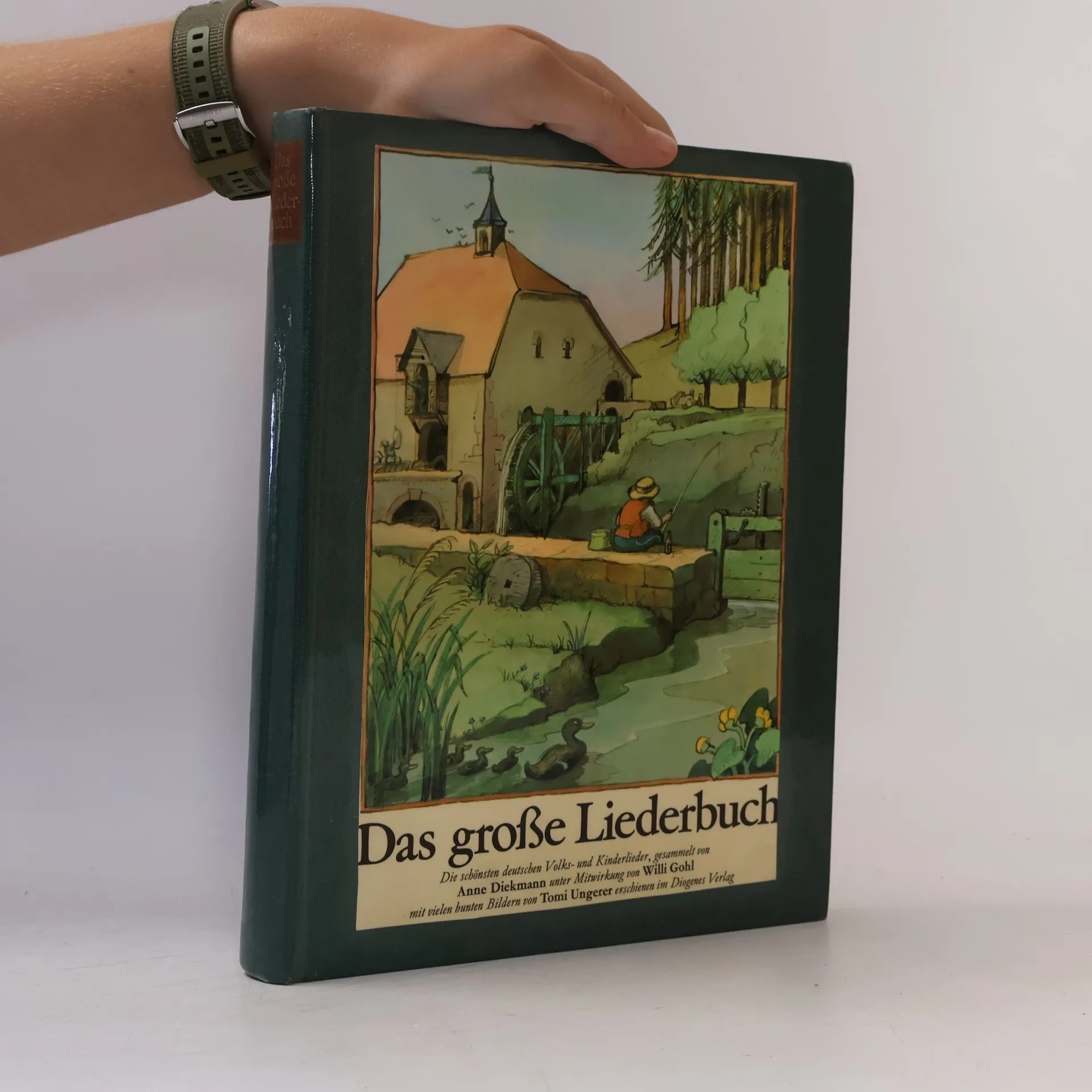
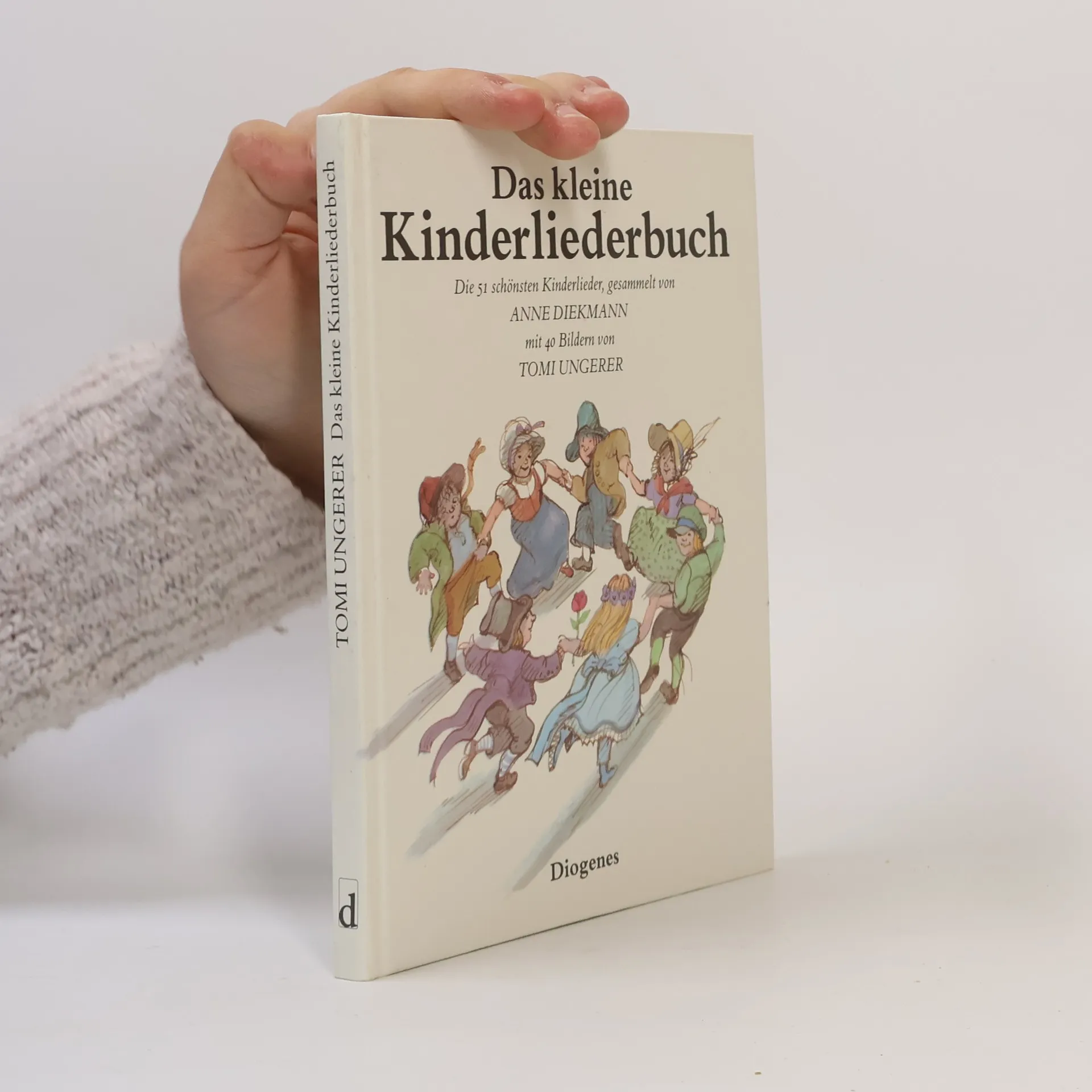
Über 200 deutsche Volks- und Kinderlieder aus dem 14. bis 20. Jahrhundert, gesammelt von Anne Diekmann unter Mitarbeit von Willi Gohl. Alle im Originaltext und in der Originalmelodie. Illustriert mit über 150 Bildern von Tomi Ungerer.
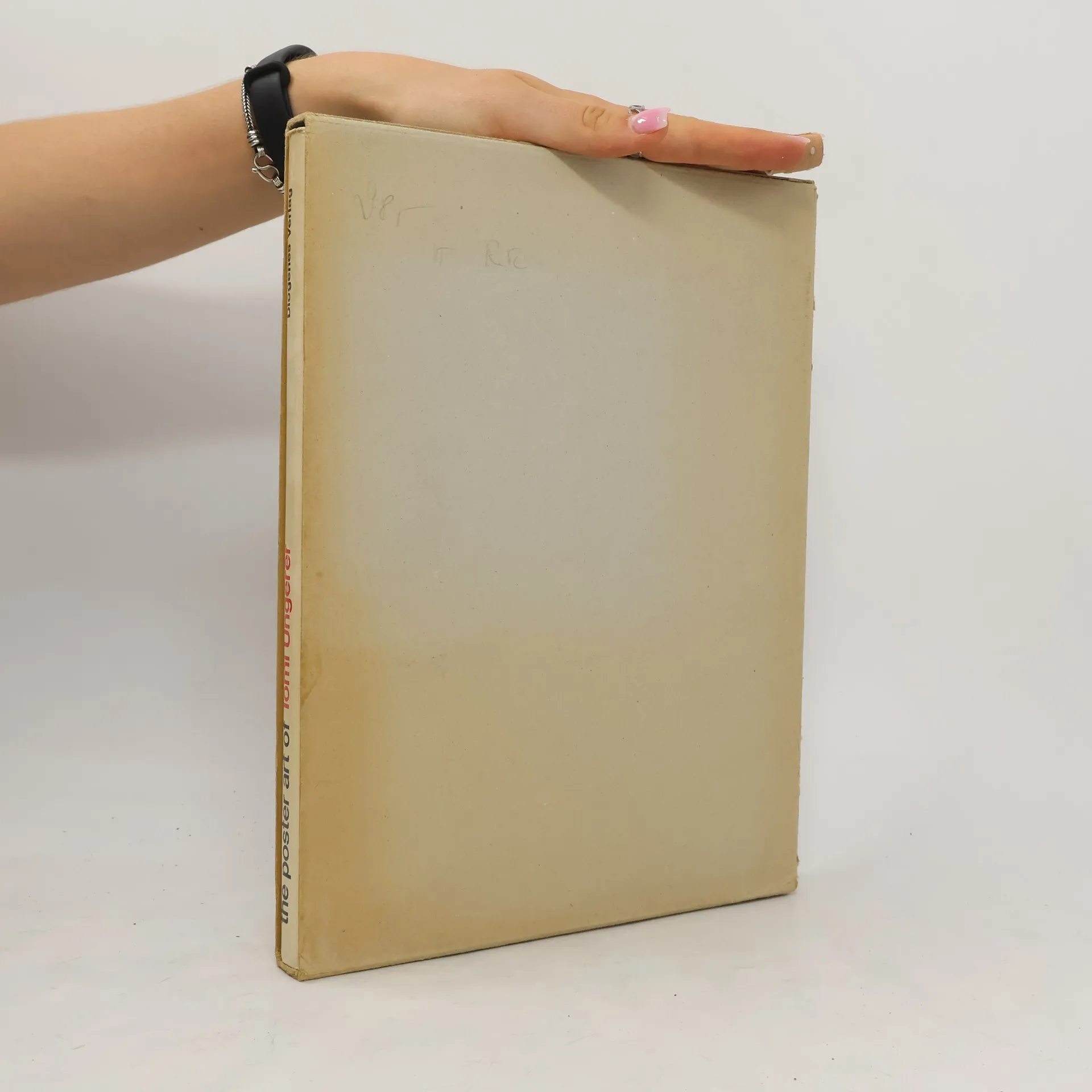
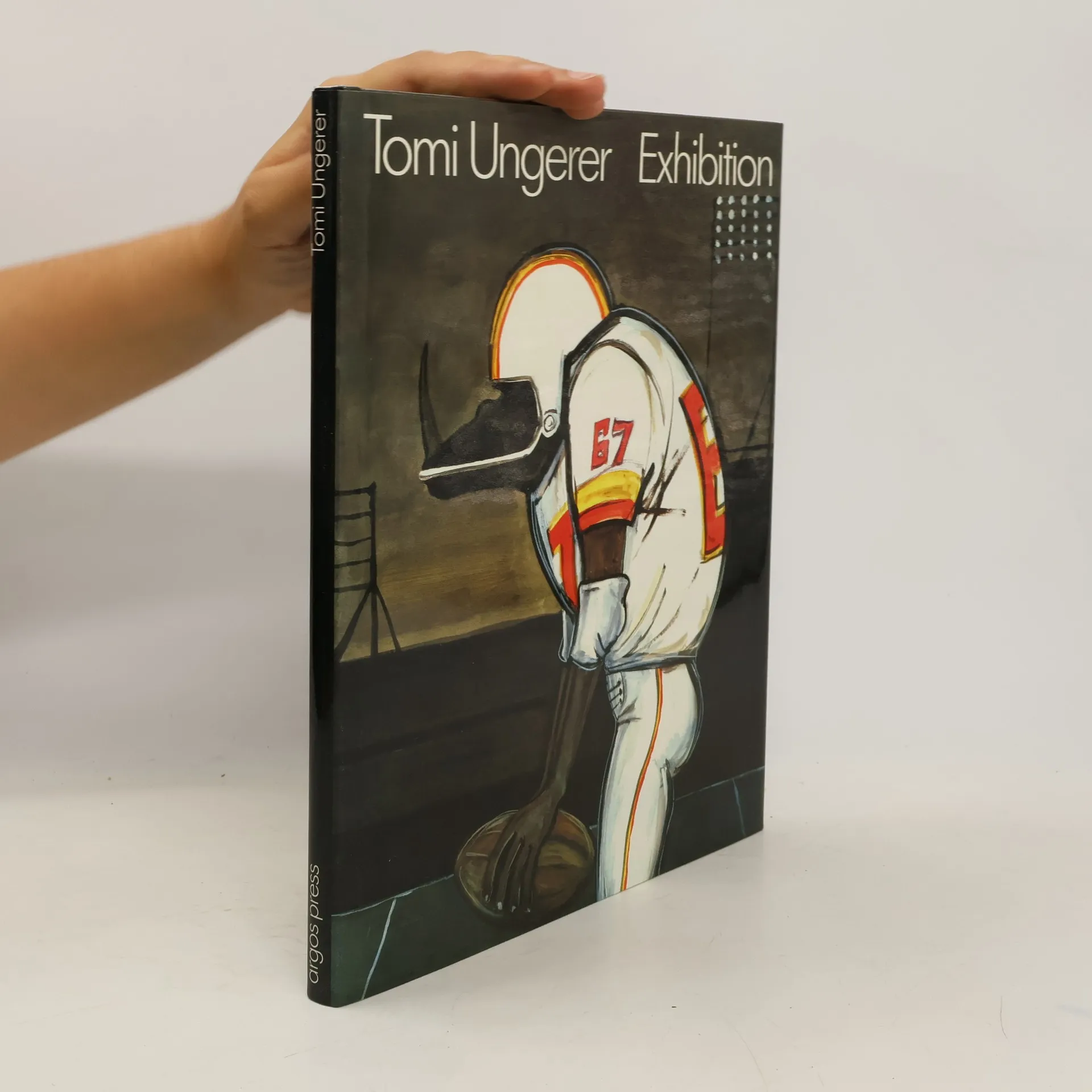
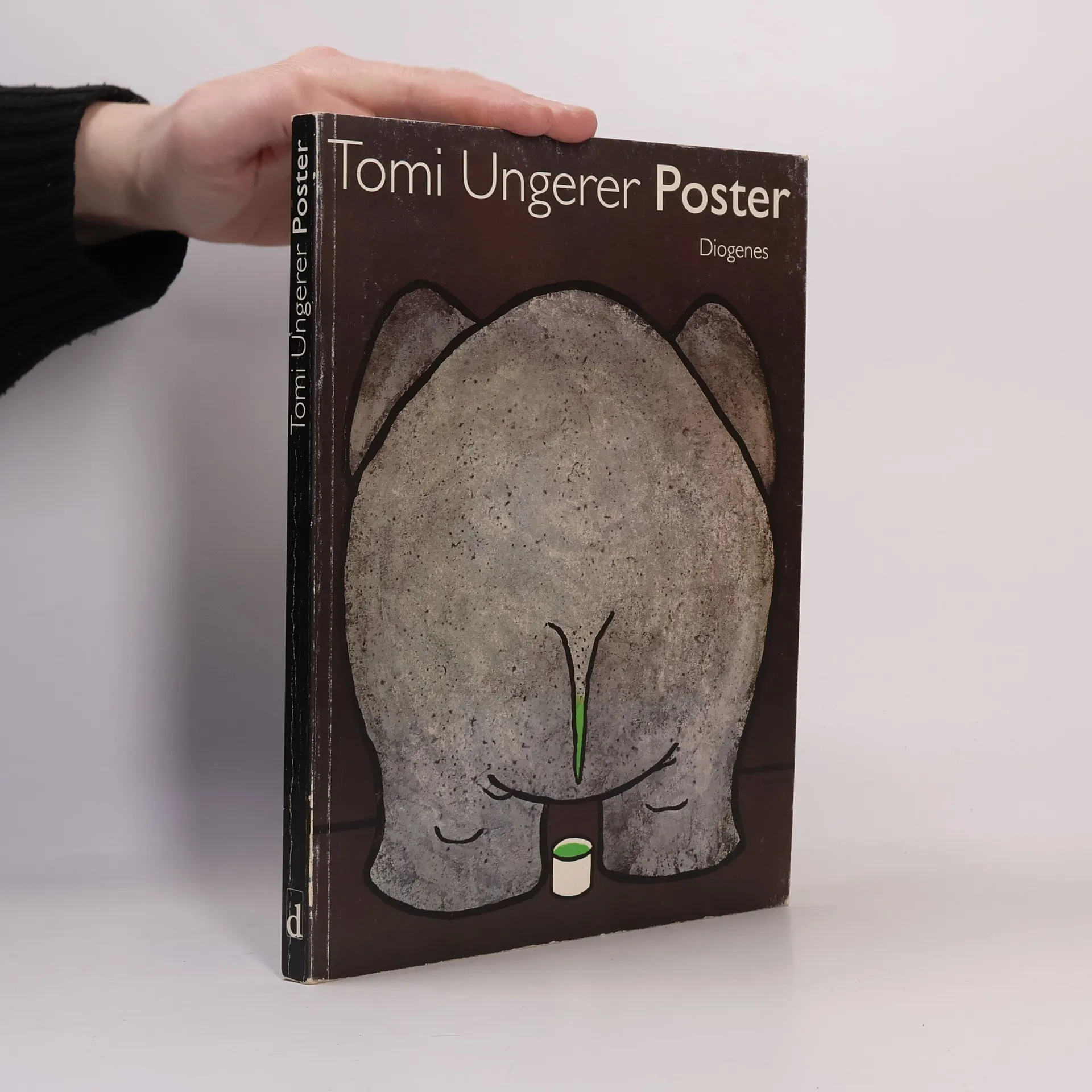
Freiheit ist offenbar eines der zentralen Themen Ungerers. Die Erinnerungen hiessen "Die Gedanken sind frei" (BA 3/94), im Vorwort zu diesem Band mit Werbe-Werken, hauptsächlich für kulturelle und humanitäre Zwecke, stellt er zunächst die Gestaltungsfreiheit heraus, was er auch nutzt - das dokumentiert das Buch sehr eindrucksvoll. Er nimmt sich auch die Freiheit, engagiert und drastisch Stellung zu beziehen. Doch ganz gleich, ob er sich für Menschenrechte, Tier- und Umweltschutz einsetzt, für Städte, das Lesen, Festivals oder eine Gemüsekonservenfirma wirbt, er tut dies einfallsreich, originell, unverwechselbar und hochkünstlerisch. "The poster art of Tomi Ungerer" (Diogenes 1972; nicht im Besprechungsdienst) liegt lange zurück, dieser Band, wenngleich nicht billig, erlaubt einen weiten Blick auf die Vielseitigkeit und die illustratorischen Fähigkeiten des Künstlers. (2)
Théo et Alice Lagriffe sont un couple de chats heureux. Ils attendent un enfant. Le jour de la naissance, ils ont une légère surprise : le bébé est un chien. A Chatville, la nouvelle fait sensation...
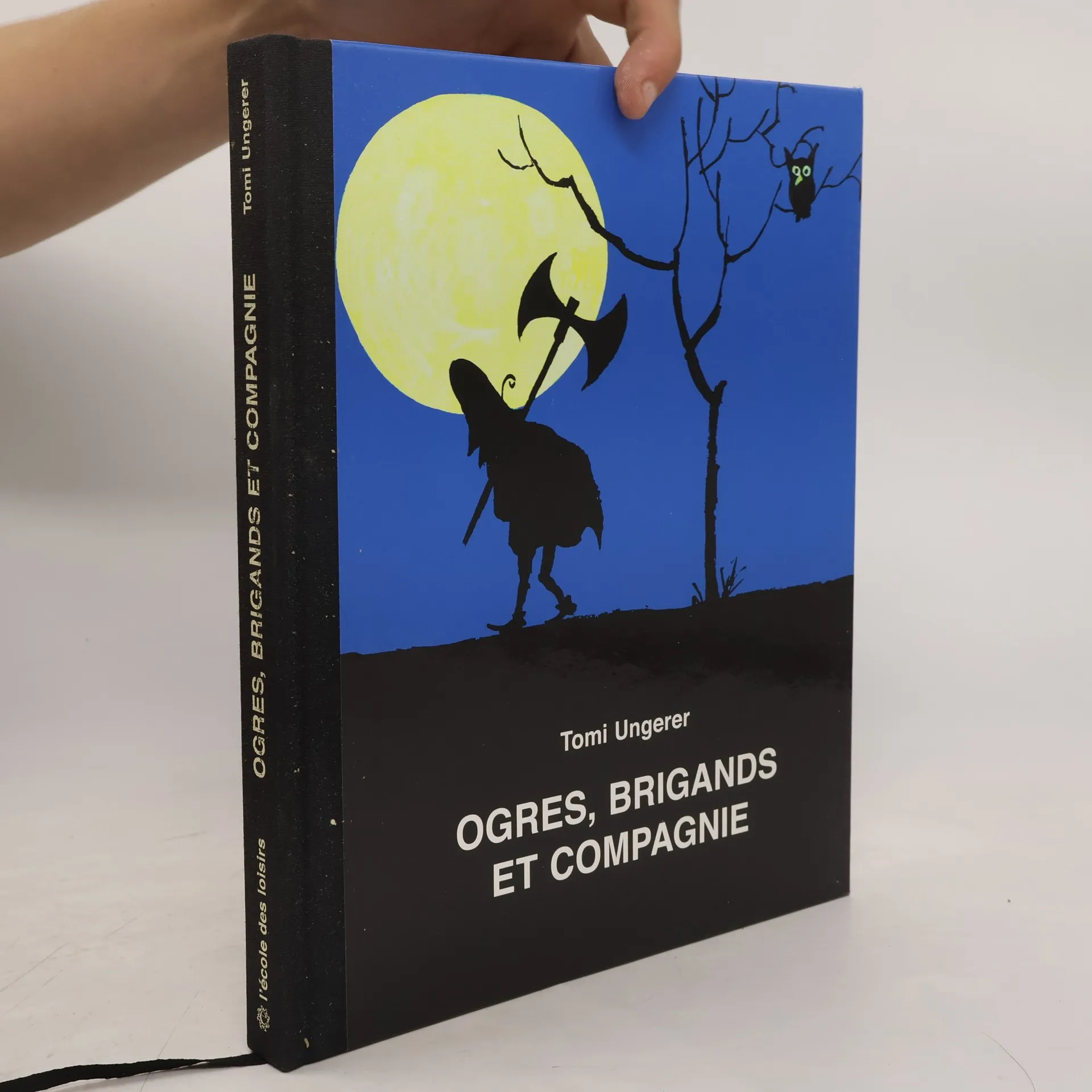
Des mythiques Trois Brigands et Géant de Zéralda, ses deux plus immenses succès, à la petite dernière, Zloty, l'avatar moderne et motorisé du Petit Chaperon rouge, en passant par Jean de la Lune, c'est Tomi Ungerer lui-même qui a choisi, dans son oeuvre multiple, humaniste et grinçante, pleine de kidnappings sublimés, d'ogres convertis, d'intrus admis et d'opposés réconciliés. quatre dignes représentants capables de donner une idée fidèle de son ton « subversif et positif » et de son trait à ceux qui veulent le découvrir, ou le retrouver.
Franzi will nicht ins Bett gehen – genau wie jedes Kind, genau wie du. Ihr Papa hat aber eine gute Idee: Wir spielen das Grimassenspiel! Franzi soll so gucken, als ob sie wütend sei. Dann fröhlich. Dann verblüfft. Und jetzt bist du dran! Mach mit Franzi alle möglichen Gesichter: verwirrt, glücklich, krank, hochnäsig, süß, nachdenklich ... Ganz schön müde wird man dabei, und bald ist schon Schlummerzeit.
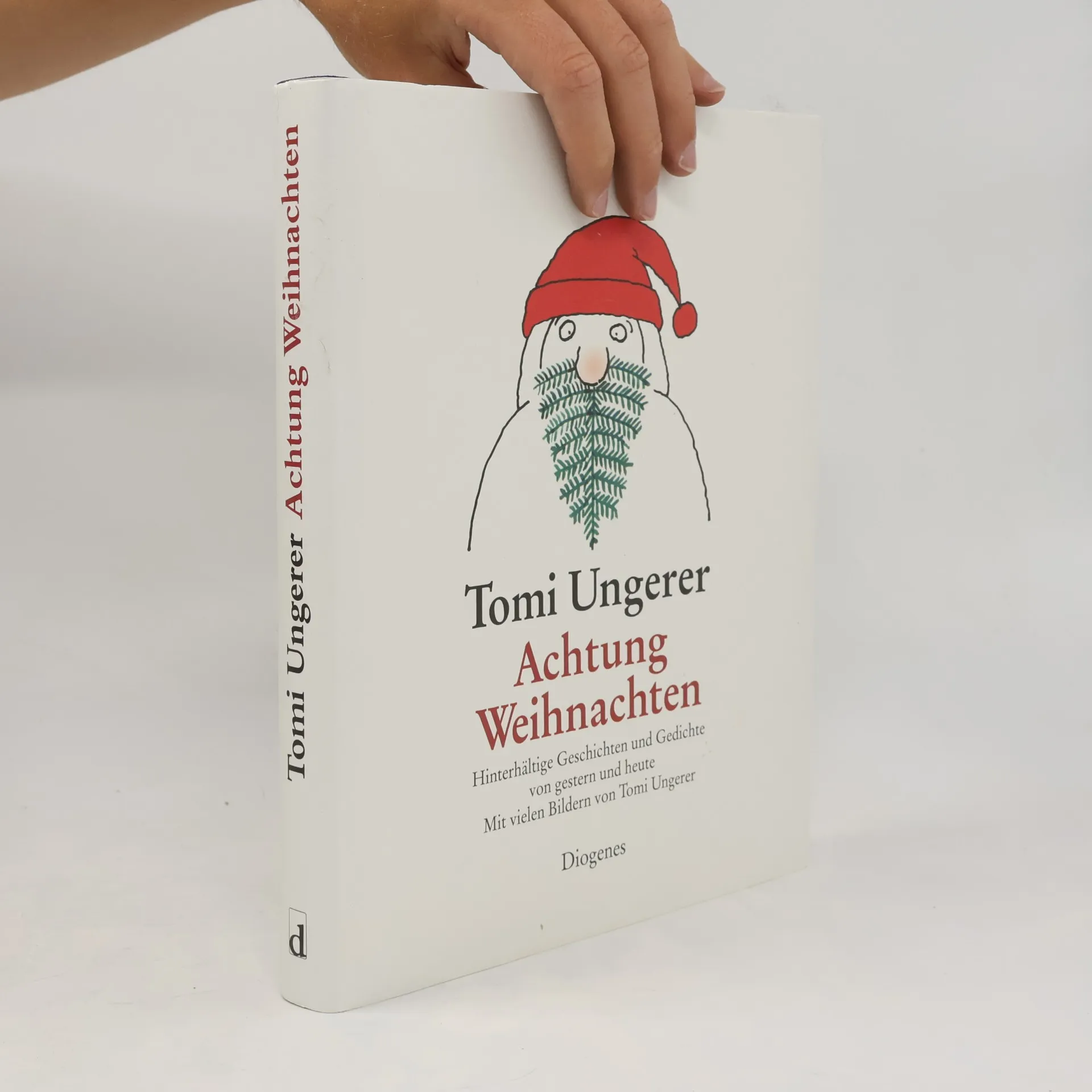
Hinterhältige Geschichten und Gedichte von gestern und heute
Weihnachten, das Fest der Liebe, kann durchaus teuflisch sein. Das beweisen die zahlreichen von Tomi Ungerer zusammengestellten Geschichten und Gedichte.
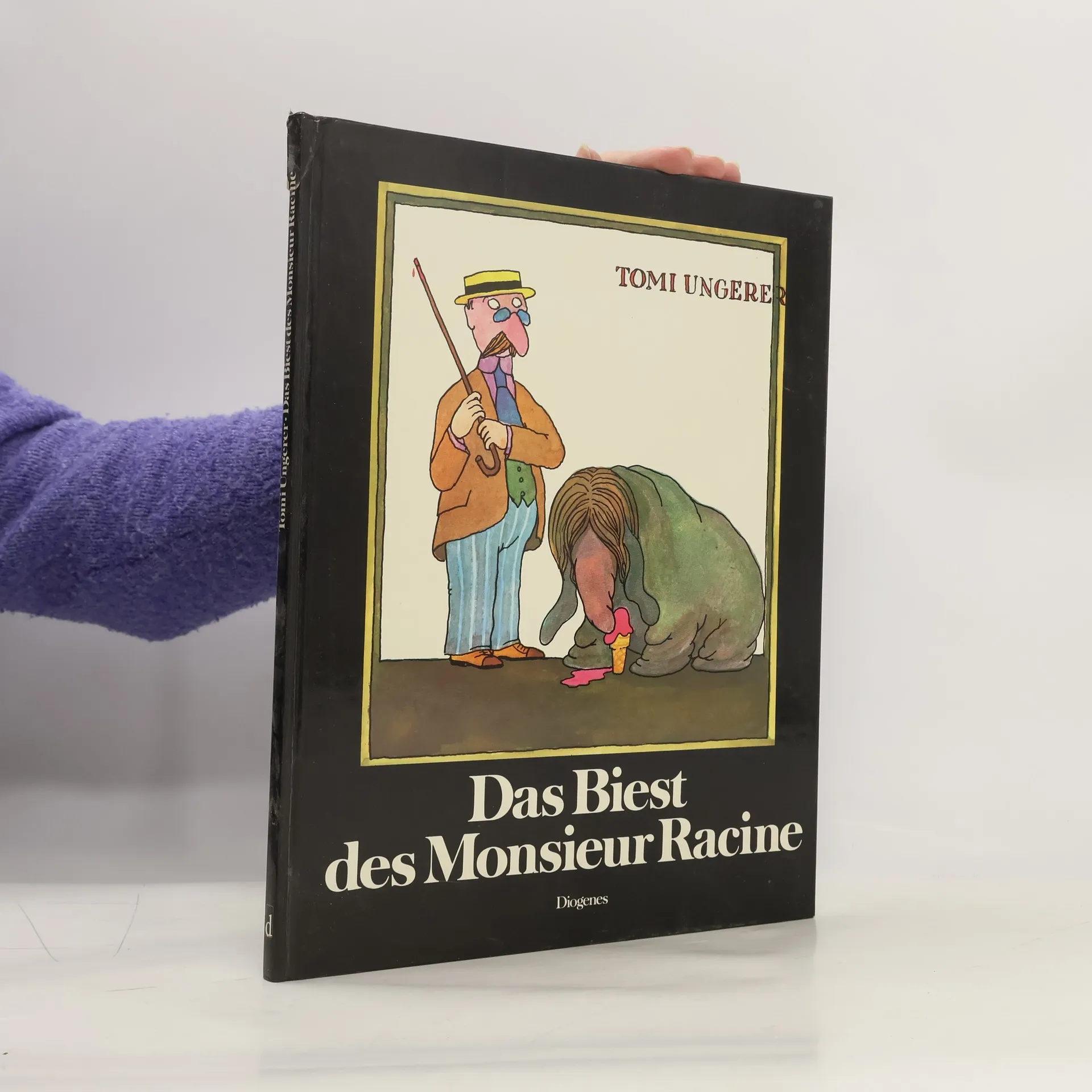
Ein Biest mit sockenartigen Ohren und einem Körper, der aussieht wie ein Haufen Wolldecken, treibt sein Unwesen in Monsieur Racines Mustergarten. - Der Beginn einer wunderbaren Freundschaft...
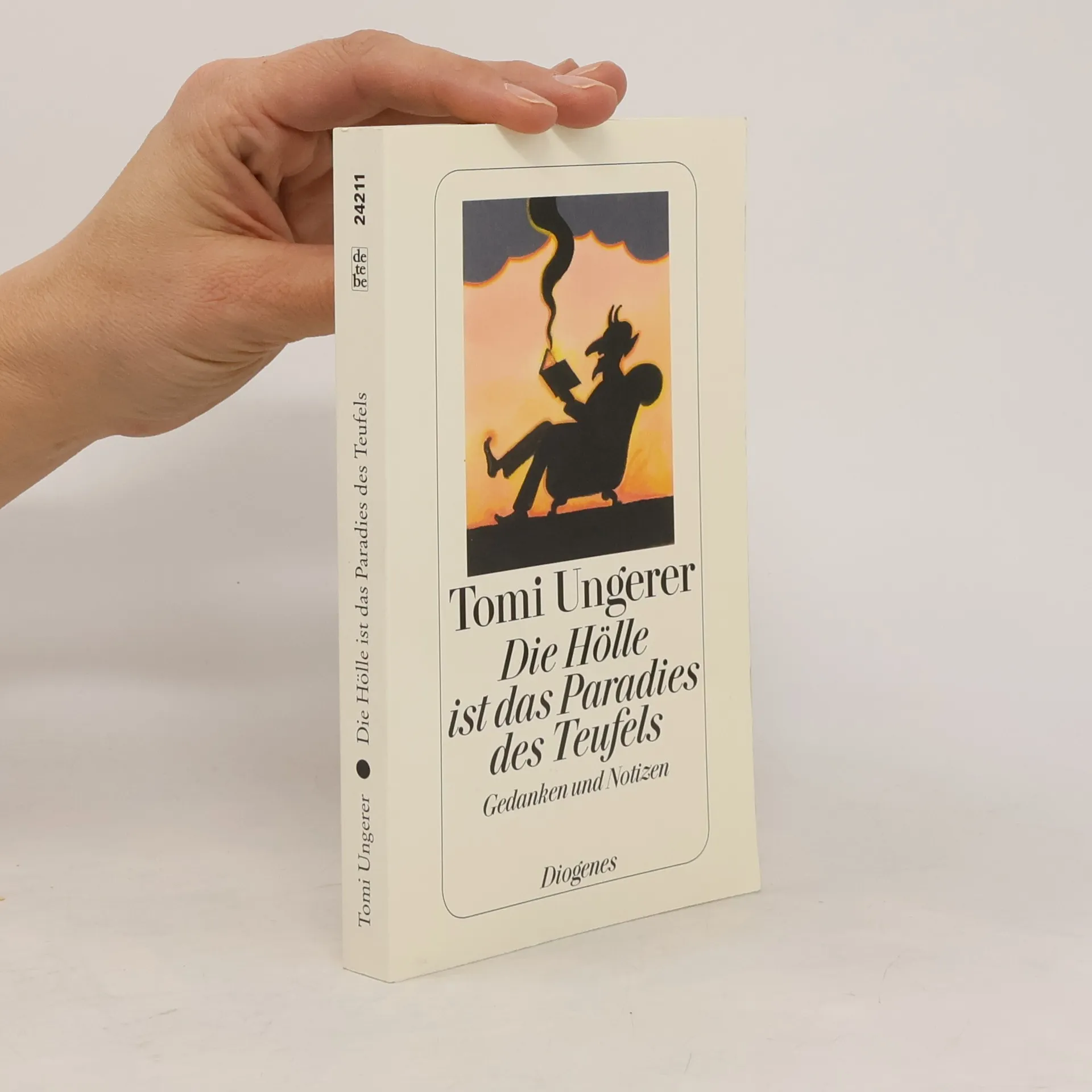
Neben Ideen, Skizzen und Zeichnungen offenbaren Tomi Ungerers Notizbücher seine Vorliebe für Aphorismen, Wortspielereien und kleine Geschichten. Aus diesem Fundus ist ein Buch entstanden, das Tomi Ungerer von einer ungewohnten Seite zeigt, die aber vielleicht gar nicht so ungewöhnlich ist: »Ich bin ein Aufzeichner. Ich zeichne, was ich aufschreibe, und ich schreibe auf, was ich zeichne, um einen Gedanken klar, kurz und bündig auszudrücken«, so Tomi Ungerer.
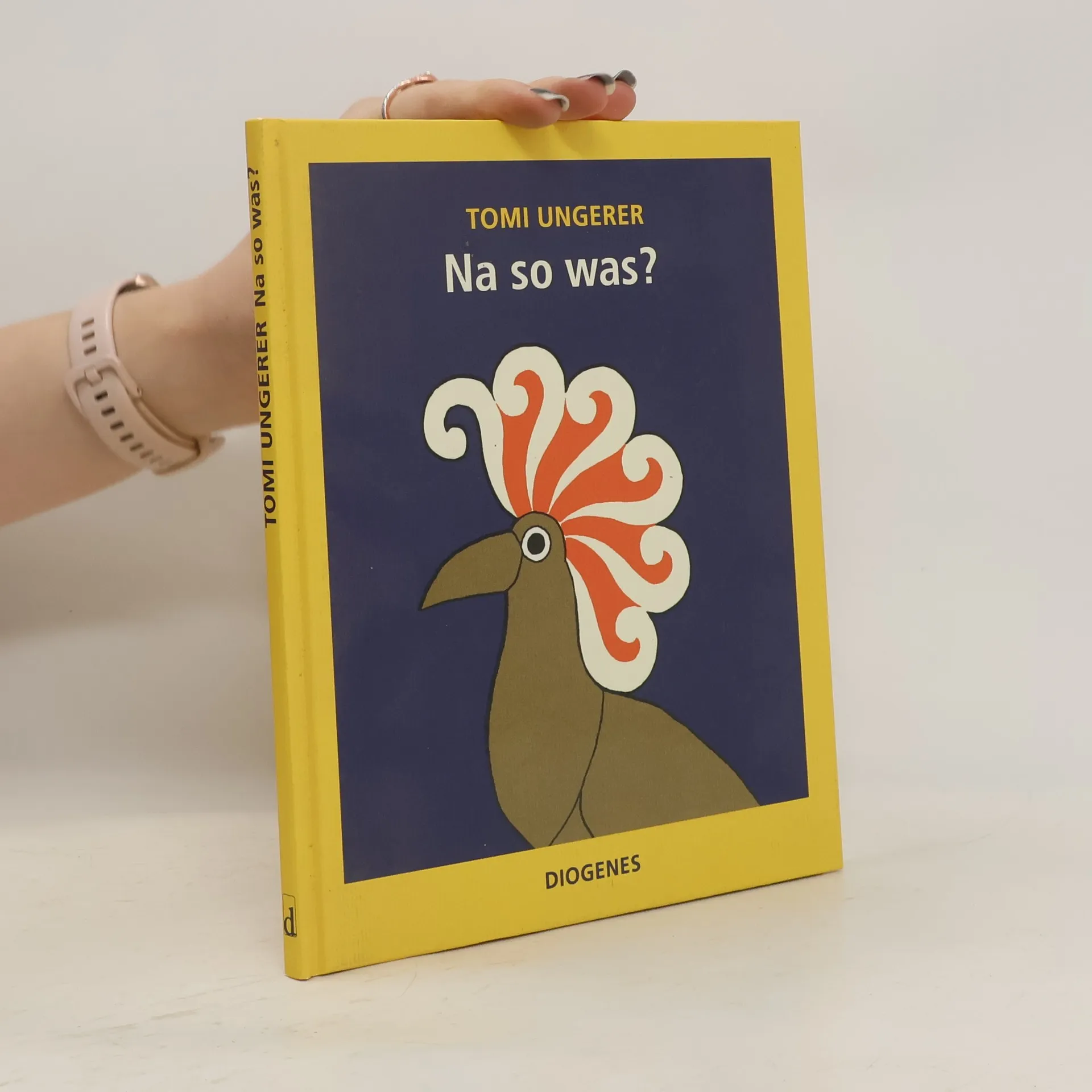
Tomi Ungerer präsentiert eine faszinierende Welt voller wunderschöner Zeichnungen, die mit Hintersinn und absurden Fragen spielen. Dieses gewitzte Bilderbuch lädt dazu ein, die eigene Neugier zu entfalten und die Grenzen des Verstehens zu hinterfragen. Es ist eine kreative Entdeckungstour, die sowohl Kinder als auch Erwachsene anspricht und zum Nachdenken anregt.
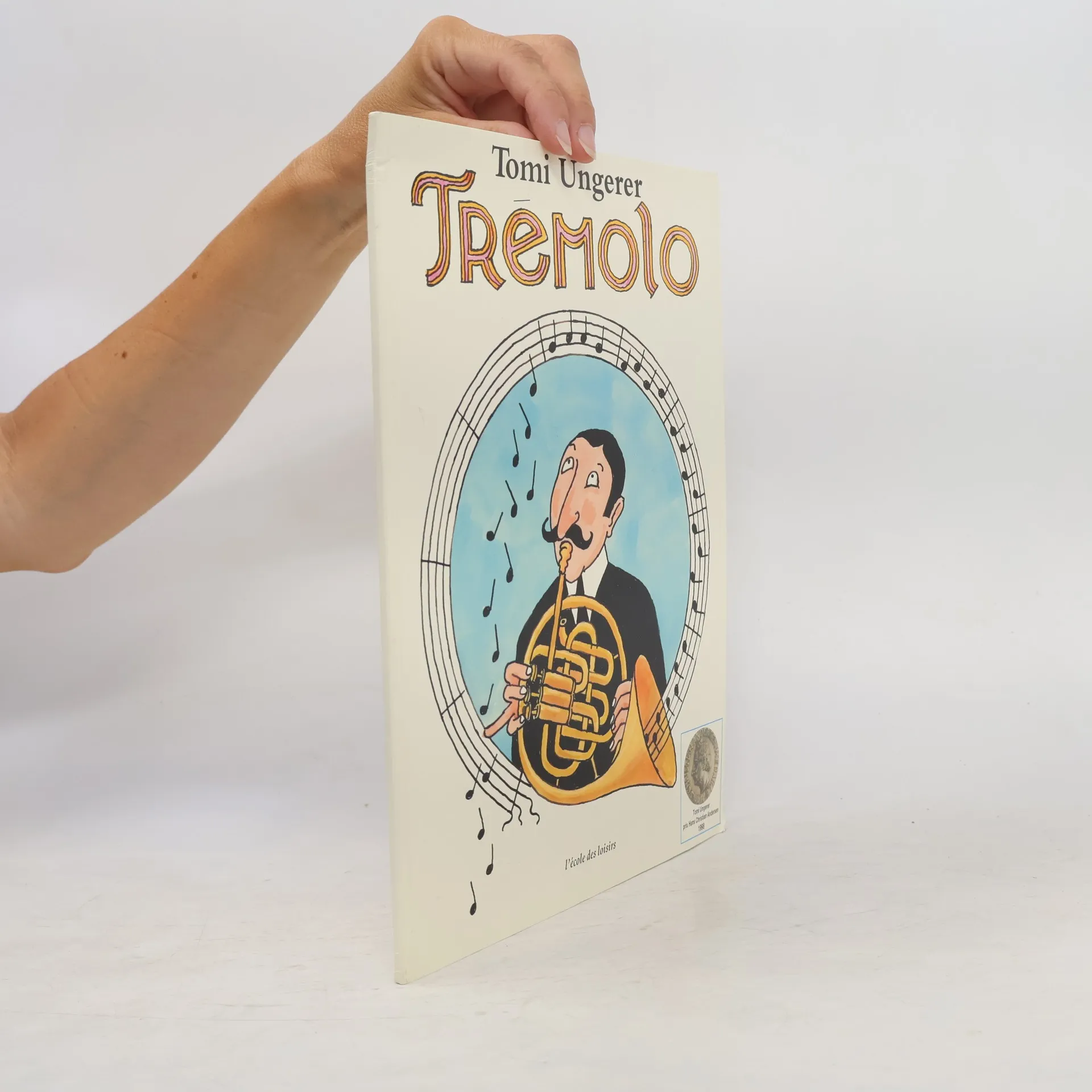
Trémolo était musicien. Il s'exerçait jour et nuit. Sa voisine Madame Astra Lunatika, la voyante extra-lucide, était exaspérée. Il faut dire qu'une note bien lancée avait fait exploser sa boule de cristal. Elle jeta un sort à Trémolo... Une histoire pleine d'humour qui propose une vision décapante de la société de consommation, où la culture a bien de la peine à faire sa place...
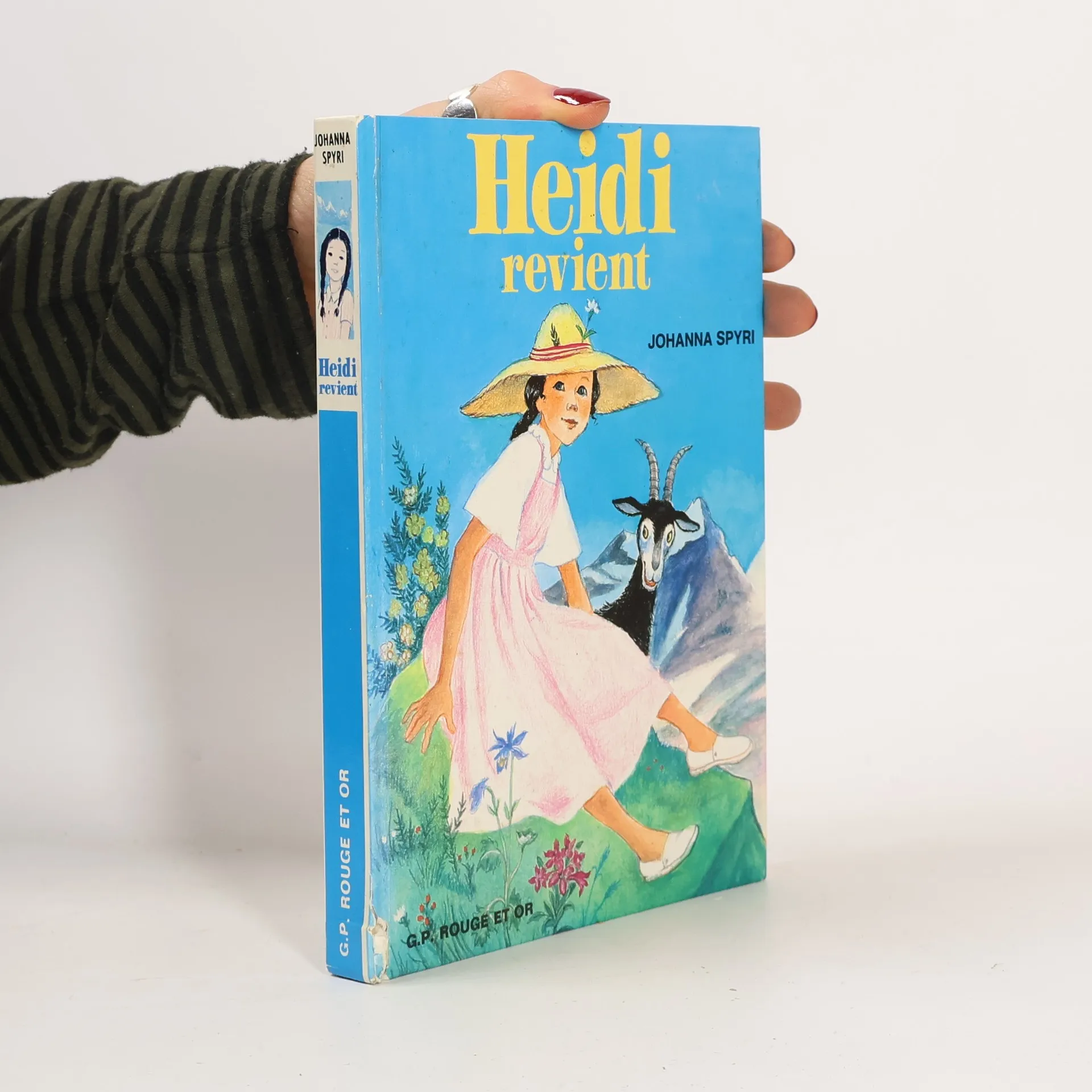
Heidi ist aus Frankfurt zurückgekehrt auf die Alm, allerdings nicht ohne ihrer Freundin Klara das Versprechen abzunehmen, sie bald zu besuchen. Zur großen Freude der Mädchen dauert es auch nicht sehr lange, bis sie sich wieder sehen. Einen Monat darf Klara auf der Alm bleiben. Der Geißenpeter ist davon jedoch alles andere als begeistert, denn Heidi hat überhaupt keine Zeit mehr für ihn. In seinem Zorn richtet Peter ein gewaltiges Unheil an – doch gerade dadurch nimmt Klaras Schicksal eine glückliche Wendung. Mit Heidi schuf Johanna Spyri eines der bekanntesten und beliebtesten Kinderbücher der Welt.
Chaque Alsacien porte dans son coeur une Alsace qui lui est chère, faite de souvenirs d'enfance, de paysages, d'émotions, de souffrances aussi. "si le pays de Cocagne avait des colonies, l'Alsace en serait la plus convoitée"
Als Orlando einen in Schwierigkeiten geratenen Prospektor in der mexikanischen Wüste findet, ruft er Hilfe, kontaktiert die Familie des Mannes und rettet dessen Sohn vor Banditen.
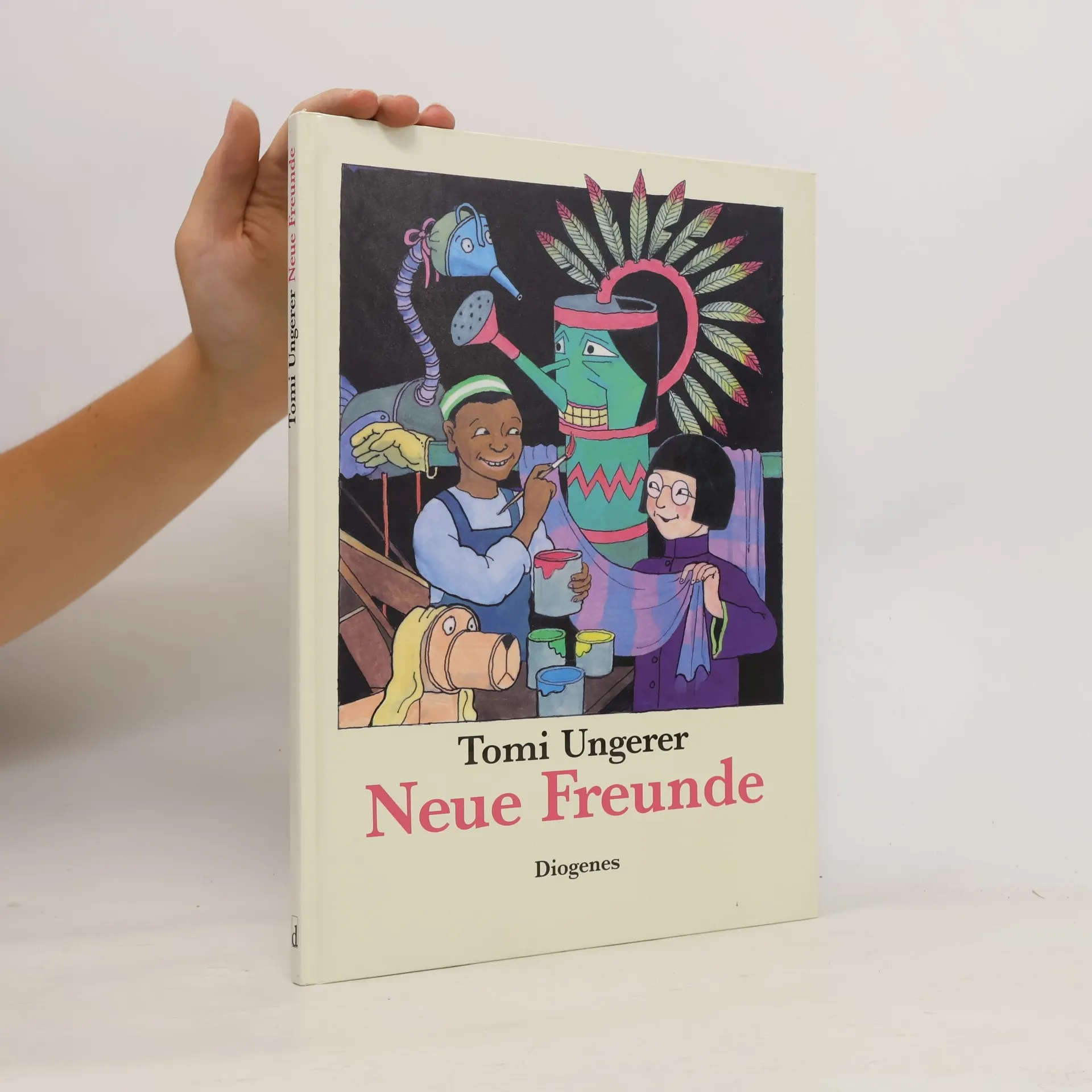
Freunde hat, wer sich Freunde macht. Und das ist gar nicht so schwer: Man braucht nur das richtige Werkzeug und vielleicht noch einen Freund, der einem beim Freundemachen hilft.
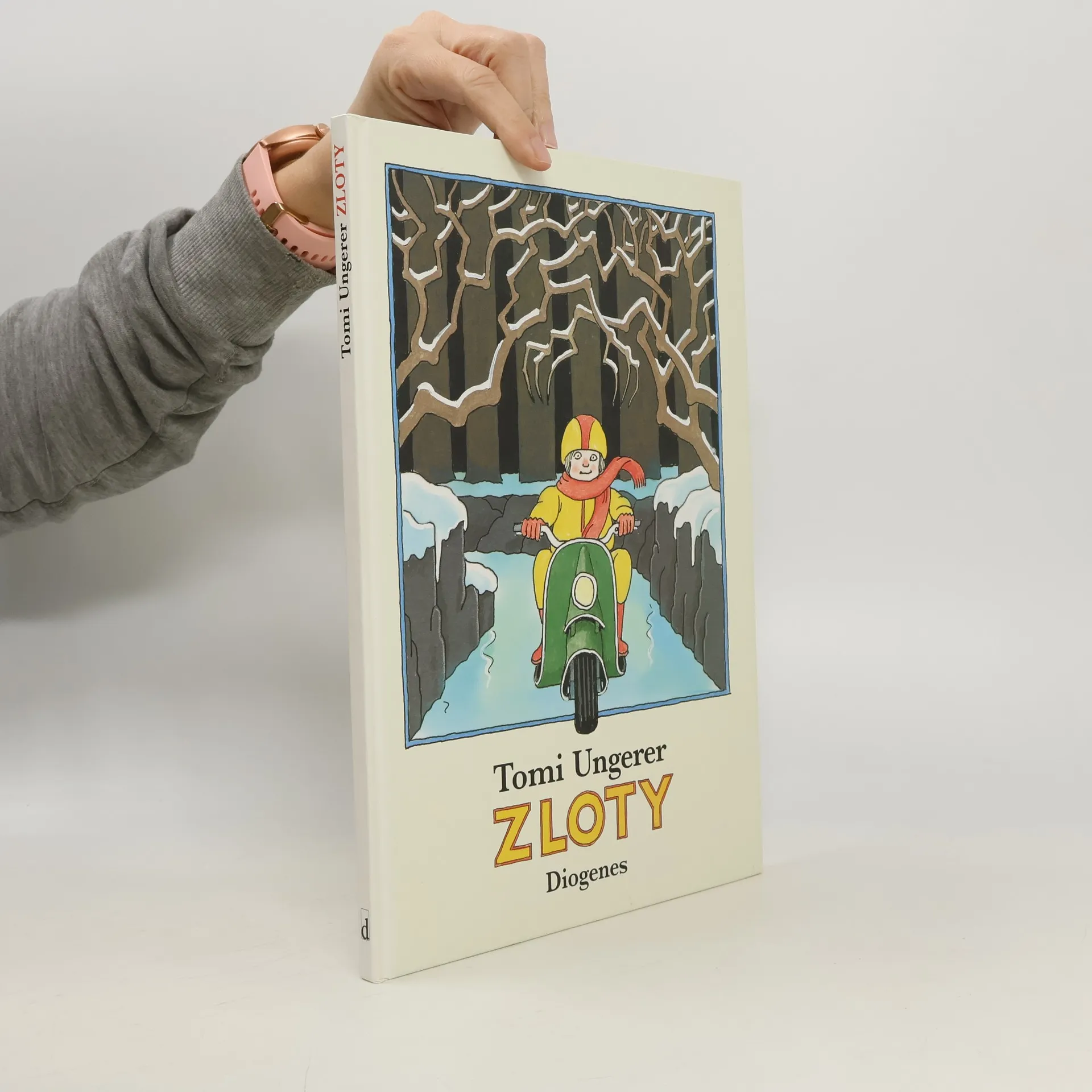
Zloty, die mit ihrem Motorroller durch den Wald düst, überfährt einen grossen Zwerg und lernt dadurch auch einen kleinen Riesen kennen. Die beiden helfen ihr. Schliesslich stösst sie mit einem Wolf zusammen, bringt diesen zu ihrer Grossmutter ...
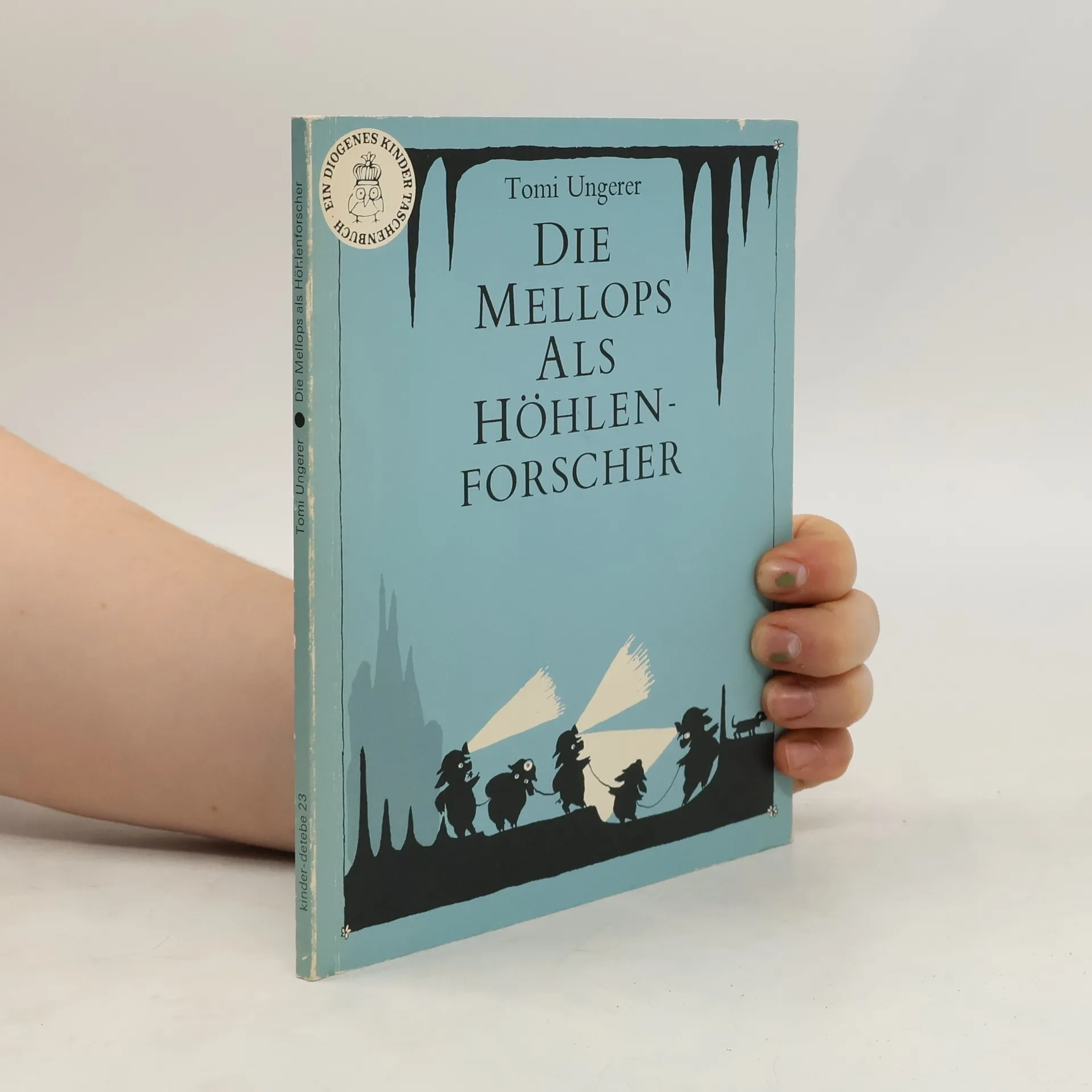
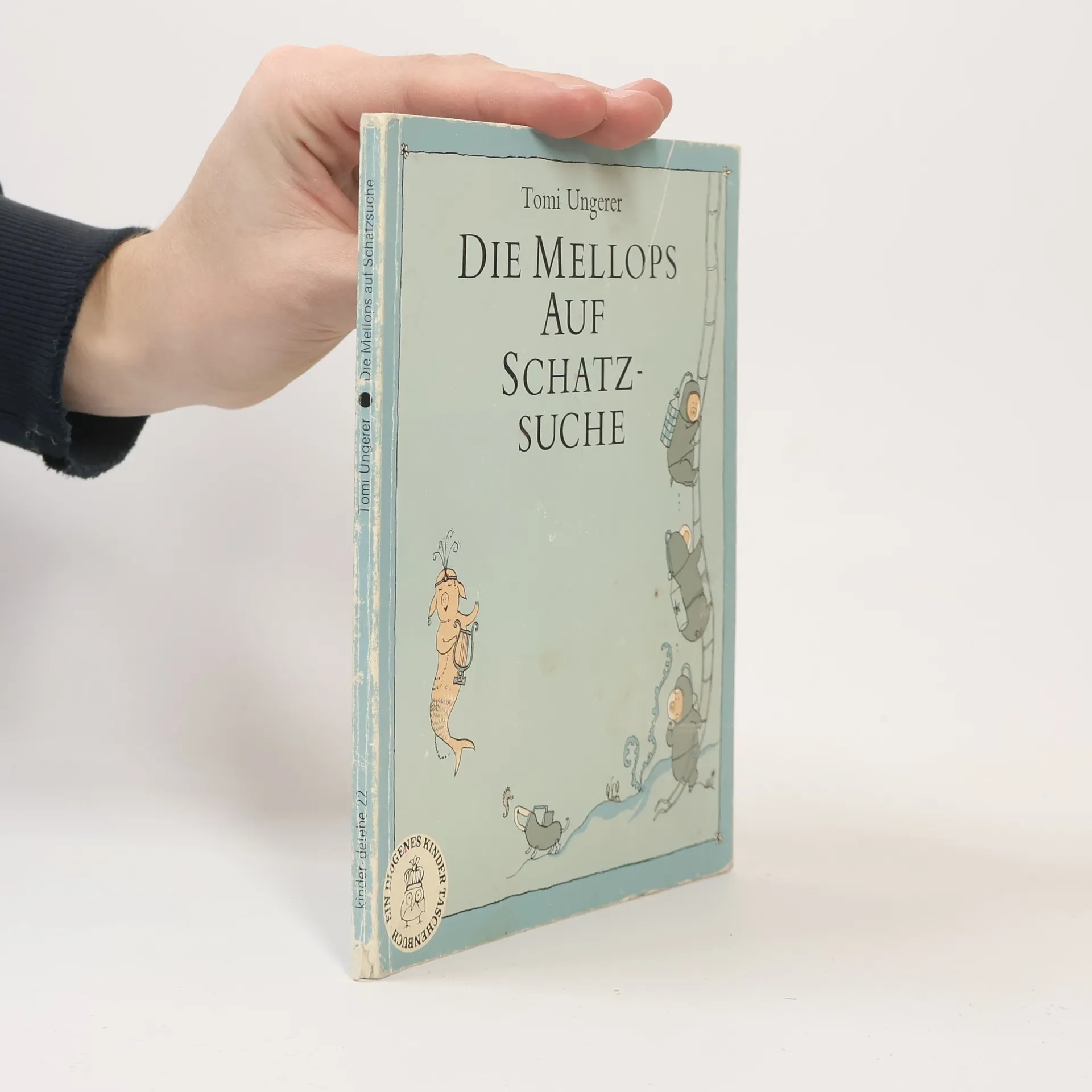
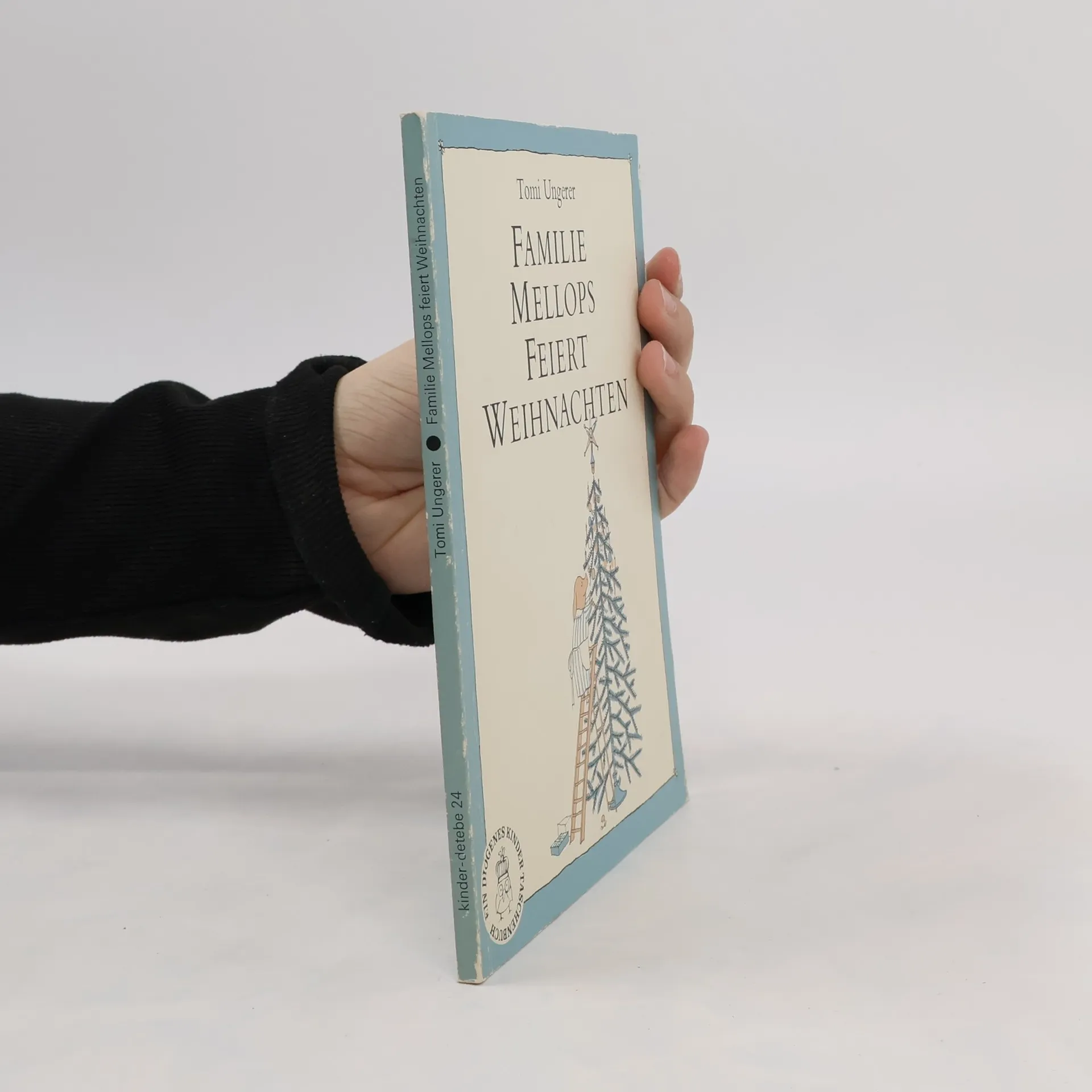
Die meisterliche Familie Mellops feiert Weihnachten. In dieser Geschichte für Jung und Alt geht es um die Freude des Überraschens und Schenkens, um das Zuhause und um diejenigen, die vom Leben weniger reich beschenkt wurden. Ein herzerwärmendes Kinder- und Geschenkbuch, das in keinem Kinderzimmer fehlen darf.
Tomi Ungerer erzählt in lebendigen Farben und präzisen Linien eine bezaubernde Geschichte über ein Schneckenhaus. Doch die Frage bleibt: Wo ist die Schnecke?
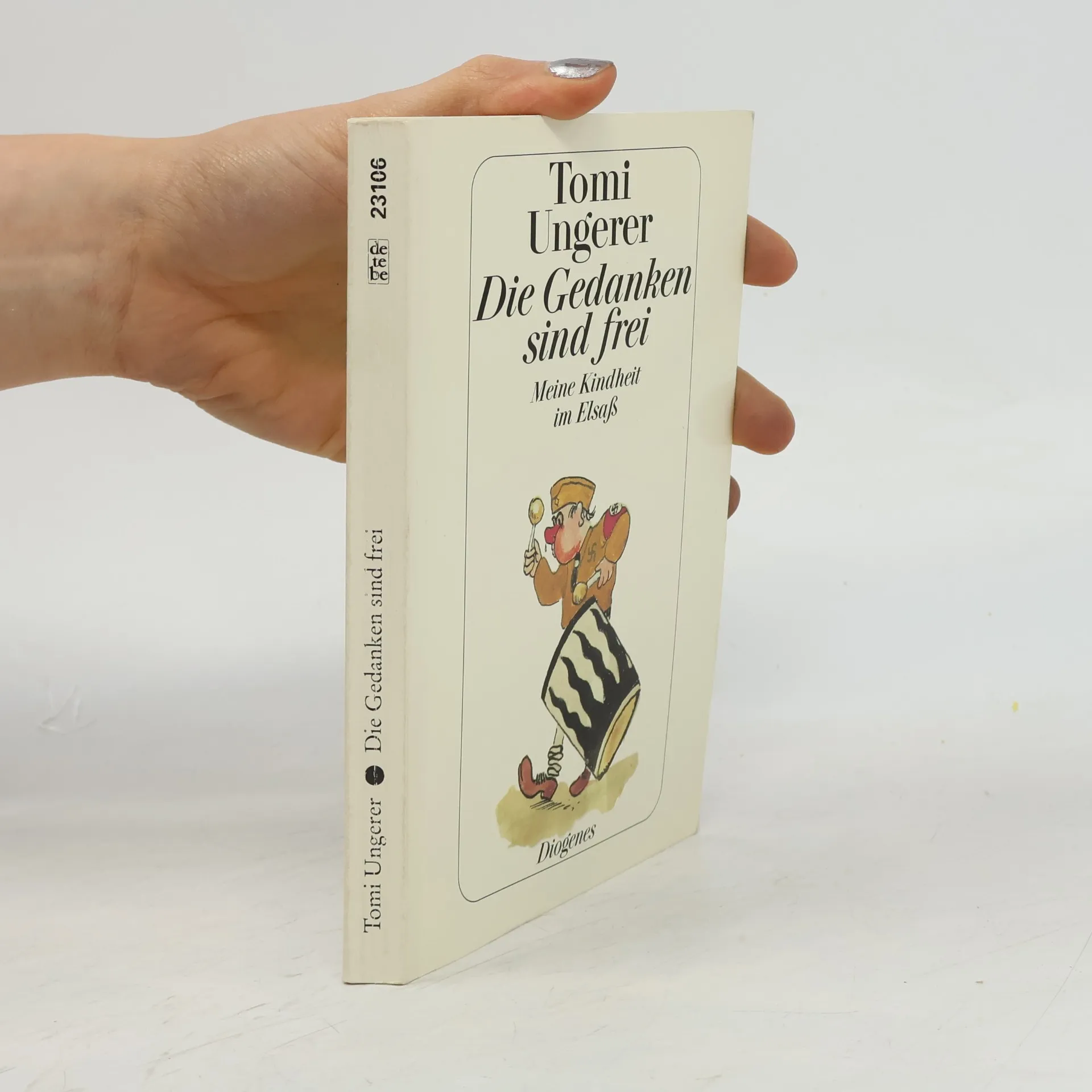
„Tomi Ungerers persönliche Geschichte ist gleichzeitig ein Ausschnitt aus der Geschichte des Elsaß, des Landstrichs, der ständig zwischen Frankreich und Deutschland hin und her gezerrt wurde.“
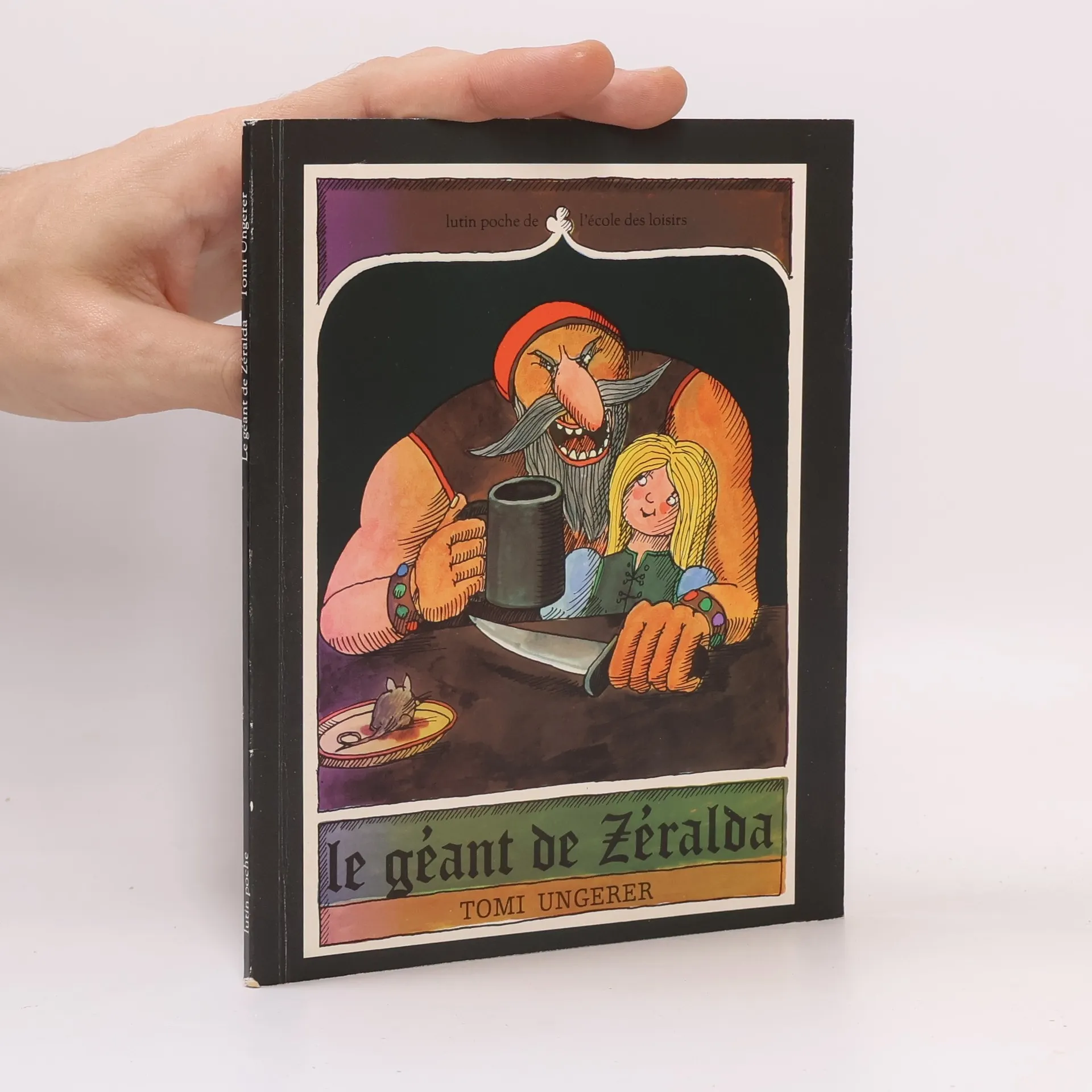
Un conte très moral où un ogre redoutable se transforme au point de plus manger les enfants et d'épouser la petite Zéralda qui s'est transformée en belle jeune fille
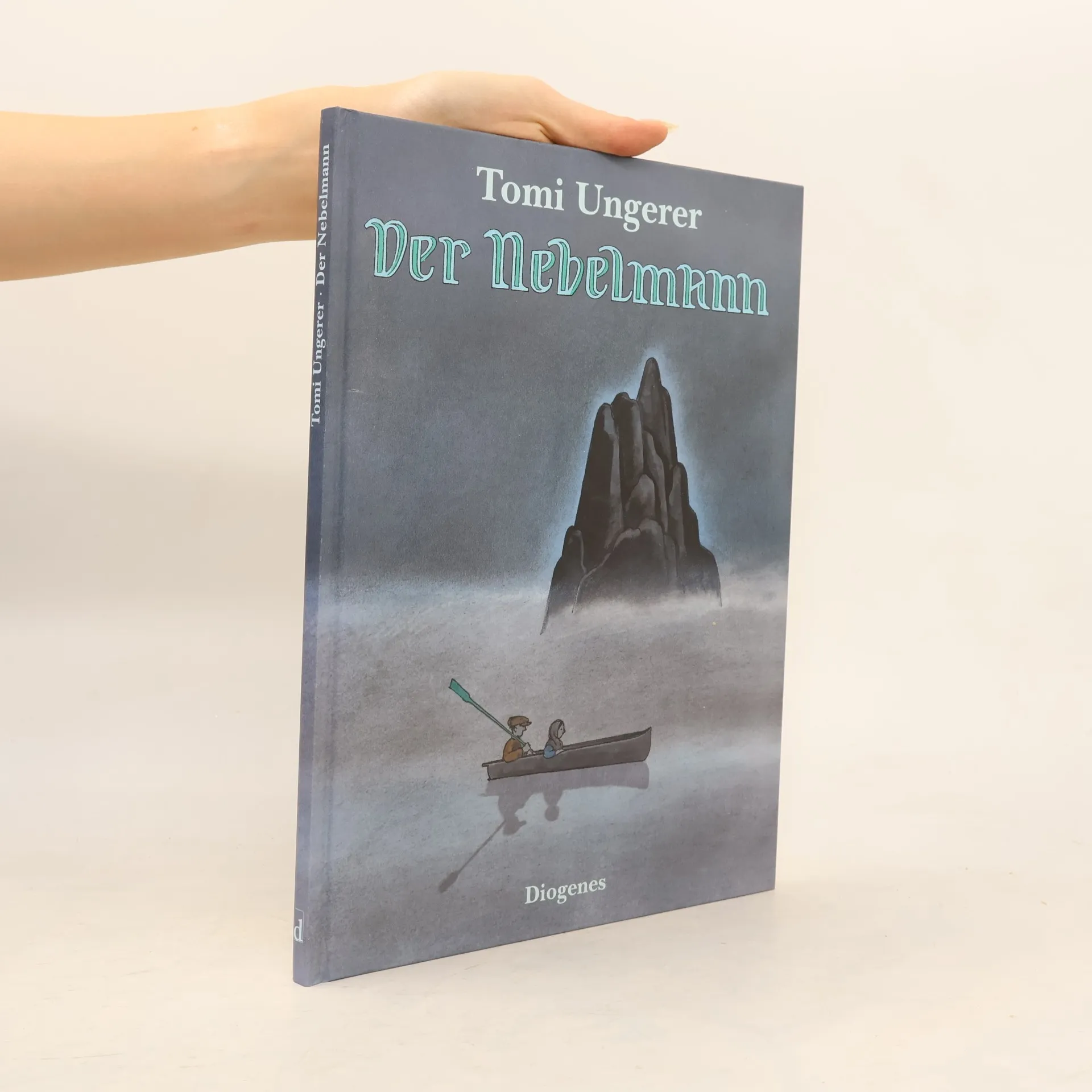
Eine hinreißend illustrierte Geschichte über Mut und Neugier aus Tomi Ungerers Wahlheimat Irland: Die Geschwister Finn und Cara werden eines Tages in ihrem kleinen Boot von Meeresströmungen an einen unbekannten Strand getrieben. Doch sie verzagen nicht und treffen auf den wundersamen Herrn der Insel
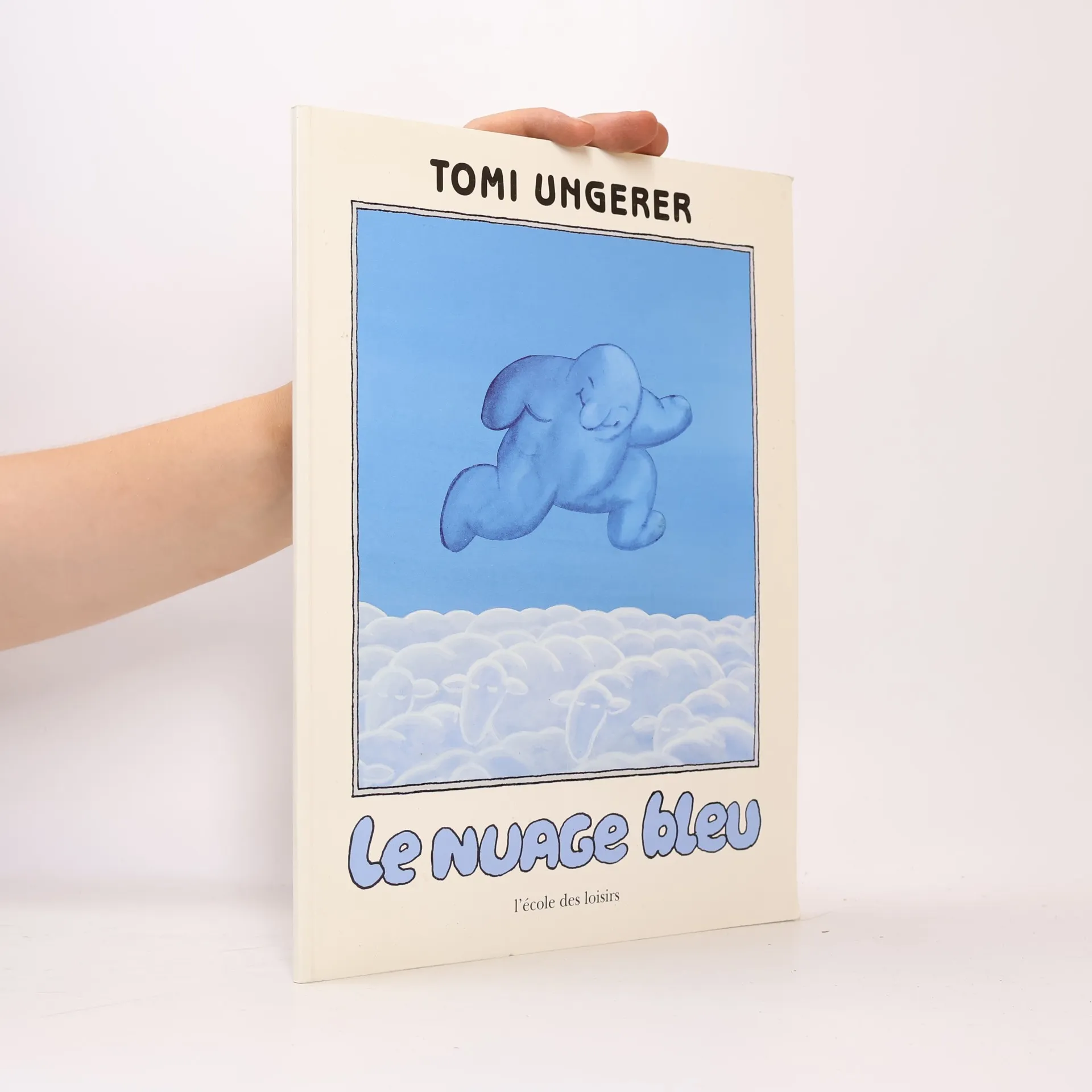
Il était une fois une petite nuage bleu. Elle vivait heureuse et satisfaite et faisait ce qu'elle voulait. Quand toutes les autres nuages pleuvaient, elle ne pleuvait tout simplement pas. La petite nuage bleu captivait les gens sur Terre et enchantait leur monde. Mais un jour, elle voit une terrible guerre sur Terre et doit prendre la décision la plus importante de sa vie. La petite nuage bleu parvient à apporter paix et bonheur aux gens.
Die Vorzugsausgabe präsentiert die weniger bekannten künstlerischen Arbeiten von Tomi Ungerer, insbesondere seine Collagen und Plastiken, die in der Ausstellung «Incognito» gezeigt wurden. Diese limitierte Edition, die auf 500 Exemplare begrenzt ist, wird durch einen signierten Siebdruck ergänzt und in einer hochwertigen Kladde sowie einem Geschenkkarton verpackt. Ungerer, bekannt für seine Kinderbuch-Klassiker und provokanten Grafiken, zeigt hier eine andere Facette seines kreativen Schaffens.
Der kleine Jonathan ist ein ungehorsamer Junge, der beim Fußball und Essen für Chaos sorgt. Er ist unzufrieden mit allem und macht anderen Kindern das Leben schwer. In ihrer Not suchen die Eltern Hilfe bei Dr. Karroter, um herauszufinden, wie sie mit Jonathans Verhalten umgehen können.
Tomi Ungerer präsentiert in seinem ersten Malbuch unvergessliche Tierfiguren wie das fliegende Känguru Adelaide, die Schweinefamilie Mellops und den hilfreichen Tintenfisch Emil. Dieses Malbuch bietet Ausmalspaß für Jung und Alt und feiert seine beliebten Charaktere.
Von ›Lasst uns froh und munter sein‹ über ›O Tannenbaum‹ und ›Ihr Kinderlein kommet‹ bis ›Stille Nacht, heilige Nacht‹ – alle klassischen Advents- und Weihnachtslieder, die man für das Fest braucht, mit Noten und Liedtexten. Zauberhaft illustriert von Tomi Ungerer.