



Compra 10 libros por 10 € aquí!
Bookbot

Donald MacKenzie

    11 de agosto de 1918 – 1 de enero de 1993

    La obra literaria de Donald MacKenzie está profundamente informada por sus propias experiencias viviendo al margen de la sociedad, incluyendo un tiempo considerable en diversos sistemas penitenciarios. Este contacto directo con el mundo criminal le proporciona una perspectiva única e impávida sobre la naturaleza humana y la motivación. Su escritura profundiza en los aspectos más oscuros de la vida con una honestidad cruda y una aguda perspicacia analítica. La prosa de MacKenzie es directa y sin adornos, ofreciendo a los lectores una visión cautivadora y a menudo inquietante de un mundo rara vez explorado con tal autenticidad.

    Mountains in the Greenhouse
    Christianity. The Paradox of God
    Making Meaning
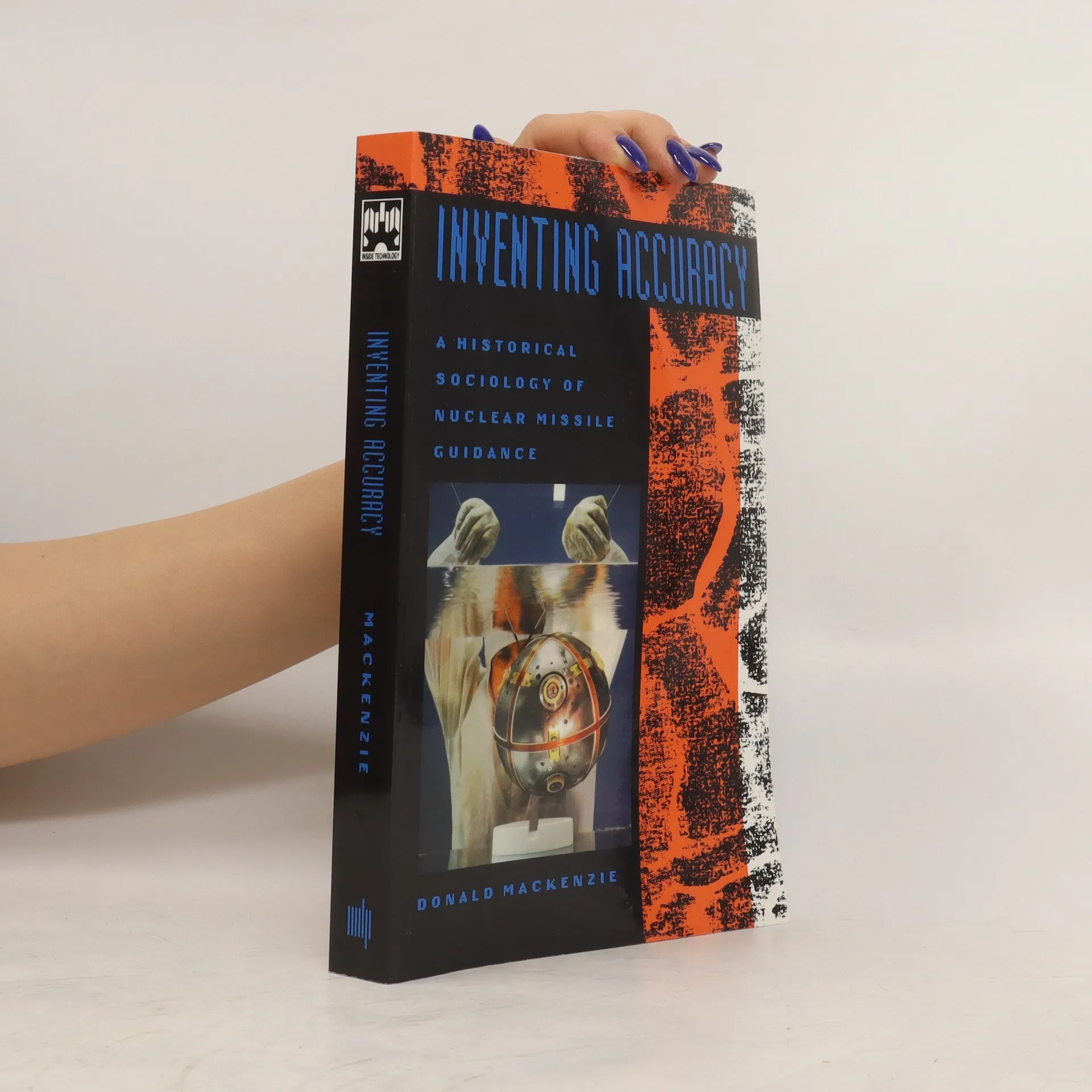
    Inventing Accuracy
    Trading at the Speed of Light
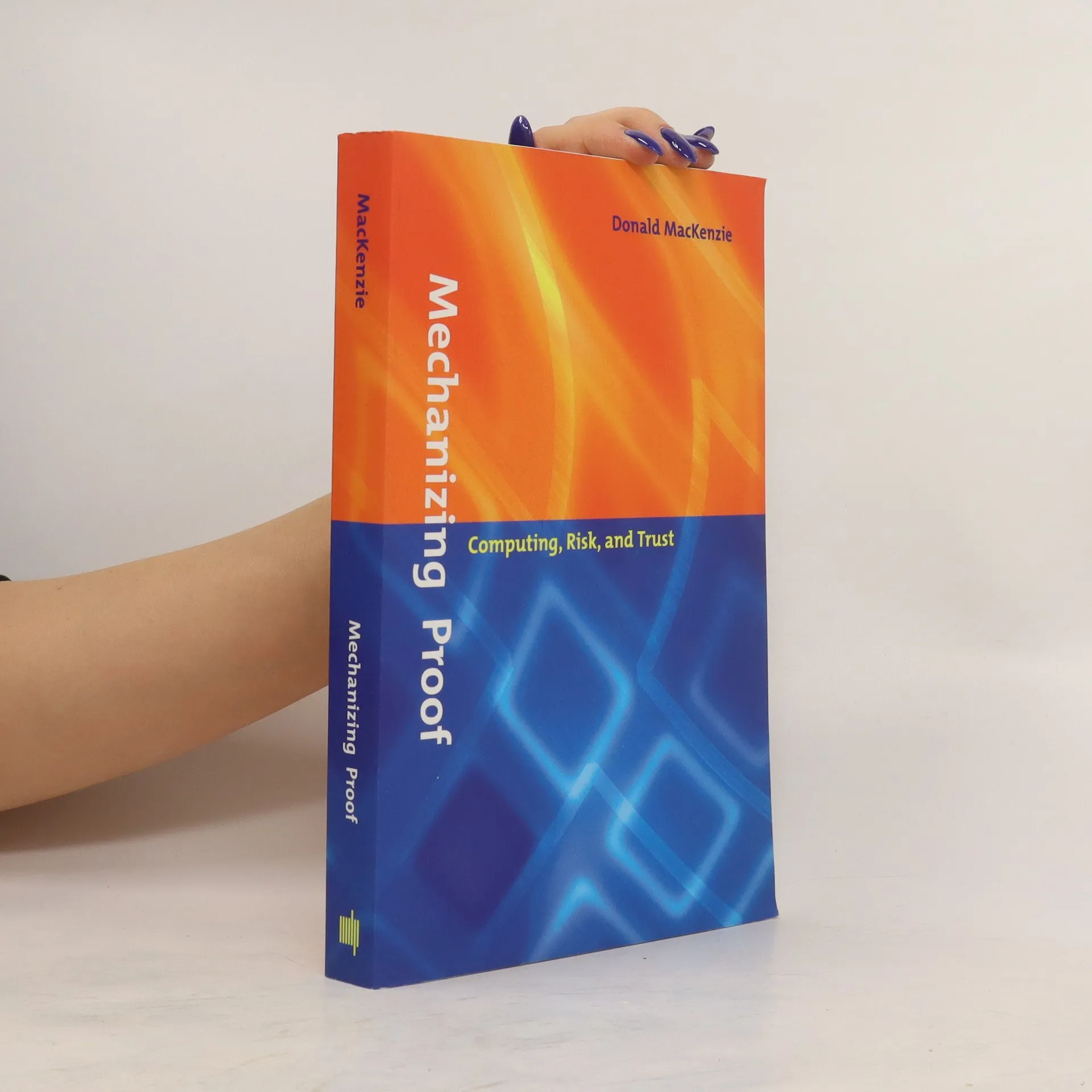
    Mechanizing Proof
    • Mechanizing Proof

      • 439 páginas
      • 16 horas de lectura

      Most aspects of our private and social lives—our safety, the integrity of the financial system, the functioning of utilities and other services, and national security—now depend on computing. But how can we know that this computing is trustworthy? In Mechanizing Proof , Donald MacKenzie addresses this key issue by investigating the interrelations of computing, risk, and mathematical proof over the last half century from the perspectives of history and sociology. His discussion draws on the technical literature of computer science and artificial intelligence and on extensive interviews with participants. MacKenzie argues that our culture now contains two ideals of proof as traditionally conducted by human mathematicians, and formal, mechanized proof. He describes the systems constructed by those committed to the latter ideal and the many questions those systems raise about the nature of proof. He looks at the primary social influence on the development of automated proof—the need to predict the behavior of the computer systems upon which human life and security depend—and explores the involvement of powerful organizations such as the National Security Agency. He concludes that in mechanizing proof, and in pursuing dependable computer systems, we do not obviate the need for trust in our collective human judgment.


      Mechanizing Proof
    • "Trading at the Speed of Light" by Donald MacKenzie explores the transformation of financial markets from face-to-face trading to high-frequency trading (HFT) driven by algorithms. It examines the efficiency HFT brings, alongside the competitive race for speed and its implications for global finance's future.

      Trading at the Speed of Light
    • Inventing Accuracy

      • 478 páginas
      • 17 horas de lectura

      "Mackenzie has achieved a masterful synthesis of engrossing narrative, imaginative concepts, historical perspective, and social concern." Donald MacKenzie follows one line of technology—strategic ballistic missile guidance through a succession of weapons systems to reveal the workings of a world that is neither awesome nor unstoppable. He uncovers the parameters, the pressures, and the politics that make up the complex social construction of an equally complex technology.

      Inventing Accuracy
    • This volume, edited by two of McKenzie's former students, brings together a wide range of his writings on bibliography, the book trade and the sociology of texts.

      Making Meaning
    • Mountains in the Greenhouse

      Climate Change and the Mountains of the Western U.S.A.

      • 250 páginas
      • 9 horas de lectura

      This book is written for general readers with an interest in science, and offers the tools and ideas for understanding how climate change will affect mountains of the American West. A major goal of the book is to provide material that will not become quickly outdated, and it does so by conveying its topics through constants in ecological science that will remain unchanged and scientifically sound. The book is timely in its potential to be a long-term contribution, and is designed to inform the public about climate change in mountains accessibly and intelligibly. The major themes of the book include: 1) mountains of the American West as natural experiments that can distinguish the effects of climate change because they have been relatively free from human-caused changes, 2) mountains as regions with unique sensitivities that may change more rapidly than the Earth as a whole and foreshadow the nature and magnitude of change elsewhere, and 3) different interacting components of ecosystems in the face of a changing climate, including forest growth and mortality, ecological disturbance, and mountain hydrology. Readers will learn how these changes and interactions in mountains illuminate the complexity of ecological changes in other contexts around the world.

      Mountains in the Greenhouse
    • Kurt Wallander atraviesa uno de los momentos más sombríos de su vida personas (sus relaciones familiares son un desastre, está ganando peso, bebe mucho y duerme poco) cuando tiene que ponerse al frente de la investigación del asesinato de un apacible matrimonio de ancianos en una granja de Lenarp. El marido ha sido horriblemente torturado y la mujer muere estrangulada poco a poco, con el tiempo justo de pronunciar antes de morir la palabra «extranjero». Kurt Wallander y sus colegas deberán enfrentarse no sólo a un asesino muy especial, que tiene la sangre fría de alimentar a los caballos del establo después del crimen, sino a una comunidad irascible, presa de insospechados prejuicios raciales. Wallander sabe de sobra que la pacífica apariencia de algunas personas oculta a veces a un auténtico monstruo, de modo que no se hace ilusiones acerca de la sociedad en la que vive...

      Asesinos sin rostro