


Compra 10 libros por 10 € aquí!
Bookbot

Sarvepalli Radhakrishnan

    5 de septiembre de 1888 – 17 de abril de 1975

    Radhakrishnan fue un filósofo y estadista indio que se desempeñó como primer vicepresidente y segundo presidente de la India. Fue uno de los eruditos indios más influyentes en religiones comparadas y filosofía. Al proporcionar exégesis autorizadas de la literatura religiosa y filosófica de la India para el mundo de habla inglesa, se le considera un constructor de puentes entre Oriente y Occidente. Su carrera académica incluyó distinguidas profesorías en la Universidad de Calcuta y la Universidad de Oxford.

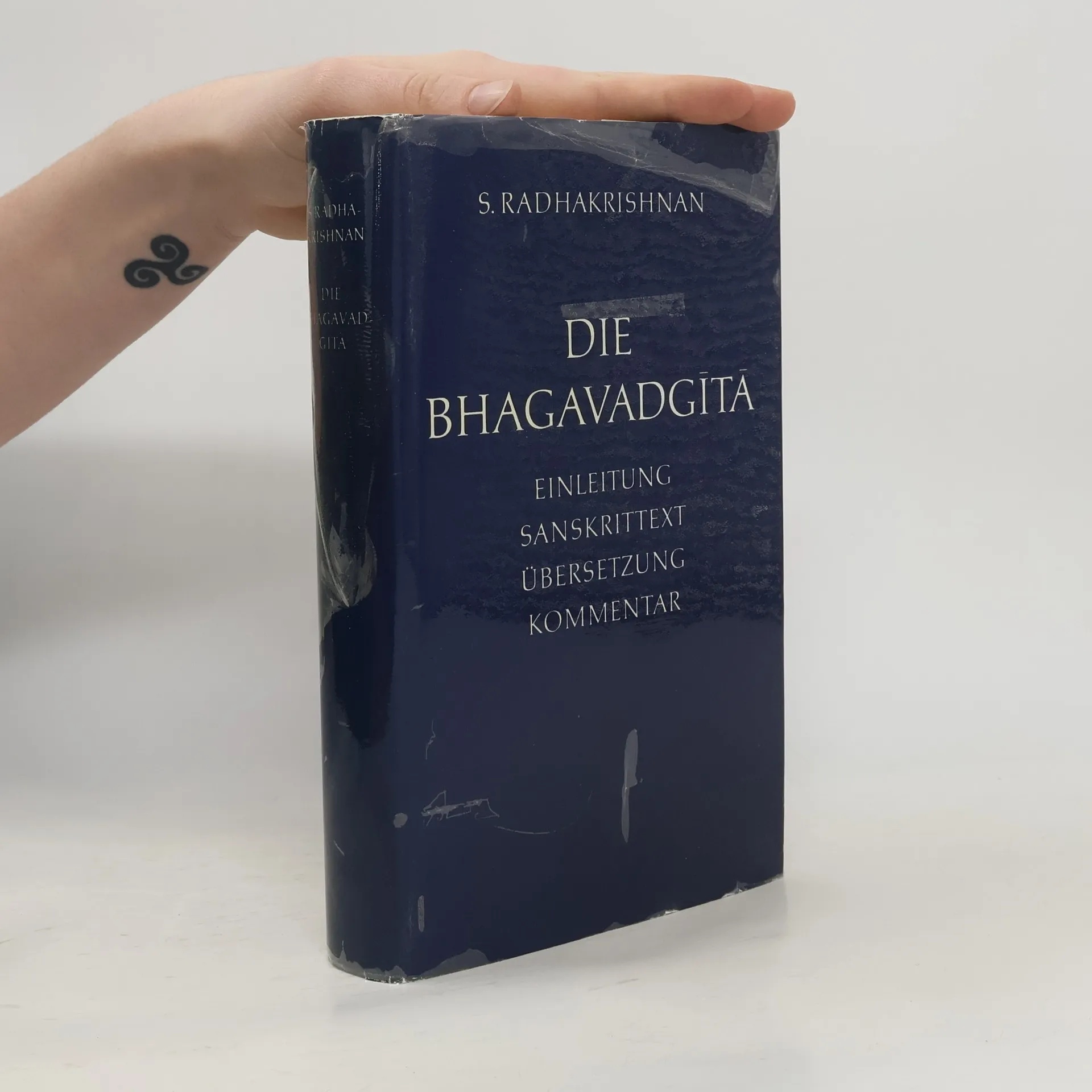
    Die Bhagavadgita
    The Principal Upanishads
    Eastern Religions and Western Thought
    Vendata for East and West 95
    The Philosophy of Rabindranath Tagore
    The Principal Upanishads
    • The Principal Upanishads

      • 958 páginas
      • 34 horas de lectura

      Believed to hold the secrets of unseen reality, The Upanishads are the most ancient of the Hindu texts. They hold the secrets of the divine and have inspired generations of devotees by their vision and inexhaustible spiritual powers. Now everyone, from serious scholars to spiritual seekers, can glimpse into the texts that have shaped a vital spiritual history.
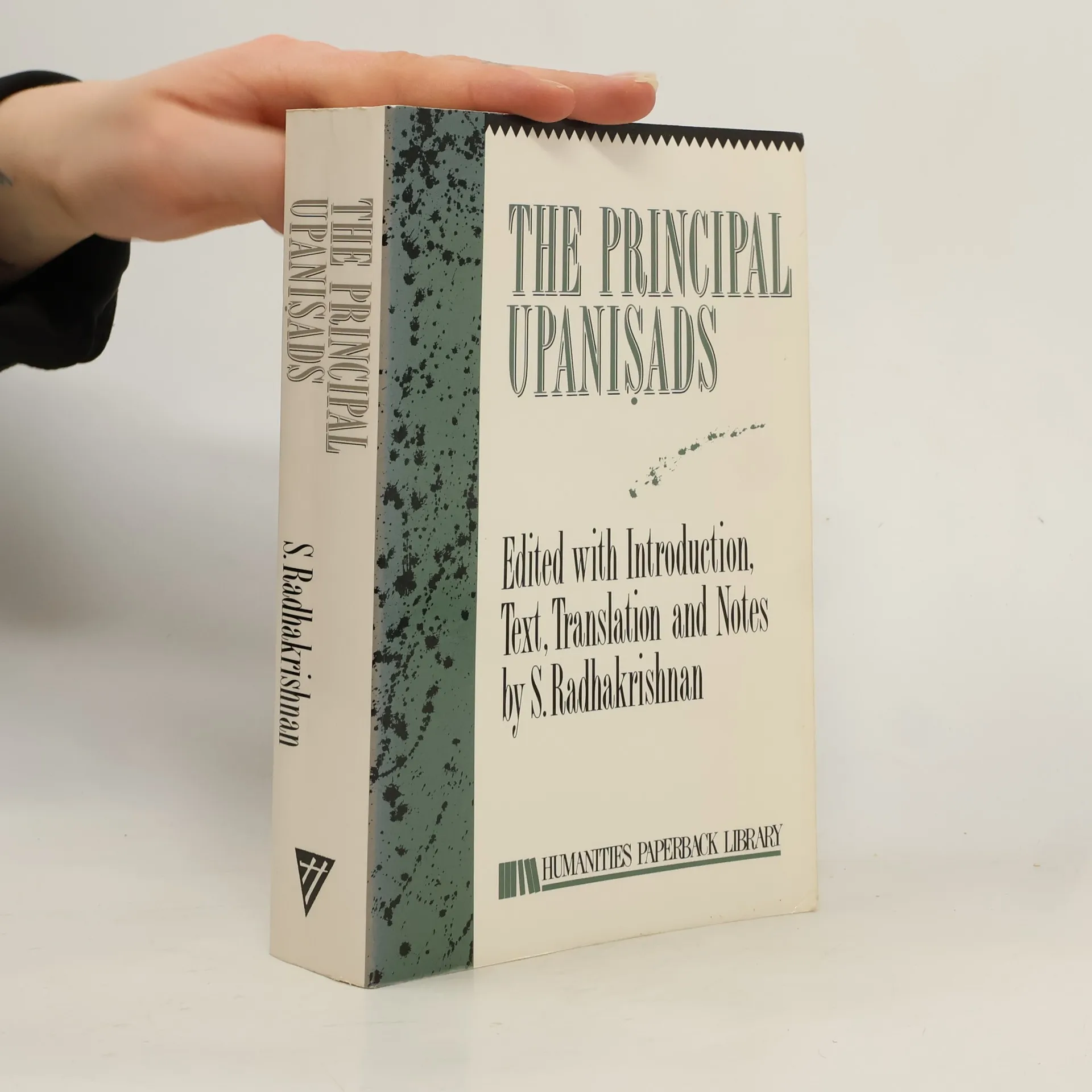
      The Principal Upanishads
    • The book offers a profound exploration of Rabindranath Tagore's philosophical teachings, emphasizing his belief in the spiritual forces that uplift humanity, especially during tumultuous times. Sarvepalli Radhakrishnan, an esteemed professor of comparative religion, delves into the interplay between Tagore's poetry and philosophy across five chapters. He highlights Tagore's significant contributions to Indian culture and his advocacy for the oppressed, reflecting on the enduring relevance of his ideas amidst the challenges of the modern world.

      The Philosophy of Rabindranath Tagore
    • This challenging and beautifully written book describes the leading ideas of Indian philosophy and religion. It traces the probable influence of Indian mysticism on Greek thought and Christian development, through Alexandrian Judaism, Christian Gnosticism, and Neo-Platonism. The author argues that Christianity, which arose out of an eastern background and became wedded to Graeco-Latin culture, will find rebirth in a renewed alliance with this Eastern heritage.

      Eastern Religions and Western Thought