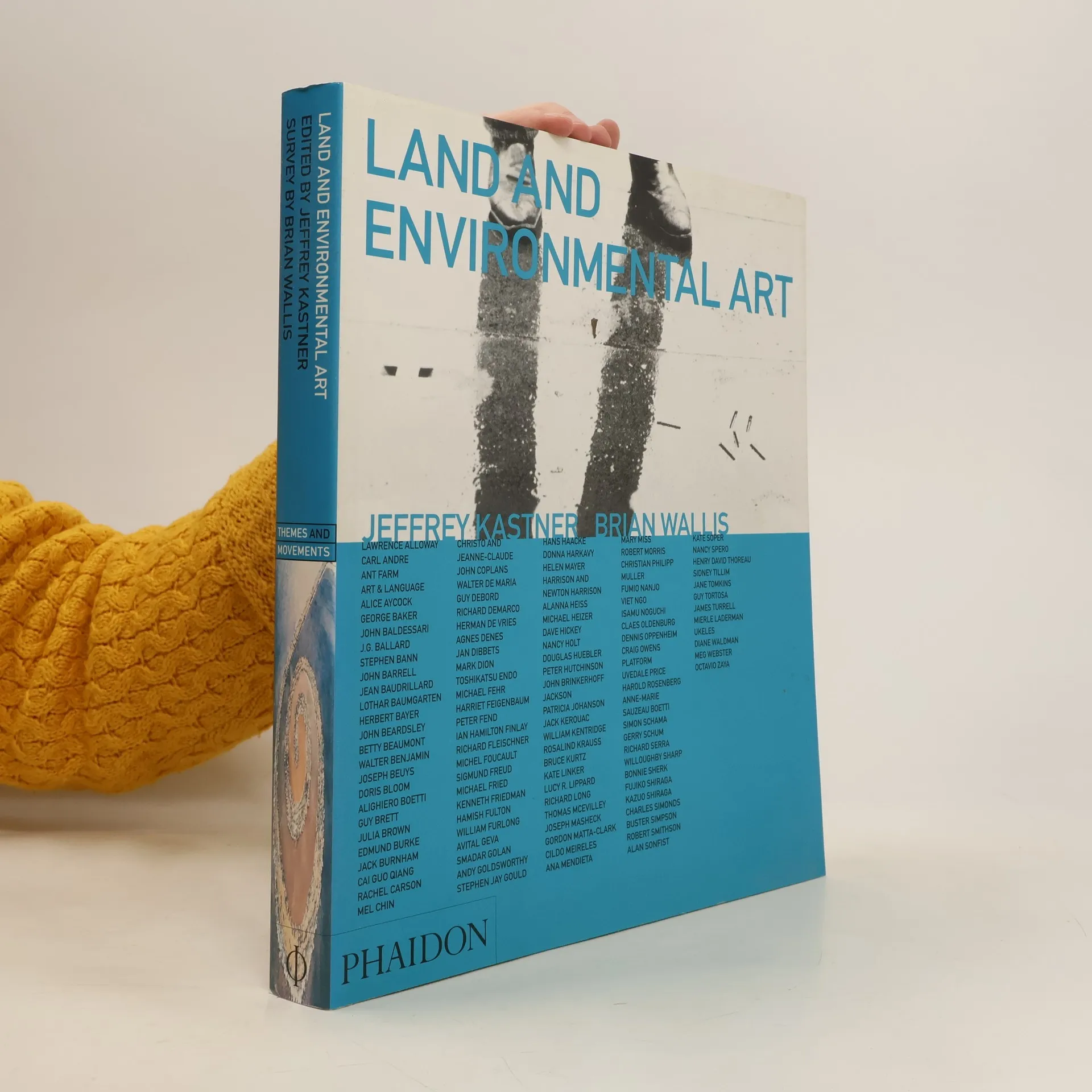
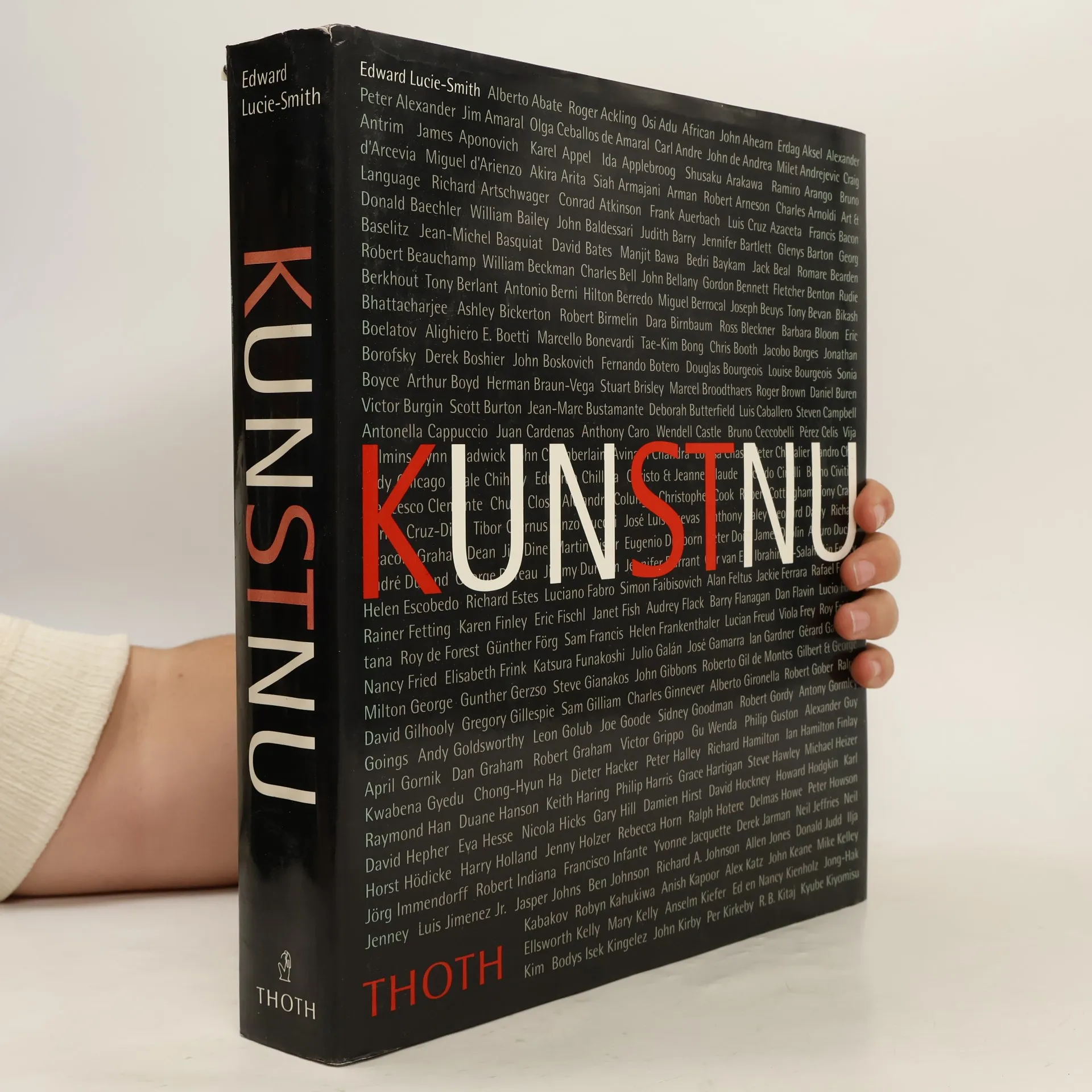
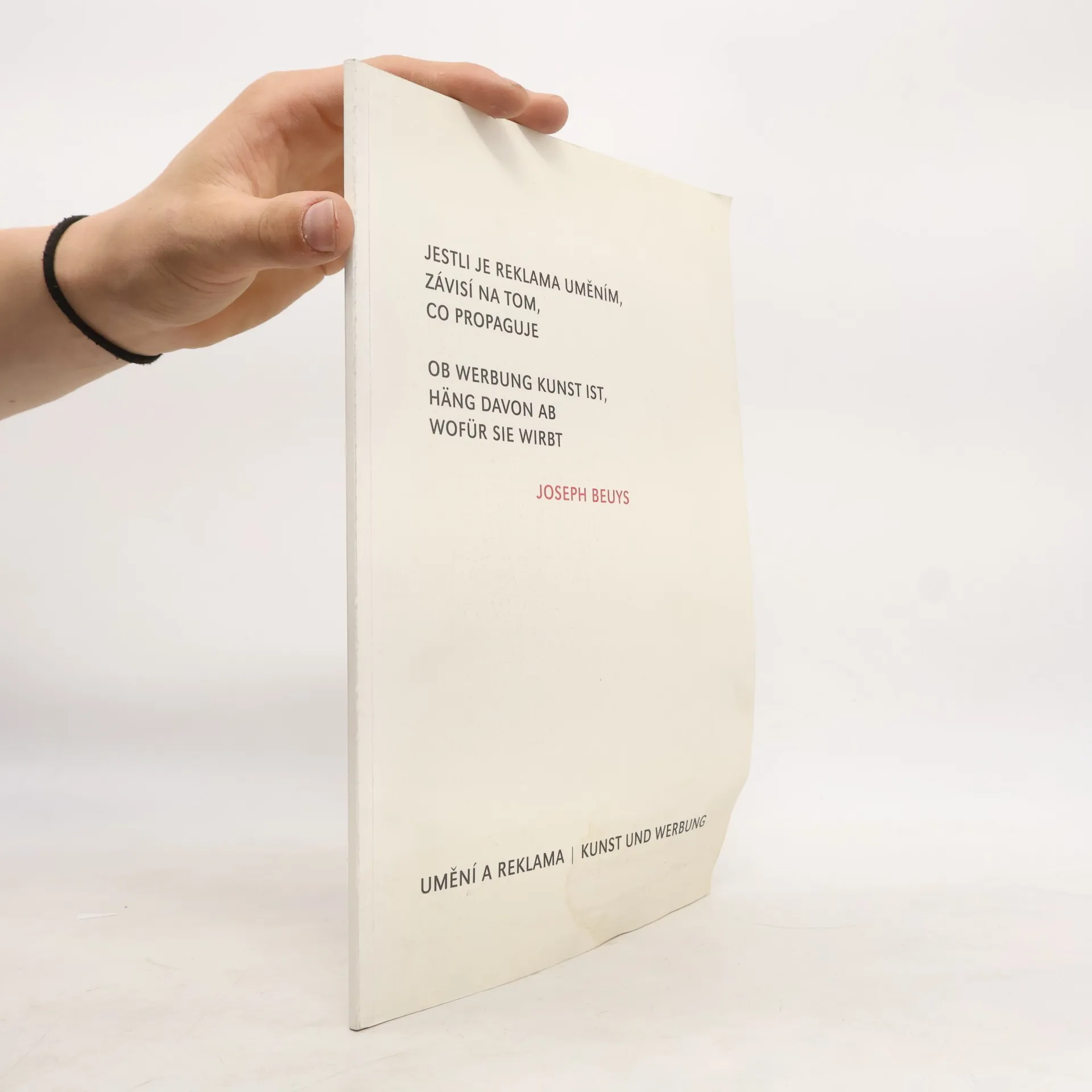
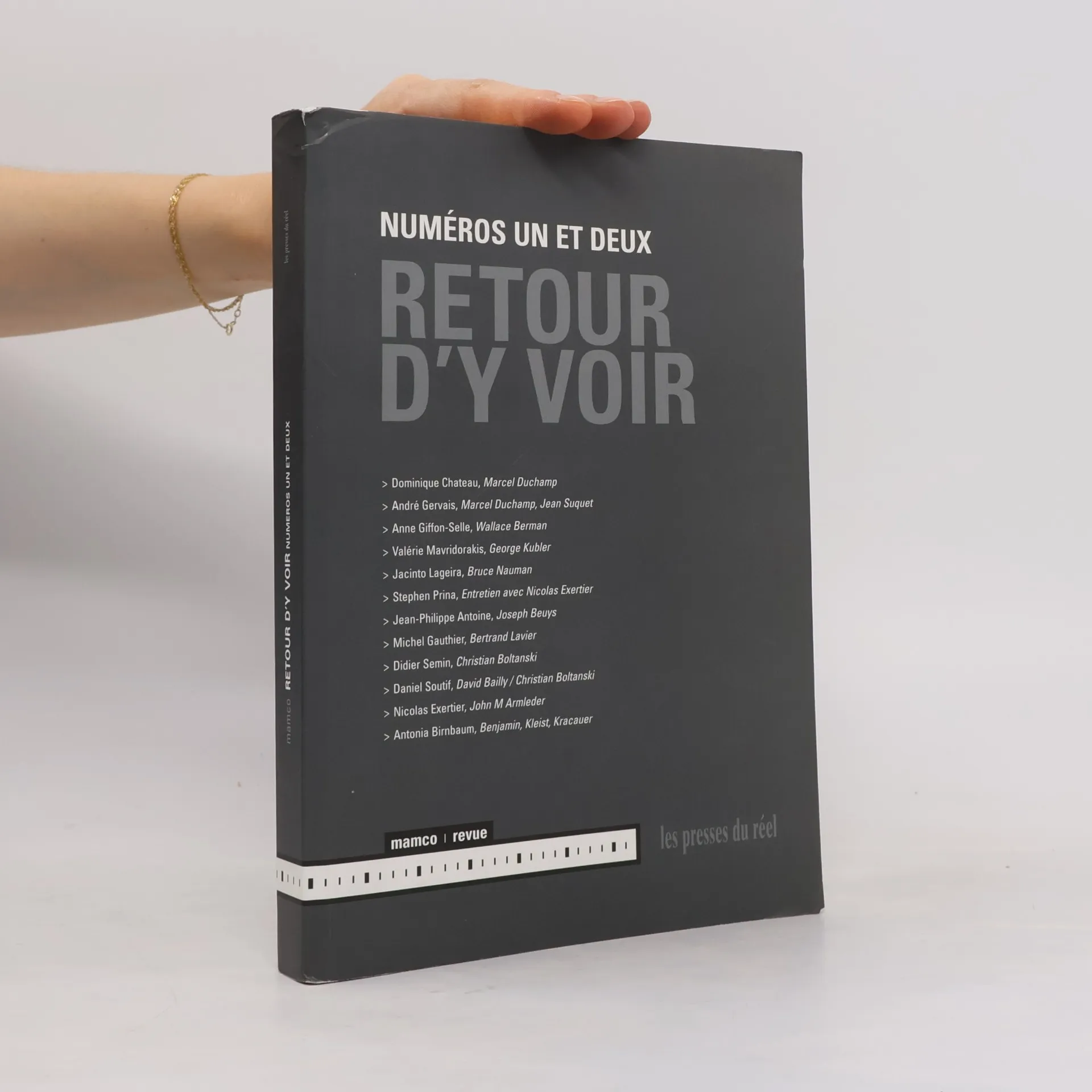
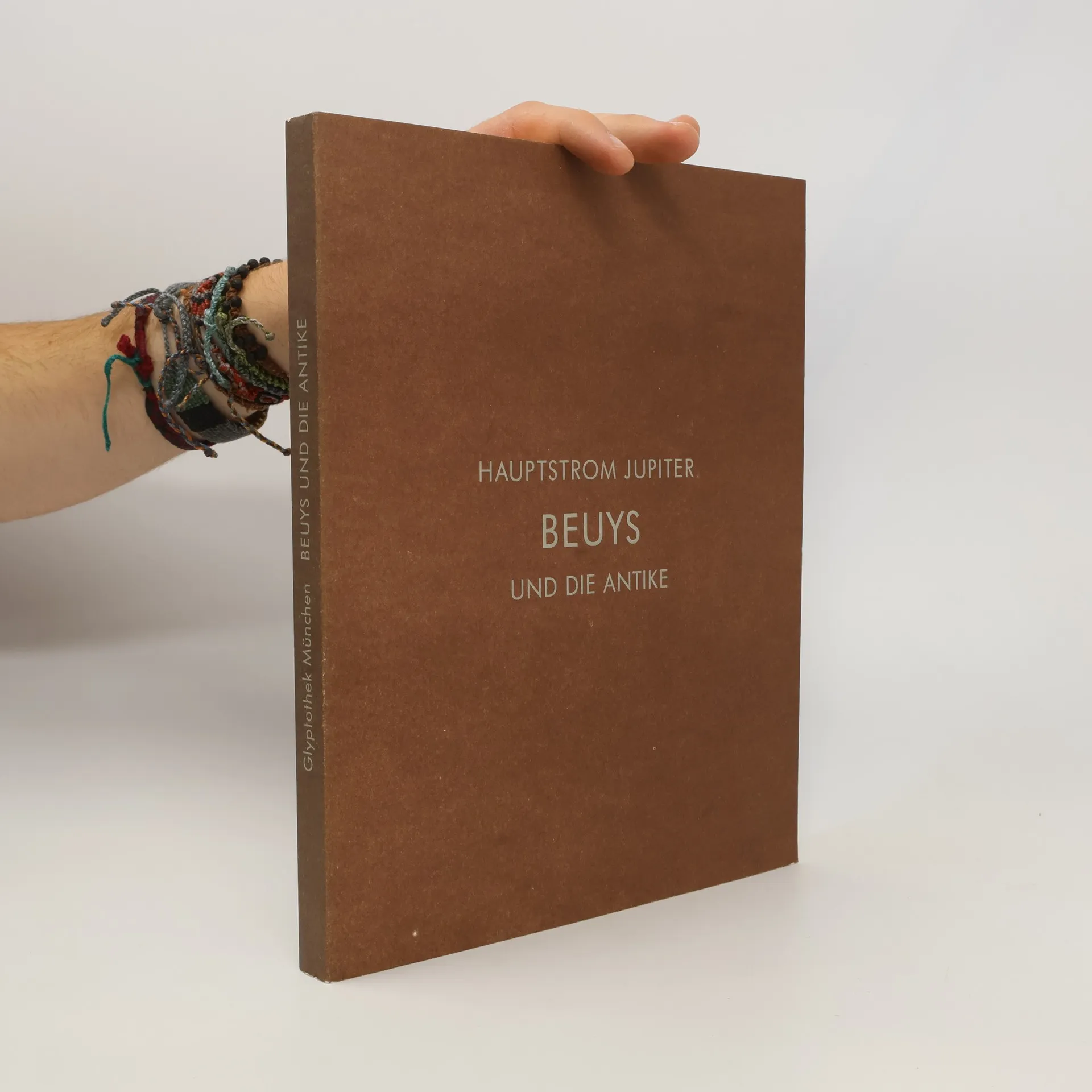
Tracing artists' increasing use of their bodies as subject and actual material of their artworks, this title charts the rise of new forms of expression such as Body Art, Happenings, Performance and Live Art.
Reflections on Mother Earth, Agriculture, and Nutrition
188 páginas
7 horas de lectura
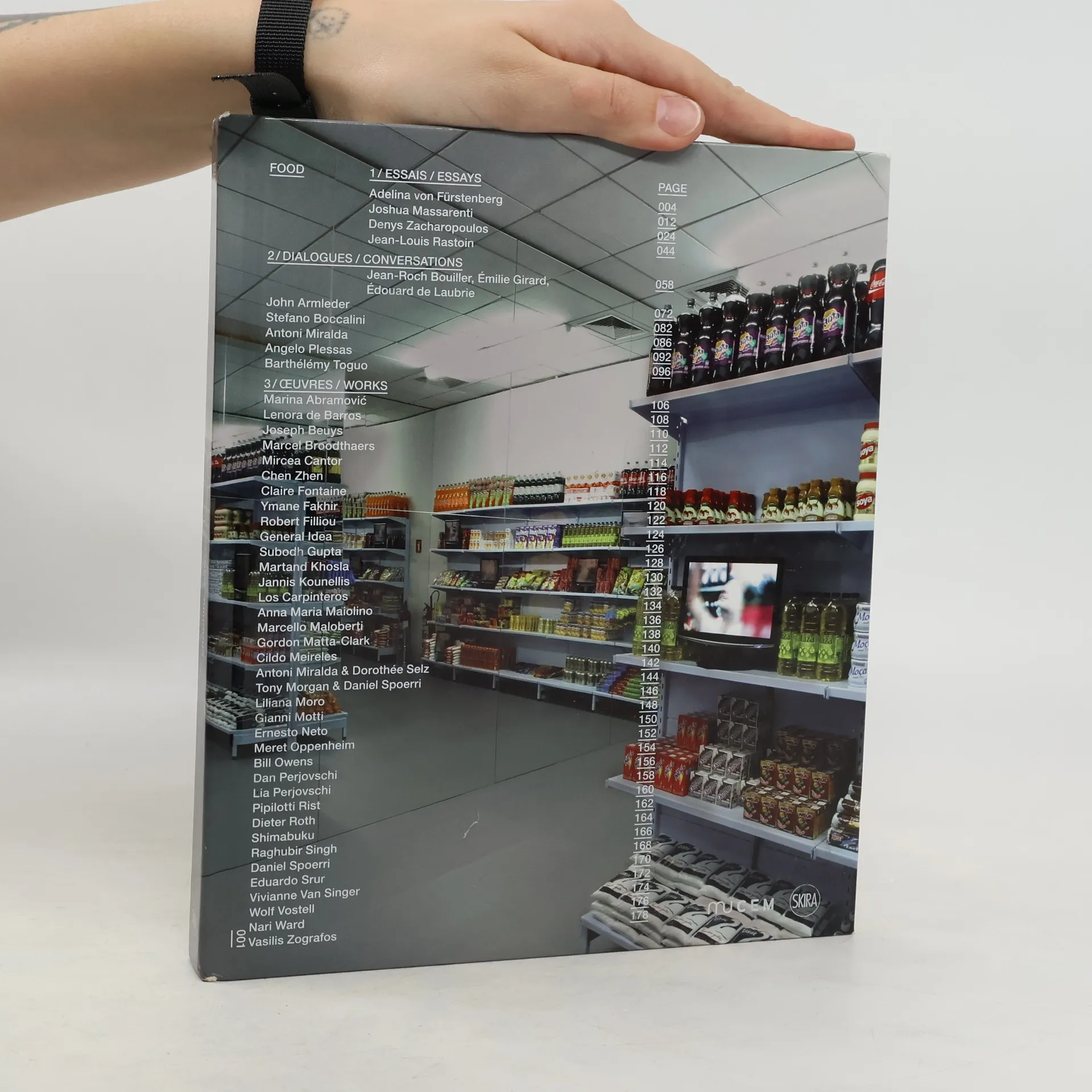
A selection of artworks by international artists dealing with the food theme and all its implications. This volume accompanies the international traveling exhibition FOOD, that focuses on the preservation of Earth and food choices, as well as the effects of climate change, the poisoning of agricultural products, the food distribution gap, famine, and other related concerns.
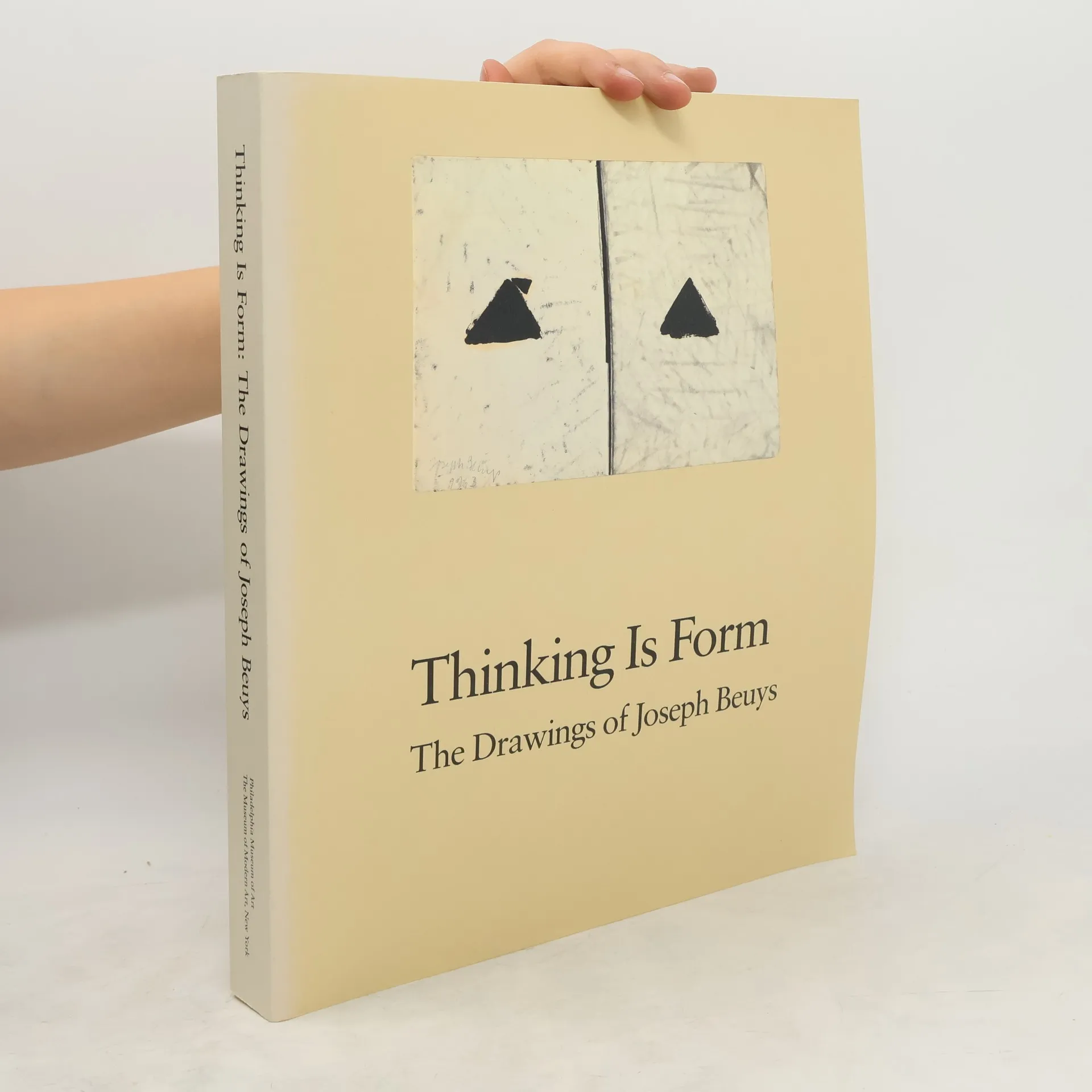
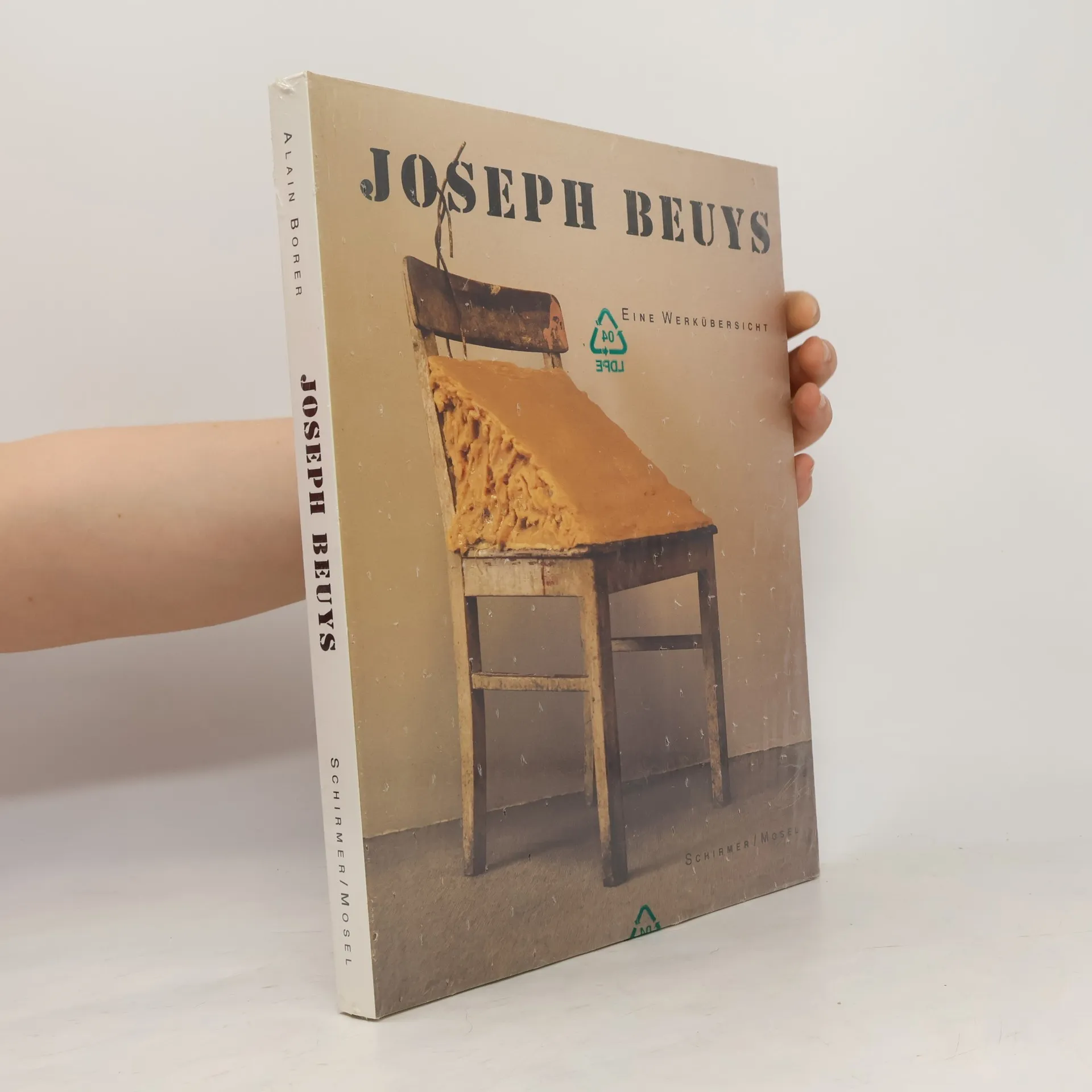
An attempt to break through the mass of obscurantist writing about Joseph Beuys to introduce him in a simple and clear manner, through his individual drawings, used here as the basis for discussions of his life, art and ideas.
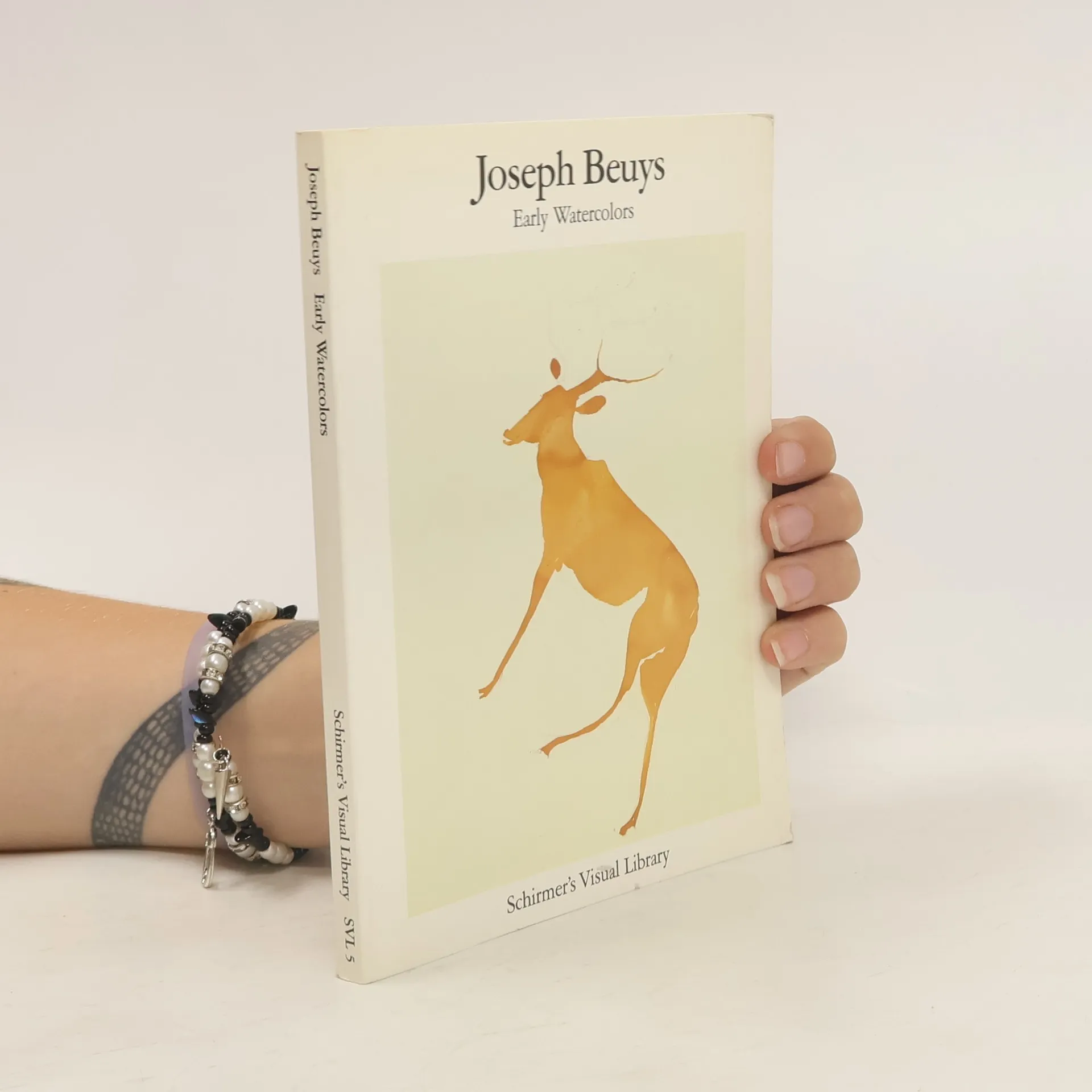
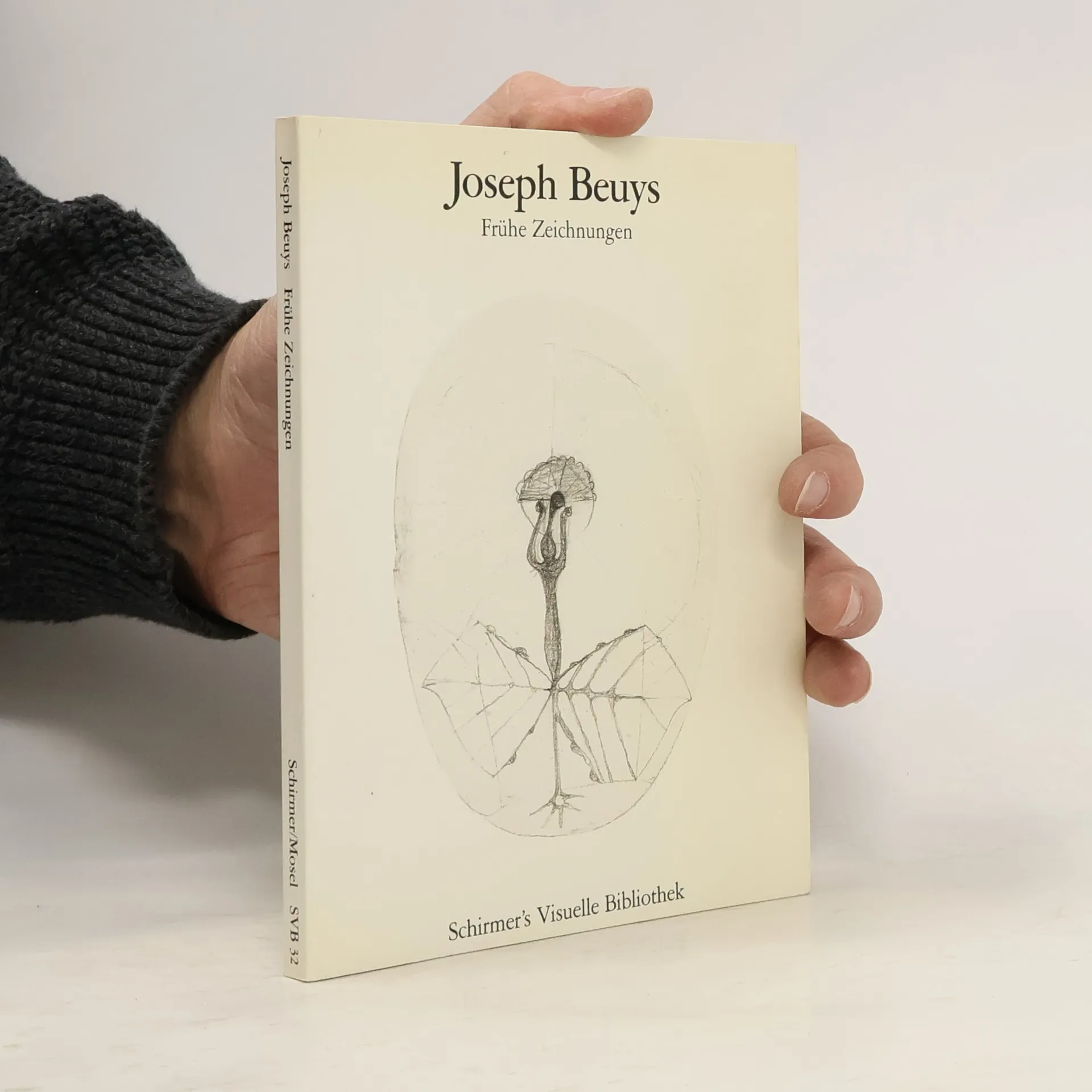
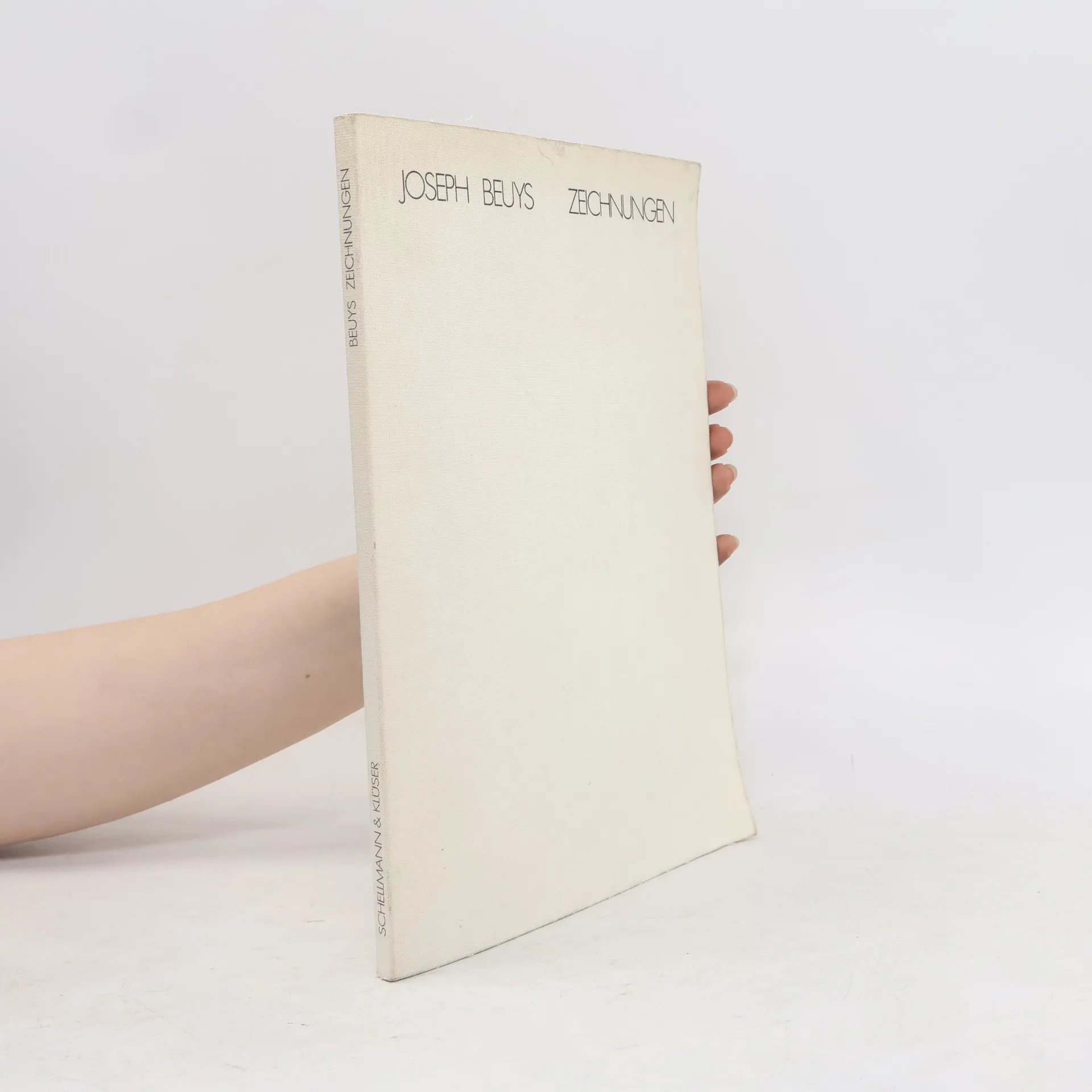
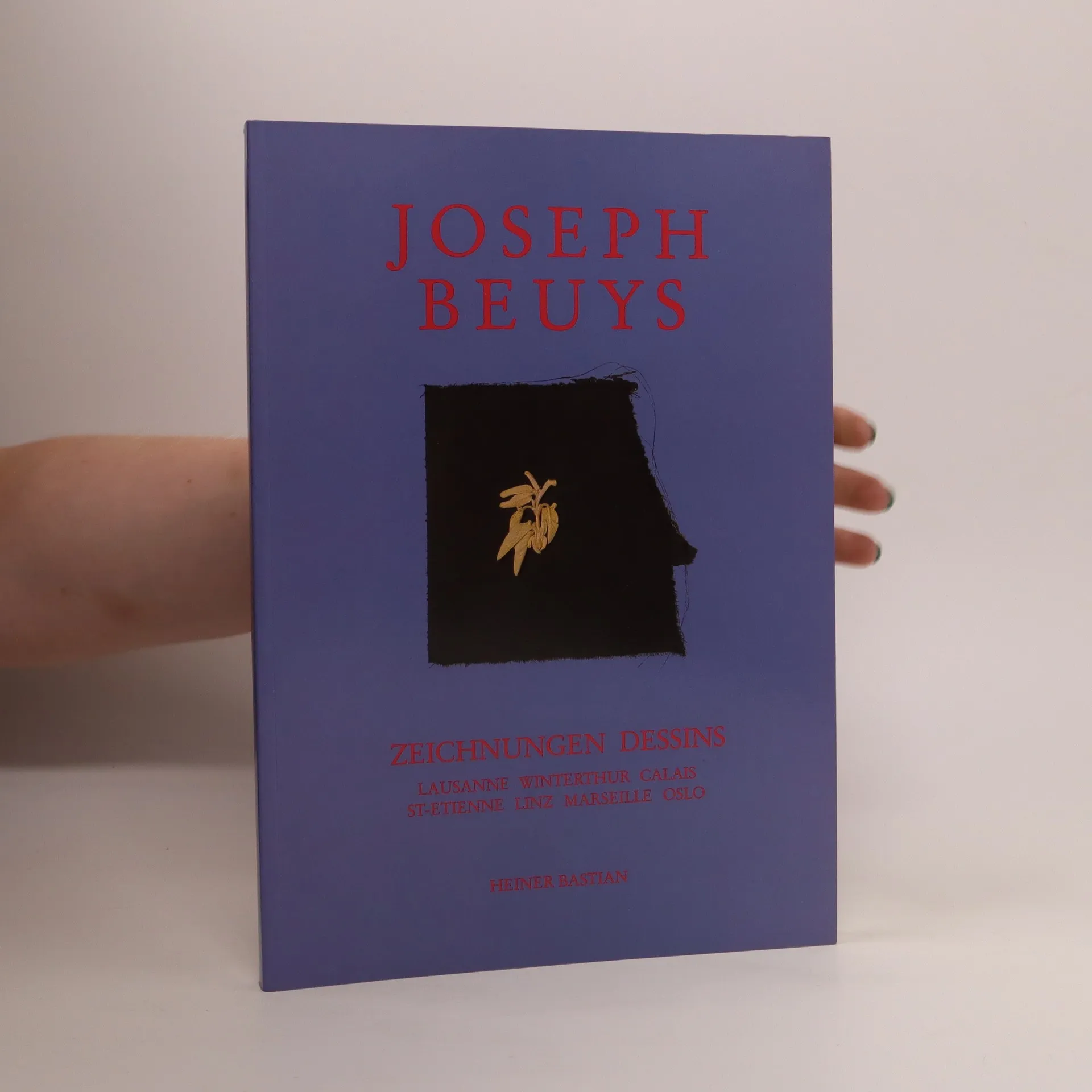
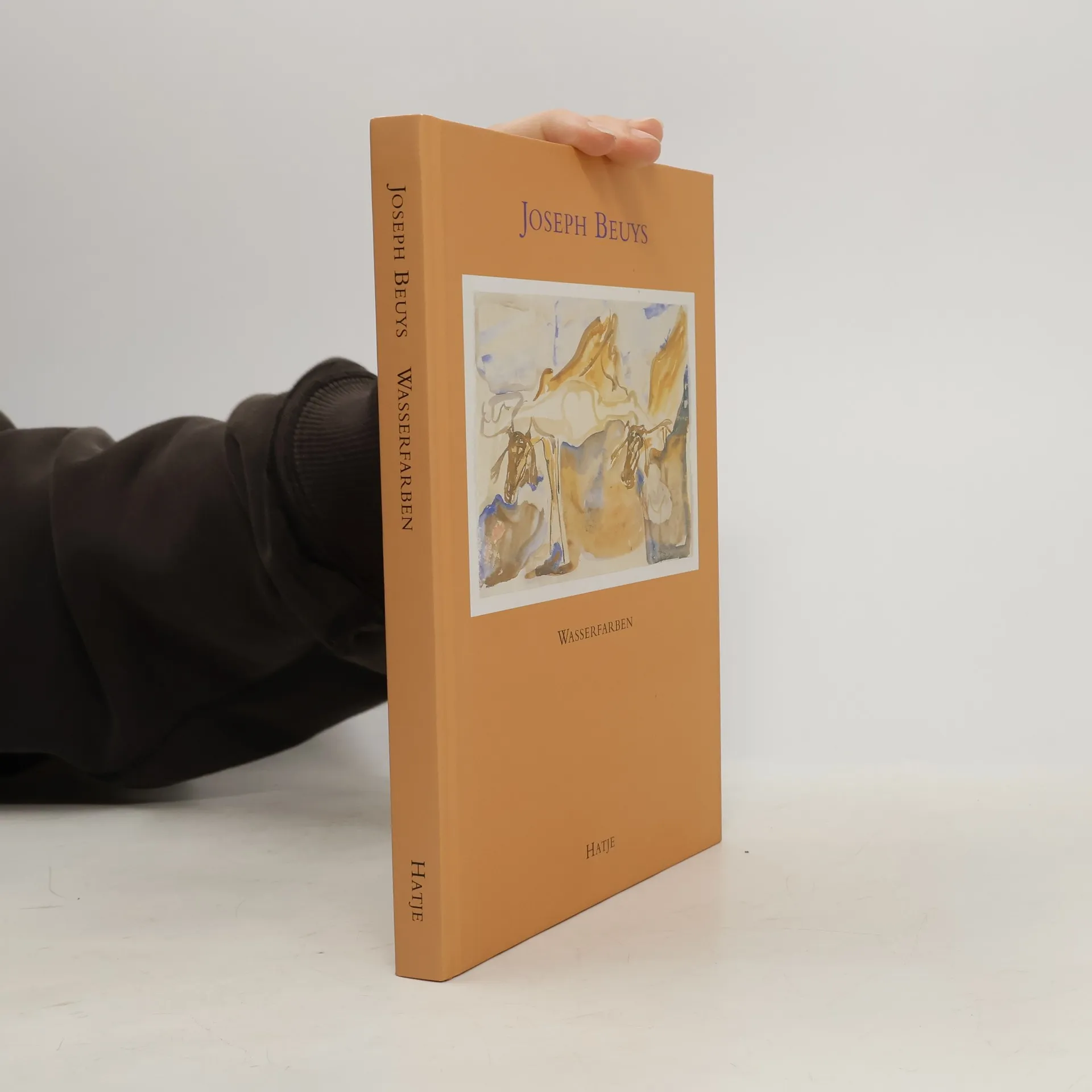
The early drawings and watercolors of Joseph Beuys are counted among the treasures of international public and private collections. They are works of the highest artistic sensitivity, their filigree aesthetics as impressive as their conceptual and emotional depth. For Beuys, working on paper had an existential character. Drawing and painting with watercolors was a form of exploring a spiritual world of images which provided him with the fundamental relationships and terms for his later work as a politically active artist. To illustrate the entire wealth of Beuys’ language of images, we have decided to combine two separately published volumes of watercolors (1989) and drawings (1992). Together they will provide a handy guide to Beuys’ complex œuvre for all future Beuys exhibitions.
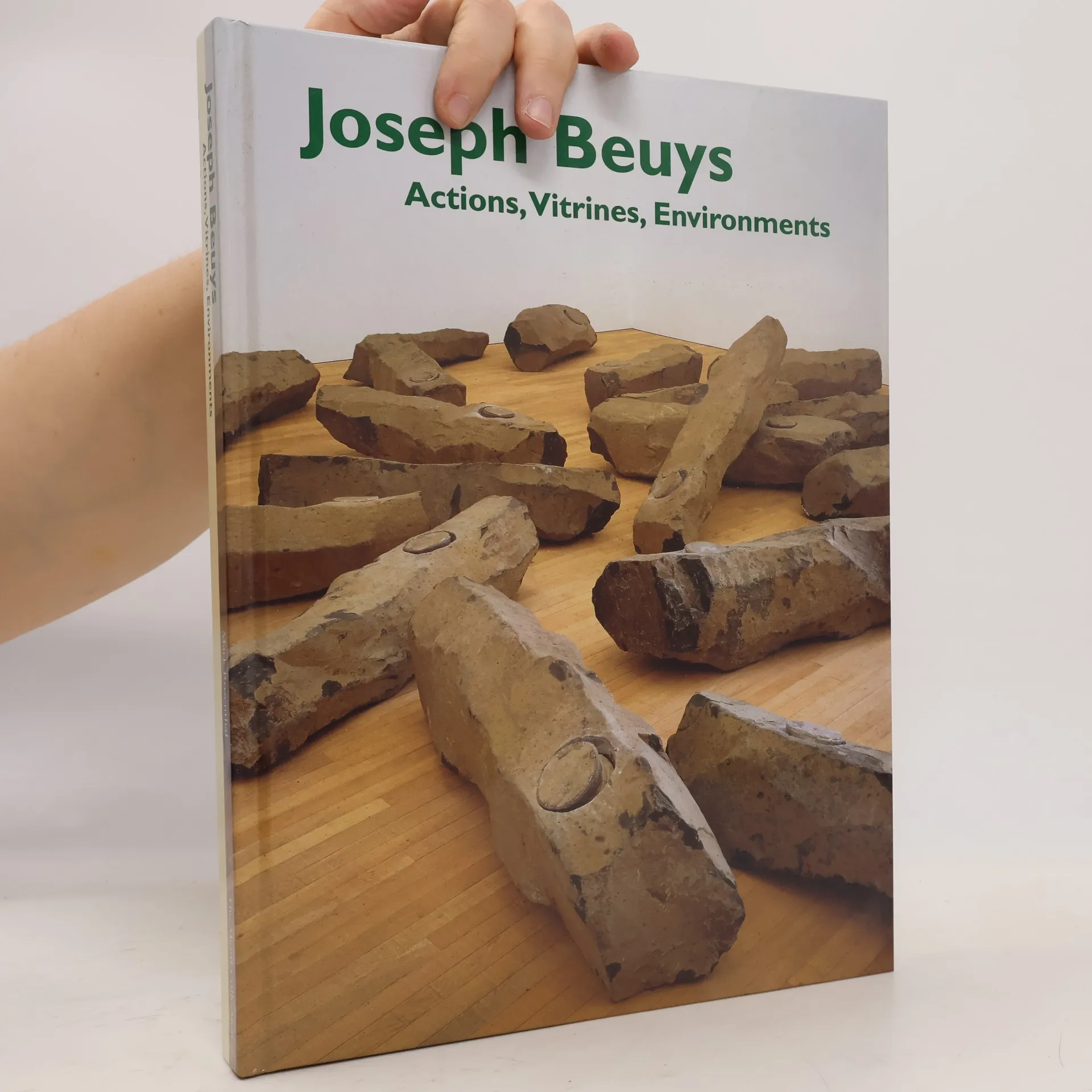
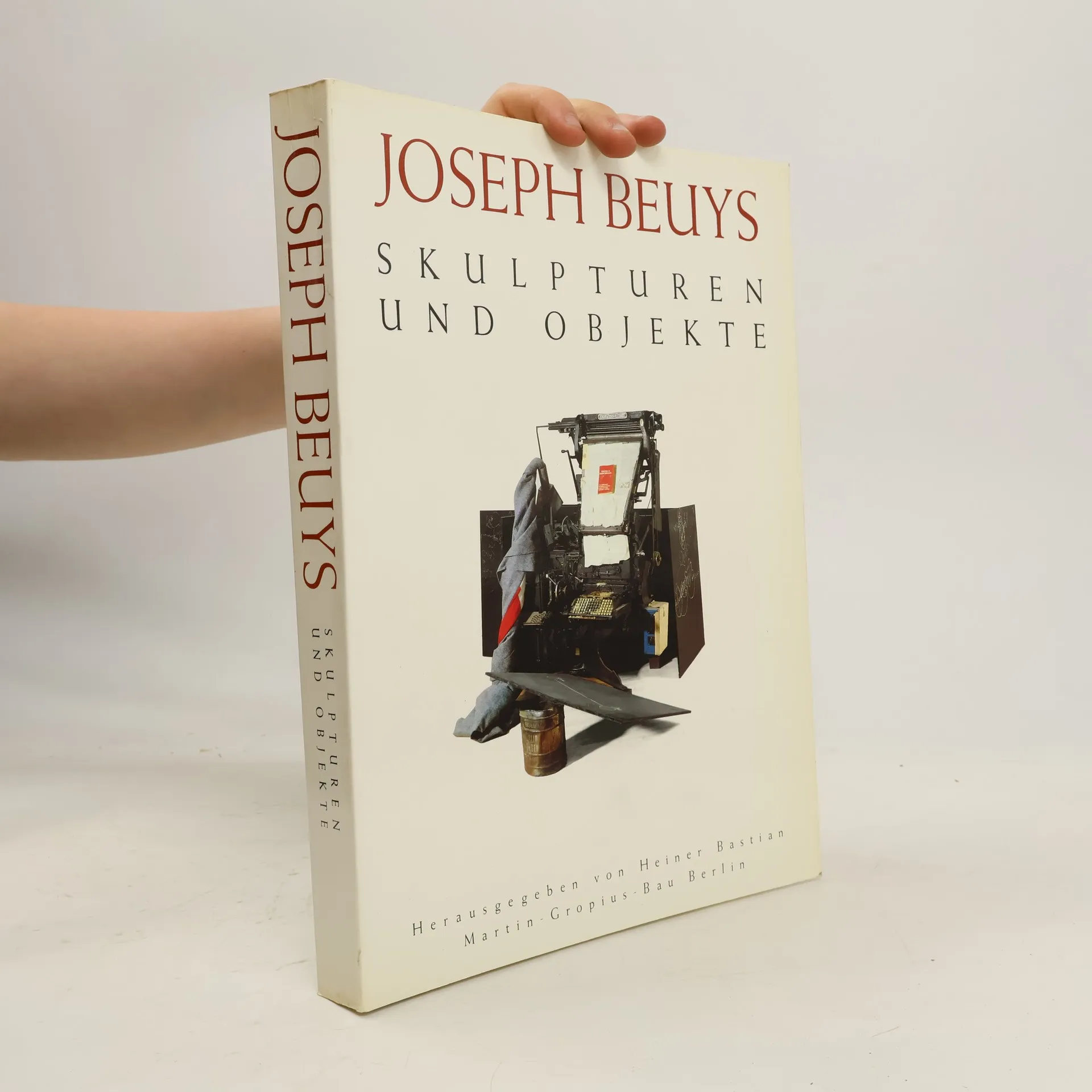
Featured objects include a selection of Beuys's remarkable vitrines, cousins of standard museum presentations, featuring both hand-made and found objects blackboards on which he jused in delivering lectures and performances; room-sized environments; and many other objects that served as physical documentation of Beuys's.
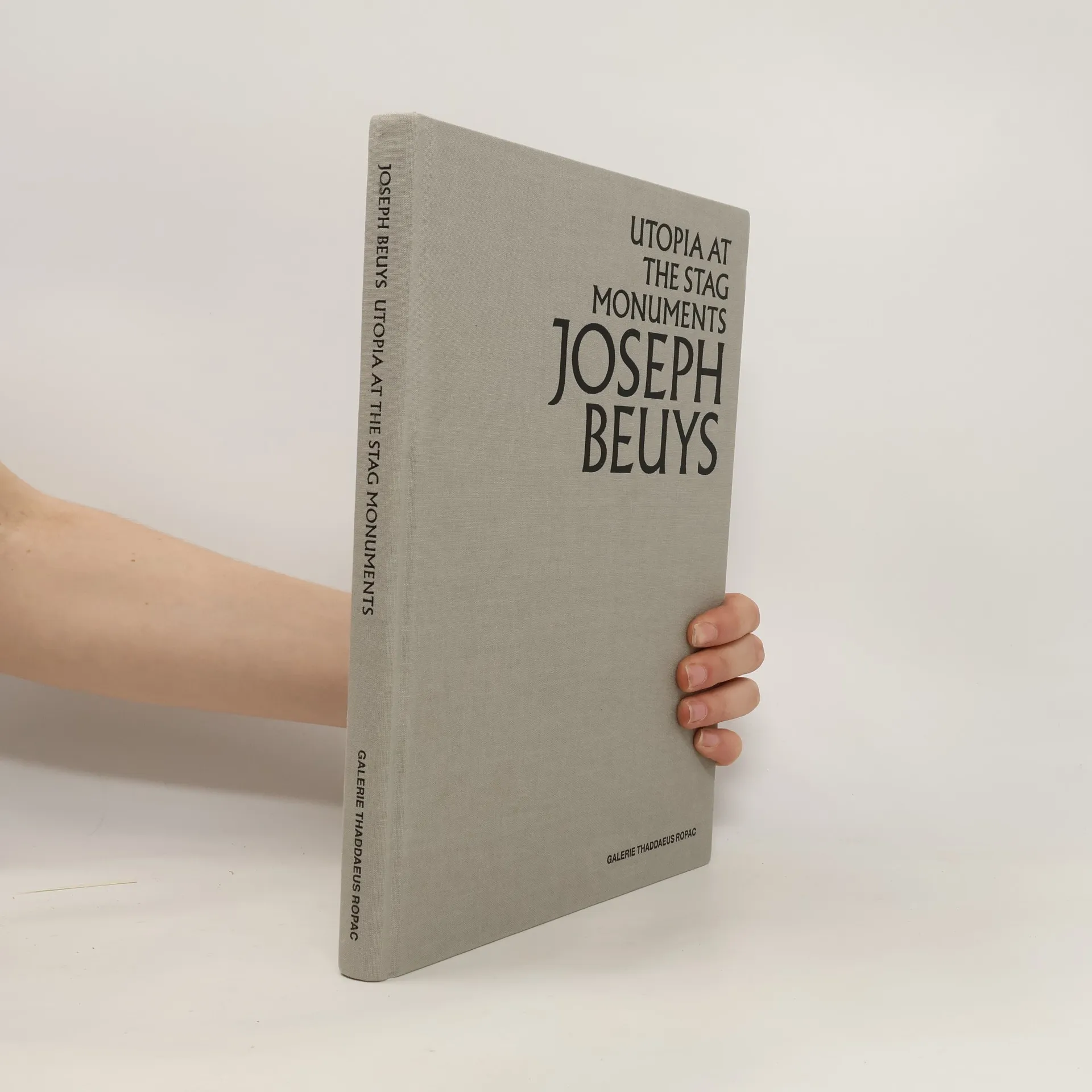
Accompanying the most important UK exhibition of Joseph Beuys' (1921-86) work in over a decade, this comprehensive publication traces the development of the artist's practice from his early, rarely seen works to his conceptual environments. At the heart of this exhibition stands Stag Monuments, exhibited whole for the first time since its creation.
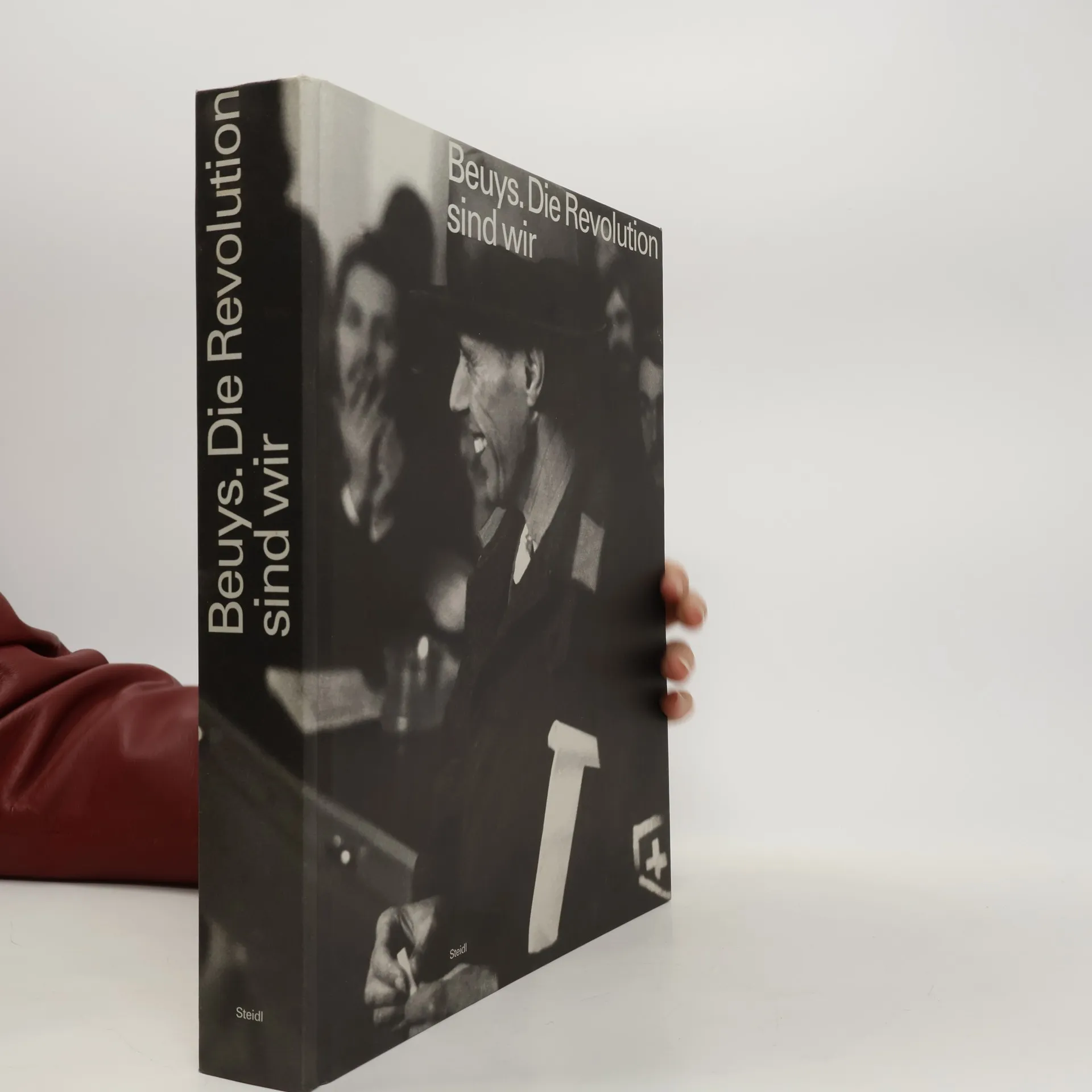
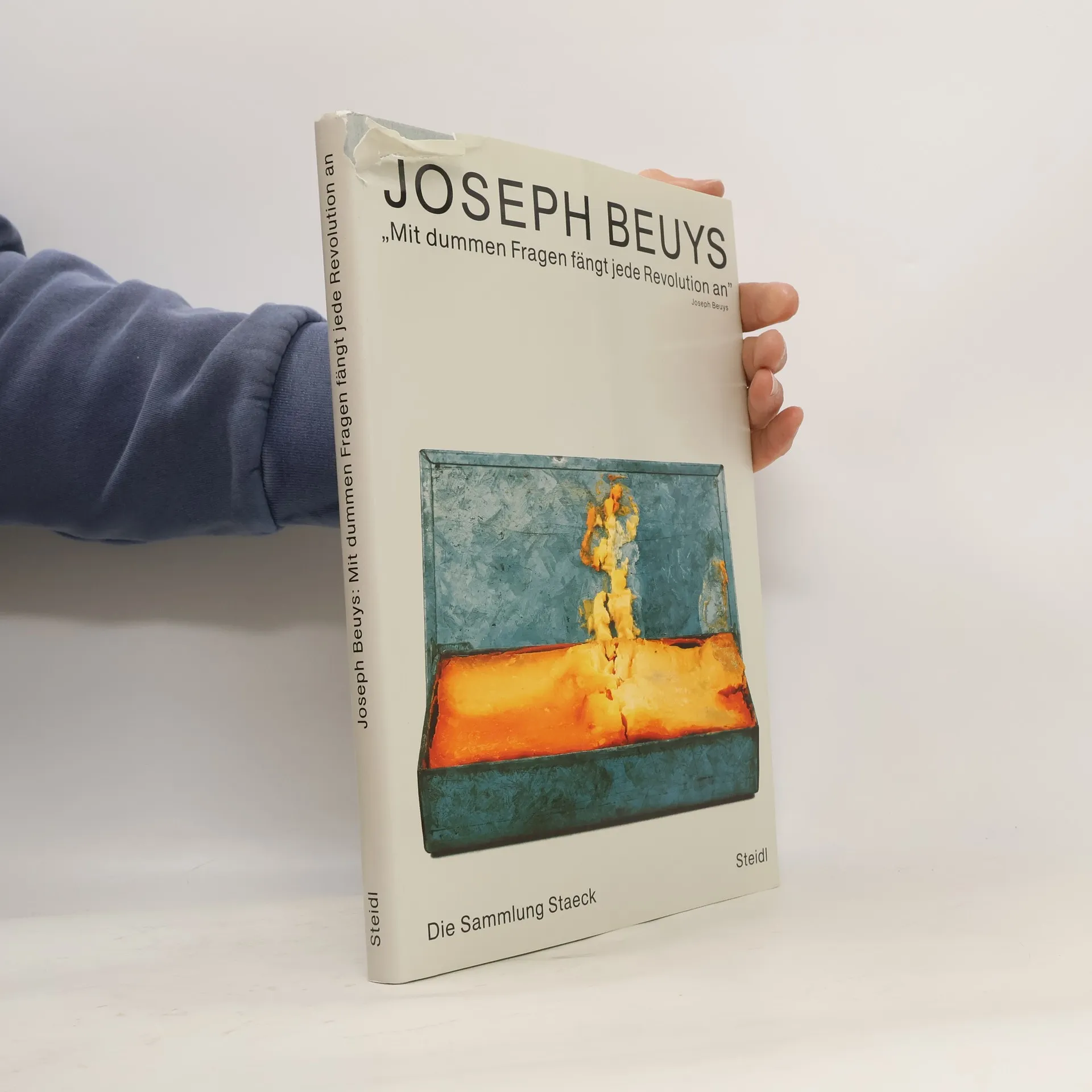
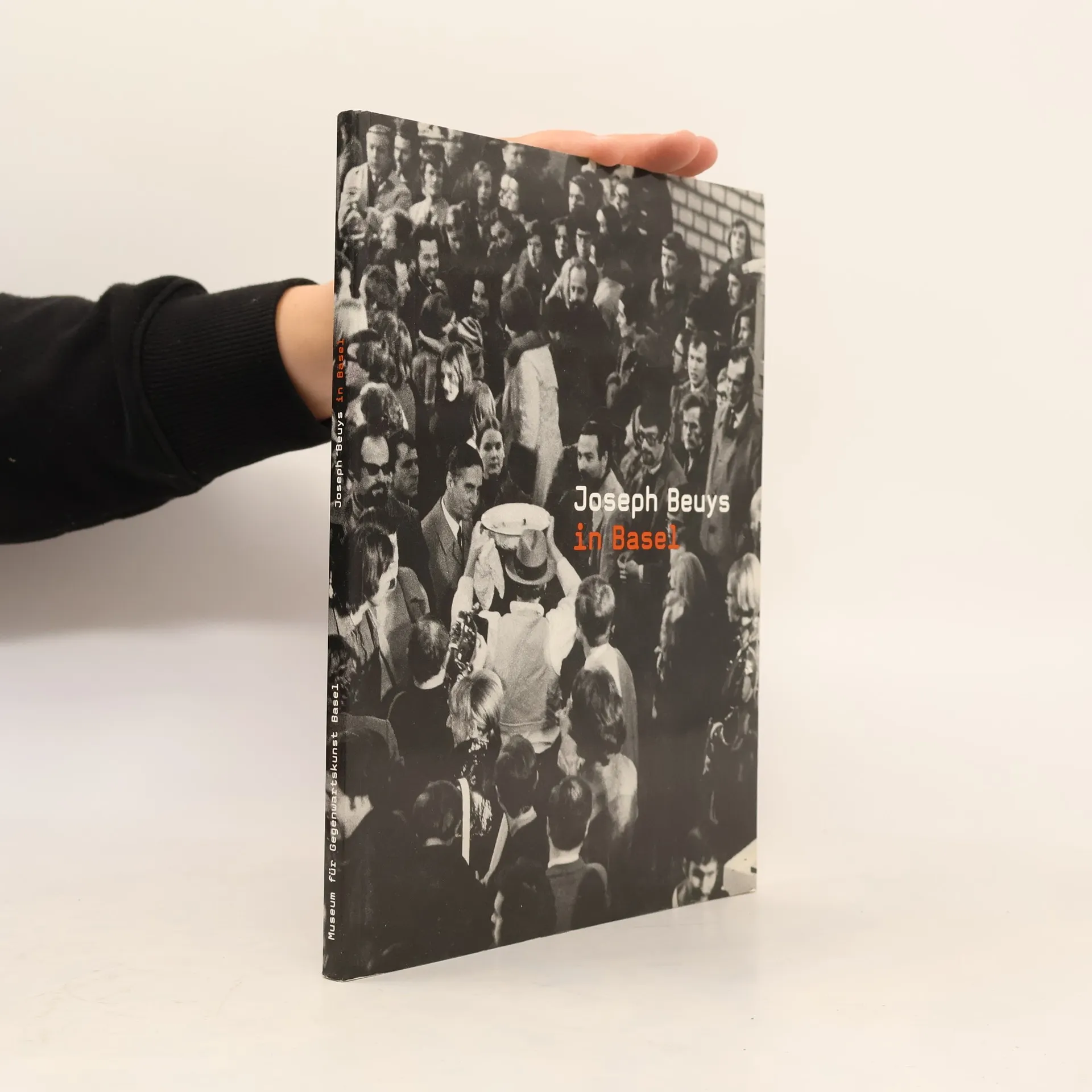
A reconceived edition of Steidl’s classic account of Beuys’ 1974 American tour On January 9 1974, Joseph Beuys (1921–86), together with Klaus Staeck and Gerhard Steidl, traveled for the first time to America. This trip was a carefully planned performance that took place in airplanes, taxis, hotels, universities and galleries, and was comprehensively documented in photographs and video. The tour began with a lecture at New York’s New School, visited by artists including Claes Oldenburg, Lil Picard and Al Hansen; the next stop was Chicago, the site of more controversial lectures and an unexpected performance reenacting the death of John Dillinger; then Minneapolis, with more conferences and discussions. Upon returning to Germany, the hundreds of photographs and many hours of videotape were assembled, but it was only in October 1985, shortly before his death, that Beuys finalized the sequence for the book. Originally published in 1987, this new Steidl edition has been wholly reconceived by Klaus Staeck and Gerhard Steidl.
Diagrams as drawing as Beuys’ Documenta workshop on expanding Europe On April 27 1973, Joseph Beuys (1921–86) founded the Free International University for Creativity and Interdisciplinary Research, a staunchly antiestablishment institution designed to help individuals realize their creative potential (regardless of their social, economic and educational backgrounds); and for that creativity―through art―to foster social progress. As part of the university, Beuys staged an ambitious series of 13 workshops over 100 days at Documenta 6 in 1977, including the Migrant Workshop, the Violence and Behavior Workshop, the Nuclear Energy and Alternatives Workshop, and―the subject of this book―the Periphery Workshop.At the heart of the Periphery Workshop were, in Beuys’ words, the themes of “peripheral regions Europe / enlarging the EEC / France-German axis / common strategies for the regions and the Mediterranean countries.” Visitors were invited to discuss and ask Beuys any question on these topics. Beuys filled dozens of blackboards with fascinating drawings, diagrams and thoughts―intricate artworks that form the basis of this book.
On January 9th, 1974, Joseph Beuys travelled to America for the very first time in his life. His trip was meticulously planned, with an art/performance scheduled in between each airplane, taxi and hotel, at prominent universities and galleries. Each venture in the New World was documented in these photographs. Single shots, sequences and photo-novels were produced, in addition to film stills and the movies Dillinger and The Dead Eyes of London . Beuys himself put together the layout for this book just before he died in October 1985. This unique travel report, which lay unpublished for over 20 years, is now presented in the exact format intended by Beuys.
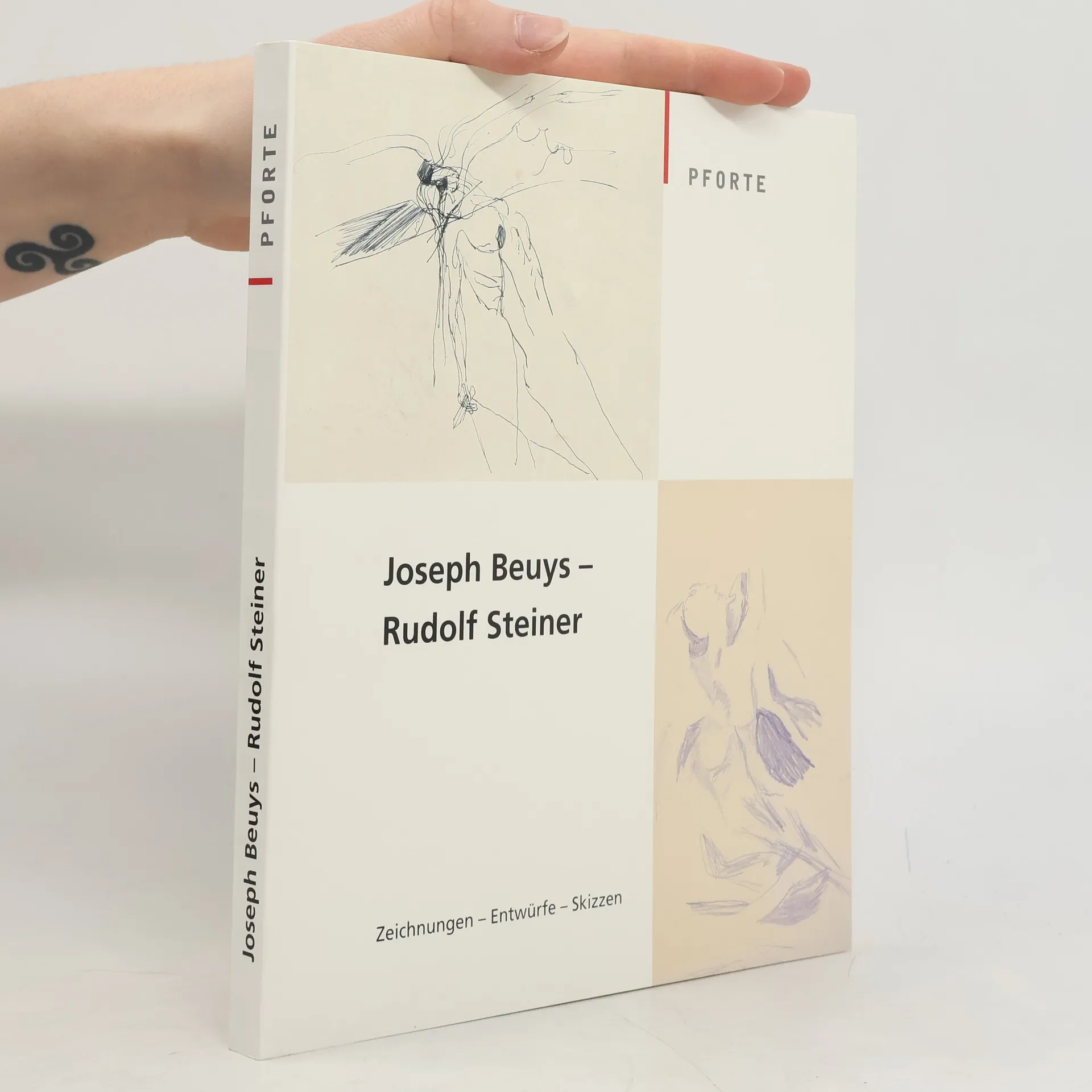
Die in diesem Buch dokumentierte Ausstellung des Rudolf Steiner Archivs in Kooperation mit dem Goetheanum im Haus Duldeck in Dornach (3. Mai bis 3. August 2007) stellt erstmals Zeichnungen und Skizzen beider Künstler zusammen und vermittelt durch diese spannungsvolle Gegenüberstellung eine neue Wahrnehmung ihrer einander ergänzenden künstlerischen Grundgesten.
"Joseph Beuys, der die Möglichkeiten der Gegenwartskunst wie kein anderer beeinflußt, arbeitet heute an einer >>unsichtbaren Plastik<<, deren Mittelpunkt der Mensch in einer >>neuen Gesellschaft<< ist. >>Überwindung der Parteiendiktatur, direkte Demokratie mit freier Volksabstimmung, Förderung der kreativen Fähigkeiten jedes einzelnen Menschen<<: einhundert Tage lang spricht und diskutiert Beuys auf der documenta 5 über diese Fragen und sammelt Erfahrungen zur Verwirklichung seiner Theorien. Diese Buch ist ein erstes Dokument diese neuen Arbeit."--Back cover
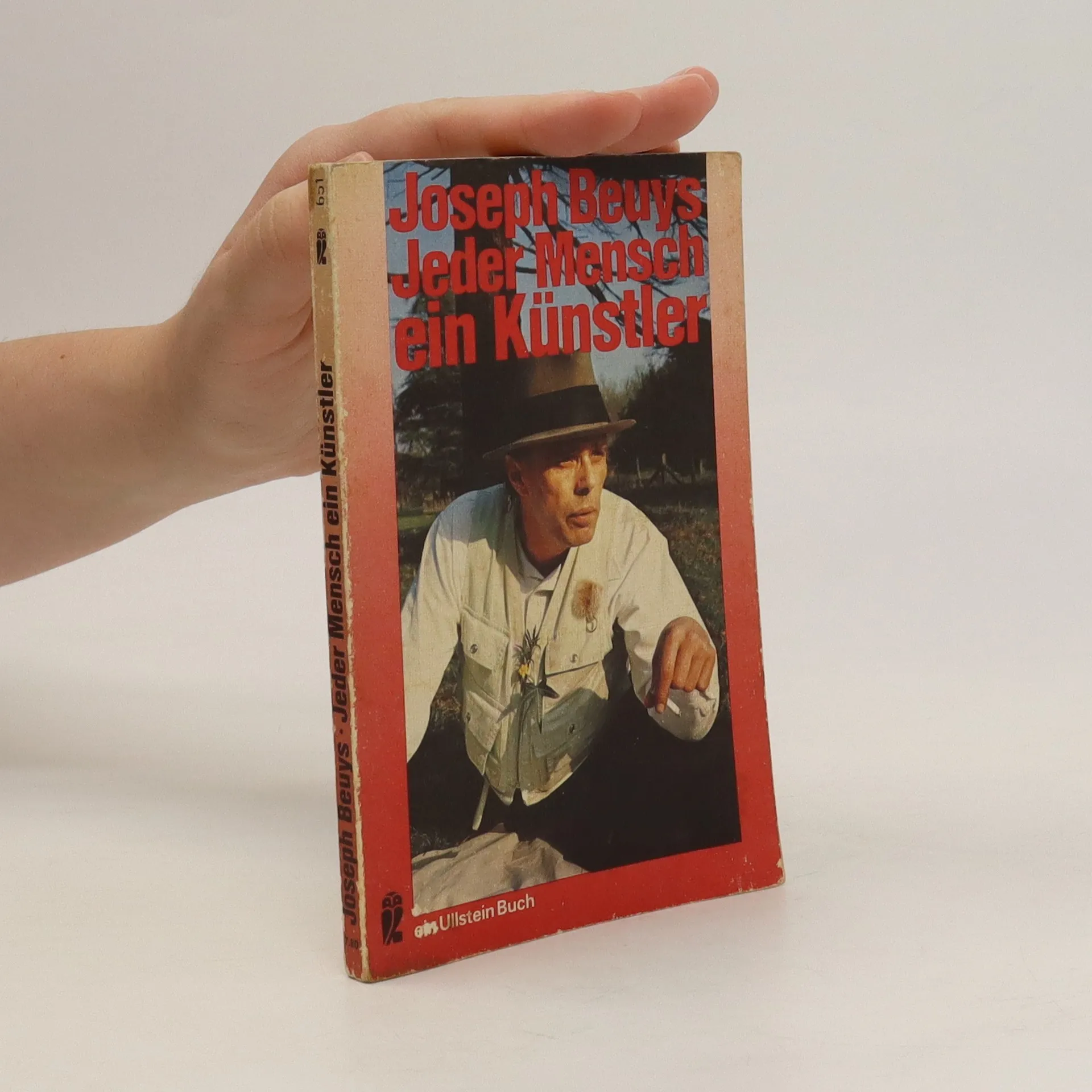
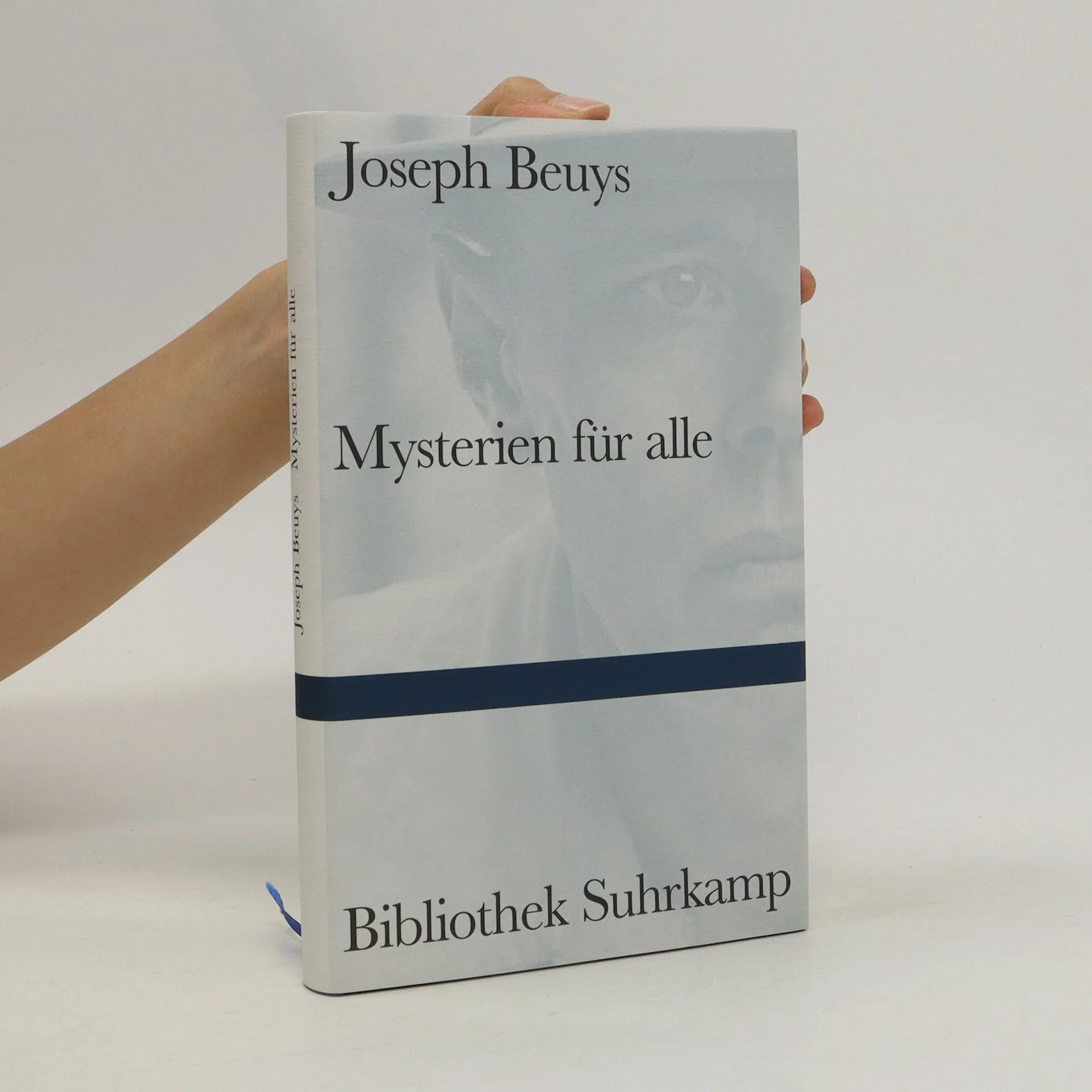
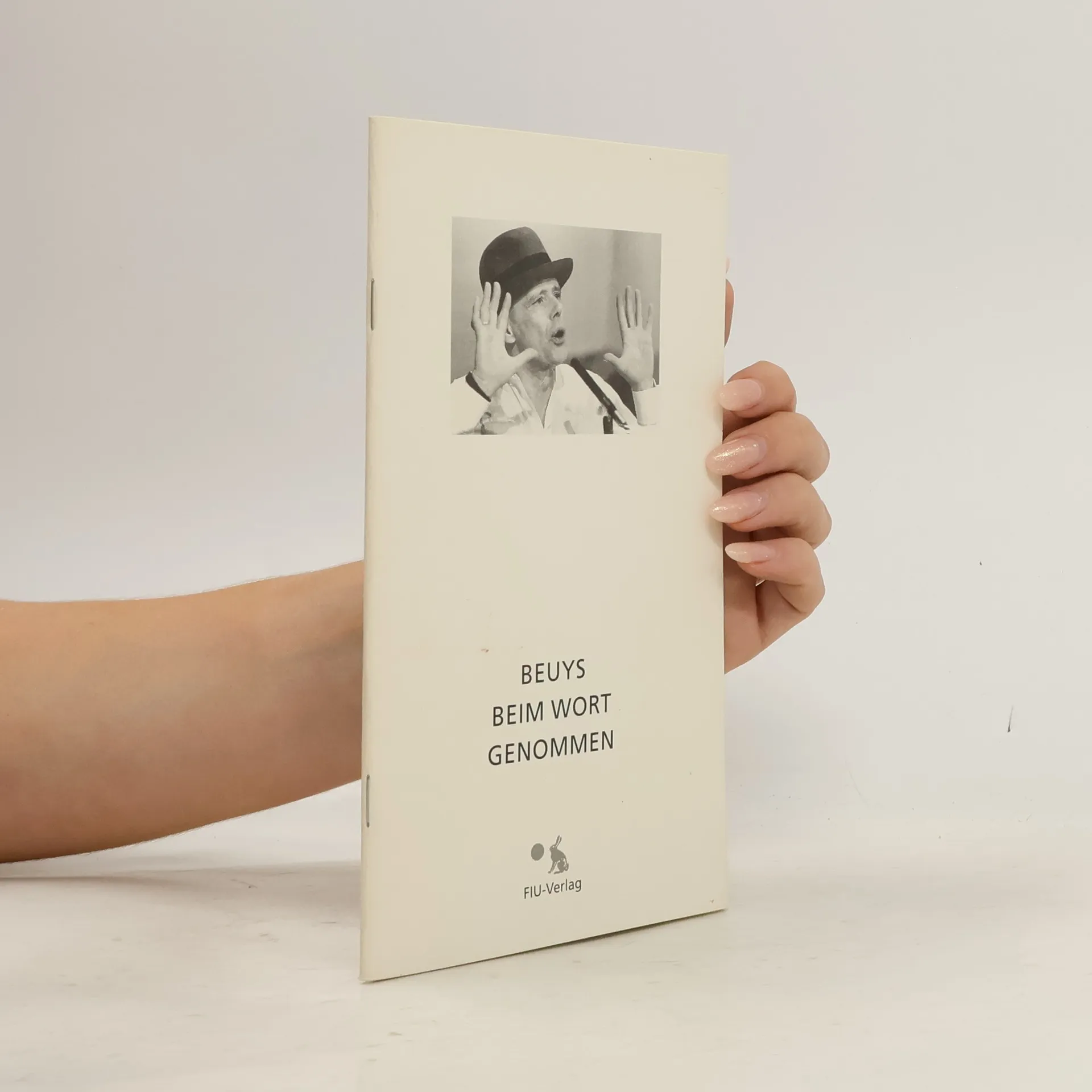
Das heftig diskutierte Werk Joseph Beuys? ist eines der einflussreichsten des 20. Jahrhunderts. Sein schöpferischer Reichtum umfasst bildnerische, philosophische und politische Aspekte. Die Aufzeichnungen, Gespräche und Vorträge von Joseph Beuys gehören zu seinem Werk wie seine Zeichnungen, Installationen und Aktionen. Sein bildnerisches Werk konfrontiert mit Rätseln, die nach dem Menschen fragen. Durch deren Aufschlüsseln sucht er ein Denken zu provozieren, das in Intuition umschlägt. Sie setzt kreative Kräfte frei, eine innere Freiheit, durch die der Einzelne auf eine Transformation der Gesellschaft einwirken kann: 'Die einzig revolutionäre Kraft ist die Kraft der menschlichen Kreativität.' Diese Transformation ist die Aufgabe, die Beuys mit dem erweiterten Kunstbegriff gestellt hat.0Mit Aufzeichnungen von 1961, als Beuys Professor an der Kunstakademie wird, beginnt die Chronologie dieser Sammlung. Sie setzt sich fort mit Gesprächen, die durch die politischen Auseinandersetzungen der sechziger und siebziger Jahre führen und Antworten auf seine Arbeiten geben. Mit Beuys' Spürsinn, sich auf sein Gegenüber einzulassen, werden die Gespräche Aktion und bewahren durch ihre Lebendigkeit und Provokation ihre Gegenwart. Der Band erscheint anlässlich des 100. Geburtstags von Joseph Beuys am 12. Mai 2021.
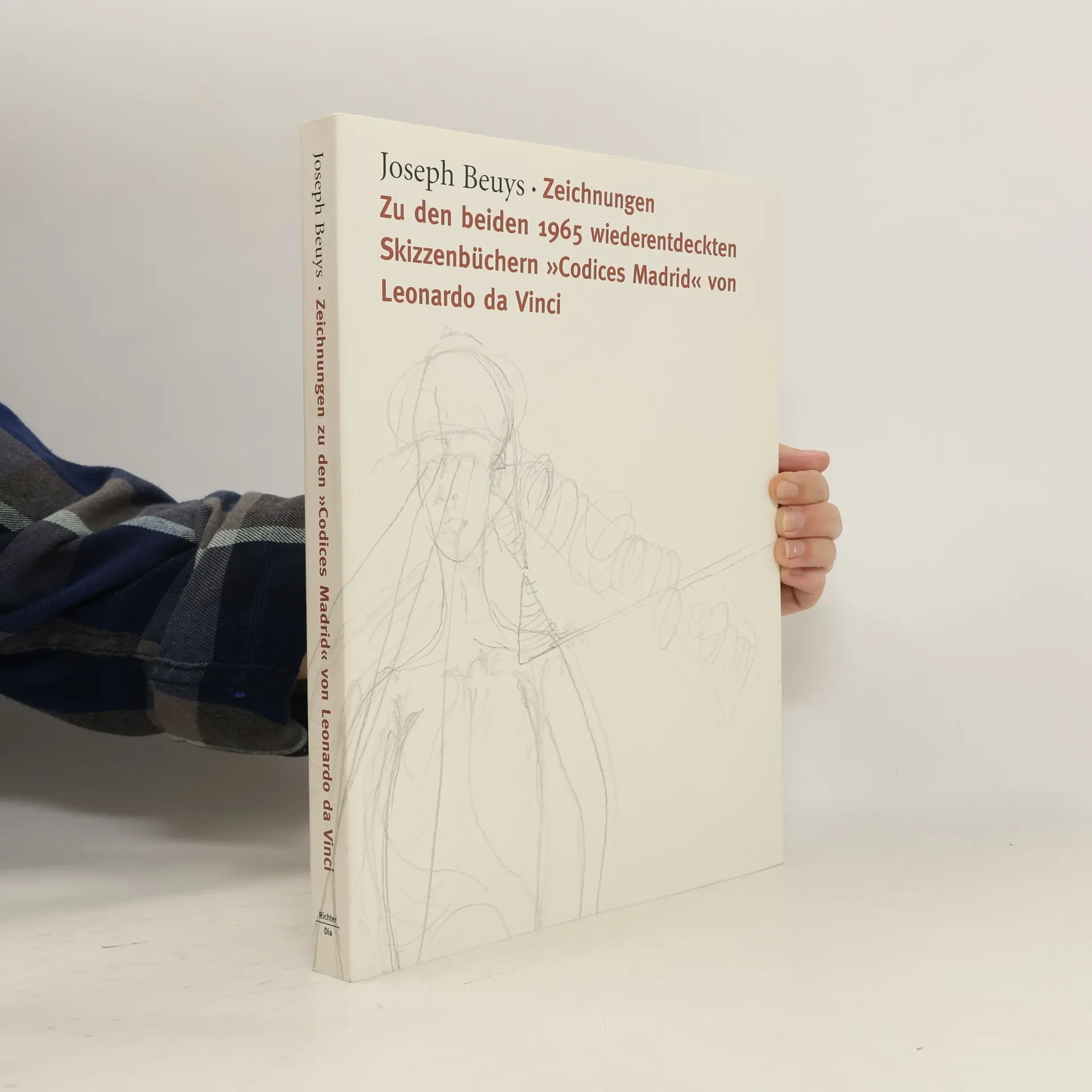
Das Thema dieses außergewöhnlich gestalteten Bandes ist eine Reihe von 96 Zeichnungen, Codices Madrid, die der deutsche Künstler Joseph Beuys als Antwort auf zwei in den 1960er Jahren wiederentdeckte Skizzenbücher von Leonardo da Vinci schuf und 1975 in Faksimile veröffentlichte. Beuys wählte diese Zeichnungen sowie mehrere andere für ein Künstler-Multiple aus, das in Form eines Notizbuchs veröffentlicht wurde. Diese Reihe verdeutlicht Beuys' Engagement, eine Verbindung zwischen Kunst und Wissenschaft herzustellen, wobei er sich auf Leonardos Codices Madrid bezieht, die für Beuys die "Vereinigung von Kunst und Naturwissenschaft" verkörperten.
Wer war Joseph Beuys? Scharlatan, Guru, Magier, Schamane? Oder ein Künstler, der die Dimensionen herkömmlicher Kunst und Kunstauffassung sprengte? Mit seinem Buch über einen der eigenwilligsten und umstrittensten Künstler unserer Zeit regt Heiner Stachelhaus zum Nachdenken über ein komplexes Lebenswerk an und versucht, Werk und Wirkung aus der Perspektive des Zeitgenossen Joseph Beuys zu erklären.
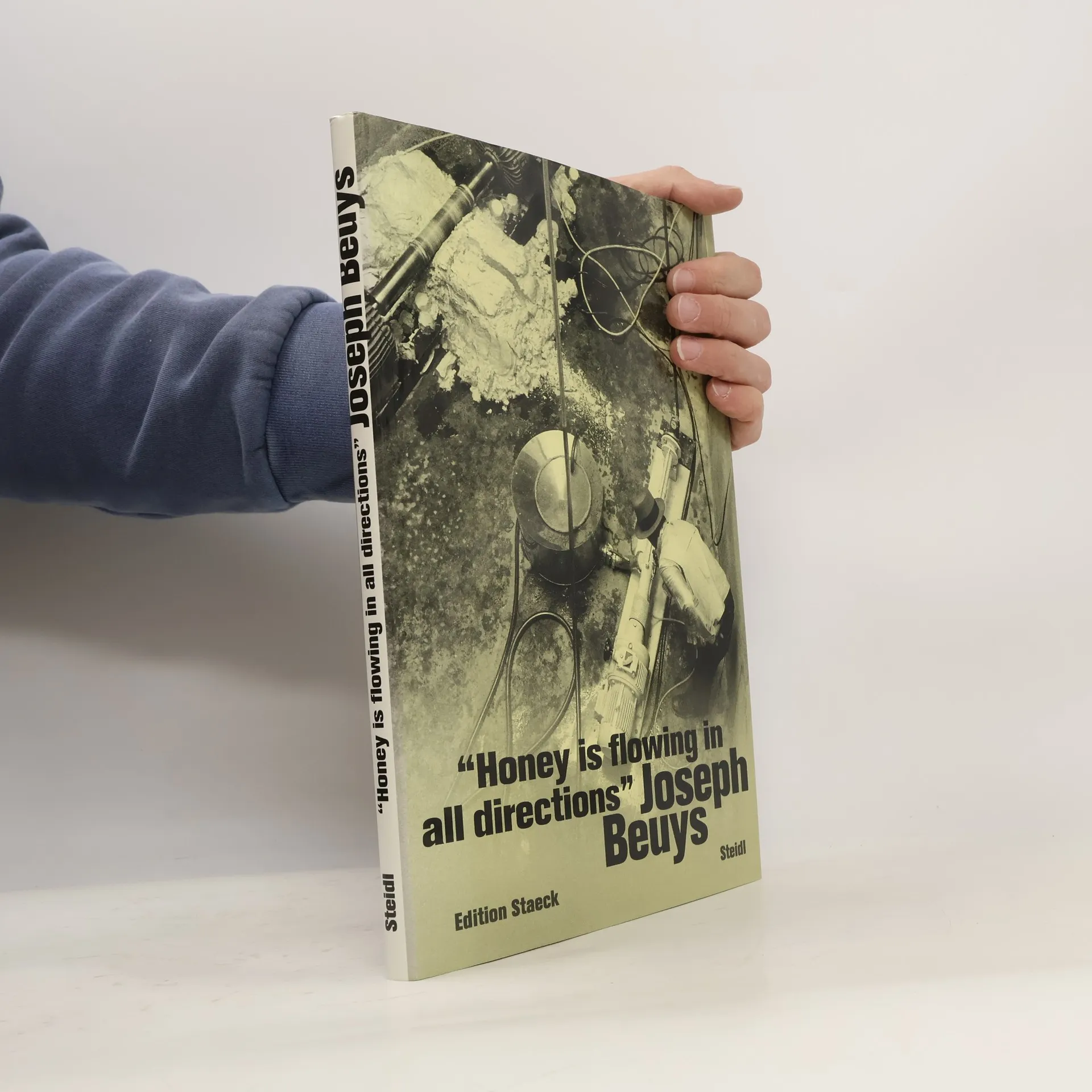
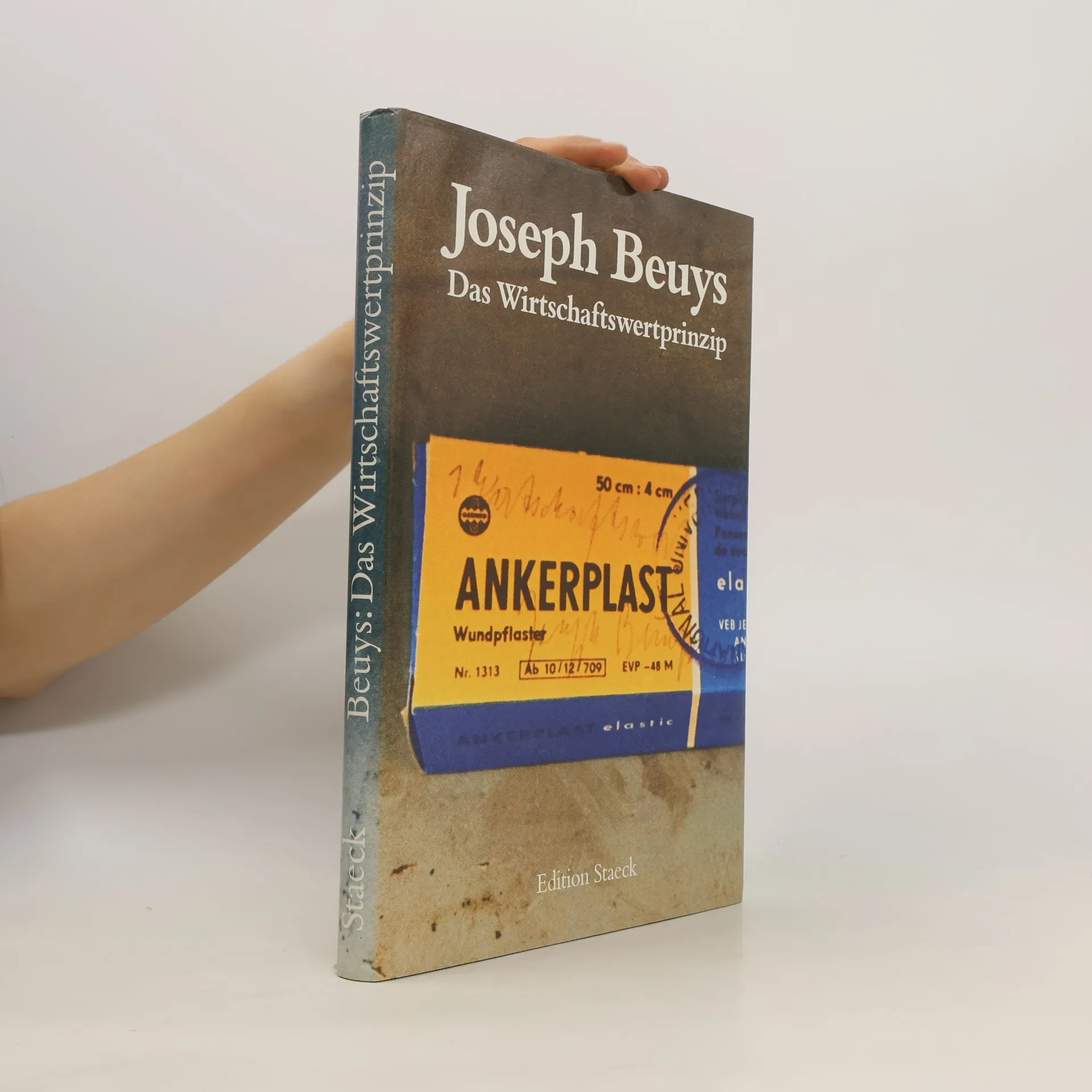
Beuys in America, Das Wirtschaftswertprinzip, Periphery Workshop, Honey is flowing in all directions
600 páginas
21 horas de lectura
Die Sammlung bietet faszinierende Einblicke in die Zusammenarbeit von Joseph Beuys mit Klaus Staeck und Gerhard Steidl über 18 Jahre. Sie dokumentiert Beuys' künstlerische Projekte, darunter seinen Amerika-Besuch 1974 und die Installation „Honeypump in the Workplace“ auf der documenta 6. Die vier Bände zeigen Beuys sowohl in seiner künstlerischen Rolle als auch in privaten Momenten, vermittelt durch die Perspektiven seiner engen Mitarbeiter. Die limitierte Auflage enthält eine signierte Fotografie von Gerhard Steidl und ist in Deutsch und Englisch verfasst.
"Alf Christophersen (geb. 1968) ist Professor für Systematische Theologie an der Bergischen Universität Wuppertal. Sein Interesse an Joseph Beuys gilt dem Phänomen der Wunde, der Verletzlichkeit, dem Schmerz, denen im Beuys’schen Oeuvre ein entscheidender Stellenwert zukommt. Man denke nur an Werke wie 'zeige deine Wunde', 'Wie man dem toten Hasen die Bilder erklärt' oder die Entwürfe für ein Auschwitz-Mahnmal. Ob persönlich oder kollektiv, das Leiden, dem Beuys Ausdruck verleiht, ist weder still noch passiv. Vielmehr wird es sichtbar gemacht, demonstriert, dokumentiert und ausgestellt. Denn, so Christophersen, ,Joseph Beuys provozierte. Er entwickelte Kraftzentren, die auf den ersten Blick völlig unbedeutend aussahen – aus Filz, Fett, Blei. Mit seinem erweiterten Kunstbegriff und dem Konzept sozialer Plastik initiierte er Prozesse, die ein Bewusstsein dafür schaffen sollten, dass jeder Einzelne seine Kreativität nutzen kann, um das Leiden von Mensch und Natur zu überwinden und in Freiheit zu überführen'"--Publisher's description.
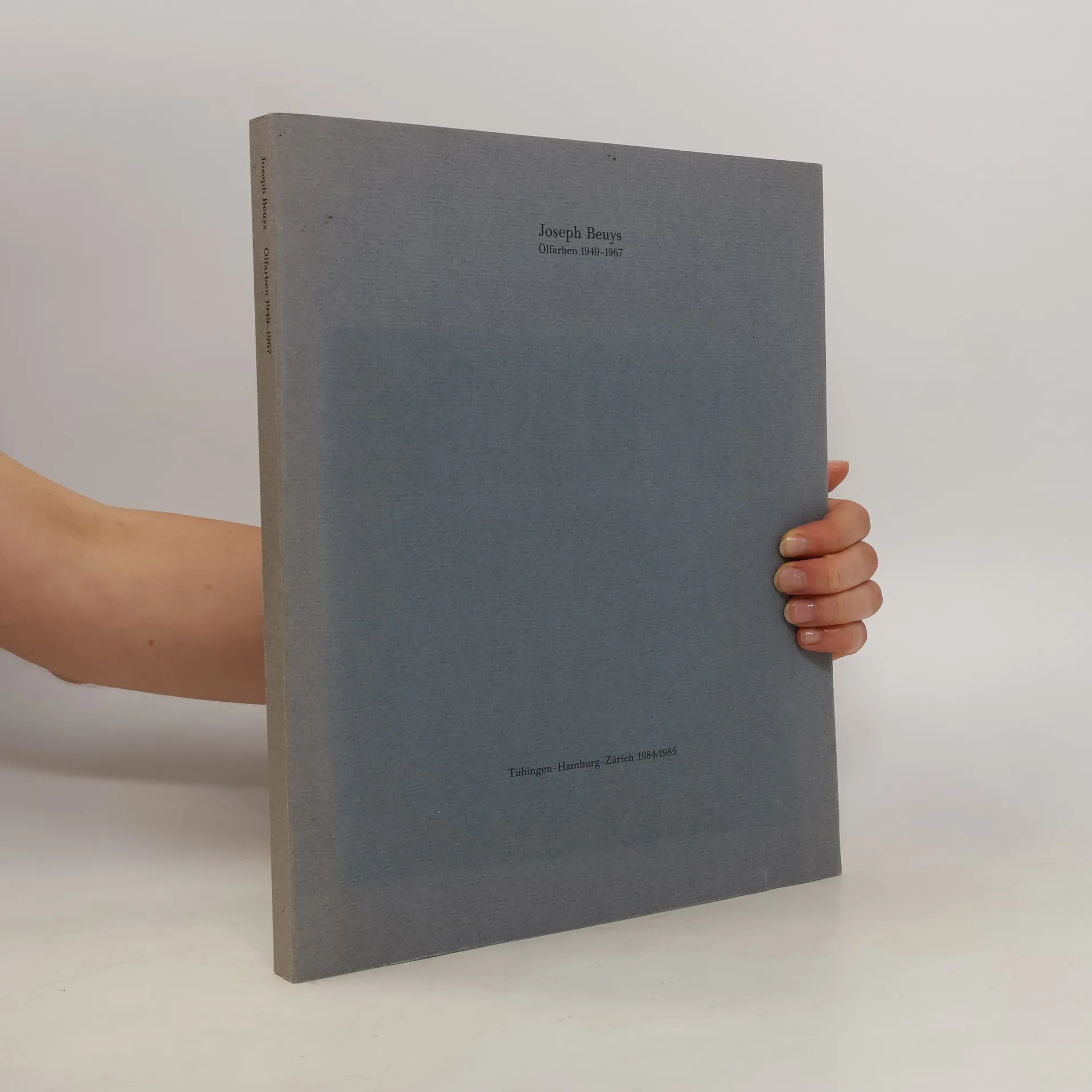
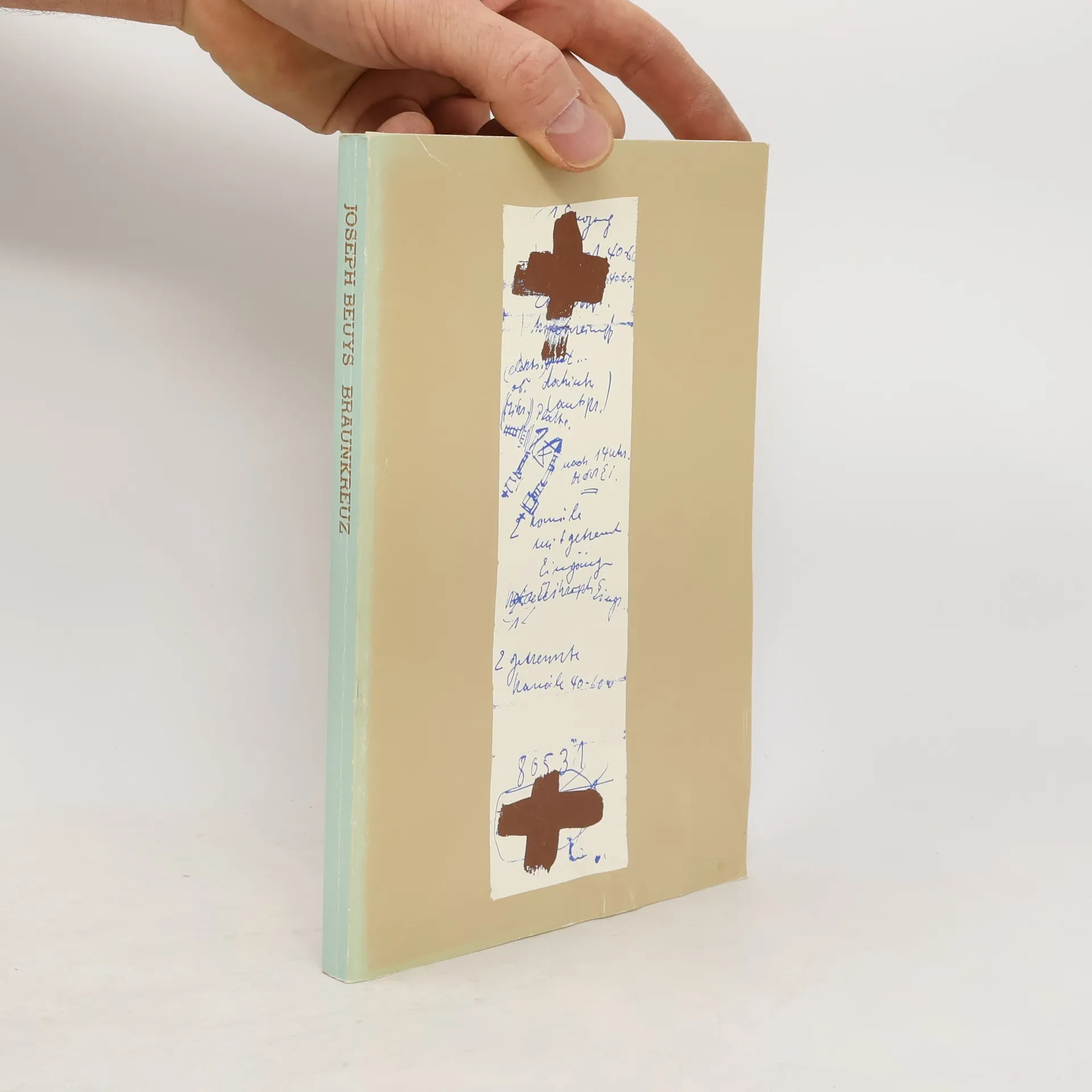
Joseph Beuys wäre am 12. Mai 2021 einhundert Jahre alt geworden. Die Staatlichen Kunstsammlungen Dresden feiern das Ereignis mit einer Ausstellung von Zeichnungen des Künstlers, die aus Familienbesitz stammen, also weitgehend unpubliziert sind. Sie bilden das in fünf Jahrzehnten entstandene Gesamtwerk des "Jahrhundert-Künstlers" exemplarisch ab: Figuren, Tiere, Pflanzen, Berge, dazu einige Diagramm-, Energie- und Strömungszeichnungen. Neben Bleistift und Wasserfarbe verwendete Beuys für seine Zeichnungen auch Eisenchlorid, Braunkreuz und Ölfarbe, fügte oft Fundstücke aus der Natur wie Pflanzen oder Blüten zu Collagen zusammen. Als Zeichengrund dienten ihm alle möglichen Gebrauchspapiere, die eine intensive, geradezu zärtliche Beziehung zu den armen, den poveren "Resten" unseres Konsums offenbaren.Das 80 ganzseitige Zeichnungen umfassende Katalogbuch erlaubt eine sukzessive Annäherung an das Beuys'sche Universum. Begleitet werden diese hier erstmals vorgestellten Blätter von einem Konvolut ausgesuchter Meisterwerke aus der Museumssammlung sowie Essays der Generaldirektorin der Staatlichen Kunstsammlungen Marion Ackermann, Mailena Mallach und Stephanie Buck
Man muss kein Joseph-Beuys-Kenner sein, um sich seine »kleinsten Aufzeichnungen« zu erschließen. Diese ungebundenen Notizen in Form fliegender Blätter und Zettel sind über den Kontext des künstlerischen Werks hinaus als eigenständige Texte und Textbilder lesbar. Sie umfassen Begriffsstudien, philosophische Reflexionen, poetische Fragmente und politische Traktate, die sich in einem Raum bewegen, der nicht an literarische Genredefinitionen gebunden ist. Über mehr als vier Jahrzehnte und verschiedene Werkphasen hinweg verbindet sie das unermüdliche Interesse des Verfassers, sein Denken durch Niederschrift zu fokussieren und weiterzuentwickeln.
Graphisch und im Gestus erinnern einige Notizen an symbolisch-begriffliche Weltkartierungen, wie die von Swedenborg oder Jakob Böhme, auf die Beuys sich bezogen hat. Gleichzeitig sind es unverkennbare Kartierungen seiner eigenen Zeit, die das Verhältnis von Ökonomie und Natur untersuchen, Transzendenz im Menschen verorten und künstlerische sowie gesellschaftliche Herausforderungen thematisieren. Sie fordern die Verantwortung des Einzelnen ein und bieten Ansätze zu Sternkarten für einen irdischen Gebrauch.
Steffen Popps Auswahl zielt auf das poetische Moment dieser »kleinsten Aufzeichnungen« und lädt zur näheren Erkundung ein, mit einem wachen Blick für ihren möglichen Gebrauch in der Gegenwart.
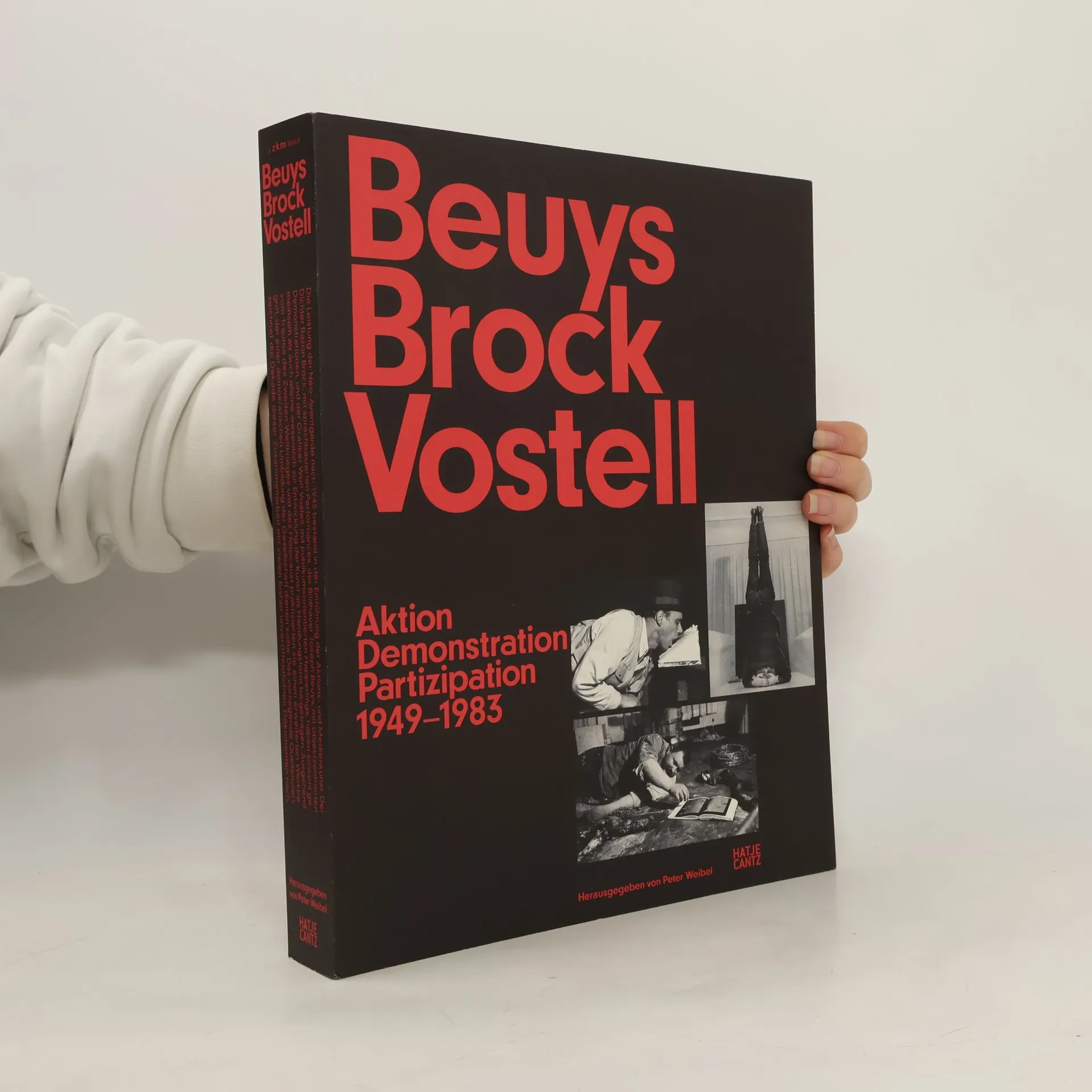
»Umso besser können wir eine sinnvoll-schlagkräftige Publikation BBV (Beuys Brock Vostell) vorbereiten mit viel Text, ebenfalls Plakat. Lass uns etwas Zeit dafür.« Brief von Wolf Vostell an Bazon Brock, 24.12.1964 Erstmals werden die bedeutenden deutschen Aktionskünstler der Nachkriegsmoderne Joseph Beuys (1921–1986), Bazon Brock (*1936) und Wolf Vostell (1932–1998), die in den 1960er-Jahren zusammen auftraten, in einer Publikation präsentiert. Neben inhaltlichen Parallelen ihrer Arbeiten, etwa der Auseinandersetzung mit dem Holocaust, zeigen sich Berührungspunkte im Vorgehen der befreundeten Künstler. Alle drei waren an der Erfindung der Lehre als Aufführungskunst beteiligt und rückten das Vermitteln, die Diskussion und die Demonstration ins Zentrum ihrer Arbeit. Die radikale Emanzipation des Individuums sowie die Reform der Gesellschaft bildeten ihr gemeinsames Ziel. Das Schaffen der Künstler wurde nicht nur wegweisend für die Entwicklung des erweiterten Werkbegriffs, sondern leistet einen fundamentalen Beitrag zur performativen Wende und für die partizipatorischen Konzepte in der Kunst des 21. Jahrhunderts. Ausstellung: ZKM | Museum für Neue Kunst, Karlsruhe 24.5.–9.11.2014, gefördert von der Kunststiftung NRW
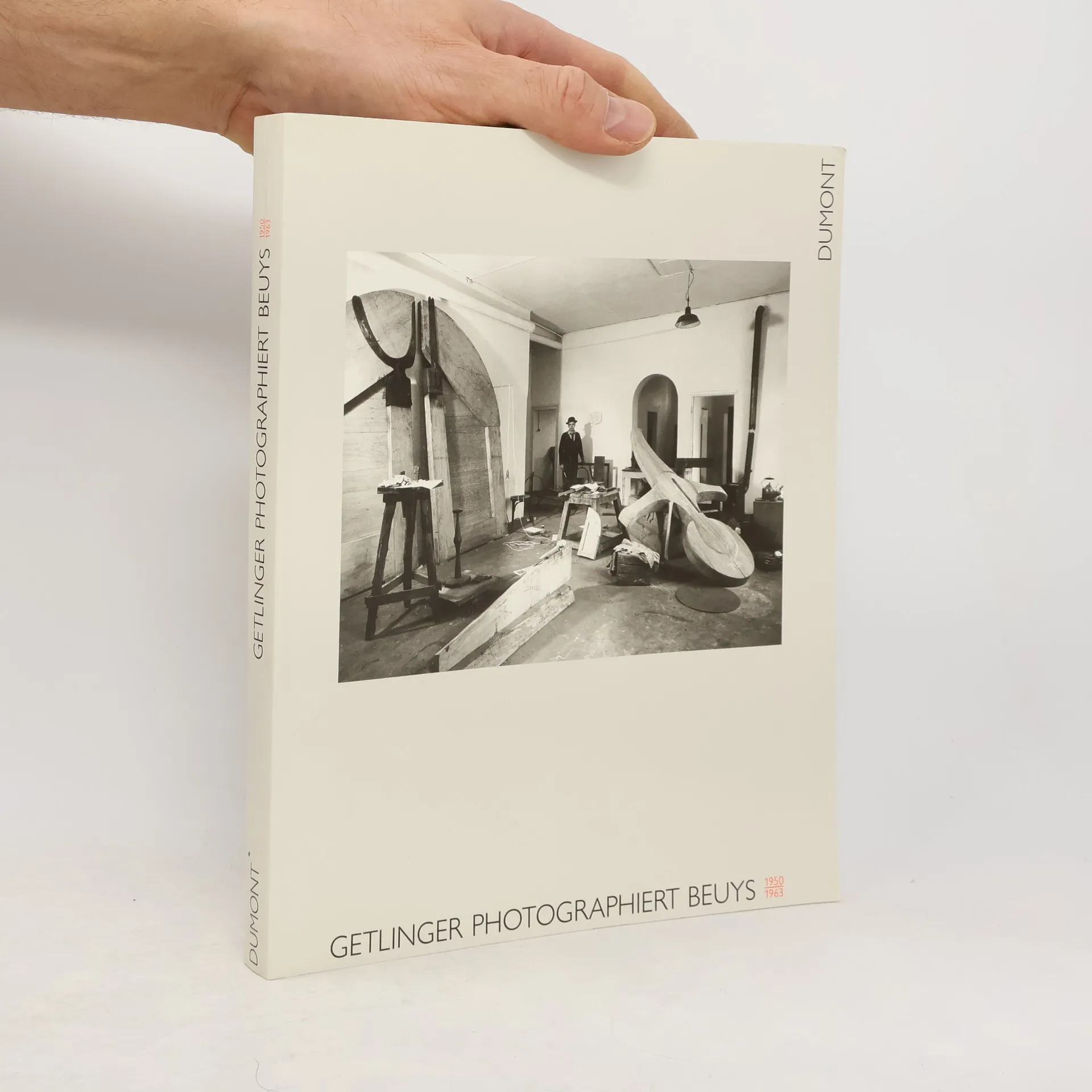
Getlinger photographiert Beuys, 1950–1963 ist ein Ausstellungskatalog über Fritz Getlingers Fotografien von Josef Beuys. Texte von Gerhard Kaldwei, Franz Joseph van der Grinten, Friedhelm Mennekes und Thilo Koenig sowie ein Interview zwischen Getlinger und Annette Theyshen. Enthält kurze Biografien von Getlinger und Beuys.
Ein Kabinett im Museum der Schönen Künste zu Gent. An den Wänden hängen Gemälde flämischer Meister des 17. Jahrhunderts. In der Mitte des Raumes stehen mehrere große Metallregale. Darauf liegen die Wirtschaftswerte: Bernburger Speisesalz, Reismehl, Kakaoschalentee, Zwiebackbruch, ... - Originalprodukte hauptsächlich aus der DDR. Alle Produkte sind von Beuys signiert und mit 1 Wirtschaftswert beschriftet. Die Installation wurde unter anderem in Düsseldorf von hier aus und auf der documenta VIII gezeigt.
Text in Französisch, Niederländisch, Deutsch und Englisch. Gedruckt in Verbindung mit der Ausstellung, Brüssel, 20. Dezember 1989 - 17. Februar 1990; Paris, 8. März - 28. April 1990.
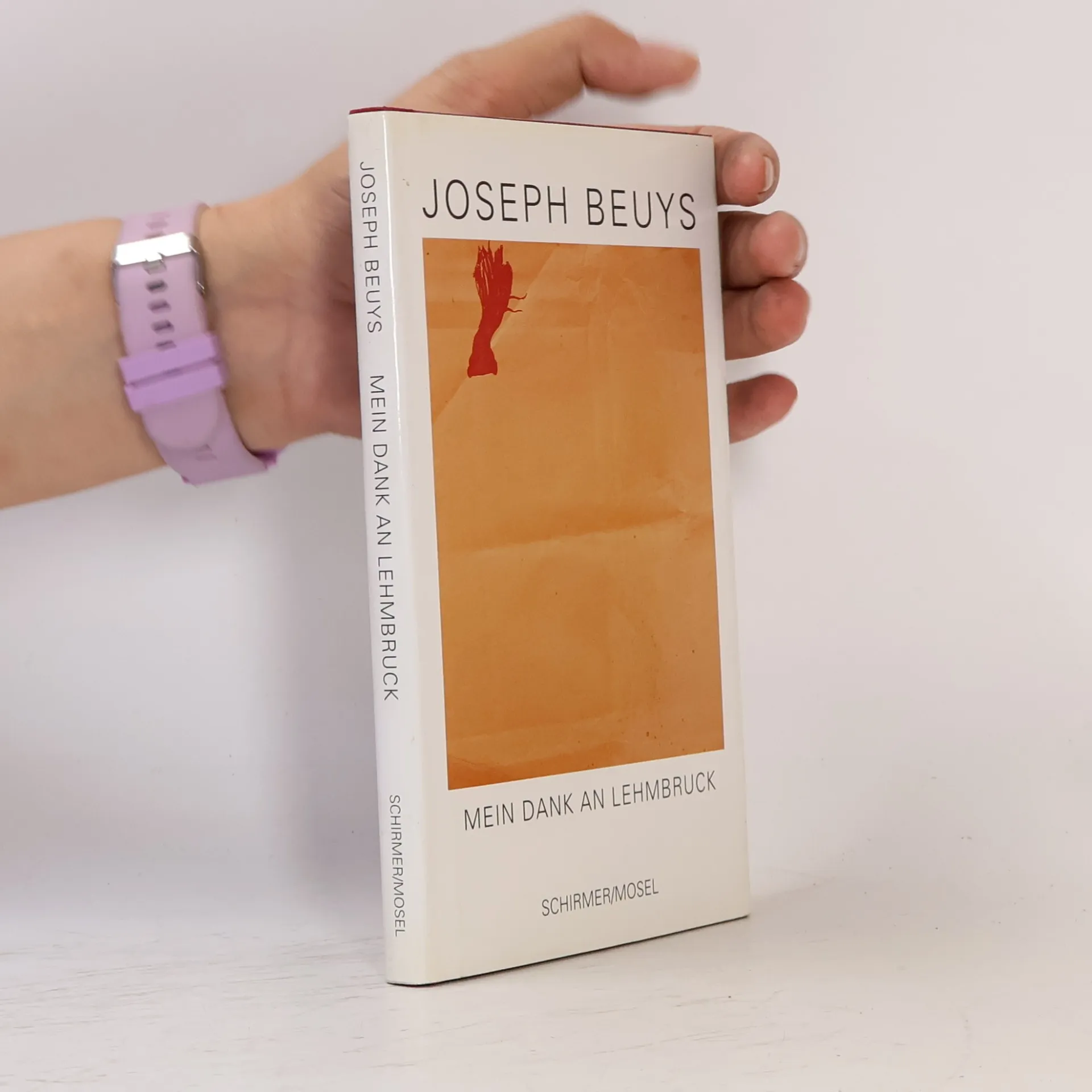
Am 12. Januar 1986, elf Tage vor seinem Tod, nahm Joseph Beuys den Wilhelm Lehmbruck-Preis der Stadt Duisburg entgegen. Er bedankte sich mit einer Rede, die in bewegenden, sehr persönlichen Worten einen Künstler würdigte, den er hoch verehrte und als seinen eigentlichen Lehrer bezeichnete, obwohl der schon tot war, als Joseph Beuys geboren wurde. Beuys' Begegnung mit dem bildhauerischen Werk von Wilhelm Lehmbruck (1881-1919) geht auf das Jahr 1938 zurück: Die Abbildung einer Lehmbruck-Plastik löste damals eine Art Initialzündung in ihm aus, die sein künstlerisches Schaffen entscheidend prägen sollte. Der „erweiterte Kunstbegriff“ und die „plastische Theorie“ haben ihre Wurzeln in diesem Erlebnis - „Alles ist Skulptur, rief mir quasi dieses Bild zu.“ Wilhelm Lehmbruck hatte an der Düsseldorfer Kunstakademie studiert, bevor er 1910 nach Paris ging und dort u. a. Maillol, Brancusi und Modigliani kennenlernte. Seine Figuren aus Bronze, Steinguß oder Ton - weibliche Torsi, emporsteigende, kniende und stürzende „Jünglinge“ - verarbeiten die formalen Einflüsse der Avantgarde und sind Ausdruck des eigenen Leidens an seiner Zeit. Lehmbruck, der Paris bei Ausbruch des 1. Weltkriegs verlassen mußte, nahm sich 1919 das Leben. Er ist einer der Hauptvertreter des deutschen Expressionismus in der Plastik. Unser Band, der zum 20. Todestag von Joseph Beuys erscheint, enthält die vollständige Lehmbruck-Rede.
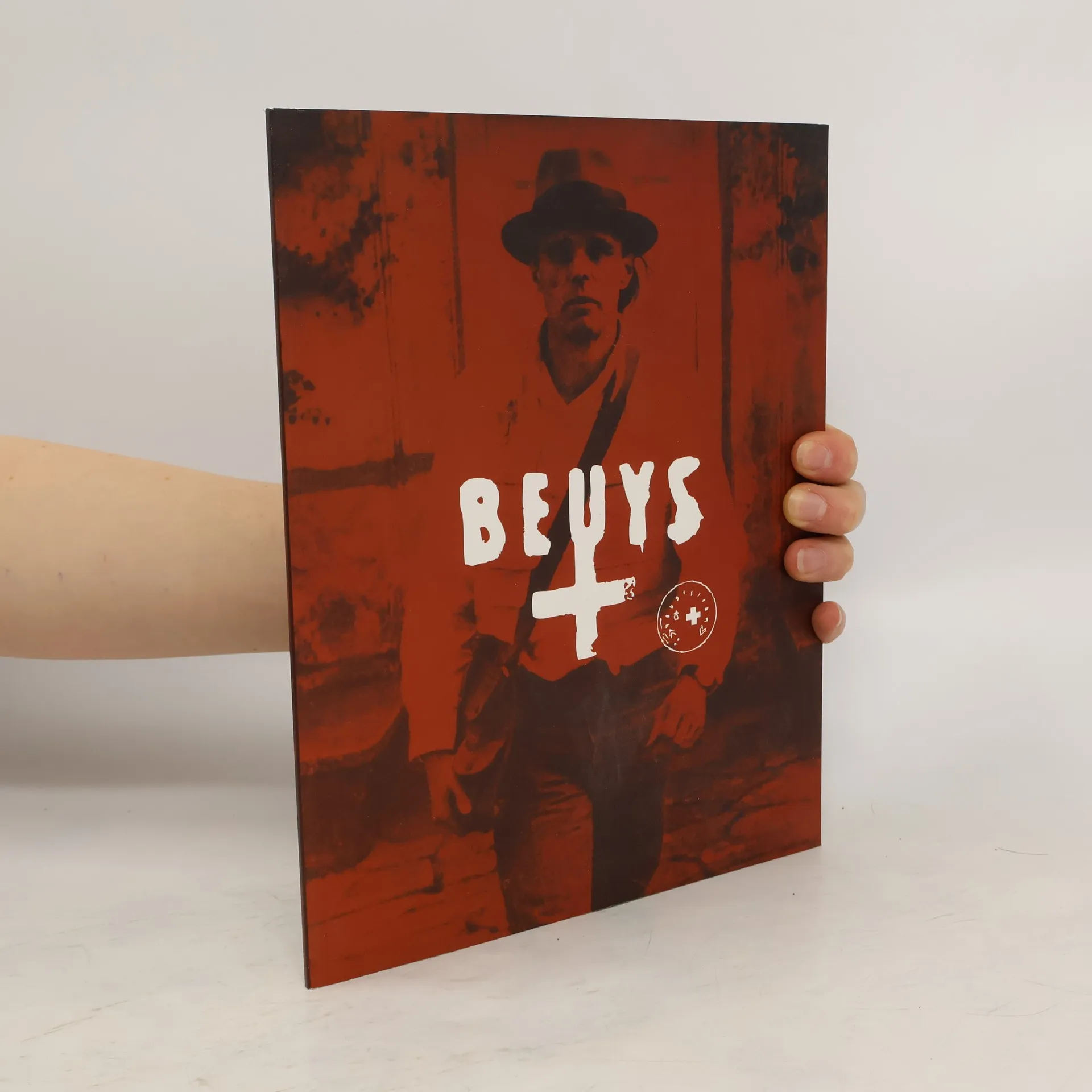
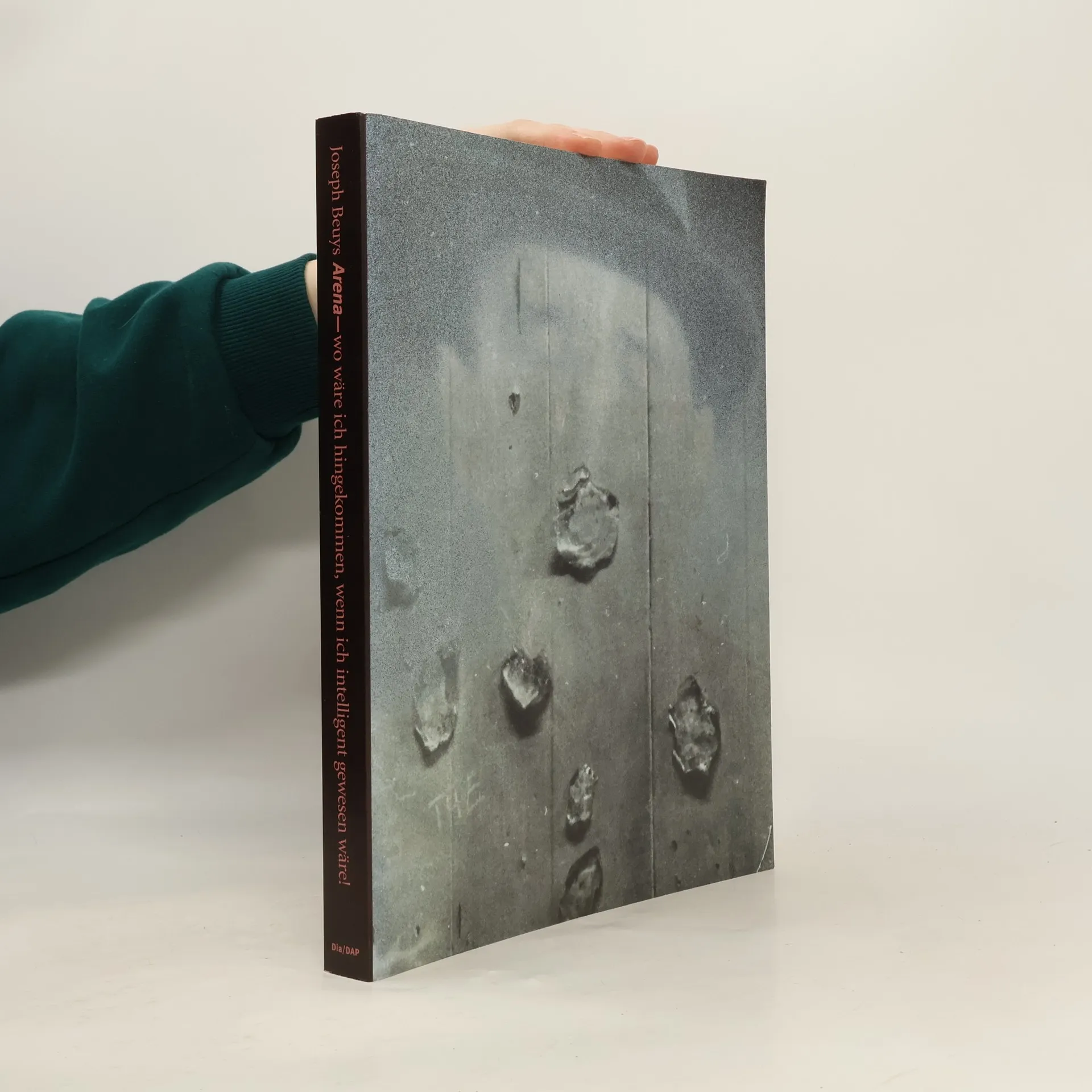
"Arena" is a major but rarely exhibited Beuys work that consists of 100 panels containing several hundred photographs of Beuys, spanning the artist's career from the late 40s to 1972. Realized in 1973, "Arena" attains a monumental scale and the sort of grand design appropriate to an artistic summa; as such, the project amounts to a broad portrait of Beuys' artistic persona. It is here documented for the first time.
Eine Dokumentation in Fotografien von Brigitte Dannehl
159 páginas
6 horas de lectura
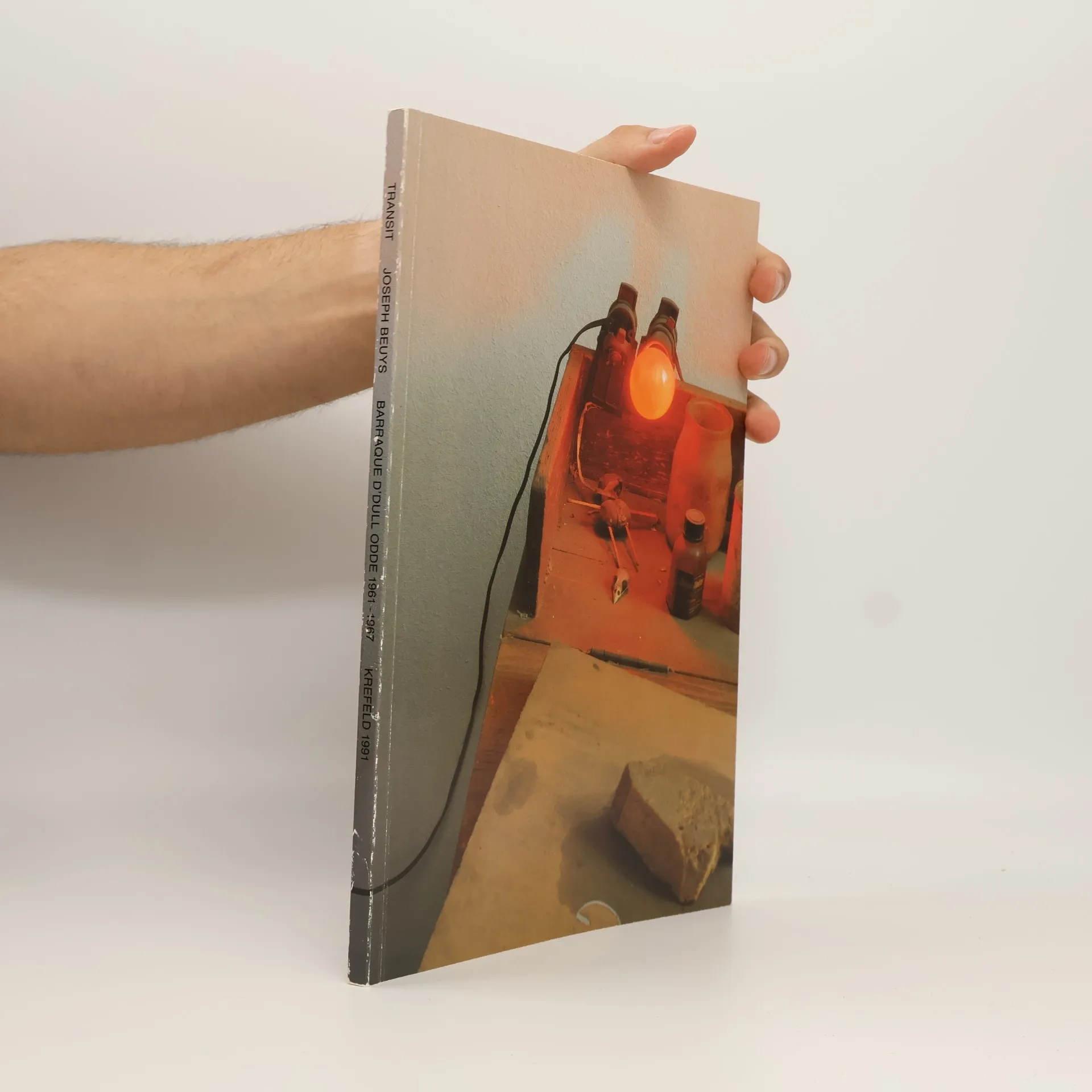
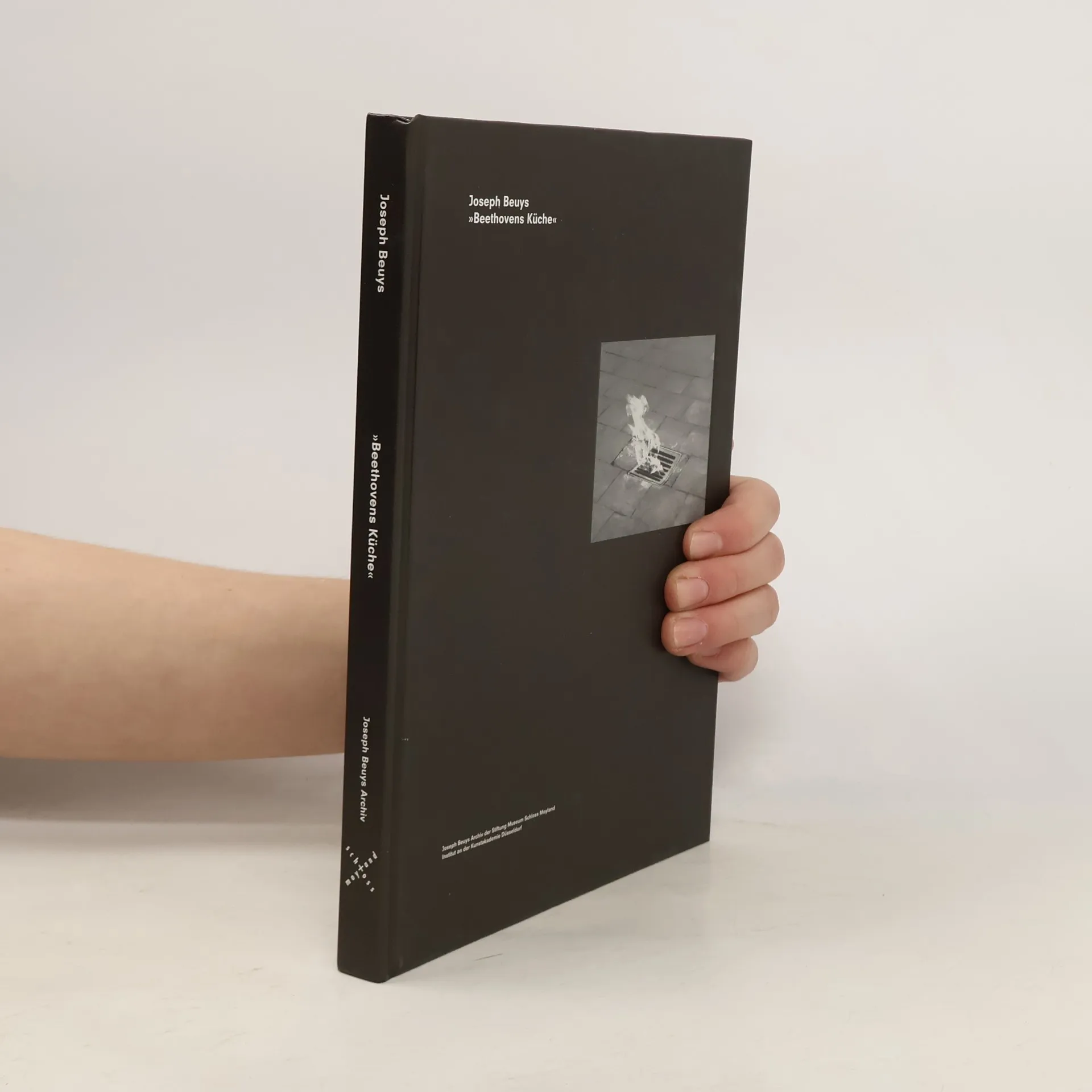
Die Publikation befasst sich mit der ephemeren und nahezu unbekannten Arbeit "Beethovens Küche" von Joseph Beuys, die Brigitte Dannehl am 4. Oktober 1969 in Fotografien festhielt. Im Auftrag des Westdeutschen Fernsehens konzipierte Mauricio Kagel 1969 seinen Film "Ludwig van" zum bevorstehenden 200-jährigen Beethoven-Jubiläumsjahr. Der Film zeigt unter anderem ein imaginäres Beethoven-Haus, dessen Räume von verschiedenen Künstlern geschaffen wurden. Joseph Beuys übernahm "Beethovens Küche", die er als dreiteilige Arbeit in und vor seinem Atelier gestaltete. Der Katalog beinhaltet zahlreiche Bildquellen, welche die Arbeit Beuys dokumentieren. Die Textbeiträge ordnen "Beethovens Küche" in das Gesamtwerk des Künstlers ein und erläutern die Vielschichtigkeit dieser bisher kaum beachteten Installation.
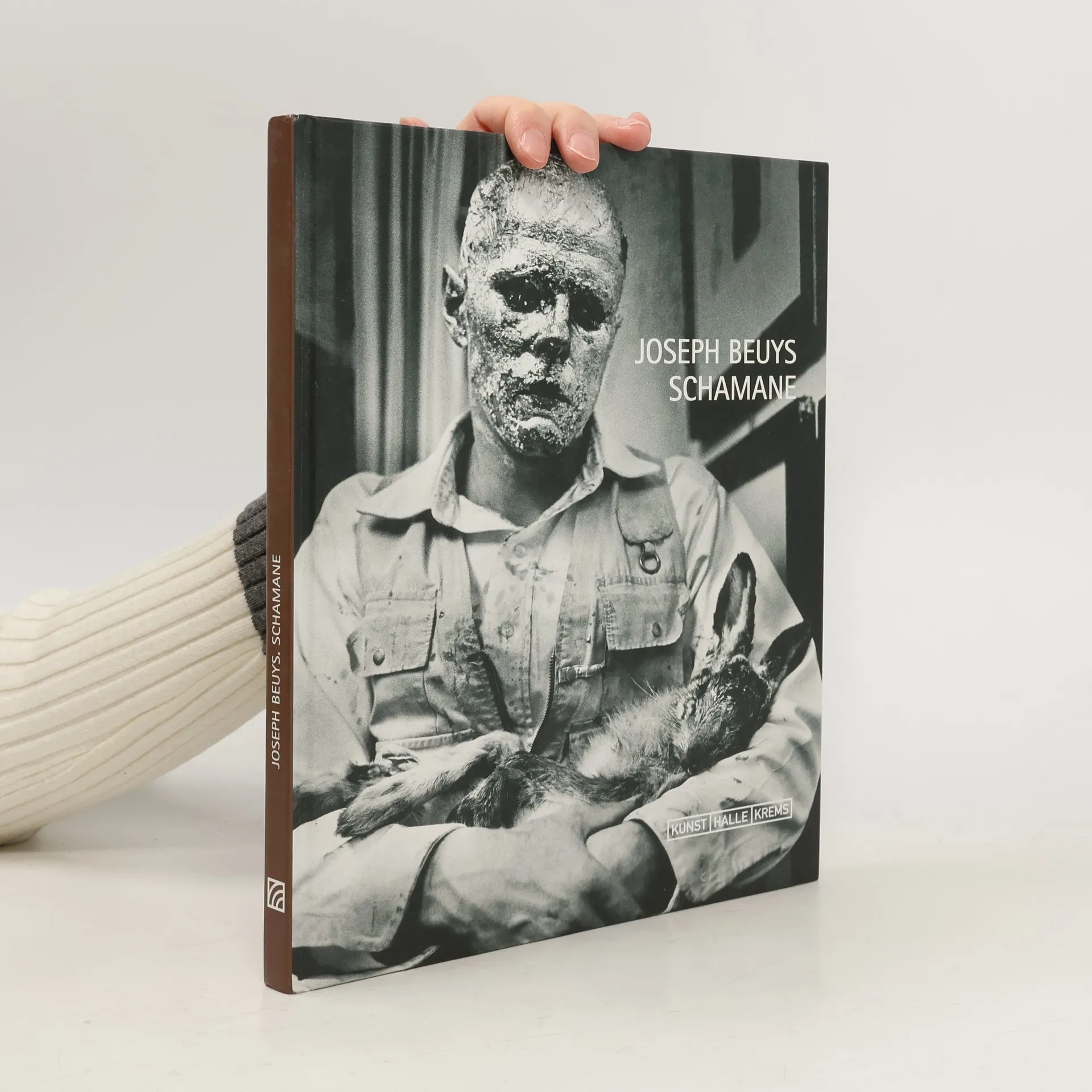
Selten hat ein Künstler, mehr als 20 Jahre nach seinem Tode, die Kunstwelt ebenso wie eine breite Öffentlichkeit derart beschäftigt, wie dies bei Joseph Beuys nach wie vor der Fall ist. Die Auswirkungen seines Schaffens sind bis heute evident und setzen - aus Gründen der Hommage oder auch aus Motiven der Abgrenzung - nach wie vor entscheidende Impulse in der aktuellen Kunstproduktion und -rezeption. Beuys' charismatische Ausstrahlung und spirituelles Sendungsbewusstsein, die ständig zwischen dem Bild eines messianischen Gesellschaftsutopisten und eines rebellischen Außenseiters oszillierten Märtyrergestalt und provokanten Skandal anzusiedeln sind, haben ihm einen schamanischen Nimbus verliehen, dessen Aspekt im Rahmen dieser Publikation einer näheren Betrachtung unterzogen wird.
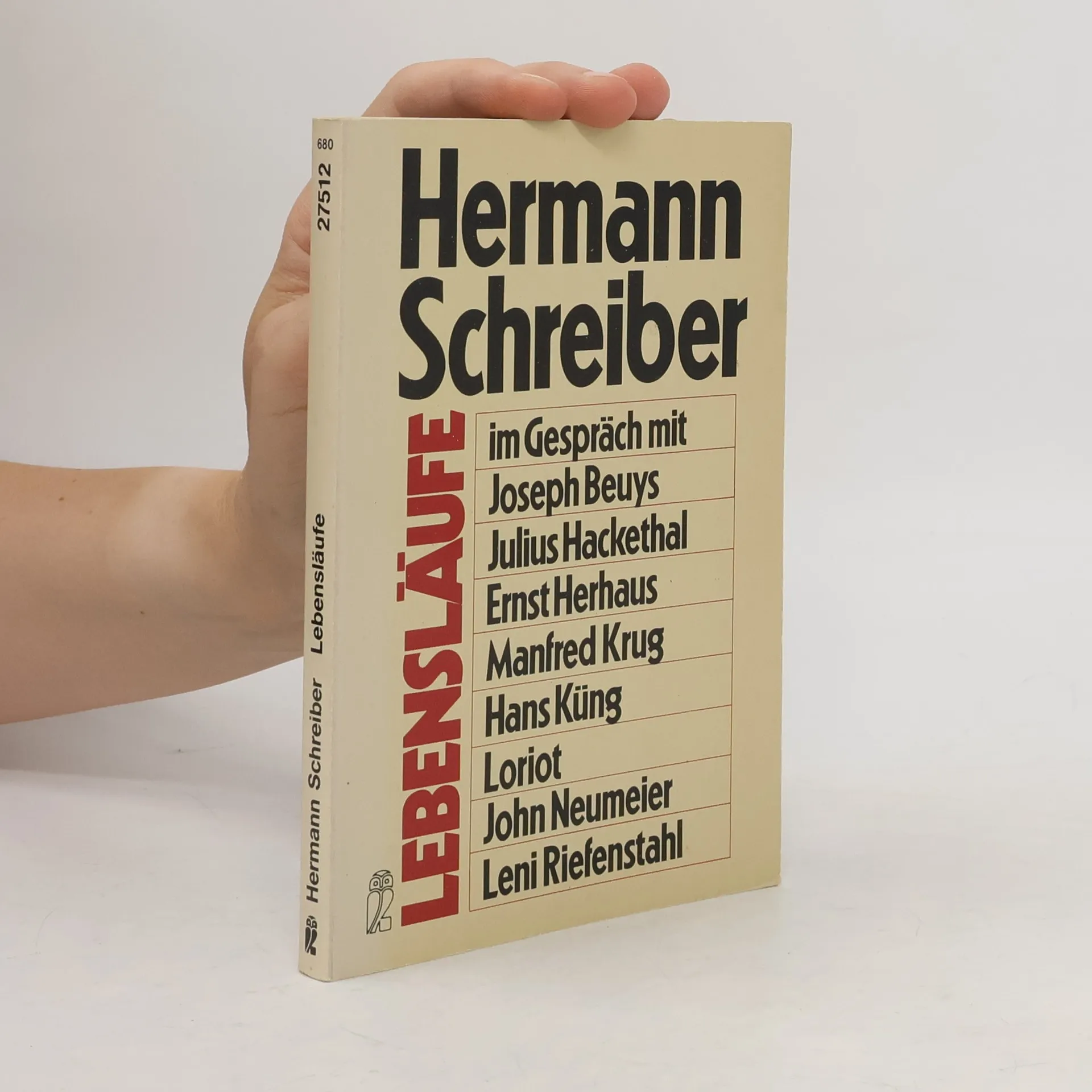
Hermann Schreiber in Gesprächen mit Joseph Beuys, Julius Hackethal, Ernst Herhaus, Manfred Krug, Hans Küng, Loriot, John Neumeier, Leni Riefenstahl. ( Tb)
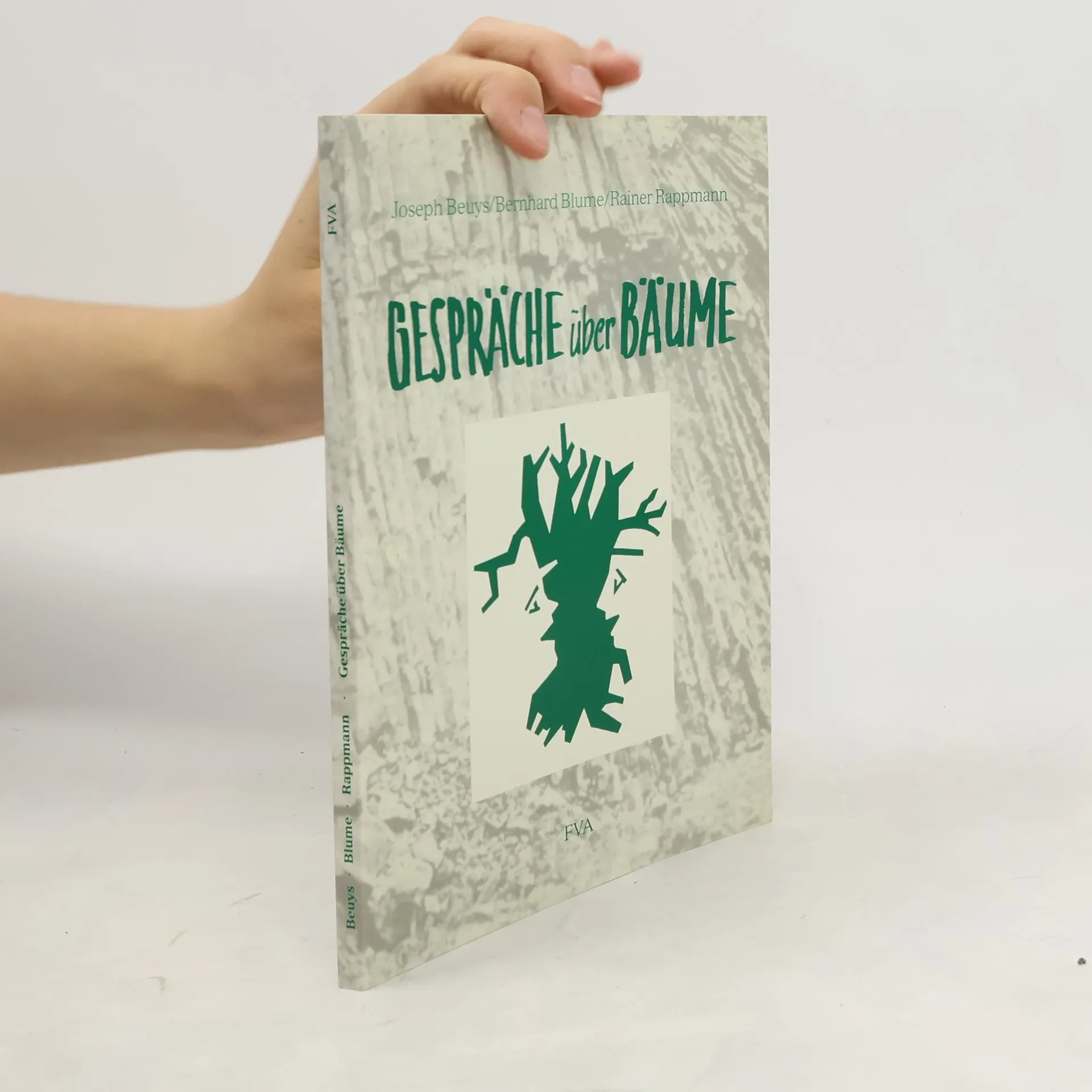
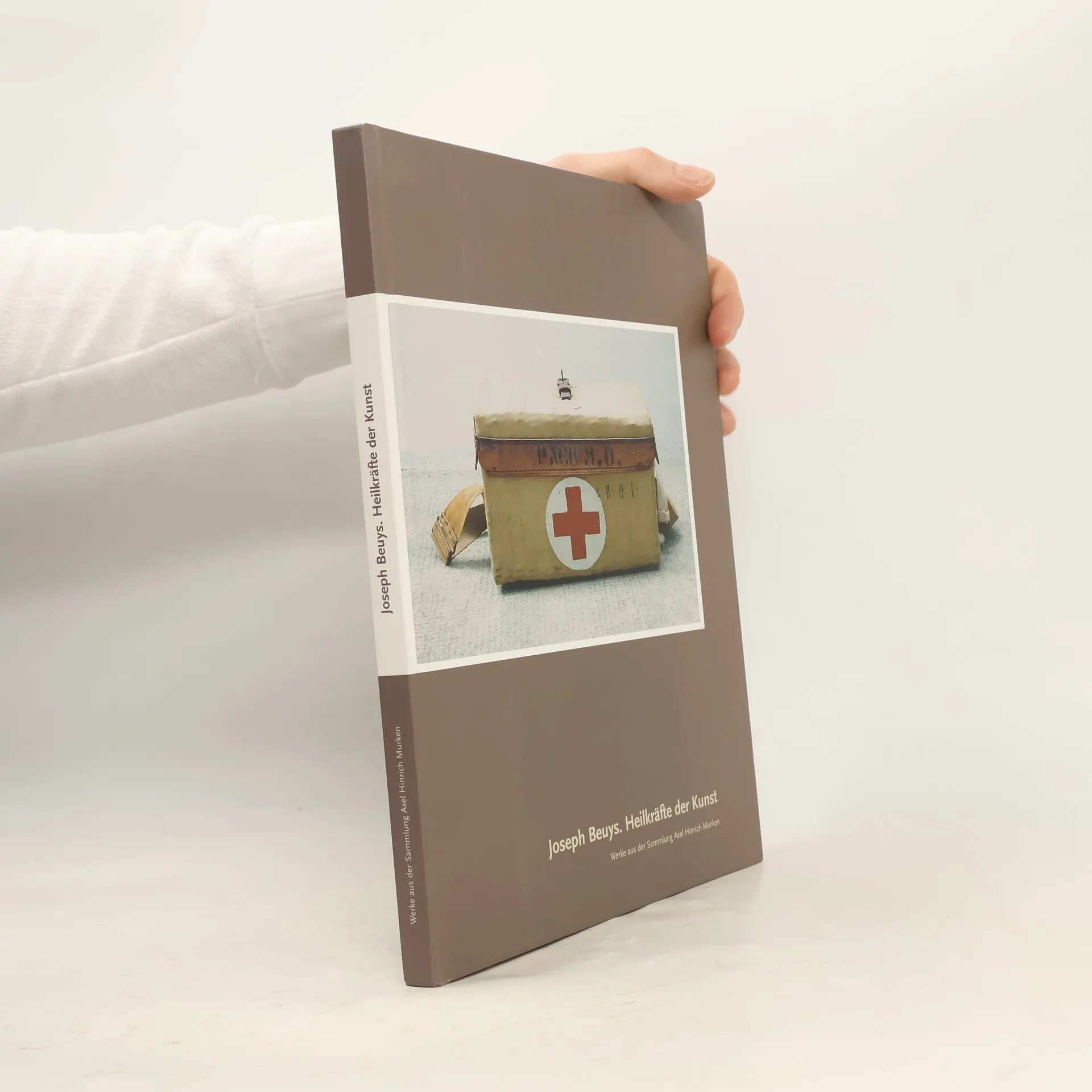
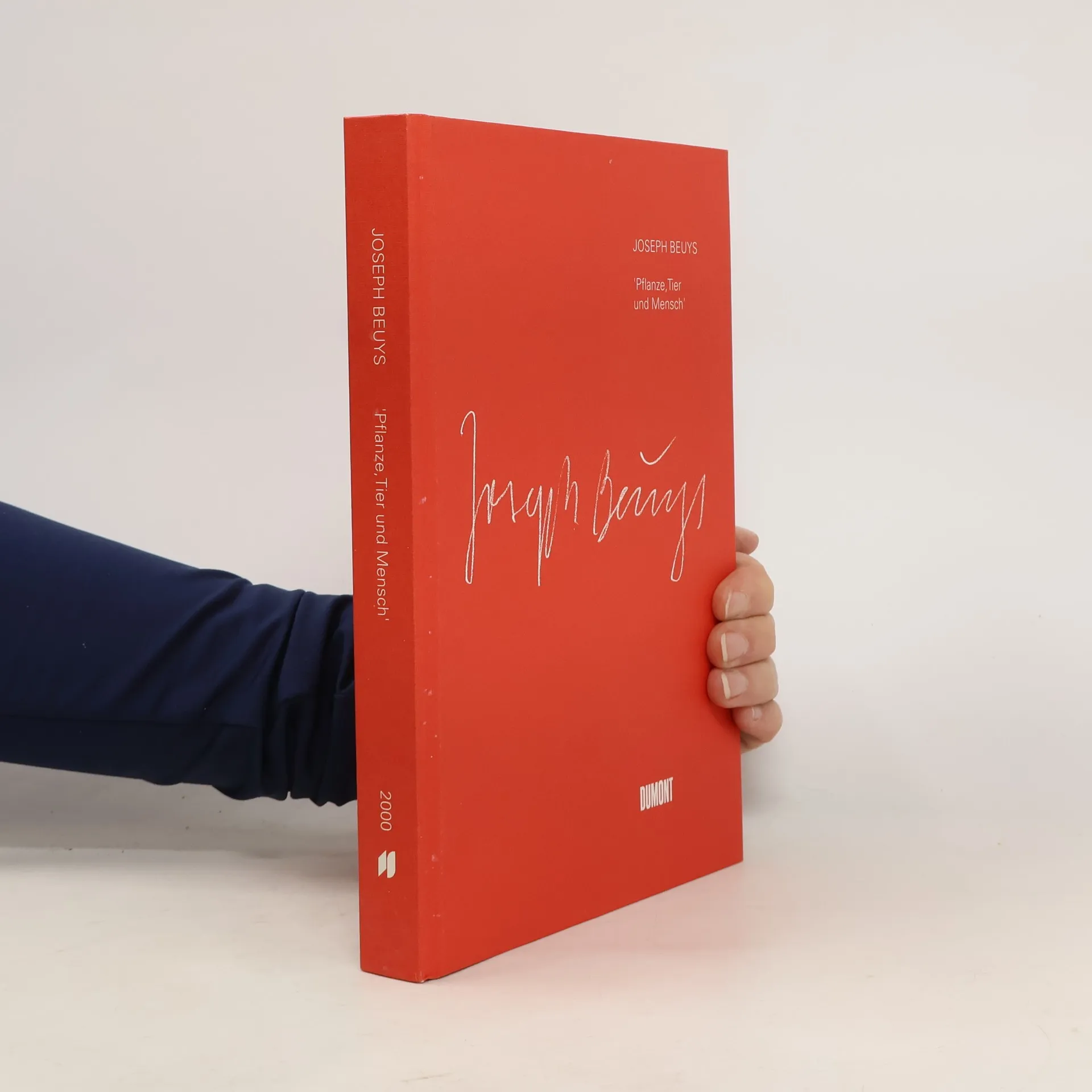
Pflanze, Tier und Mensch: aus dem Bestand der Stiftung Museum Schloss Moyland, Sammlung van der Grinten, Joseph-Beuys-Archiv des Landes Nordrhein-Westfalen: [Städtische Galerie Villingen-Schwenningen 'Lovis-Kabinett' 28. Oktober 2000 bis 28. Januar 2001 et al.]