


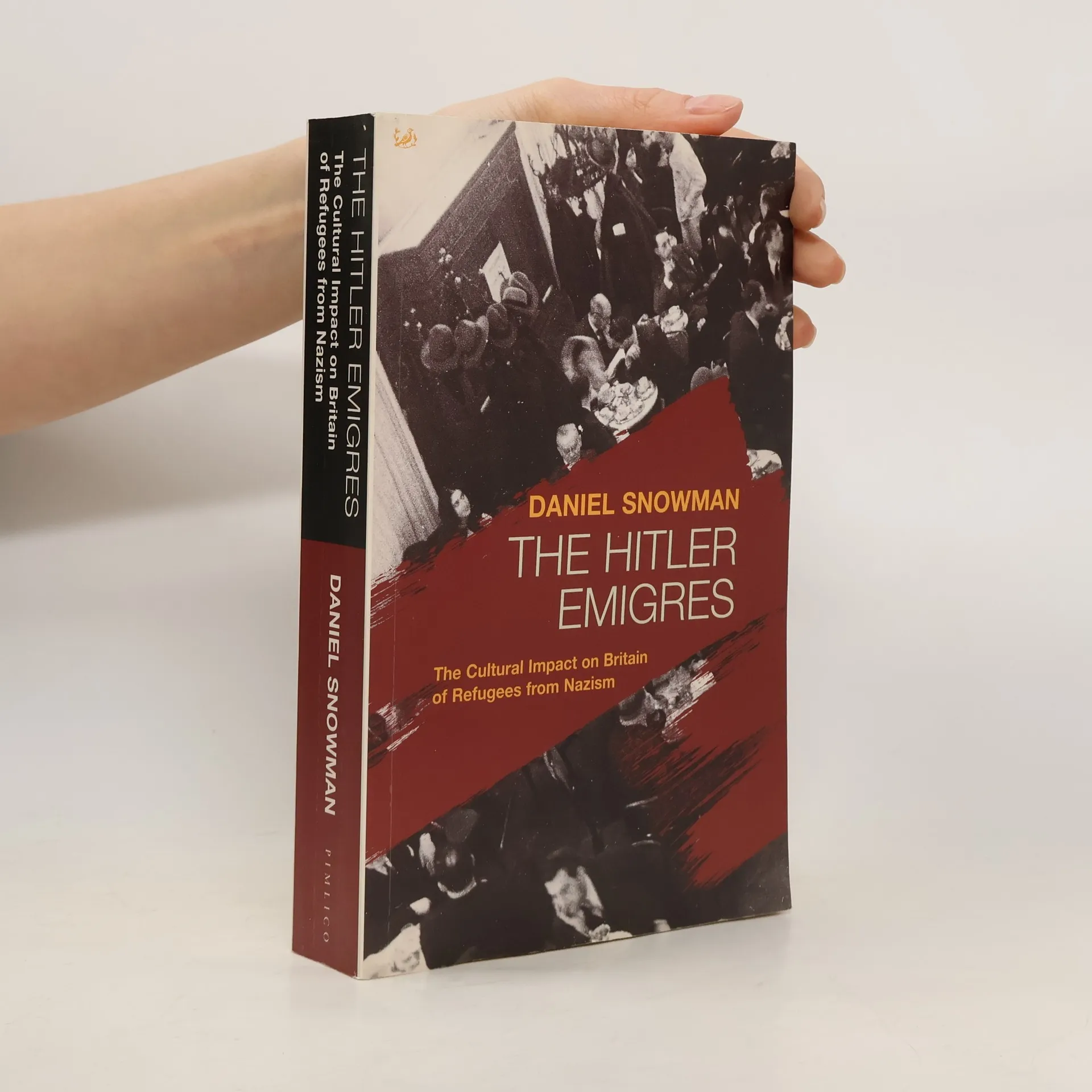
The Hitler Emigres
The Cultural Impact on Britain of Refugees from Nazism
- 496 páginas
- 18 horas de lectura
The story of those Central Europeans, many Jewish, who escaped Nazism and found refuge in Britain is vividly portrayed. The narrative highlights celebrated artists, architects, musicians, choreographers, filmmakers, historians, philosophers, scientists, writers, broadcasters, and publishers, all contributing to British cultural history from the 1930s onward. These émigrés played pivotal roles in creating the Glyndebourne and Edinburgh Festivals, the magazine Picture Post, films like The Red Shoes, and the Royal Festival Hall, as well as the cartoon character 'Supermac.' Notable figures include Ernst Gombrich, Nikolaus Pevsner, philosopher Karl Popper, biochemist Max Perutz, and historians Eric Hobsbawm and Geoffrey Elton. The author reflects on the irony of many refugees being interned as 'enemy aliens' by British authorities, with some deported to Canada and Australia. The narrative also captures the humor of George Mikes, 'Vicky,' and Hoffnung, along with the entrepreneurial spirit of Claus Moser and George Weidenfeld, and the compelling personalities of Arthur Koestler and Hans Keller. Many émigrés became bridge-builders, enriching Britain with insights from continental Europe, while some moved on to North America and beyond. Thus, Hitler's actions inadvertently helped spread the cosmopolitan culture he despised across the globe.