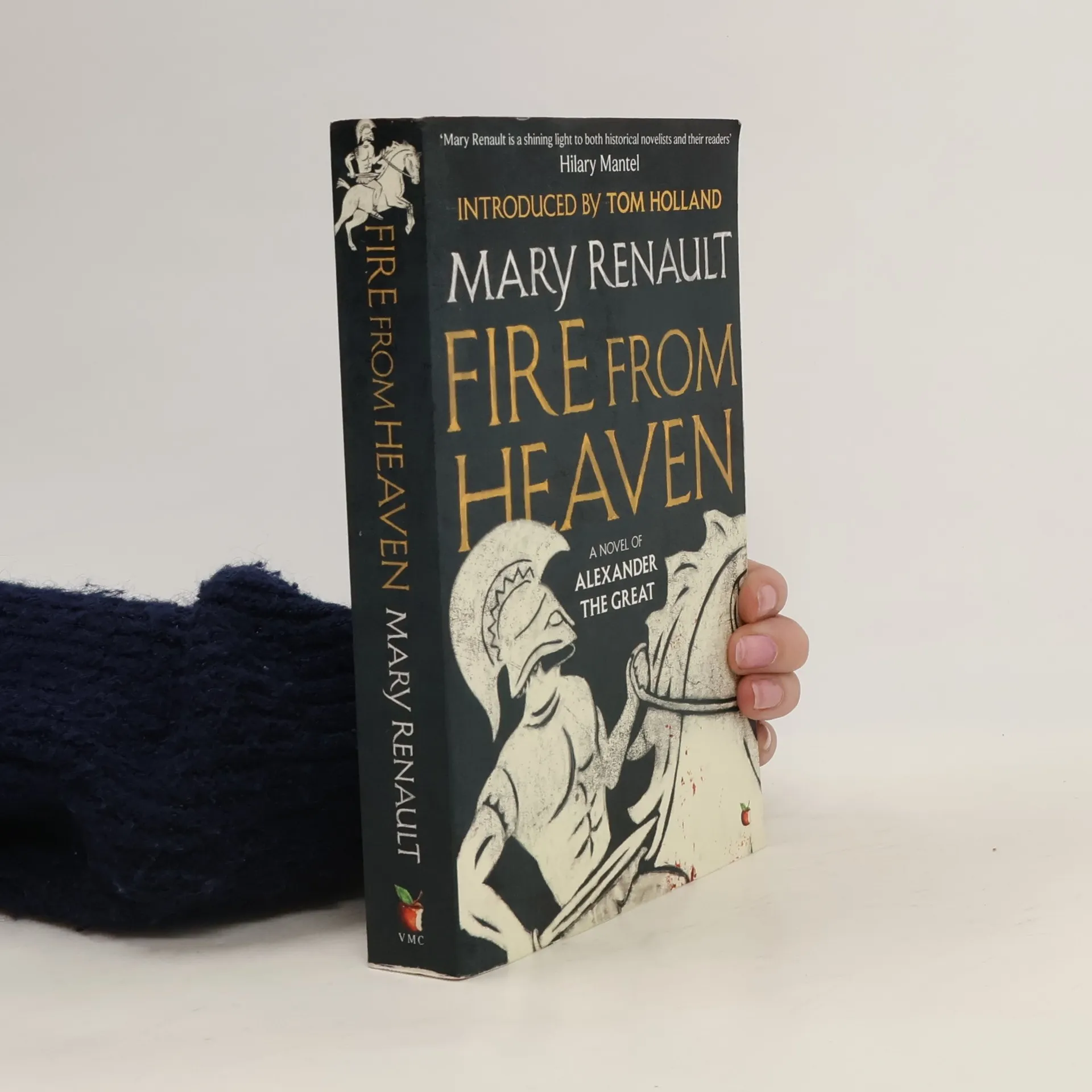
Fuego del paraíso
- 348 páginas
- 13 horas de lectura


Mary Renault fue una autora inglesa reconocida por sus novelas históricas ambientadas en la antigua Grecia. Su obra exploró principalmente temas de amor y liderazgo masculinos, profundizando en cuestiones éticas y filosóficas. Al ambientar sus narrativas en las sociedades guerreras de la antigua Grecia, Renault se liberó para examinar la naturaleza del amor y el poder, trascendiendo la representación de la homosexualidad como un mero problema social. Su escritura ofrece vívidas exploraciones de figuras históricas y mitológicas significativas, vistas a través de la lente de serias historias de amor gay.


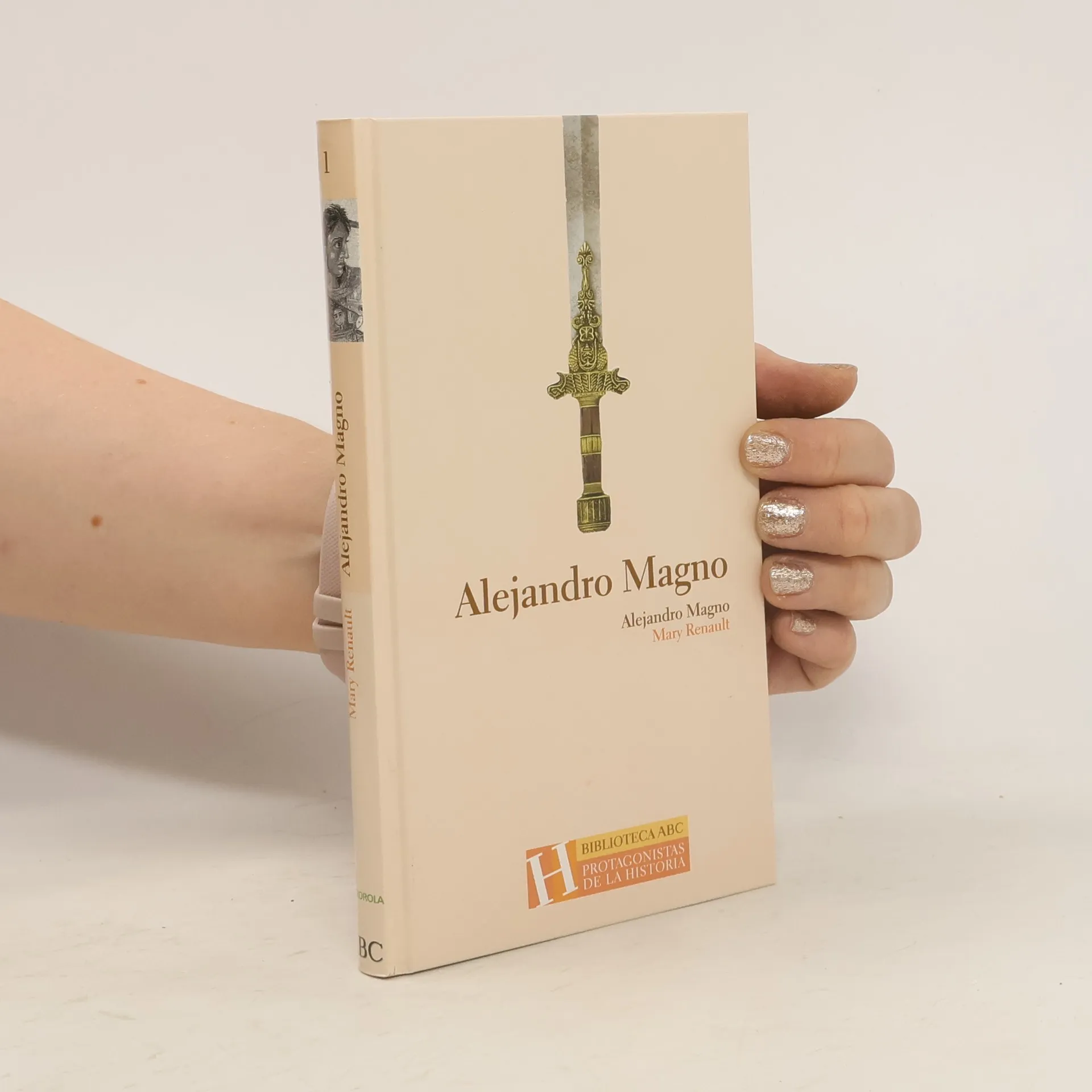


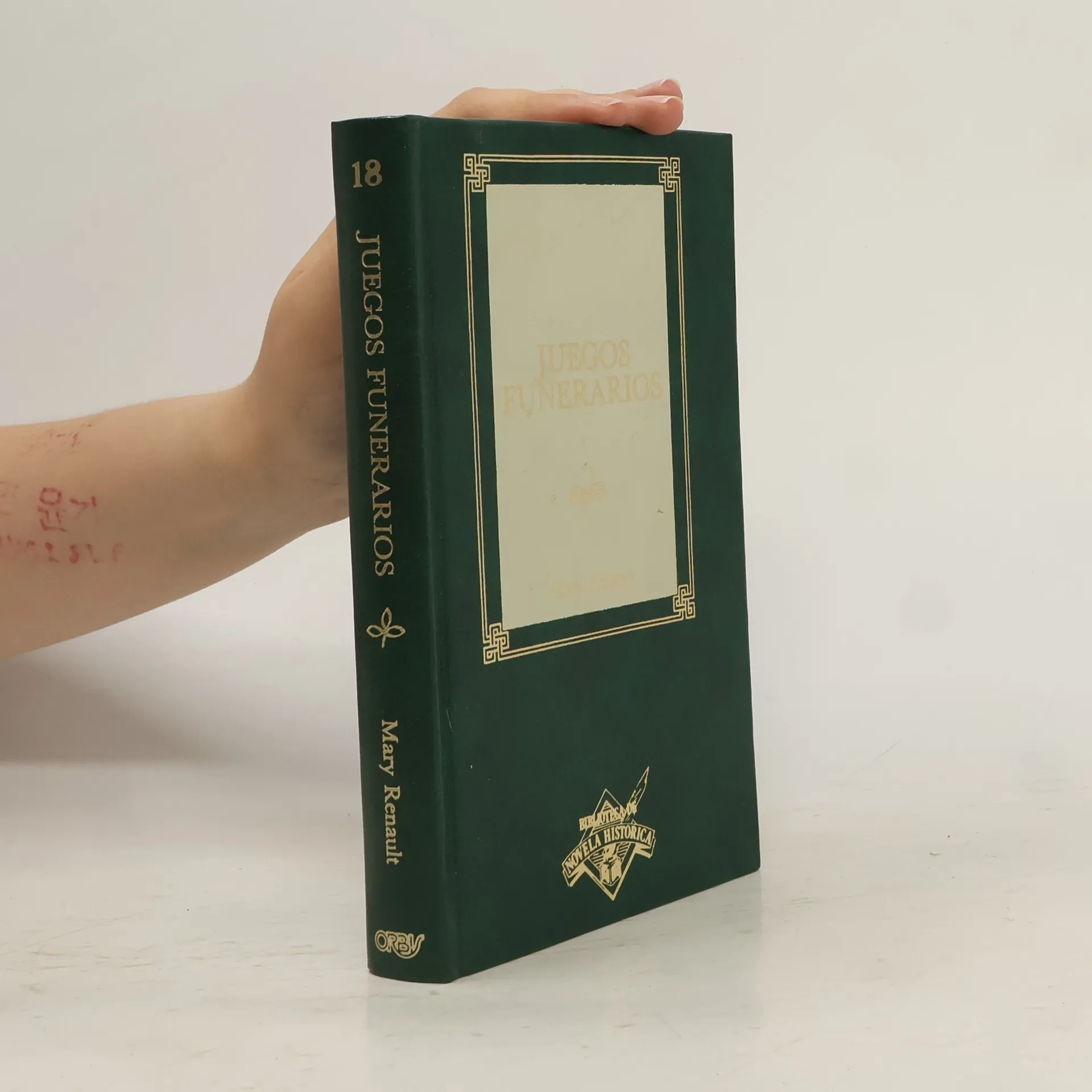

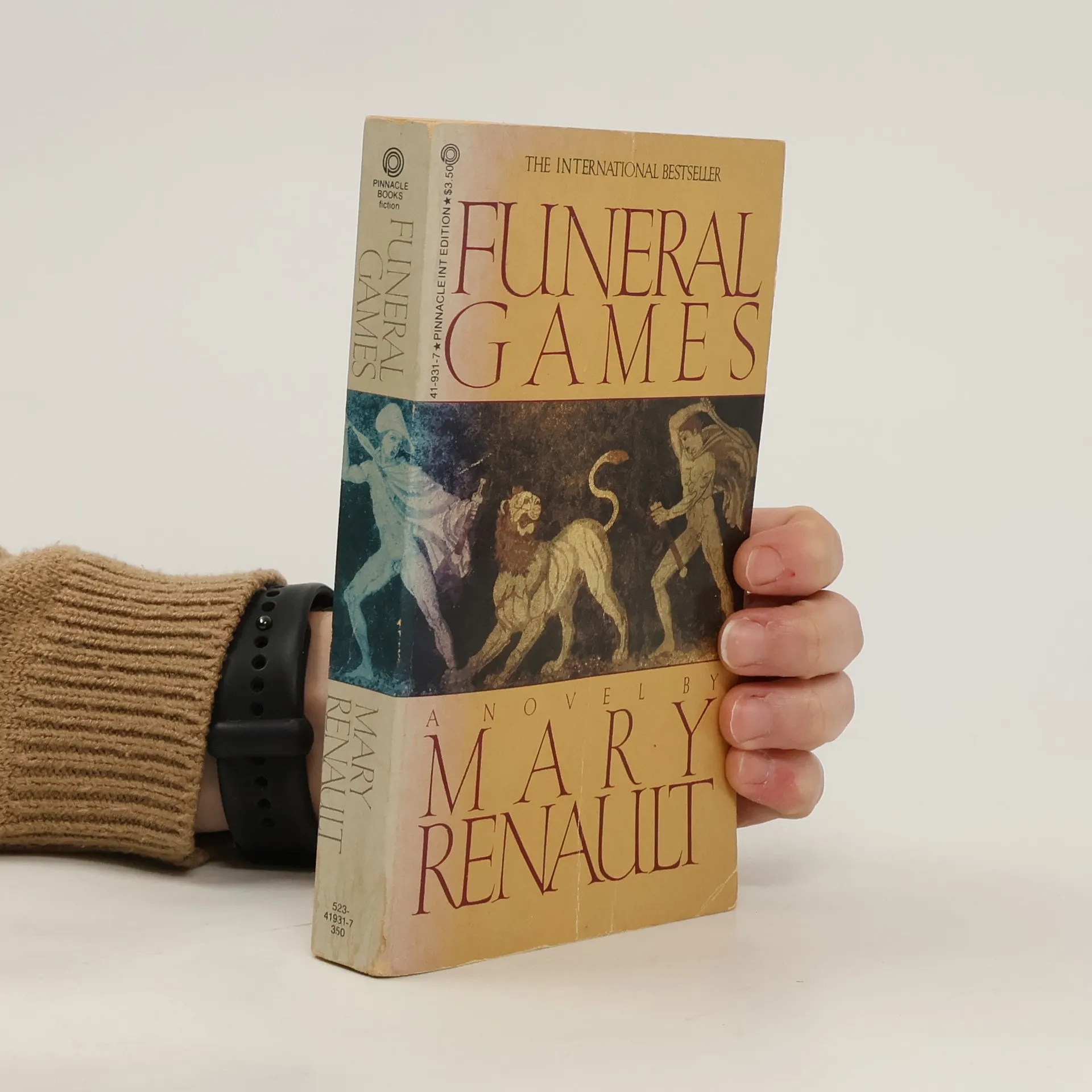
Alejandro Magno, dueño y señor de la mitad del mundo conocido hasta entonces, agoniza sin haberse decidido a nombrar sucesor. Tras su muerte, los «juegos funerarios» no son los torneos homéricos sino las cruentas luchas por el poder absoluto.
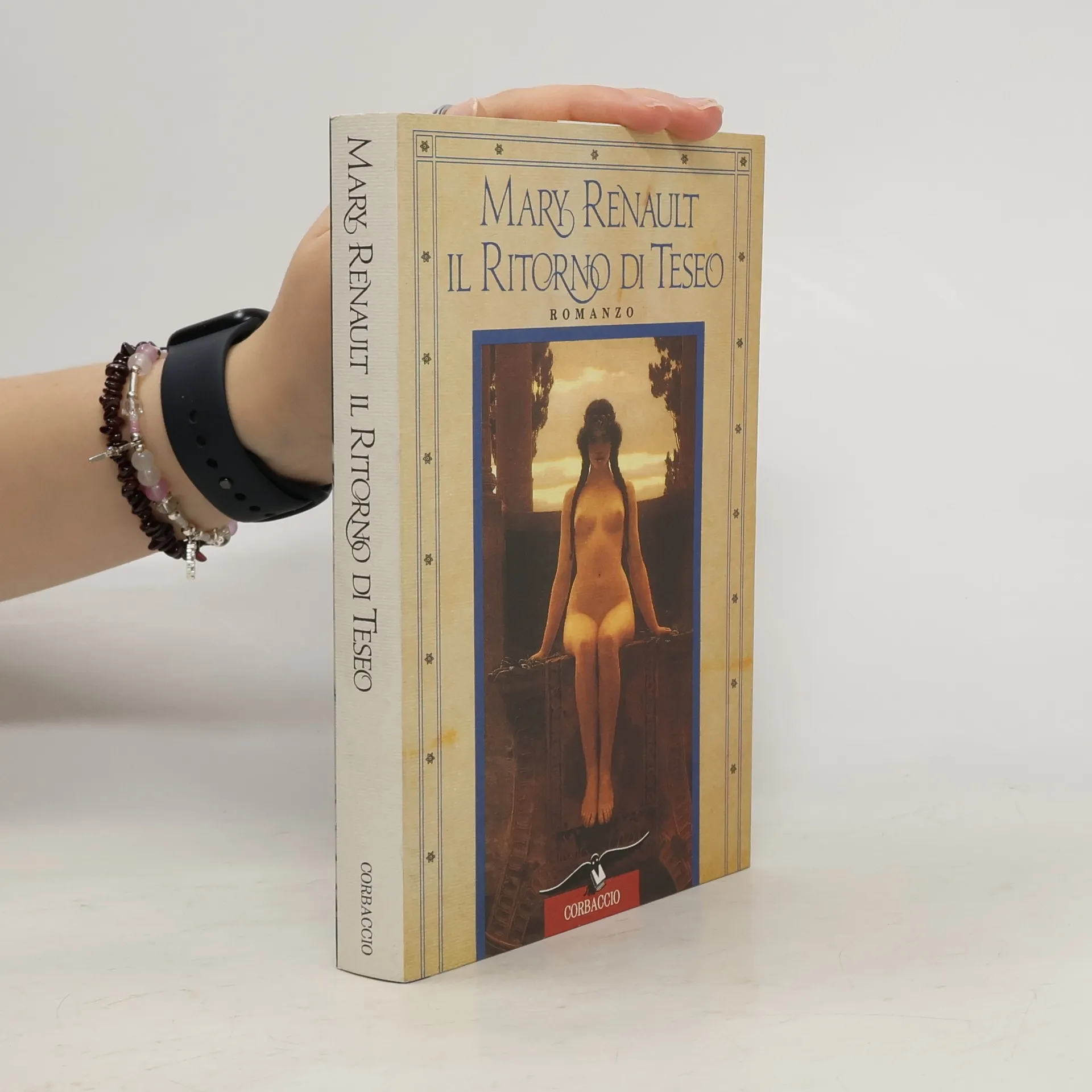
Esta novela completa la recreación del mito de Teseo que la autora, inspirada en las viejas leyendas áticas, inició con «El rey debe morir». Teseo, el legendario rey de Atenas, hijo de Egeo o Poseidón y de Etra, es uno de los personajes más controvertidos y fascinantes de la Grecia clásica. Destructor de Cnosos, residencia real de la dinastía minoica, fundador de la dinastía ateniense, reformador religioso, gran navegante y pirata, a él se atribuye el sinecismo ateniense (reunión de varios pueblos en una ciudad, con igualdad de derechos entre todos los habitantes e instituciones políticas y religiosas unificadas) tras haber conquistado gran parte del Ática. En «Teseo, rey de Atenas» el héroe ya ha logrado volver a Atenas, después de salir victorioso del combate con el Minotauro de Creta. La novela relata, a un tiempo, cómo se convierte en rey del Ática y de Creta y sus expediciones guerreras, sus acciones como gobernante y sus amoríos con Ariadna, Hipólita —reina de las amazonas— y Fedra.
In myth, Theseus was the slayer of the child-devouring Minotaur in Crete. What the founder-hero might have been in real life is another question, brilliantly explored in The King Must Die. Drawing on modern scholarship and archaeological findings at Knossos, Mary Renault’s Theseus is an utterly lifelike figure—a king of immense charisma, whose boundless strivings flow from strength and weakness—but also one steered by implacable prophecy. The story follows Theseus’s adventures from Troizen to Eleusis, where the death in the book’s title is to take place, and from Athens to Crete, where he learns to jump bulls and is named king of the victims. Richly imbued with the spirit of its time, this is a page-turner as well as a daring act of imagination.
In her inventive novels set in ancient Greece, Mary Renault crafts a compelling narrative from the myth of Theseus, creating a flawed hero and a plausible account of the Labyrinth and the Minotaur. The story follows young Theseus from his mysterious birth and insecurities about his size to his growing strength and belief in his destiny. As a teenager, he embarks on a journey to meet his father, the King of Athens, but faces unexpected challenges, including a forced stay in the matriarchal society of Eleusis and his participation in a tribute of Athenian youths sent to be sacrificed to a bull-worshipping cult in Crete. Trapped in King Minos's labyrinthine palace, Theseus teams up with high priestess Ariadne to devise a daring escape plan for the Athenians. The sequel begins with Theseus's return to Athens, where he discovers his father's death and his new role as king. However, his confidence in his destiny is tested by future encounters, including a life-altering meeting with Hippolyta, queen of the Amazons, the birth of a son who seeks his own path, and the tragic consequences of his wife Phaedra's betrayal. Renault combines her deep understanding of ancient Greek culture with imaginative speculation, bringing legendary heroes and monsters to life.
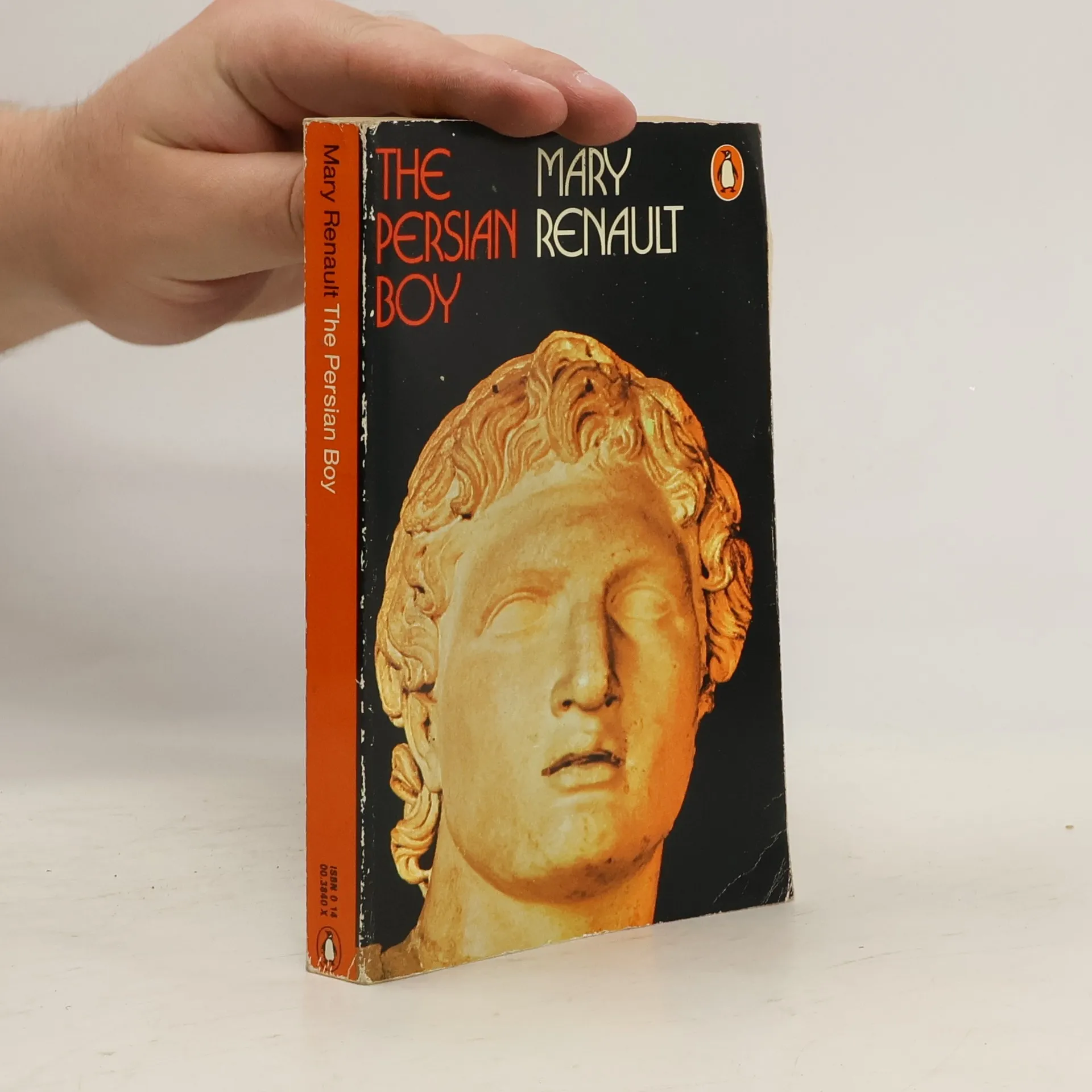
Tells the story of the climactic last seven years of Alexander the Great's life through the eyes of his lover, Bagoas. The relationship between the beautiful young eunuch and the great general's sustains Alexander as he survives assassination plots, the demands of two foreign wives, a mutinous army, and his own ferocious temper.
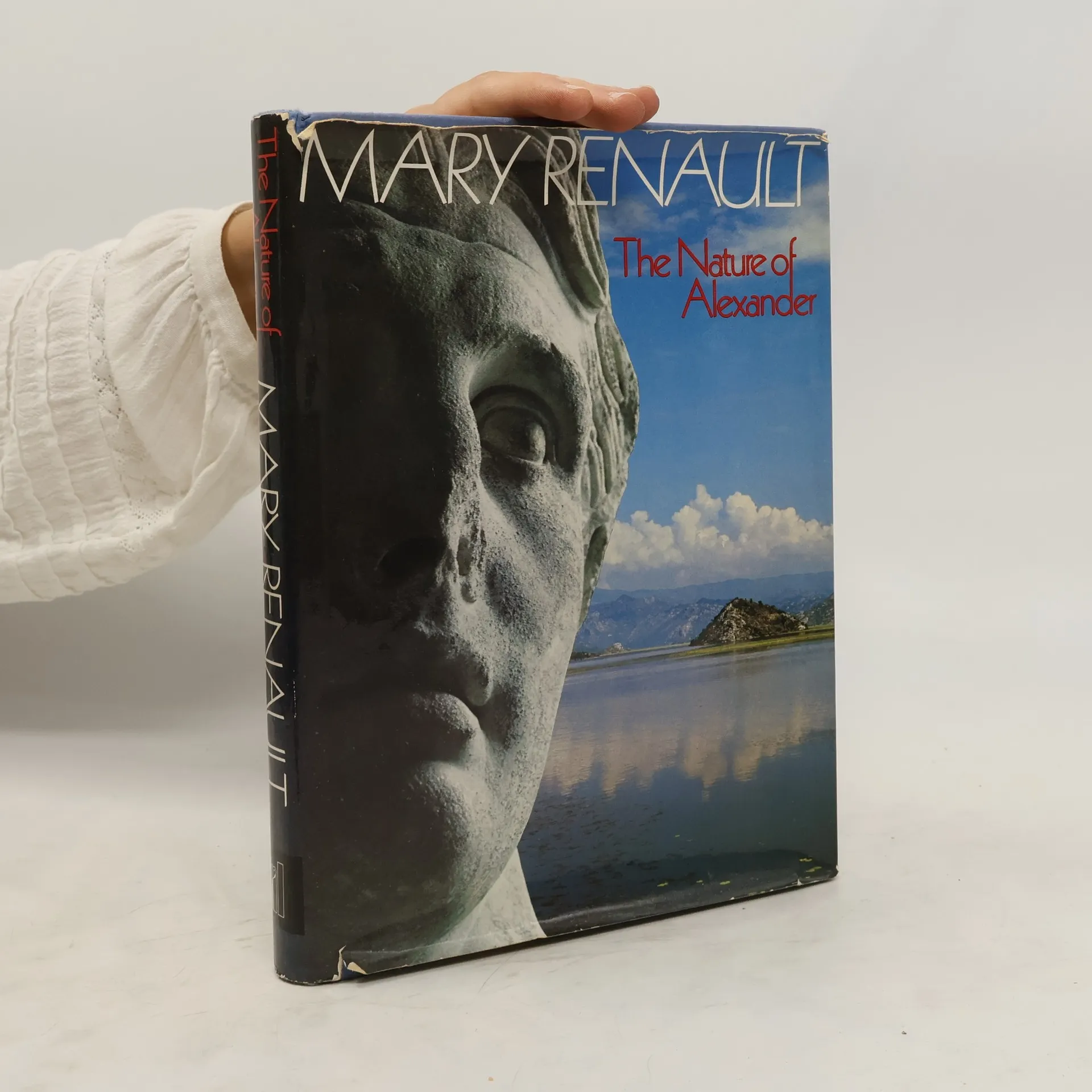
The acclaimed biography of Alexander the Great.
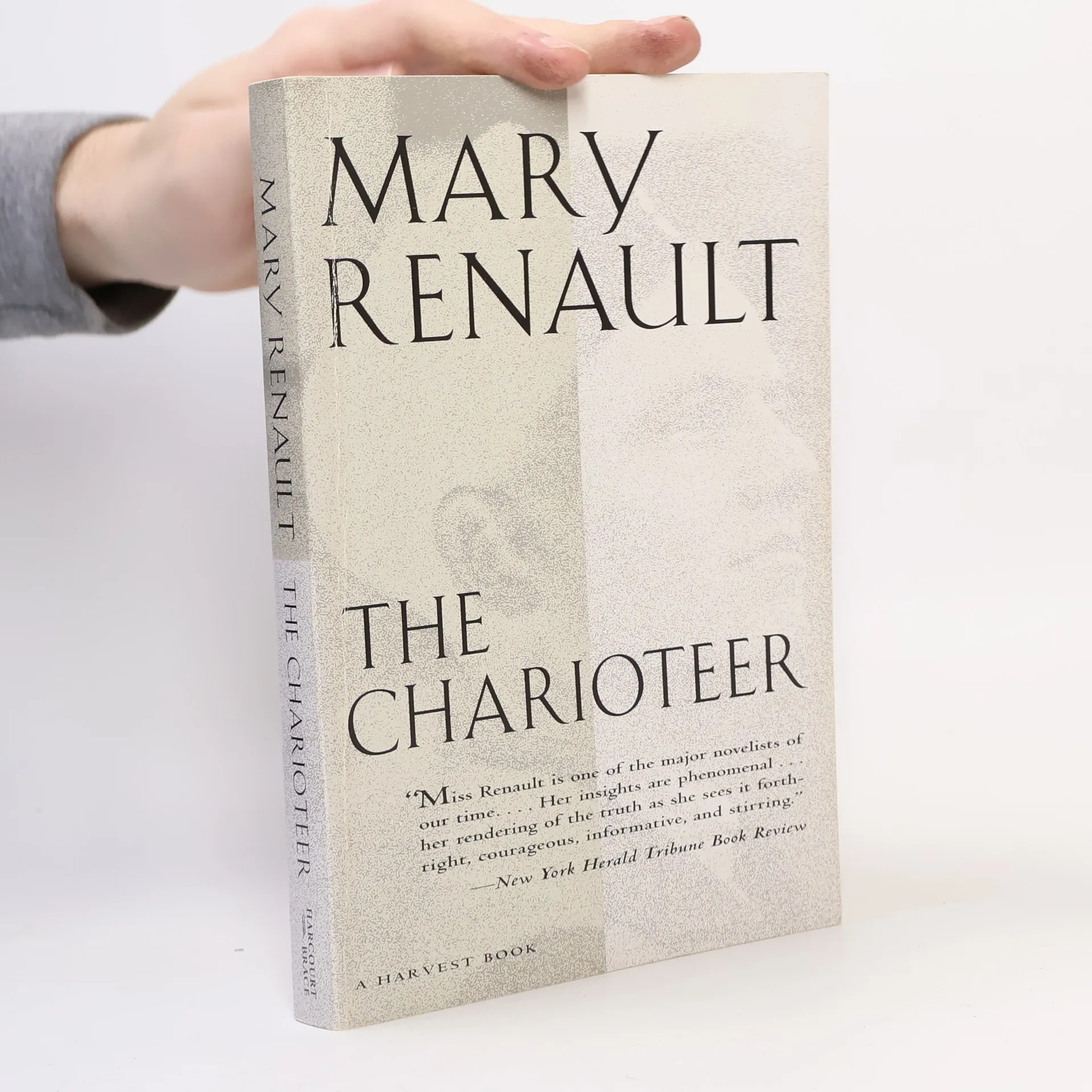
Few events in his early years had prepared Laurie Odell for that day in the veterans’ hospital when he first met Andrew Raynes. Laurie, who was recovering from wounds sustained at Dunkirk, had seen a bit of life, but the moment he met Andrew was unique for him – it was a moment that provided clarity and logic for the many things that he vaguely knew about himself but had never fully understood. With Andrew everything became right – love entered Laurie’s life and with it, finally, a sense of self. But with this discovery began Laurie’s difficult journey between two communities – that of the soldier and that of the gay man – and the delicate task of navigating the precarious waters that flow between them. In The Charioteer Ms. Renault has created a stunning work of historical fiction that is as fresh as today’s headlines. This is a novel that thoroughly succeeds in illuminating the world around us.
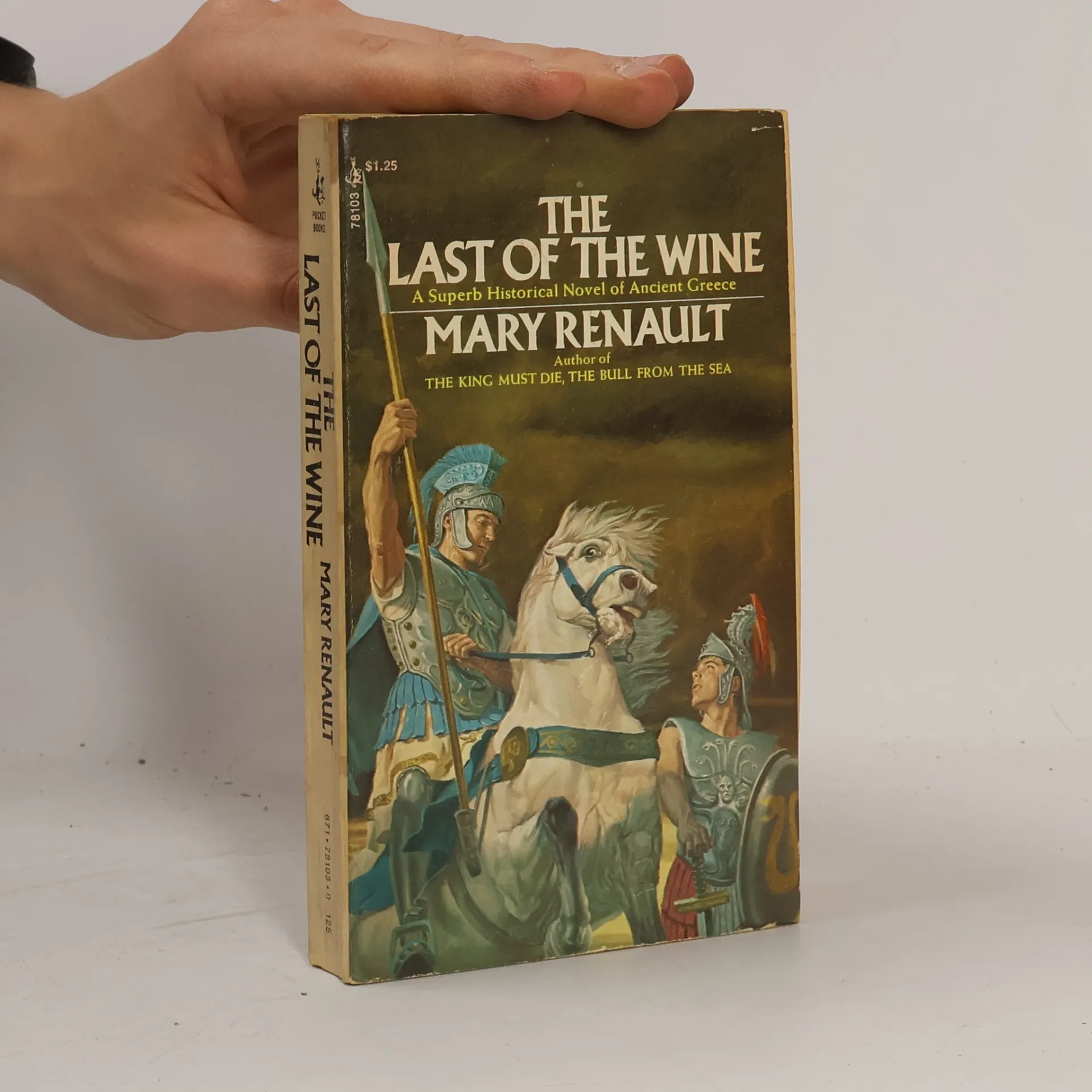
In The Last of the Wine , two young Athenians, Alexias and Lysis, compete in the palaestra, journey to the Olympic games, fight in the wars against Sparta, and study under Socrates. As their relationship develops, Renault expertly conveys Greek culture, showing the impact of this supreme philosopher whose influence spans epochs.
In the first novel of her stunning trilogy, Mary Renault vividly imagines the life of Alexander the Great, the charismatic leader whose drive and ambition created a legend.
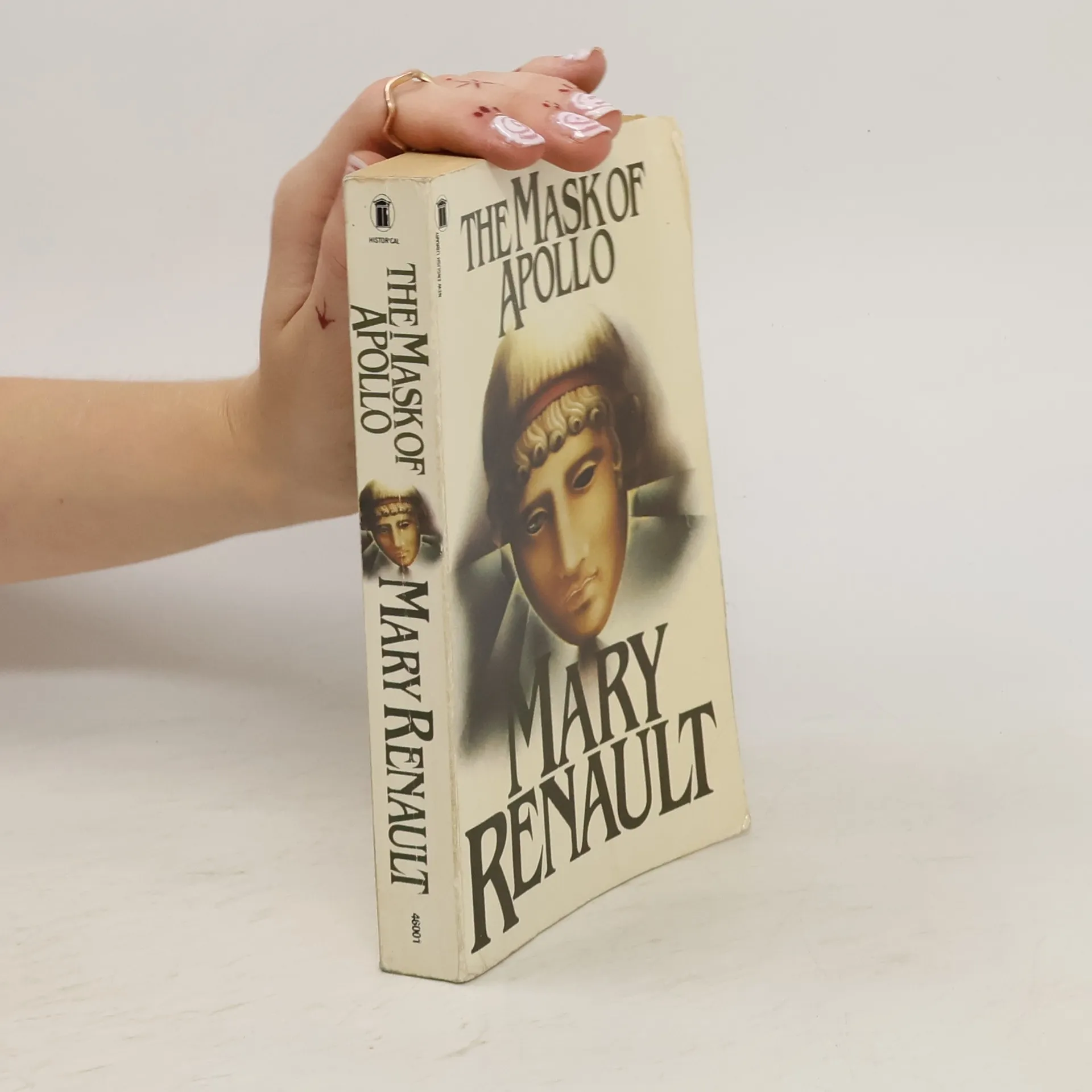
Set in fourth-century B.C. Greece, THE MASK OF APOLLO is narrated by Nikeratos, a tragic actor who takes with him on all his travels a gold mask of Apollo, a relic of the theatre's golden age, which is now past. At first his mascot, the mask gradually becomes his conscience, and he refers to it his gravest decisions, when he finds himself at the centre of a political crisis in which the philosopher Plato is also involved. Much of the action is set in Syracuse, where Plato's friend Dion is trying to persuade the young tyrant Dionysios the Younger to accept the rule of law. Through Nikeratos' eyes, the reader watches as the clash between the two unleashes all the pent-up violence in the city.
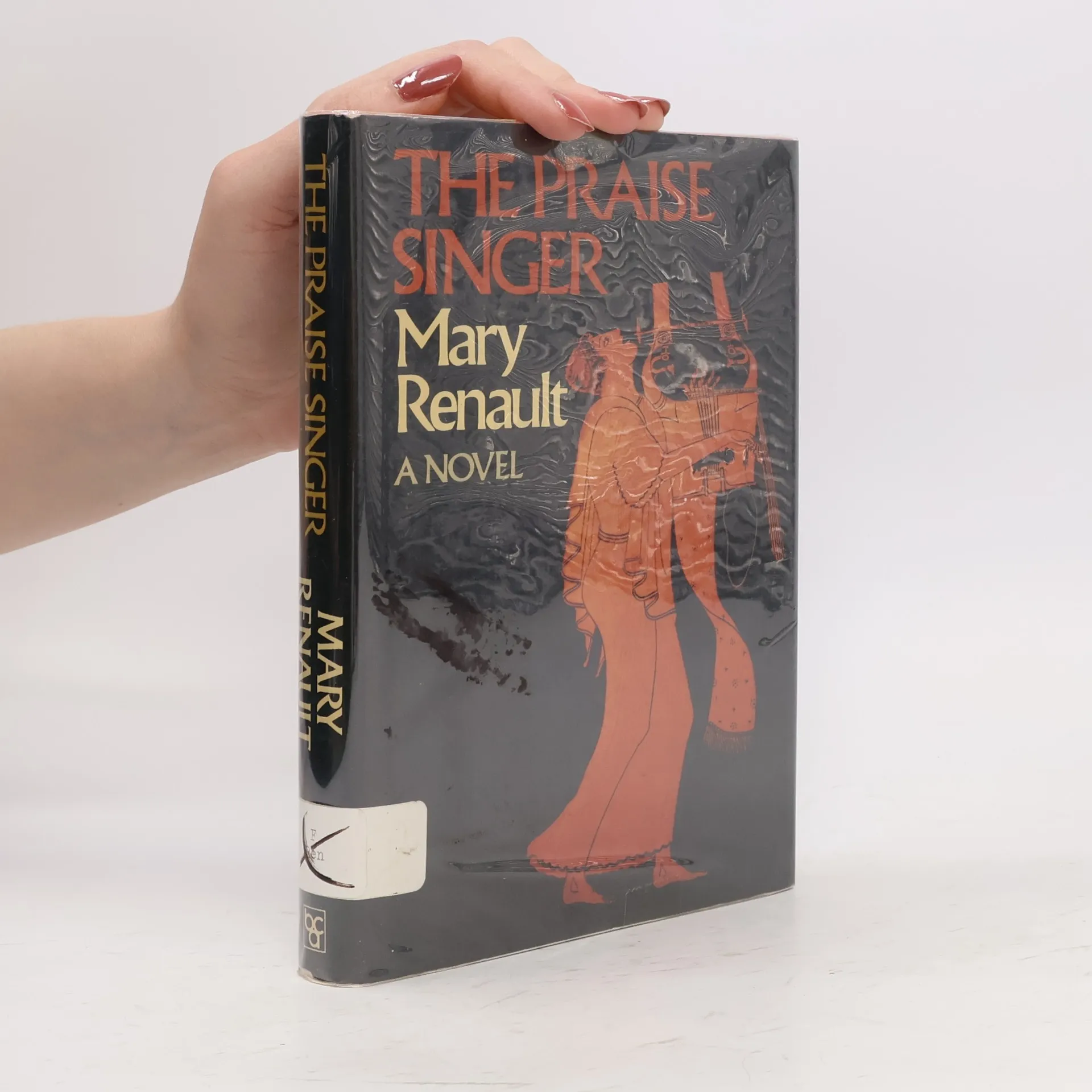
In her latest novel set in ancient Greece, Mary Renault explores the life of the bard Simonides, who flourished during the sixth century amid tyrants, the Persian wars, and a vibrant artistic era. Drawing from limited historical sources, Renault masterfully reconstructs the rich world of ancient art. The story begins on Keos, where young Simonides receives a sign from Apollo, leading him to his mentor, Kleobis the bard. He journeys to Samos, immersing himself in the island's colorful culture during his apprenticeship. Following Kleobis's death, Simonides moves to Athens, where he finds patronage under Hipparchos of the Pisistratids, who gather a dazzling array of artists. Though termed tyrants, the Pisistratids initially rise as champions of the people, earning the Athenians' support until Hipparchos's missteps lead to his murder by Harmodios and Aristogeiton, marking the downfall of their court. Throughout these upheavals, Simonides endures and eventually retires to Sicily, reflecting on his remarkable life. Renault's narrative vividly captures the passions, politics, and poetry of ancient history, showcasing her unparalleled ability to breathe life into the past.
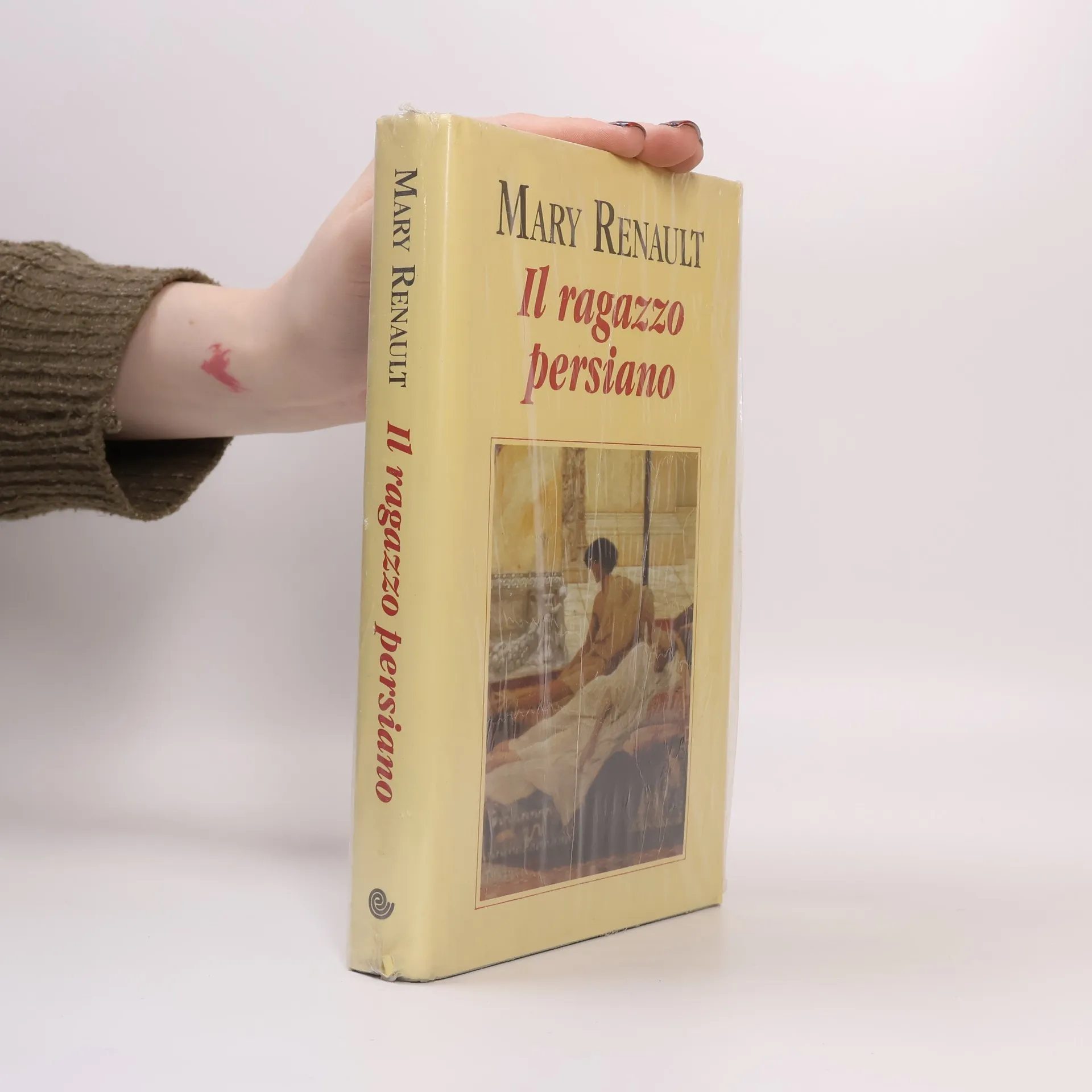
The narrative vividly reimagines the myth of Theseus, exploring his heroic journey and the challenges he faces. Through rich storytelling, it delves into themes of fate, sacrifice, and the struggle for identity. The book immerses readers in ancient Greek culture, highlighting the complexities of its legendary figures while showcasing Theseus's transformation from a young man into a revered king. It captures the essence of mythological adventure, weaving together elements of bravery and destiny.
A Novel of Alexander the Great: A Virago Modern Classic
Životopis usiluje o komplexní zobrazení osobnosti Alexandra a jeho činů; vyhýbá se hodnocením a širším historickým souvislostem.
Untertitel: Die heroischen Kämpfe der Griechen und Perser bei Marathon, Salamis und Thermopylae. Dies ist eine großartige Nacherzählung dieser epischen antiken Schlachten, die den Verlauf der westlichen Zivilisation prägten. Alle großen Charaktere sind vorhanden: Darius und Xerxes, die persischen Könige; die Griechen Themistokles, Alkibiades und der Spartaner, nach dem das Buch benannt ist, Leonidas, und viele andere. Das Buch beginnt mit den historischen Wurzeln des Volkes des antiken Griechenlands und wie sie ihre Freiheit mehr als alles andere liebten.
Historický román o dramatickém životním osudu starořeckého básníka Simónída se odehrává v bouřlivé době plné válek, v 6. století př.n.l. Simónídes byl významným básníkem antického Řecka v 6. stol. před Kristem. V románě je vylíčena jeho životní pouť od narození ve městě Iúlis až do sklonku života v Syrakúsách. Básník, jehož nevzhledná tvář ostře kontrastovala s krásou jeho veršů, žil v době plné válek, intrik a zvratů; to se odráželo i na jeho osobních vzestupech a pádech. Autorka umně skloubila historická fakta s fantazií a podařilo se jí přiblížit čtenářům antický svět velkých tyranů i velkých básníků. A také připomenout, že Simónides je autorem epitafu "Poutníče, zvěstuj Lakedaimonským...", který byl určen Sparťanům padlým u Thermopyl....
Ali Khan and Nino Kipiani live in the cosmopolitan, oil-rich capital of Azerbaijan which, at the beginning of the twentieth century, is a melting-pot of different cultures. Ali is a Muslim, with his ancestors' passion for the desert, and Nino is a Christian Georgian girl with sophisticated European ways. Despite their differences, the two have loved each other since childhood and Ali is determined that he will marry Nino as soon as she leaves school. But there is not only the obstacle of their different religions and parental consent to overcome. The First World War breaks out. As the Russians withdraw, the Turks advance, and Ali and Nino find themselves swept up in Azerbaijan's fight for independence.
Ein Hausboot auf der Themse in den schillernden Dreißigerjahren. Dort geht es um Freundinnen, Schwestern, die Liebe und das turbulente Leben. Unwiderstehlich unterhaltsam erzählt uns Mary Renault über Lebensentwürfe jenseits der Schubladen und Konventionen. «Freundliche junge Damen» ist ein charmanter und intelligenter Roman über Männer, Frauen und Freiheit – eine Wiederentdeckung der besonderen Art. Elsie ist behütet und naiv – und sie ist unglücklich. Die Eltern und das düstere Dorf im Cornwall erdrücken die Siebzehnjährige regelrecht, sodass es nicht verwundert, dass sie sich in den ersten präsentablen Mann verliebt: Peter. Der Arzt aus London rät ihr, von zu Hause abzuhauen und nach London zu ihrer Schwester Leonora zu gehen. Dort staunt Elsie nicht schlecht: Leo lebt auf einem Hausboot auf der Themse und schreibt Western, um ihren Lebensunterhalt zu verdienen. Und sie teilt Boot und Bett mit einer Frau. Als Peter auf das Boot zu Besuch kommt und seine Aufmerksamkeit von einer freundlichen jungen Dame zur nächsten schweifen lässt, hat das für alle überraschende Folgen ... Endlich auf Deutsch: Mary Renaults Roman ist ein moderner Klassiker und ein frühes Beispiel für Literatur mit LGBTQ-Themen.
Im schwülen Hochsommer liegt Alexander der Große im Sterben, während alte Rivalitäten und Machtgier erneut aufflammen. Seine Frau Roxane und eine persische Königstochter erwarten jeweils ein Kind von ihm. Der Kampf um die Nachfolge des großen Eroberers hat begonnen.
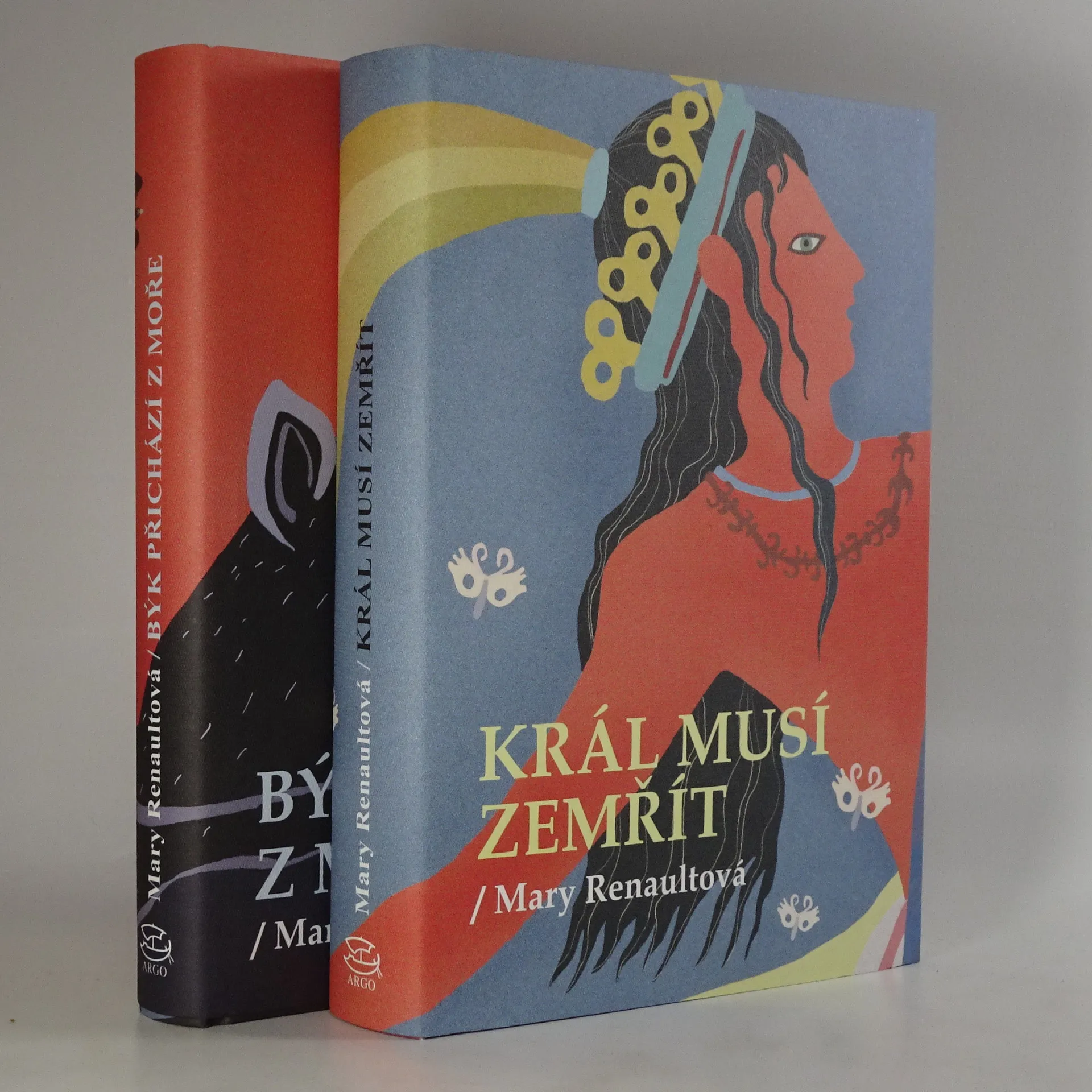
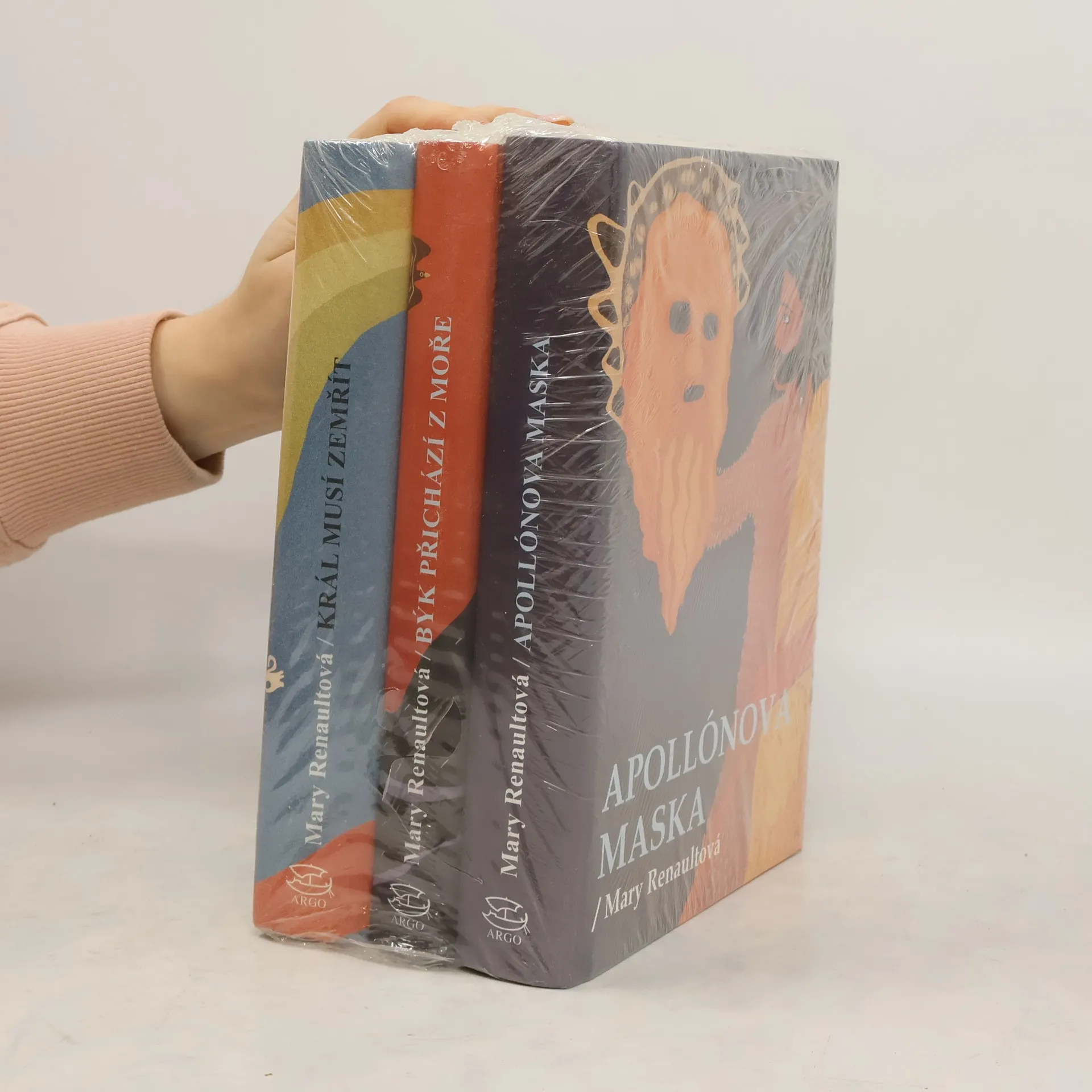
Dvojice těsně na sebe navazujících románů, jež zpracovávají antickou pověst o attickém hrdinovi Théseovi, odvíjí před čtenářem obraz antického světa a bájného Labyrintu. Anglická autorka (nar. 1905), proslulá svými historickými náměty, volně dotváří a logicky spojuje známé epizodyz příběhu o Théseovi.