William Dwight Whitney Orden de los libros (cronológico)
9 de febrero de 1827 – 7 de junio de 1894
William Dwight Whitney fue un lingüista, filólogo y lexicógrafo estadounidense, reconocido por su trabajo fundamental en gramática sánscrita y filología védica. Su influyente perspectiva consideraba el lenguaje como una institución social, moldeando el pensamiento lingüístico moderno. La erudición de Whitney implicó un análisis detallado de textos védicos y filología comparada, estableciéndolo como una figura crucial en el desarrollo del campo. Su enfoque enfatizó la naturaleza social y la utilidad práctica del lenguaje.


Roots, Verb Forms and Primary Derivatives of the Sanskrit Language
- 250 páginas
- 9 horas de lectura
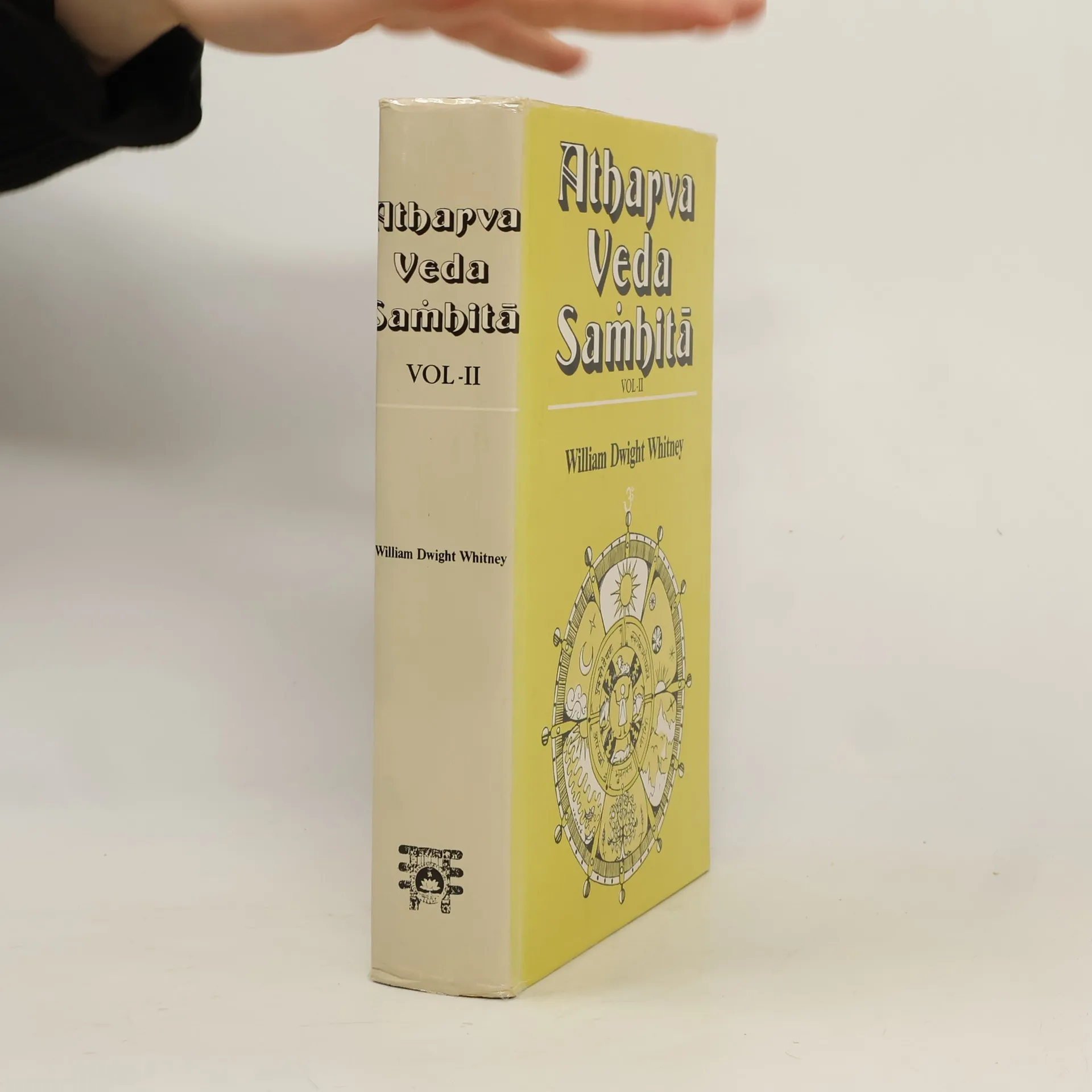
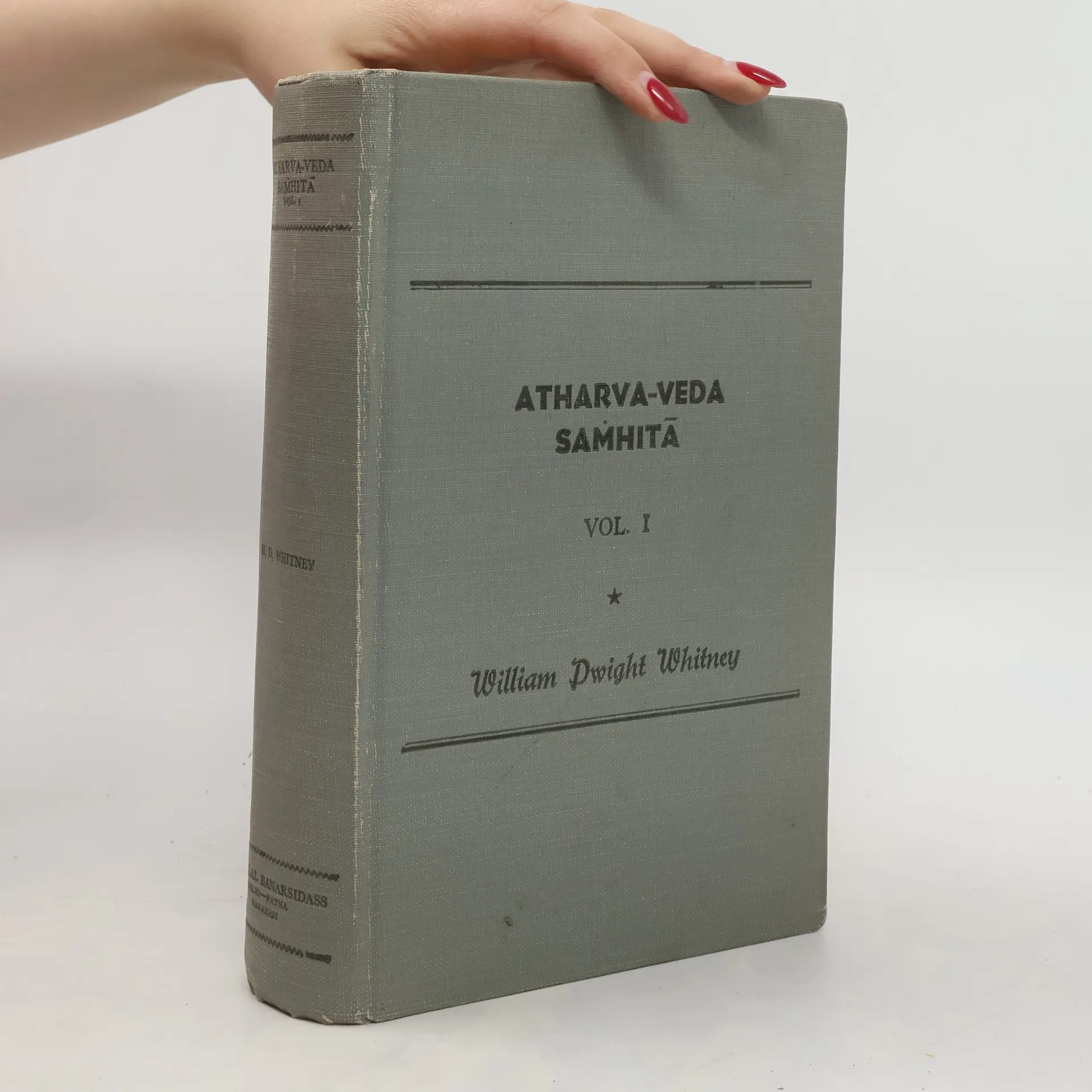
Oriental and Linguistic Studies - The Veda; The Avesta; The Science of Language
- 436 páginas
- 16 horas de lectura
Focusing on ancient Indian and Persian texts, this scholarly work delves into the Veda and the Avesta while examining the intricacies of linguistics. It provides in-depth insights into the linguistic and cultural heritage of the East, making connections between language and cultural identity. Whitney's exploration enhances understanding of these foundational texts and their significance in the study of language.
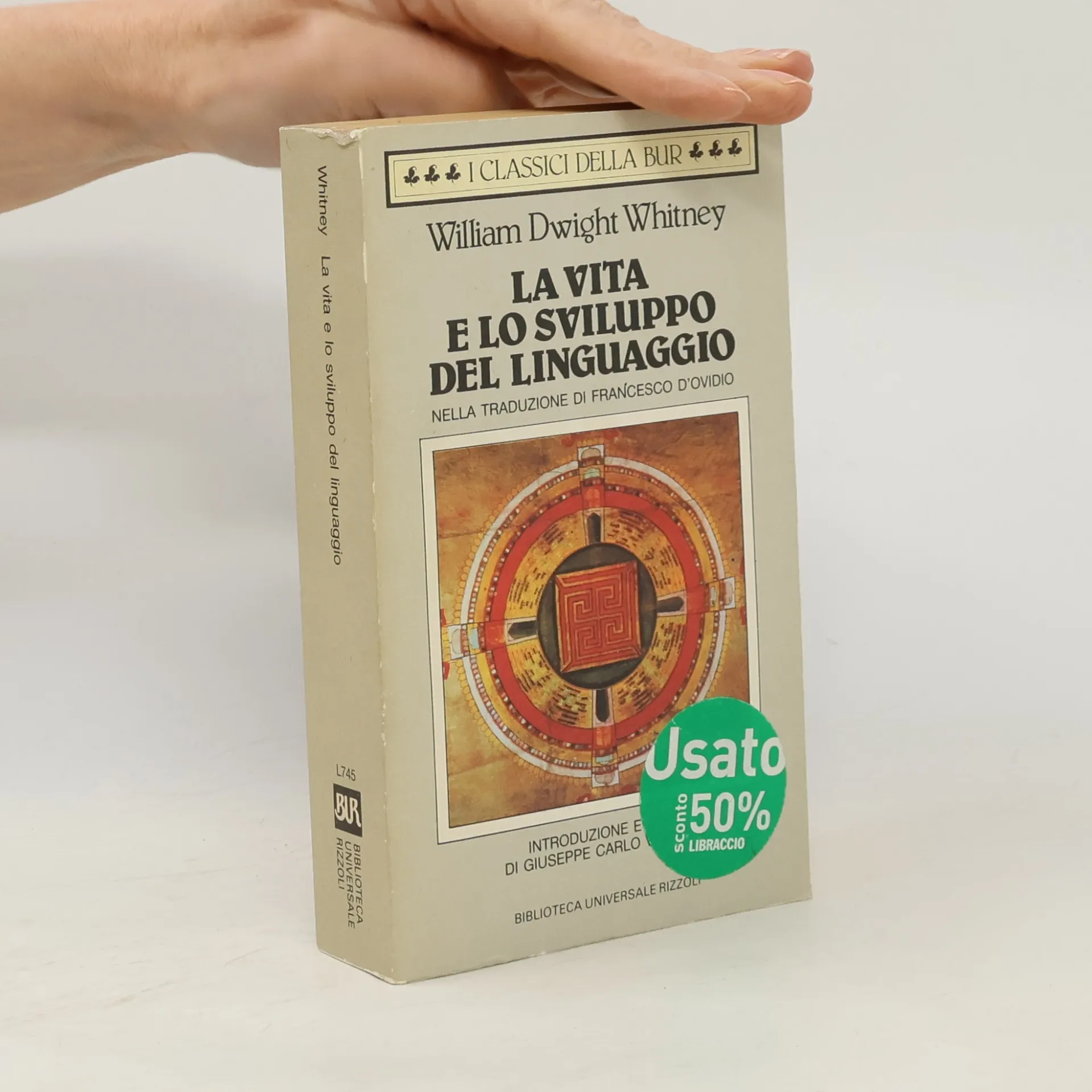
I Classici della BUR: La vita e lo sviluppo del linguaggio
Nella traduzione di Francesco D'Ovidio - Introduzione e di Giuseppe Carlo
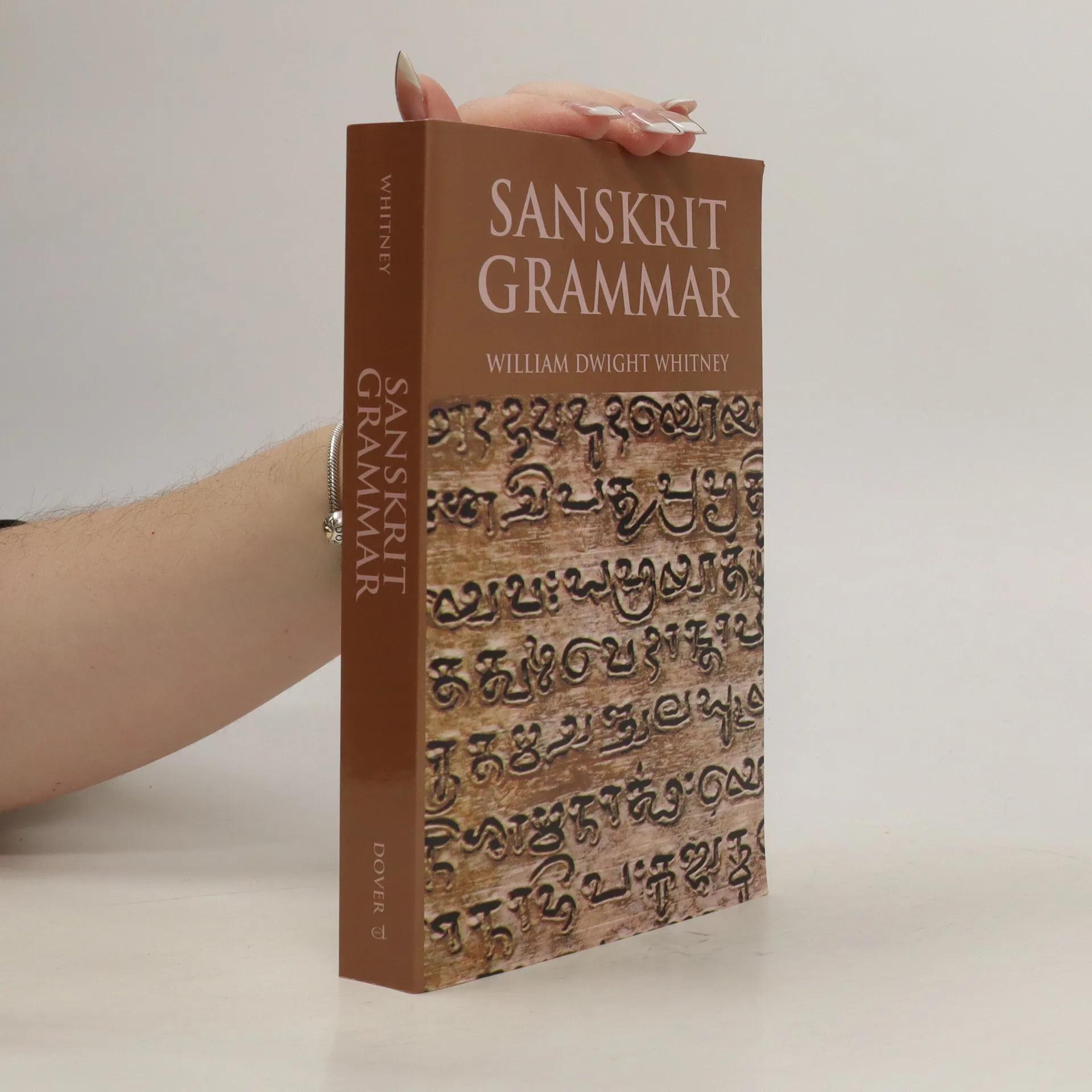
As Latin is key to the study of Western classics, Sanskrit is the gateway to understanding ancient Indian literature. One of the few Sanskrit grammars currently available, this meticulously researched and thoughtfully assembled guide to the language's basics will prove invaluable to students of Indian culture and history. Focusing on the fundamentals of Sanskrit as revealed in literary classics, the text follows the forms and constructions of the older language, as exhibited in the Veda and the Brahmana. It begins with an introduction of the Sanskrit alphabet, followed by a treatment of the accent - its changes in combination and inflection, and the tone of the individual words. Succeeding chapters discuss declension, conjugation, parts of speech, and formation of compound stems. A helpful appendix, Sanskrit index, and general index conclude the text.