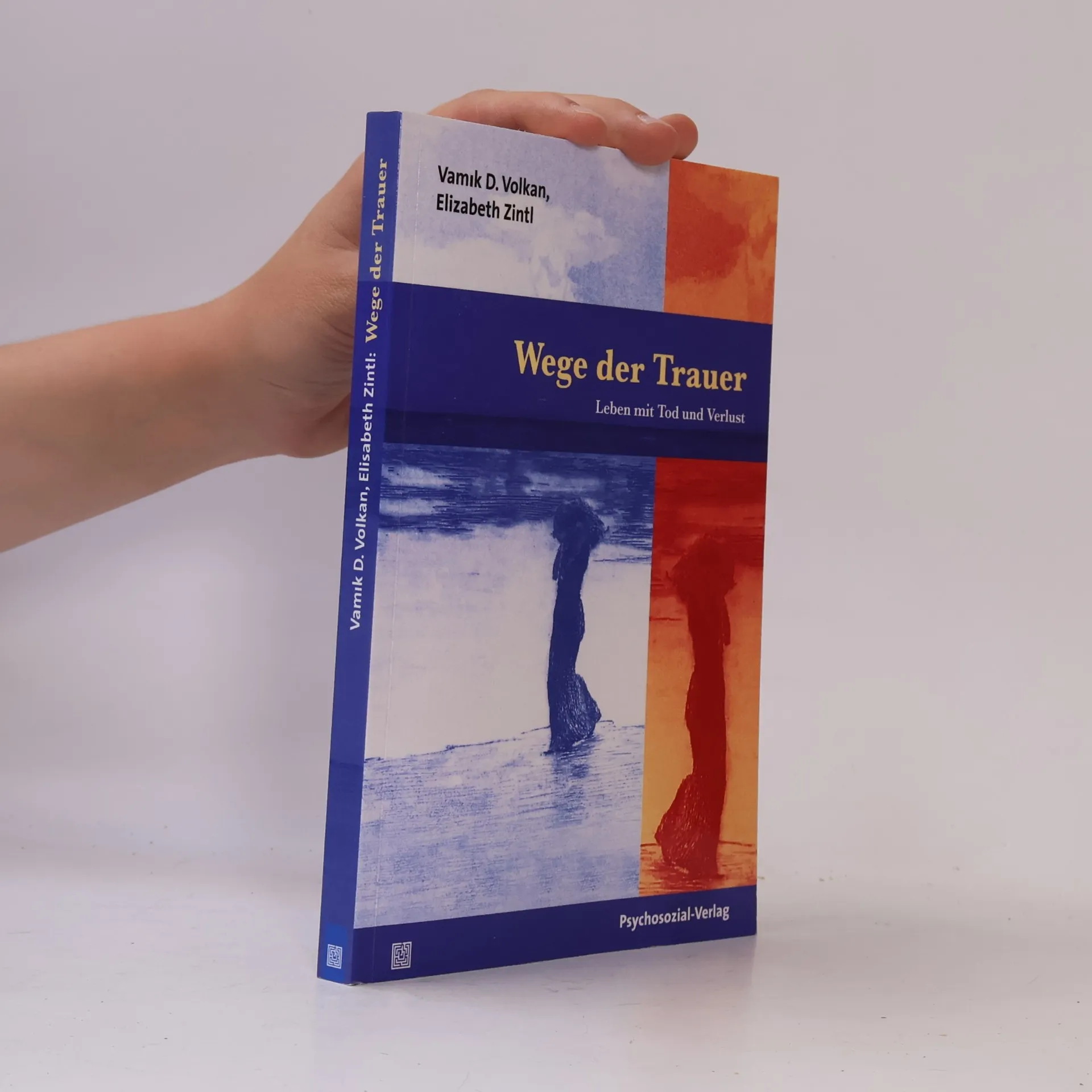
»Nirgends gibt es ein besseres Buch über Verluste und Trauer. Intelligent und mit Herz geschrieben, haben Volkan und Zintl einen Klassiker geliefert.« Michael P. Nichols »Welche Verwüstungen die Trauer auch immer mit sich bringen mag, sie hat dieses wundervolle Buch hervorgebracht. Es ist ein besonderes Geschenk für uns.« Rita Mae Brown Vamik D. Volkan und Elizabeth Zintl zeigen anhand zahlreicher authentischer Fallgeschichten die Vielseitigkeit des Trauervorgangs. Sie beschränken ihre Überlegungen nicht auf das elementarste Ereignis, den Tod eines geliebten Menschen, sondern beziehen den Verlust des Heimatlandes, eines Lebenspartners durch Scheidung, Trennung von den Eltern oder von abstrakten Idealen mit ein. Volkan hat eine außergewöhnliche Therapie zur Bewältigung der Trauer entwickelt – eine Therapie zur Wiederbelebung des steckengebliebenen Trauerprozesses.
Vamik D. Volkan Libros
Vamık D. Volkan es un distinguido psicoanalista y profesor emérito de psiquiatría cuya obra profundiza en los fundamentos psicológicos del conflicto internacional y la tensión étnica. A través de su extensa carrera académica y su liderazgo en el Centro para el Estudio de la Mente y la Interacción Humana, explora cómo los traumas colectivos, la identidad nacional y las transmisiones transgeneracionales dan forma a los asuntos globales. Su enfoque combina las perspectivas psicoanalíticas con visiones de la diplomacia, la historia y las ciencias políticas para iluminar los complejos procesos psicológicos subyacentes a la agitación política. La obra de Volkan ofrece una comprensión invaluable de los mecanismos que impulsan el conflicto y busca vías para la resolución pacífica.


Vamik Volkan resümiert seine jahrzehntelange Erfahrung als Psychoanalytiker und Psychotherapeut und präsentiert dabei die psychoanalytische Technik, ohne besonderes Augenmerk auf irgendeine bestimmte psychoanalytische Schule zu richten. Er untersucht bekannte technische Konzepte, die im Weiteren überarbeitet, ausrangiert oder aktualisiert werden. Dabei finden auch bisher wenig untersuchte Bereiche Beachtung, etwa die enge Verknüpfung der ethnischen, nationalen oder religiösen Geschichte mit der inneren Welt und die Rolle des Handelns bei der Gesundung. Die technischen Konzepte werden im Sinne der vom Autor entwickelten Feldforschungsmethode anhand von Fallbeispielen illustriert, die teilweise die gesamte Analysedauer umfassen. Dabei hält Volkan auch die Gedanken des Analytikers während der Therapiestunde fest. Lehrenden und Lernenden bietet sich somit die Möglichkeit, die Verknüpfung zwischen klinischen Beobachtungen, dem psychodynamischen Verständnis und den daraus gezogenen technischen Erwägungen zu hinterfragen, sie mit den eigenen Methoden zu vergleichen und dadurch ihren Fokus zu erweitern.
Blindes Vertrauen
Großgruppen und ihre Führer in Zeiten der Krise und des Terrors
- 421 páginas
- 15 horas de lectura
»Zentral bleibt, dass Volkan ein Werk geschaffen hat, das zeigt, wie die Psychoanalyse bei der Entschärfung nationaler und internationaler Konflikte helfen kann. Das Buch sollte Pflichtlektüre jedes angehenden und jedes praktizierenden Psychoanalytikers sein.« Georg R. Gfäller, PSYCHE, 11/2007Seit Jahrzehnten befasst sich Vamik D. Volkan mit der Psychologie internationaler Konflikte. Auf Grundlage seiner psychoanalytischen Arbeit in konfliktbeladenen und traumatisierten Gesellschaften analysiert er das Verhalten von Großgruppen und ihren Führungspersönlichkeiten. Seine detaillierte, wissenschaftliche Beschreibung regressiver Bewegungen ergänzt er um eine Erläuterung progressiver und reparativer Antriebskräfte. Die Phänomene Religion, Fundamentalismus und Selbstmordattentate erhalten besondere Aufmerksamkeit.
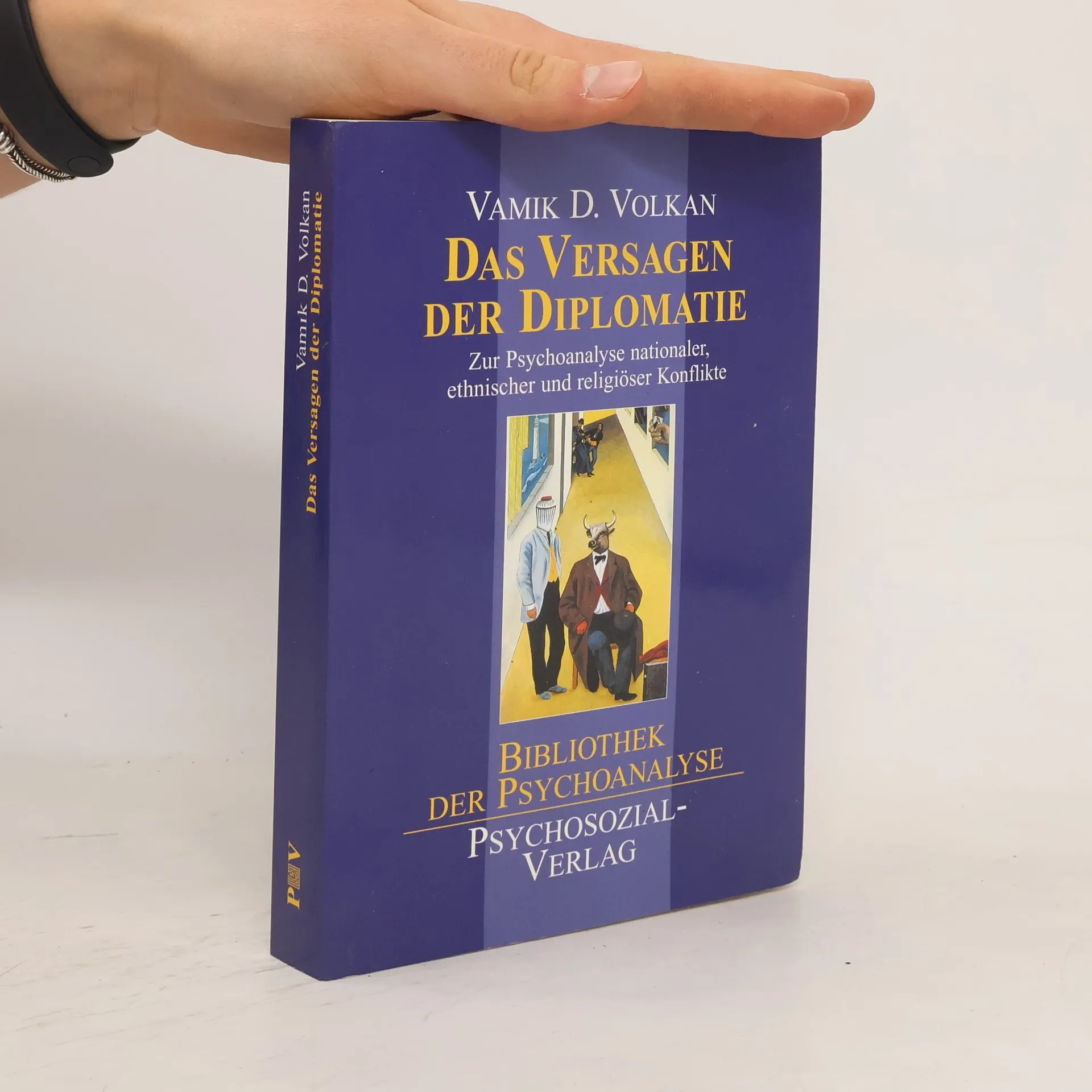
Das Versagen der Diplomatie
Zur Psychoanalyse nationaler, ethnischer und religiöser Konflikte
- 279 páginas
- 10 horas de lectura
Das neue Buch Vamik D. Volkans schlägt die fehlende Brücke zwischen psychoanalytischen Konzepten und der traditionellen Vorstellungswelt von Diplomaten, Historikern, Politologen und Sozialwissenschaftlern. Diese Brücke schafft einen neuen Zugang zum brisanten Thema ethnischer, religiöser und kultureller Unterschiede, die mit der Identität von Großgruppen eng verknüpft sind. Der bekannte Psychoanalytiker Volkan nutzt sein klinisches Wissen und seine Erfahrung aus 25-jähriger Arbeit mit Großgruppen in konfliktgeschüttelten und traumatisierten Gesellschaften, um eine pragmatisch orientierte Studie der Dynamik von Großgruppen vorzulegen. Er stellt neue theoretische Konzepte und ihre praktische Anwendung vor. Sie ermöglichen uns ein besseres Verständnis für die Interaktion von Großgruppen im Frieden wie in Krisenzeiten.
Blutsgrenzen
- 351 páginas
- 13 horas de lectura
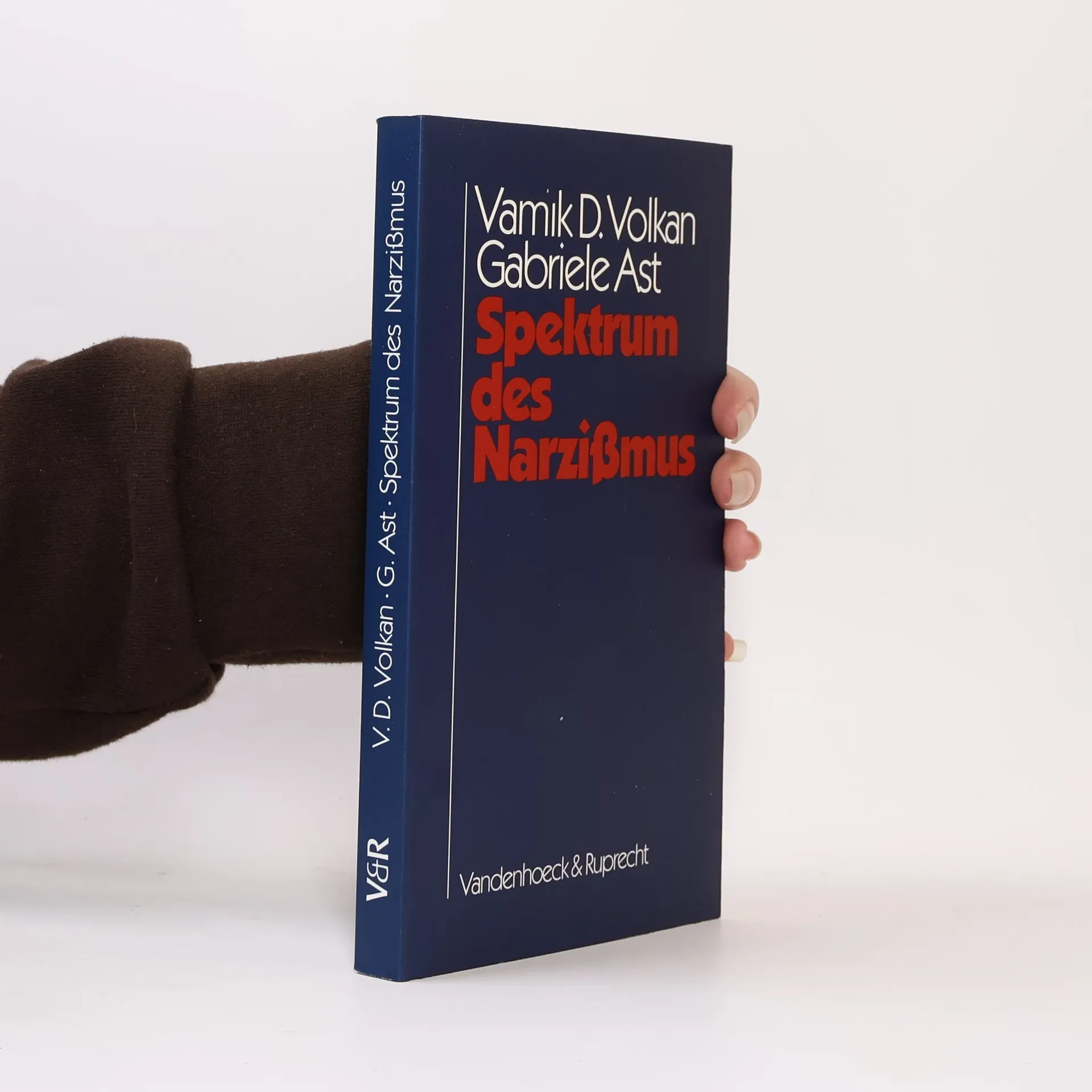
Spektrum des Narzissmus
- 234 páginas
- 9 horas de lectura
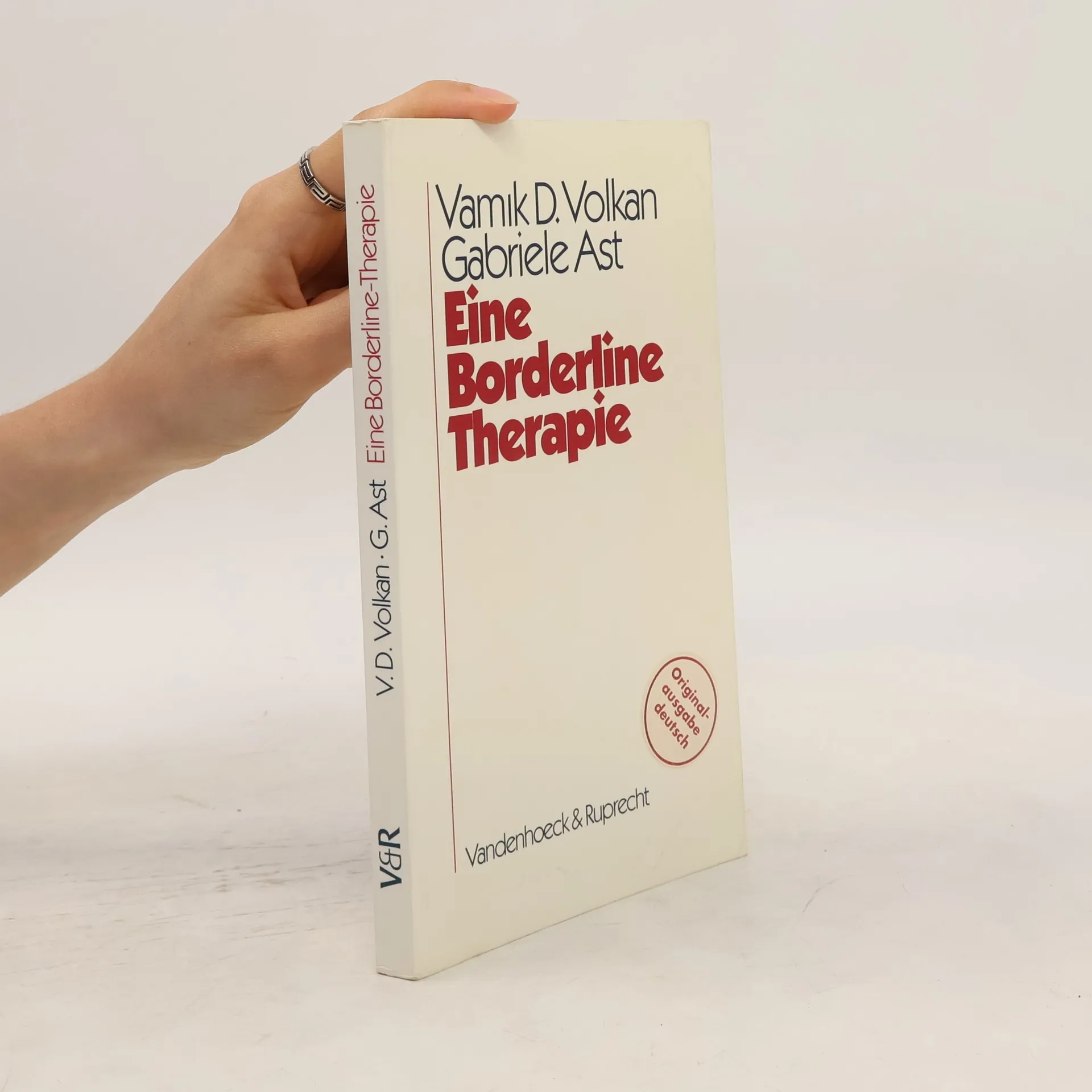
Eine Borderline-Therapie
- 200 páginas
- 7 horas de lectura
Das infantile psychotische Selbst und seine weitere Entwicklung
- 333 páginas
- 12 horas de lectura
Von Geburt an prägt die Beziehung zwischen Mutter und Säugling die seelische Entwicklung des Kindes. Dauerhaft misslingende Mutter-Kind-Interaktionen oder traumatische Erlebnisse produzieren negative Anteile in der Psyche des Kindes. Daraus bildet sich nach Volkan ein infantiles psychotisches Selbst, das verschiedene Entwicklungen nehmen kann, etwa in Form einer Schizophrenie in der Kindheit, im Erwachsenenalter oder anderer psychotischer Persönlichkeitsorganisationen.Volkan untersucht die aus dem infantilen psychotischen Selbst hervorgehenden psychischen Störungen unter Einbeziehung biologischer, physiologischer, entwicklungspsychologischer und psychoanalytischer Erkenntnisse. Daraus gewinnt er ein differenziertes Verständnis von psychotischen Erkrankungen. Fallbeispiele zeigen auf, wie die durch diese Erkrankungen schwer beeinträchtigten Menschen behandelt werden können. Originalausgabe: The Infantile Psychotic Self and Its Fates. Unterstanding and Treating Schizophrenics and Other Difficult Patients (Northvale 1995).
Psychoanalyse der frühen Objektbeziehungen
- 261 páginas
- 10 horas de lectura
Er diskutiert die wichtigsten Konzepte von Klein, Winnicott, Erikson, Jacobson, Kernberg, Mahler u. a. mit bemerkenswerter terminologischer Klarheit und Präzision und demonstriert an einer Fülle faszinierender Fallbeschreibungen, wie diese Konzepte bei der psychoanalytischen Behandlung von Psychosen, Borderline-Zuständen und schweren narzißtischen Störungen angewandt werden können.