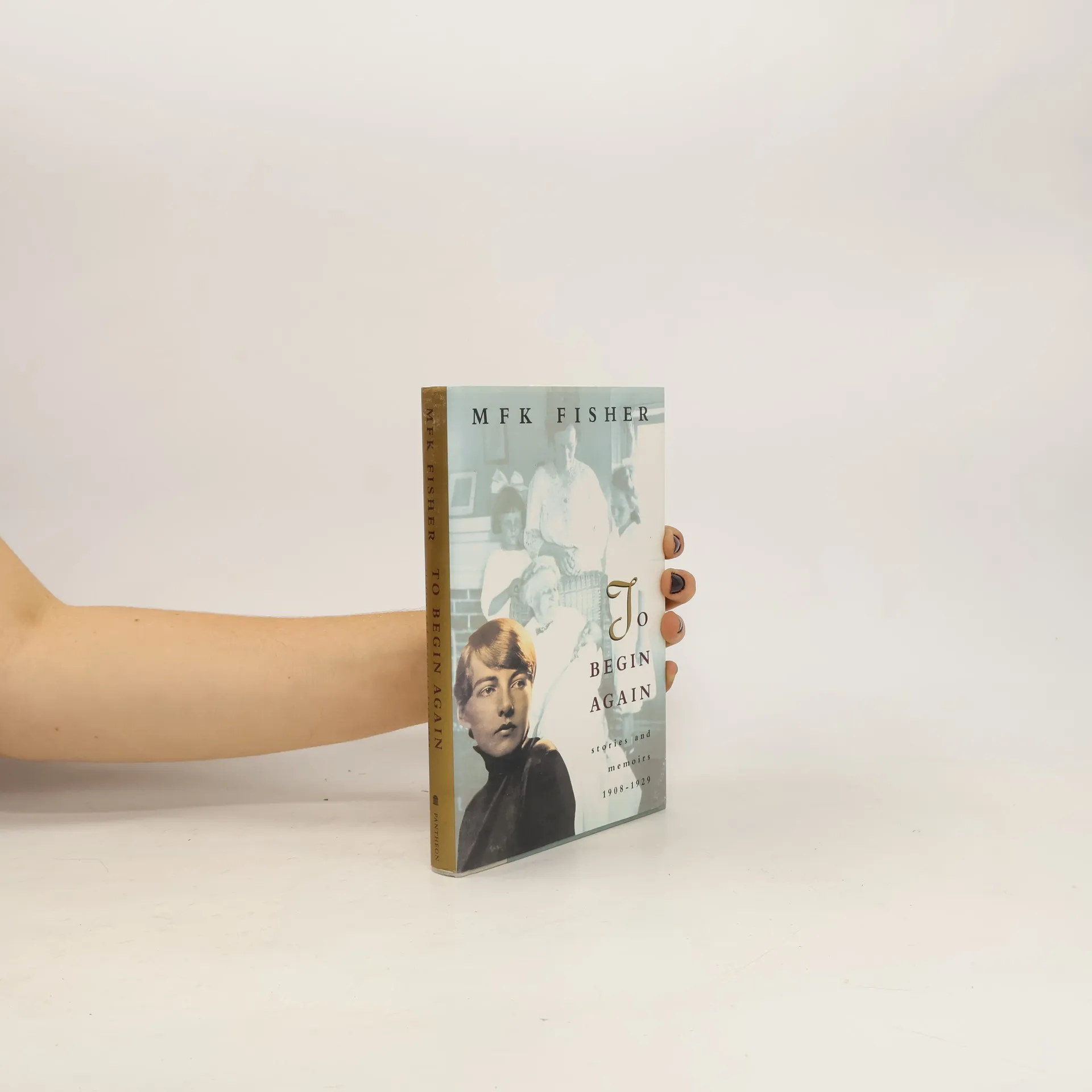
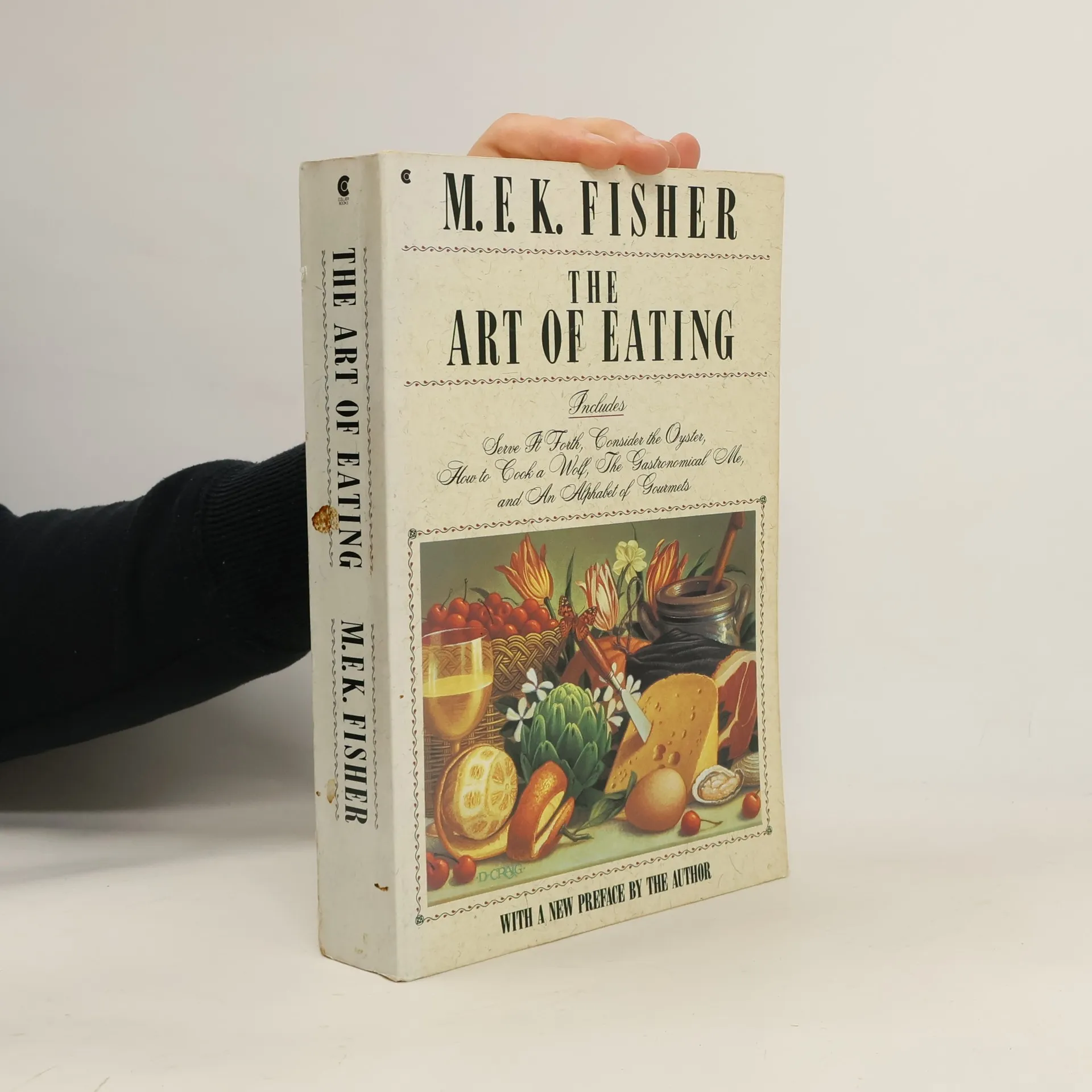
This classic volume is a collection of M.F.K. Fisher's best-known food memoirs, covering an eclectic array of thoughts, memories, and recipes, from World War I vignettes of frugality at the table to a consideration of the social status of vegetables.
Mary Frances Kennedy Fisher Libros
3 de julio de 1908 – 22 de junio de 1992


From A for (dining) alone to Z for Zakuski, 'a Russian hors d'oeuvre', An Alphabet for Gourmets takes us through a selection of food essays by the incomparable M. F. K. Fisher, alighting on long-time obsessions and idiosyncratic digressions to wholly charming effect.
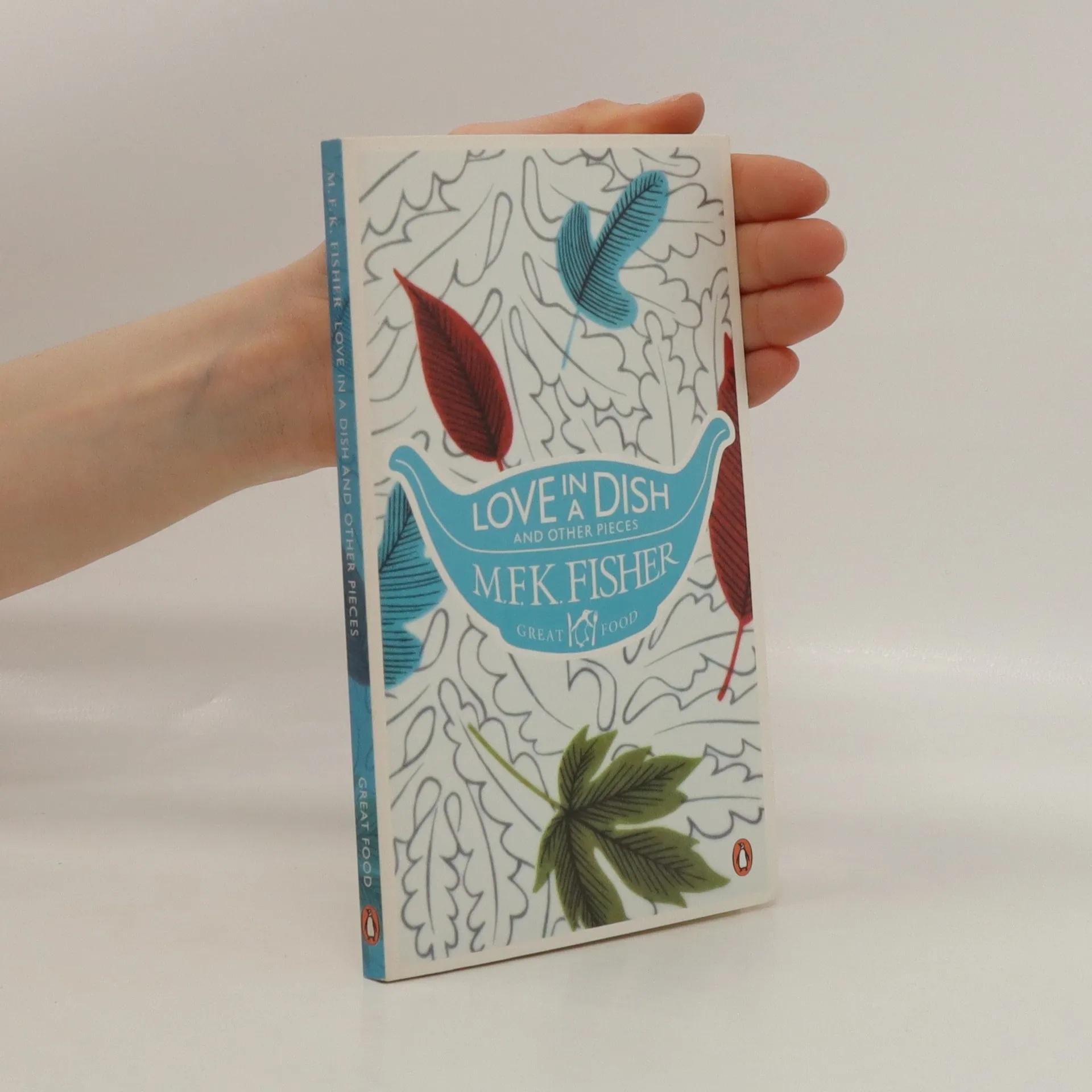
Love in a dish and other pieces
- 130 páginas
- 5 horas de lectura
M.F.K. Fisher's personal, intimate culinary essays are well-loved American classics, combining recipes with her anecdotes, reminiscences, cultural observations and passionate storytelling. Auden, Fisher saw eating as inextricably bound up with living well. Whether reflecting on an epic lunch served by a fanatical waitress, the life-giving properties of wine, quails whose glorious smell 'would rouse Lazarus' or how the love of food can save a marriage, each piece is a perfectly-crafted work of art.
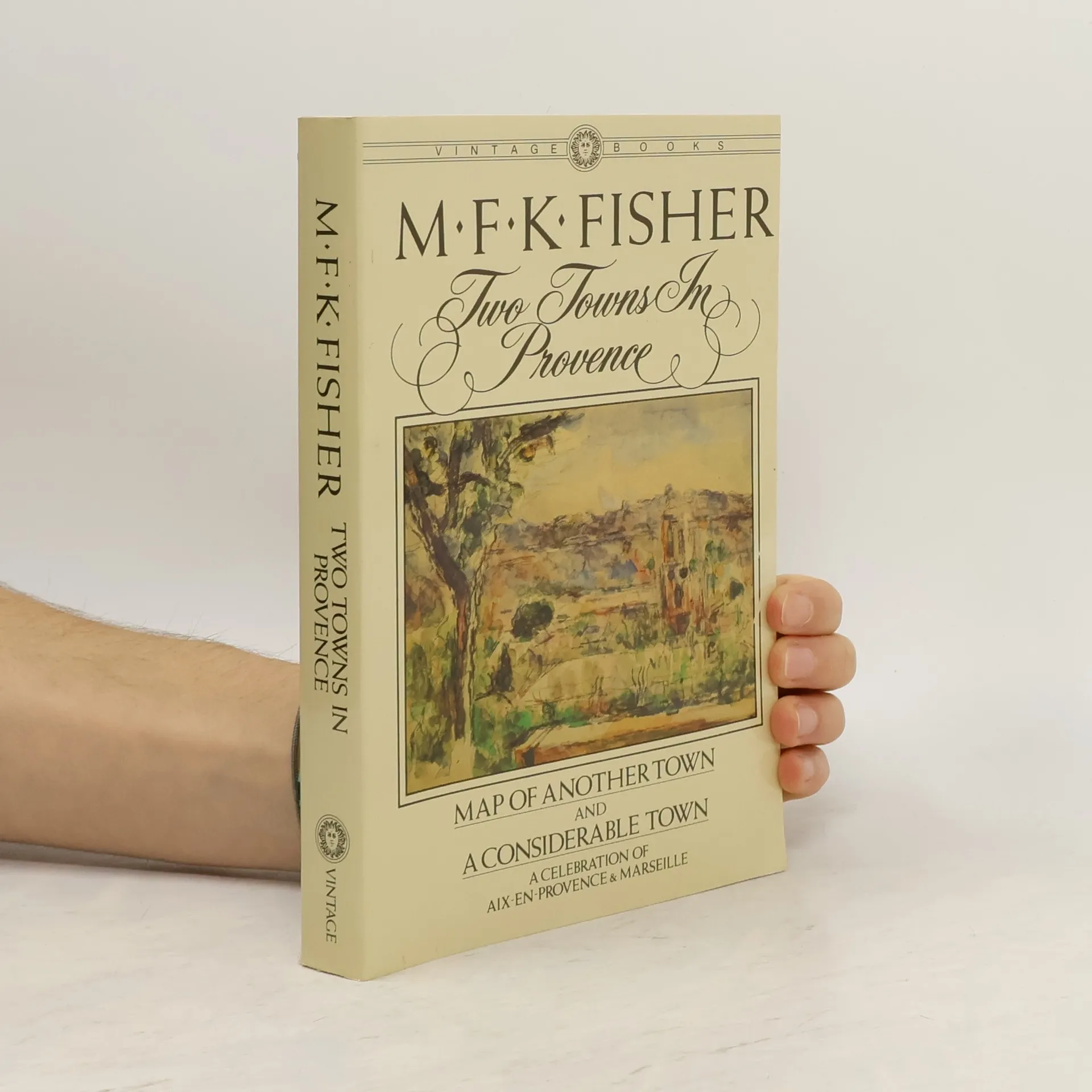
Two Towns in Provence
- 512 páginas
- 18 horas de lectura
This memoir of the French provincial capital of Aix-en-Provence is, as the author tells us, "my picture, my map, of a place and therefore of myself...just as much of its reality is based on my own shadows, my inventions." A vibrant and perceptive profile of the kinship between a person and a place. A Considerable Town M.F.K. Fisher scans the centuries to reveal the ancient sources that clarify the Marseille of today and the indestructible nature of its people A delightful journey filtered through the senses of a profound writer.
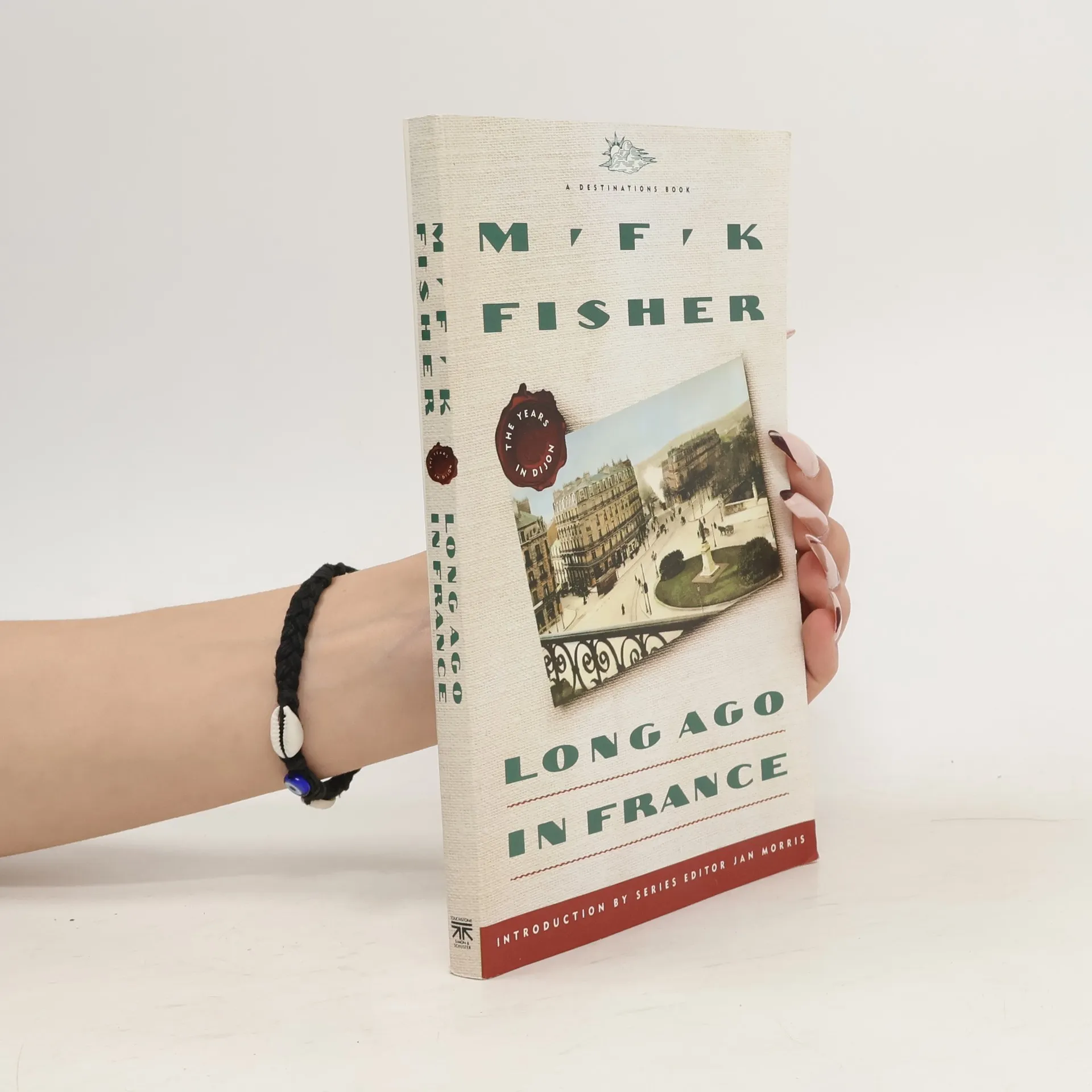
In 1929, Mary Frances Kennedy Fisher arrived in Dijon, the provincial capital of Burgundy and the gastronomical capital of France, there to be initiated into the ways of love and life.Long Ago in France is Fisher's exquisitely evocative, deliciously candid memoir of her three-year stay in Dijon. It is a delightful journey backward - in the grandest of company - into a voluptuous, genteel world that has vanished forever.
How to Cook a Wolf
- 288 páginas
- 11 horas de lectura
How to be a sage without hemlock -- How to catch the wolf -- How to distribute your virtue -- How to boil water -- How to greet the spring -- How not to boil an egg -- How to keep alive -- How to rise up like new bread -- How to be cheerful though starving -- How to carve the wolf -- How to make a pigeon cry -- How to pray for peace -- How to be content with a vegetable love -- How to make a great show -- How to have a sleek pelt -- How to comfort sorrow -- How to be a wise man -- How to lure the wolf -- How to drink to the wolf -- How not to be an earthworm -- How to practise true economy
Decades of readers hungry for an intelligent thought gracefully expressed have already gathered the writings of M.F.K. Fisher close to heart. This new collection of classic prose, chronicling life's hungers and renewals, features pieces written as long ago as 40 years and as recently as the 1980s--many never before published. A PBS tribute to the life and works of Fisher is scheduled for later this year.
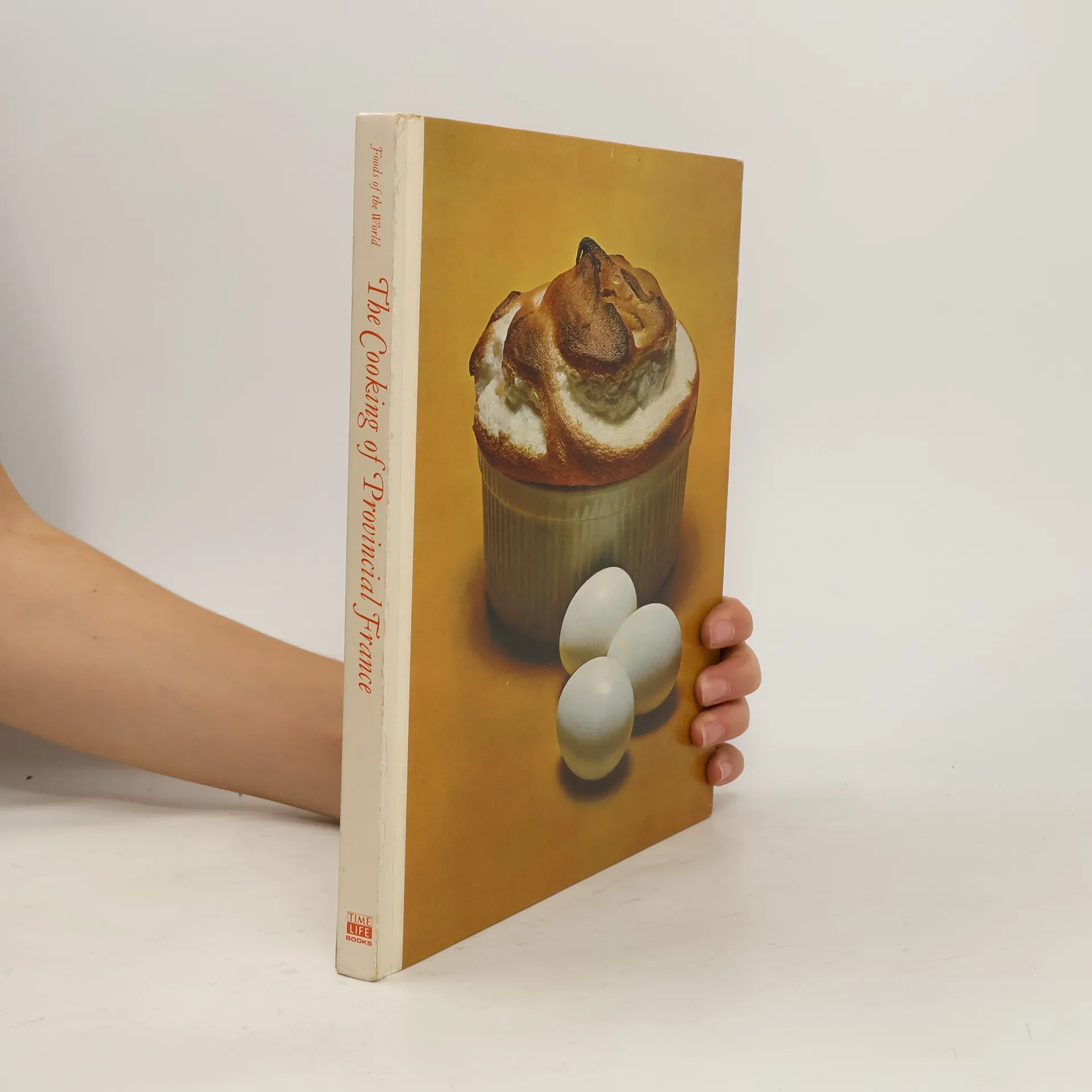
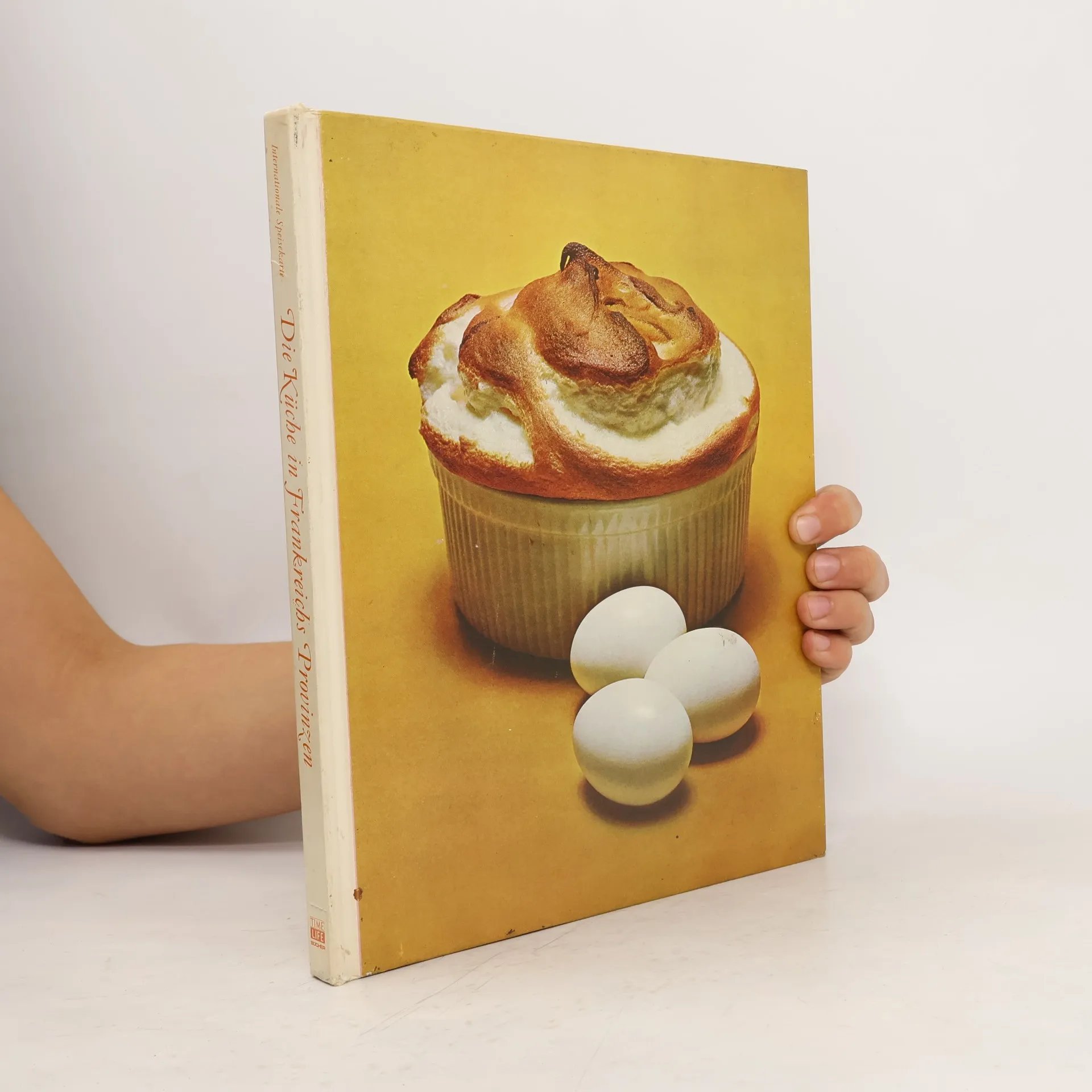
Discusses the cuisine of the provinces of France and provides many traditional recipes from these regions.Contents:[v.1] Main work. 208 pages.[v.2] Recipes: the cooking of provincial France. Recipe instructions by Geraldine Schremp. 112 pages.
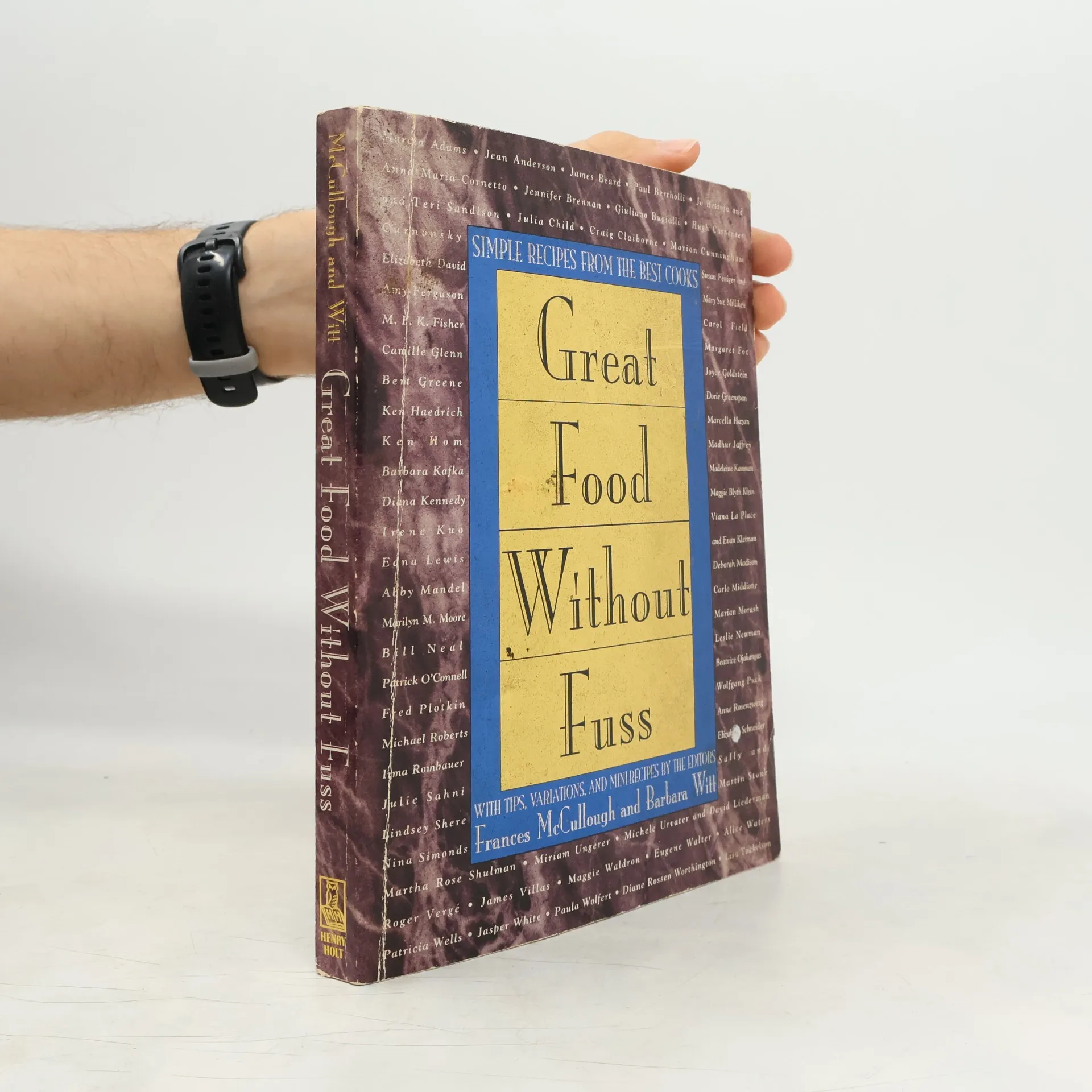
Two seasoned food professionals—a cookbook editor and a caterer—tackle the challenge of serving imaginative, flavorful dishes without extensive fuss. Their approach is to draw inspiration from renowned cooks like Julia Child and James Beard, uncovering simple yet delicious recipes hidden in complex cookbooks. They present a diverse collection of recipes that balance flavors, featuring American classics such as spoon bread and oven-fried chicken, alongside exotic dishes like Moghul Lamb and Bangkok Chicken. Each recipe includes tips, variations, and practical advice on using new ingredients, complemented by their own tried-and-true favorites. The compilation boasts 119 master recipes, 81 variations, and 34 Editors' Kitchen recipes, creating a culinary treasure trove. McCullough and Witt offer fresh perspectives on traditional cooking methods, such as roasting chicken at high temperatures and innovative pasta preparation. The book also provides essential information on entertaining, crafting salads, and quick breads, along with microwave tips. With a warm and encouraging tone, the authors inspire cooks to experiment and develop their own recipes, making this user-friendly guide suitable for both beginners and experienced cooks alike. It promises to be a go-to source for distinctive culinary creations.
The Norton Book of Personal Essays
- 477 páginas
- 17 horas de lectura
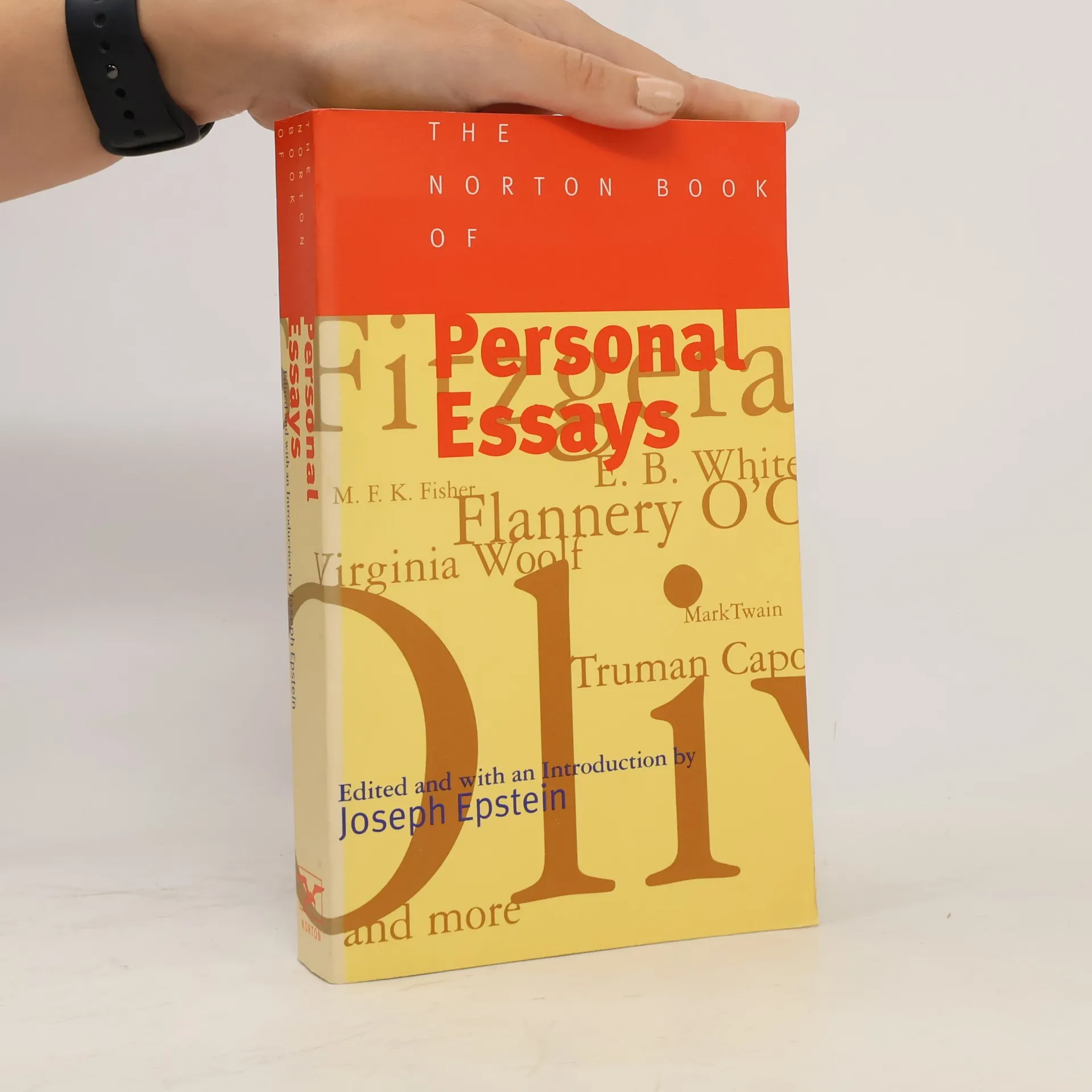
In this anthology of twentieth-century essays, some of our most-admired American and British writers express their lively, candid, entertaining, thoughtful, andabove allvarious opinions. Topics range from Tangier to a lake in Maine, from racial conflict to sky diving, from the expectations we bring to travel to the athletics of the table. The essays are selected and introduced by Joseph Epstein, himself a leading contemporary practitioner of the form. Most prominent in each essay is the distinctive style of the essayist; style, as Epstein points out in his introduction, is not only what keeps literature alive but also a personal way of looking at the world.Blending the profound and the buoyant, the traditional and the new, the expected and the surprising, The Norton Book of Personal Essays offers a basketful of delights sure to find a permanent place on readers' shelves. Mark Twain, Max Beerbohm, Virginia Woolf, Willa Cather, M. F. K. Fisher, F. Scott Fitzgerald, E. B. White, Oliver Sacks, H. L. Mencken, Truman Capote, and Flannery O'Connor are among the contributors to this volume. The chief principle of selection has been the pleasure that essays, operating at their highest power, always give.
Map of Another Town
- 224 páginas
- 8 horas de lectura
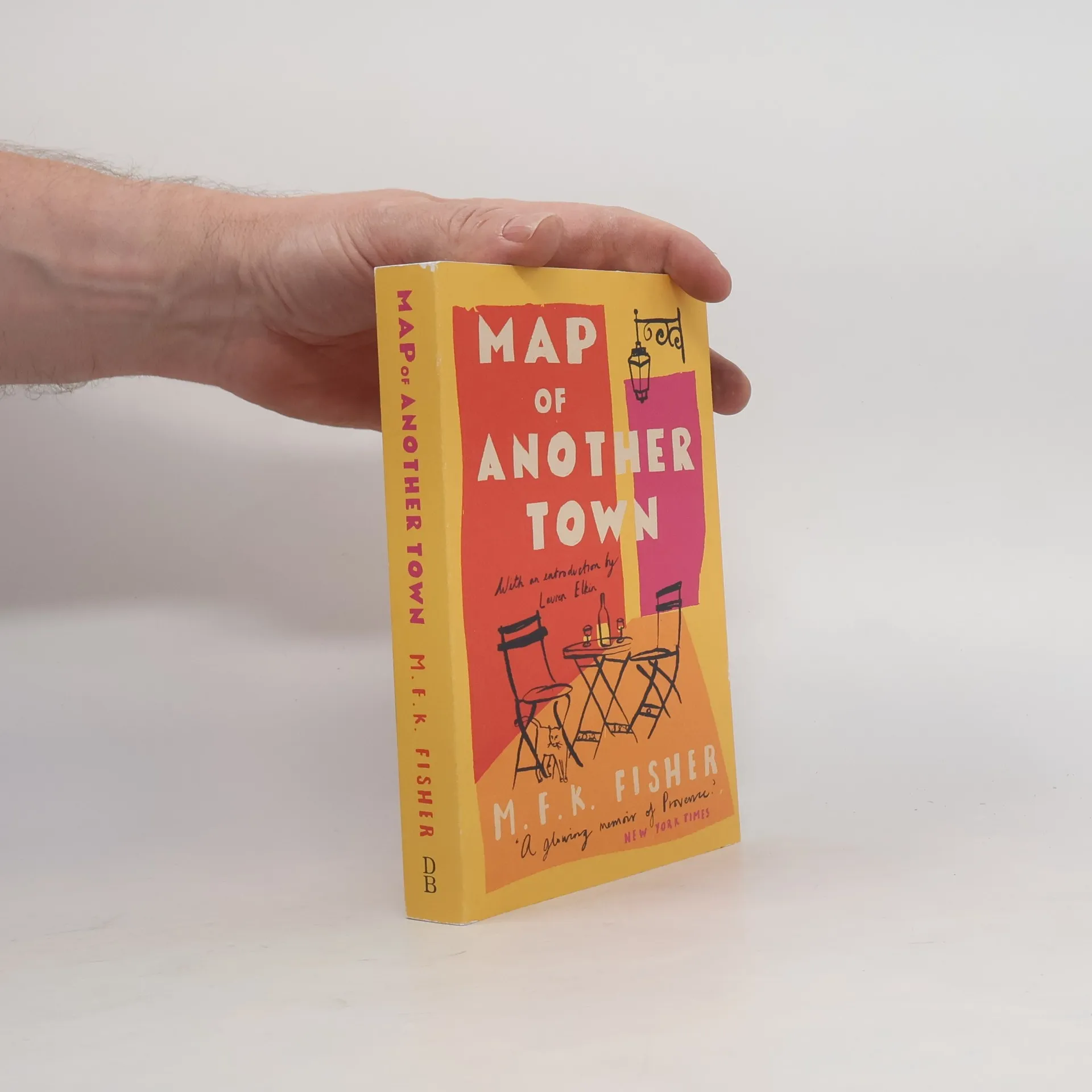
‘A glowing memoir of Provence’ New York Times M F K Fisher moved to Aix-en-Provence with her daughters after the Second World War. In Map of Another Town, she traces the history of this ancient and famous town, known for its tree-lined avenues, pretty fountains and ornate facades. Beyond the tourist sights, Fisher introduces us to its inhabitants: the waiters and landladies, down-and-outs and local characters - all recovering from the affects of the war in a drastically new France. A companion piece to The Gastronomical Me', in this memoir Fisher finds herself alone, older and with two small children to care for, while at the same time discovering a sense of belonging and acceptance.
The Theoretical Foot
- 256 páginas
- 9 horas de lectura
Susan Harper and Joe Kelly, in love and hitchhiking through Europe, never want this perfect, passionate summer to end. It is the late 1930s, and society frowns on the slack morals of couples living in sin. But these tiresome strictures are swept away when they arrive at La Prairie, the elegant haven on Lake Geneva where Joe's enigmatic friend Sara and her lover Tim preside - where judgment is suspended and time ebbs deliciously away. Greeted by a rangy beauty unfurling her legs from a chaise-longue, Susan, feeling unworldly and diminutive, is thrust into an exotic mileu of artistic Americans. Here, surrounded by orchards heavy with plums and meadows splashed with poppies, lunches are long, youth is languorous and wine flows freely. As one day is recounted through the eyes of seven different characters, the unseen tensions and desires of the group are revealed, the fleeting yearnings and long-held resentments. A long lost gem by one of the twentieth century's most iconic food writers, this previously unpublished novel illuminates moral attitudes in the 1930s and shows glimpses of a refugee-filled Europe blighted by the rise of Fascism and the menace of another war. Enchanting, light, yet suffused with the darkness of what is to come, The Theoretical Foot is a witty and bold portrait of a bohemian life under threat.
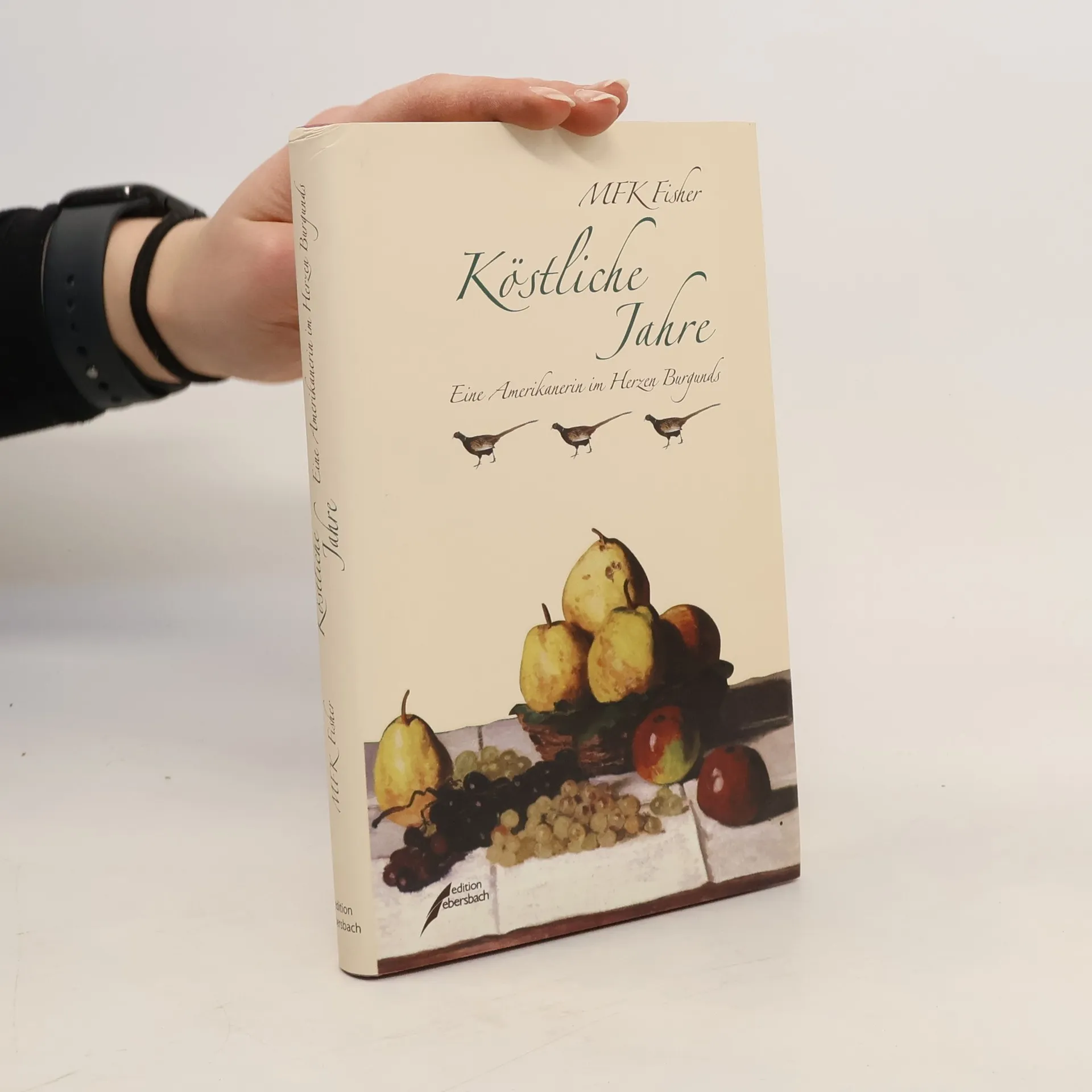
Köstliche Jahre – MFK Fisher hat sie als junge, frisch verheiratete Frau in Dijon verlebt, als sie 1929 mit ihrem Mann nach Frankreich kam. In den Bars und Cafés der Stadt und an der reich gedeckten Tafel ihrer einfachen Herberge entfaltet sich ihr eine völlig neue Welt der guten Weine, vorzüglichen Käse und feinsten Patisserie. Das tägliche, gemeinsam mit den anderen Gästen des Hauses eingenommene Abendessen wird bald zur geliebten Tradition. Und die Wunder der französischen Küche trösten sie über die ersten Enttäuschungen ihrer Ehe, über Entbehrungen und Fremdheit hinweg. Mit feiner Nase, genüsslichem Gaumen und vitaler Feder hält MFK Fisher amüsant und bildreich die Lebensweisen und kulinarischen Besonderheiten des Landes fest. Um in dieser Zeit das typische Frankreich zu beschreiben, konnte die Wahl auf Dijon kaum besser ausfallen. Versteckt zwischen Weinbergen, abseits der Hauptstraßen und der Großstadt Paris, bewahrte sich die alte Hauptstadt des Burgund ihren unverfälschten Charme. Hier, im gastronomischen Zentrum Frankreichs, lernt die Amerikanerin, dass die französische (Ess)kultur noch mehr bedeutet als kulinarischen Genuss, nämlich: Liebe, Lust und savoir-vivre
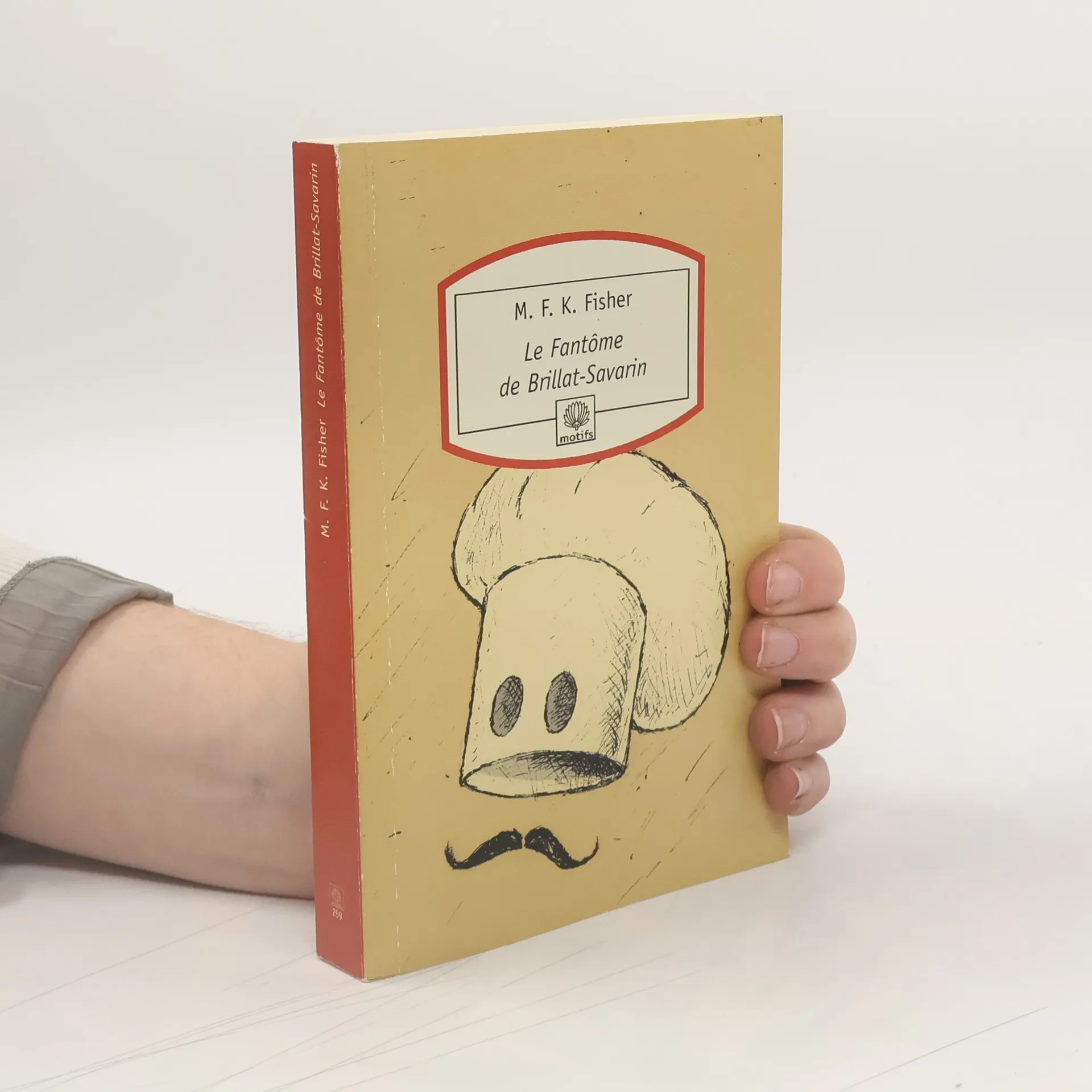
Le fantôme de Brillat-Savarin
- 303 páginas
- 11 horas de lectura
Mary Frances Kennedy Fisher (1908-1992) est l'auteur de Biographie sentimentale de l'huître, L'Élixir d'amour, Le Petit Chien d'Aix-en-Provence, Une mariée à Dijon, Un loup au dîner, tous publiés dans la collection "Anatolia". Du même auteur paraît simultanément Mes belles années d'avant-guerre, dans la même collection. Aimée et admirée pour son originalité et pour sa fantaisie autant que pour son intelligence et son style, le poète W H. Auden n'hésita pas à la reconnaître, dès ses débuts, comme "la plus grande styliste de langue anglaise". Elle fut aussi la traductrice en anglais de la Physiologie du goût, de Jean-Anthelme Brillat-Savarin. Son œuvre complète est en cours de traduction.