Crisis
- 192 páginas
- 7 horas de lectura
Malin Forst is a precocious, devout twenty-year-old woman attending a Stockholm teachers' college in the 1930s. Confounded by a sudden crisis of faith, Malin plunges into a depression and a paralysis of will.


Karin Boye fue una escritora sueca cuya voz poética exploró las profundidades de la experiencia humana, a menudo abordando temas de dolor y movimiento. Sus novelas ofrecieron con frecuencia perspicaces comentarios sociales, con una obra notable que presentaba una visión escalofriante de una sociedad distópica y los peligros de la verdad impuesta. El legado literario de Boye reside en su poderosa exploración de los paisajes psicológicos y sus advertencias premonitorias contra el autoritarismo que se avecina.


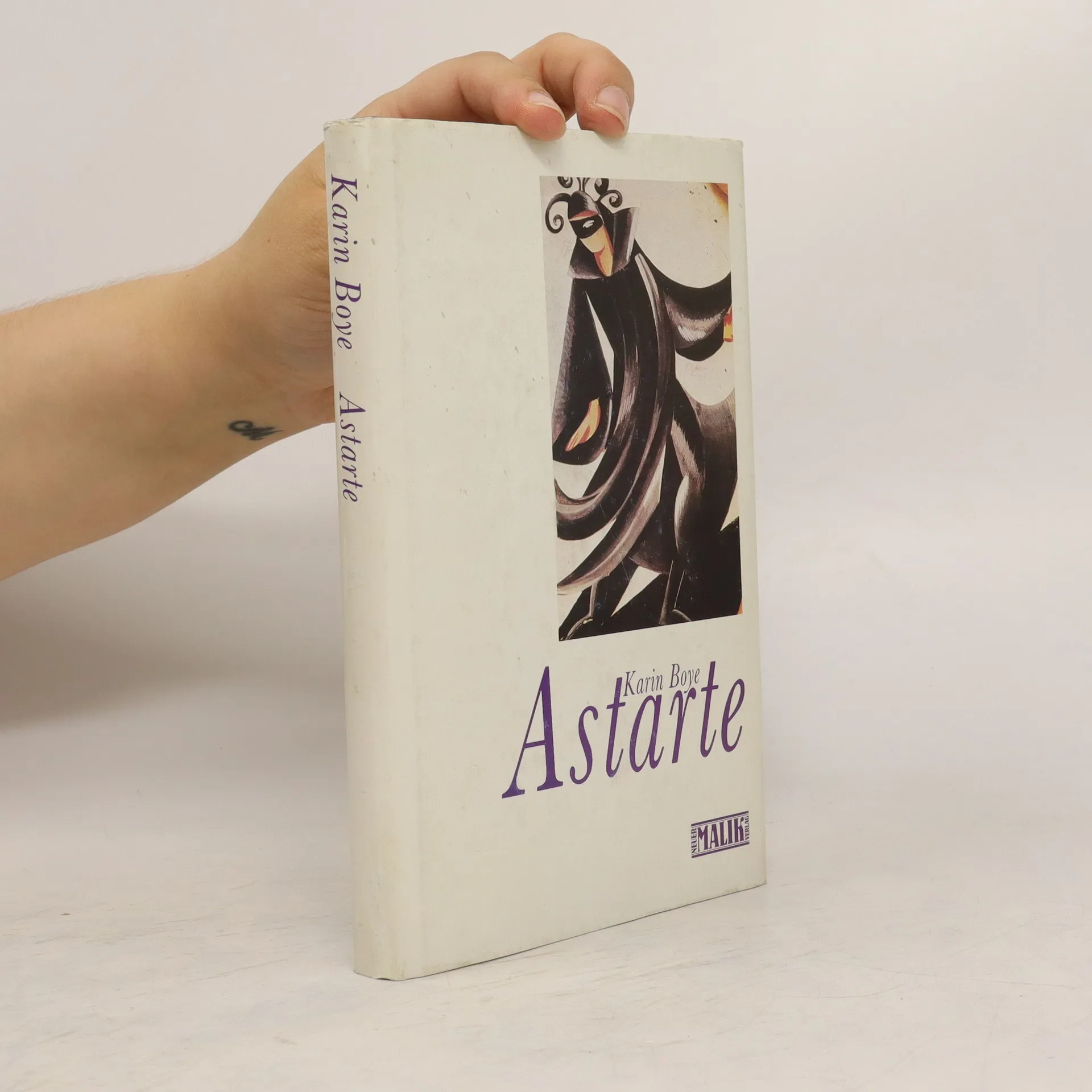

Malin Forst is a precocious, devout twenty-year-old woman attending a Stockholm teachers' college in the 1930s. Confounded by a sudden crisis of faith, Malin plunges into a depression and a paralysis of will.
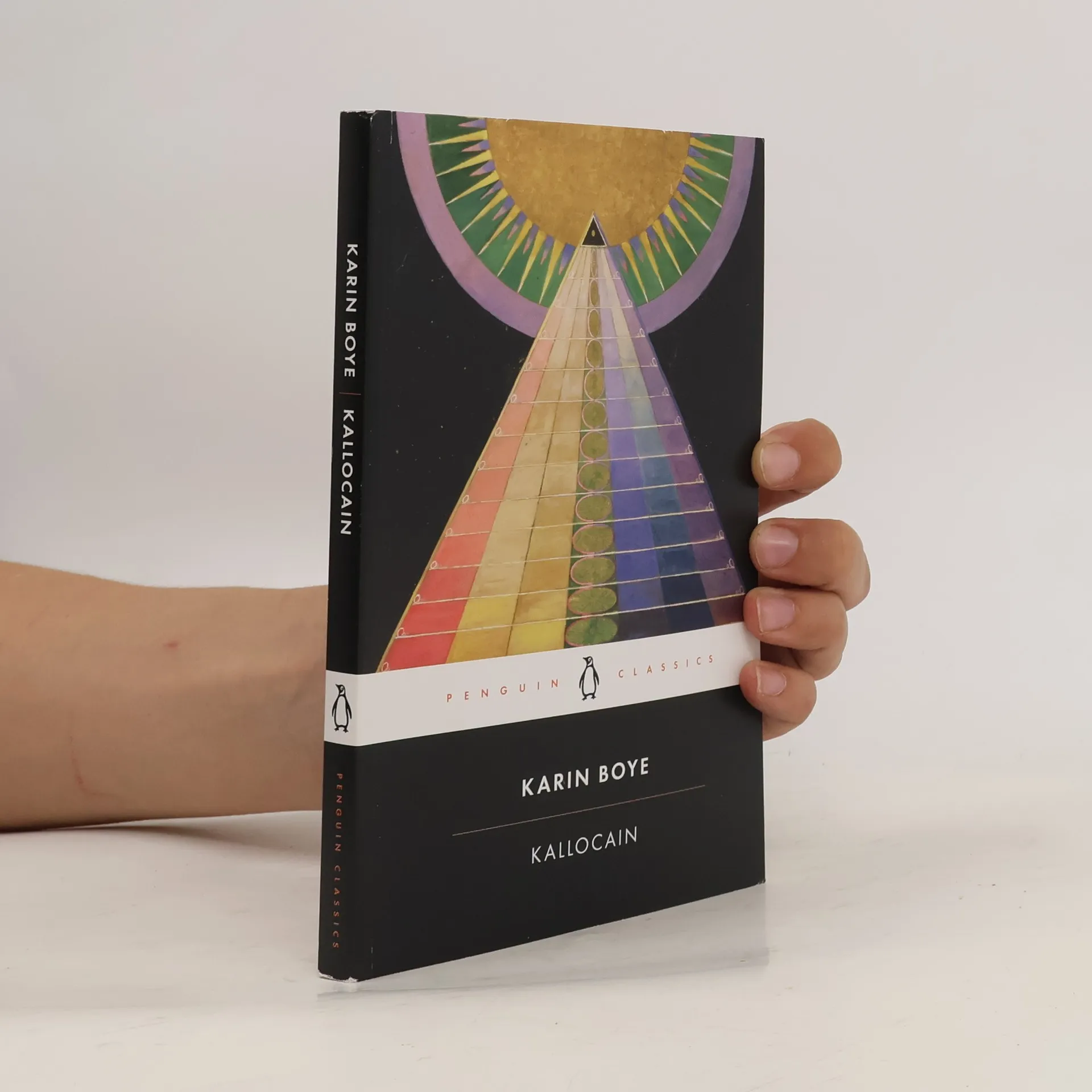
A pioneering work of dystopian fiction from one of Sweden's most acclaimed writers Written midway between Brave New World and Nineteen Eighty-Four, as the terrible events of the Second World War were unfolding, Kallocain depicts a totalitarian 'World State' which seeks to crush the individual entirely. In this desolate, paranoid landscape of 'police eyes' and 'police ears', the obedient citizen and middle-ranking scientist Leo Kall discovers a drug that will force anyone who takes it to tell the truth. But can private thought really be obliterated? Karin Boye's chilling novel of creeping alienation shows the dangers of acquiescence and the power of resistance, no matter how futile. Translated with an introduction by David McDuff
Nelly Sachs feierte Karin Boye (1900-1941) als »leidenschaftliche Verschwenderin ihrer Seelenkräfte«, der »Schweden einige seiner schönsten Gedichte zu verdanken hat« und Peter Weiss setzte ihr im dritten Band seiner »Ästhetik des Widerstands« ein literarisches Denkmal. Am bedeutendsten ist sie als bildmächtige Lyrikerin der Sehnsucht, der Nacht, des Unbewussten und nicht zuletzt des Coming-out. Sie verdient ihren Platz neben anderen Ikonen des 20. Jahrhunderts wie Anna Achmatova, Sylvia Plath oder Ingeborg Bachmann. Ihr lyrisches Gesamtwerk erscheint nun erstmals auf Deutsch.