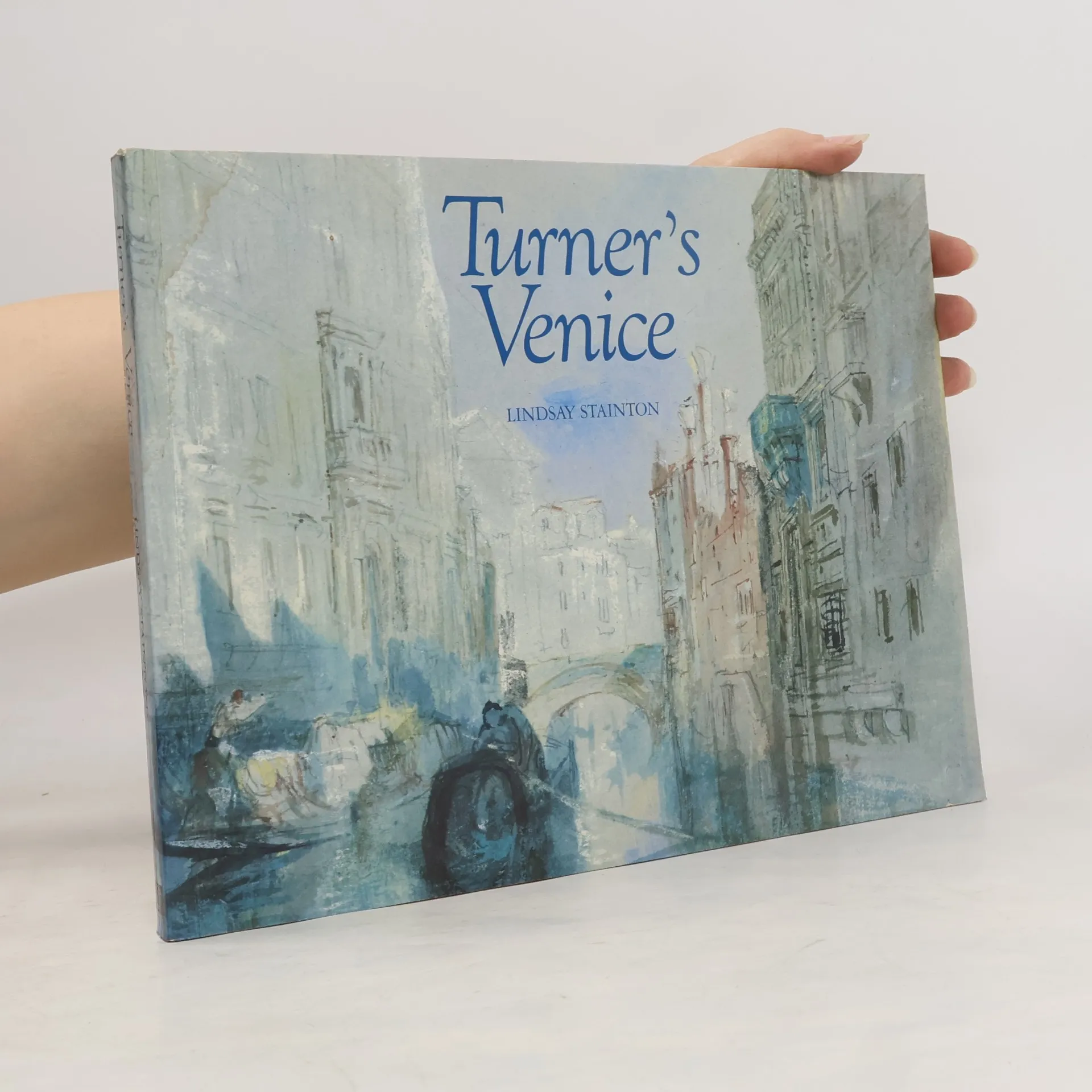
Turner's Venice
- 192 páginas
- 7 horas de lectura
Book by Stainton, Lindsay, Turner, J. M. W.



Book by Stainton, Lindsay, Turner, J. M. W.
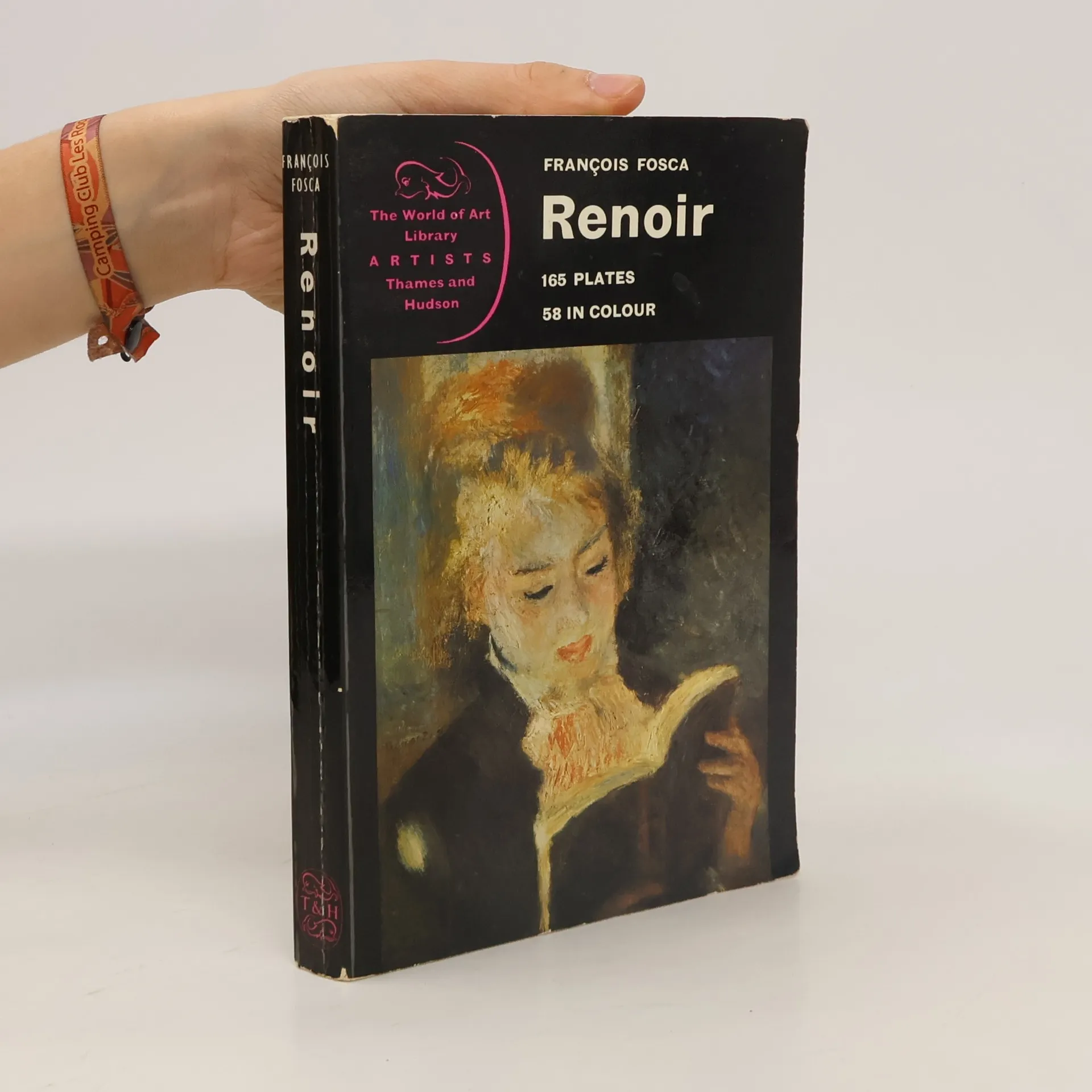
Sun-kissed, charming, and sensual, the work of Pierre-Auguste Renoir champions painting at its most lighthearted and luminous. This essential artist introduction selects key works from his extensive oeuvre to explore his Impressionist innovations as much as his traditions in pursuit of beauty, harmony, and the female form.
This beautiful book offers a stunning collection of line engravings inspired by the watercolor drawings of J. M. W. Turner. Featuring over 100 full-color illustrations, readers will be transported to a world of stunning landscapes, seascapes, and more. Whether you're a fan of Turner or simply appreciate fine art, this book is sure to delight.
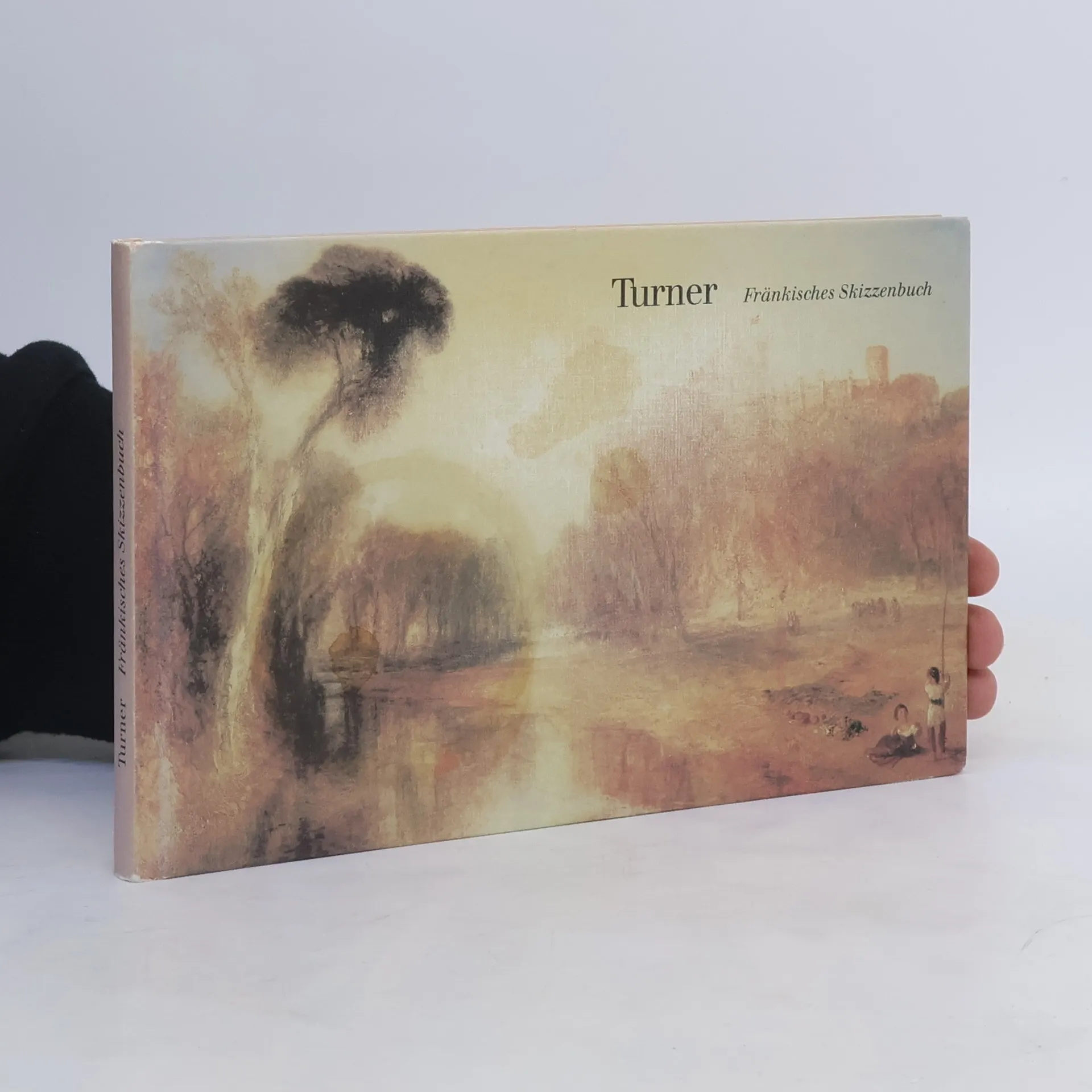
Ausgedehnte Reisen in Großbritannien und Kontinentaleuropa waren für J. M. William Turner die unerschöpfliche Inspirationsquelle für seine visionären Farbkompositionen. In der Schweiz erlebte er die Schönheit und Bedrohlichkeit der Alpen, am Meer die Farbklänge des diffusen Lichts. Das Buch präsentiert einen unvergleichlich originellen Maler auf dem Weg zur Autonomie der Kunst. Mit dem vorläufigen Frieden auf dem Kontinent seit 1802 dehnte der Londoner Künstler seine Motivsuche auf Zentraleuropa aus und durchstreifte, unentwegt seine Eindrücke skizzierend, besonders die Bergwelt der Schweiz. Im Atelier entwickelte er daraus die einzigartige Bildsprache seiner sublimen Landschaftsbilder. Anhand von Bildern, die von der Naturgewalt des Meeres ebenso wie von jener der Schweizer Berglandschaft berichten, befassen sich die Autoren mit der Veränderung in der Darstellung des »Erhabenen«, mit dem Motiv der Wetterphänomene, mit Turners Rolle als Vorläufer der Moderne und Cees Nooteboom denkt über Turner und das Reisen nach.
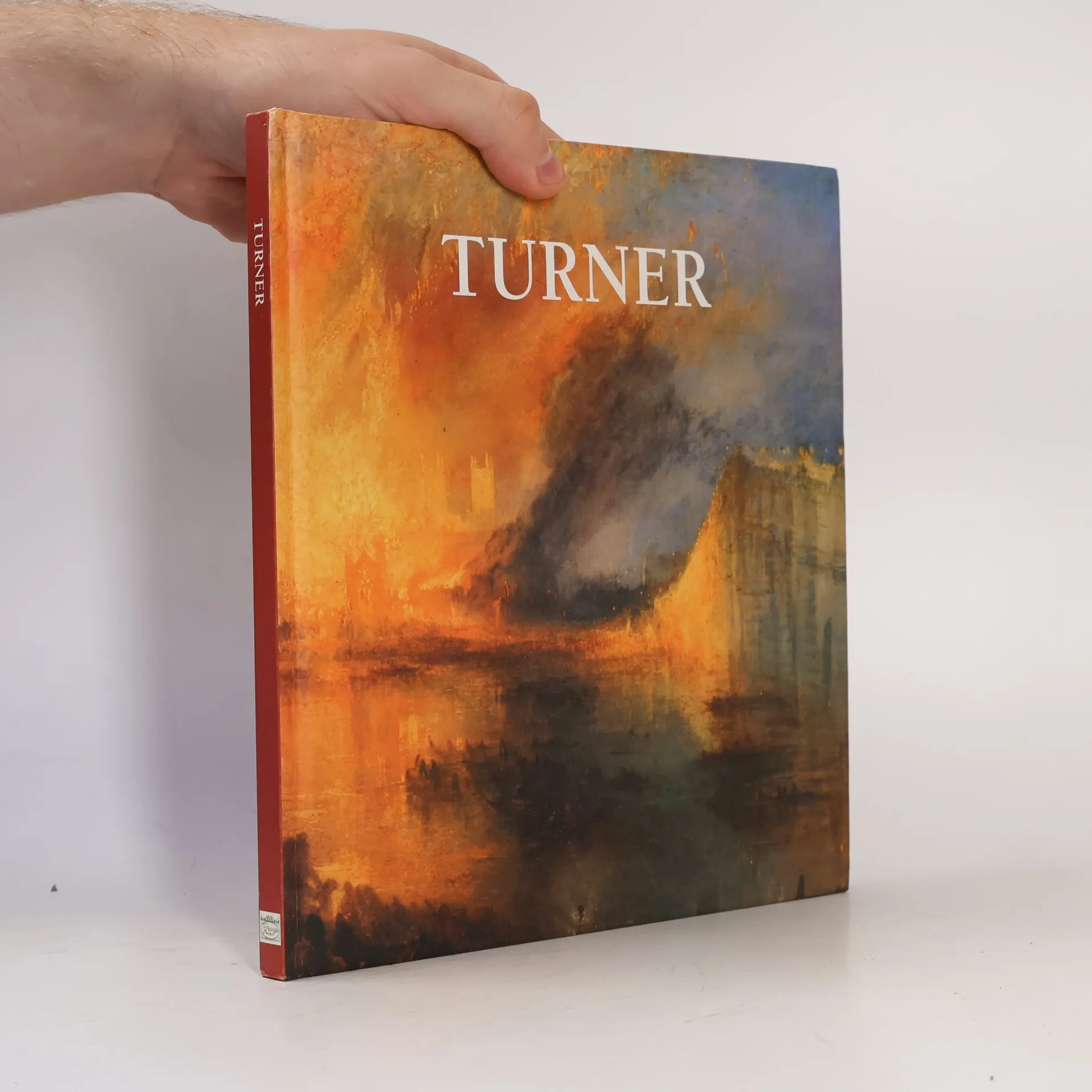
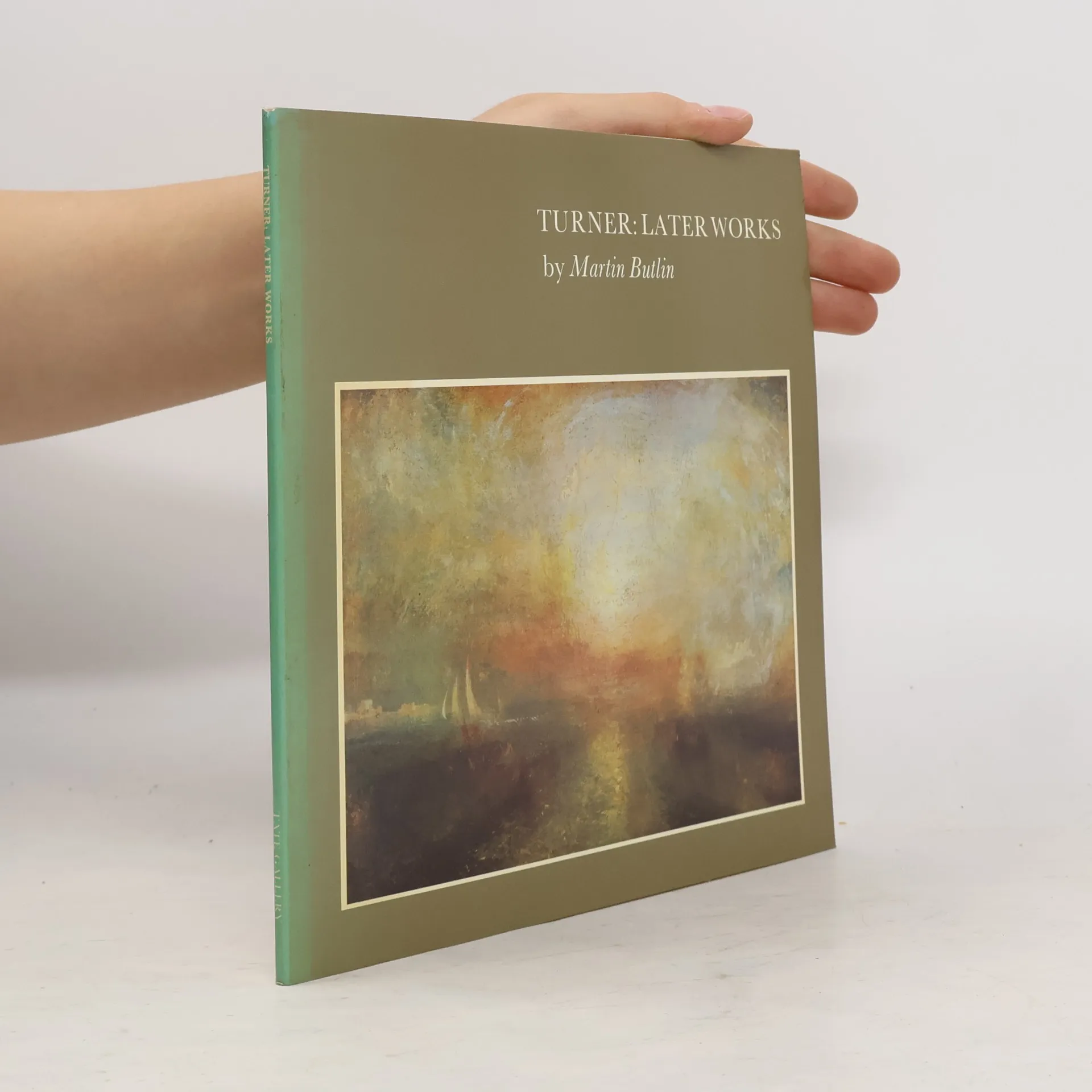
J M W Turner was a prolific master born to a barber in Covent Garden in 1775. When he died in 1851, he left over 19,000 artworks. Selecting which to include in this book was a major feat in itself. Turner was a Romantic when it came to landscapes, with an inimitable flair for seascapes, and was a pioneer of new techniques to create tone and hue, deeply impressed by Goethe's theory of colours. It took a great art critic named John Ruskin to interpret his works in full. Turner was also a successful art gallery owner, professor of the Royal Academy and tireless traveller who invariably returned home to England laden with outstanding artworks from abroad, especially Venice. With a keen eye for dramatic angle, he also documented on canvas the Battle of Waterloo, the fire that devoured Parliament and other major historical events of his time. Today his works figure in the collections of the most famous museums in London, Los Angeles, New York and Washington DC.
Focusing on creative audio applications, this book teaches JavaScript through the lens of the Web Audio API, enabling readers to develop interactive browser-based audio tools like synthesizers and drum machines. It covers essential JavaScript features alongside practical instruction on oscillators, audio playback, and manipulation techniques. Additionally, it provides foundational knowledge of the Document Object Model, HTML, and CSS, making it a comprehensive resource for those in the audio arts and electronic music fields.
Exploring pivotal First Amendment cases from the Red Scare to Citizens United, the book highlights the evolution of free speech through a unique array of figures, including Communists, Jehovah's Witnesses, and a countercultural comedian. Authored by William Bennett Turner, a law professor and Supreme Court litigator, it examines the controversial legal battles that shaped contemporary free speech rights. The narrative reveals the complex interplay of diverse characters involved in significant legal decisions, offering an engaging perspective on the subject.
A lively text that offers an overview of the entire Impressionist movement, and contains illustrations reproducing the works of such artists as Cezanne and Degas, explanatory commentary for each work of art, and biographies of each of the artists.
J.M.W. Turner (1775-1851) is the most masterly of British painters. His work exploits the great traditions of European painting, while anticipating the development of modern art in the twentieth century. As a Romantic, he was from his earliest works sensitive to the natural dramas found in land and seascapes, though increasingly light and colour alone became all-important to him. He travelled through England, France, Italy and Switzerland, and his views are possibly the most imaginative evocations of these countries ever painted. The essay by William Gaunt (1900-80), an acknowledged authority on British art, was originally published in 1971. For this new edition Robin Hamlyn, Research Assistant in the Historic British Collection at the Tate Gallery, has added notes to the colour plates, for which he has drawn extensively on the most recent research on Turner, and many black and white illustrations.
Exploring the foundations of queer theory, this book addresses the complexities of sexual and gender identities that defy traditional categories. It highlights Michel Foucault's influence on feminist thought, which challenged the dominance of the universal identity of the white male citizen. The text delves into how race, ethnicity, class, gender, and sexuality intertwine to create diverse identities. It also examines debates within queer scholarship regarding its role in promoting social change, making it relevant for those interested in gender studies, political theory, and intellectual history.
Exhibition organized by the British Council and Réunion des musées nationaux. Each work has a short description and some background information.
This work is a pioneering study of the convolutions of the human brain, presented in a highly detailed and precise manner. Turner's insights have proven influential in the field of neuroscience, and his work remains a valuable resource for those interested in the anatomy of the brain.
This scarce antiquarian book is a facsimile reprint of the original. Due to its age, it may contain imperfections such as marks, notations, marginalia and flawed pages. Because we believe this work is culturally important, we have made it available as part of our commitment for protecting, preserving, and promoting the world's literature in affordable, high quality, modern editions that are true to the original work.
This lavish volume showcases the stunning landscapes and waterways of France as seen through the eyes of nineteenth-century British artists Joseph Mallord William Turner and Leitch Ritchie. The book features over one hundred hand-colored engravings that capture the beauty and majesty of the country's rivers, canals, and coastal areas.
"Victorian Olympus" is a notable and humorous biographical study that has become a classic over time. The protagonists of this volume are a group of Victorian artists whose lives and works were guided by the heroic ideal of ancient Rome and Greece, forming a powerful and brilliant quasi-divine race: the Victorian Olympus. This movement, led by Lord Frederic Leighton and supported by figures such as Albert Moore, Lawrence Alma-Tadema, G.F. Watts, and Edward Poynter, was initially inspired by the sculptures of the Parthenon, also known as the Elgin Marbles; thus, the book begins with the adventure of Lord Elgin, who brought them to England for preservation.
This book is a travelogue, chronicling a journey along the Seine river in France. It is illustrated with 20 engravings of scenes along the river, drawn by the famous British artist J.M.W. Turner. The book provides a vivid description of the towns and landscapes along the Seine, and is a valuable historical document of France in the 19th century.
Turner's stunning visual journey along the Loire river captures the essence of the French countryside in all its glory. With vivid descriptions and breathtaking landscapes, this book is a testament to the power of art to transport us to faraway places.
Join 18th century travel writer William Turner on an unforgettable journey through the Ottoman Empire. Packed with vivid descriptions of bustling bazaars, ancient ruins, and exotic landscapes, this journal is a fascinating glimpse into an era of European history when the great empires of the west collided with the cultures of the east.
This book looks at the area surrounding the English town of Buxton, highlighting the historical and geographical significance of the nearby caves, barrows, and other ancient remains. With expert commentary on the physical remnants of the past, Ancient Remains Near Buxton provides a fascinating examination of the area's historical significance and its people.
John Goodsir's work on the human body, published posthumously, is both groundbreaking and informative. Through meticulous dissection and observation, Goodsir describes the complex and interrelated systems of the human body, and explores such topics as embryology, the nervous system, and the circulatory system. This book is an essential read for anyone interested in human anatomy.
This collection of poetry by Samuel Lover is a must-have for any fan of classic verse. Lover's writing is both witty and lyrical, capturing the joys and sorrows of life in all their complexity. This edition includes a selection of Lover's most beloved poems, as well as a biographical introduction that sheds light on the life and works of this accomplished poet.
Many of the earliest books, particularly those dating back to the 1900s and before, are now extremely scarce and increasingly expensive. We are republishing these classic works in affordable, high quality, modern editions, using the original text and artwork.
The book is a facsimile reprint of an original antiquarian work, preserving its historical significance. As a result of its age, it may exhibit imperfections like marks and notations, reflecting its journey through time. This initiative highlights a commitment to protecting and promoting important literary works by making them accessible in high-quality modern editions that remain true to the original text.
First Amendment Heroes and Villains (16pt Large Print Edition)
Exploring pivotal First Amendment cases from the Red Scare to Citizens United, this book highlights the evolution of free speech through a diverse array of characters, including Communists, Jehovah's Witnesses, and a countercultural comedian. The author, a seasoned law professor and Supreme Court litigator, presents these controversial figures as both heroes and villains, illustrating their roles in shaping modern legal precedents. The narrative combines engaging storytelling with clear explanations of complex legal issues, making it both educational and entertaining.
This reprint preserves the original text from 1876, offering readers a chance to explore the historical context and themes presented at that time. The book provides insights into the era's culture, values, and societal norms, making it a valuable resource for those interested in historical literature and its evolution. Readers can appreciate the language and style of the period, along with the unique perspectives that shaped its narrative.
The book is a facsimile reprint of an original antiquarian work, preserving its historical significance despite potential imperfections like marks and notations. It aims to protect and promote cultural literature by offering an affordable, high-quality edition that remains true to the original text.
The book explores the transformation of Cardiff from a modest trading hub in the early 19th century to a significant industrial center by the early 20th century. Through meticulous research, William Turner highlights the lives of the individuals connected to the port and examines the broader social and economic influences that contributed to its development. Engaging prose brings these historical narratives to life, offering a vivid portrayal of the port's evolution and its impact on the community.
Culturally significant, this work has been preserved from its original artifact, ensuring authenticity and fidelity to the initial text. It includes original copyright references and library stamps, reflecting its historical importance and the scholarly value it holds within the broader knowledge base of civilization.
A Short and Succinct History of the Principal Birds Noticed by Pliny and Aristotle
The book features the complete text of William Turner's pioneering 1544 work on birds, marking a significant contribution to ornithology. First published in 1903, it showcases Turner's observations and insights, reflecting the early scientific exploration of avian species. This edition serves as a historical reference, highlighting the evolution of bird studies and the importance of Turner's findings in the context of natural history.
This reprint of a historical book, originally published in 1857, aims to preserve and provide access to literature that might otherwise be forgotten. Published by Anatiposi, the reprint acknowledges the potential for missing pages or lower quality due to the book's age, emphasizing the importance of maintaining historical texts for public availability.
Culturally significant, this work has been preserved to reflect its original form, including copyright references and library stamps from prominent institutions. Its reproduction aims to maintain authenticity, offering readers a glimpse into the historical context and the knowledge base that has shaped civilization.
Featuring luxurious, large-format images, this book pays tribute to a prominent figure in French Impressionism. It showcases the artist's significant contributions to the movement, highlighting their unique style and techniques. The visuals capture the essence of their work, making it an essential collection for art enthusiasts and those interested in the Impressionist era.
Set against a backdrop of a tumultuous era in American history, the story explores a profound friendship that defies racial, cultural, and economic divides. As the bond deepens, it faces an ultimate test when the specter of murder looms, threatening to unravel the connection between the characters. The narrative delves into themes of loyalty, societal challenges, and the fragility of relationships in the face of extreme circumstances.
This compendium offers a wealth of facts and curiosities about the Bible, providing readers with insights and information that enhance their understanding of the text. The book is a faithful reprint of the original 1894 edition, preserving its historical context and value. It serves as a valuable resource for anyone interested in biblical studies, making it accessible for both scholars and casual readers alike.
The book is a reproduction of a culturally significant work, chosen for its importance to the knowledge foundation of civilization. It maintains fidelity to the original artifact, featuring original copyright references and library stamps that reflect its historical context and significance. This dedication to authenticity highlights the book's role in preserving valuable literary and scholarly heritage.
Focusing on the late 19th century, this historical account delves into the significant expansion and development of the Port of Cardiff. It explores various aspects such as the port's history, geography, infrastructure, and trade, while highlighting key industries like coal mining and shipping. The inclusion of detailed descriptions, statistics, illustrations, and maps enriches the narrative, making it an important document for understanding the port's role in the UK's maritime history. This facsimile reprint preserves the original's cultural significance.
Set against a backdrop of political intrigue, the story follows Sir Robert Winchell, a knighted confidant of the Queen, as he is tasked by the U.S. government to investigate the mysterious death of President Tyler Jefferson. His journey involves navigating complex international relations and engaging with foreign leaders, all while facing dangerous threats to his own life. Winchell's investigative and diplomatic skills are crucial as he uncovers the truth behind the president's demise.
This comprehensive history presents a clear and accessible overview of Western philosophy, tracing its development through various eras and key thinkers. It highlights significant ideas and movements, making complex concepts understandable for readers. The narrative is structured to guide readers through philosophical evolution, emphasizing connections between different schools of thought and their impact on contemporary issues. Ideal for those seeking an introduction to philosophical traditions without overwhelming jargon.
Containing The Weights Of Various Places Reduced To Equivalent Manchester Weights (1853)
The book is a facsimile reprint, which means it replicates the original work, potentially including imperfections like marks, notations, marginalia, and flawed pages. This edition offers a glimpse into the historical context and authenticity of the original text, making it a unique collectible for readers interested in the nuances of the original publication.
The life of J.M.W. Turner, R.A is an unchanged, high-quality reprint of the original edition of 1879. Hansebooks is editor of the literature on different topic areas such as research and science, travel and expeditions, cooking and nutrition, medicine, and other genres. As a publisher we focus on the preservation of historical literature. Many works of historical writers and scientists are available today as antiques only. Hansebooks newly publishes these books and contributes to the preservation of literature which has become rare and historical knowledge for the future.
The Antigonos publishing house focuses on reprinting historical books to ensure their preservation and accessibility. Committed to maintaining cultural heritage, they provide these works in good condition for public enjoyment, highlighting the importance of historical literature.
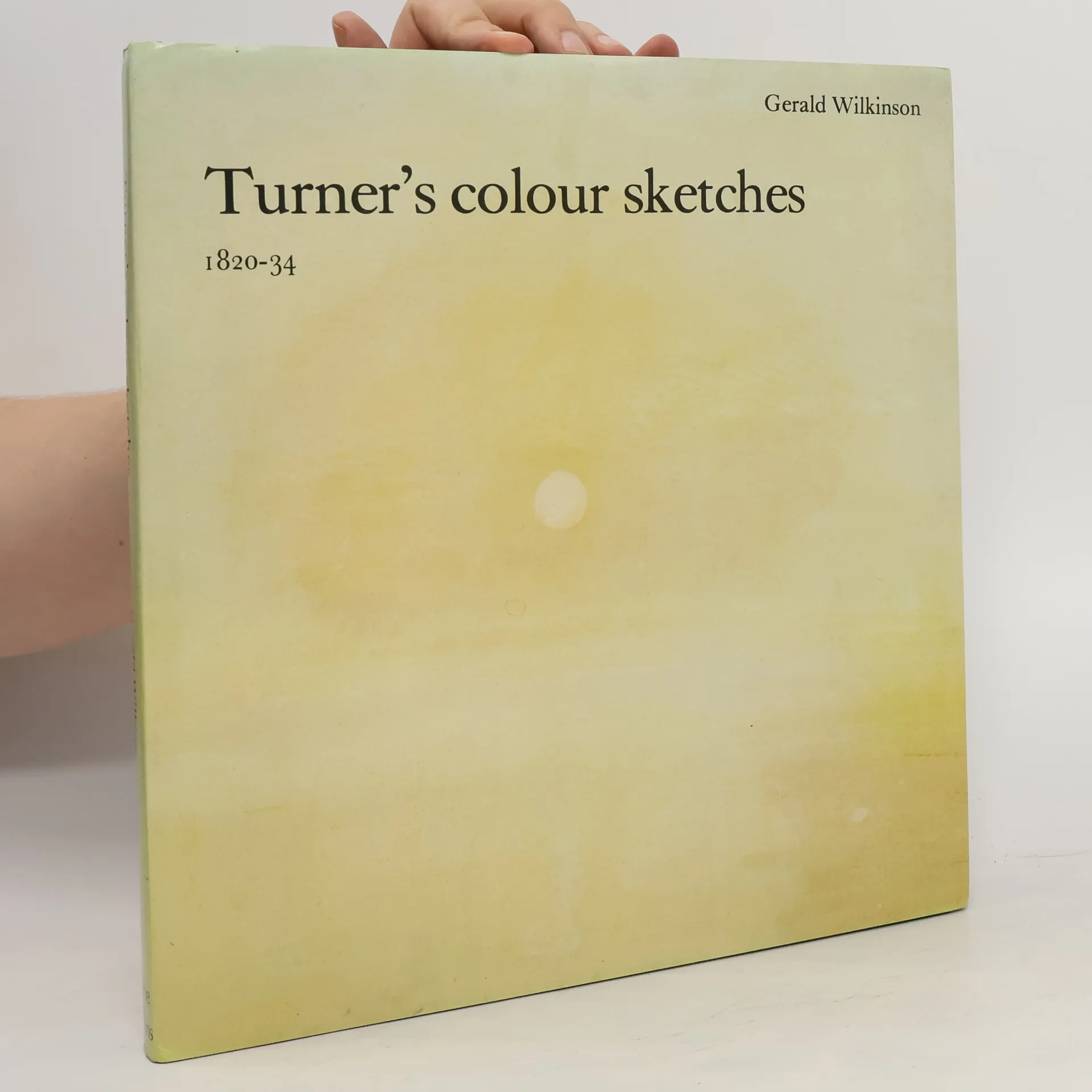
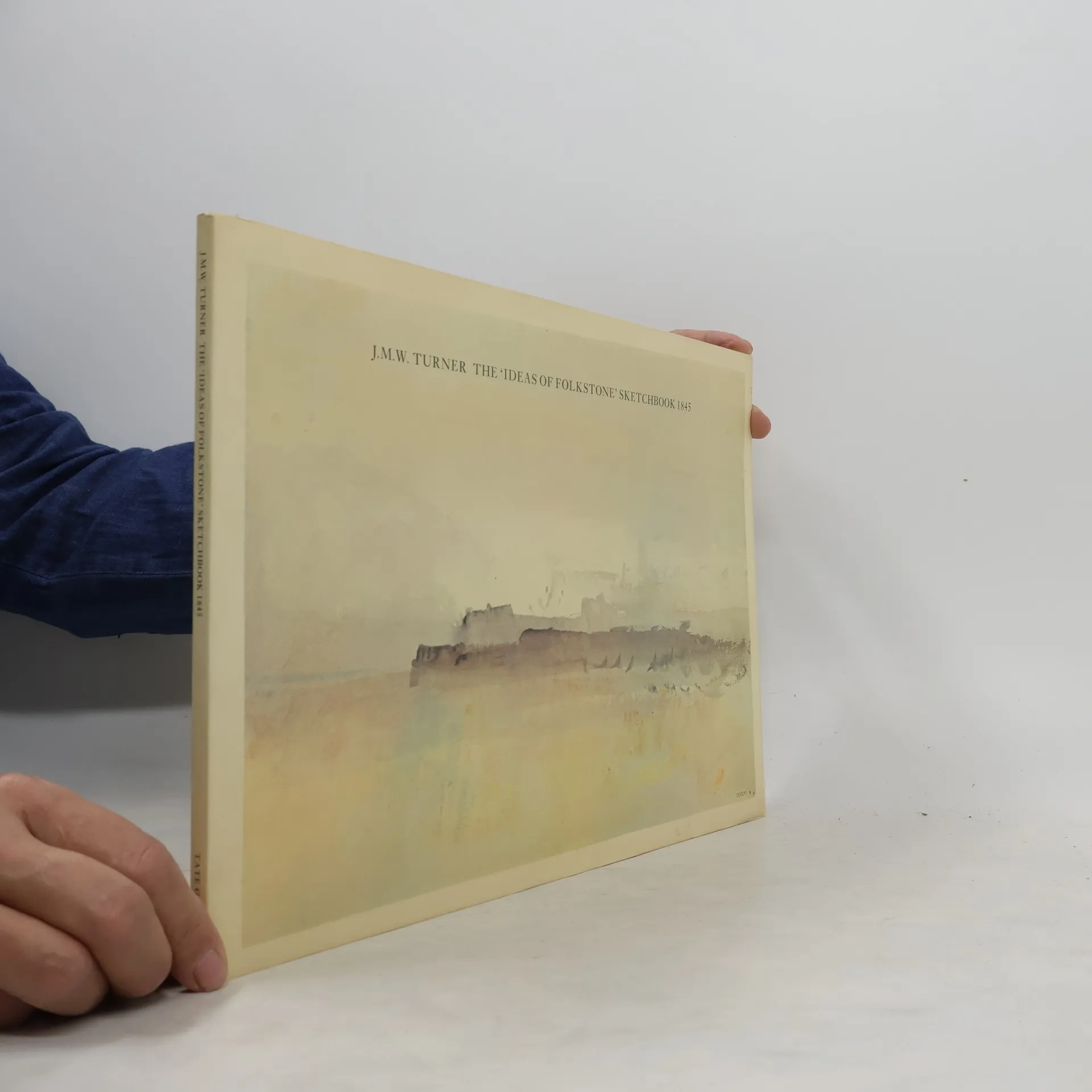
These 'unfinished' watercolours were the germinating, iridescent centre from which some of Turner's best known works emerged. The Petworth Watercolour, the 'Colour Beginnings', the sketches for 'Rivers of France' and other blue-paper sketches are all famous, yet have never before been reproduced in useful quantity. Here are relevant pencil sketchbooks, carefully but entertainingly annotated, provide a chronological matrix.The range, power, and brilliance of these watercolours will astonish even those who those who know Turner well through his oil paintings. From his return from Italy in 1820 to the 'Burning Houses of Parliament' in 1834, we see his work rise to a level equalled in the story of art. In his colour sketches Turner reaches out to precarious edges of artistic achievement.
Wie kein anderer Künstler seiner Zeit gilt der englische Maler William Turner (1775-1851) als Meister der Lichtmalerei. In seinen virtuosen atmosphärischen Städte-, Landschafts- und Seebildern wird die Formauflösung bis an ihre Grenzen getrieben. Sie gelten deshalb als frühe Vorläufer des Impressionismus und der abstrakten Malerei. Verschaffen Sie sich mit diesem Kalender einen einzigartigen Einblick in Turners lichtdurchfluteten Bilderkosmos.
Lectures on Surgical Pathology - delivered at the Royal College of Surgeons of England is an unchanged, high-quality reprint of the original edition of 1860. Hansebooks is editor of the literature on different topic areas such as research and science, travel and expeditions, cooking and nutrition, medicine, and other genres. As a publisher we focus on the preservation of historical literature. Many works of historical writers and scientists are available today as antiques only. Hansebooks newly publishes these books and contributes to the preservation of literature which has become rare and historical knowledge for the future.
Tails of the Unexpected is a collection of hilarious short stories about a dog walker, with beautiful illustrations. All the stories are true and include some extremely funny tails that any dog walker may have experienced themselves.The book also includes some general advice and tips about how to care for your dog throughout its life, from the first few weeks to old age.
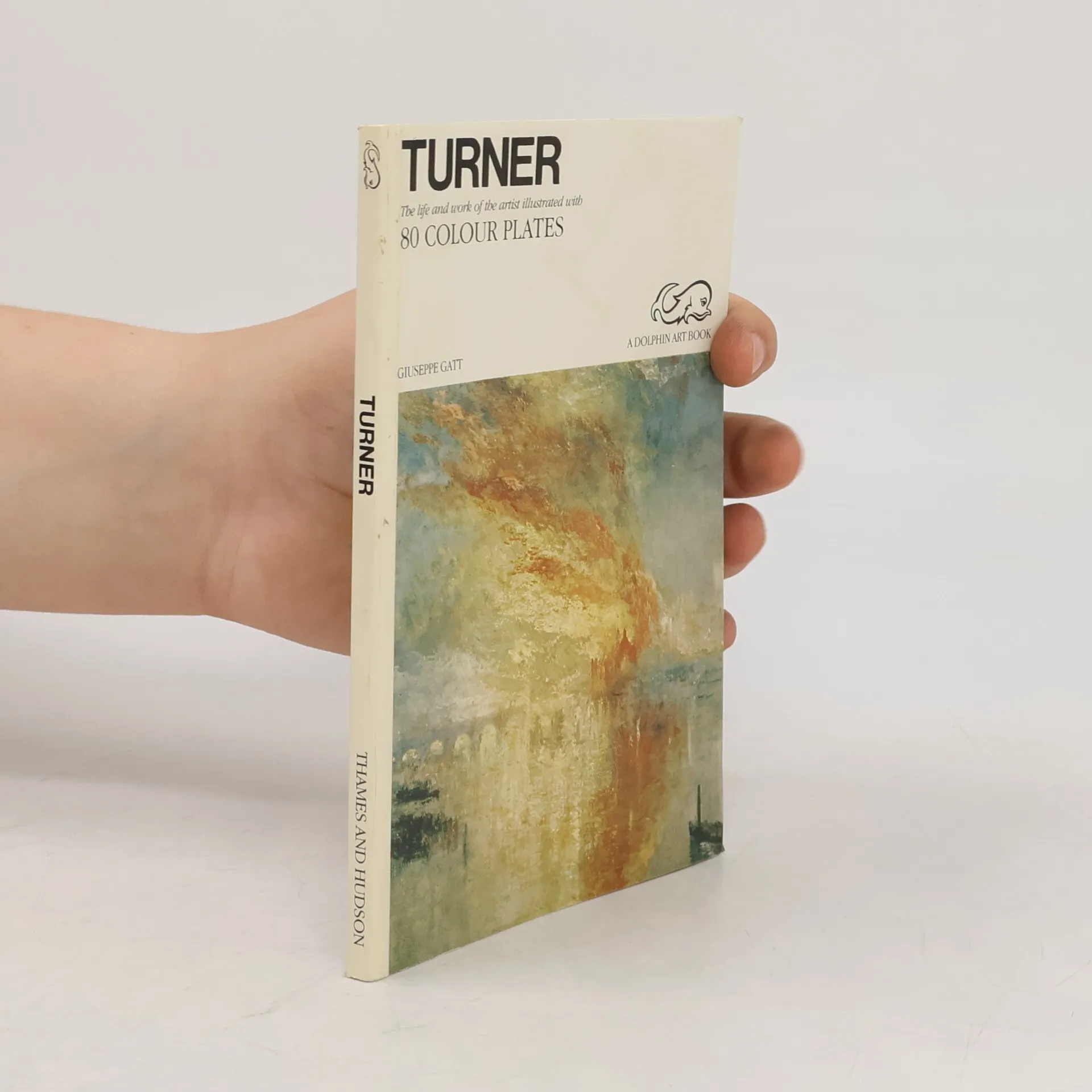
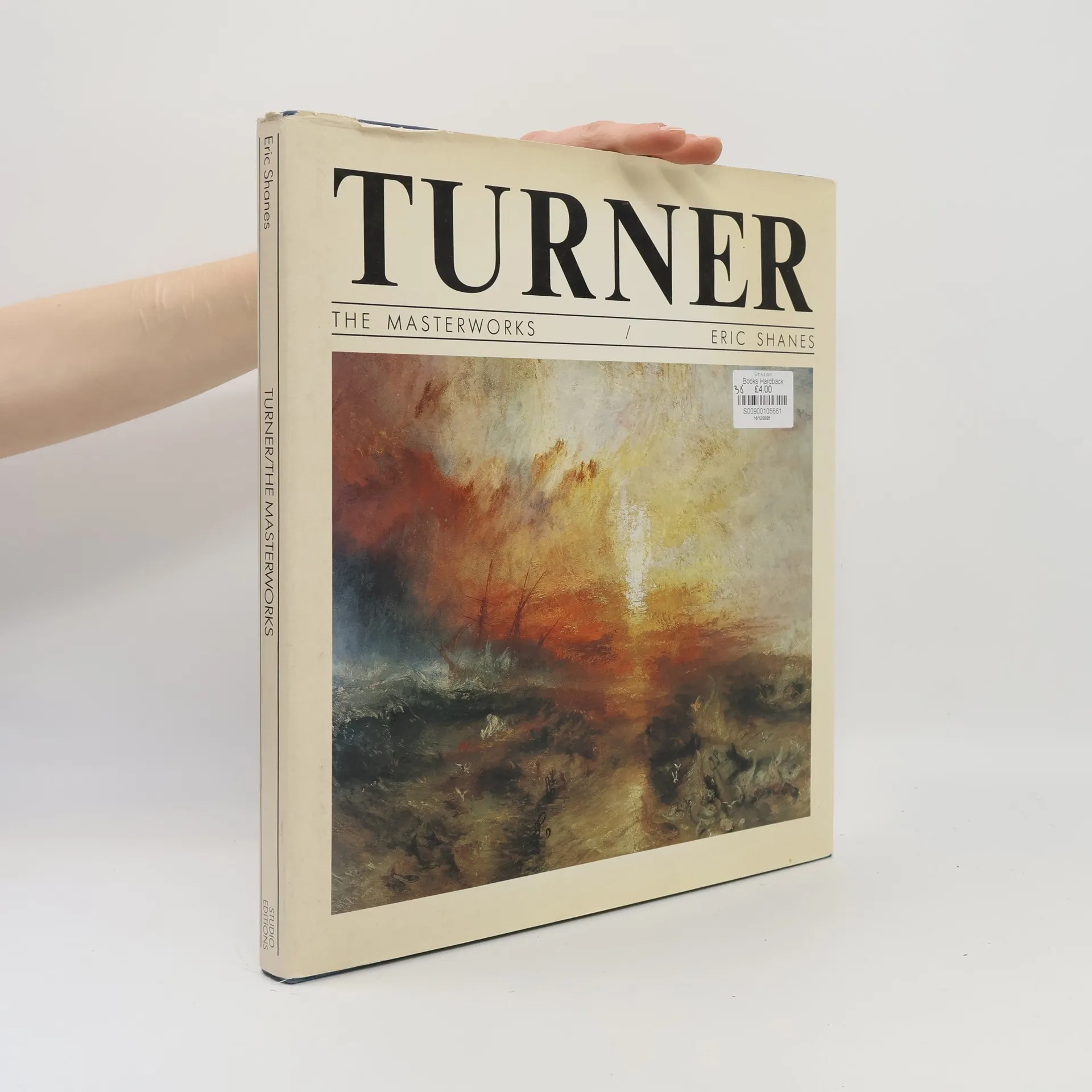
The highlights of this book are: - Important works of Turner - Illustrations with an index for each work - Details on each illustration with its size and where it is displayed
The Life and Work of the Artist Illustrated with 80 Colour Plates
London. 18 cm. 39 p. : 79 col. plates. Encuadernación en tapa blanda de editorial. Idioma Inglés. with 80 colour plates ; translated from the Italian by Pearl Sanders and Caroline Beamish. p. 26-27. Giuseppe Gatt ; [translated from the Italian by Pearl Sanders and Caroline Beamish][Turner. English. ]. Translation of the Italian work with the same title. Includes bibliographical references .. Este libro es de segunda mano y tiene o puede tener marcas y señales de su anterior propietario. 0500410097
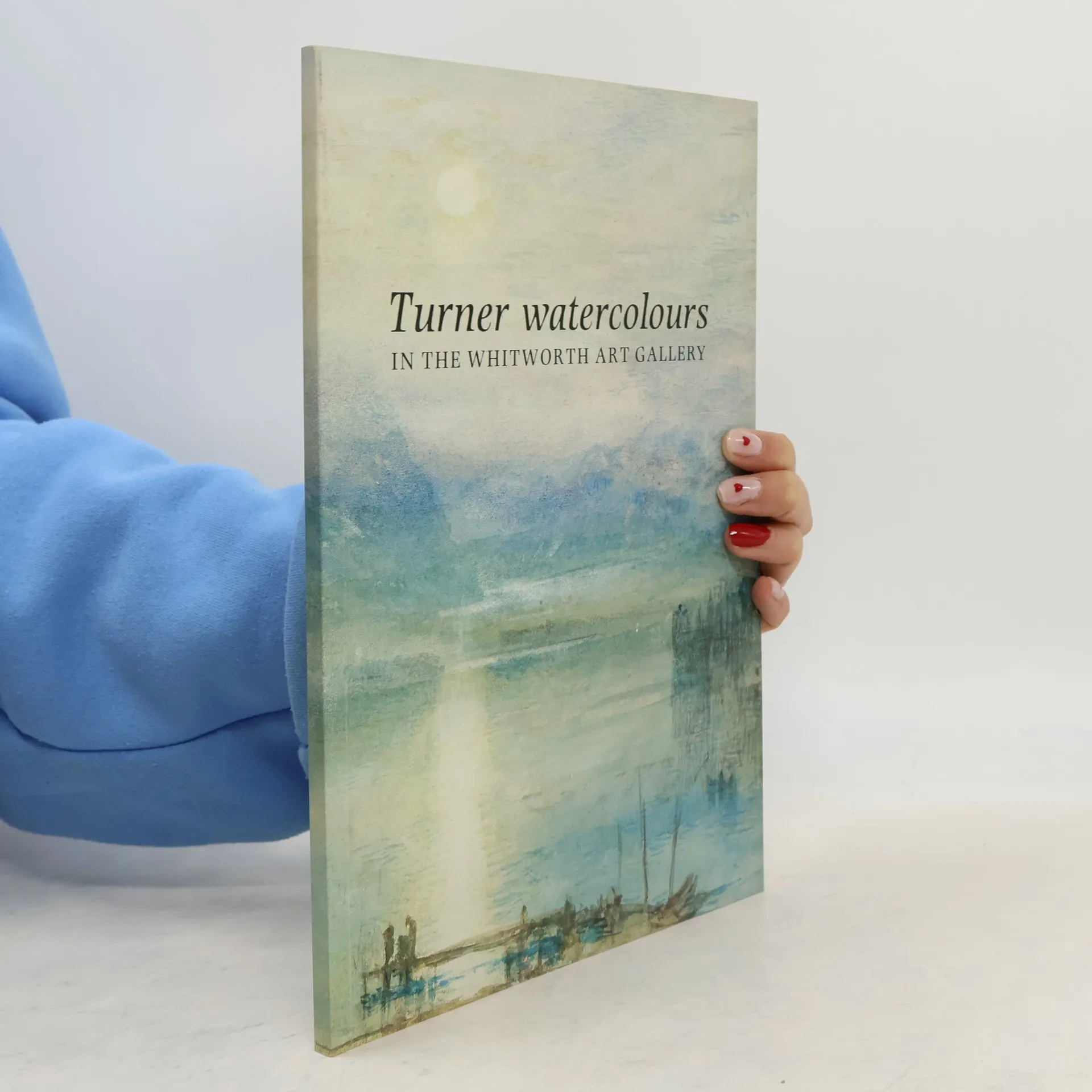
Turner Watercolours In The Whitworth Art Gallery
From the Renaissance to the 20th Century - With 79 Full-Colour Plates
1986, Peerage Books
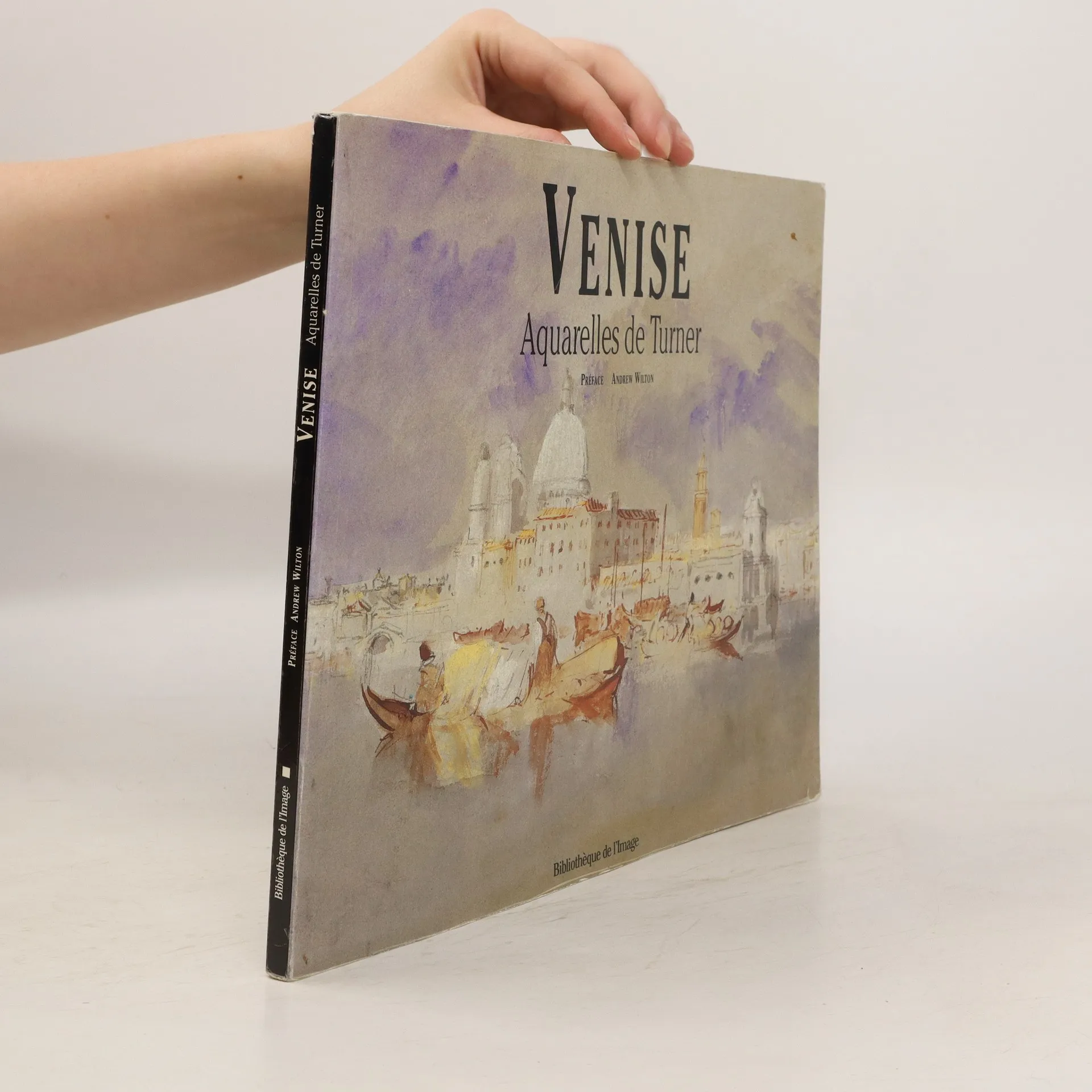
52 aquarelles en couleurs parmi toutes celles exécutées par Turner dès 1819. Extraits de textes consacrés à Venise : Suarès, Mann, Barrès, Ruskin, James, Régnier, Goethe et Byron. 1995, 29 x 25 cm., br., 96 pages.
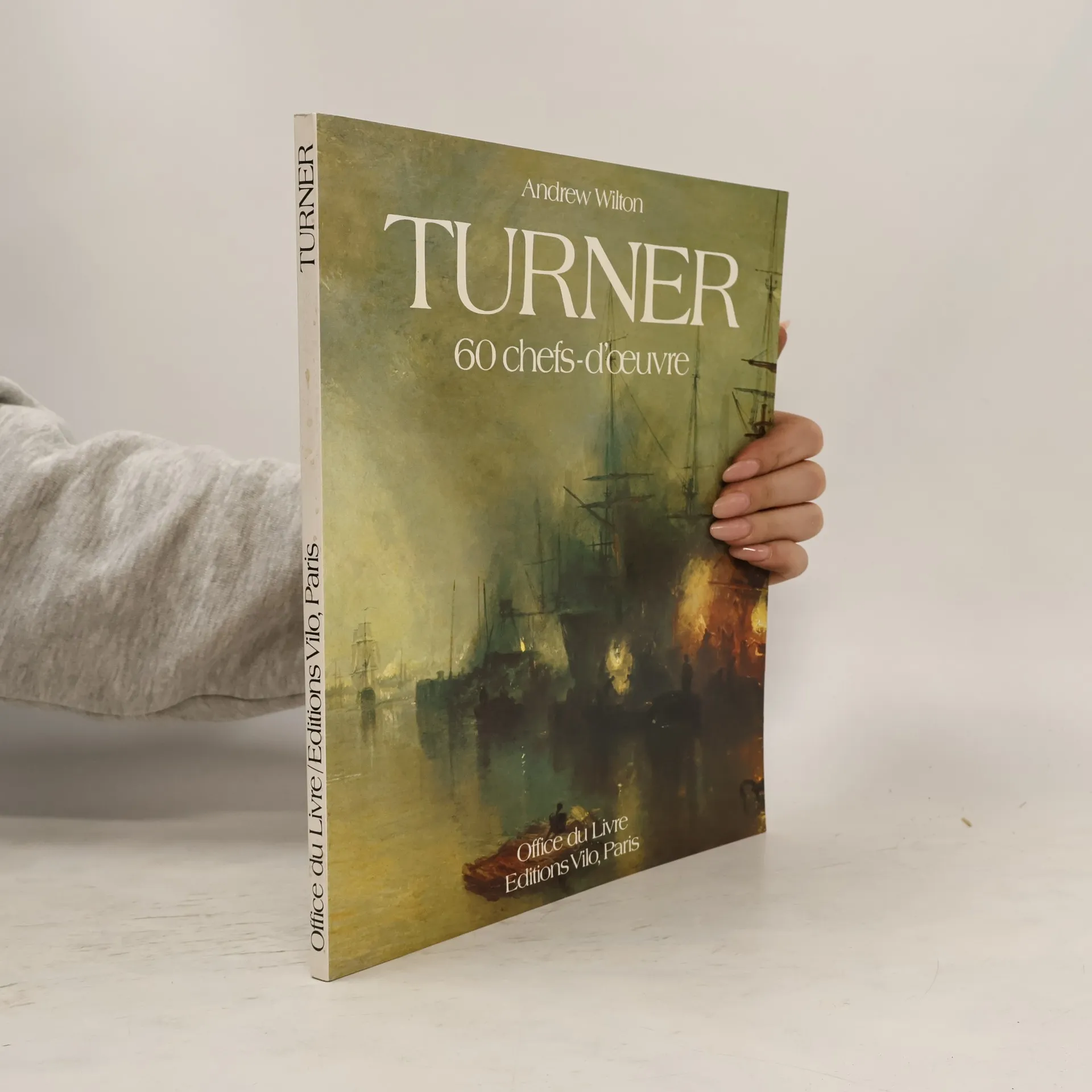
60 chefs-d'oeuvre
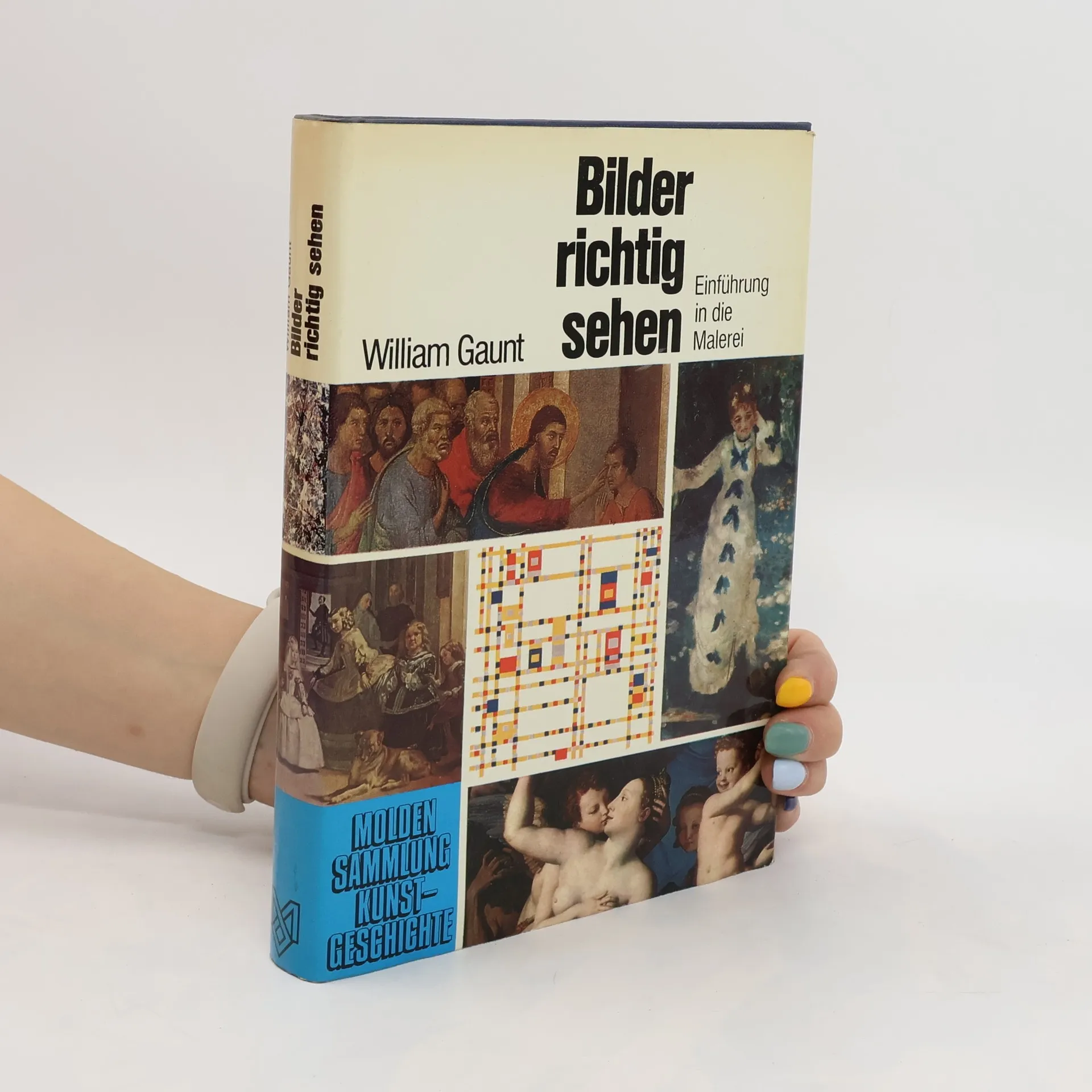
Einführung in die Malerei
Seestücke.
Farbe, Licht und Atmosphäre: Turners erstaunliche Modernität wird von der Nachwelt gefeiert. Für unseren Kalender haben wir zwölf Seestücke ausgewählt, von der farbenprächtigen Darstellung Venedigs bis zu düsteren, aber farblich absolut bestechenden Szenen auf hoher See. Turner-Ausstellung München Lenbachhaus: vom 28. Oktober bis 10. März