


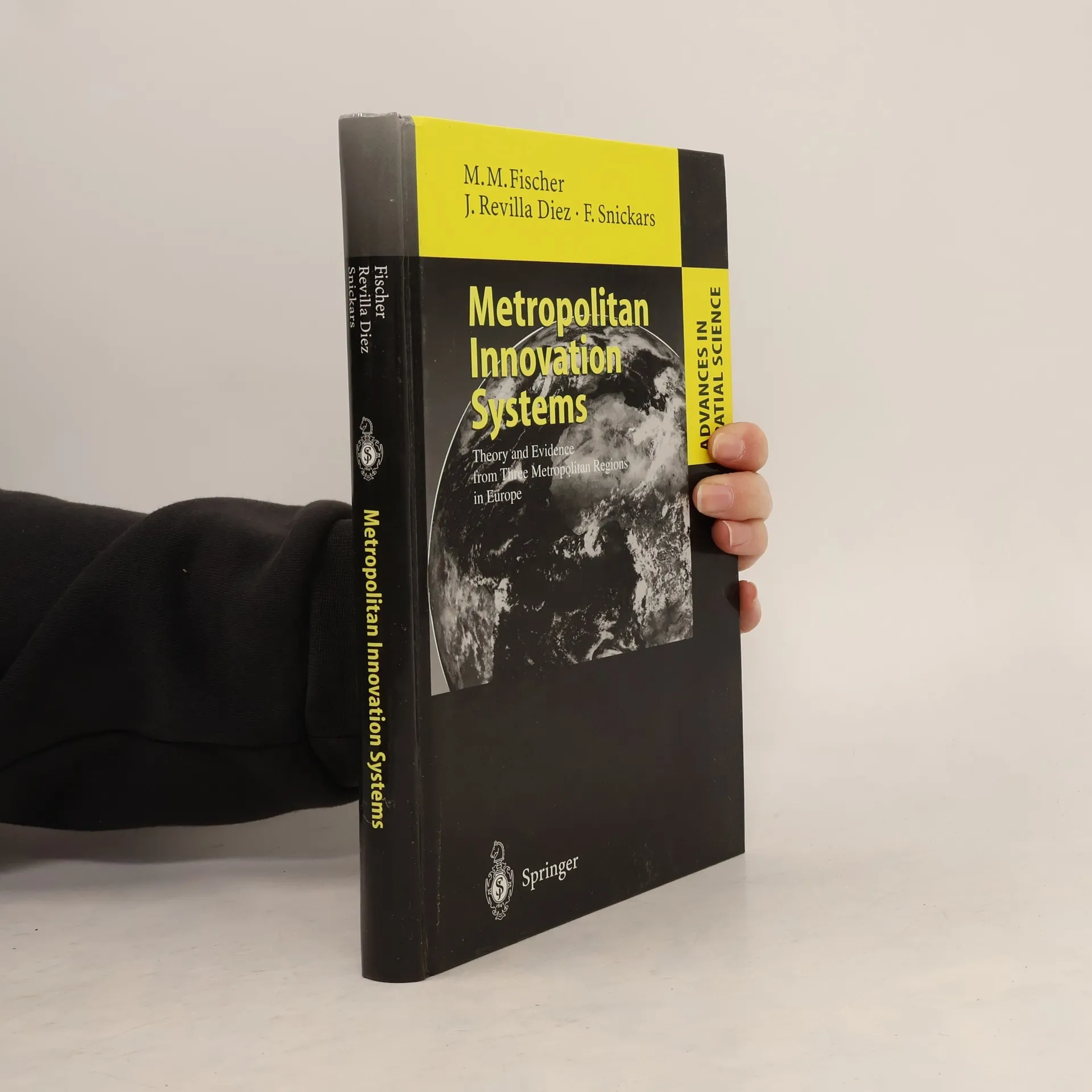

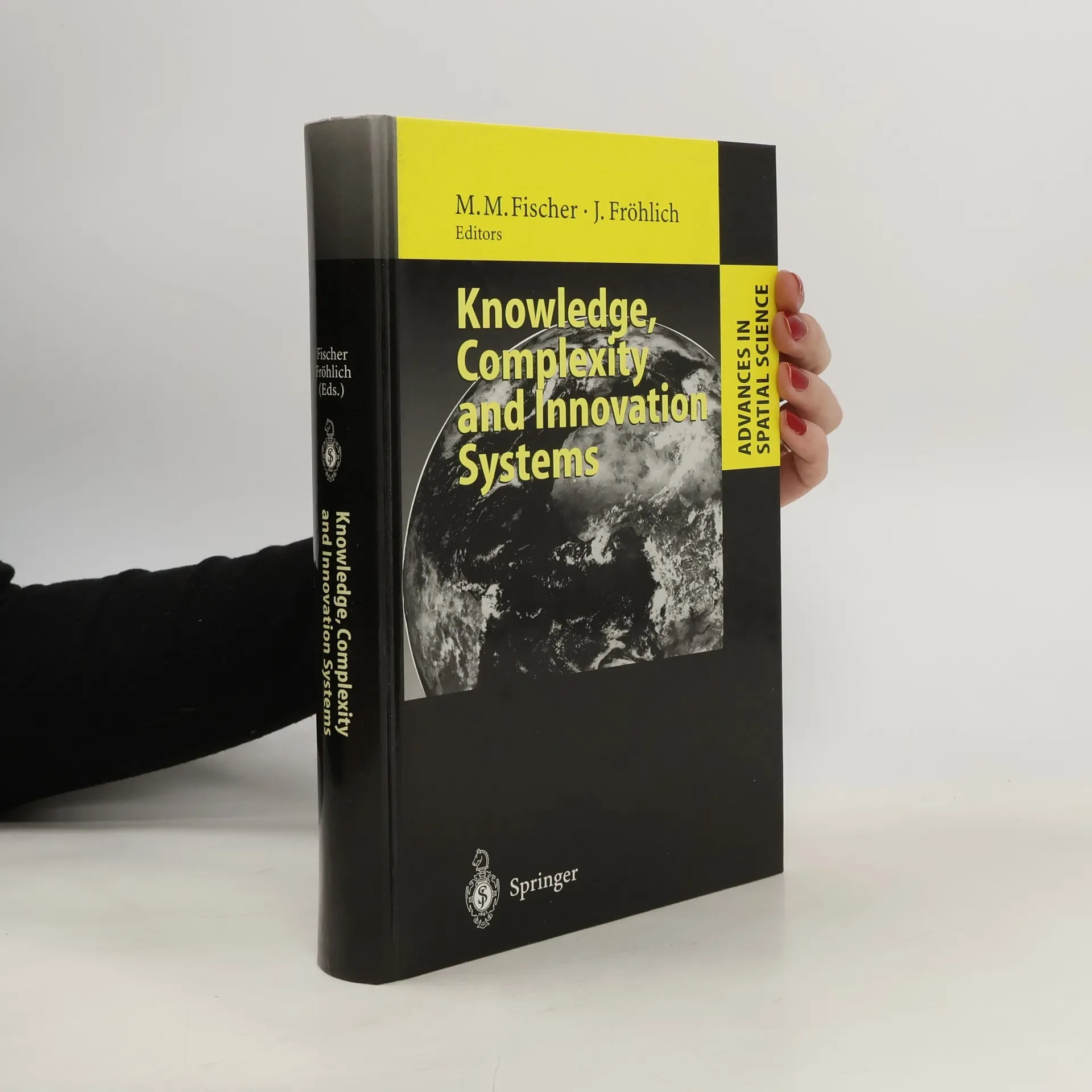
Advances in Spatial Science: Knowledge, Complexity and Innovation Systems
- 494 páginas
- 18 horas de lectura
Recent scientific interest has focused on the triangular relationship between knowledge, complexity, and innovation systems. The concept of innovation systems suggests that innovations arise not as isolated events but through interactions among various actors or agents. These interactions exhibit specific characteristics that tend to persist over time and are common across national, regional, sectoral, and technological systems. These systems can be visualized as networks of institutional actors and interactions aimed at producing and diffusing knowledge. A key theoretical and policy challenge is recognizing that knowledge is generated not only by individuals and organizations but also through the complex interactions among them. Understanding how organizations develop new products, production techniques, and organizational forms is crucial. Equally important is grasping how organizations create new knowledge, particularly when this creation involves mobilizing and converting tacit knowledge. While much has been discussed regarding the significance of knowledge in management, there has been limited exploration of how knowledge is generated and how the knowledge creation process is effectively managed. The third element of this research triangle is complexity.