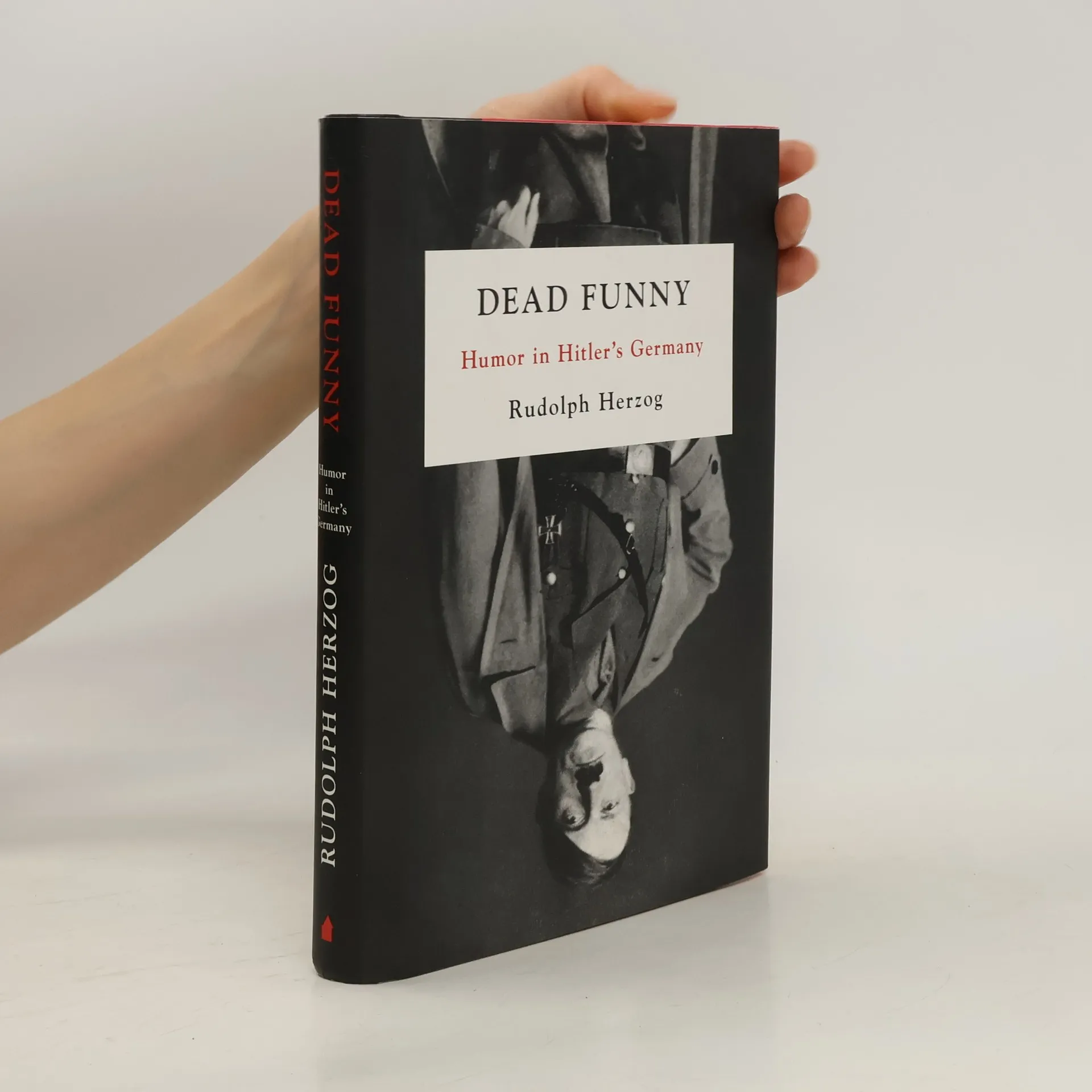
In Nazi Germany, telling jokes about Hitler could be deadly, raising the question of whether it is acceptable to laugh at him. This debate persists in Germany today, as many struggle to approach the Third Reich with satire without seeming to trivialize the Holocaust. Yet, a rich history of jokes about the Nazis exists. Rudolph Herzog reveals that the portrayal of Hitler as “ridiculous” was not a post-war phenomenon; early in Nazi rule, many Germans mocked Hitler and other officials. This history is both fascinating and chilling, covering the suppression of the anti-Nazi cabaret scene in the 1930s, jokes shared during WWII, and the whispered quips published after the war. The collection highlights the grim reality that many Germans were not entirely under Nazi propaganda's spell; they were aware of the concentration camps, which were also subjects of humor during the war. Herzog's work challenges the post-war narrative that people were oblivious to Hitler's actions, asserting instead that Germans were informed, occasionally joked about the regime, and ultimately failed to take action.
Rudolf Herzog Libros
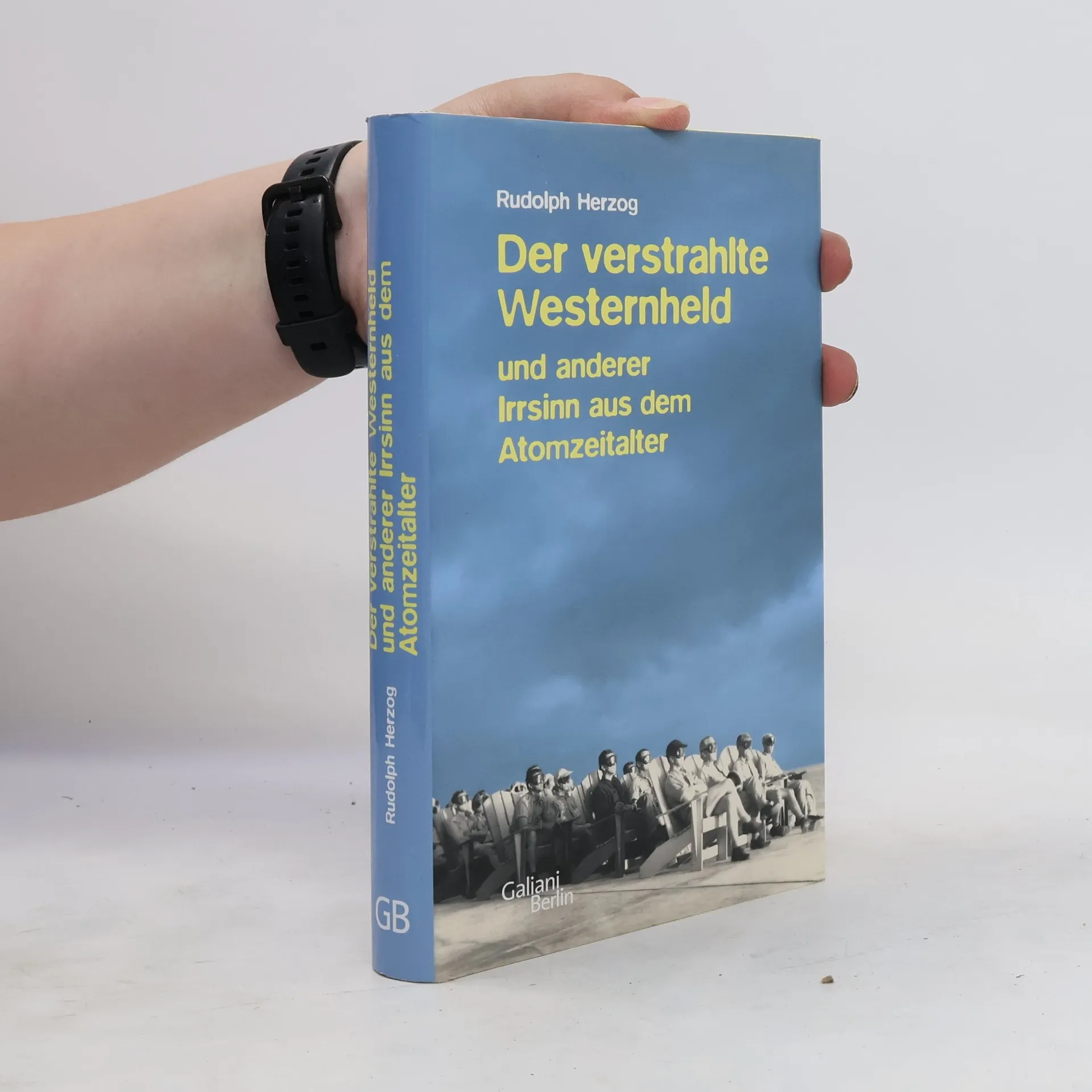
Der verstrahlte Westernheld und anderer Irrsinn aus dem Atomzeitalter
- 253 páginas
- 9 horas de lectura
Eine Bilanz des Schreckens zeigt die alarmierende Realität der Atomtechnologie und die Gefahren, die von unkontrollierbarem atomaren Material ausgehen. Die Menschheit hat seit Fukushima erkannt, dass Atomtechnologie niemals vollständig beherrschbar sein wird. Viele sind sich jedoch der enormen Mengen an atomarem Material, das weltweit existiert, und der fahrlässigen Handhabung, die oft noch praktiziert wird, nicht bewusst. Während anfängliche Unkenntnis dazu führte, dass ganze Regionen unbewohnbar wurden und bizarre Experimente durchgeführt wurden, liegt die gegenwärtige Gefahr in der schieren Menge an Material, dessen Standort oft unbekannt ist. So ist beispielsweise eine Wasserstoffbombe im Eis vor Grönland verloren gegangen, und Schätzungen zufolge fehlen weitere 30–40 Kernwaffen. In Kasachstan liegen große Mengen waffenfähigen Materials ungesichert auf Testgeländen. Rudolph Herzog zieht eine erschreckende Bilanz und beleuchtet die kurze, aber verheerende Geschichte des menschlichen Umgangs mit atomarem Material. Der Atomausstieg in Deutschland erscheint vor diesem Hintergrund als unzureichende Maßnahme. Herzog verdeutlicht die Dringlichkeit eines öffentlichen Bewusstseins für diese globale Problematik.
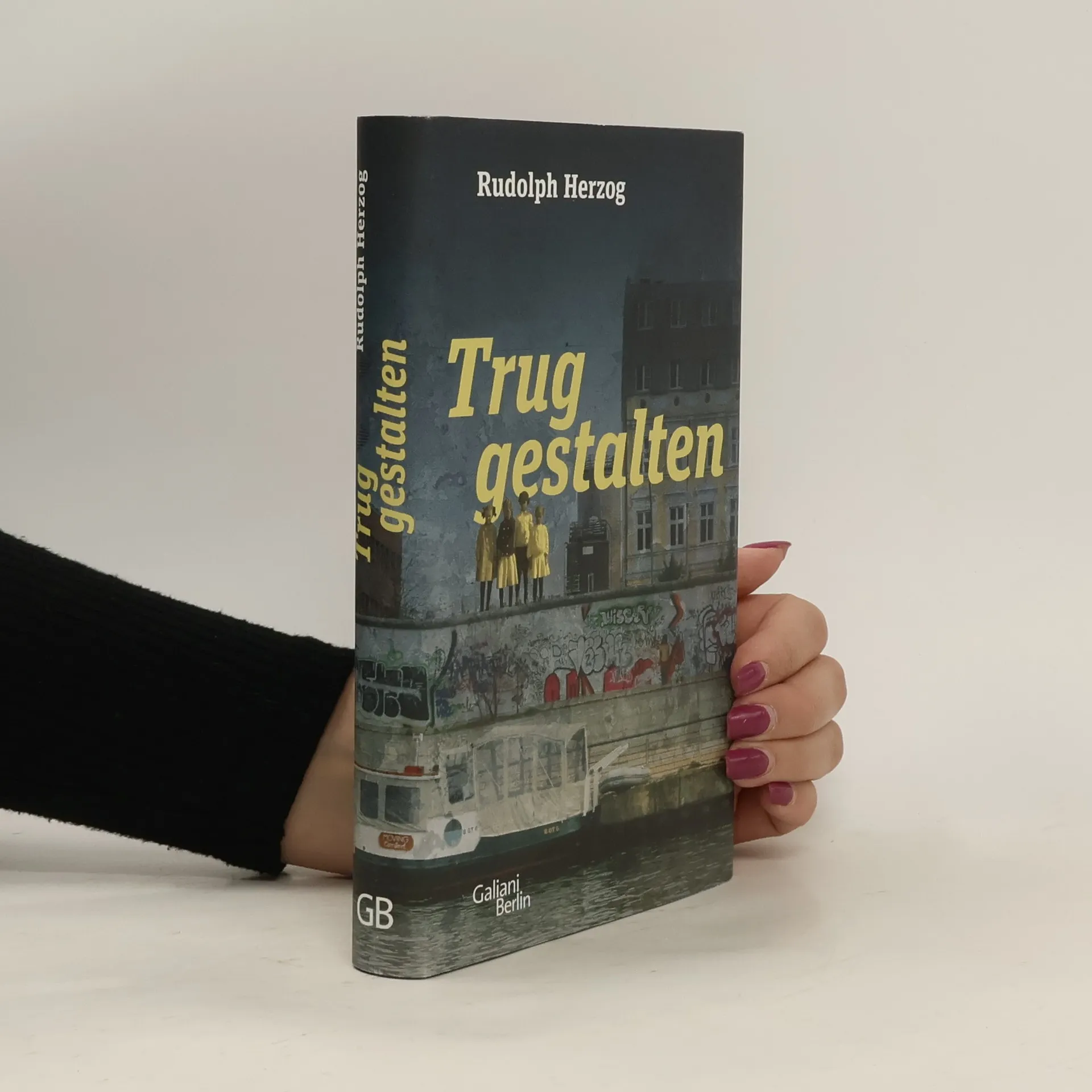
Truggestalten
- 240 páginas
- 9 horas de lectura
Eine junge amerikanische Künstlerin entdeckt Blutflecken, die spurlos verschwinden, während ein Kreuzberger Hipster das Unheimliche in seiner Wohnung ahnt. Der Manager eines Start-ups wird von einem Fiebertraum geplagt, der sich mit der Vergangenheit überschneidet. In dieser modernen Metropole Berlin, die von Neuankömmlingen und Investoren geprägt ist, gibt es eine tiefere, unheimliche Schicht. Die Stadt, reich an Geschichte, war Zeugin bedeutender gesellschaftlicher Umbrüche, vom Kaiserreich über das Dritte Reich bis hin zum Kalten Krieg. In sieben miteinander verwobenen Episoden werden die Protagonisten des neuen Berlins von der Geschichte eingeholt, spüren ein unheilvolles Nachwirken, das nicht zu heilen ist. Der Autor Rudolph Herzog präsentiert mit diesem Werk sein erstes belletristisches Buch, das voller Absurditäten und düsterer Überraschungen steckt. Kritiker heben hervor, dass das Buch eine ähnliche Funktion für das moderne Berlin übernehmen könnte wie Ingo Schulzes "Simple Storys" für die Vergangenheit. Die Erzählungen sind abgründig, raffiniert und unterhaltsam, und Herzog belebt das oft unterschätzte Genre der Schauergeschichte, indem er das Übersinnliche und Unterschwellige der Großstadt auf eindringliche Weise einfängt.
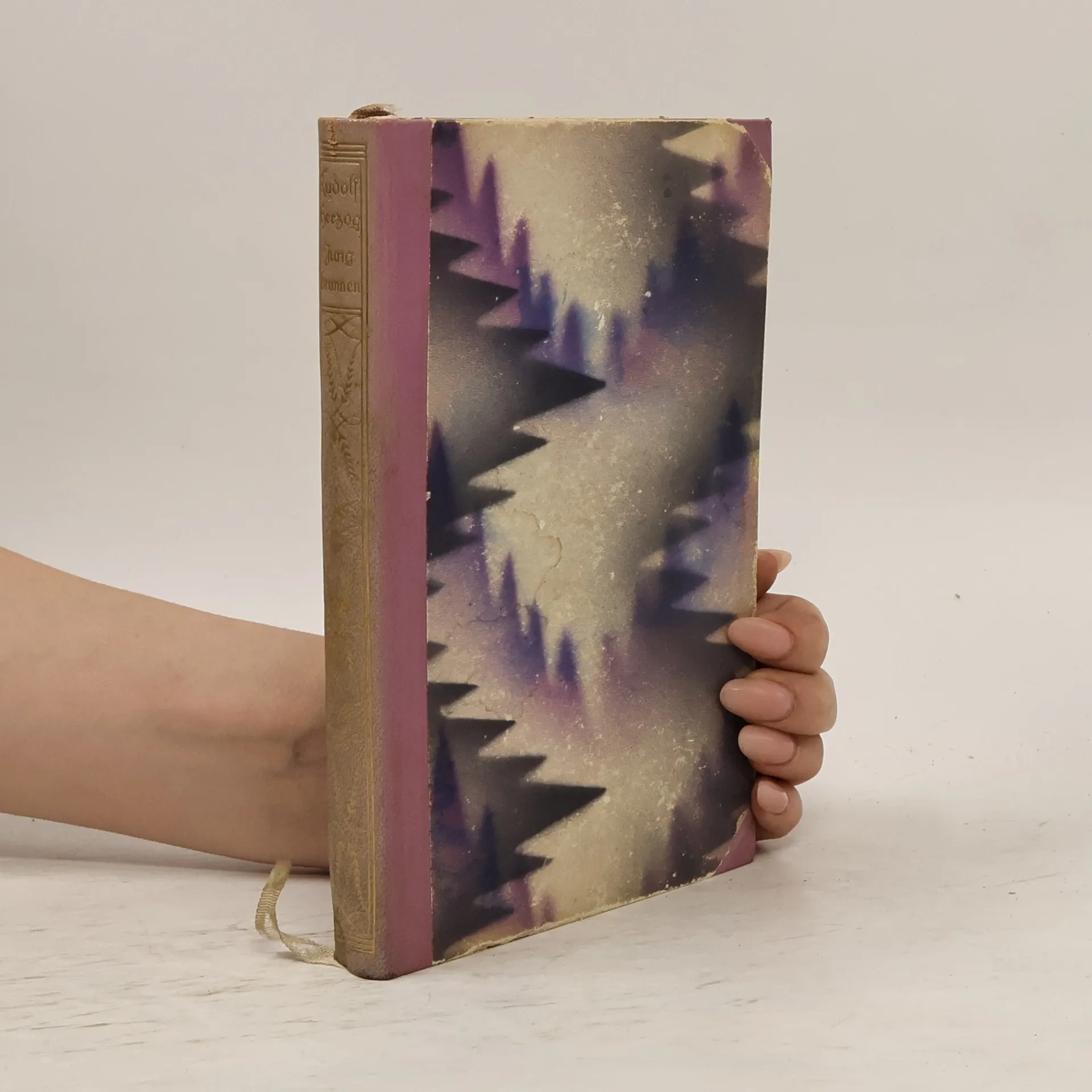
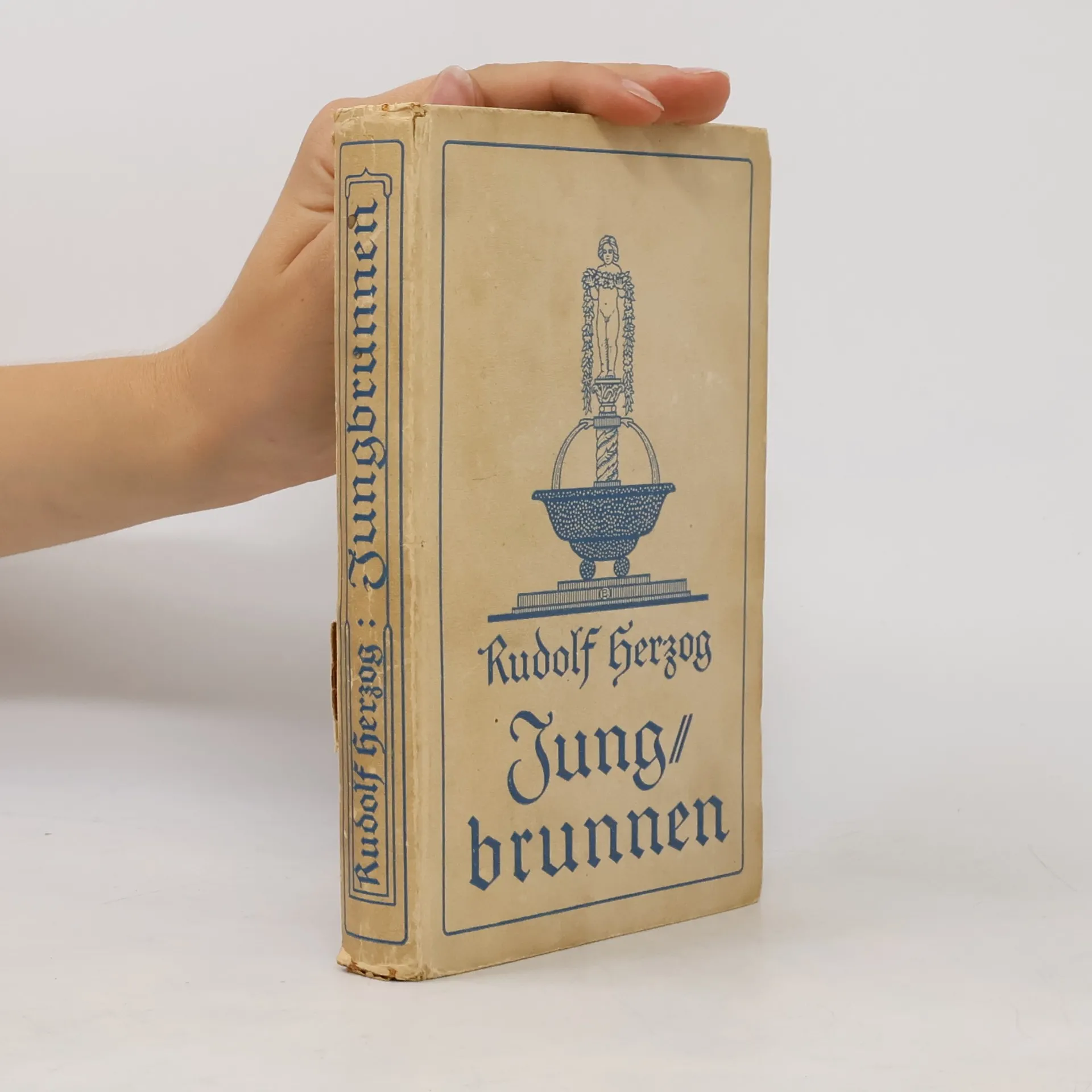
Jungbrunnen
Novellen
Der Verlag Megali hat sich auf die Reproduktion historischer Werke in Großdruck spezialisiert, um Menschen mit eingeschränkter Sehfähigkeit den Zugang zu Literatur zu erleichtern. Diese Ausgabe ermöglicht es, klassische Texte in einem Format zu genießen, das das Lesen komfortabler macht und gleichzeitig die Originalität der Werke bewahrt.
Der Protagonist steht regungslos am Rheingau und beobachtet die glitzernde Landschaft, während die Nachmittagssonne auf ihn scheint. Sein dunkelgebranntes Gesicht und die scharfen Augen deuten darauf hin, dass er an intensivere Lichtverhältnisse gewöhnt ist. Trotz der schönen Umgebung wirkt er nachdenklich und distanziert, als ob er die Eindrücke filtert und eine innere Störung abwehren möchte. Die Beschreibung vermittelt eine Verbindung zur Natur und das Gefühl von innerer Ruhe, während die Frühlingsluft um ihn weht.
Der Verlag Megali bietet eine Reproduktion historischer Werke in Großdruck an, die speziell für Menschen mit eingeschränkter Sehfähigkeit konzipiert ist. Durch diese Initiative wird das Lesen für eine breitere Leserschaft zugänglicher, indem die Originaltexte in einem Format präsentiert werden, das das Erfassen der Inhalte erleichtert.
Siegfried, der Held
- 52 páginas
- 2 horas de lectura
"Siegfried, der Held" von Rudolf Herzog ist ein sorgfältig bearbeitetes eBook, das von Sharp Ink veröffentlicht wurde. Der Verlag bietet eine vielfältige Auswahl an Büchern aus verschiedenen Genres, darunter Klassiker und unbekannte Werke, und strebt an, hochwertige digitale Leseerlebnisse zu schaffen.
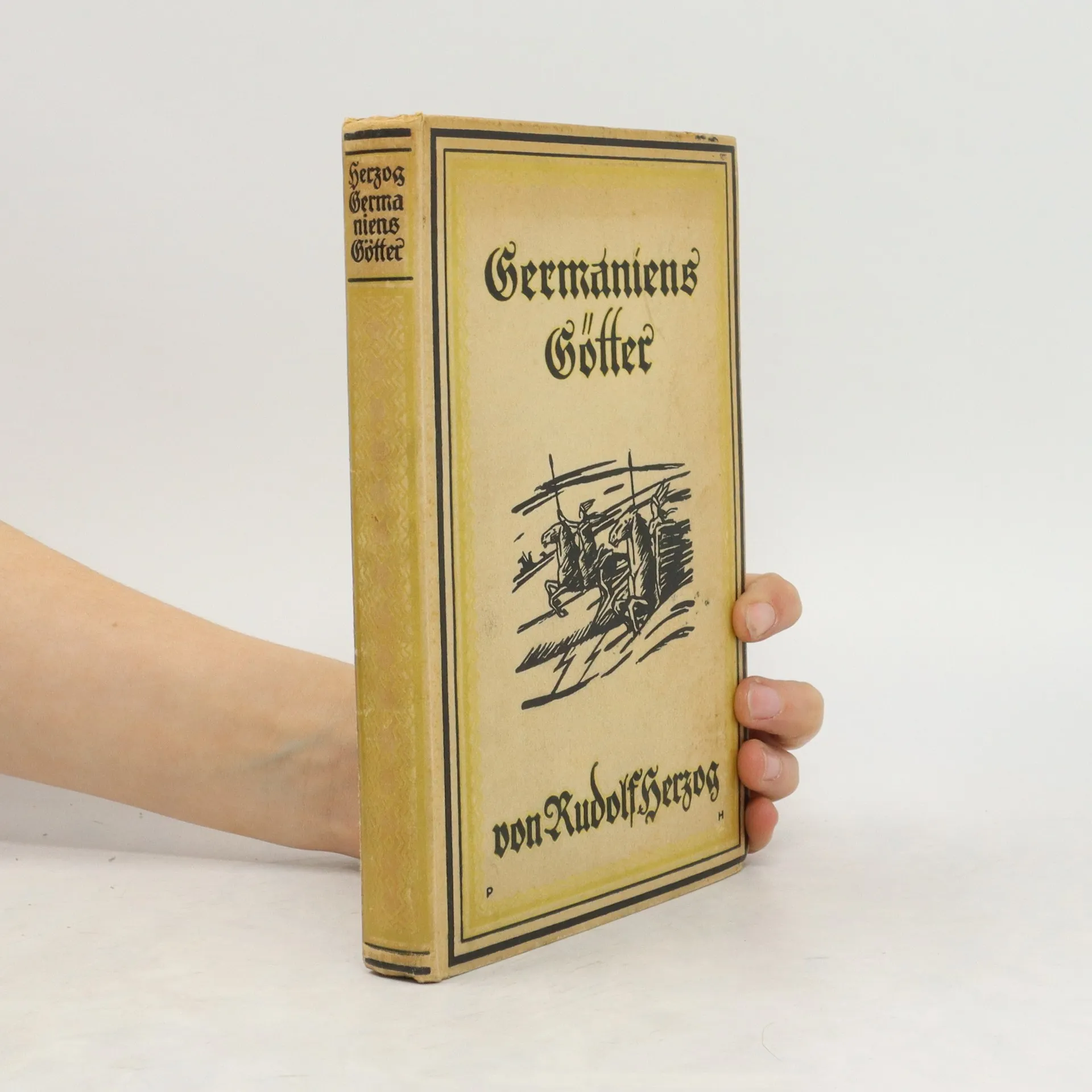
In "Germaniens Götter" erforscht Rudolf Herzog die faszinierende Welt der germanischen Mythologie und deren Götter. Er beleuchtet die Ursprünge, Geschichten und die kulturelle Bedeutung dieser mythologischen Figuren in der alten germanischen Gesellschaft. Durch eine tiefgehende Analyse von Quellen und Artefakten wird ein lebendiges Bild der Götter und ihrer Rolle im Alltag der Menschen gezeichnet. Das Buch bietet nicht nur einen Einblick in die religiösen Überzeugungen, sondern auch in die Werte und Traditionen der Germanen.
Eine lebendige und farbenfrohe Darstellung des Lebens am Niederrhein. Rudolf Herzog entführt seine Leser in eine malerische Gemeinde, in der sie das Leben und die Menschen hautnah erleben können. This work has been selected by scholars as being culturally important, and is part of the knowledge base of civilization as we know it. This work is in the "public domain in the United States of America, and possibly other nations. Within the United States, you may freely copy and distribute this work, as no entity (individual or corporate) has a copyright on the body of the work. Scholars believe, and we concur, that this work is important enough to be preserved, reproduced, and made generally available to the public. We appreciate your support of the preservation process, and thank you for being an important part of keeping this knowledge alive and relevant.
Die Stoltenkamps und ihre Frauen
- 350 páginas
- 13 horas de lectura
Jungdeutschland
An die Knaben, die Männer werden wollen
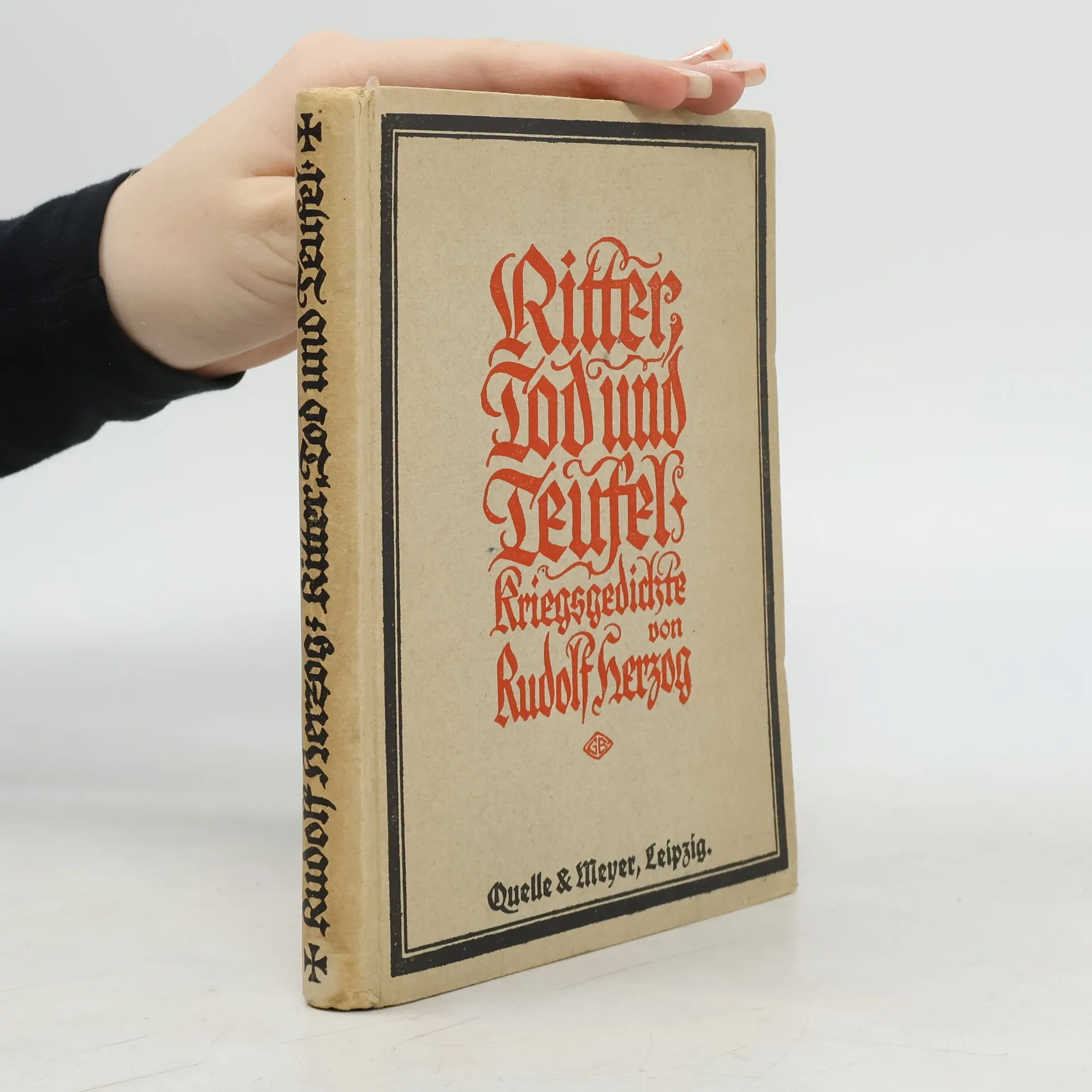
Ritter, Tod und Teufel
Kriegsgedichte