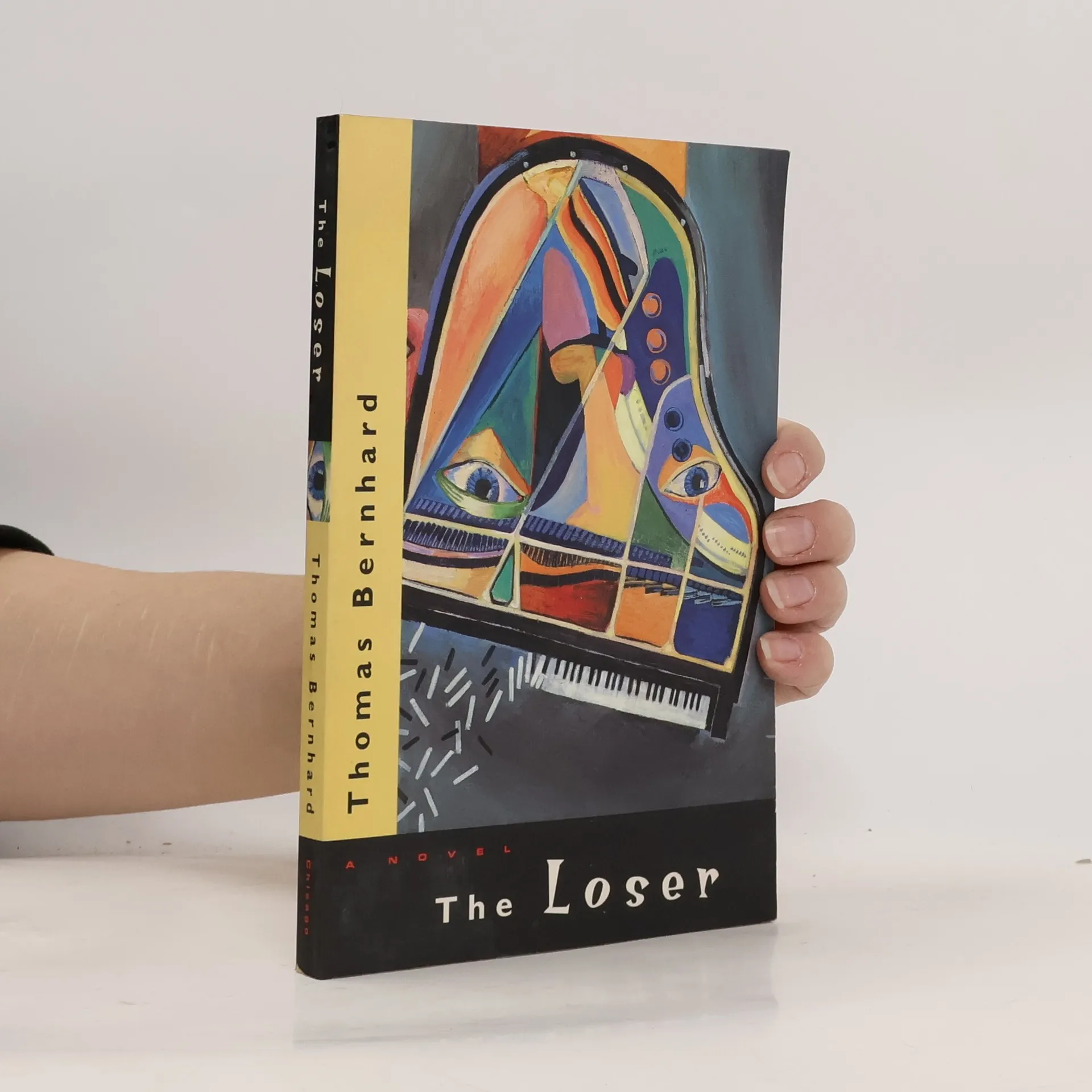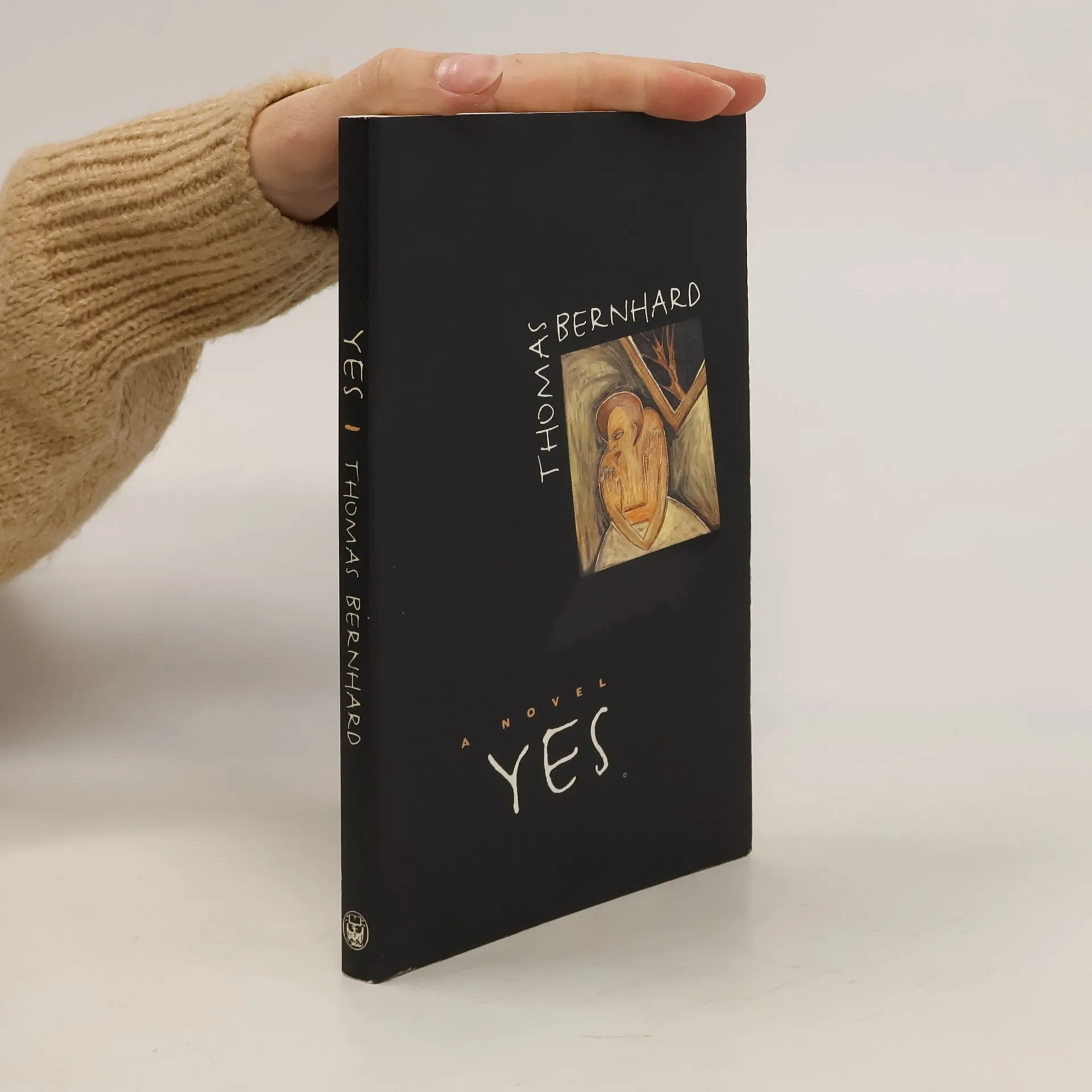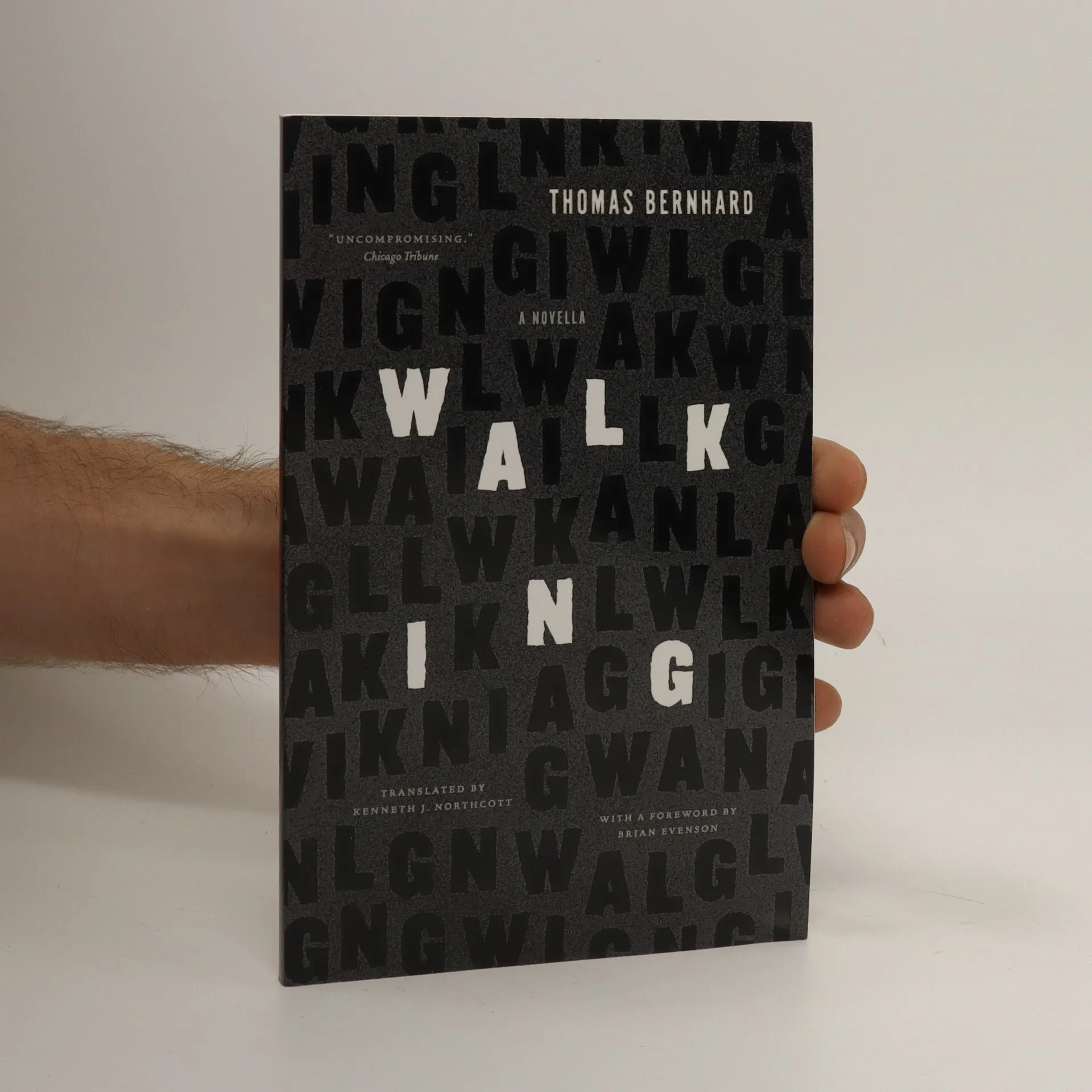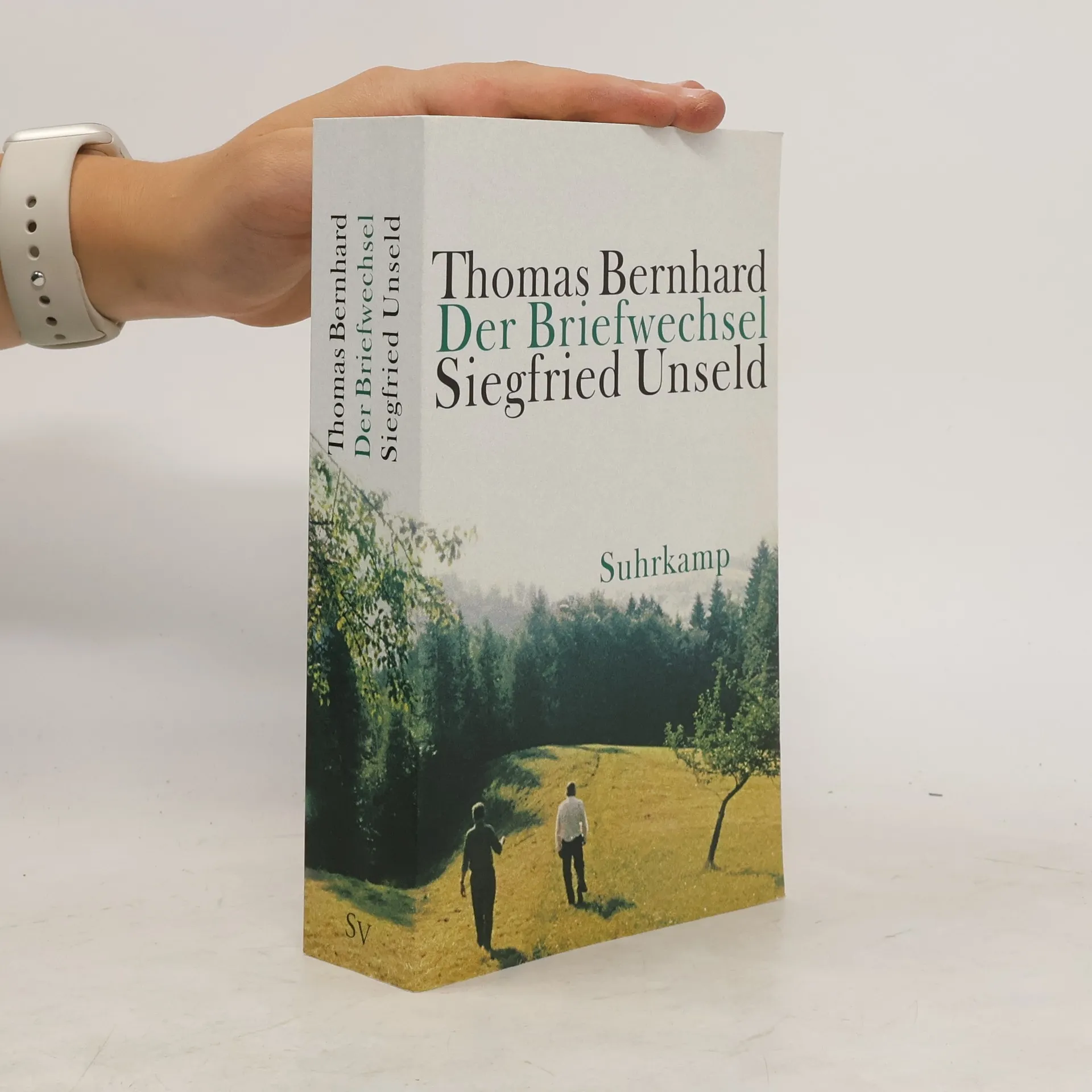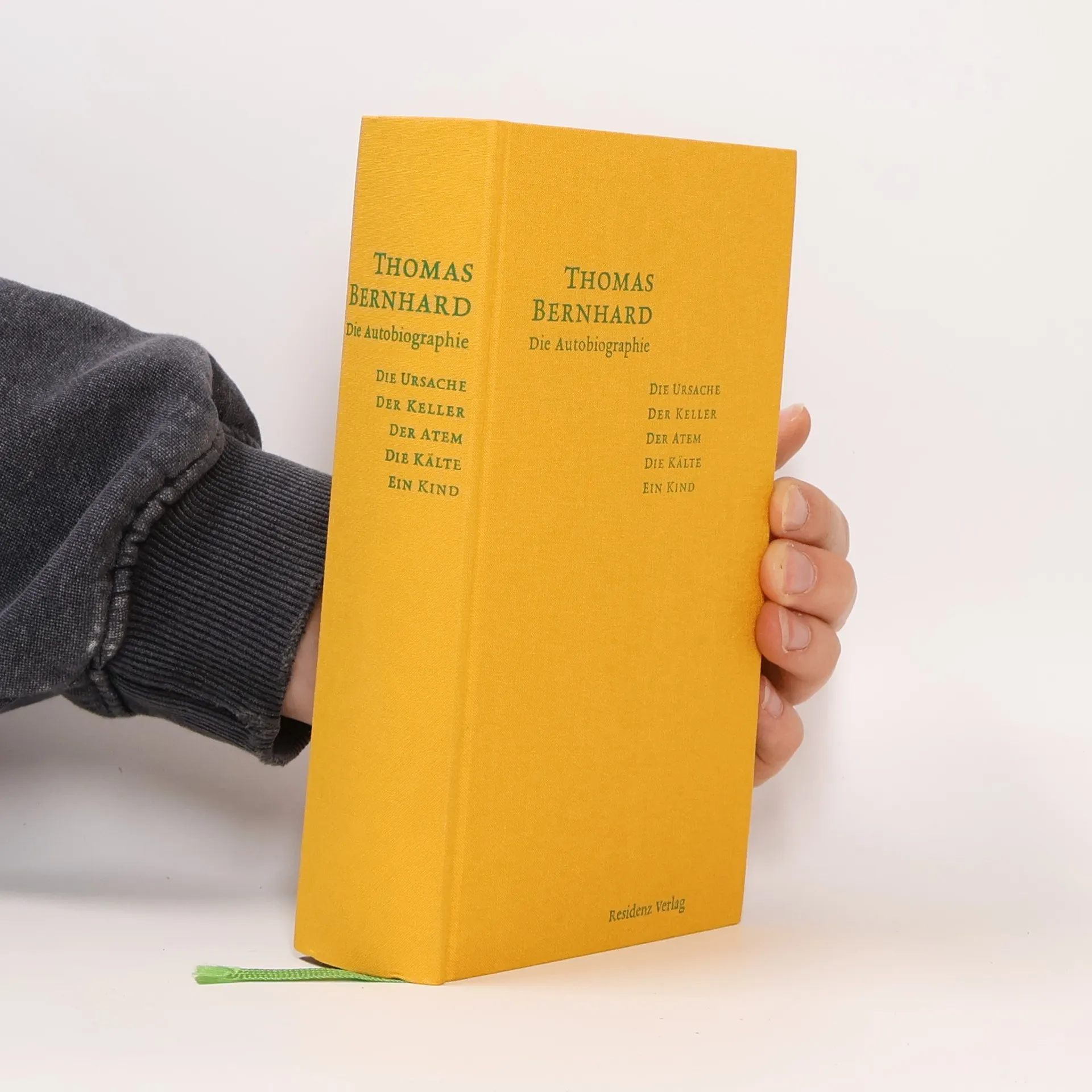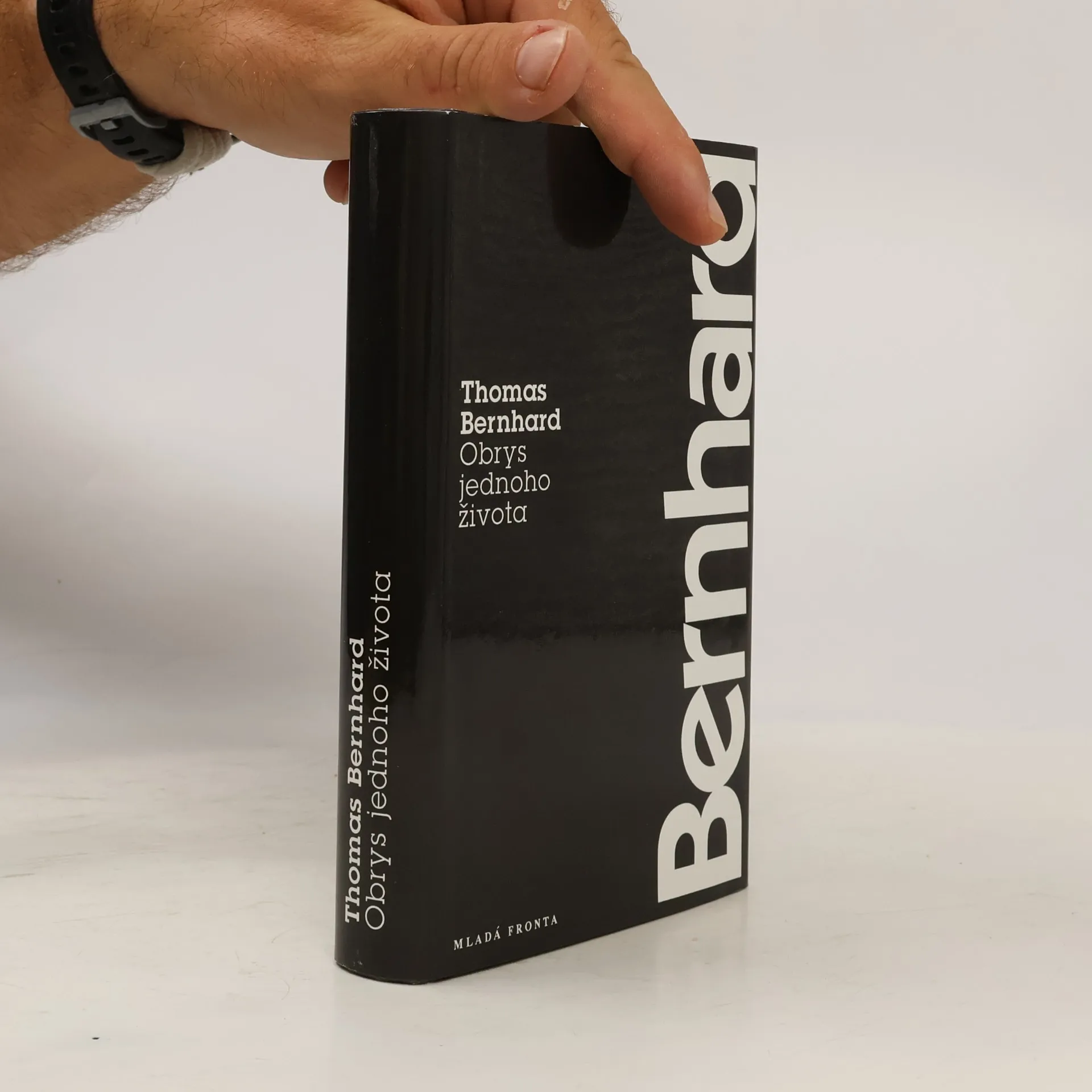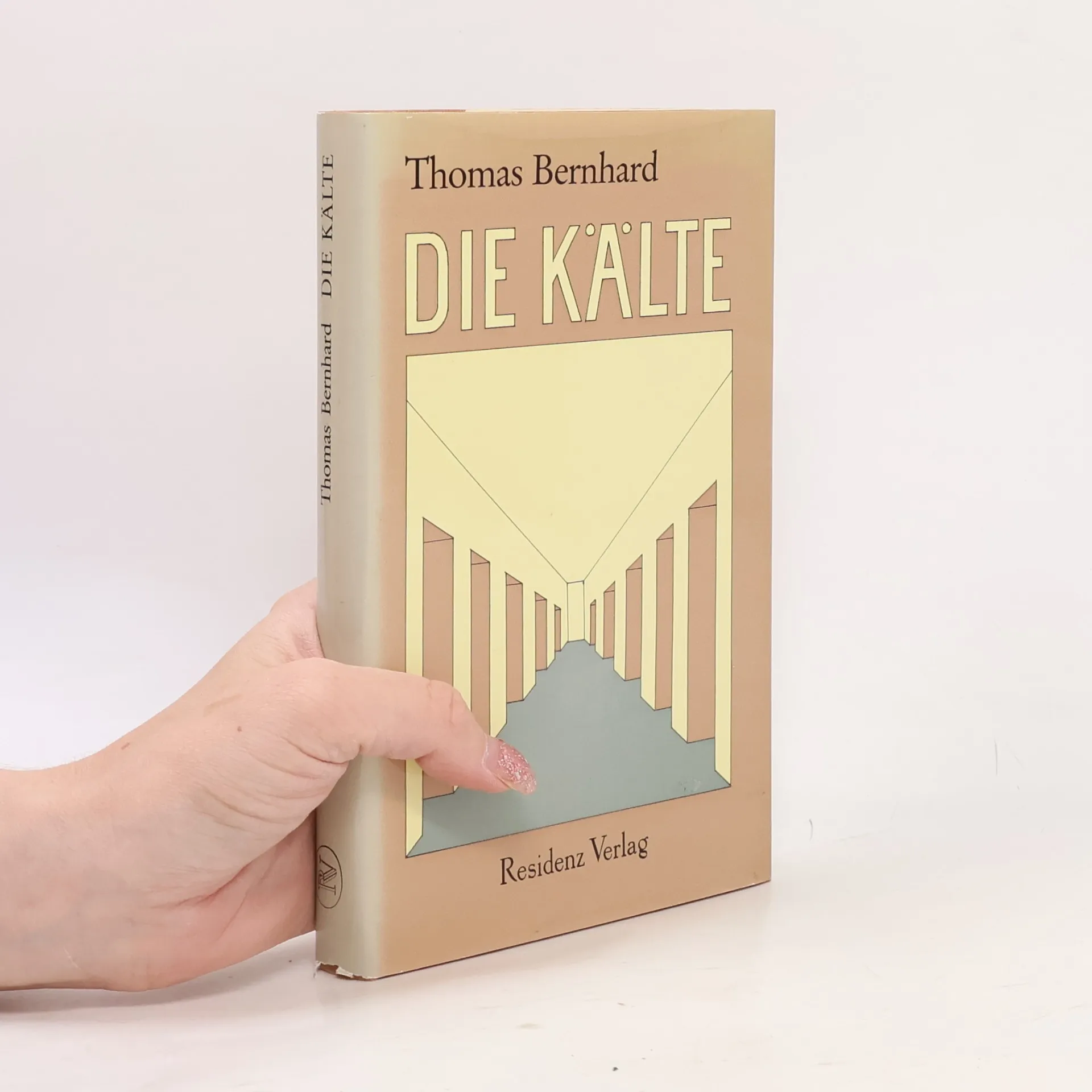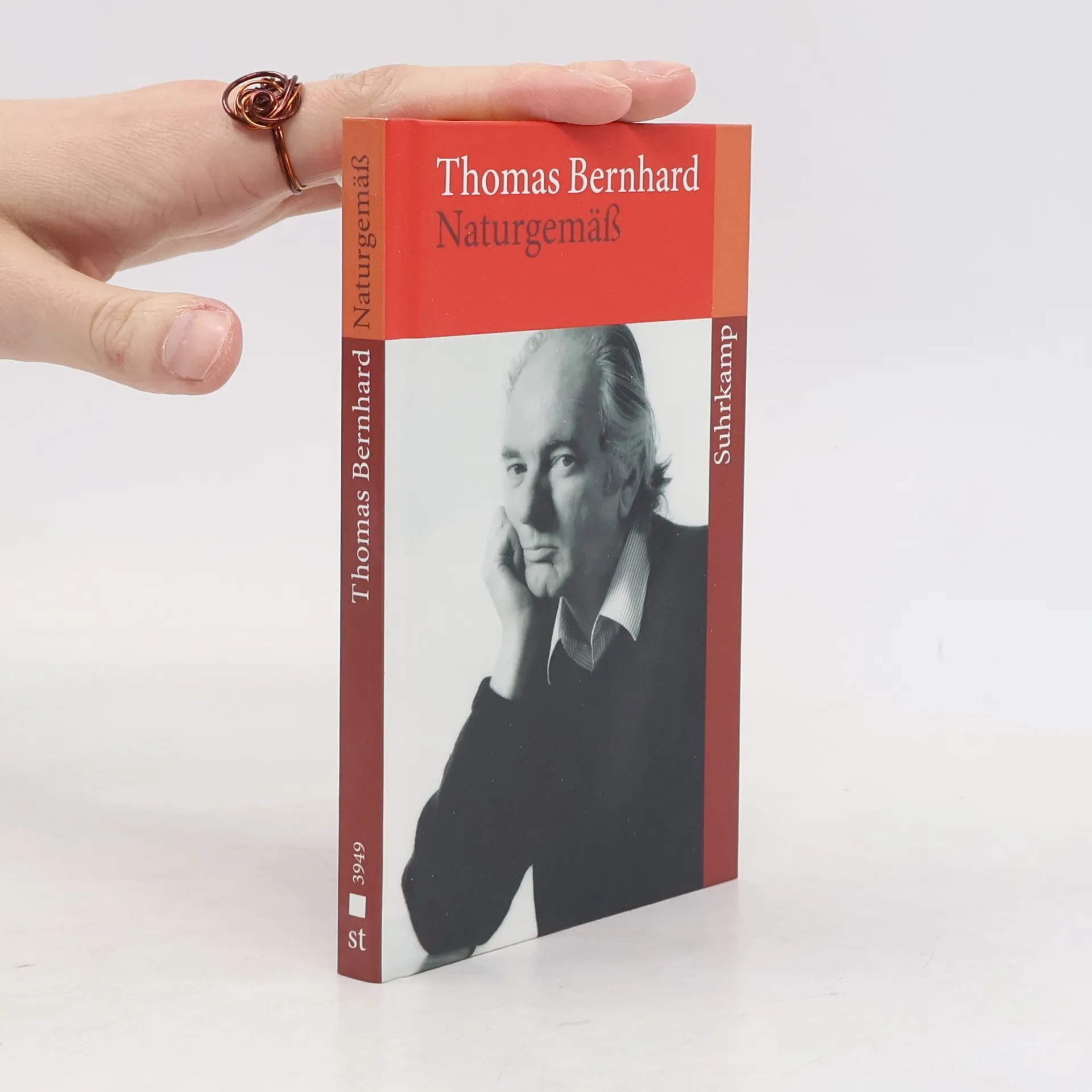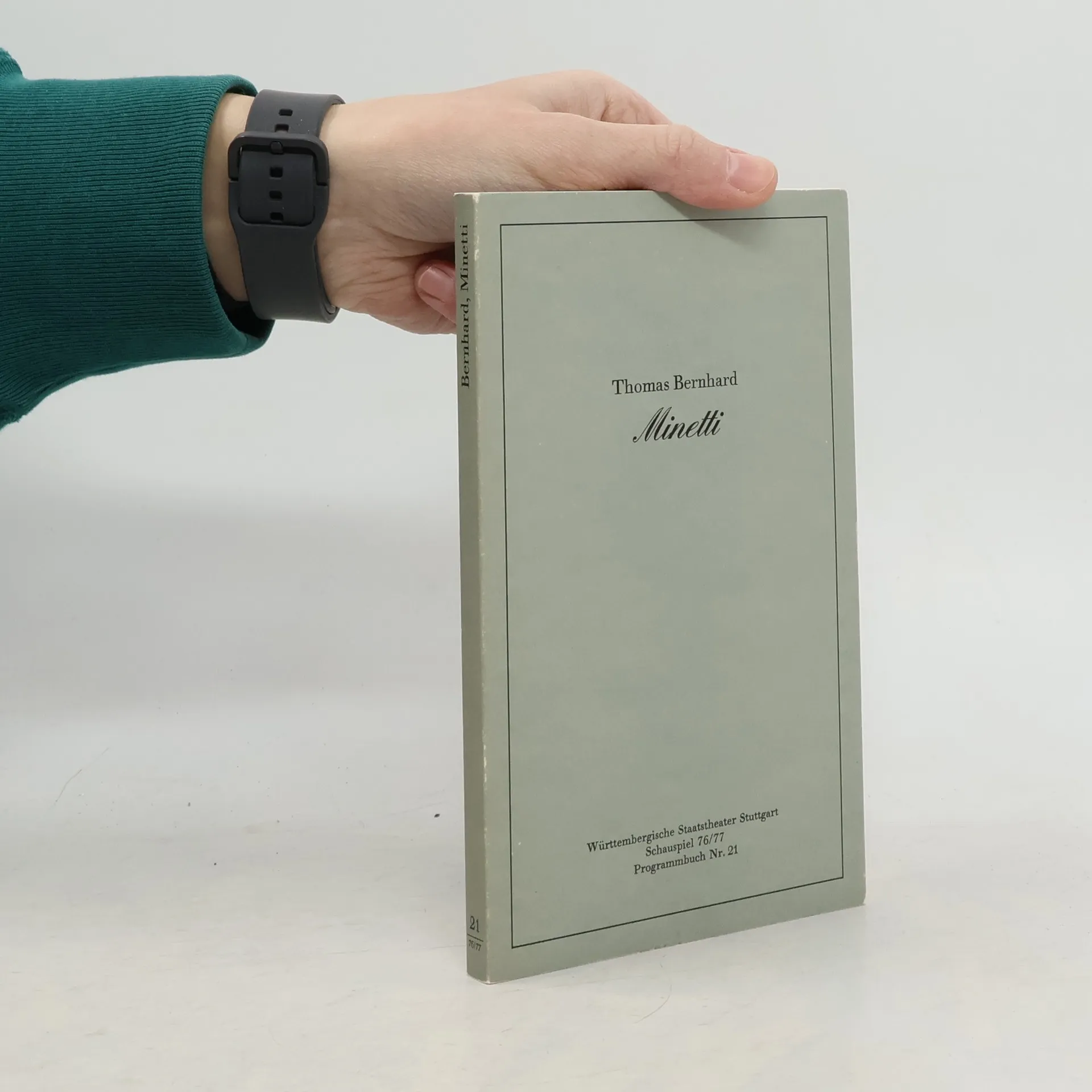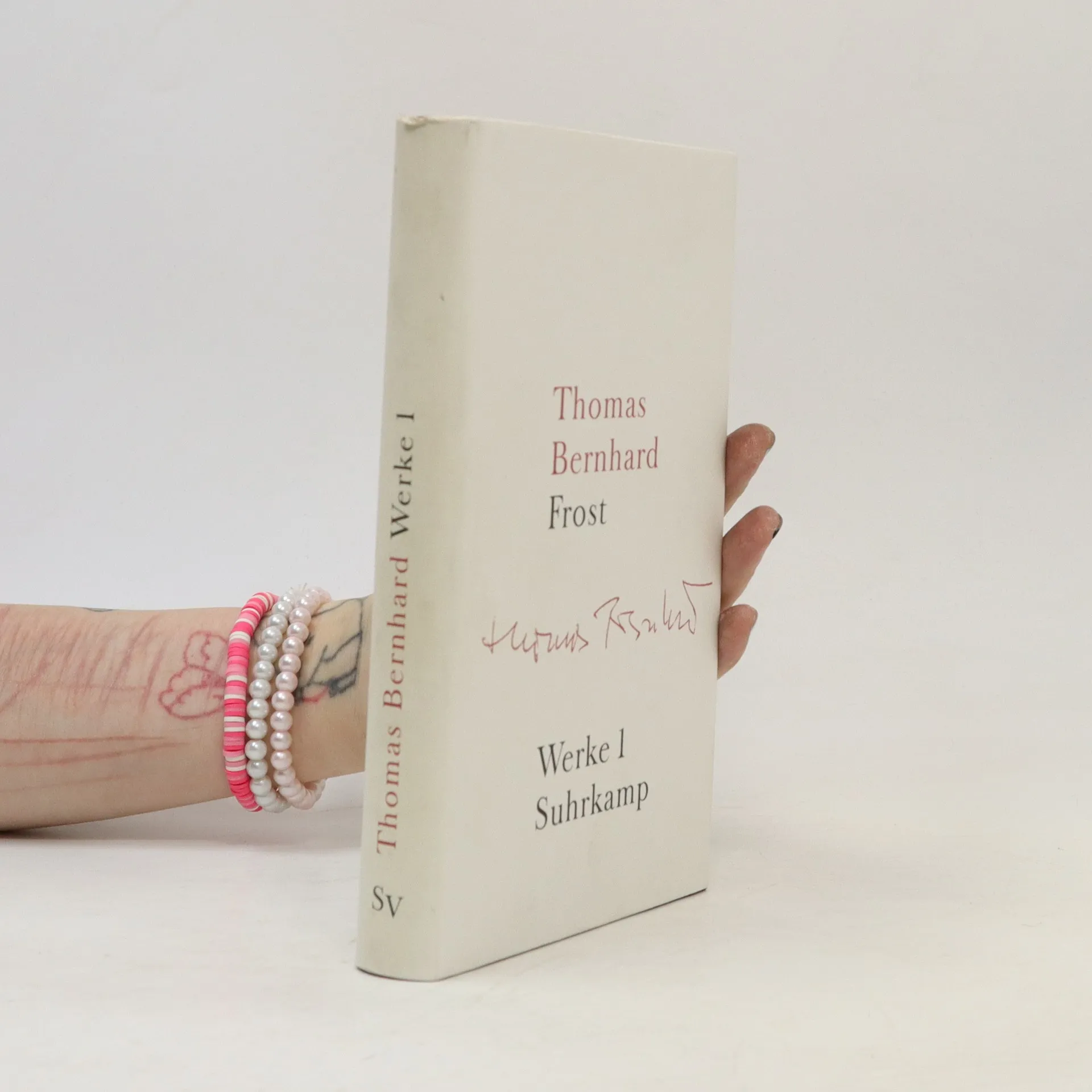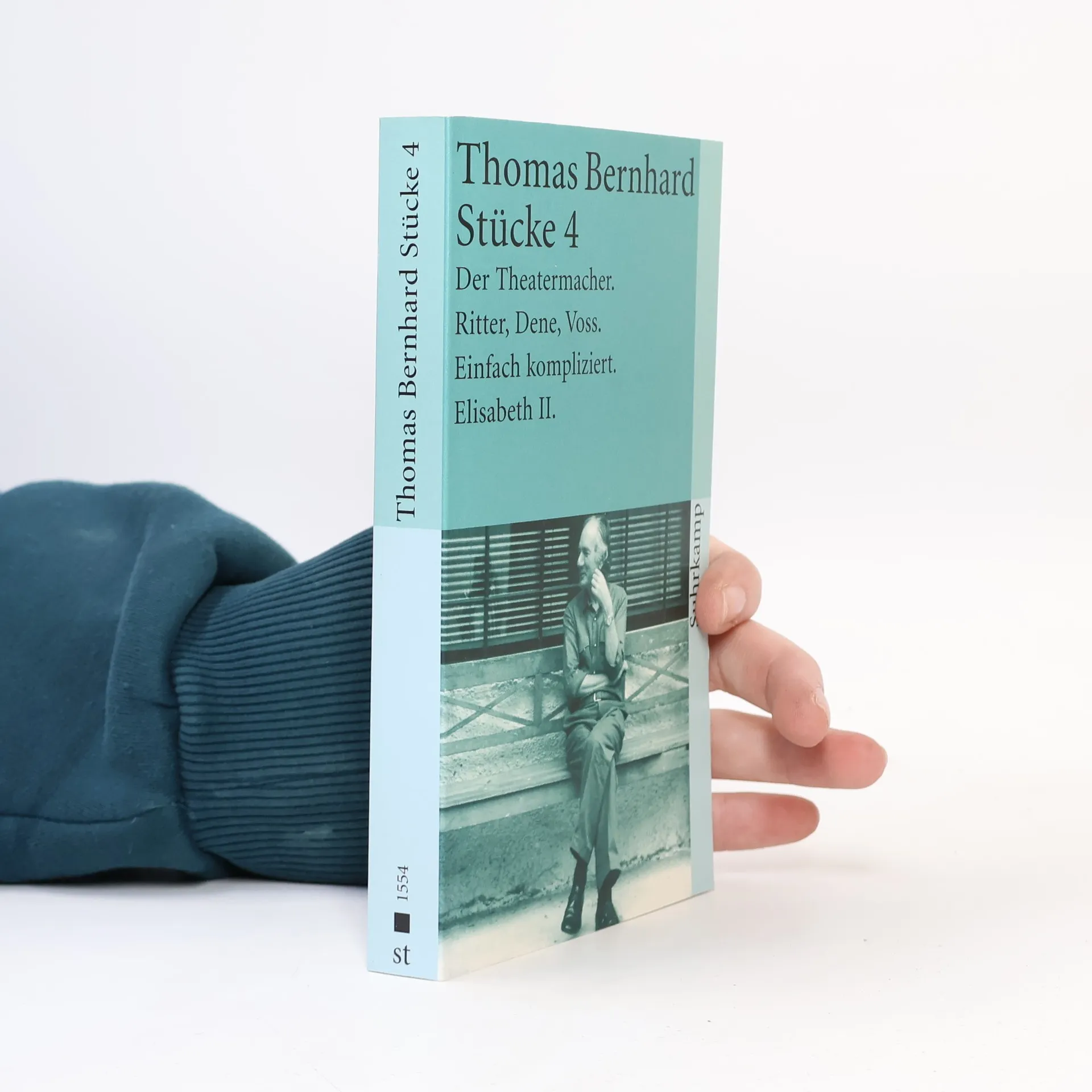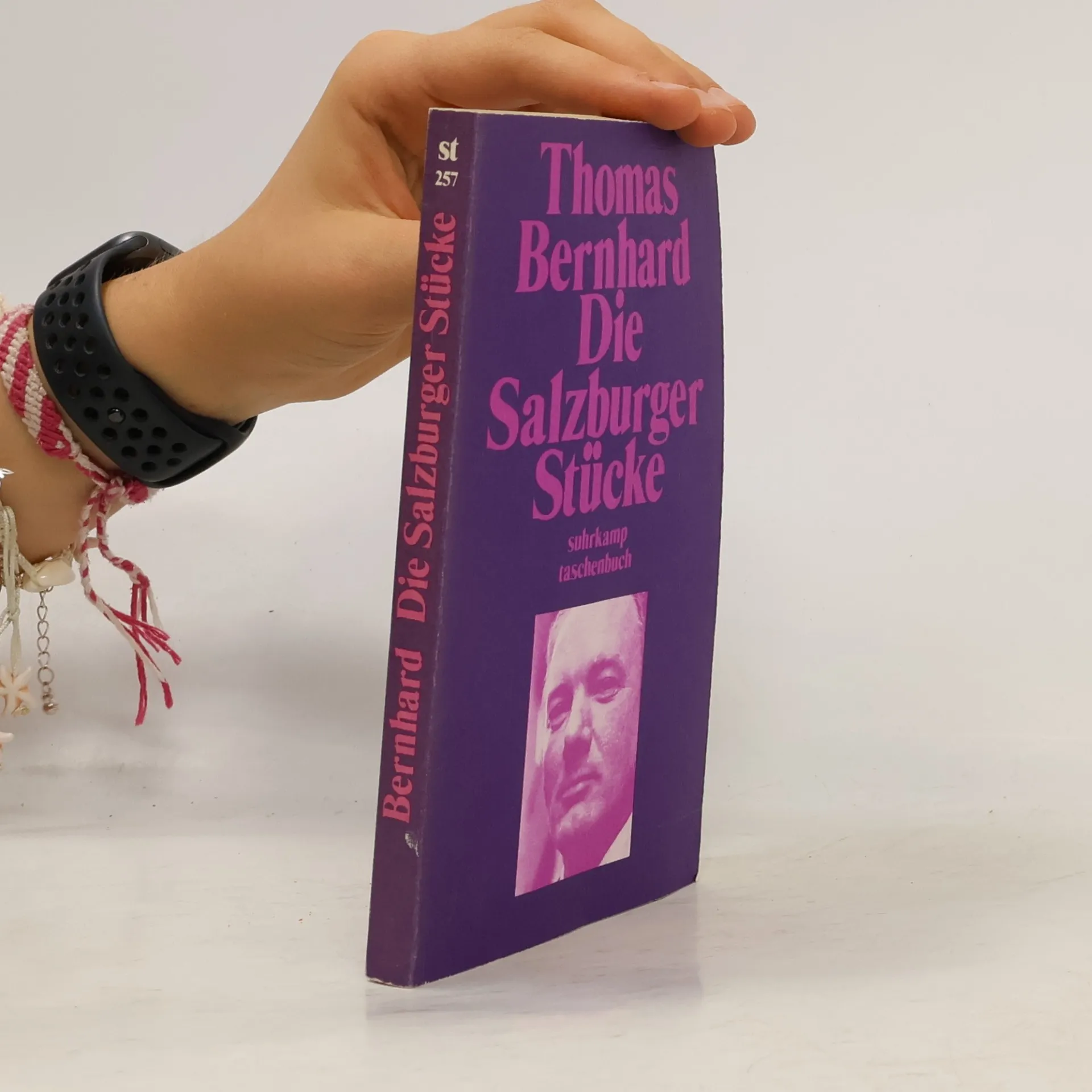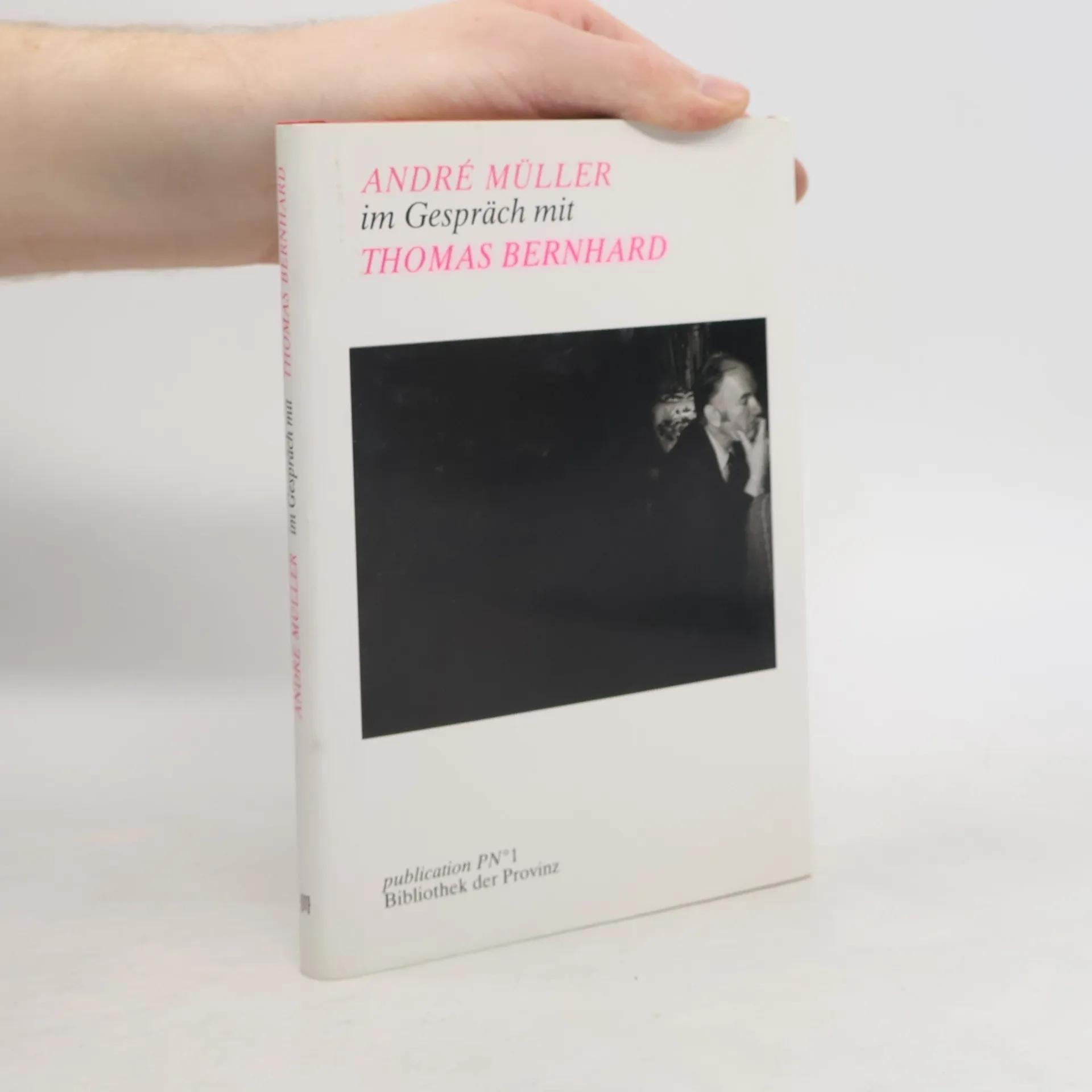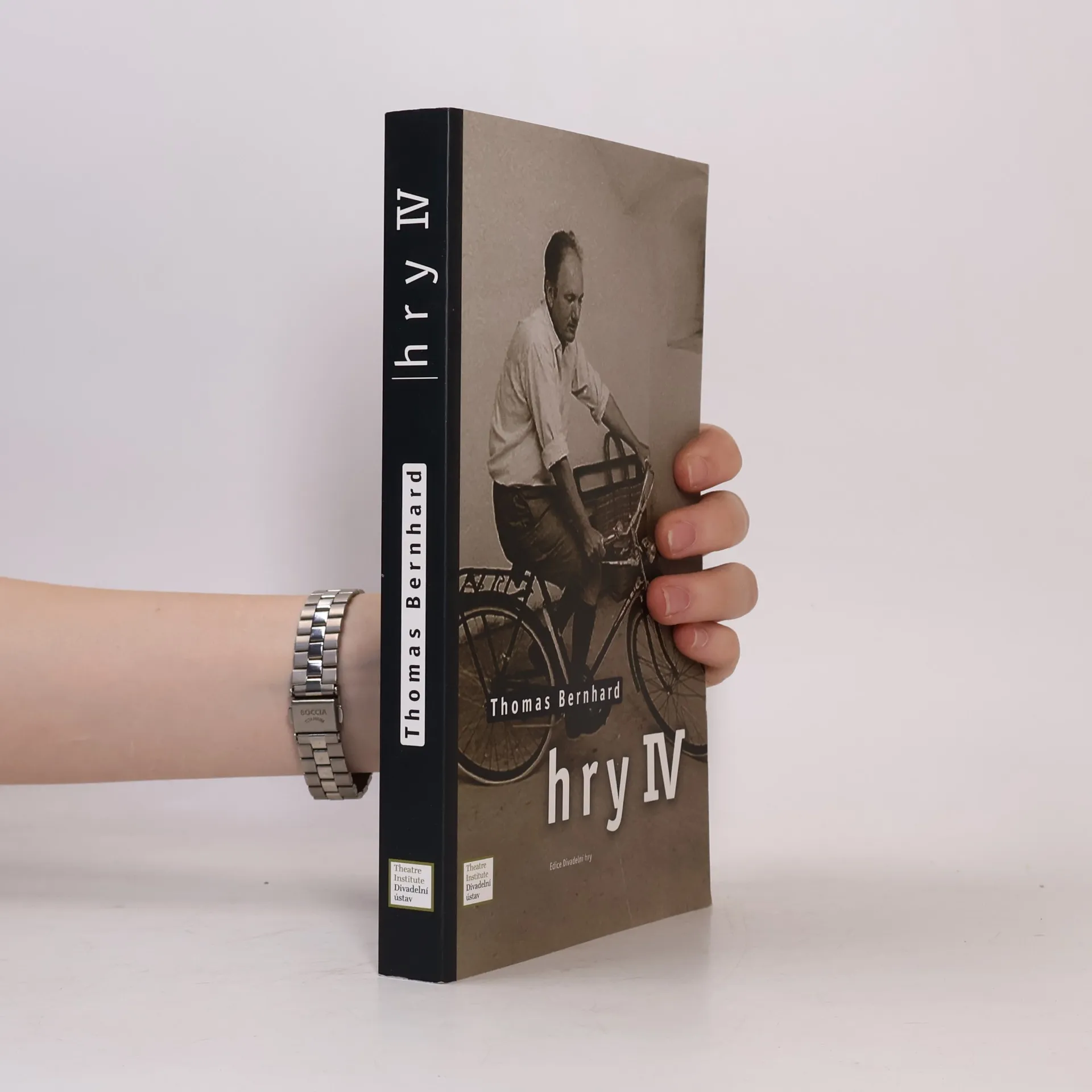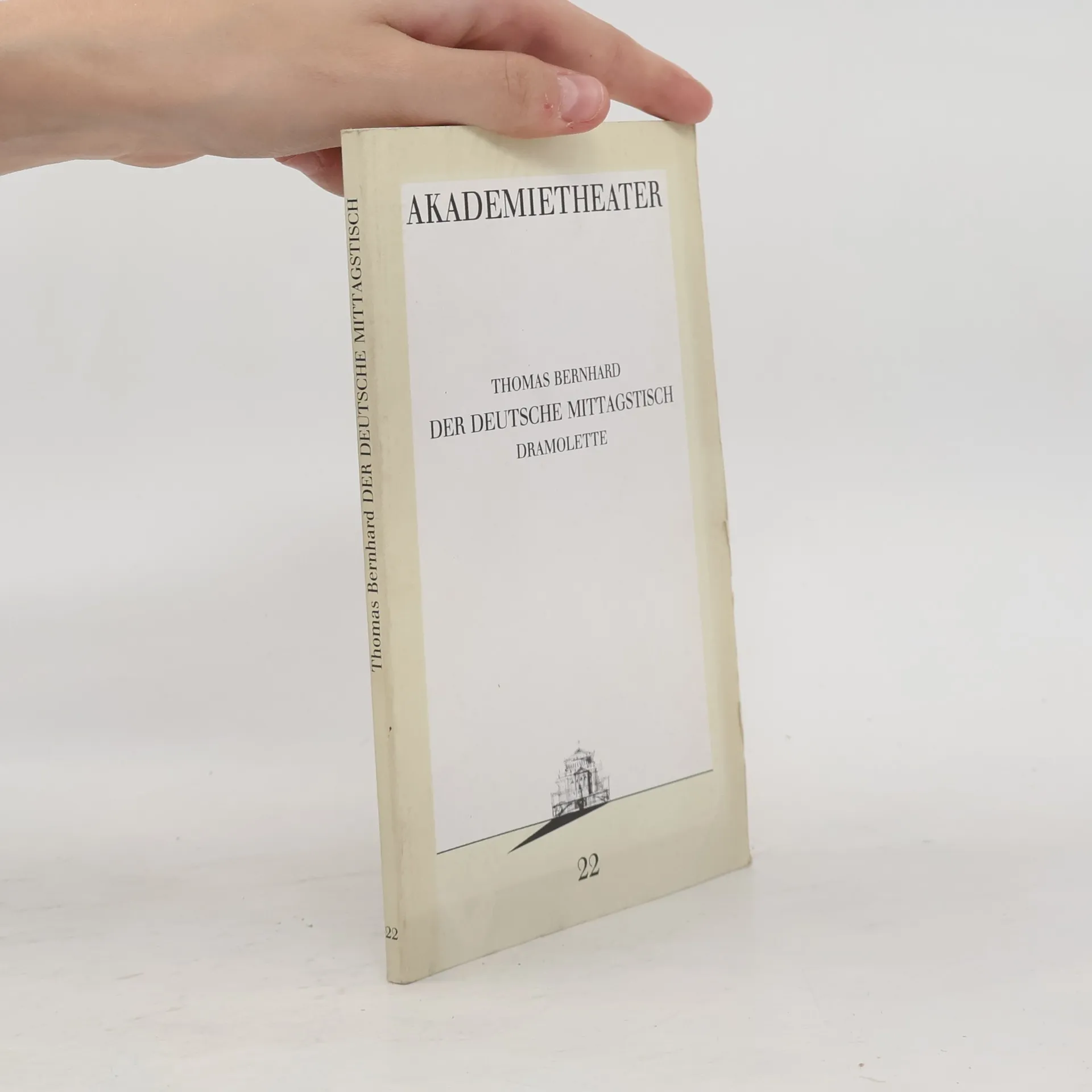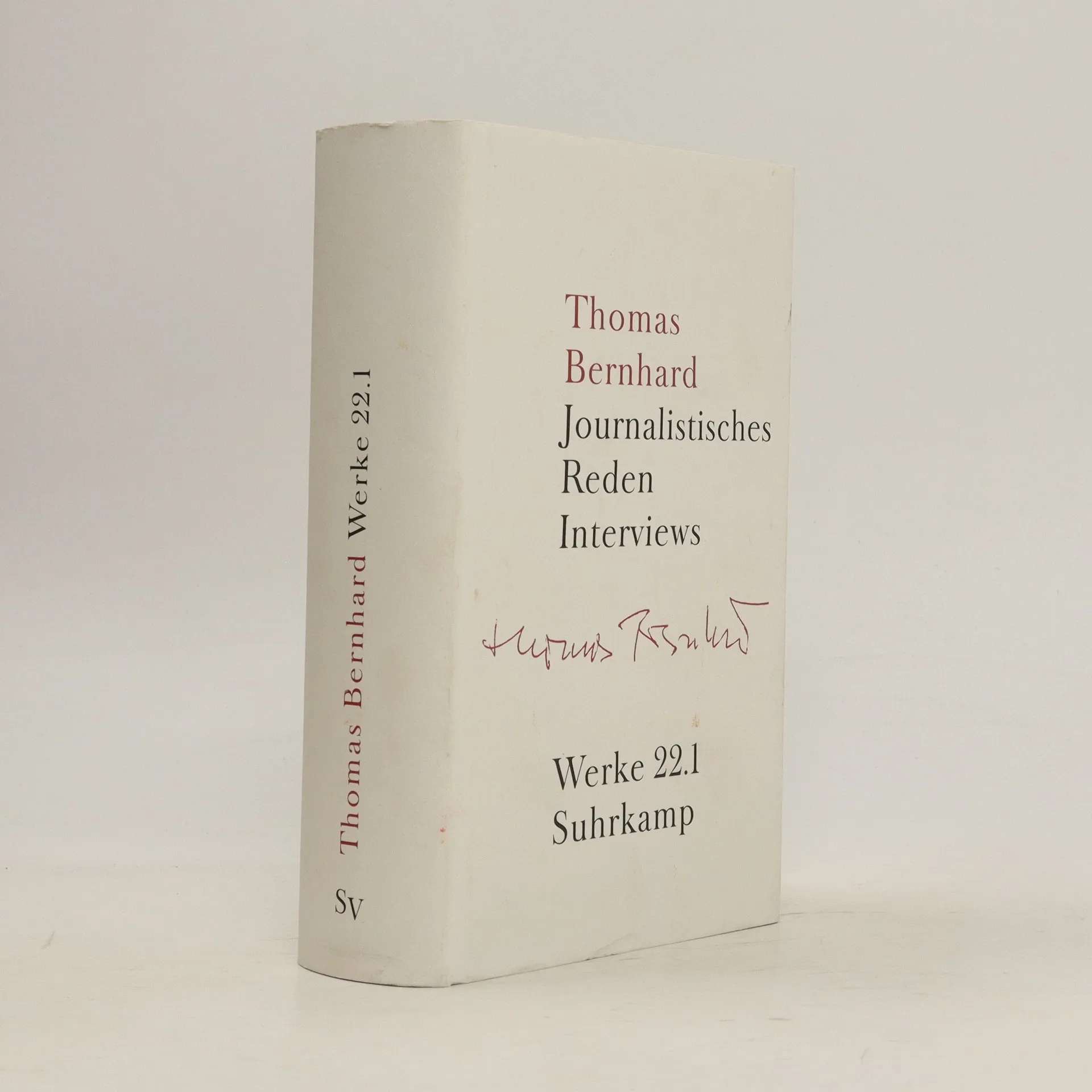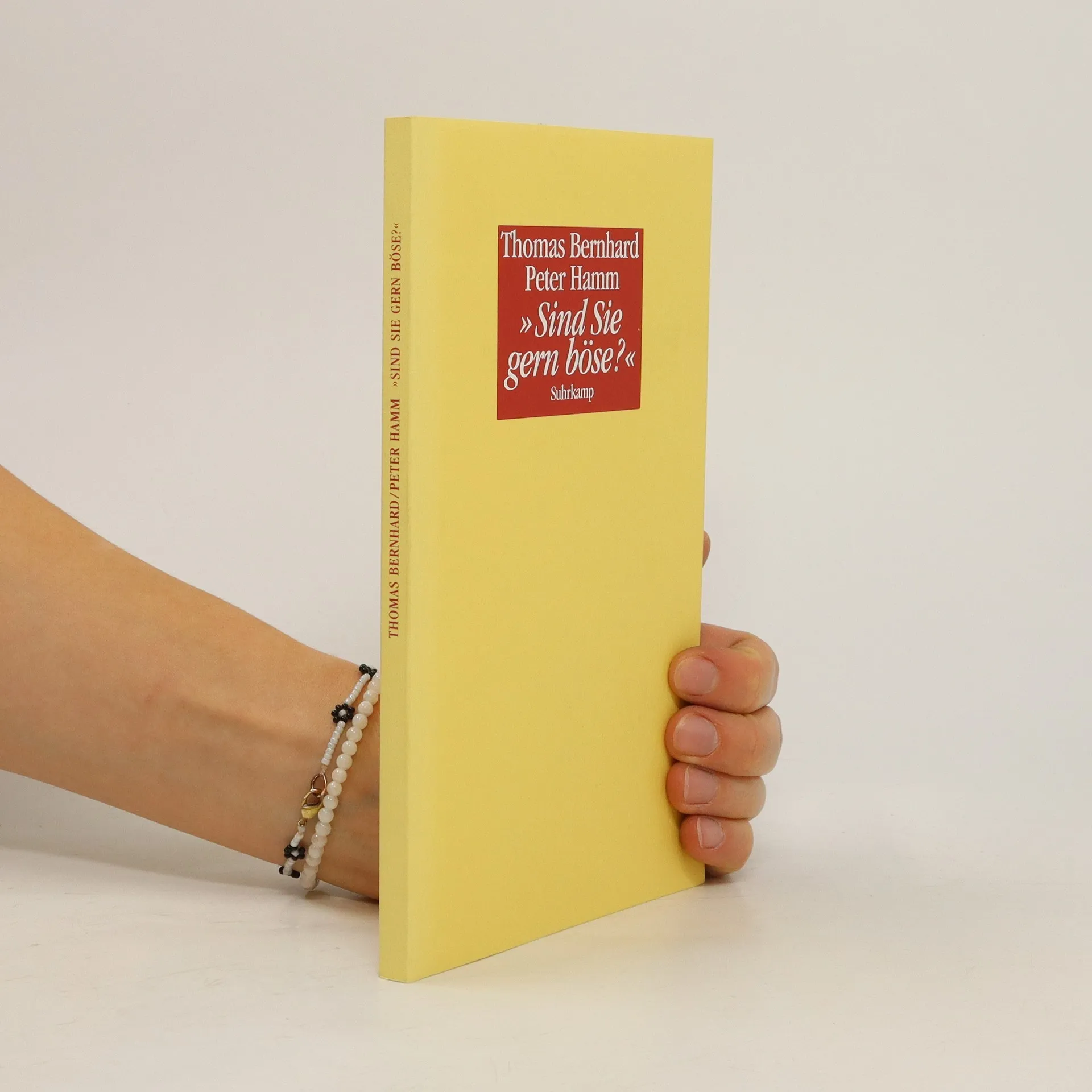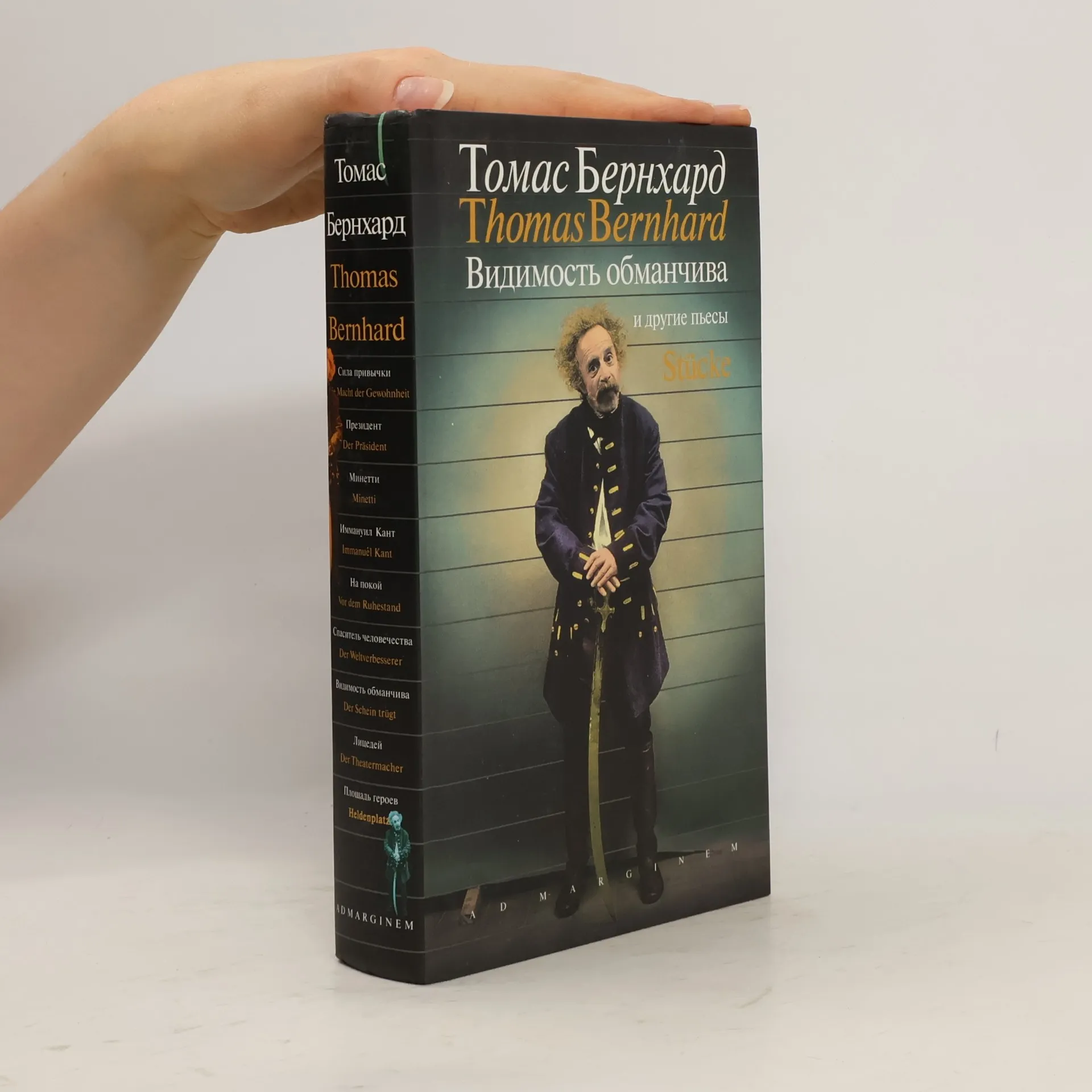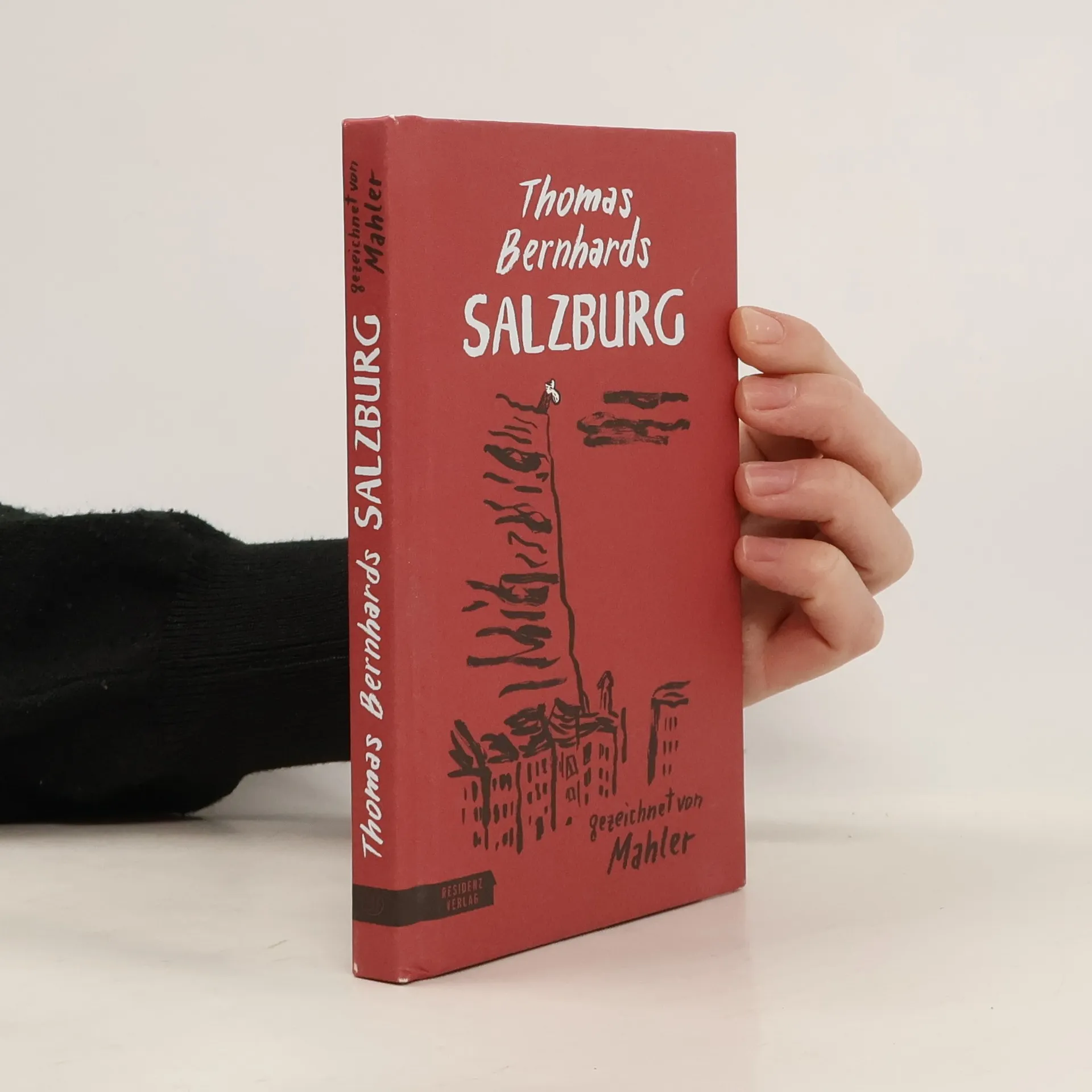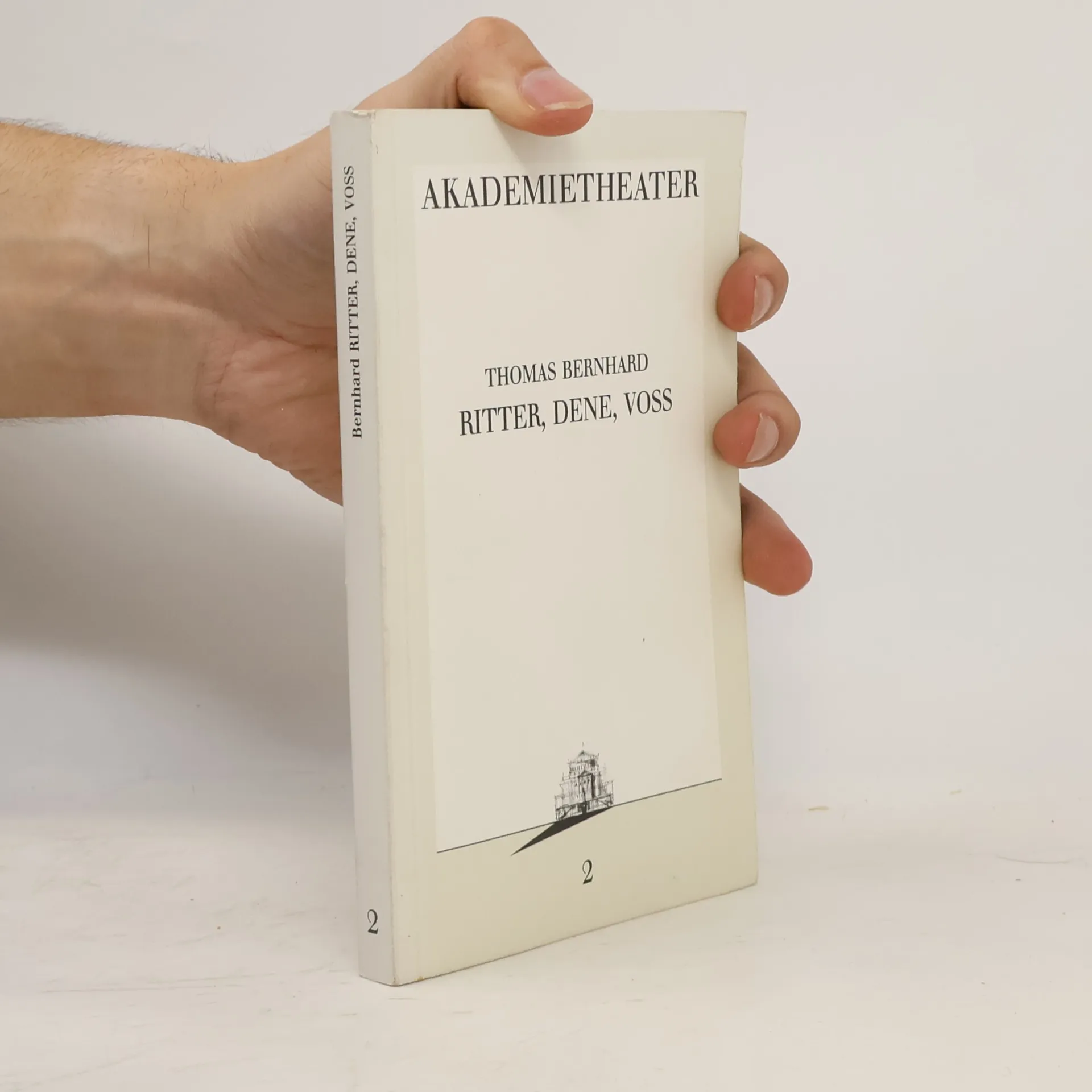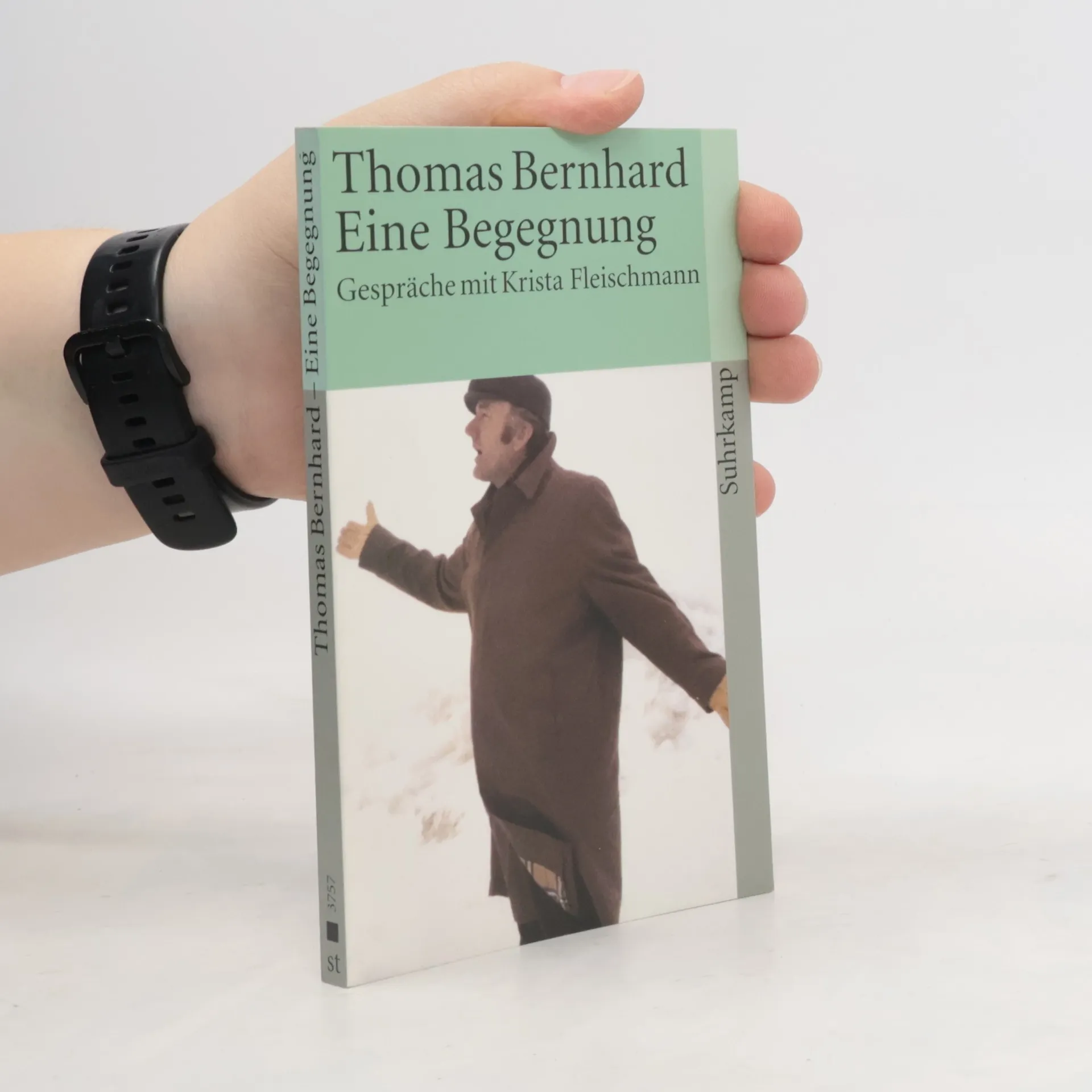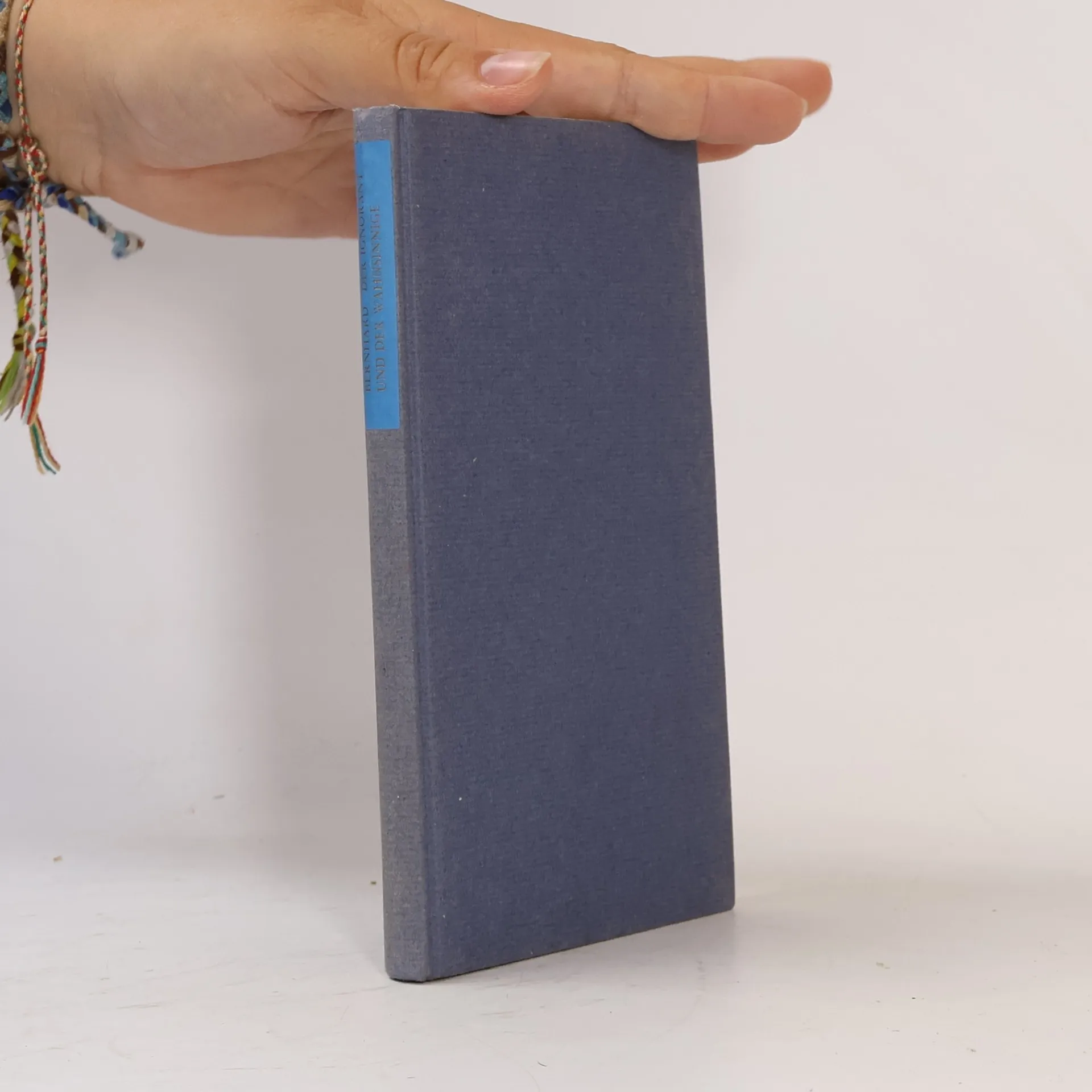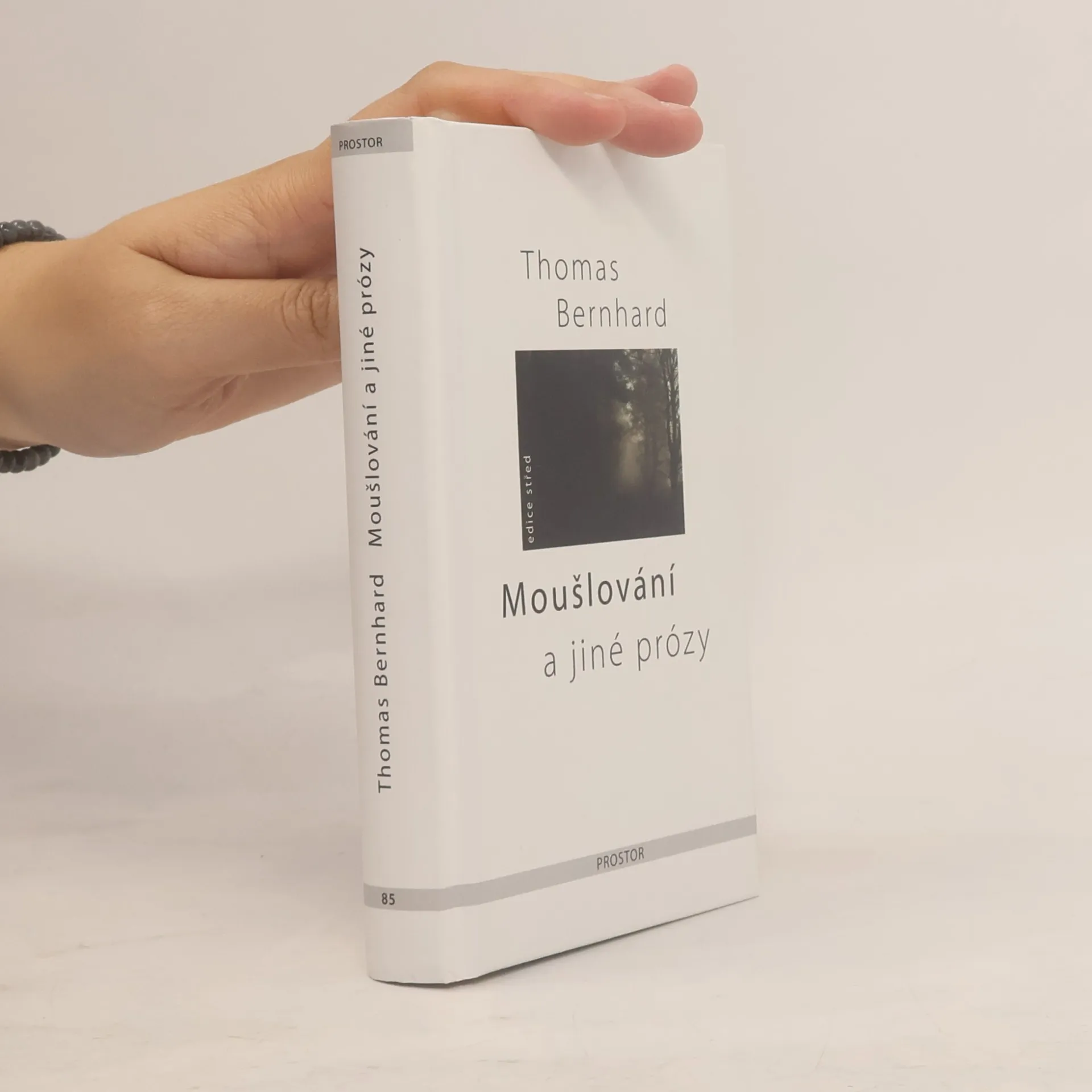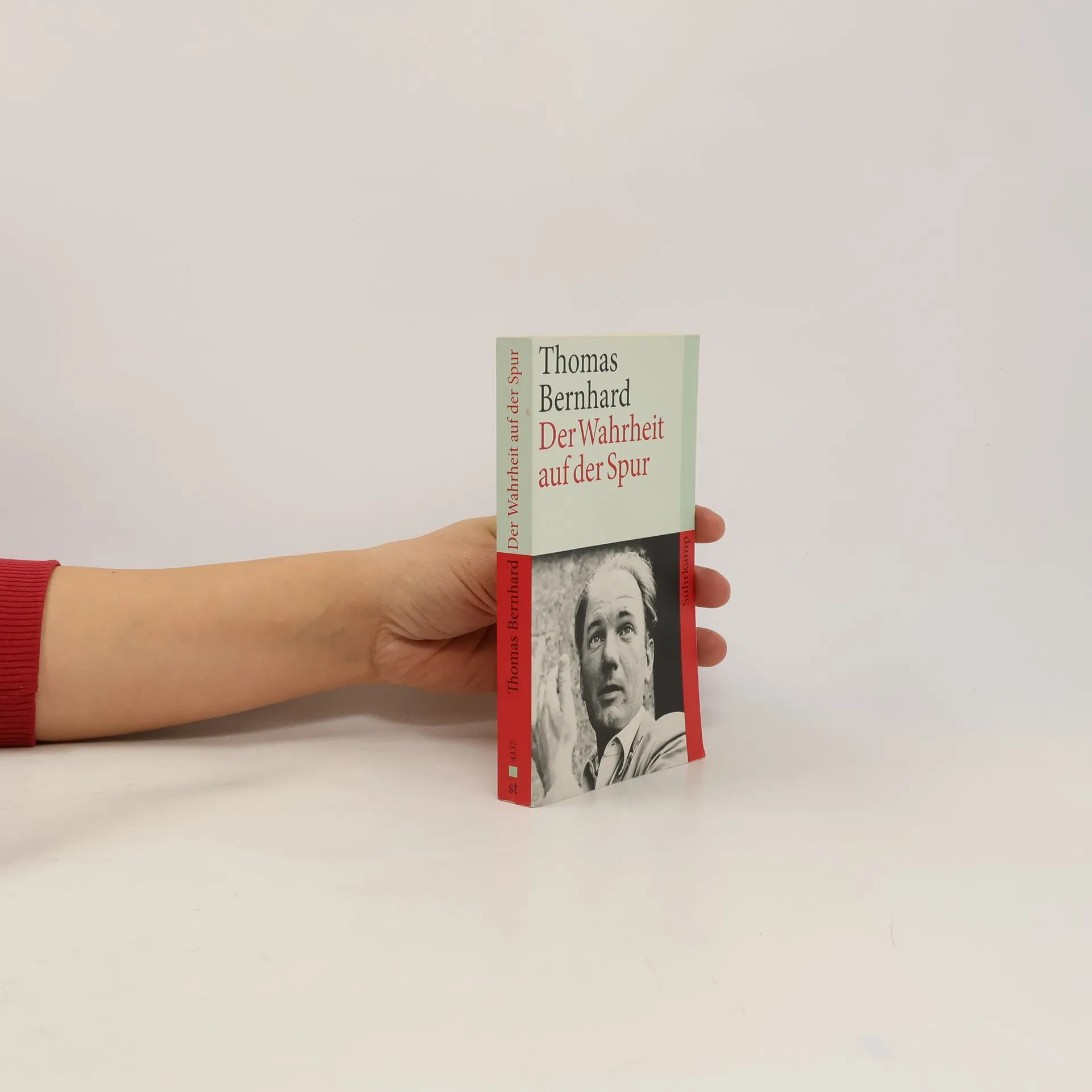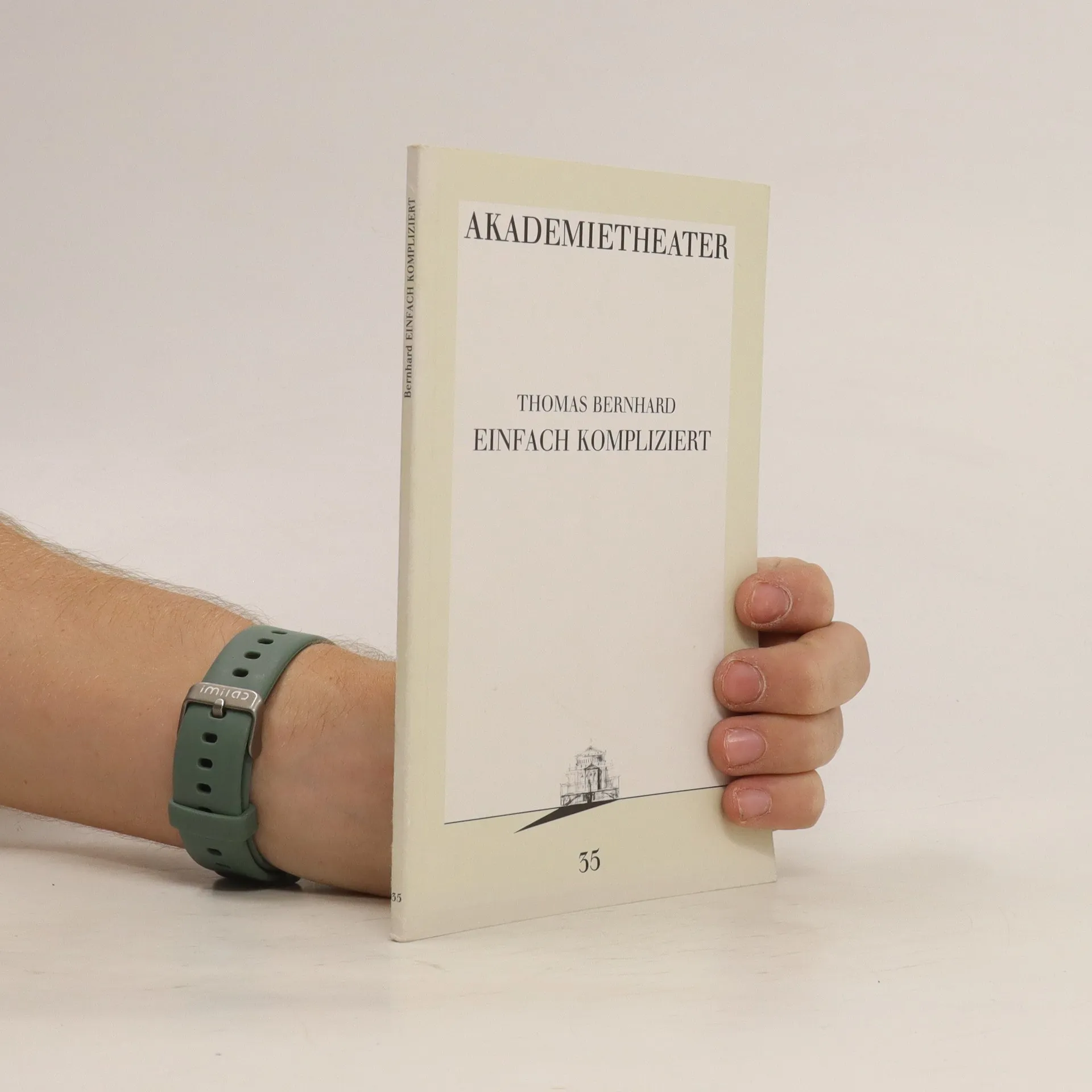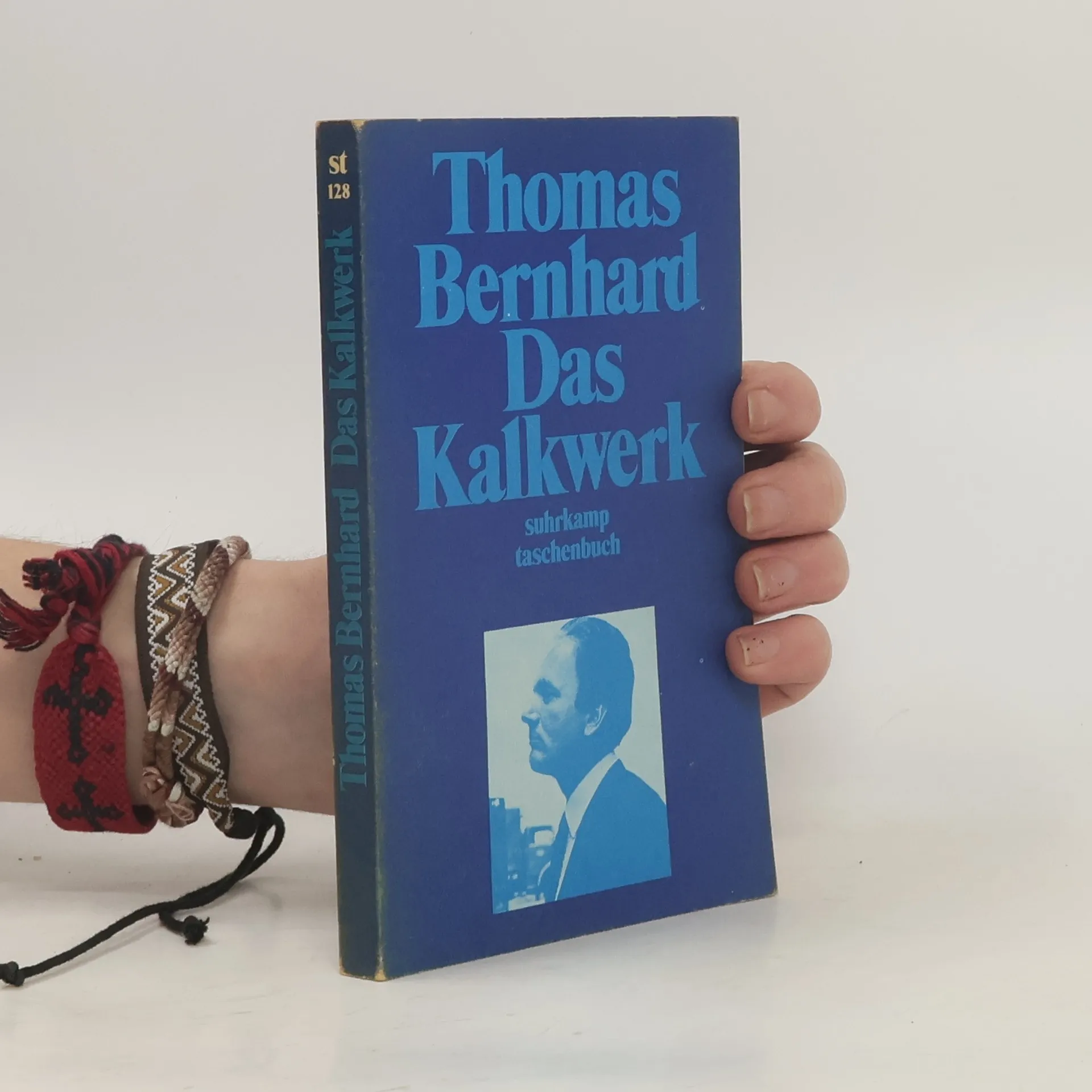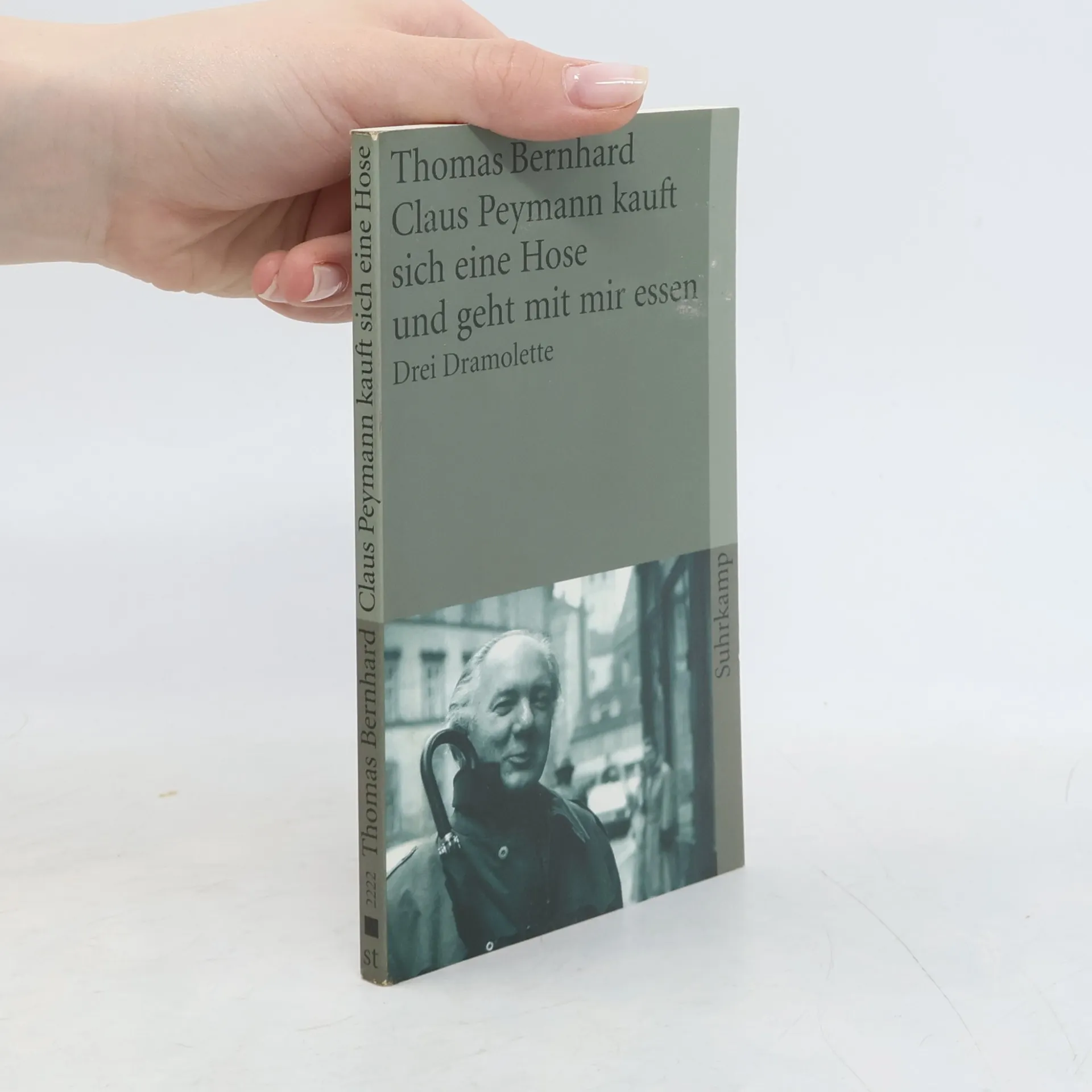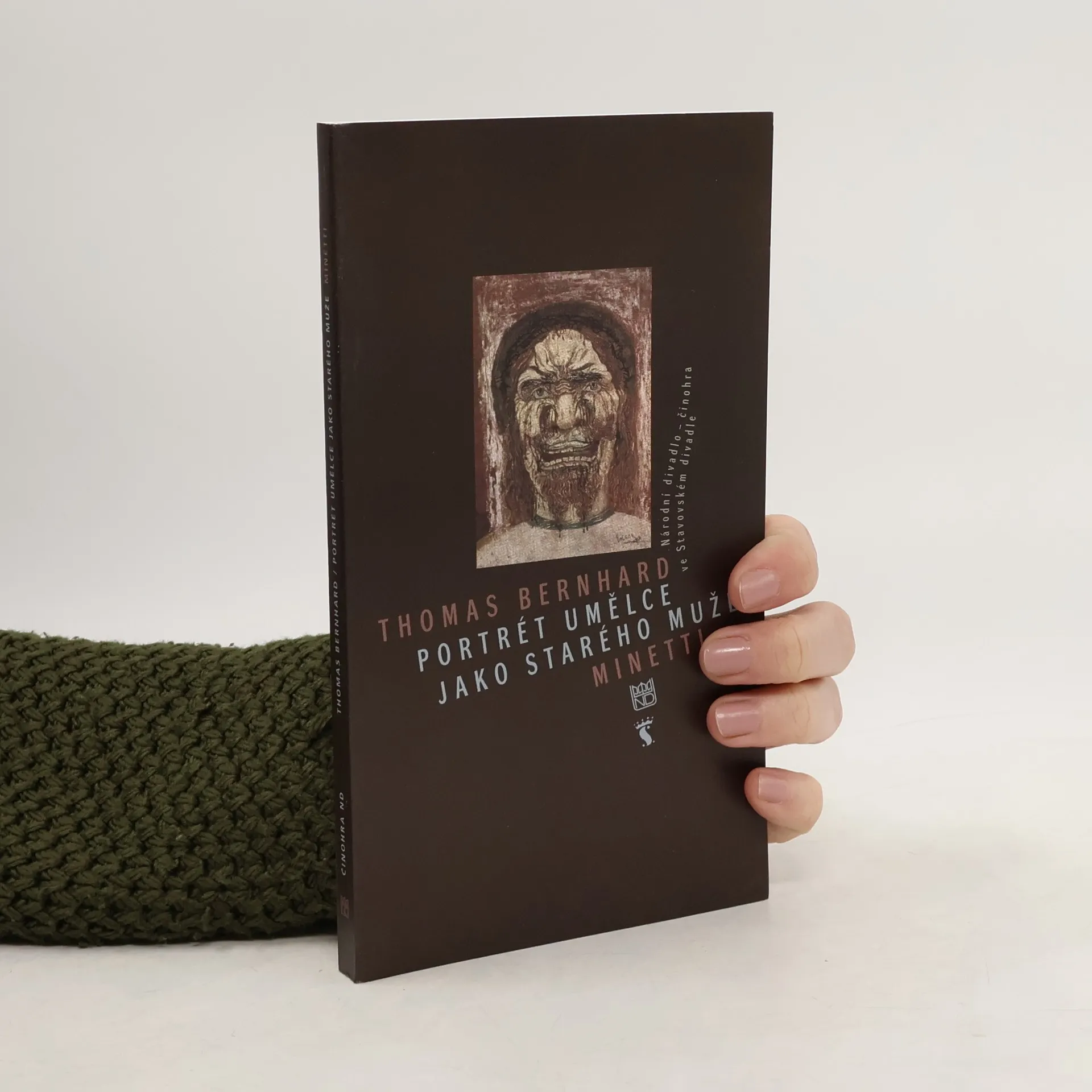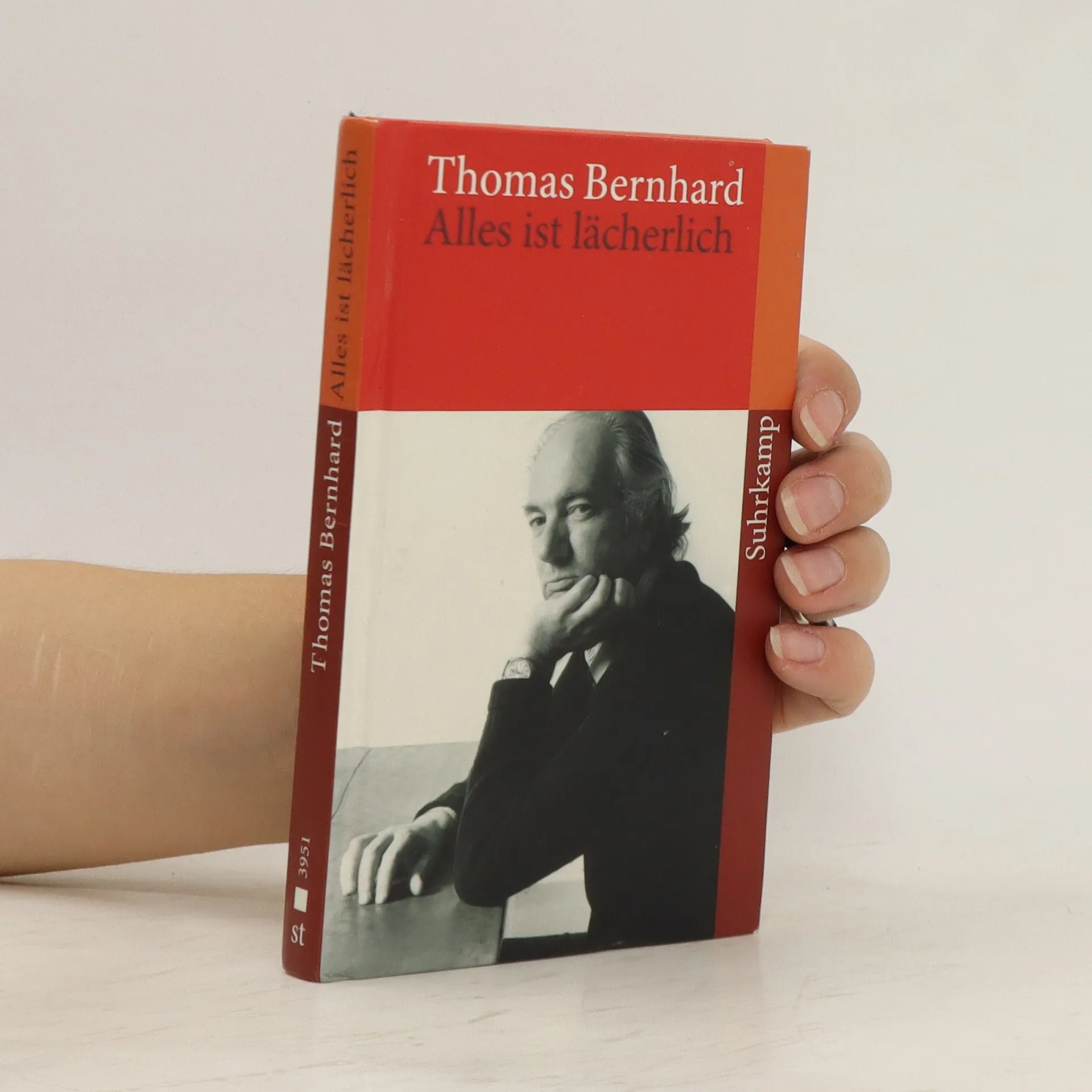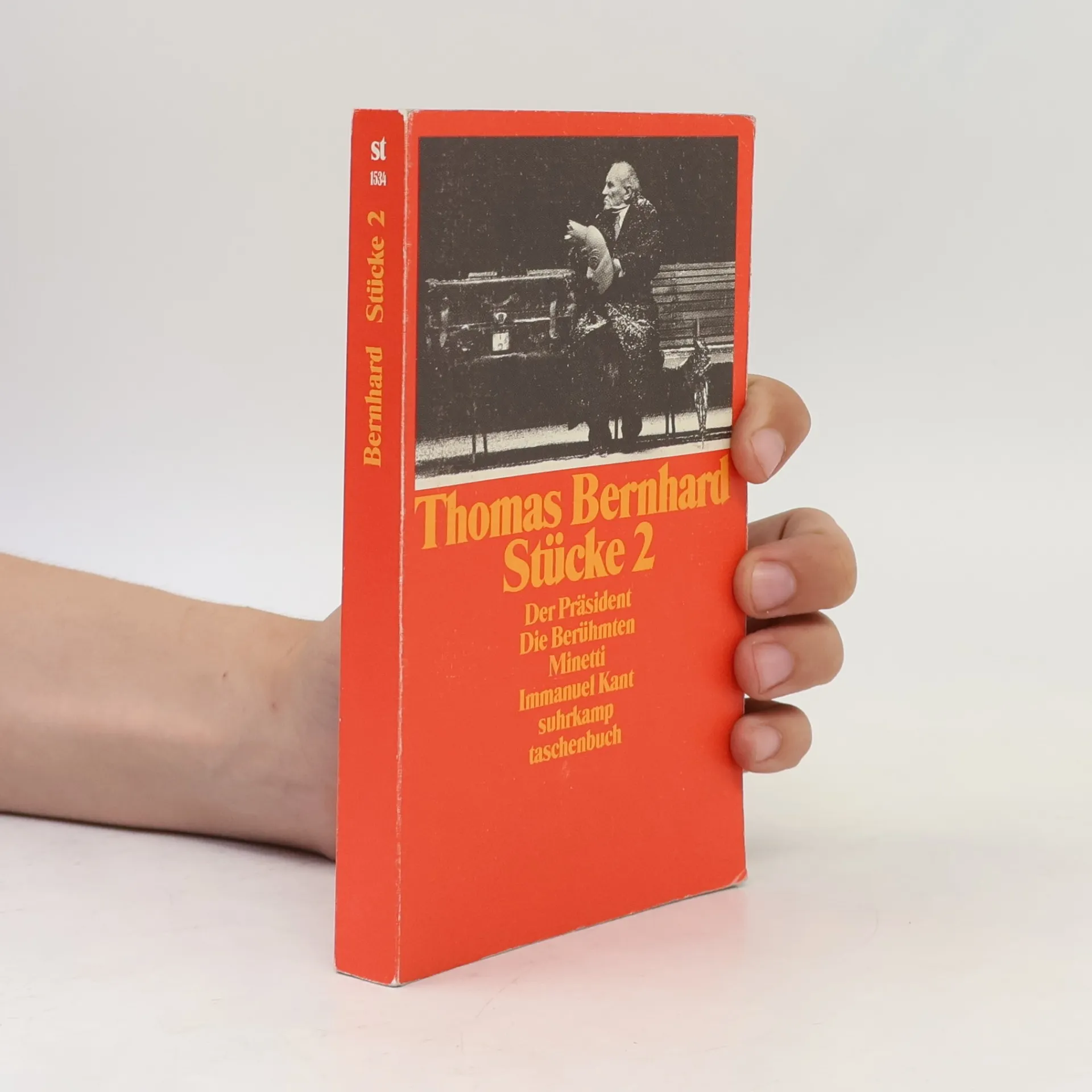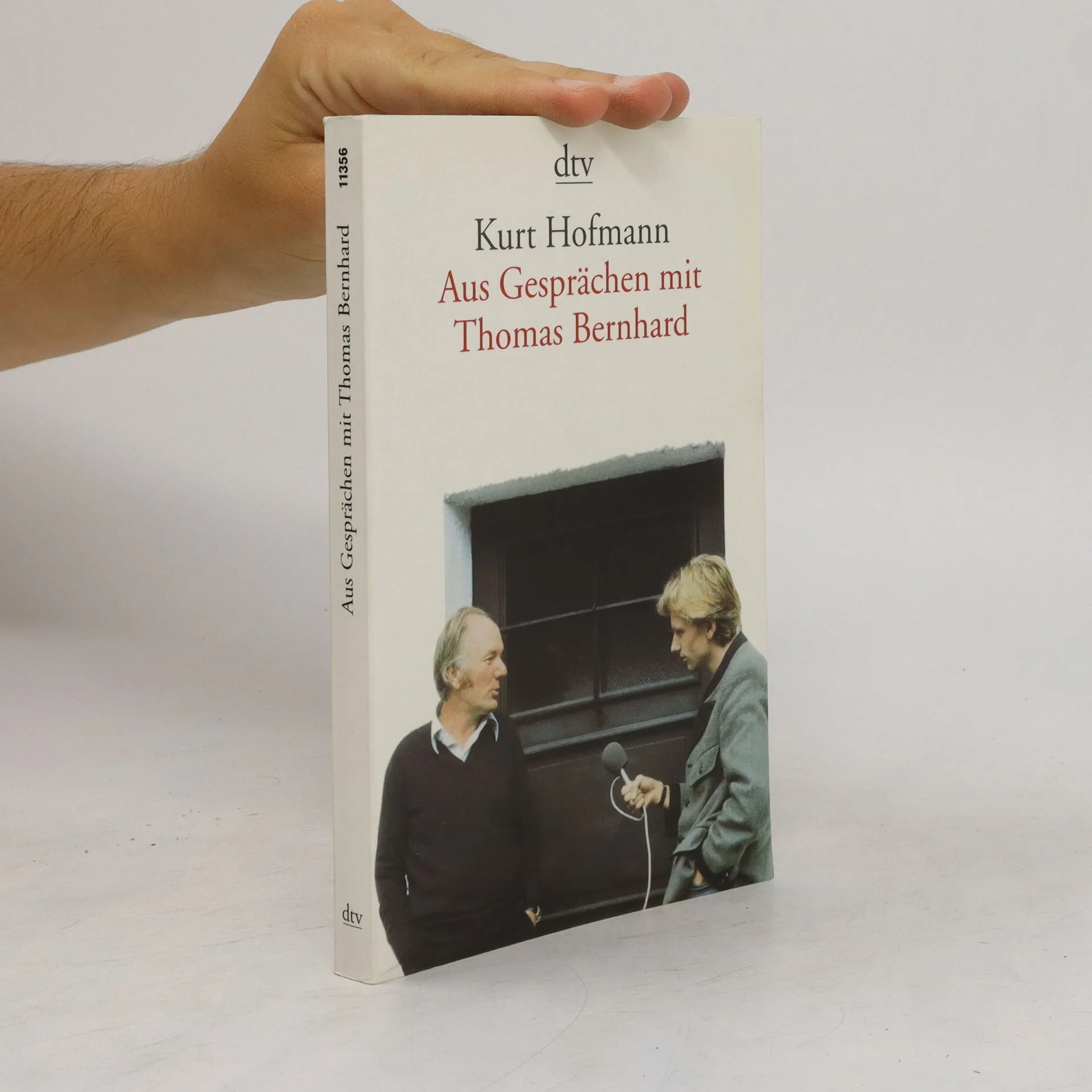
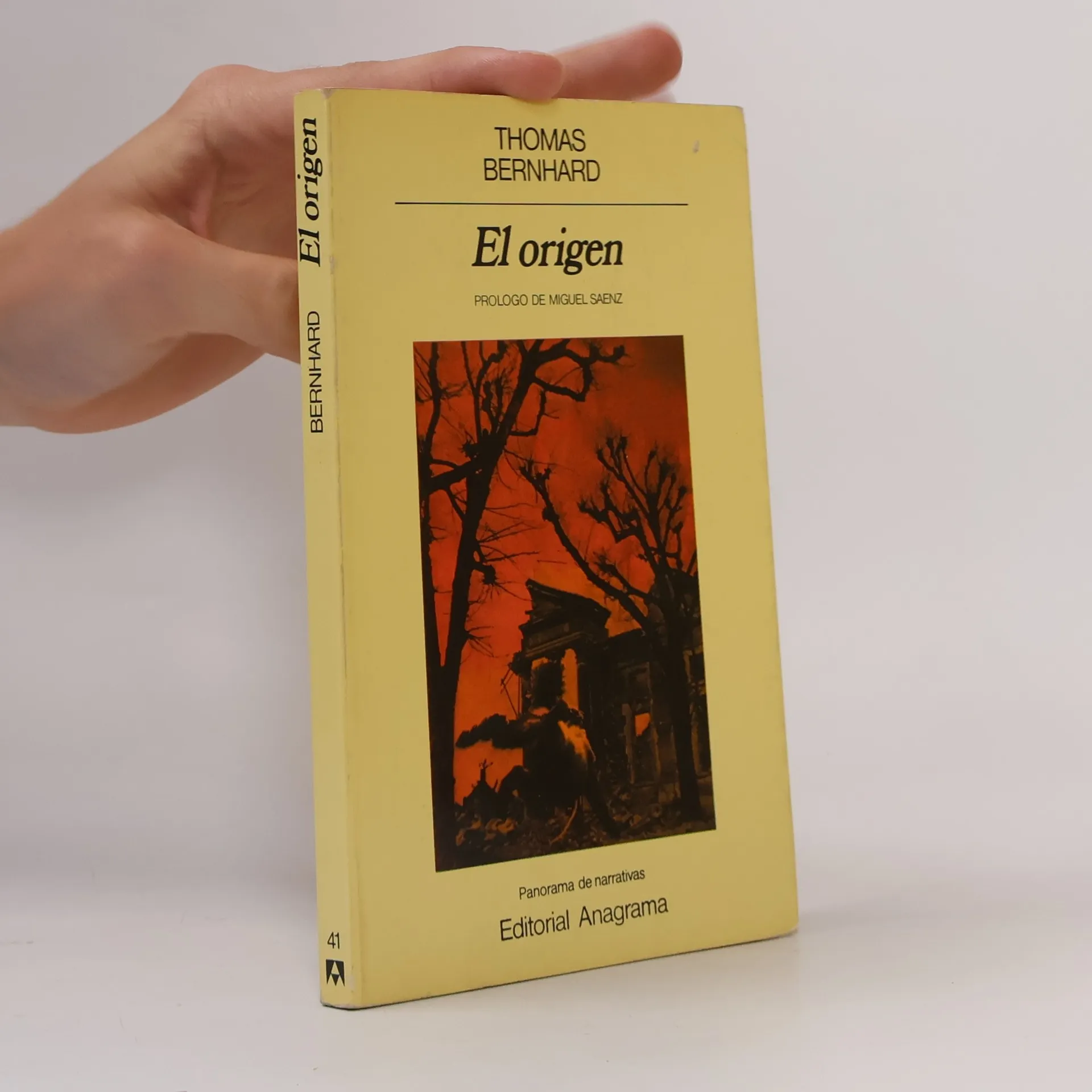
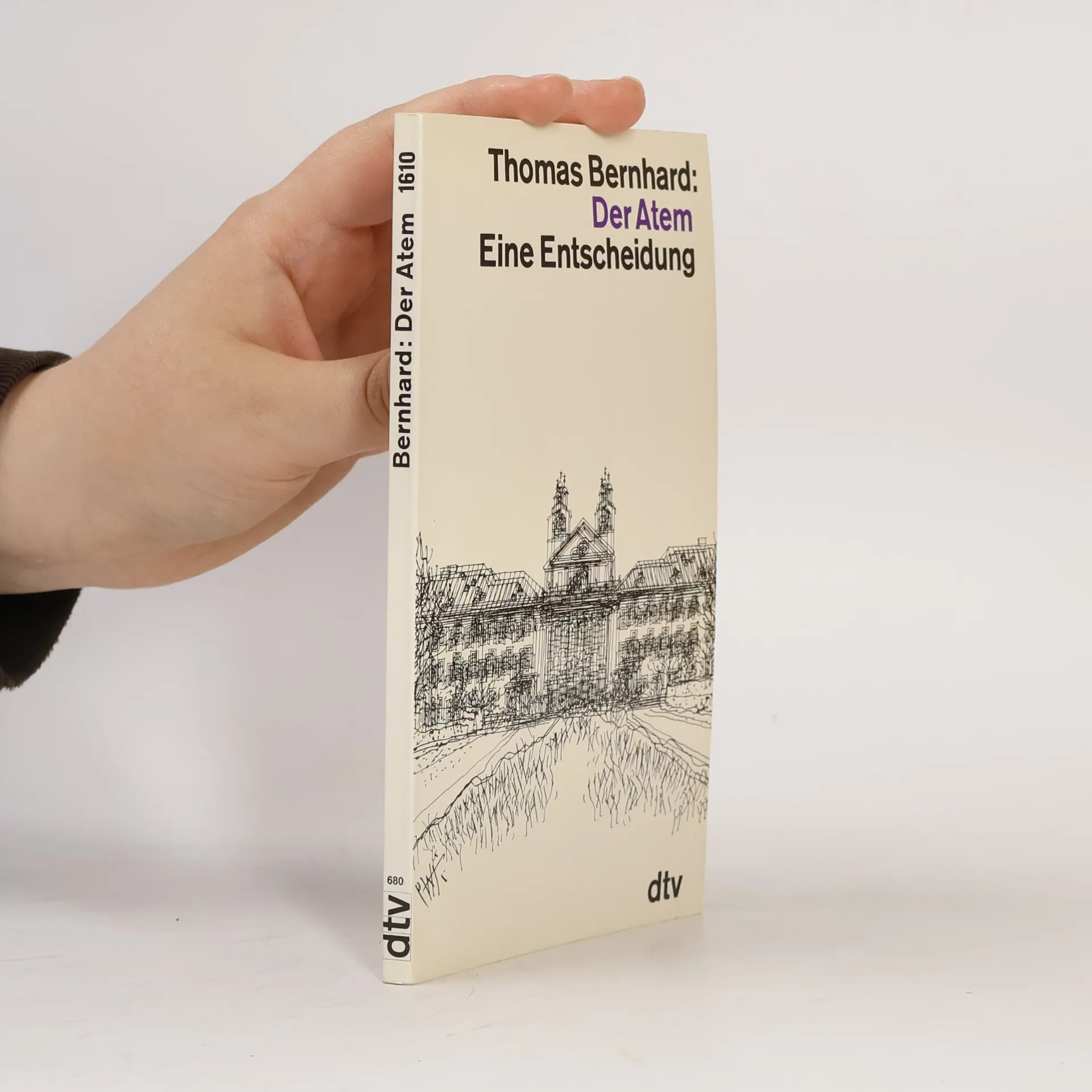
El origen es una excavación en los años de adolescencia de Thomas Bernhard. Una invectiva salvaje contra el sistema educativo en general, contra el nacionalismo y el catolicismo —estas "enfermedades" que el autor sitúa en pie de igualdad como dos rituales igualmente lesivos para la dignidad humana—, y contra Salzburgo, su ciudad adoptiva y cuasinatal, una ciudad símbolo de la belleza, el arte y la cultura, pero en realidad un atroz dispositivo para el suicidio, un museo de la muerte. Se trata de un libro espeluznante en el que la palabra más frecuente quizá sea "horror": no en vano, escribir, para Bernhard, consiste en una metódica y posiblemente catártica exploración del horror. Pero es, a su vez, un libro admirablemente escrito, una muestra concluyente del virtuosismo verbal del autor. Las repeticiones obsesivas de determinadas palabras-clave, las variaciones que desarrollan en sus ampliaciones más significadas más profundas, las frases meándricas y la utilización paranoica de ciertas expresiones están ampliamente representadas, así como también el certero instinto musical del autor.
Thomas Bernhard Libros
- Thomas Fabian


Un niño
- 159 páginas
- 6 horas de lectura
Con este relato termina Thomas Bernhard sus recuerdos de juventud. Es a un tiempo el último y el primer volumen, y abarca los años que van desde su nacimiento en los Paises Bajos hasta su entrada a los trece años en el Johanneum de Salzburgo. Lejos de todo idilio, aunque no sin momentos de exaltación, un niño atraviesa aquí una época de horror y traumatismos, que es también la época del nacionalsocialismo y de la guerra. La historia de una educación sin educador. Determinado por las coordenadas de un pensamiento que ha sentido ya muy pronto que está irremediablemente condicionado por la paradoja entre la libre decisión y el necesario fracaso, Bernhard reúne las imágenes de su recuerdo en una sola imagen. que es la de su infancia. Con claridad, objetividad e ironía, consigue convertir la realidad en verdad; lo que puede leerse aquí es la descripción de una vida como invención de una vida.
Gathering evidence
- 416 páginas
- 15 horas de lectura
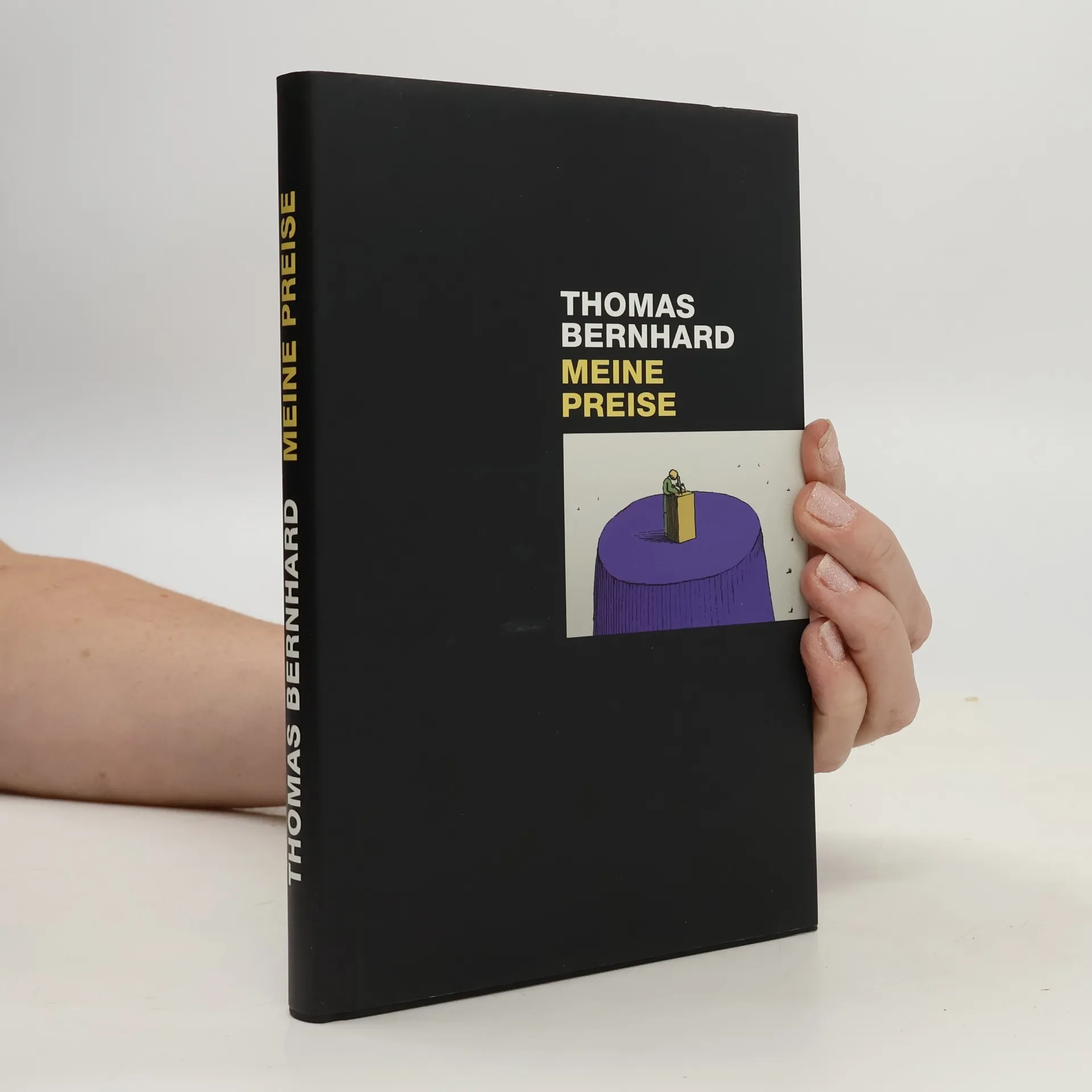
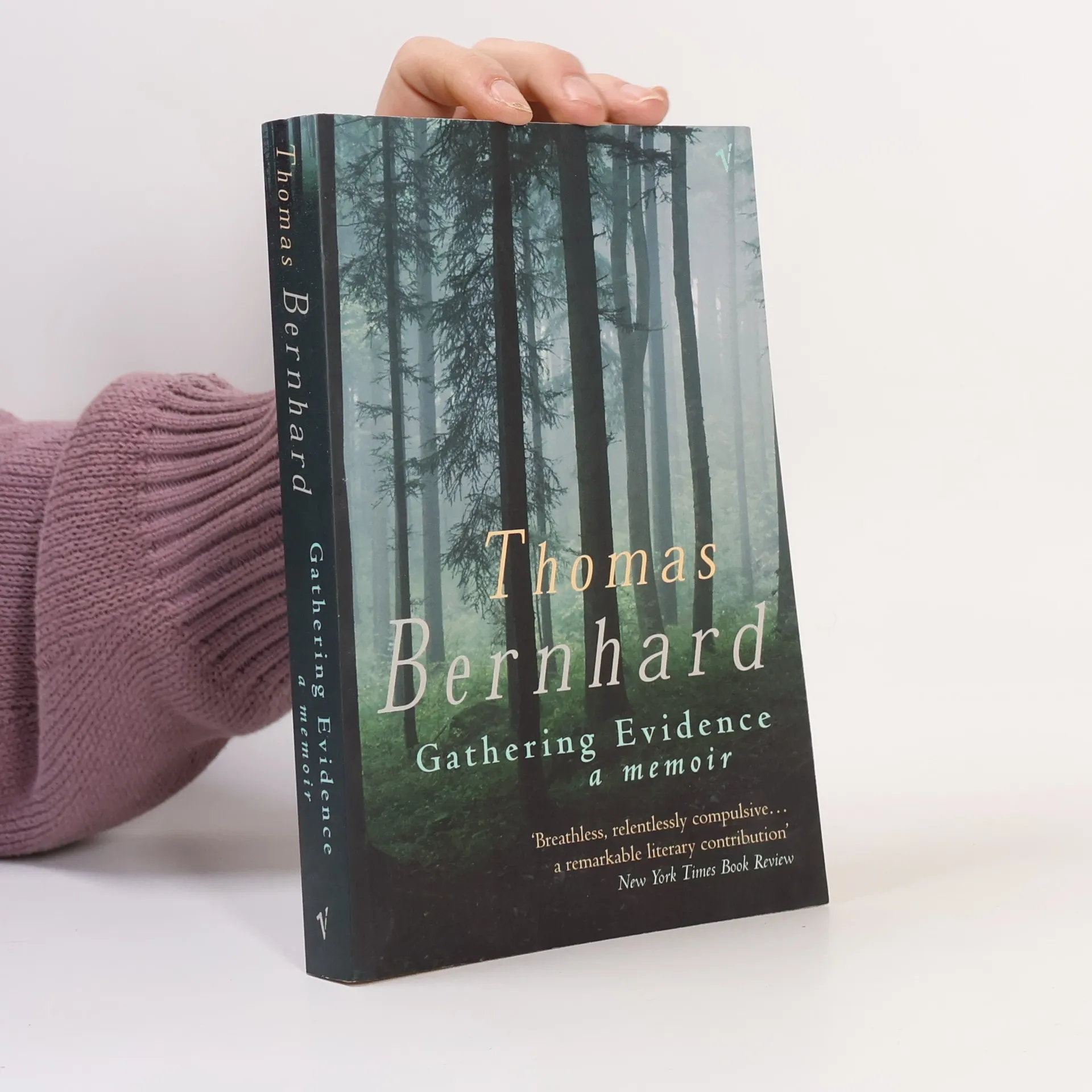
Written with a dark pain and drama that recalls the novels of Dickens, Gathering Evidence is a powerful and compelling memoir of youth by one of the twentieth century’s most gifted writers. Born in 1931, the illegitimate child of an abandoned mother, Thomas Bernhard was brought up by an eccentric grandmother and an adored grandfather in right-wing, Catholic Austria. He ran away from home at age fifteen. Three years later, he contracted pneumonia and was placed in a hospital ward for the old and terminally ill, where he observed first-hand—and with unflinching acuity—the cruel nature of protracted suffering and death. From the age of twenty-one, everything he wrote was shaped by the urgency of a dying man’s testament—and where this account of his life ends, his art begins. Included in this edition is My Prizes, a collection of Bernhard’s viciously funny and revelatory essays on his later literary life. Here is a portrait of the artist as a prize-winner: laconic, sardonic, shaking his head with biting amusement at the world and at himself.
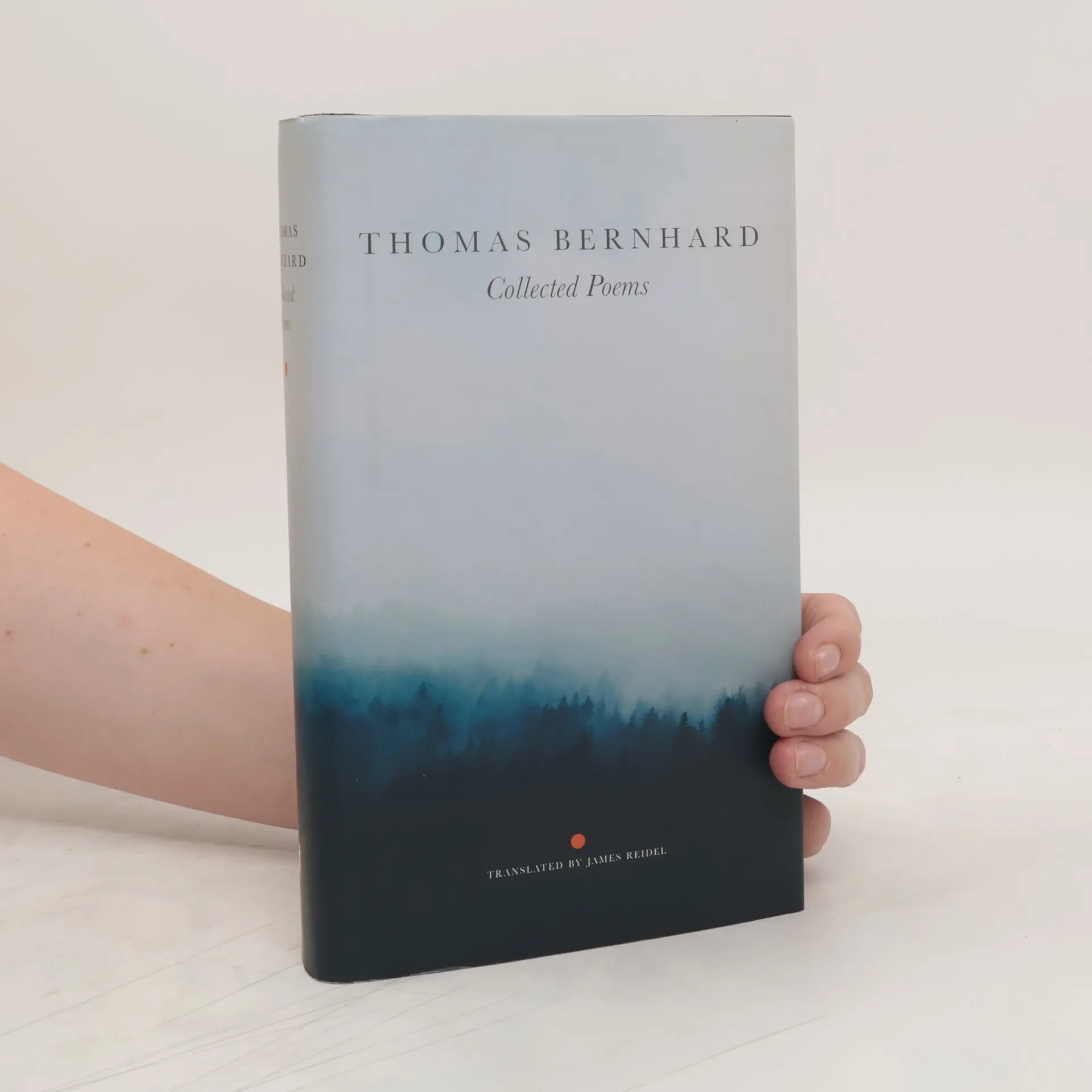
Collected poems
- 460 páginas
- 17 horas de lectura
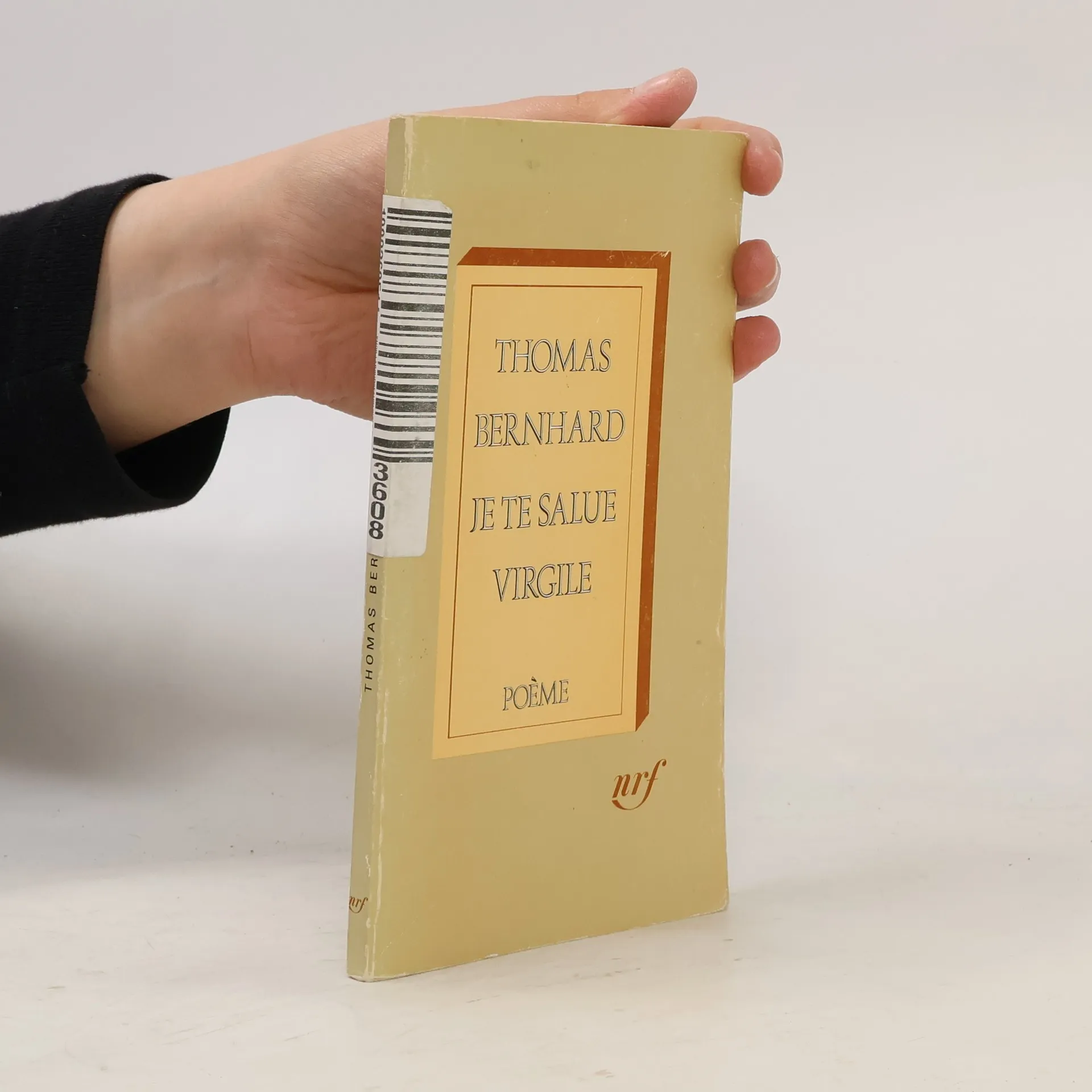
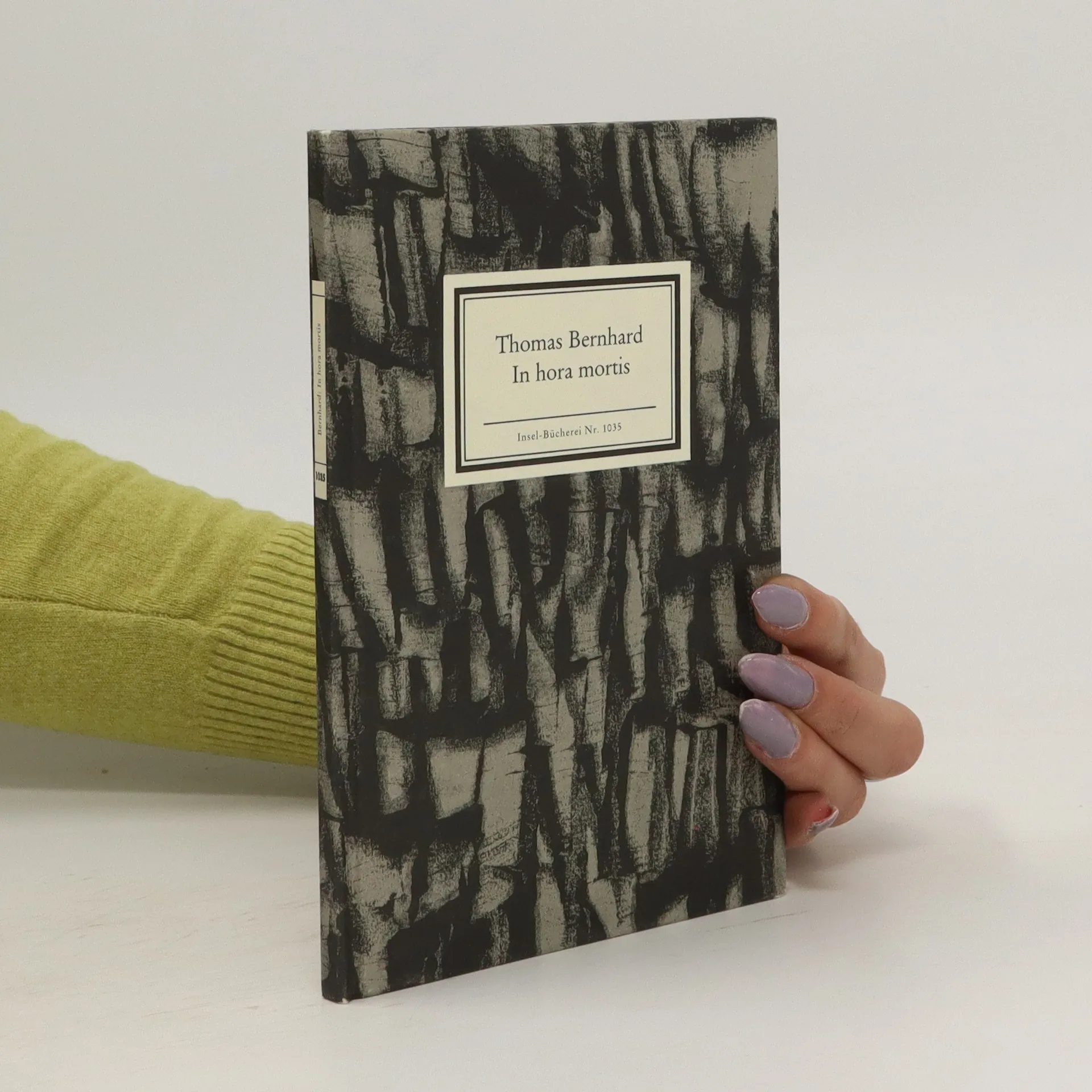
Beloved Austrian writer Thomas Bernhard (1931-89) began his career in the early 1950s as a poet. Over the next decade, Bernhard wrote thousands of poems and published four volumes of intensely wrought and increasingly personal verse, with such titles as On Earth and in Hell, In Hora Mortis, and Under the Iron of the Moon. Bernhard's early poetry, bearing the influence of Georg Trakl, begins with a deep connection to his Austrian homeland. As his poems saw publication and recognition, Bernhard seemed always on the verge of joining the ranks of Ingeborg Bachmann, Paul Celan, and other young post-war poets writing in German. During this time, however, his poems became increasingly obsessive, filled with an undulant self-pity, counterpointed by a defamatory, bardic voice utterly estranged from his country, all of which resulted in a magisterial work of anti-poetry--one that represents Bernhard's own harrowing experience, with the leitmotif of success-failure, that makes his fiction such a pleasure. For all of these reasons, Bernhard's Collected Poems, translated into English for the first time by James Reidel, is a key to understanding the irascible black comedy found in virtually all of Bernhard's writings--even down to his last will and testament. There is much to be found in these pages for Bernhard fans of every stripe.
Correction
- 256 páginas
- 9 horas de lectura
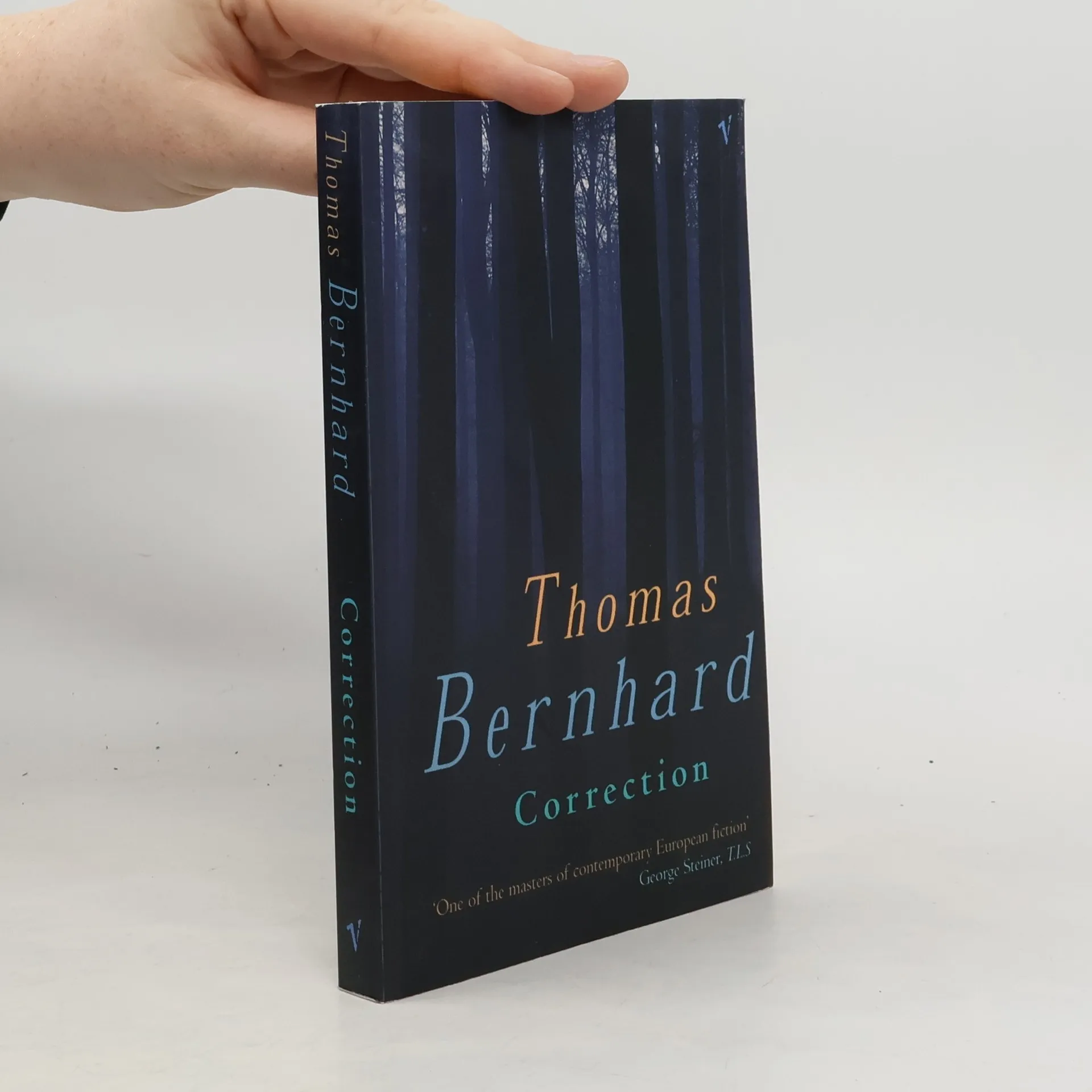
Roithamer, a character based on Wittgenstein, has committed suicide having been driven to madness by his own frightening powers of pure thought. We witness the gradual breakdown of a genius ceaselessly compelled to correct and refine his perceptions until the only logical conclusion is the negation of his own soul. schovat popis
Extinction
- 352 páginas
- 13 horas de lectura
'Extinction features, without doubt, the funniest passage in the whole of literature. The dreadful becomes hilarious, joyful - and it makes one thirst for more of the similar.' - Geoff Dyer Franz-Josef Murau is the intellectual black sheep of a powerful Austrian land-owning family. He now lives in Rome in self-imposed exile, surrounded by a coterie of artistic and intellectual friends. On returning from his sister's wedding on the family estate of Wolfsegg, having resolved never to go home again, Murau receives a telegram informing him of the death of his parents and brother in a car crash. Not only must he now go back, he must do so as the master of Wolfsegg: and he must decide its fate. The summit of Thomas Bernhard's artistic genius - mesmerising, addictive, explosively tragicomic - Extinction is a landmark of post-war literature.
Concrete
- 176 páginas
- 7 horas de lectura
'Probably nothing exists that would prepare one for Bernhard's machined vehemence, though once you've read one, you perhaps start to crave the bitter taste and the savage not-quite-humour ... Genius.' - Michael Hofmann Instead of the book he is meant to write, Rudolph, a Viennese musicologist, produces this dark and grotesquely funny account of small woes writ large, of profound horrors detailed and rehearsed to the point of distraction. We learn of Rudolph's sister, whose help he invites then reviles; his 'really marvellous' house which he hates; the suspicious illness he carefully nurses; his ten-year-long attempt to write the perfect opening sentence; and his escape to the island of Majorca, which turns out to be the site of someone else's very real horror story, and ultimately brings him no release from himself. Concrete is Thomas Bernhard at his very finest: a bleakly hilarious insight into procrastination and failure that scratches the murky depths of our souls.
Old Masters
- 256 páginas
- 9 horas de lectura
In this exuberantly satirical novel, the tutor Atzbacher has been summoned by his friend Reger to meet him in a Viennese museum. While Reger gazes at a Tintoretto portrait, Atzbacher--who fears Reger's plans to kill himself--gives us a portrait of the musicologist: his wisdom, his devotion to his wife, and his love-hate relationship with art. With characteristically acerbic wit, Bernhard exposes the pretensions and aspirations of humanity in a novel at once pessimistic and strangely exhilarating. Bernhard's . . . most enjoyable novel.--Robert Craft, New York Review of Books. Bernhard is one of the masters of contemporary European fiction. --George Steiner
How to Live
- 464 páginas
- 17 horas de lectura
How to Live is a health bible for life. Whether you are in your 20s or 70s, it will help you to empower your body against ageing and degenerative disease and live at maximum strength.