Siegfried Schaarschmidt Libros


Caballos desbocados : el mar de la fertilidad
- 640 páginas
- 23 horas de lectura
Considerada como el testamento ideológico y literario de Yukio Mishima (1925-1970), «El mar de la fertilidad» es una tetralogía en la que el autor abarca a través de su inconfundible mundo narrativo la evolución del Japón desde comienzos del siglo XX hasta los años 1960, expresando su rebeldía contra una sociedad que él con sideraba sumida en la decadencia moral y espiritual. Novela que se centra alrededor de un complot concebido por jóvenes idealistas en 1932 para eliminar a las figuras políticas que han ?traicionado? al Emperador, ?Caballos desbocados? (1969) ?y la narración titulada «La Liga del Viento Divino» que inserta y que relata uno de los más famosos episodios del ocaso de los samuráis? contiene muchasde las claves que explican el ya cercano suicidio ritual del autor.
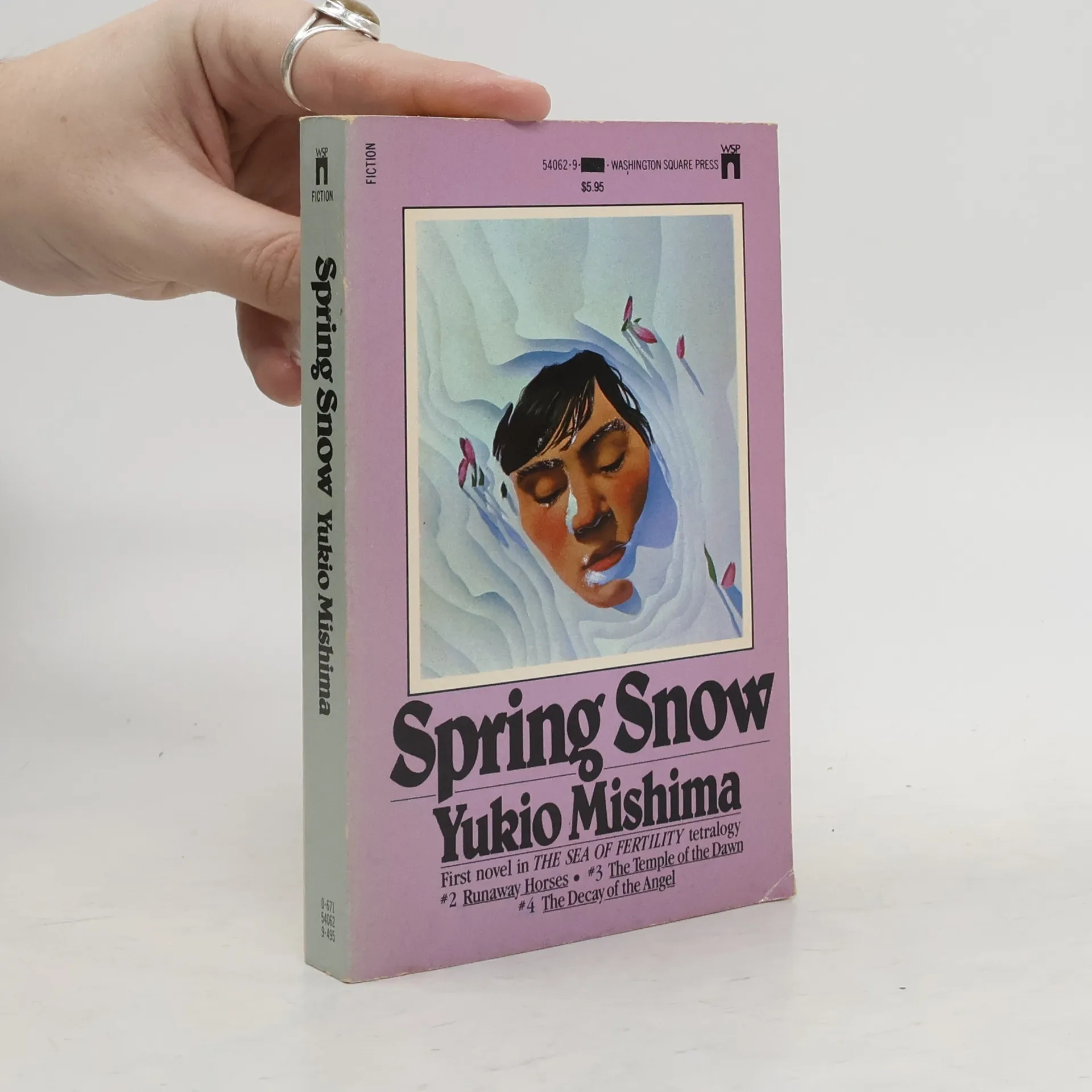
Spring Snow
- 376 páginas
- 14 horas de lectura
The first novel of Mishima's landmark tetralogy, The Sea of fertility Spring Snow is set in Tokyo in 1912, when the hermetic world of the ancient aristocracy is being breached for the first time by outsiders -- rich provincial families unburdened by tradition, whose money and vitality make them formidable contenders for social and political power. Among this rising new elite are the ambitious Matsugae, whose son has been raised in a family of the waning aristocracy, the elegant and attenuated Ayakura. Coming of age, he is caught up in the tensions between old and new -- fiercely loving and hating the exquisite, spirited Ayakura Satoko. He suffers in psychic paralysis until the shock of her engagement to a royal prince shows him the magnitude of his passion, and leads to a love affair that is as doomed as it was inevitable.
LA CORRUPCIÓN DE UN ÁNGEL (1974) es la última novela de la serie que vertebra como testigo y protagonista Shigekuni Honda. Situada en los años 1970, la historia de ilusión y desencanto que desarrolla tiene como ejes la preocupación por la vejez y el fin de las ilusiones, la consideración del suicidio como medio para sortear el dolor de la existencia, la admiración por la virilidad y la belleza, y el horror por la vulgaridad del mundo moderno.
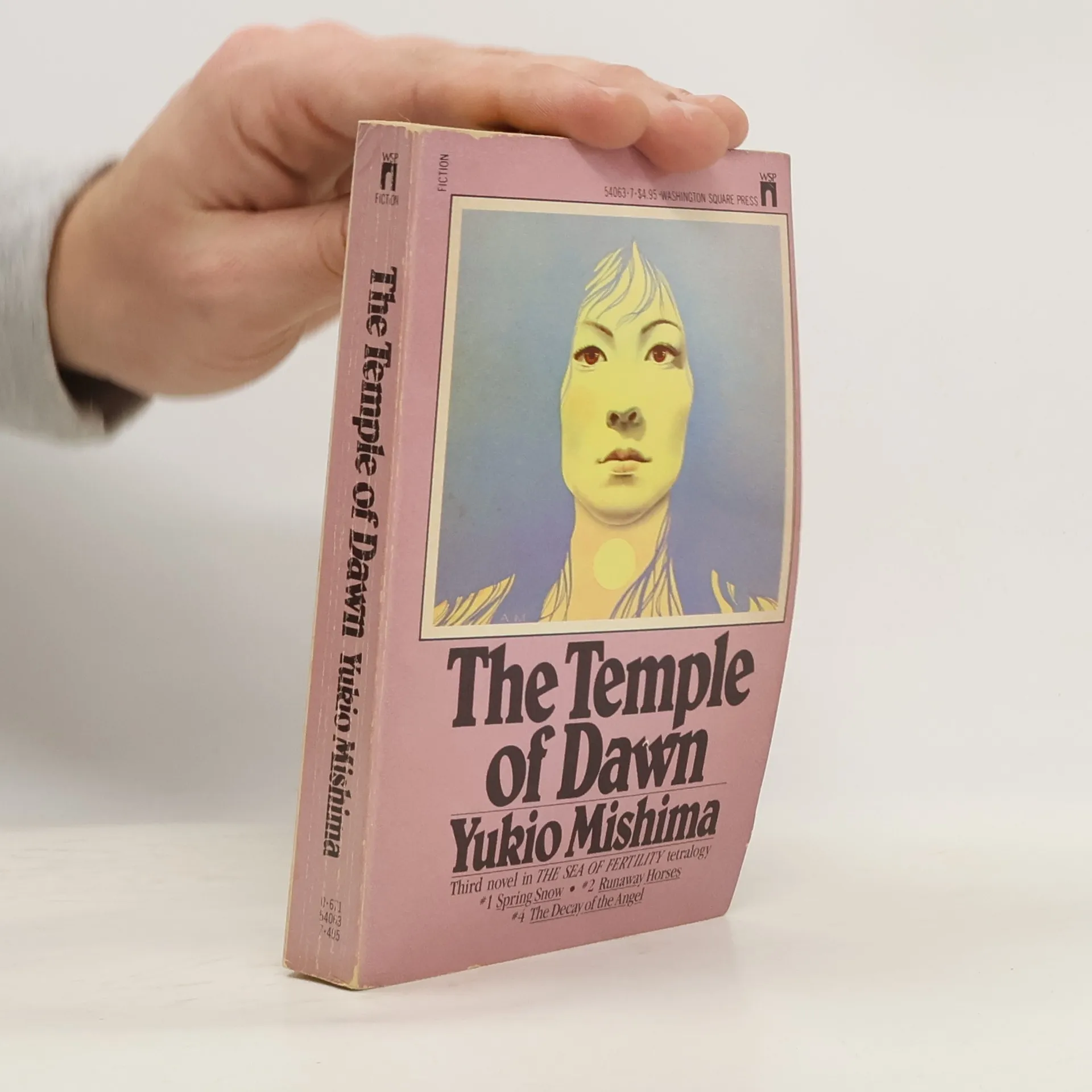
Temple of Dawn
- 320 páginas
- 12 horas de lectura
Yukio Mishima’s The Temple of Dawn is the third novel in his masterful tetralogy, The Sea of Fertility . Here, Shigekuni Honda continues his pursuit of the successive reincarnations of Kiyoaki Matsugae, his childhood friend. Travelling in Thailand in the early 1940s, Shigekuni Honda, now a brilliant lawyer, is granted an audience with a young Thai princess—an encounter that radically alters the course of his life. In spite of all reason, he is convinced she is the reincarnated spirit of his friend Kiyoaki. As Honda goes to great lengths to discover for certain if his theory is correct, The Temple of Dawn becomes the story of one man’s obsessive pursuit of a beautiful woman and his equally passionate search for enlightenment.
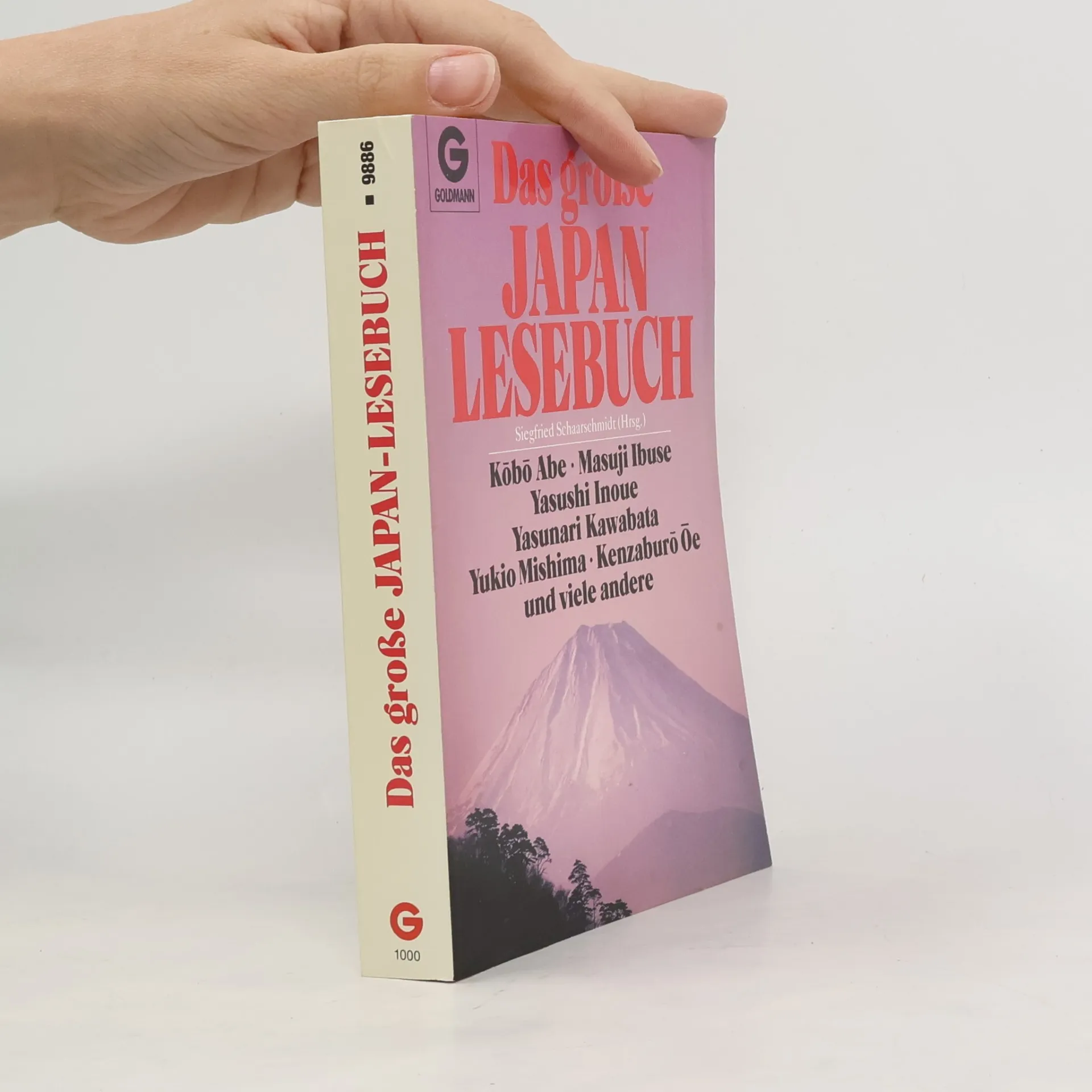
Das große Japan-Lesebuch.
- 384 páginas
- 14 horas de lectura
„Eine gut erzählte Geschichte verträgt zehn Münder, oder sie ist keine. Das Tuti Nameh hat wie alle Klassiker tausendundeinen Mund vertragen und strahlt heute in einer Frische, als hätten die genialen Erzähler vor tausend Jahren in Indien unsere Zeit gemeint“, schreibt Rafik Schami in seinem Vorwort zu den /k/Geschichten des Papageien/k/. Siegfried Schaarschmidt hat aus der Fülle der Geschichten, die der weise Papagei dem Sultan Kobad in Damaskus erzählt, die schönsten ausgewählt und sie in eine zeitgemäße Sprache übertragen. Auf diese Weise ist ein verschütteter Schatz orientalischer Märchenpoesie endlich zugänglich geworden.
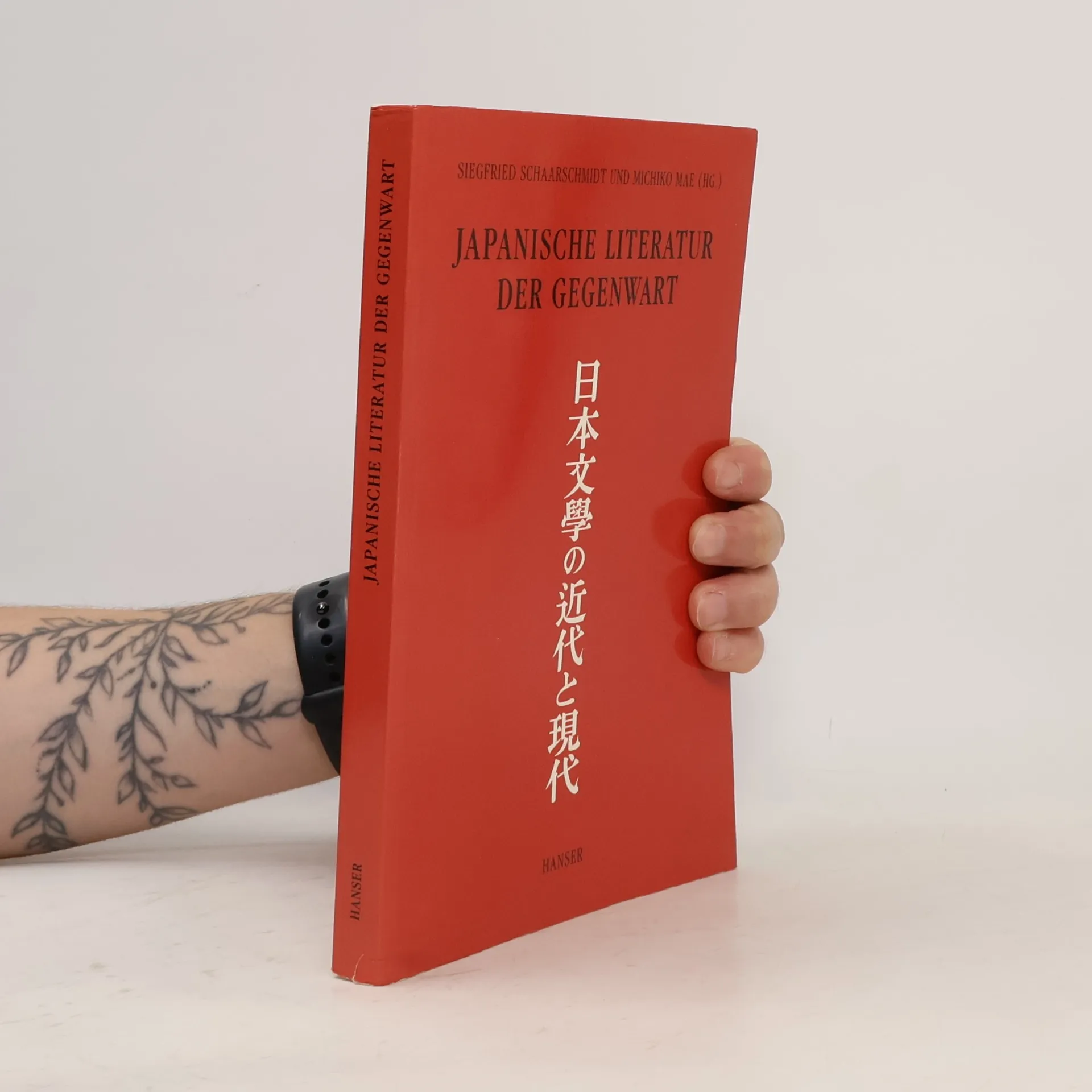
Japanische Literatur der Gegenwart
- 189 páginas
- 7 horas de lectura
Die japanische Literatur, eine der vielfältigsten und interessantesten Literaturen der Gegenwart, ist hierzulande immer noch »terra incognita«. Für entdeckungsfreudige Leser bietet der vorliegende Band in einführenden Einzeldarstellungen mit Autorenporträts und einer Bibliographie der nach 1945 übersetzten japanischen Literatur umfassende und übersichtliche Information.
Schrei nach Frieden
- 269 páginas
- 10 horas de lectura