Billy Wilder fue un cineasta polaco-estadounidense reconocido como uno de los talentos más brillantes y versátiles de la Era Dorada de Hollywood. Su carrera, que abarcó más de 50 años y resultó en más de 60 películas, le valió tanto el aclamación de la crítica como la adoración del público. El estilo distintivo de Wilder y su habilidad para entrelazar el humor con temas profundos solidificaron su legado como una figura inolvidable del cine. Sus obras continúan resonando hoy en día con sus observaciones atemporales sobre la naturaleza humana.
Fünfzig Jahre nach ihrer Erstaufführung hält die beste Filmkomödie aller Zeiten Einzug in Reclams Rote Reihe. Dies ist das Original-Drehbuch, von dem Jack Lemmon später gesagt hat, es sei Pflichtlektüre für jeden angehenden Drehbuchschreiber. Es enthält auch die gestrichene (und sehr komische) Szene, in der Lemmon im Schlafwagen zu Tony Curtis in die Koje klettert. Ungekürzte und unbearbeitete Textausgabe in der Originalsprache, mit Übersetzungen schwieriger Wörter am Fuß jeder Seite, Nachwort und Literaturhinweisen.
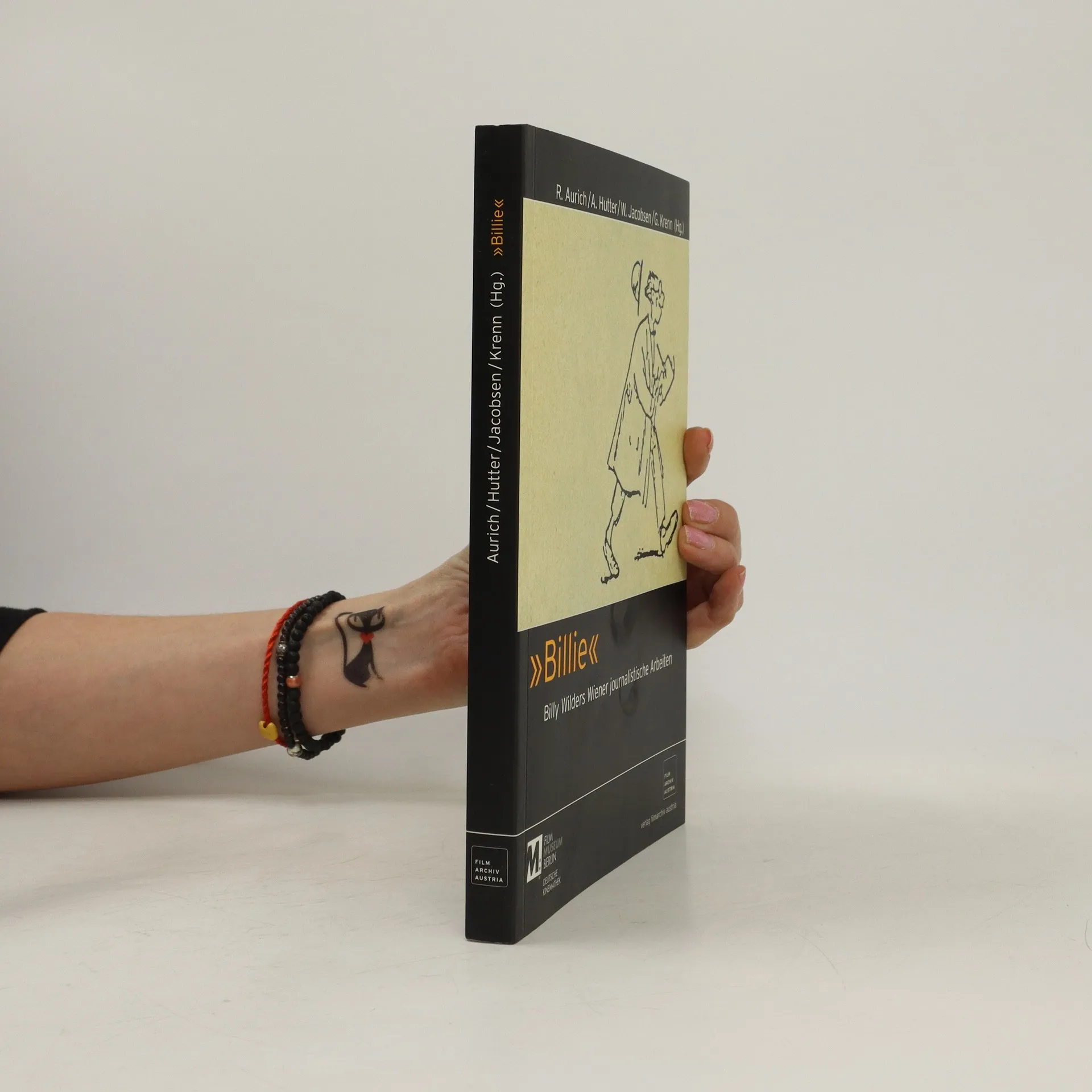
A Times Literary Supplement Book of the Year, chosen by Tom Stoppard, this collection showcases acclaimed film director Billy Wilder's early writings, now translated into English for the first time. Before his iconic films like Sunset Boulevard and Some Like It Hot, Wilder, known as Billie, worked as a freelance reporter in Vienna and Weimar Berlin. This anthology features over fifty articles published between September 1925 and November 1930, including humorous accounts of his time as a hired dancing companion and insightful dispatches from the international film scene. The writings reveal Wilder's sparkling wit and intelligence, offering a glimpse into the cultural landscape of Vienna and Berlin between the wars. He covered a wide array of topics, from big-city sensations and jazz performances to film and theater openings, while profiling colorful figures like Charlie Chaplin, Cornelius Vanderbilt, and the Prince of Wales. Film historian Noah Isenberg provides context in the introduction, and rare photos capture Wilder and his circle during these formative years. Filled with rich reportage and personal reflections, this collection highlights the emerging voice of a young journalist destined to become a great auteur.
A crossdressing, gender-bending, genre-busting, kinky crime caper, "Some Likeit Hot" (1959) tells the story of two jazz musicians who dress in drag and goundercover in an all-girls' band to escape the Mob.
Now in paperback comes this classic conversation between the 95-year-old Billy Wilder, Hollywood's legendary writer-director, and Cameron Crowe, one of today's best known writer-directors. 679 photos.
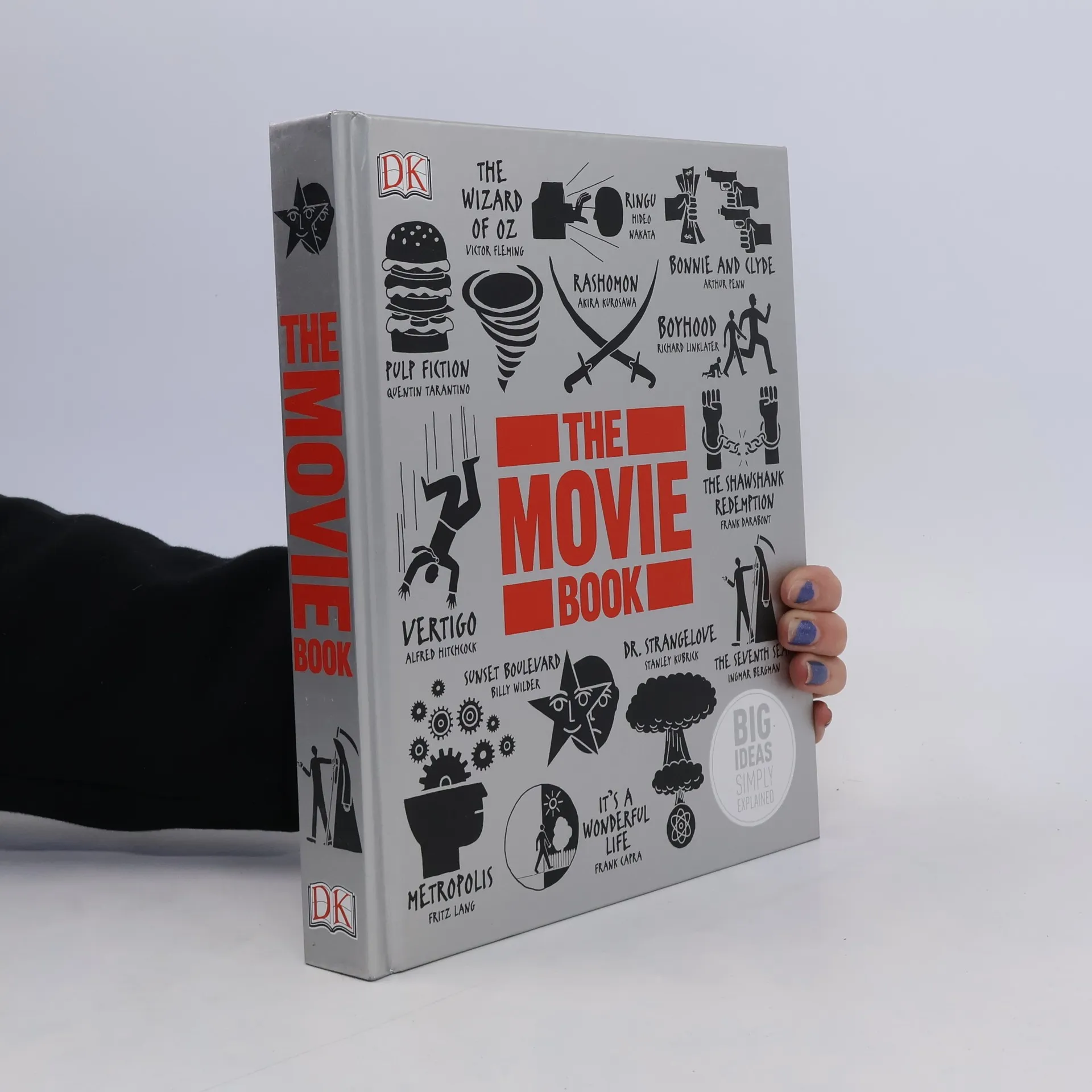
Explore the rich history of cinema like never before, from the golden age of black-and-white films to international art-house and 21st-century sci-fi. The Movie Book uncovers the key themes and big ideas behind more than 80 of the world's most celebrated cinematic gems. Beginning with the iconic La Voyage Dans La Lune (1902) and ending with Richard Linklater's ground-breaking Boyhood (2014), this indispensable cinematic guide chronicles more than 100 of the best films ever made - from comedies and dramas to animations and documentaries. Discover everything about your favourite movies and celebrated classics with the help of film stills, posters, biographies, movie memorabilia, iconic quotes, and narrative timelines. Essential for anyone with a passion for cinema, The Movie Book is ready for its close-up.
Es gab ein Leben vor dem Film - und es war so bewegt wie die spätere Hollywood-Karriere: Der junge Billy Wilder verdiente sein Geld als rasender Reporter im Berlin der zwanziger und frühen dreißiger Jahre.§Er schreibt Reportagen, führt Interviews, verfaßt Feuilletons und Kritiken. Und was für Feuilletons: ein erschütterndes Portrait des weltberühmten Clowns Grock, ironische Betrachtungen über das Kaffeehaus, einen bösen Bericht über den Prinzen von Wales ...
Un des géants du cinéma raconte sa vie.De Vienne à Hollywood, en passant par Paris, toute la mémoire d’une vie de scénariste et de metteur en scène, au rythme de vingt-quatre images par seconde : anecdotes, souvenirs - émouvants parfois, drôles bien souvent - et des photos personnelles inédites.