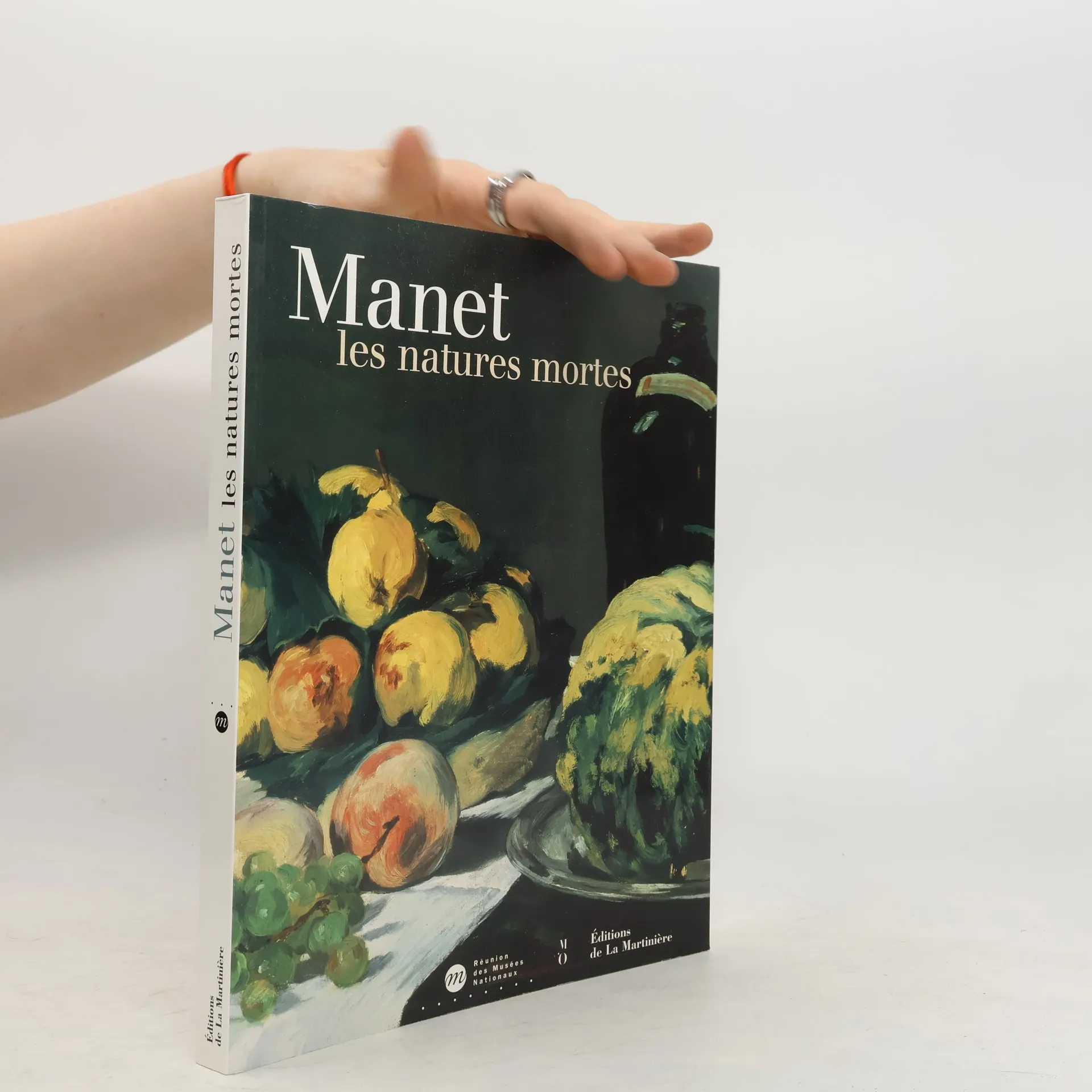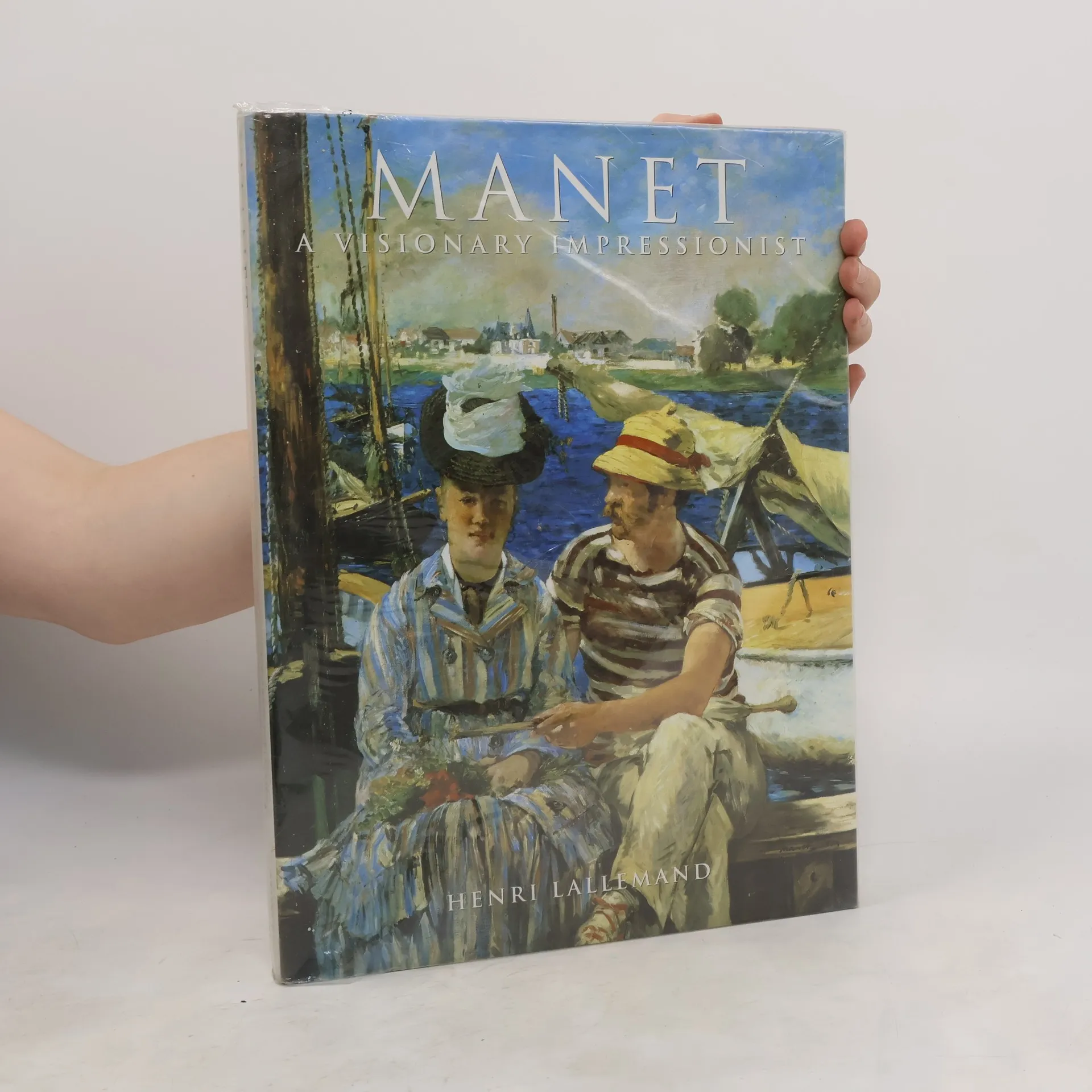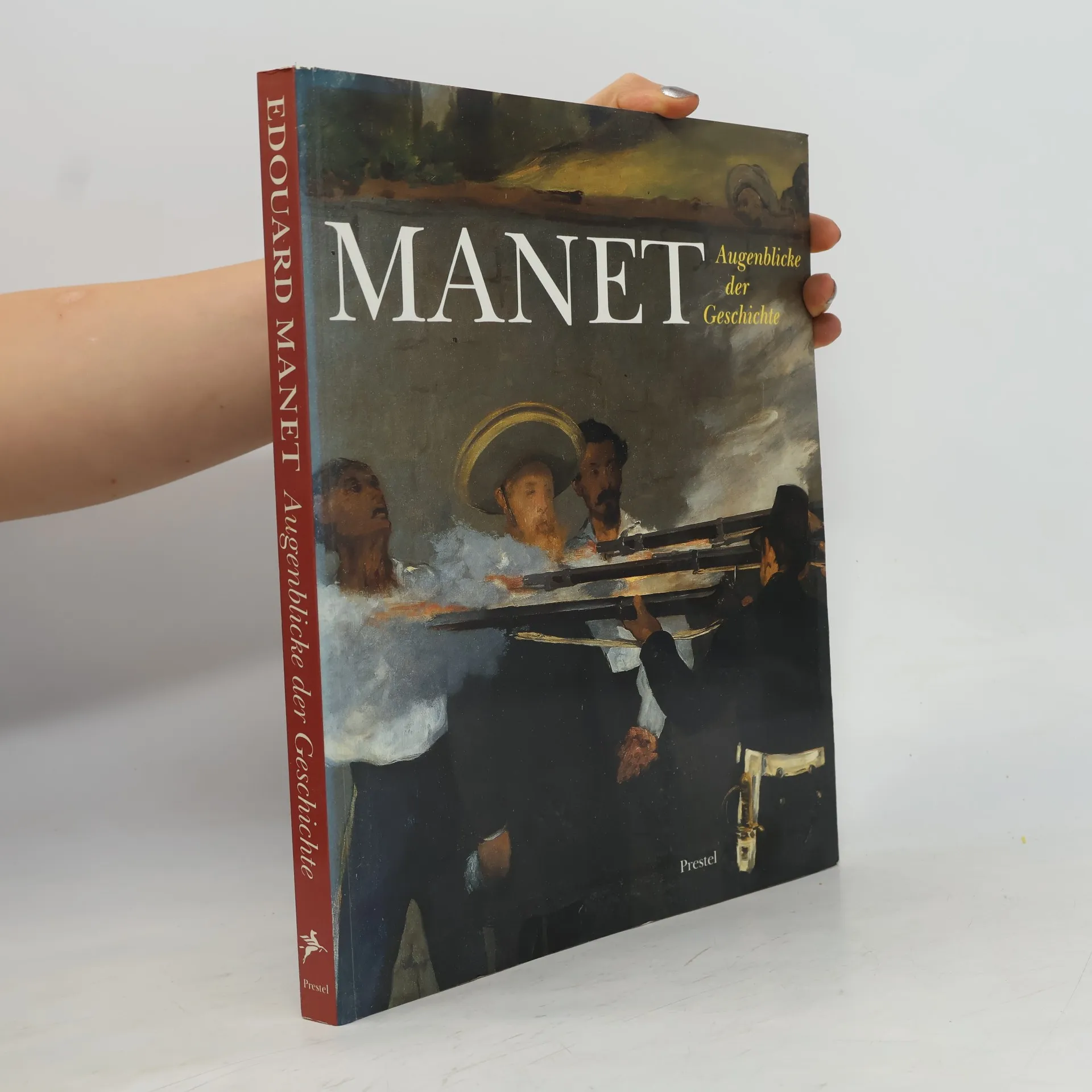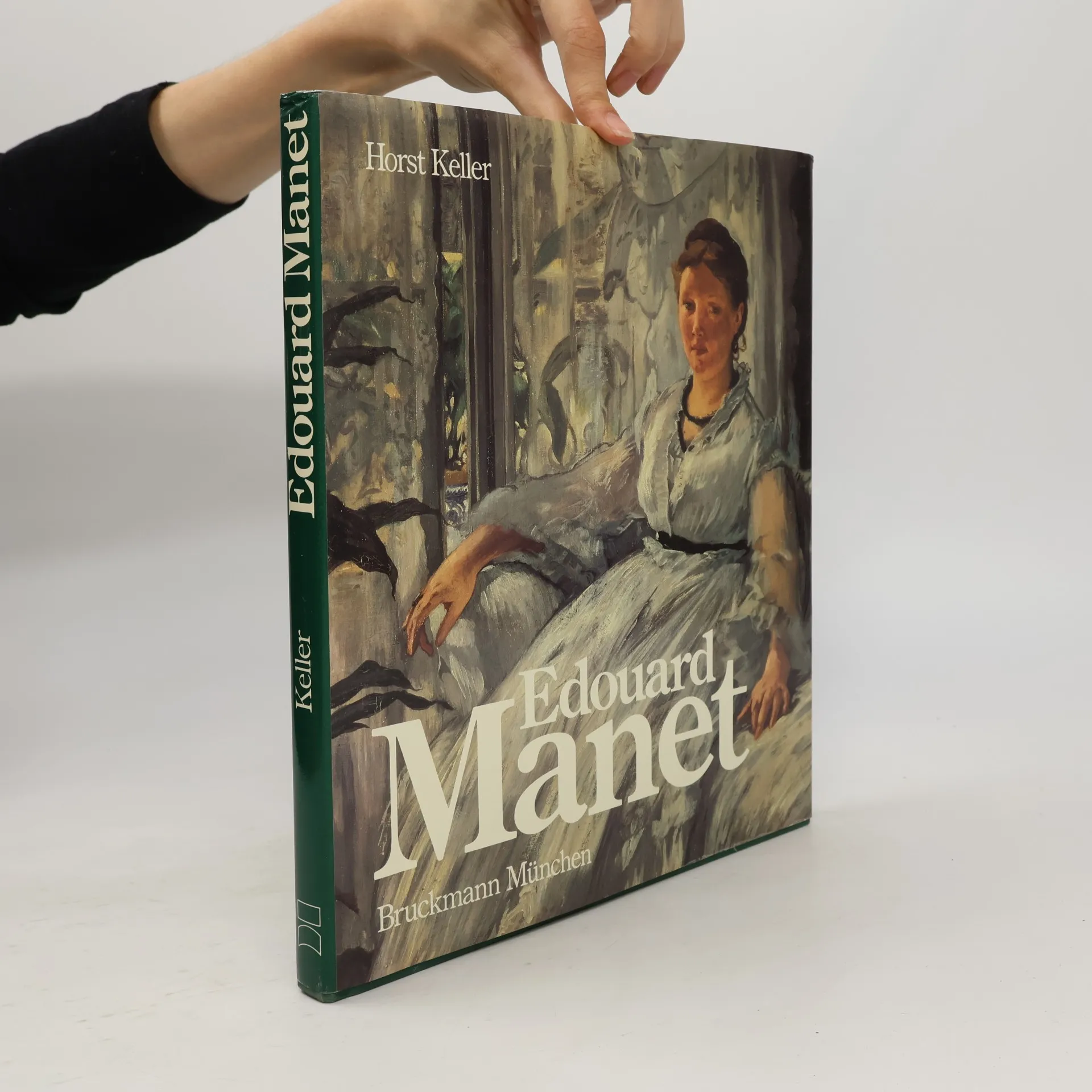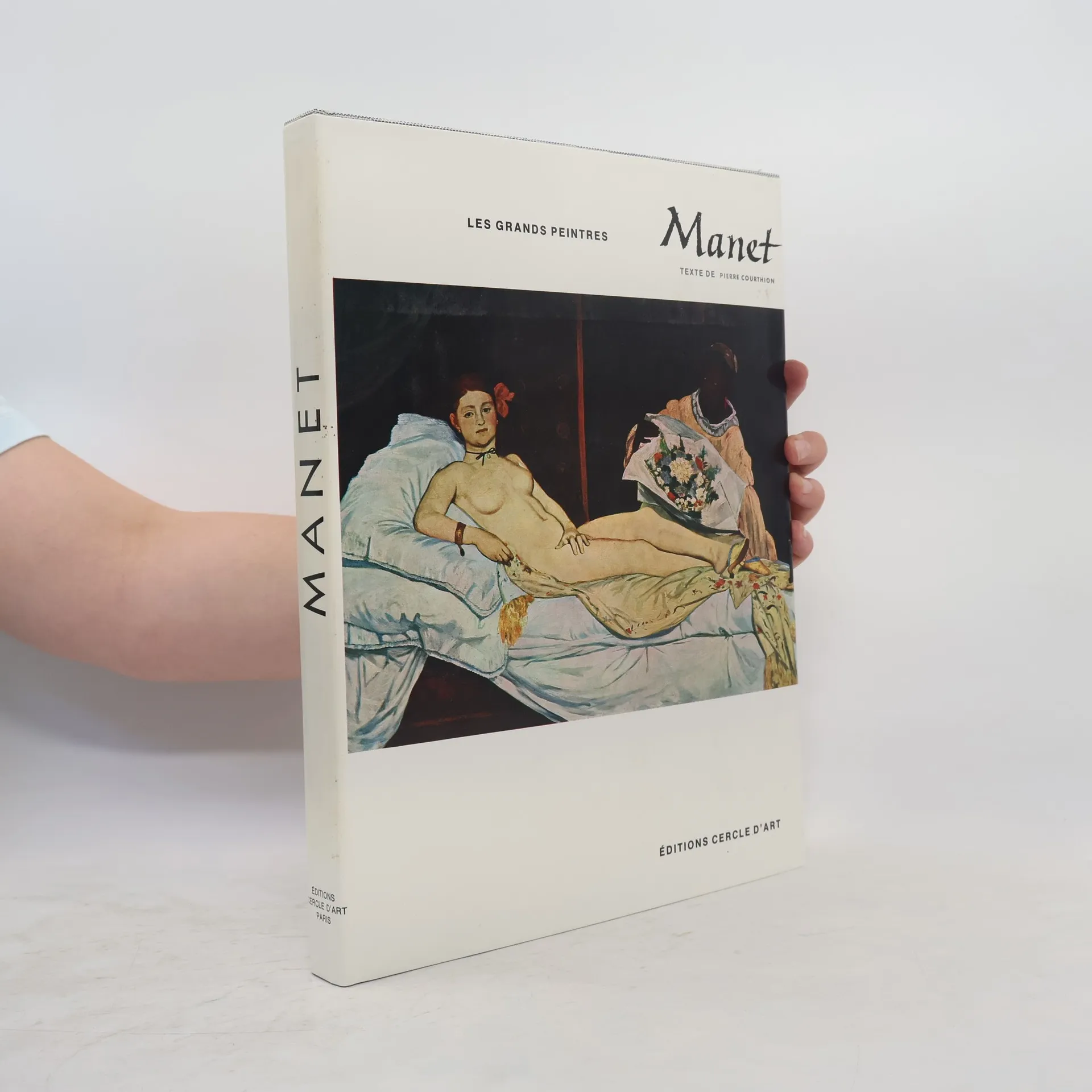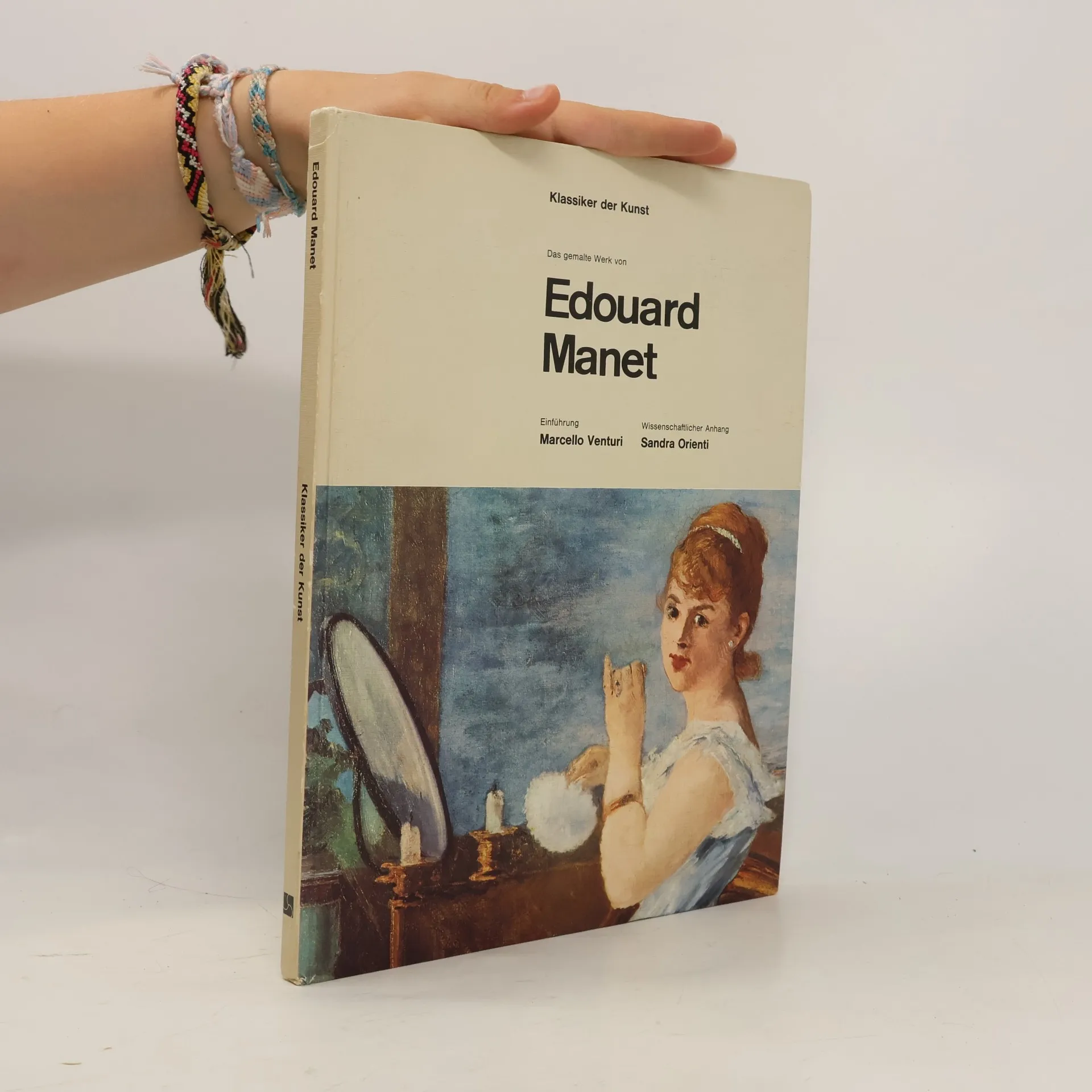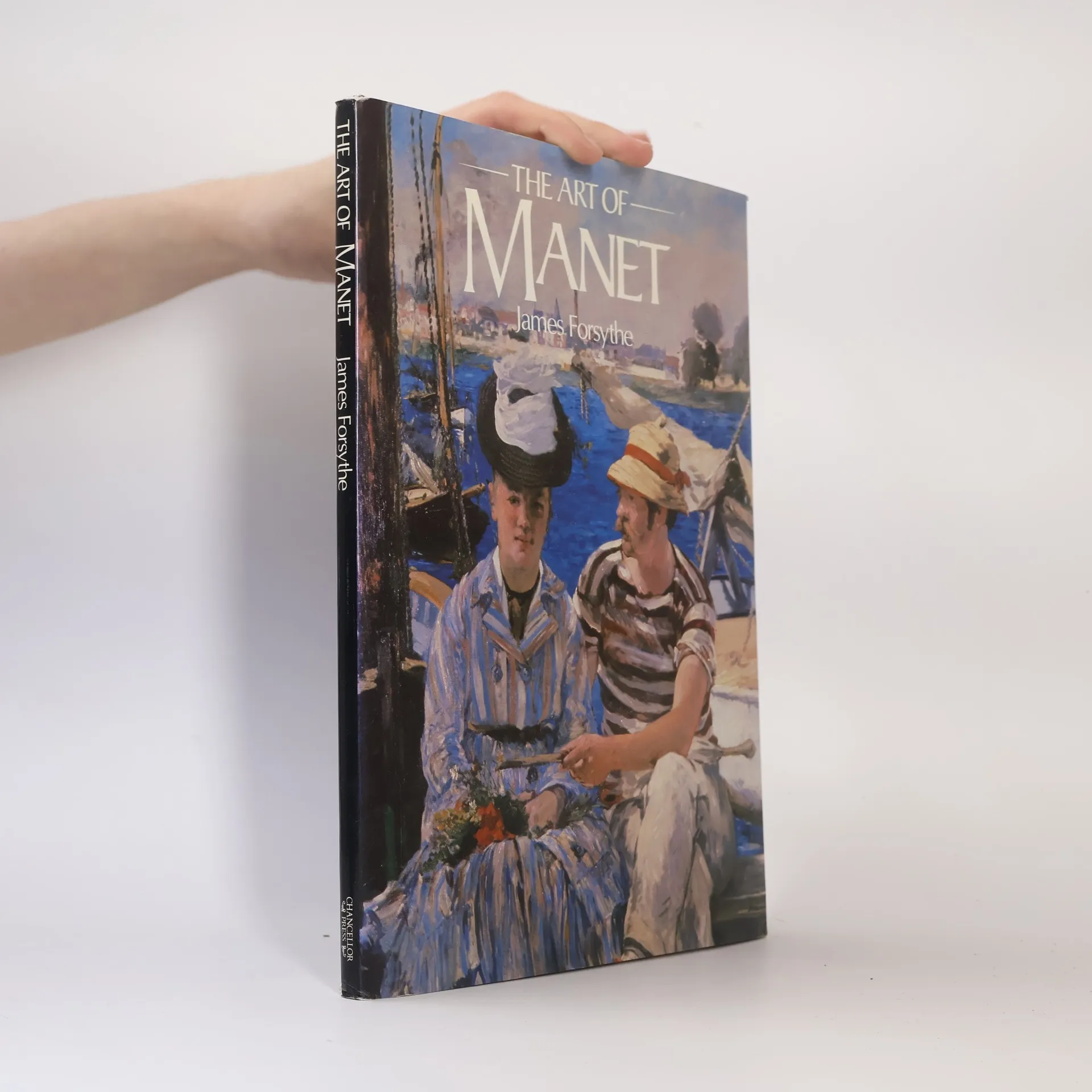
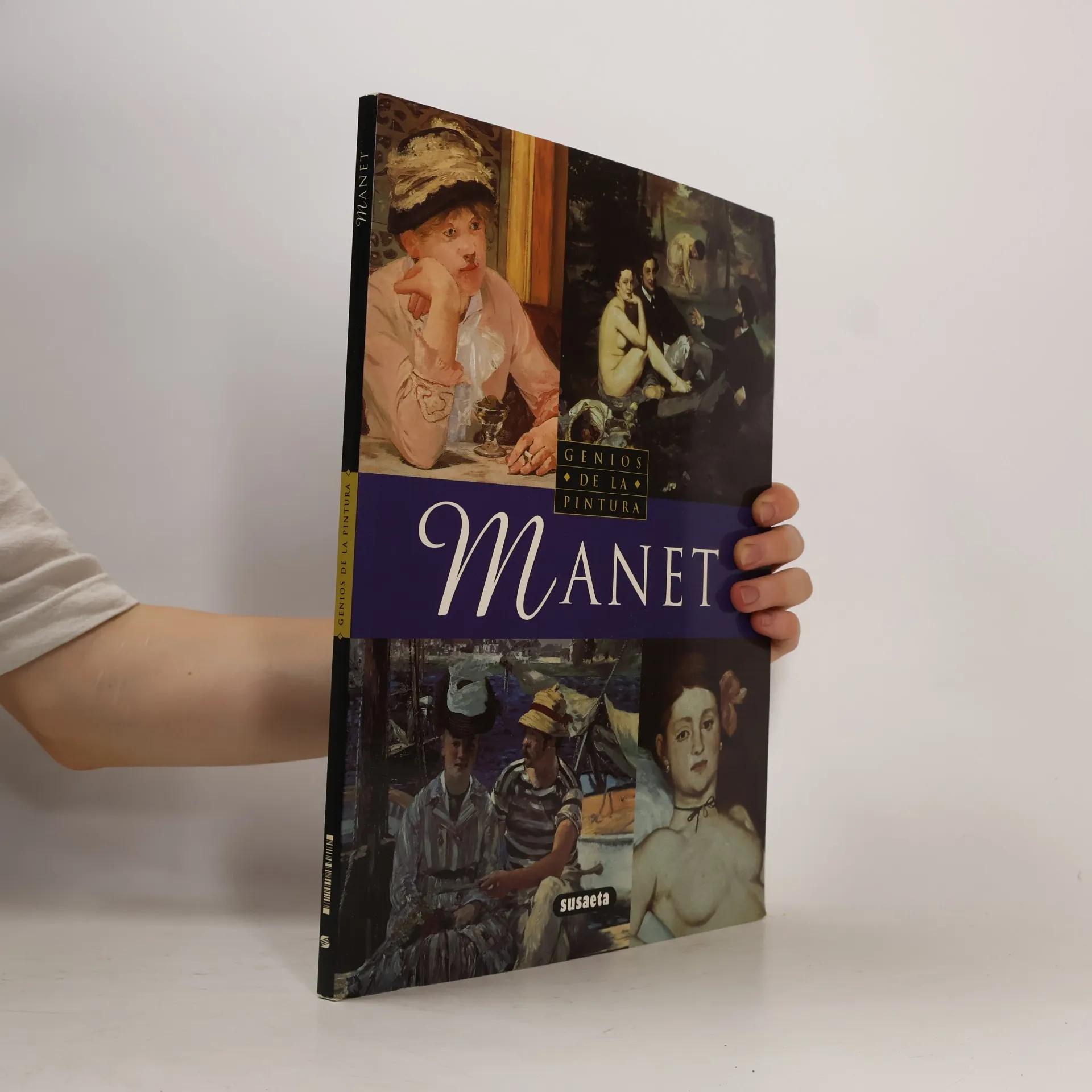
Édouard Manet fue un pintor francés que se situó en la encrucijada del Realismo y el Impresionismo. Como uno de los primeros artistas del siglo XIX en abordar temas de la vida moderna, se convirtió en una figura clave en la transición hacia el Impresionismo. Sus primeras obras maestras generaron una considerable controversia, pero hoy en día se consideran pinturas decisivas que marcan el génesis del arte moderno. El legado de Manet reside en su audaz enfoque de los temas contemporáneos y su innovación formal.
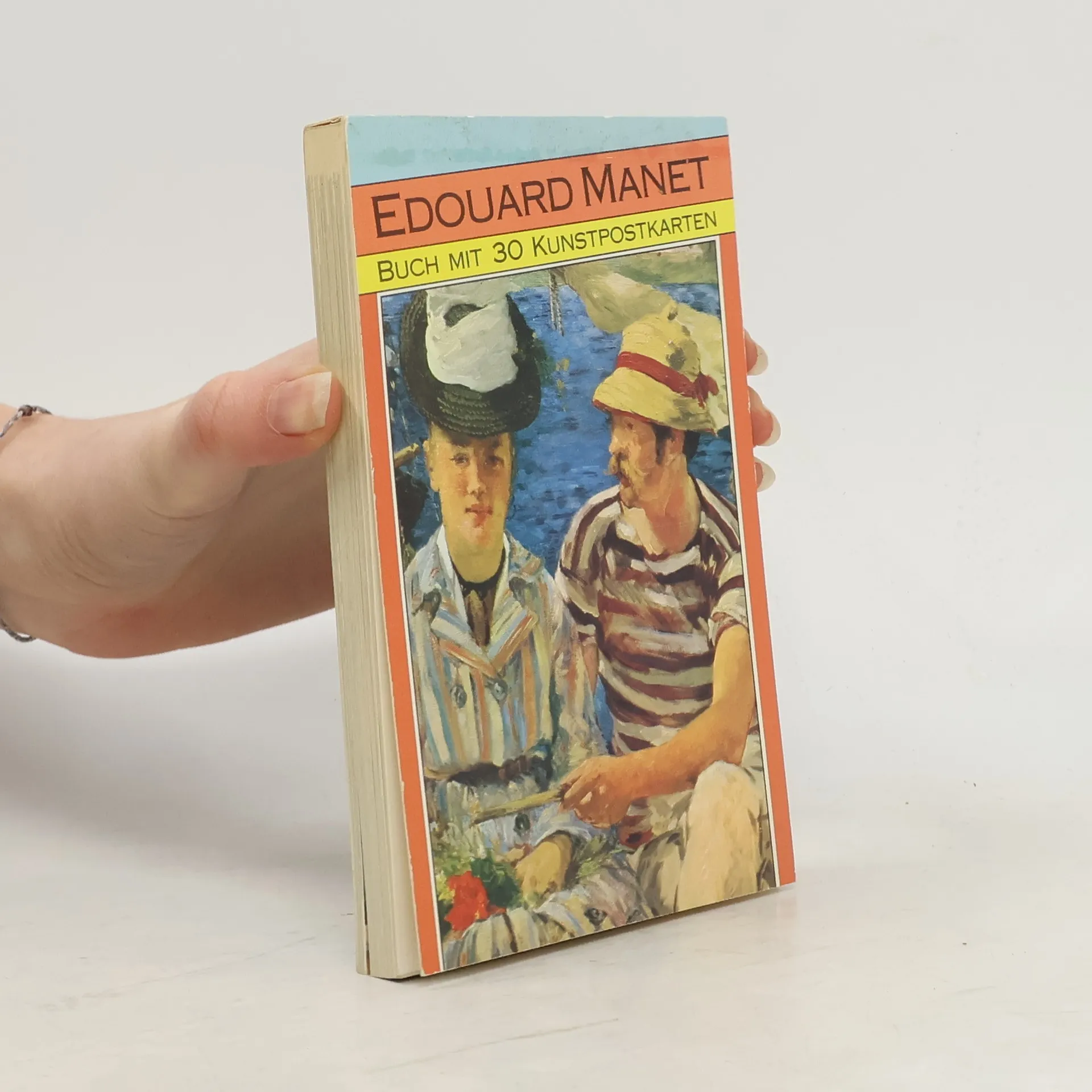
Dieses Postkarten-Set enthält 18 ausgewählte Werke des französischen Malers Édouard Manet, der als Vorreiter des Impressionismus gilt. Es eignet sich für Grußkarten, Einladungen oder zur Dekoration und bietet viel Platz zum Schreiben. Manet wurde erst nach seinem Tod als bedeutender Künstler anerkannt.

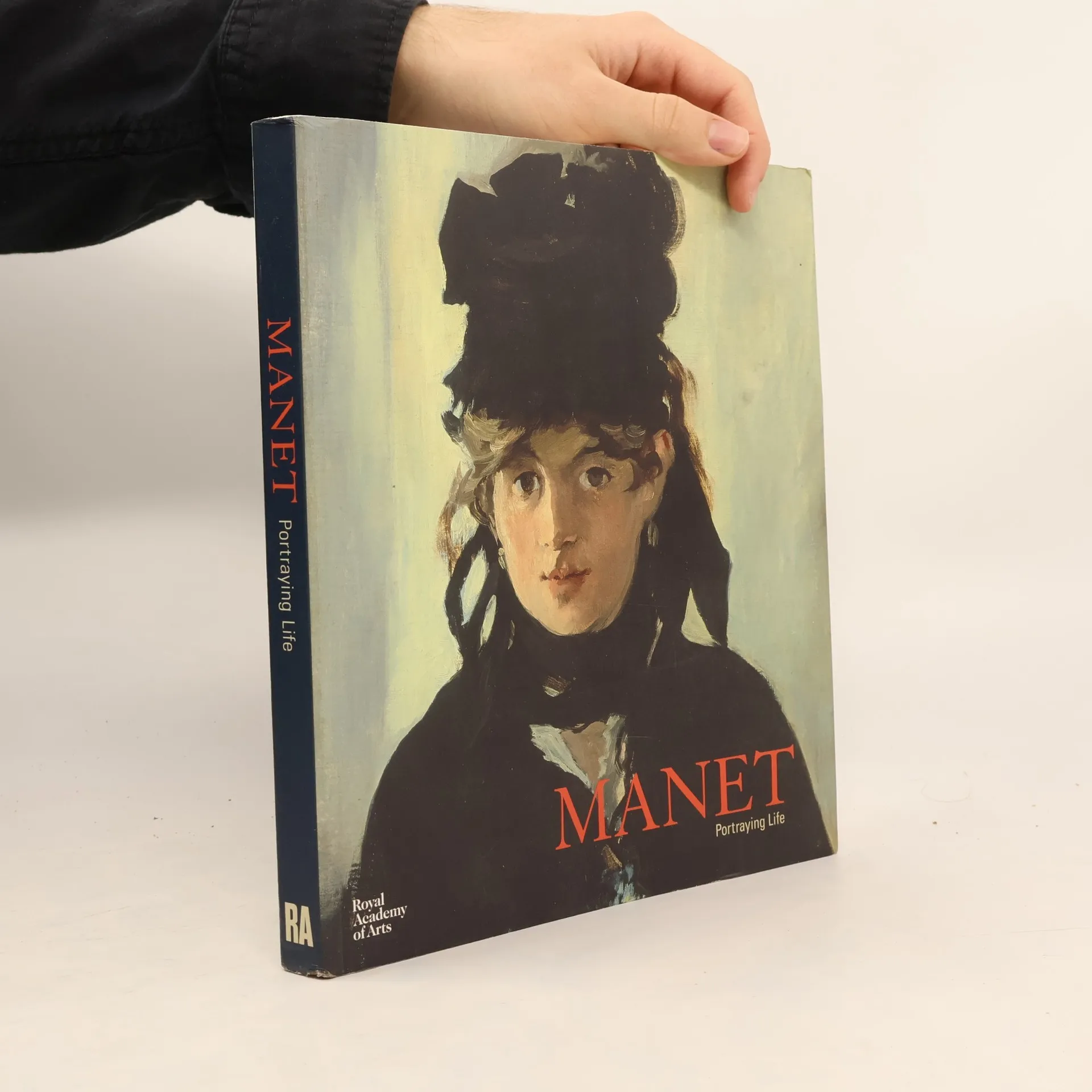
"First published on the occasion of the exhibition 'Manet: portraying life', Toledo Museum of Art, 4 October 2012-1 January 2013; Royal Academy of Arts, London, 26 January-14 April 2013"--Title page verso.
Correspondence & Conversation, Paintings, Pastels, Prints & Drawings
336 páginas
12 horas de lectura
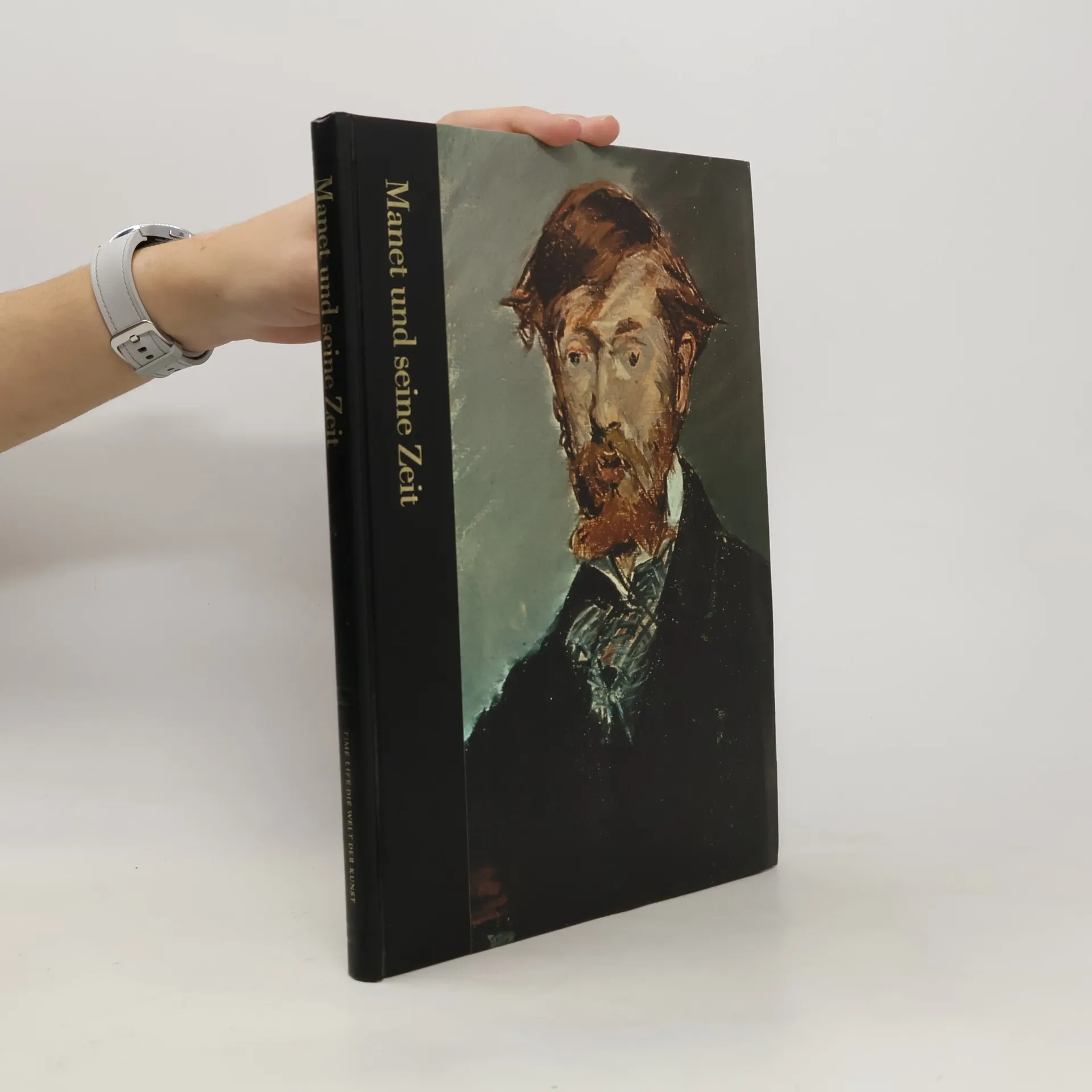
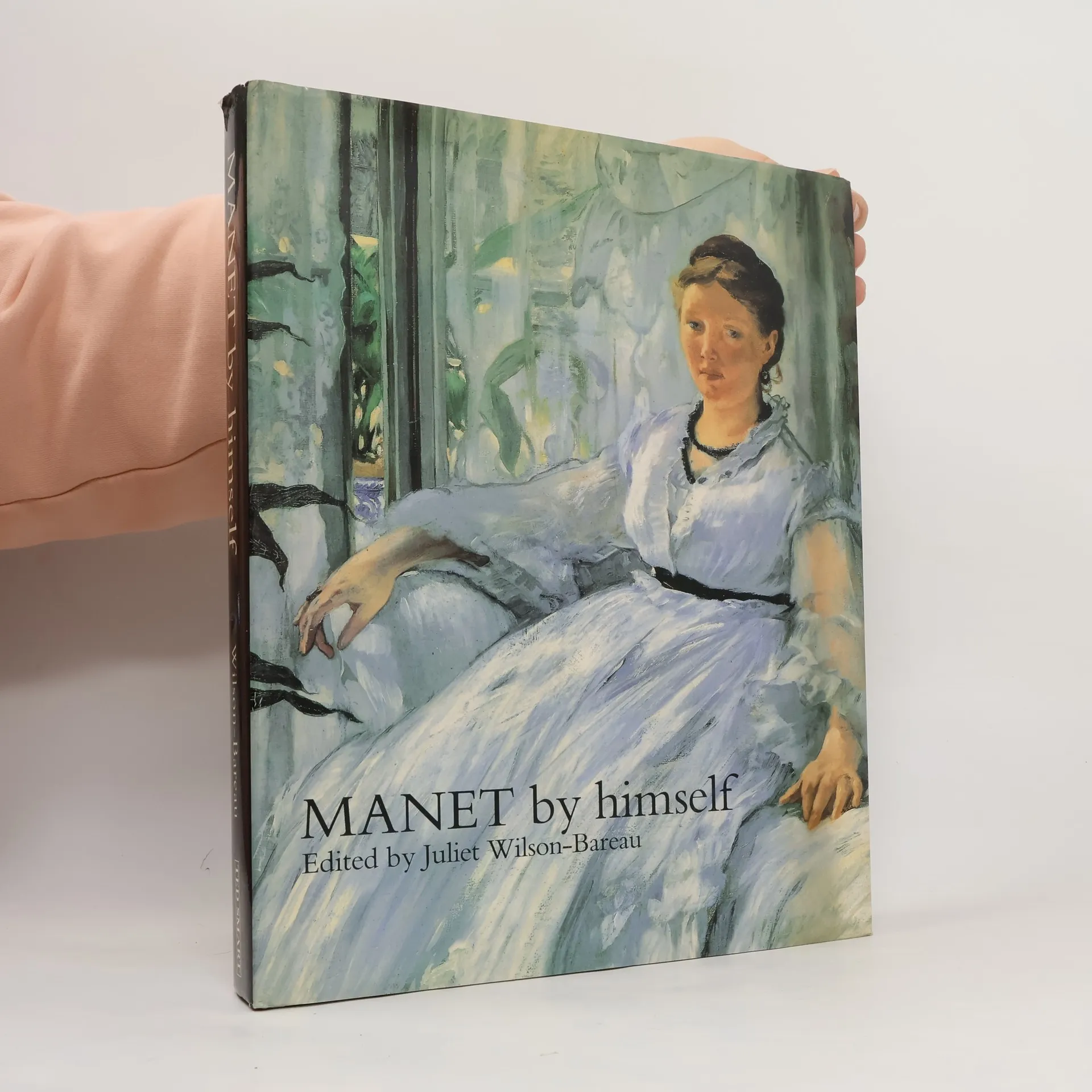
The unity of Manet's life and art is revealed through the presentation of his letters and records of his conversations, together with a selection of his work in all media from all periods of his career.
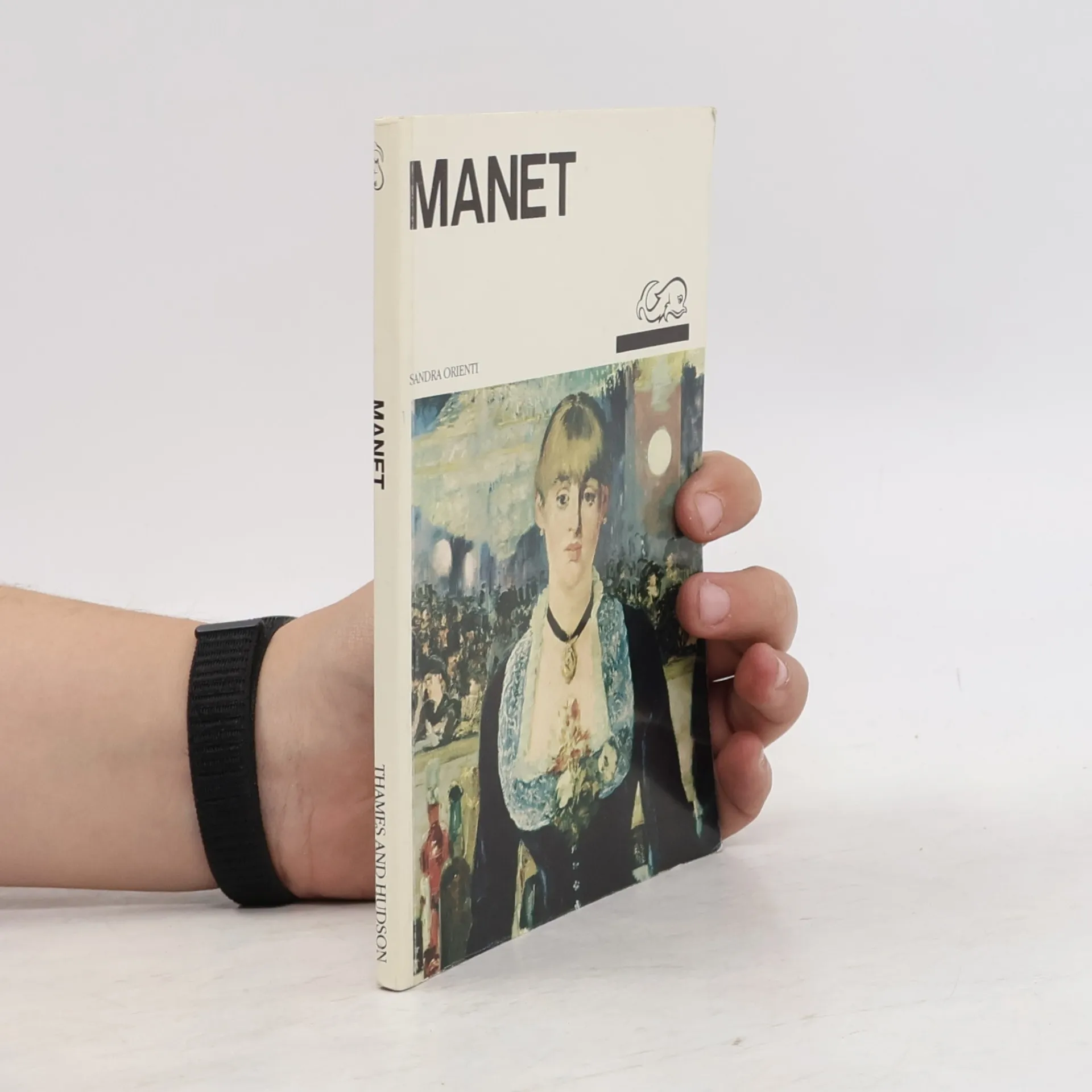
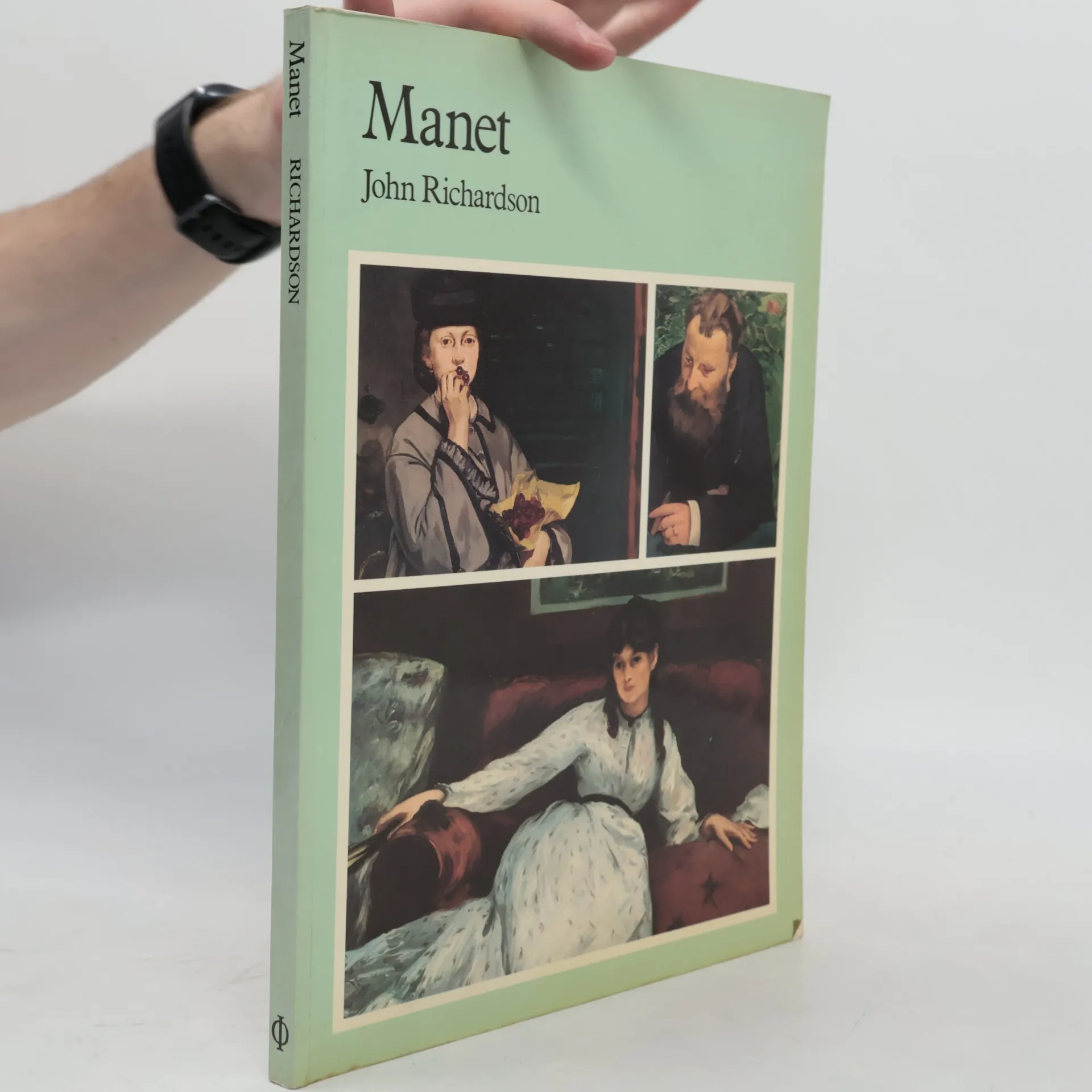
An illustrated guide to the work of Manet. This is one of a series of books featuring the work of famous artists. Other books in the series cover Cezanne, Matisse, Toulouse-Lautrec and Van Gogh.
Edouard Manet (1832-83) was one of the greatest, as well as one of the most interesting, of nineteenth century French painters. Acute observation, an extraordinary skilful handling of paint and a feeling for exquisite harmonies of colour makes his work both vivid and enchanting. It is also of great significance in the story of European painting, since Manet, a pioneer in depicting modern life in a modern style, was a formative influence on the whole impressionist movement. Olympia and The Picnic are among the key works of the nineteenth century.These, and many other crucial points – among them Manet’s personality, with its many contradictions - are fully discussed by John Richardson in his introductory essay, an abridged version of the brilliant text which was widely admired when it was first published in 1958 and which started a full-scale revival of Manet studies.Richardson's classic text was first revised in 1982, with notes to the forty-eight colour plates by Kathleen Adler and comparative illustrations to emphasize the quality, variety and character of Manet’s work. This perfect introduction to the work of such an influential painter is now reissued in an attractive new design.