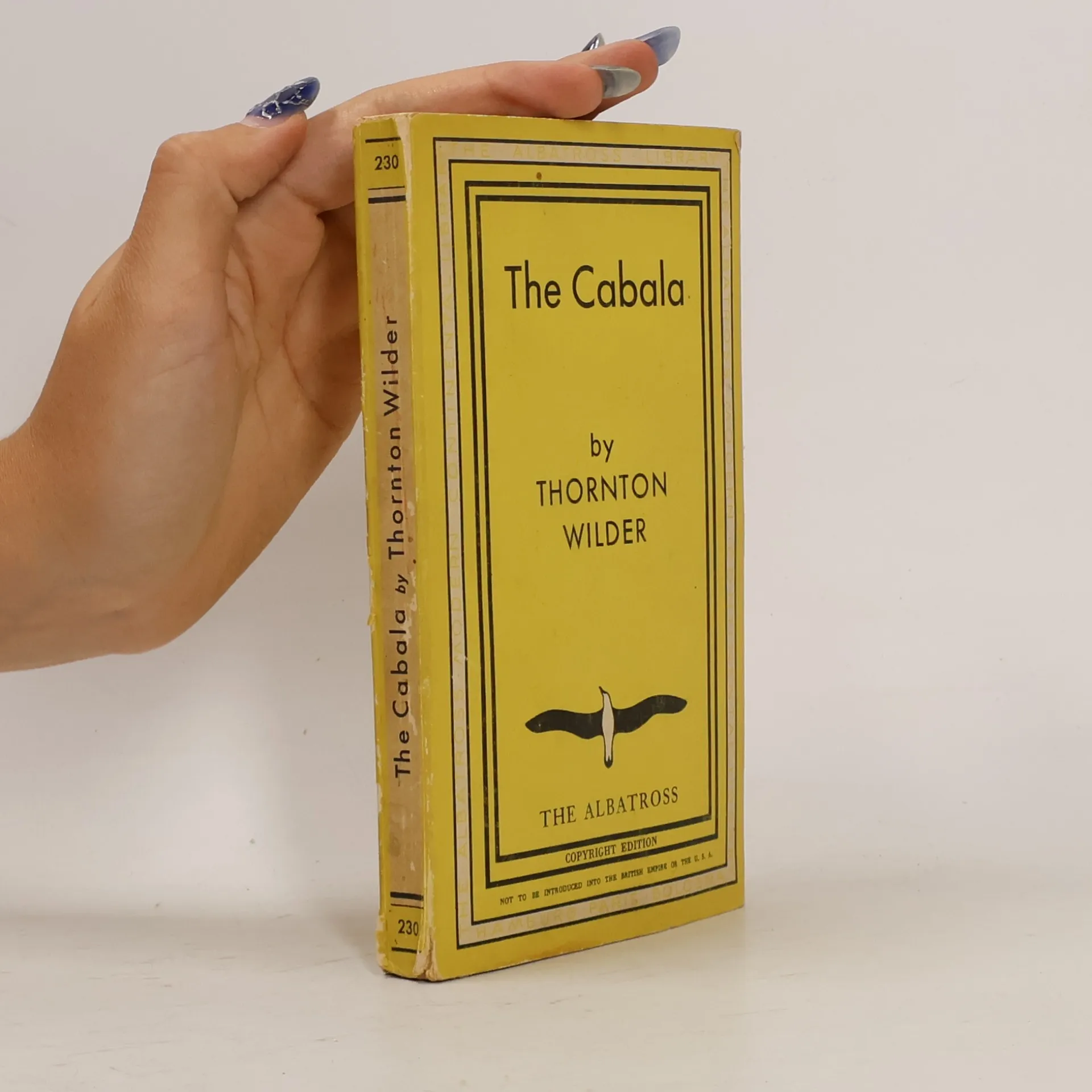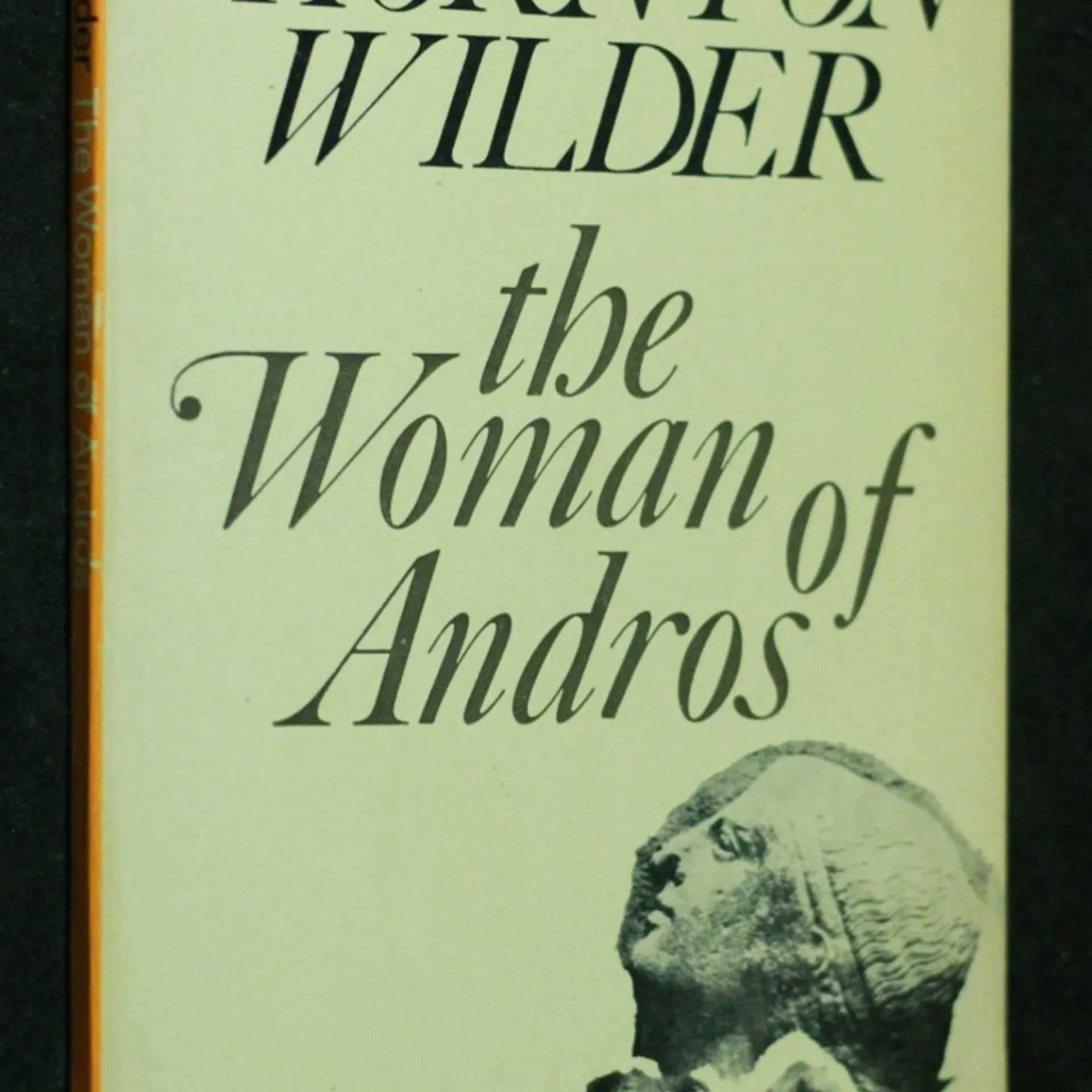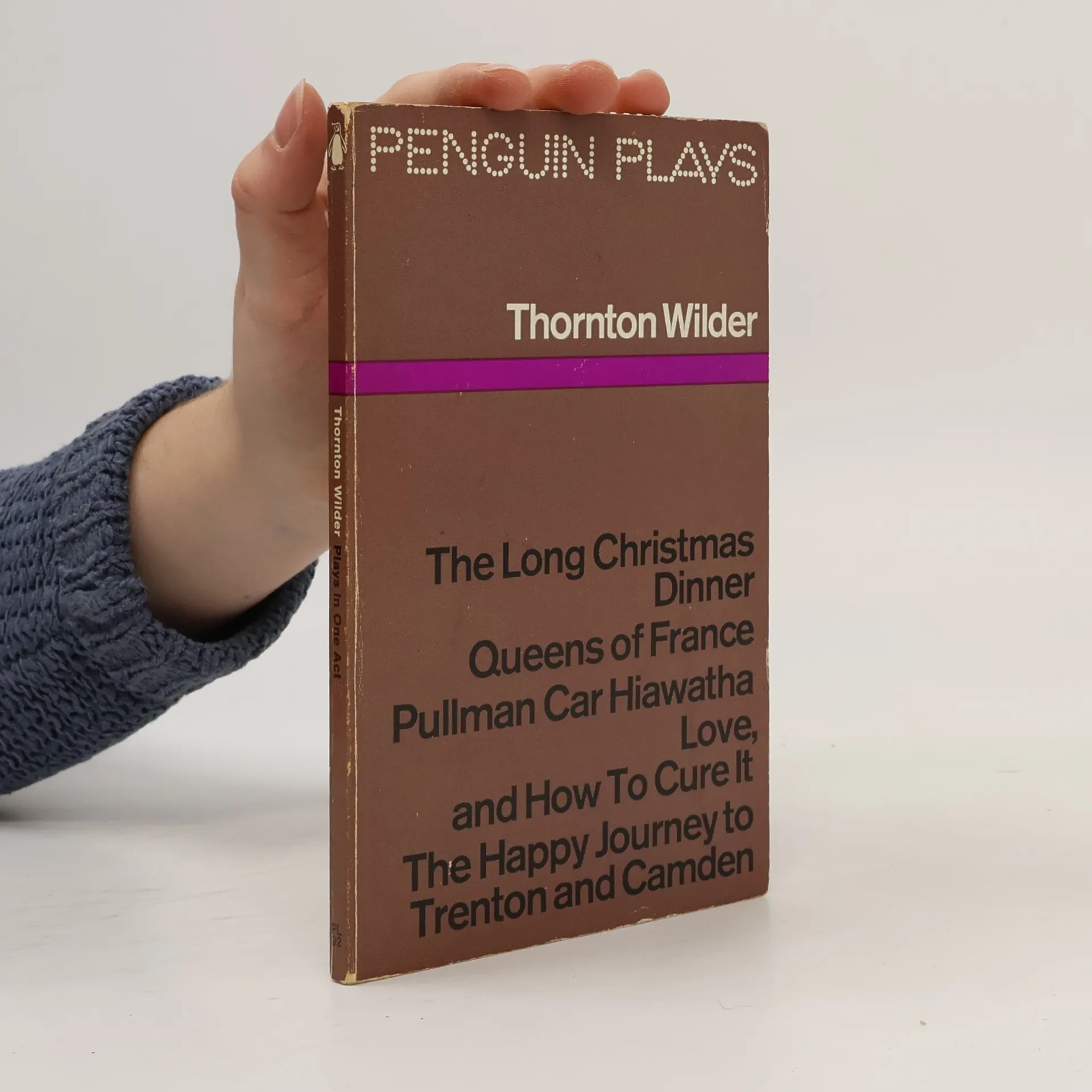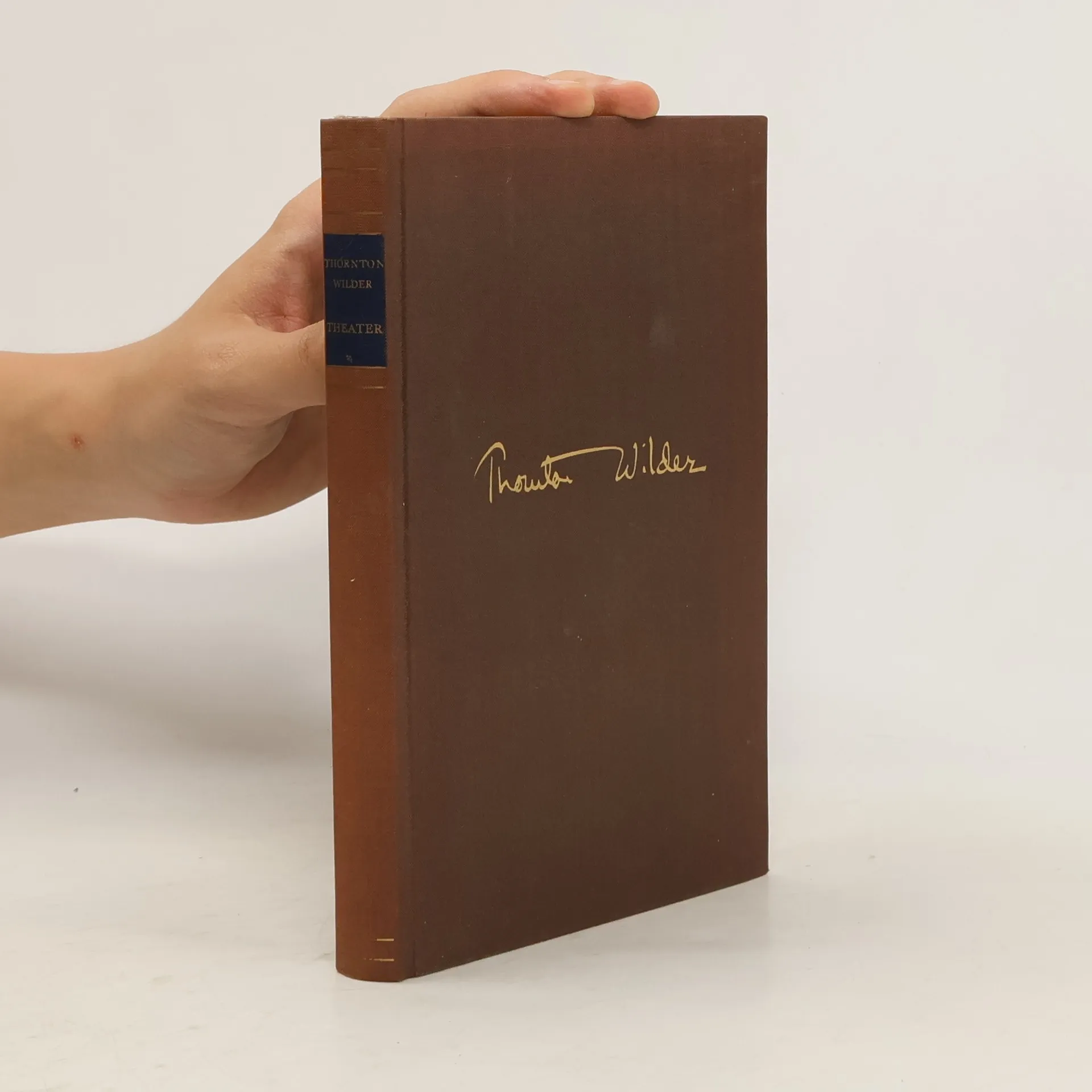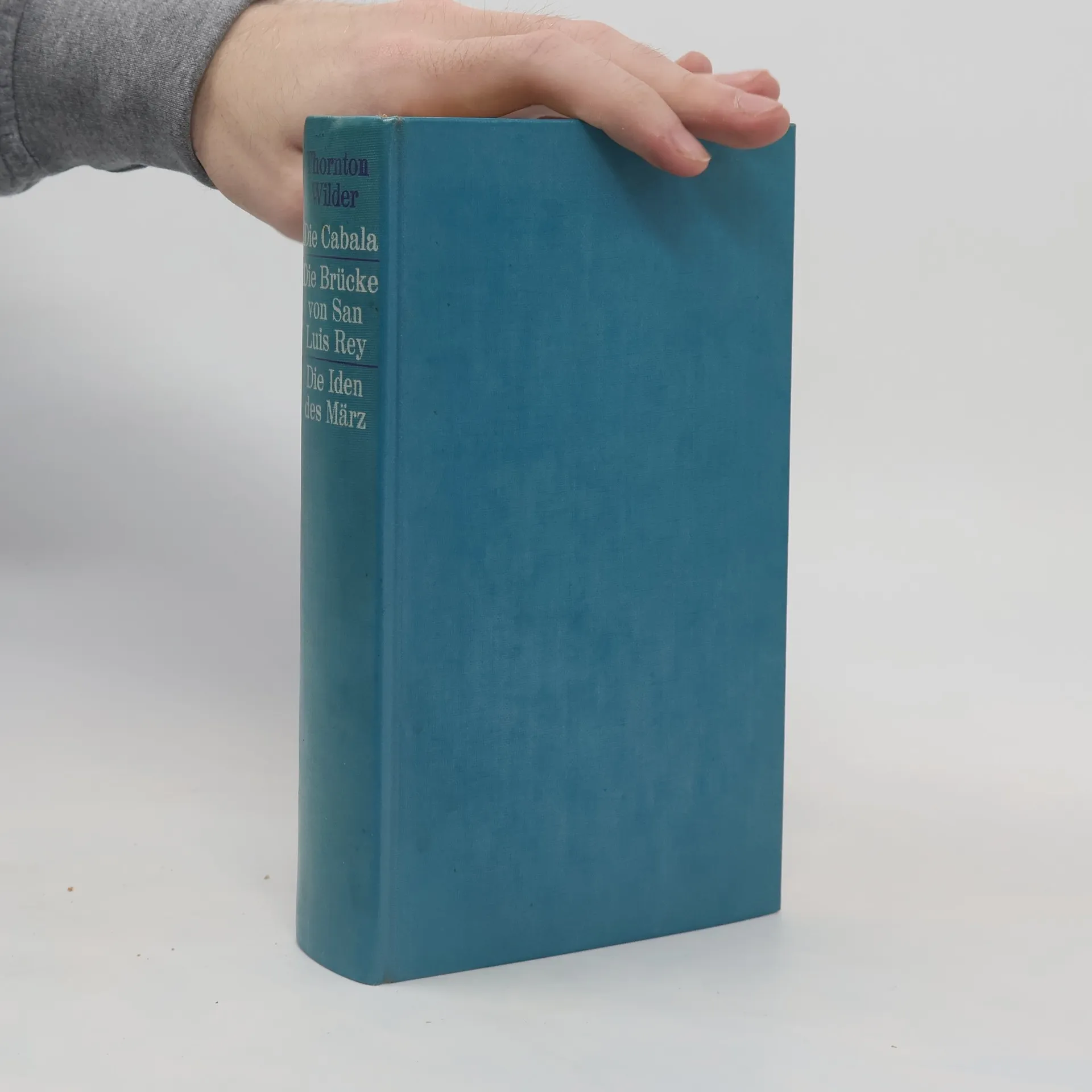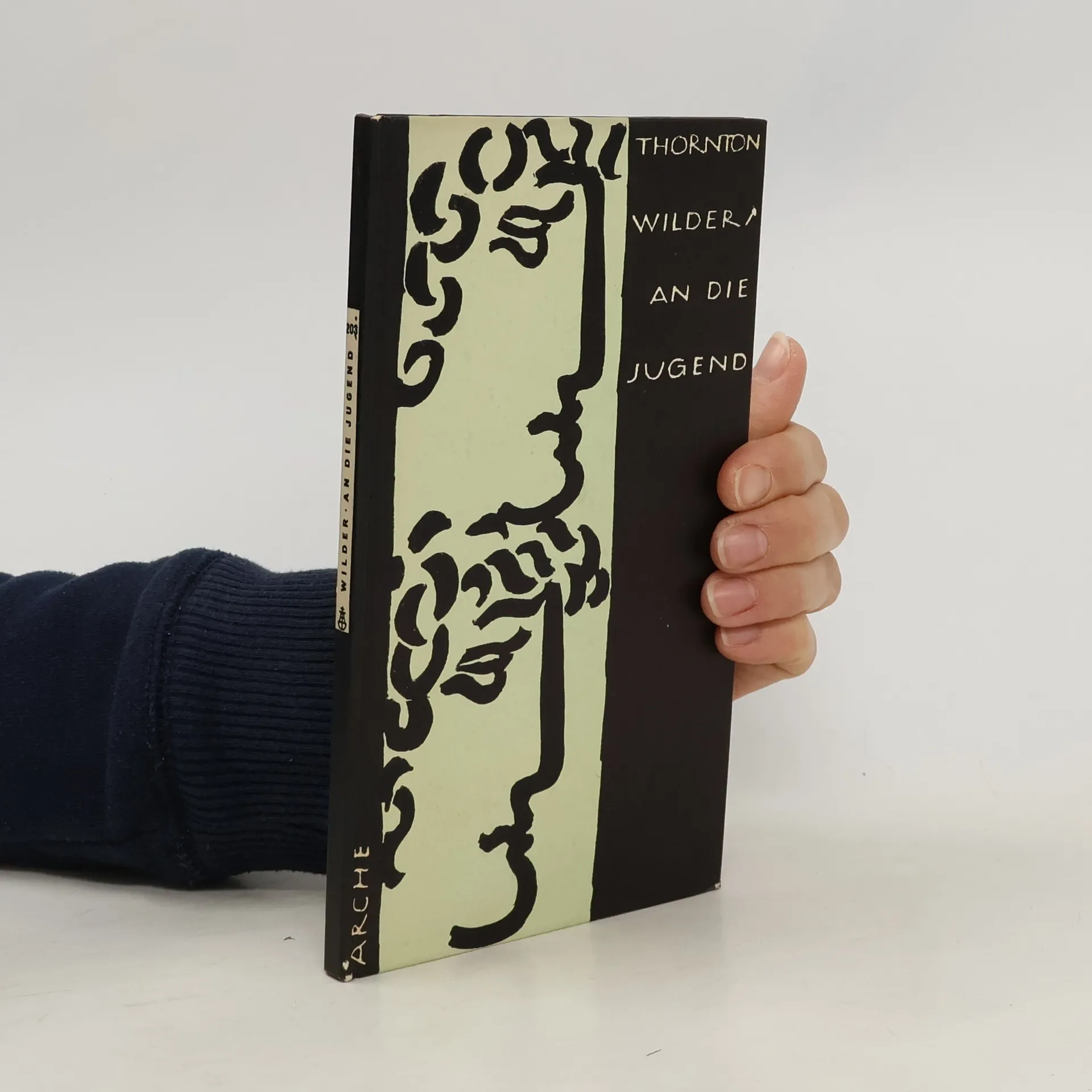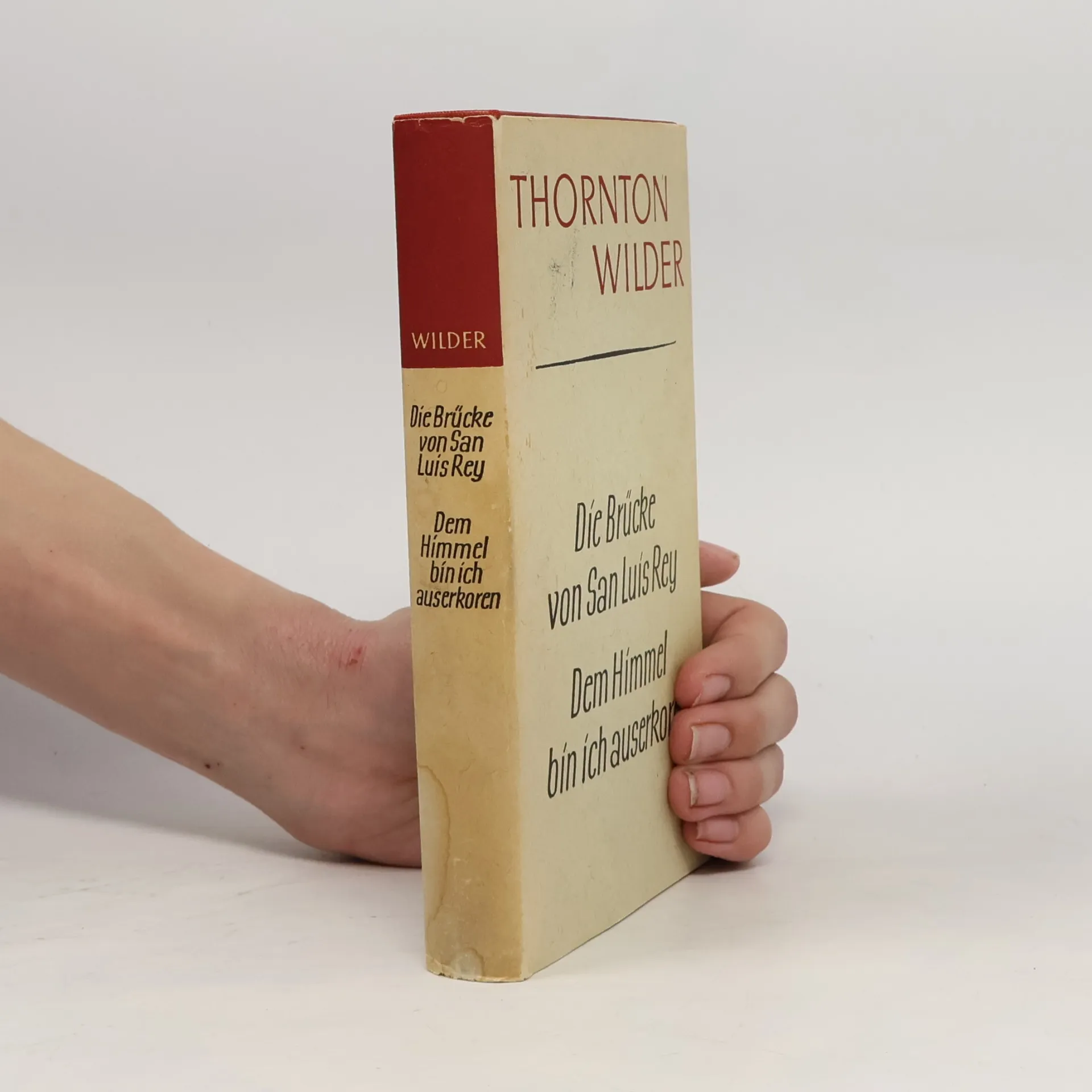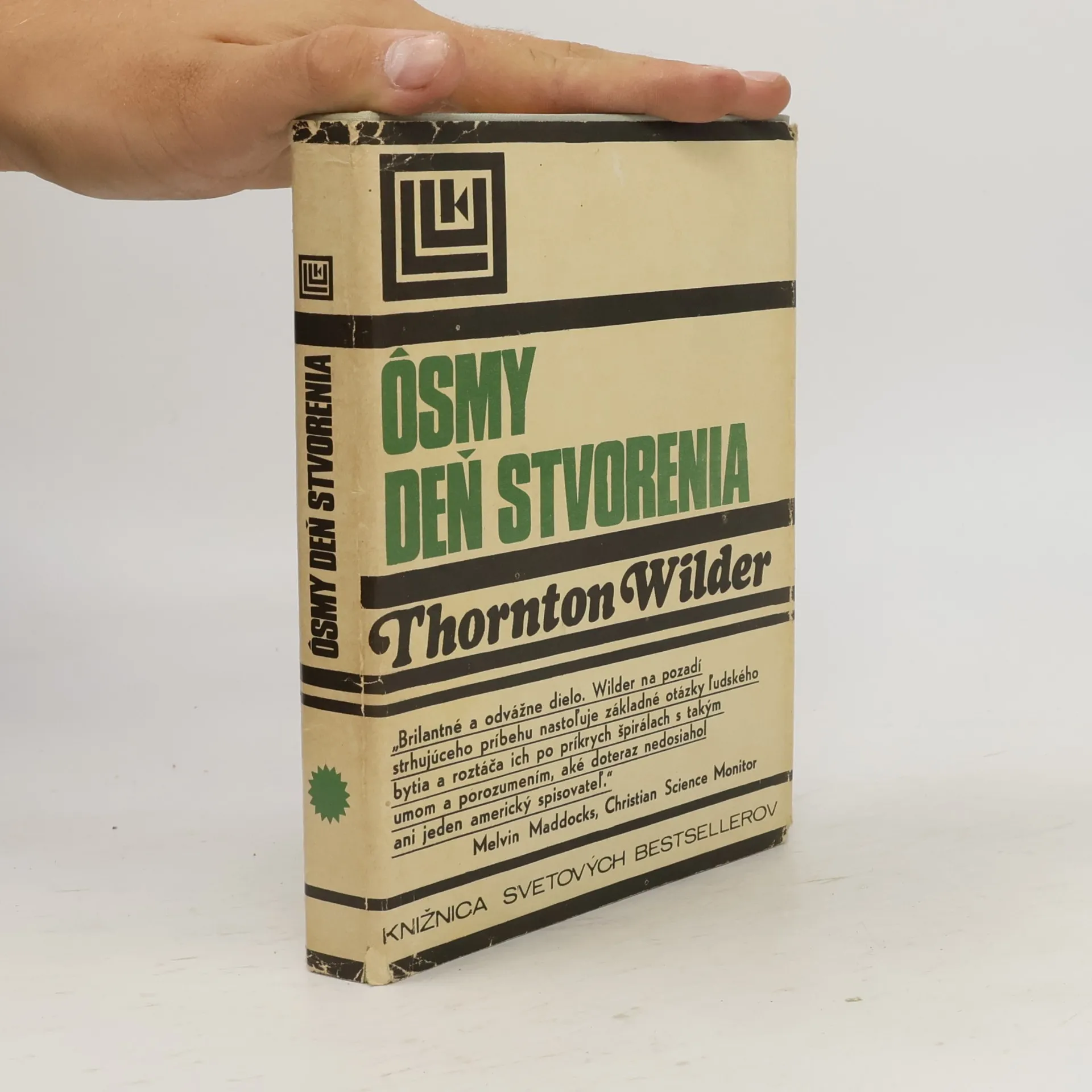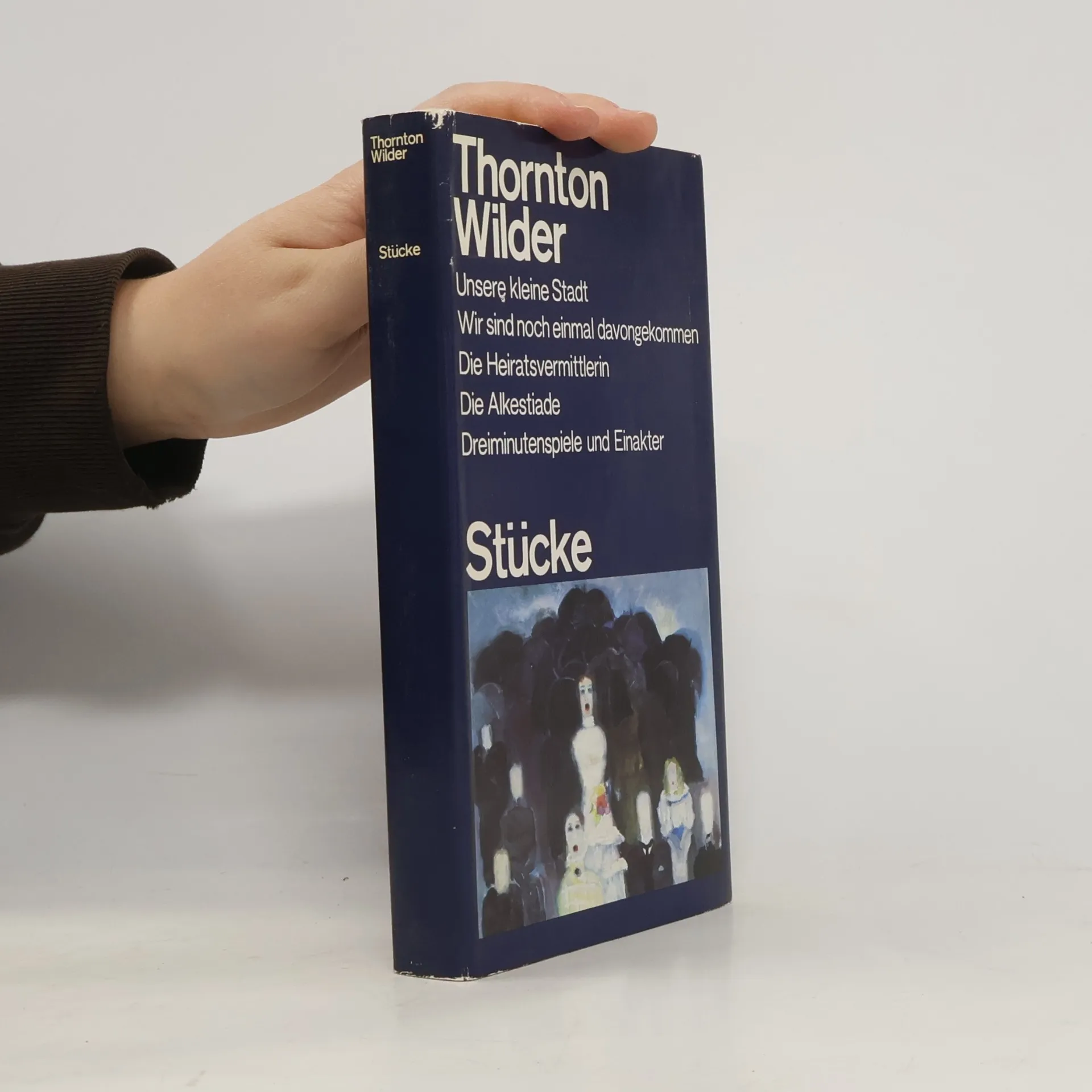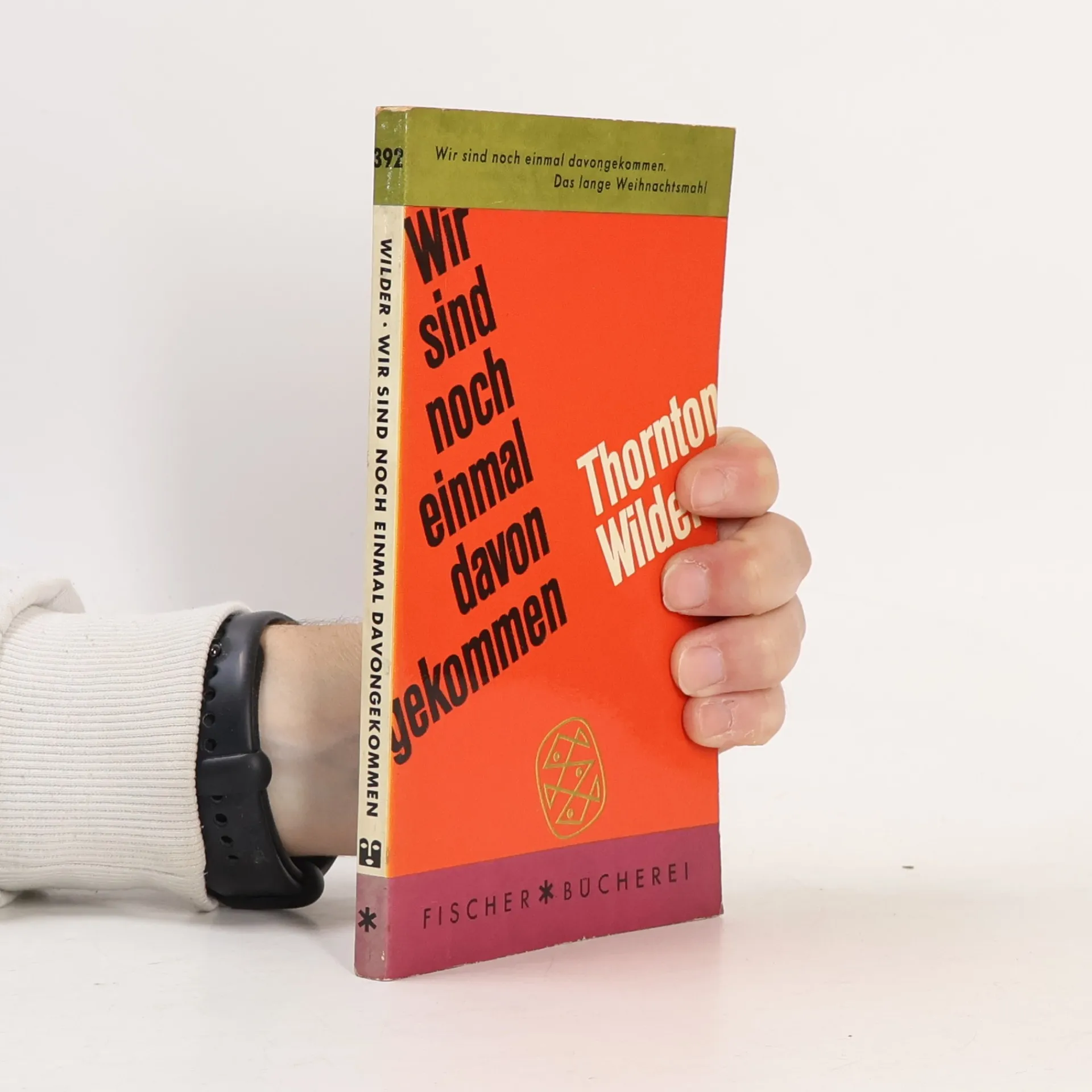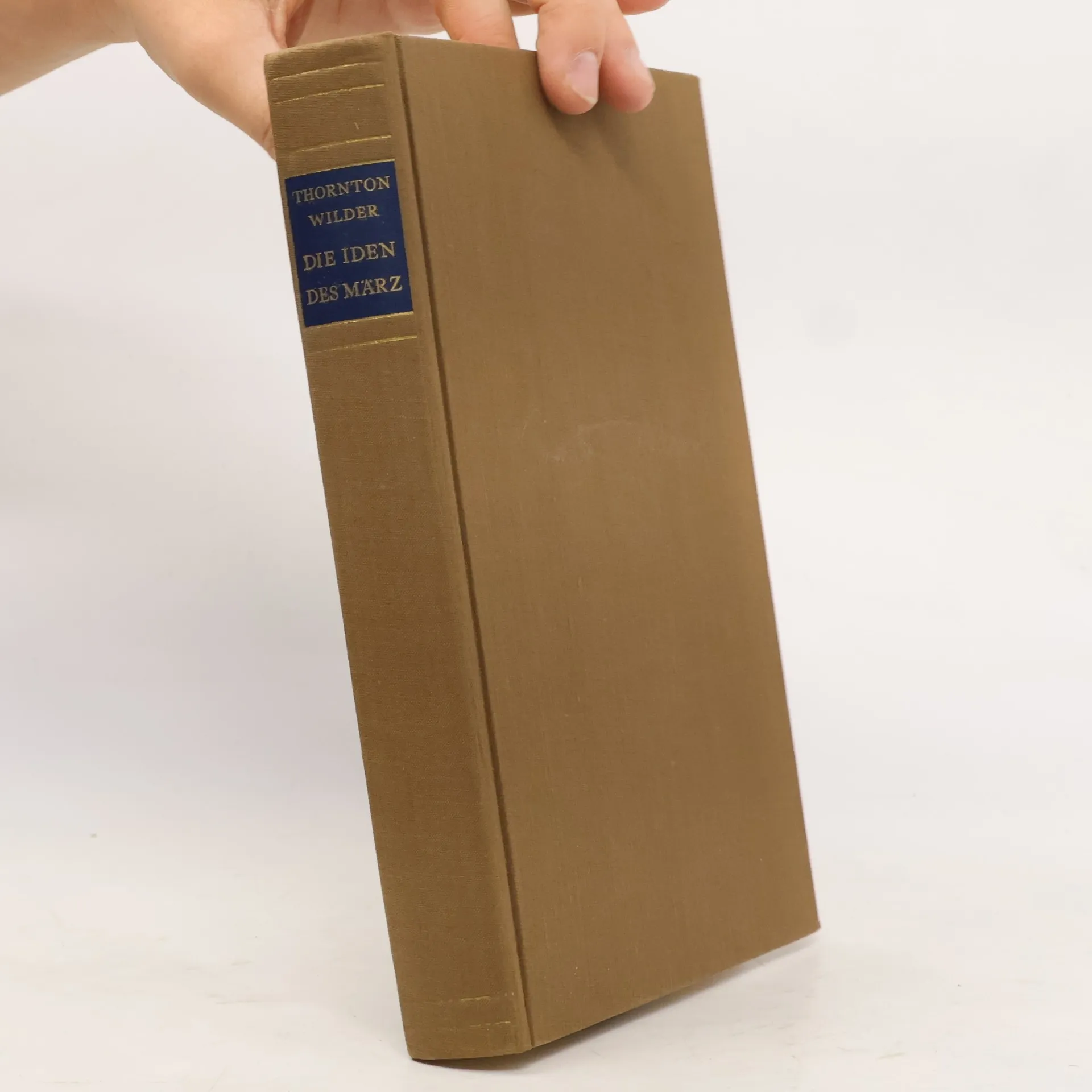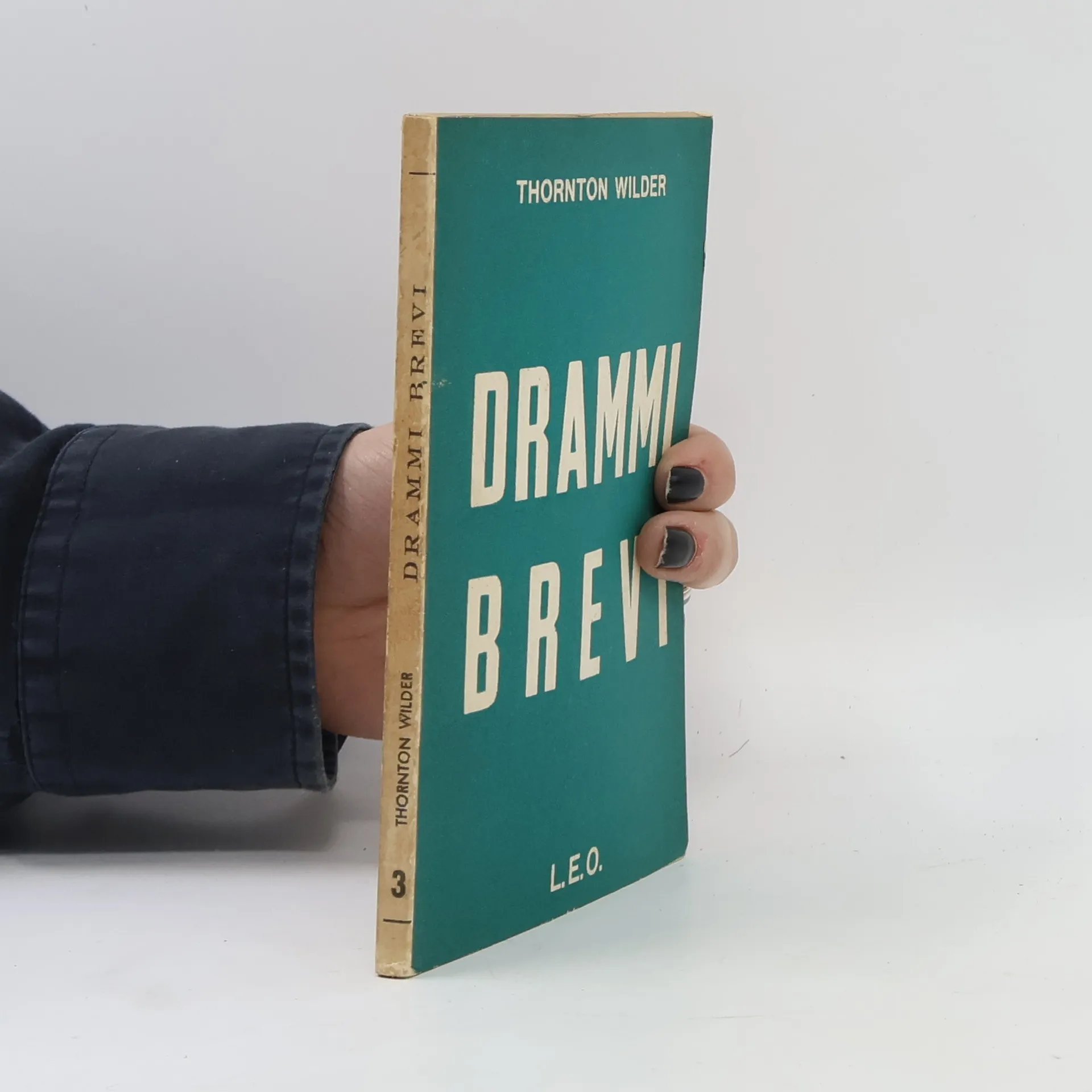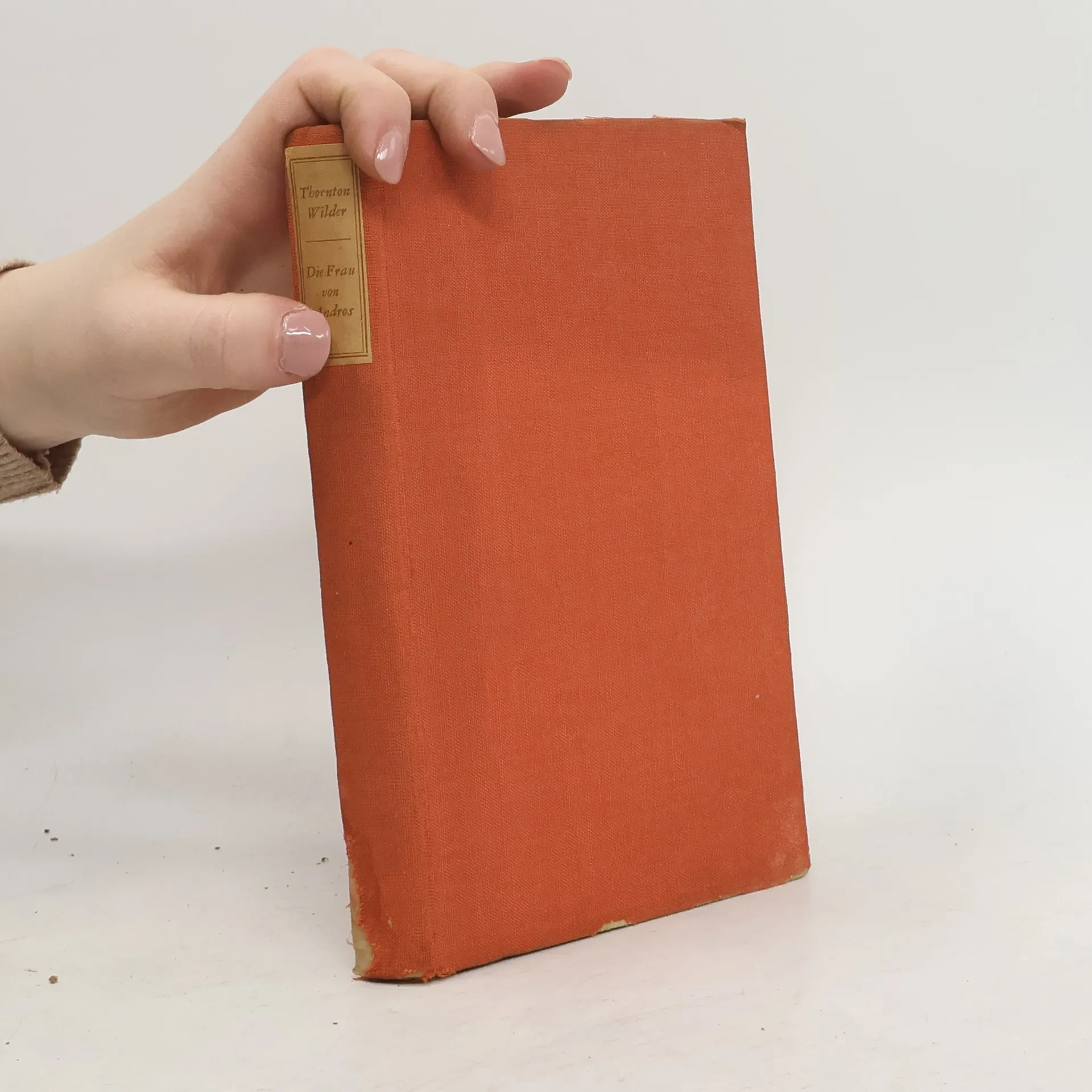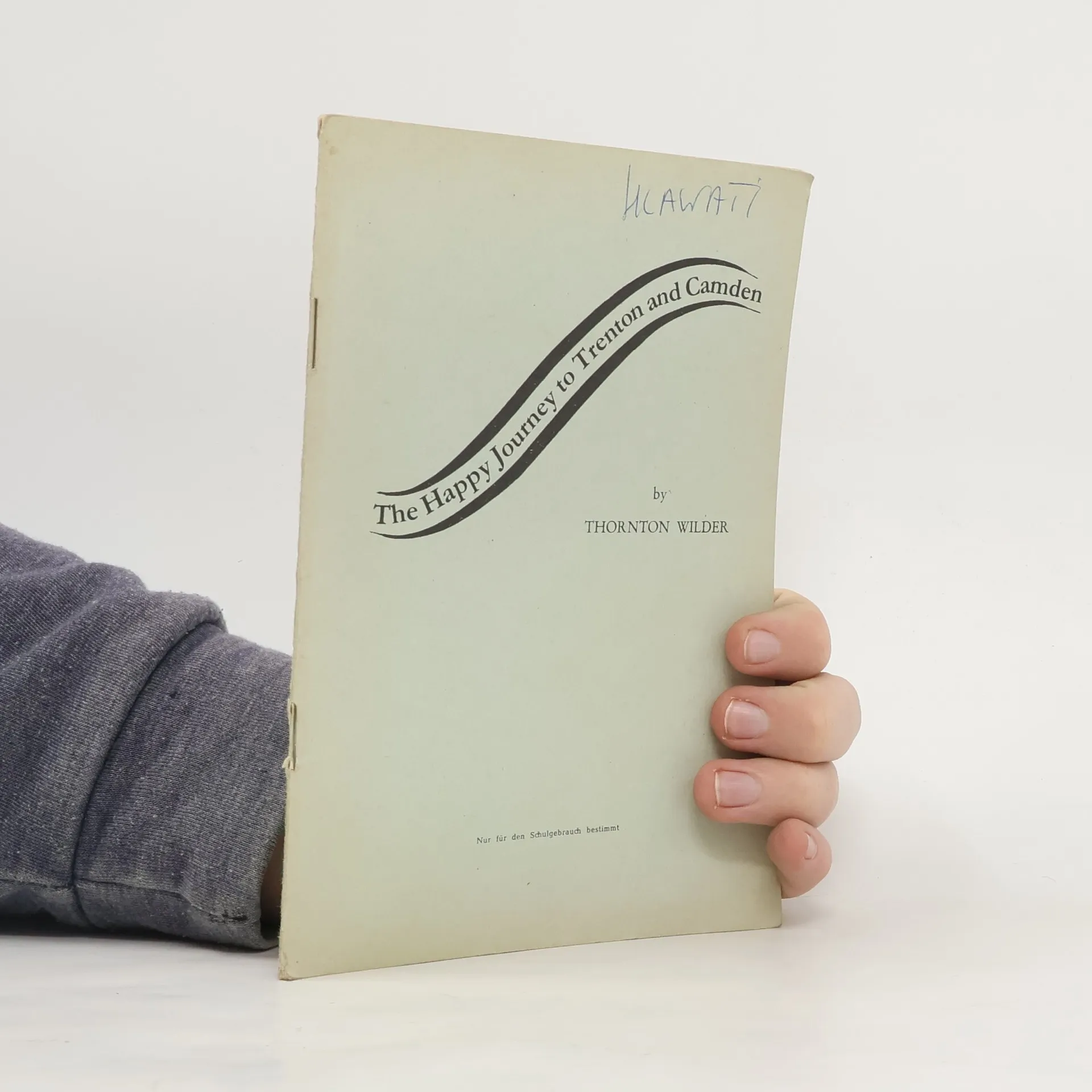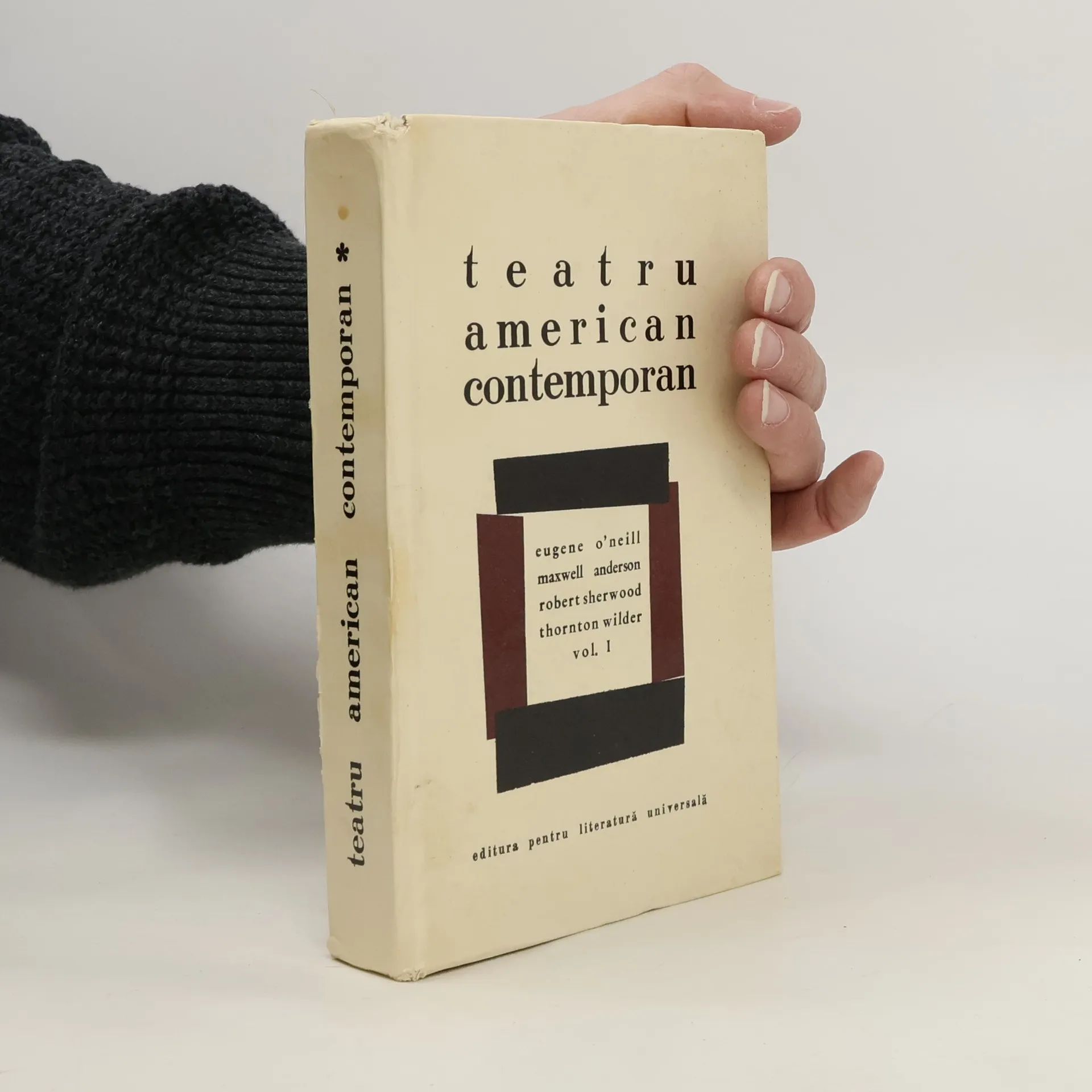

Thornton Wilder fue un dramaturgo y novelista estadounidense cuyas obras a menudo se adentran en temas universales de la existencia humana y los valores sociales. Entrelazó magistralmente el humor con una profunda reflexión, obteniendo reconocimiento por su capacidad única para capturar la esencia de la vida humana. Las obras de teatro y novelas de Wilder exploran las complejidades de las relaciones, el paso del tiempo y la búsqueda de significado en las experiencias cotidianas. Su influencia en el drama y la literatura modernos es innegable, ya que sus obras continúan resonando con lectores de todo el mundo.
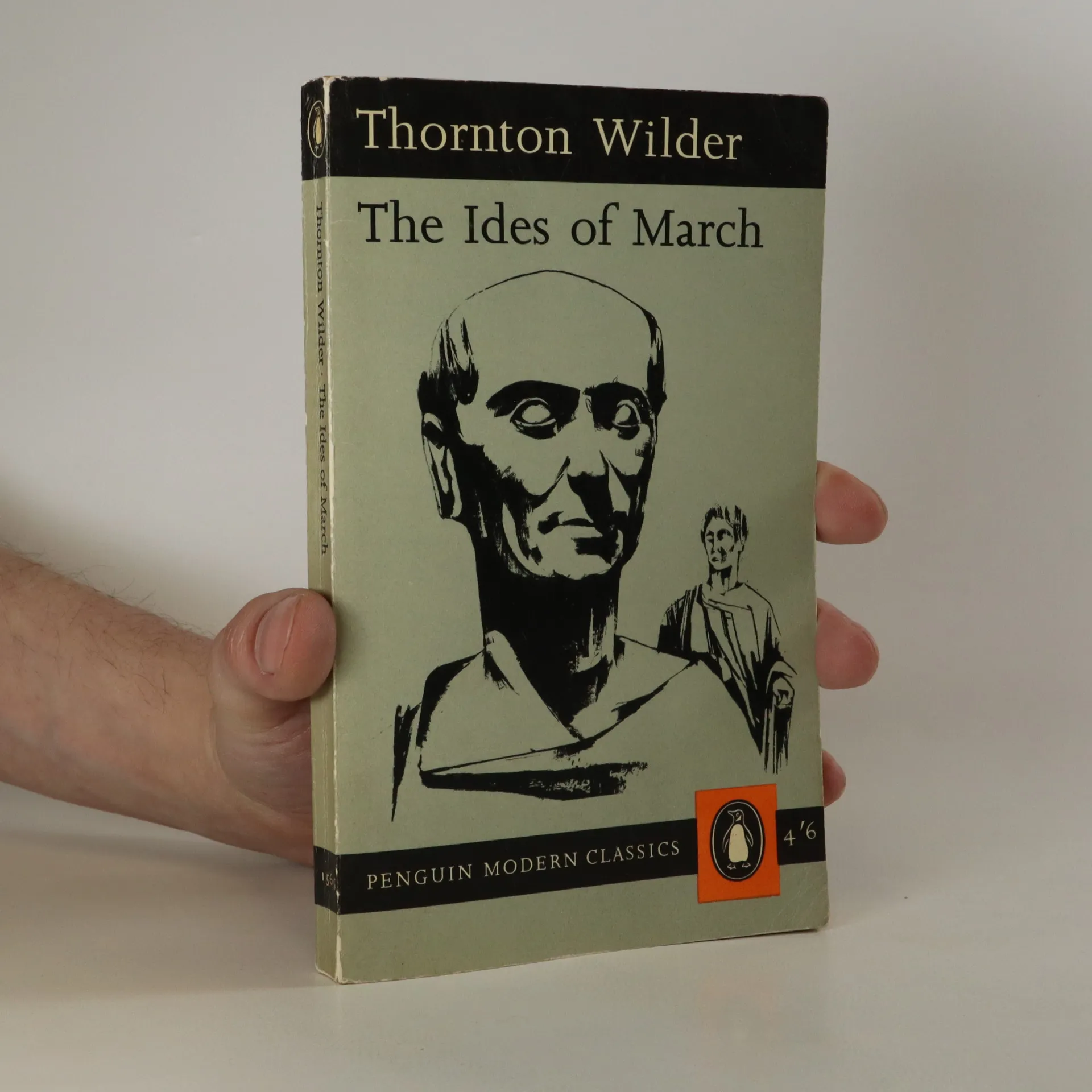
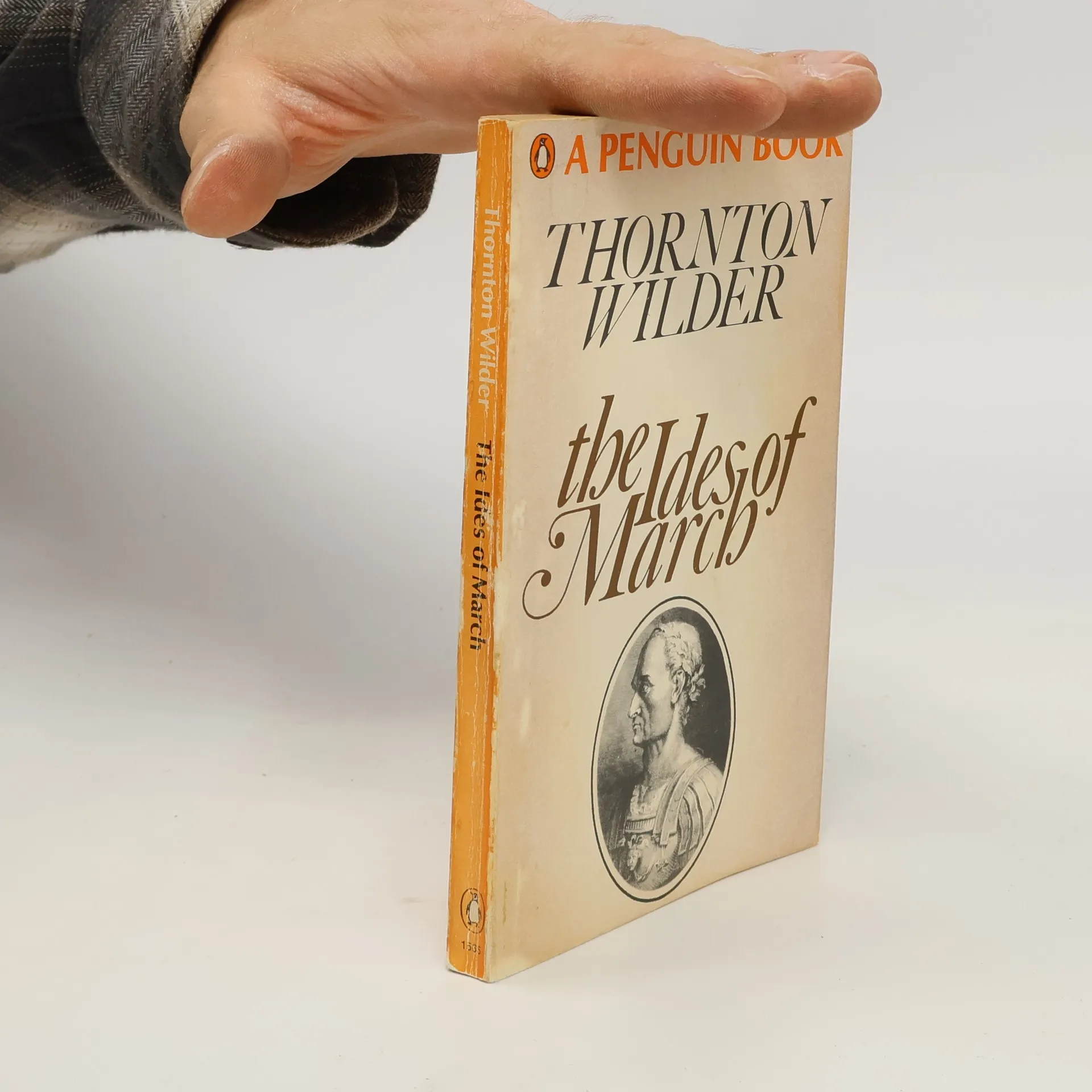
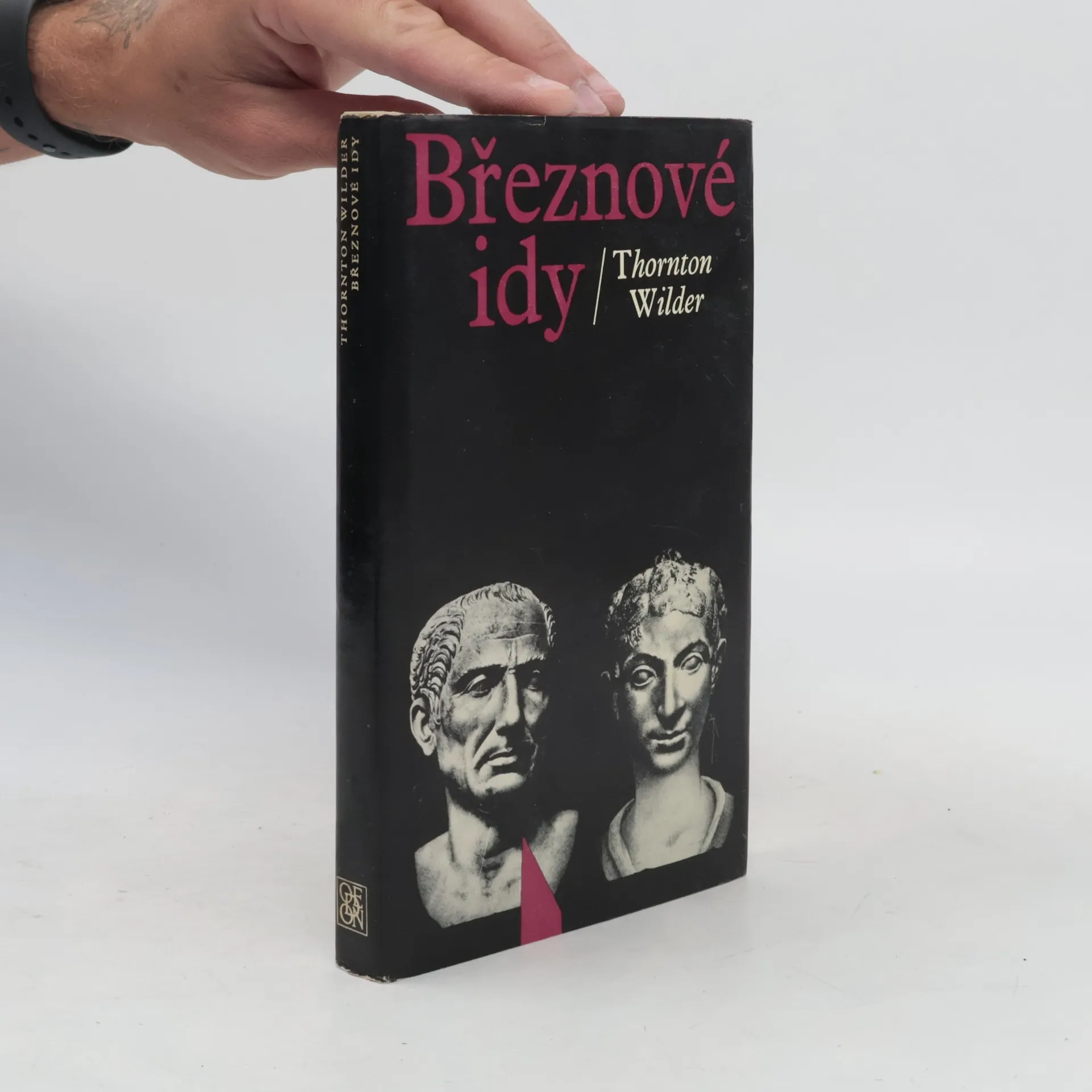
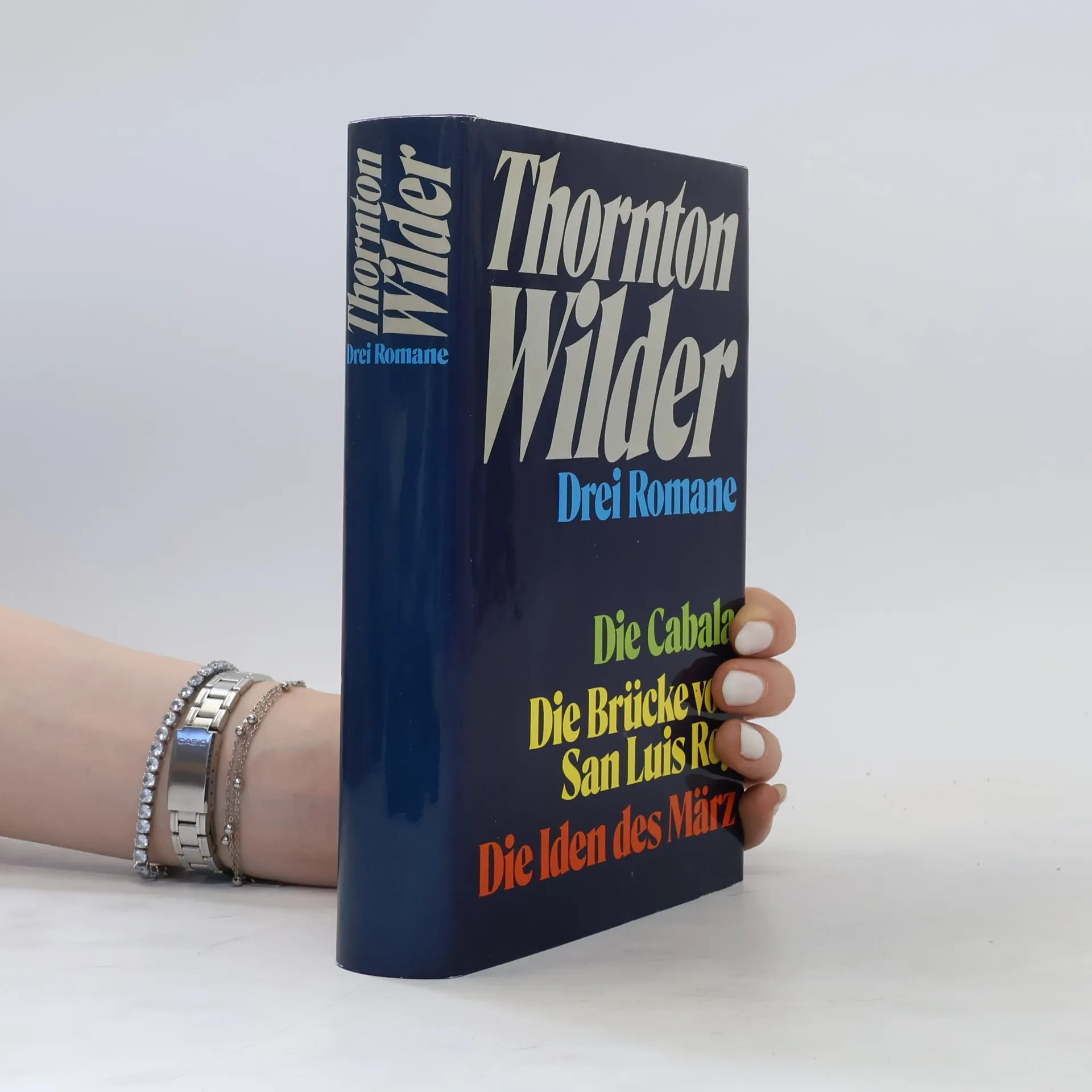
Novela epistolar situada en Roma en el año 45 a.C., un sugestivo acercamiento a la figura de César y su tiempo. Según Gabriel García Márquez es «una fuente deslumbrante de la grandeza y las miserias del poder».
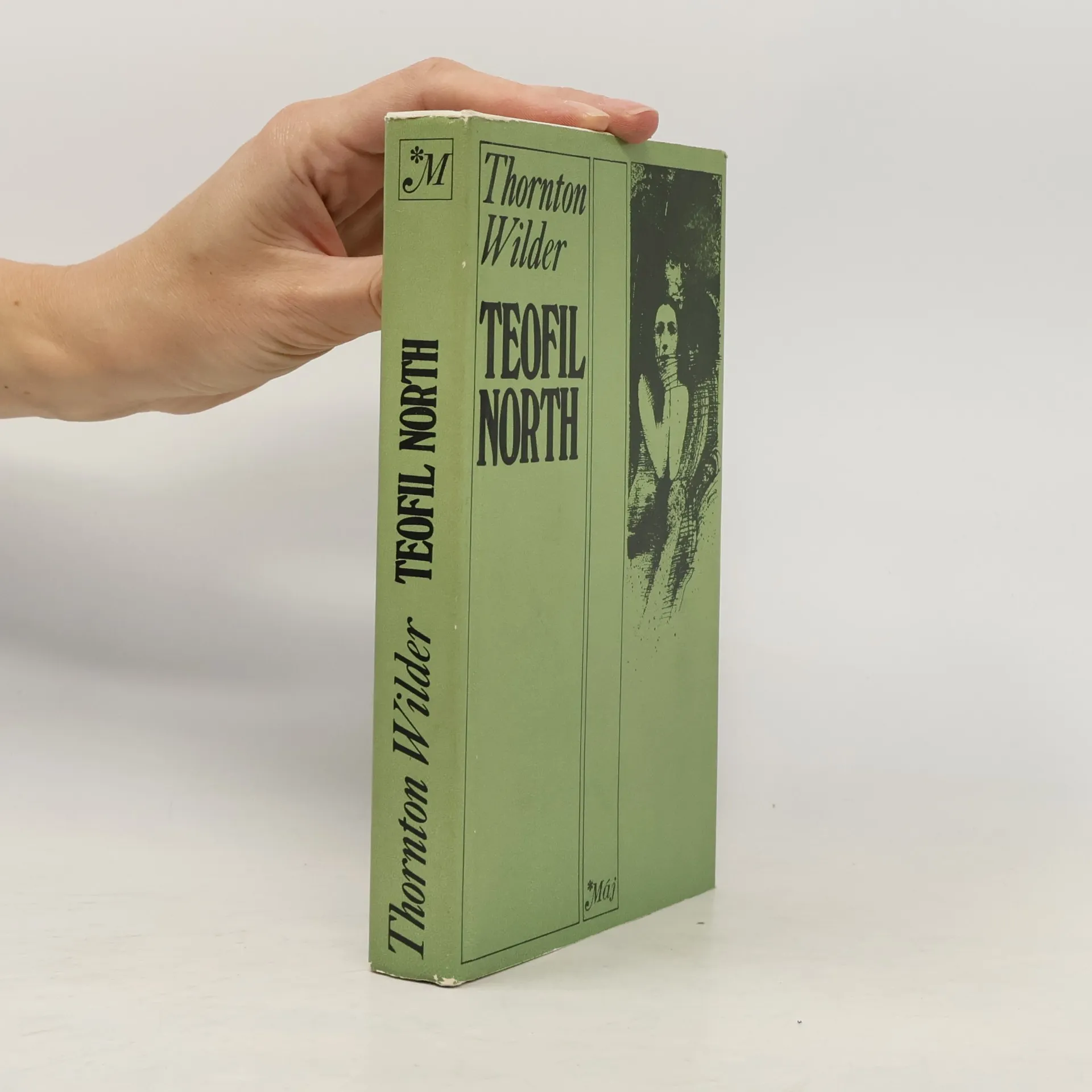
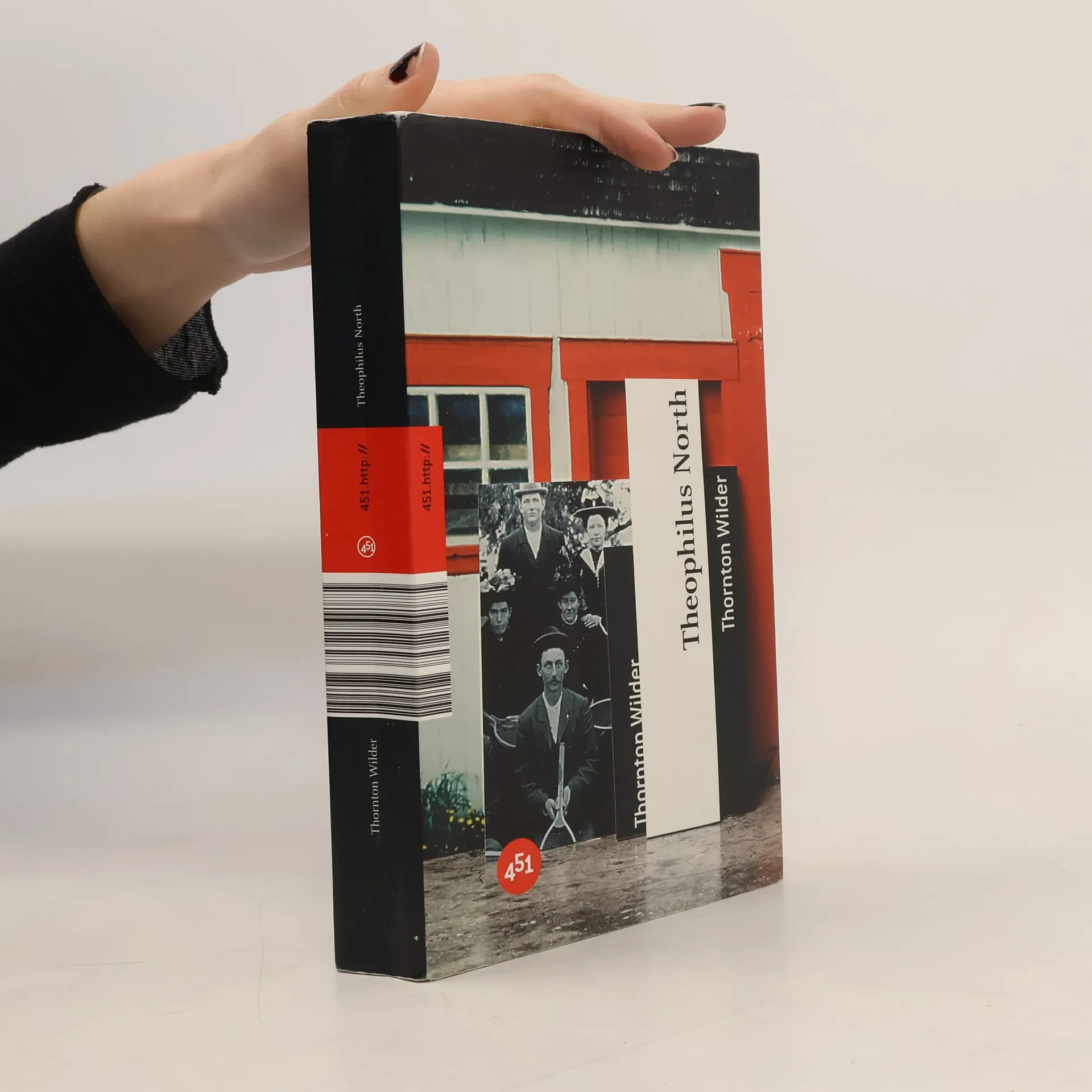
"Cualquier vida es trágica en la medida en que lo permite quien la vive. Publicada en 1973, Theophilus North fue la última gran obra de Thornton Wilder, que dotó a su personaje de su propia y excéntrica personalidad y recobró con ella algunos episodios de su juventud. El joven graduado en Yale Teophilus North emprende un viaje con el fin de conocer el mundo, pero una avería en el coche hace que no vaya muy lejos. Tras instalarse en Newport, Rhode Island, North busca trabajo en las grandes mansiones del lugar, habitadas por una sociedad entregada al ocio, y se sorprende adoptando, alternativamente, el papel de tutor, espía, amigo, confidente, amante y enemigo de las distintas personas que se van cruzando en su camino, enredado siempre en la búsqueda de las experiencias necesarias para hacerse con una base moral en la que sustentar su futura obra literaria y su vida."
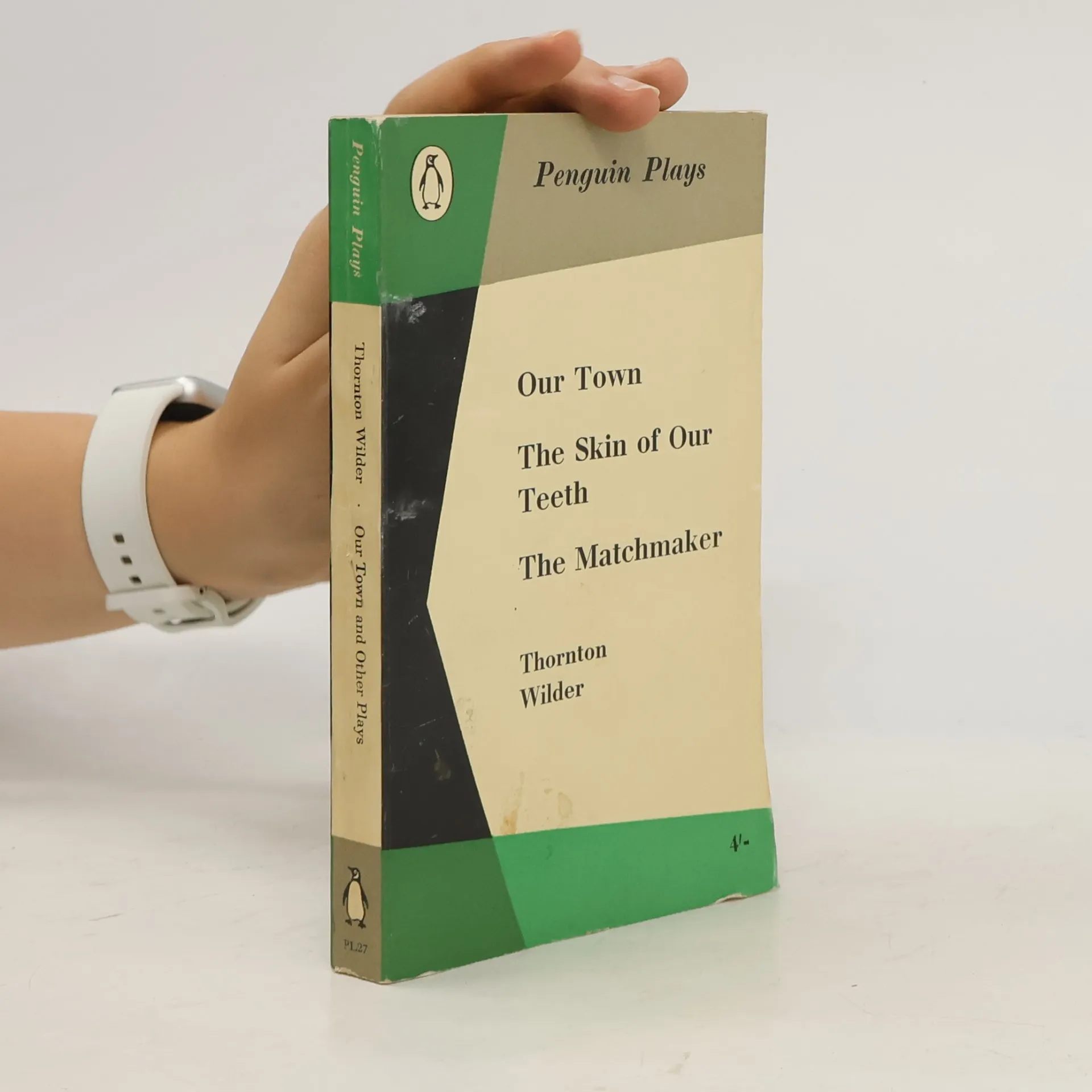
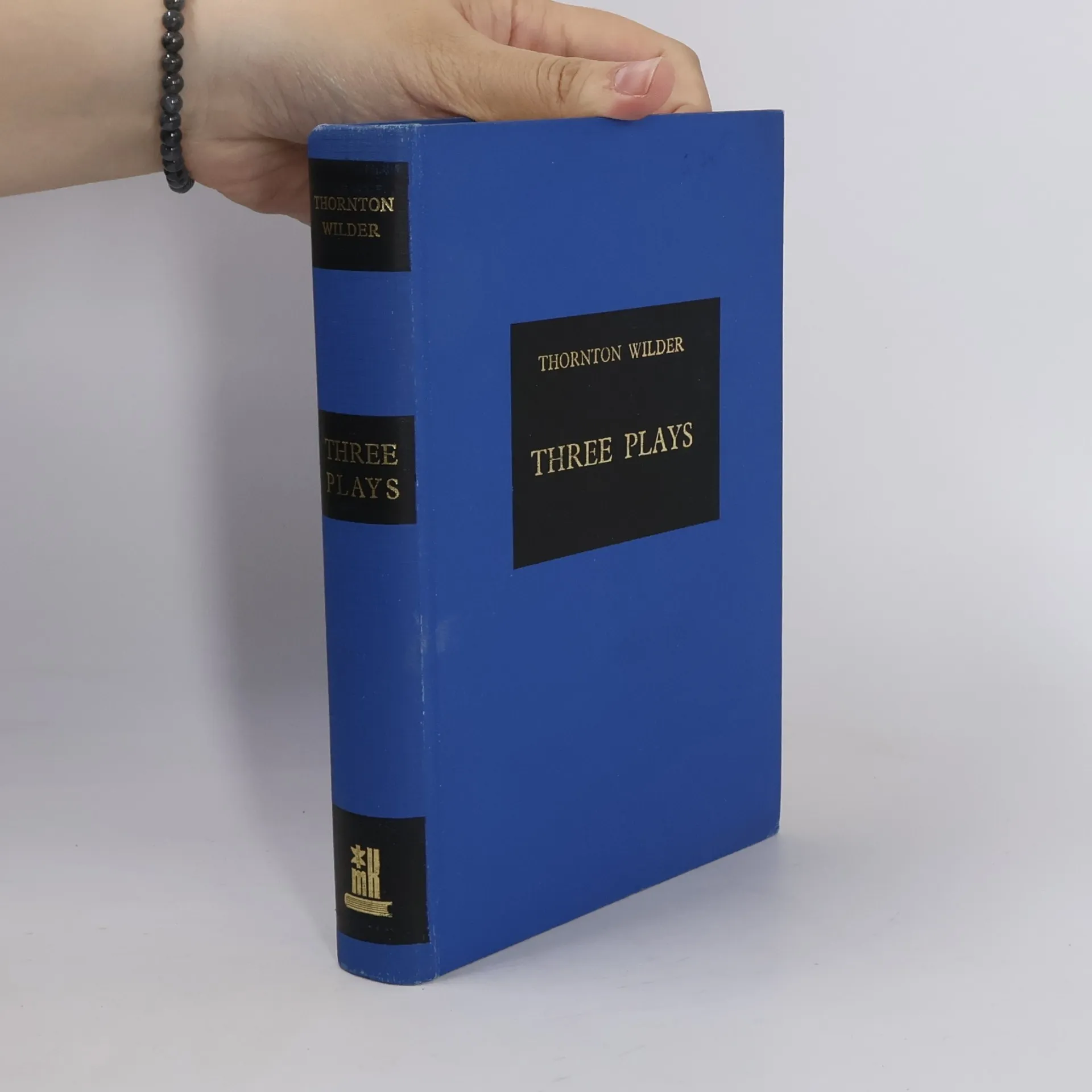
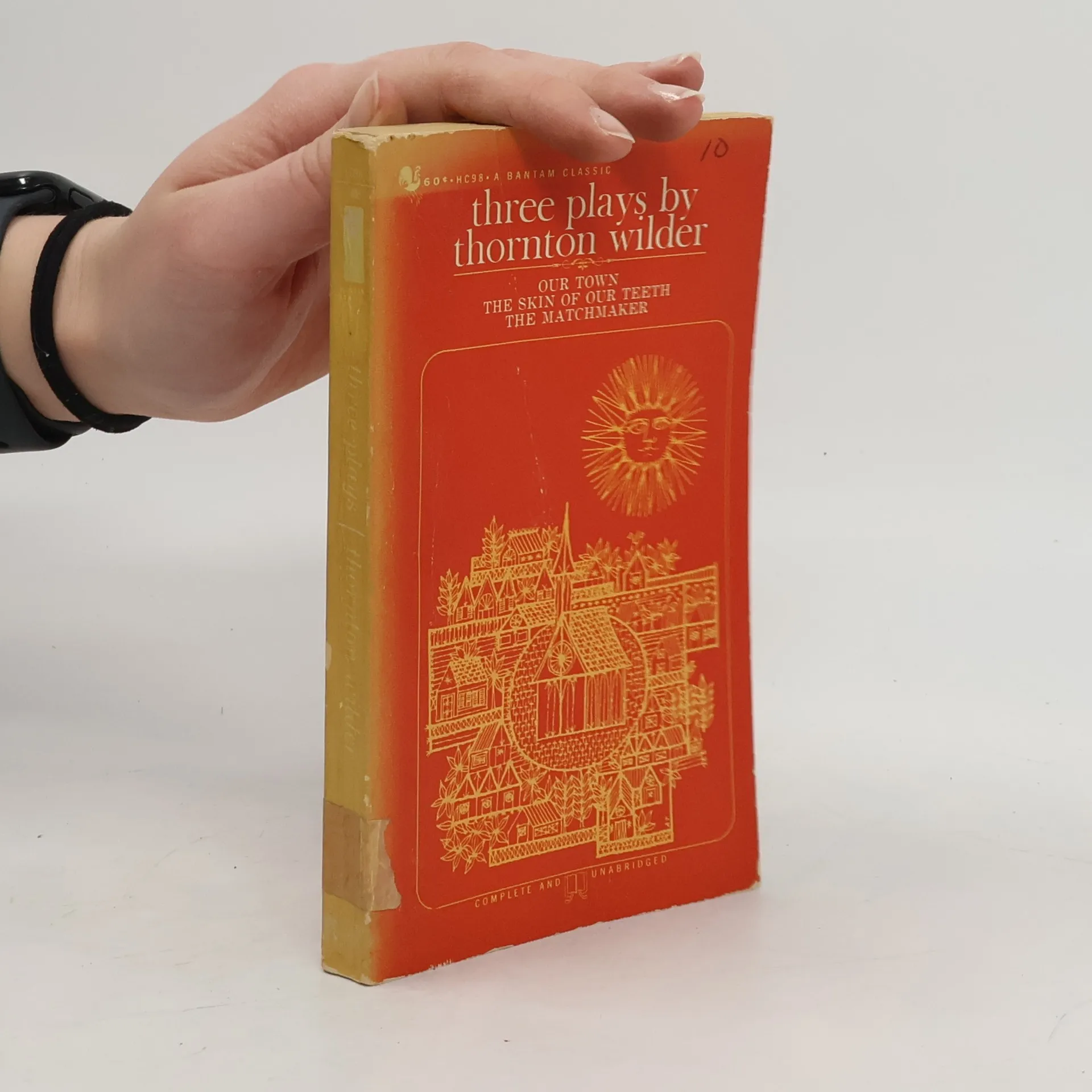
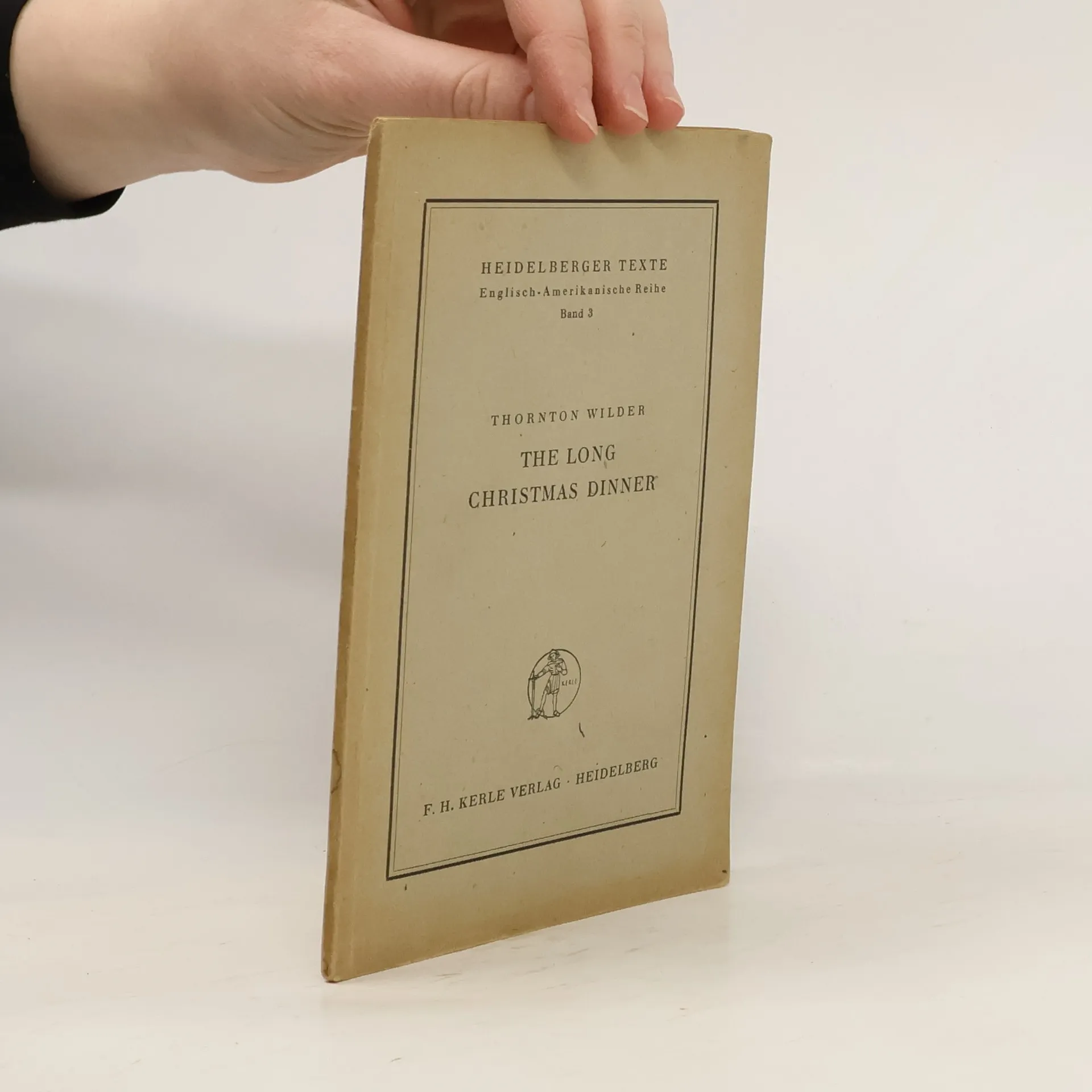
Our Town, the Skin of Our Teeth, and the Matchmaker
464 páginas
17 horas de lectura
The enduring power of Thornton Wilder's work lies in its ability to connect audiences to their shared humanity through the theater. His plays resonate with timeless themes that encourage reflection and understanding among people. The description highlights the importance of live performance in preserving Wilder's legacy and the universal truths found in his storytelling.
"Meet George Marvin Brush--Don Quixote come to Main Street in the Great Depression, and one of Thornton Wilder's most memorable characters. George Brush, a traveling textbook salesman, is a fervent religious convert who is determined to lead a good life. With sad and sometimes hilarious consequences, his travels take him through smoking cars, bawdy houses, banks, and campgrounds from Texas to Illinois--and into the soul of America itself."--Amazon.com description
A Man Full of Nothing / The Talisman / Love Affairs and Wedding Bells
258 páginas
10 horas de lectura
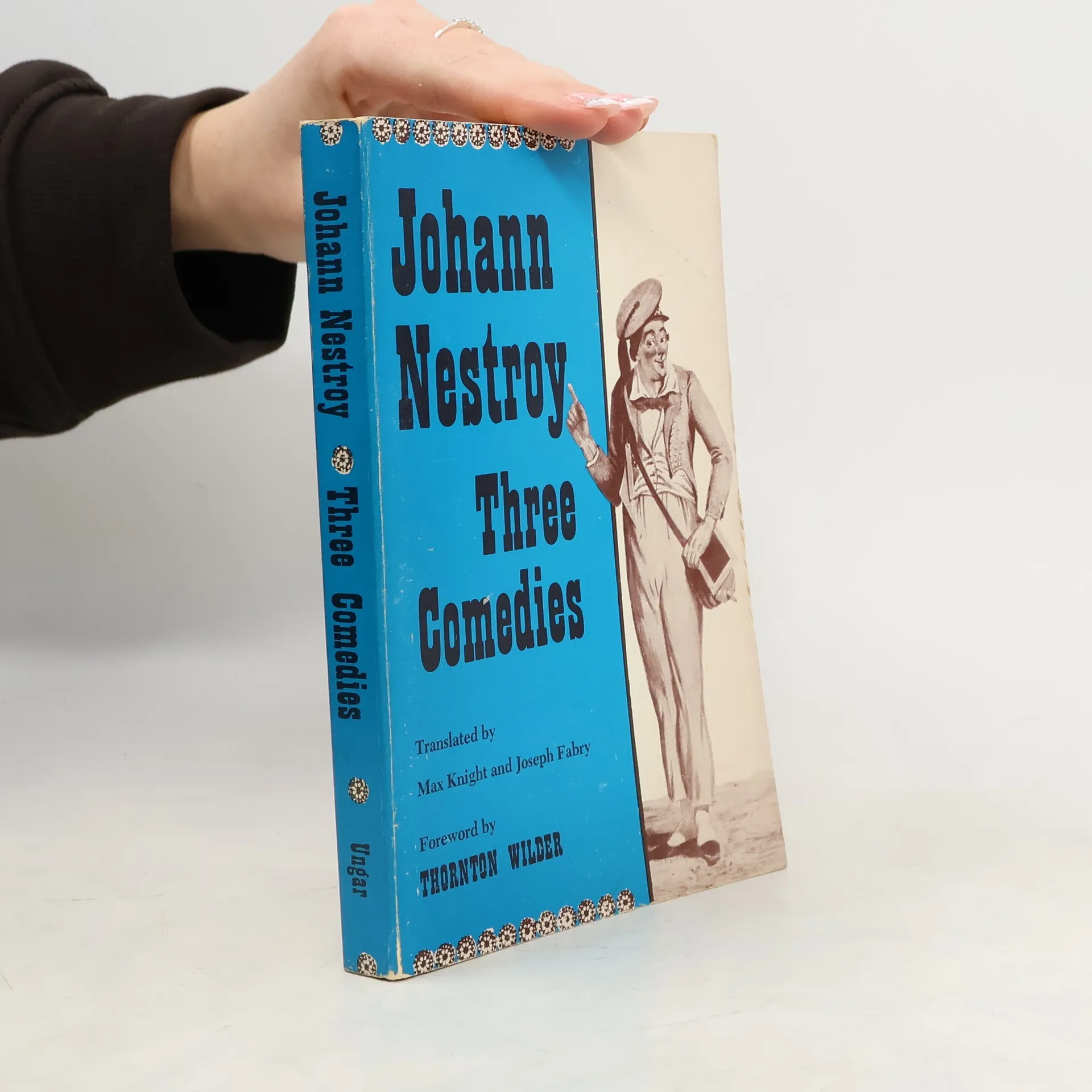
Nestroy's three comedies will acquaint the English-speaking public with the colorful nineteenth-century Viennese dramatist and actor, whom they may know only through Thornton Wilder's adaptation of a Nestroy play as The Matchmaker, which ultimately became the popular musical Hello, Dolly! Nestroy is still widely played in Germany, Switzerland, and especially in Austria. The comedies included here are among his best and have already been performed by drama groups in the United States. The translation successfully overcomes the formidable challenge of Nestroy's wide use of wordplay and the Viennese idiom and offers the reader a sparkling version of the three comedies. In their introduction the translators tell how and why they undertook the task.
Set in the vibrant world of ancient Rome during Julius Caesar's time, this classic novel by Thornton Wilder explores the complexities of power, ambition, and the human experience. The narrative vividly captures the political intrigue and cultural richness of the era, offering a timeless reflection on the nature of leadership and society. The new introduction by Jeremy McCarter adds contemporary insight, connecting the historical themes to modern audiences.
A guide to reading "Our Town" with a critical and appreciative mind encourages analysis of plot, style, form, and structure, and includes background on the author's life and times, sample tests, and a reading list
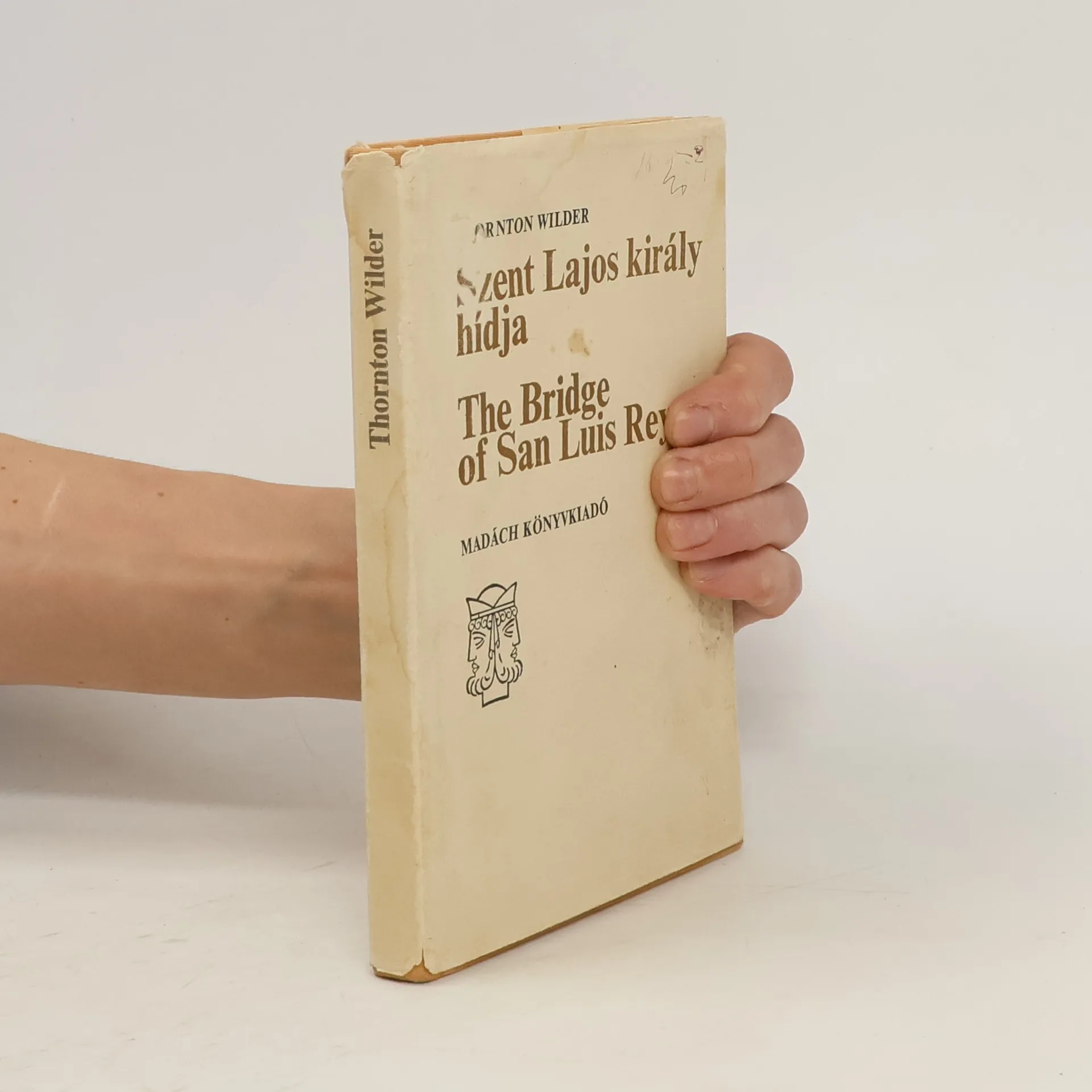
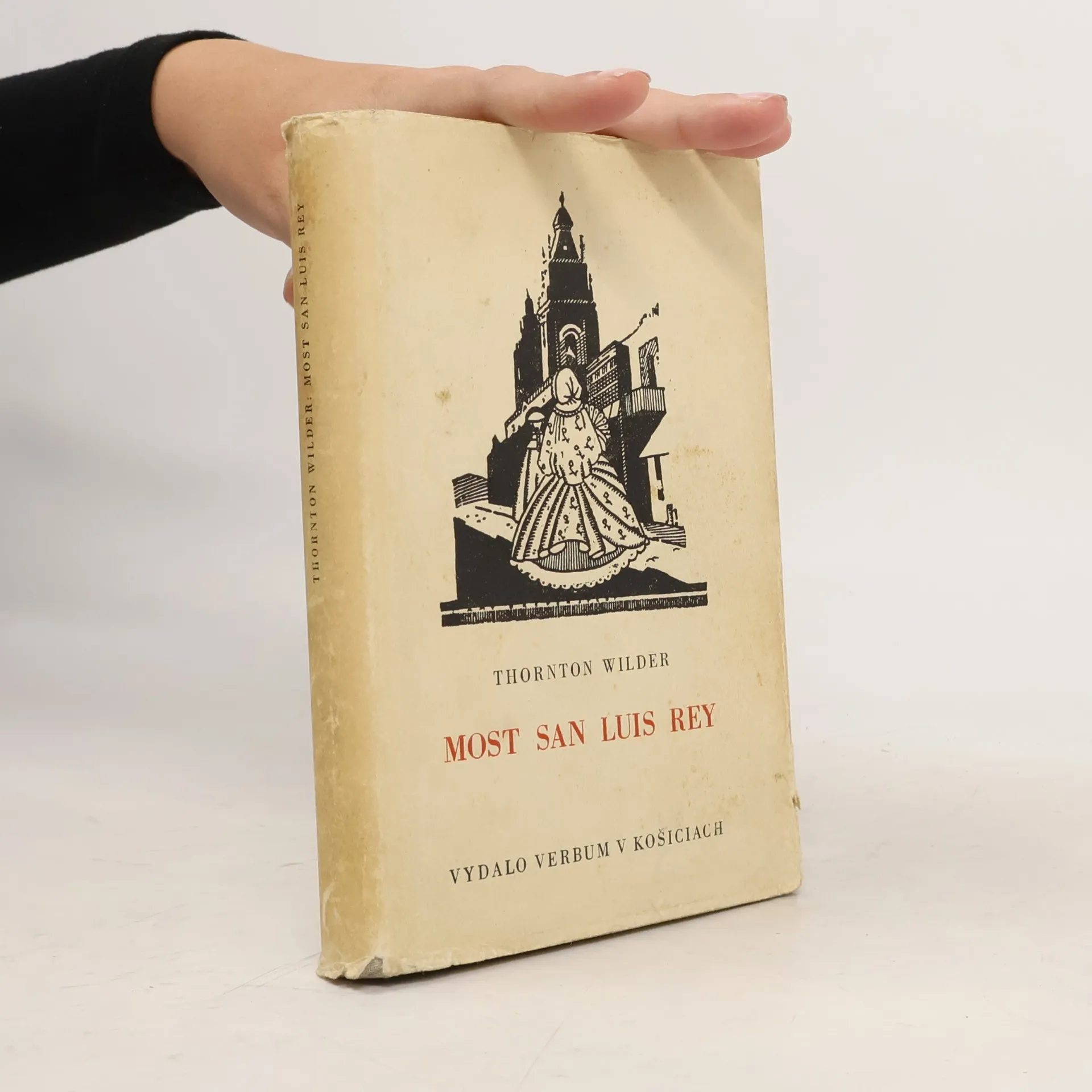
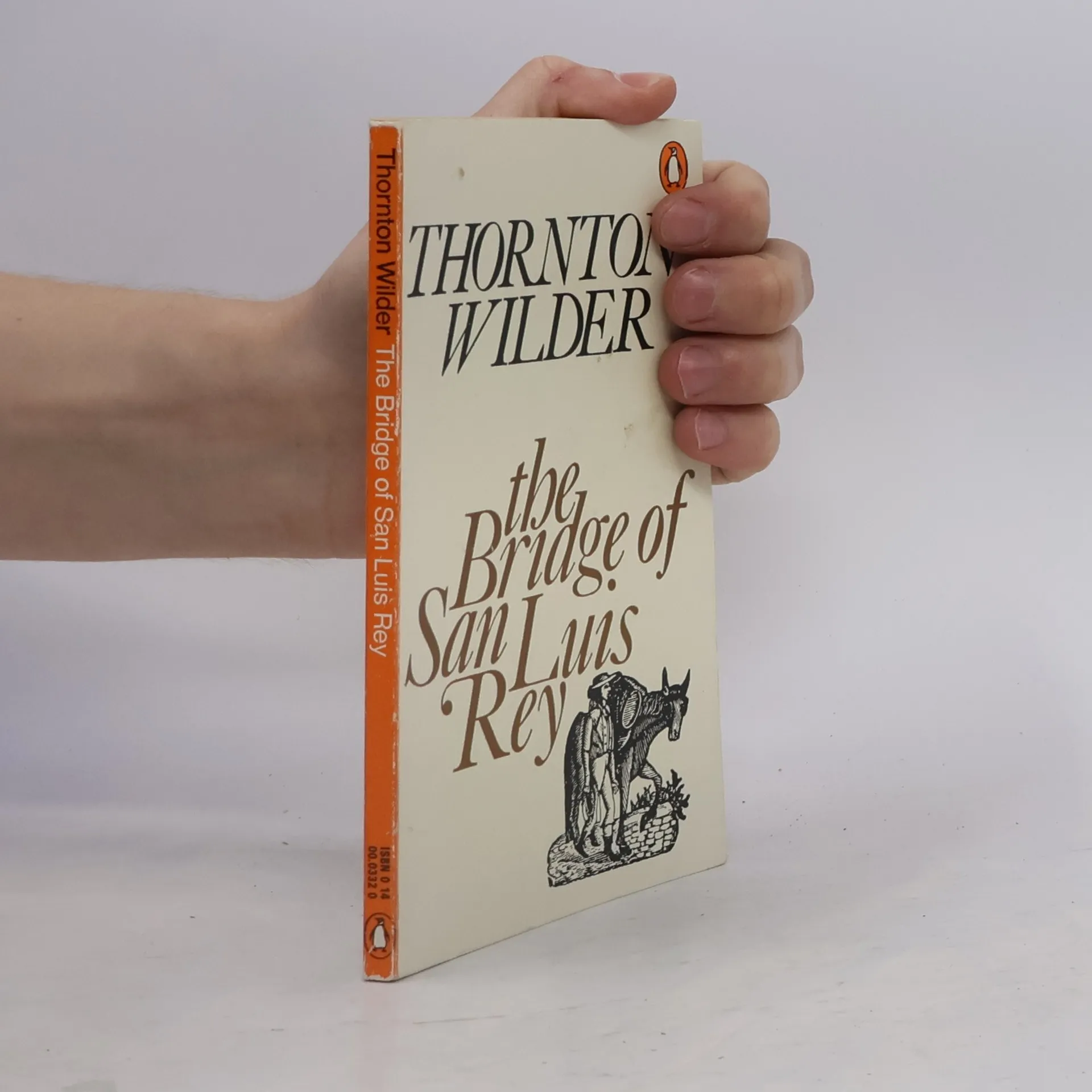
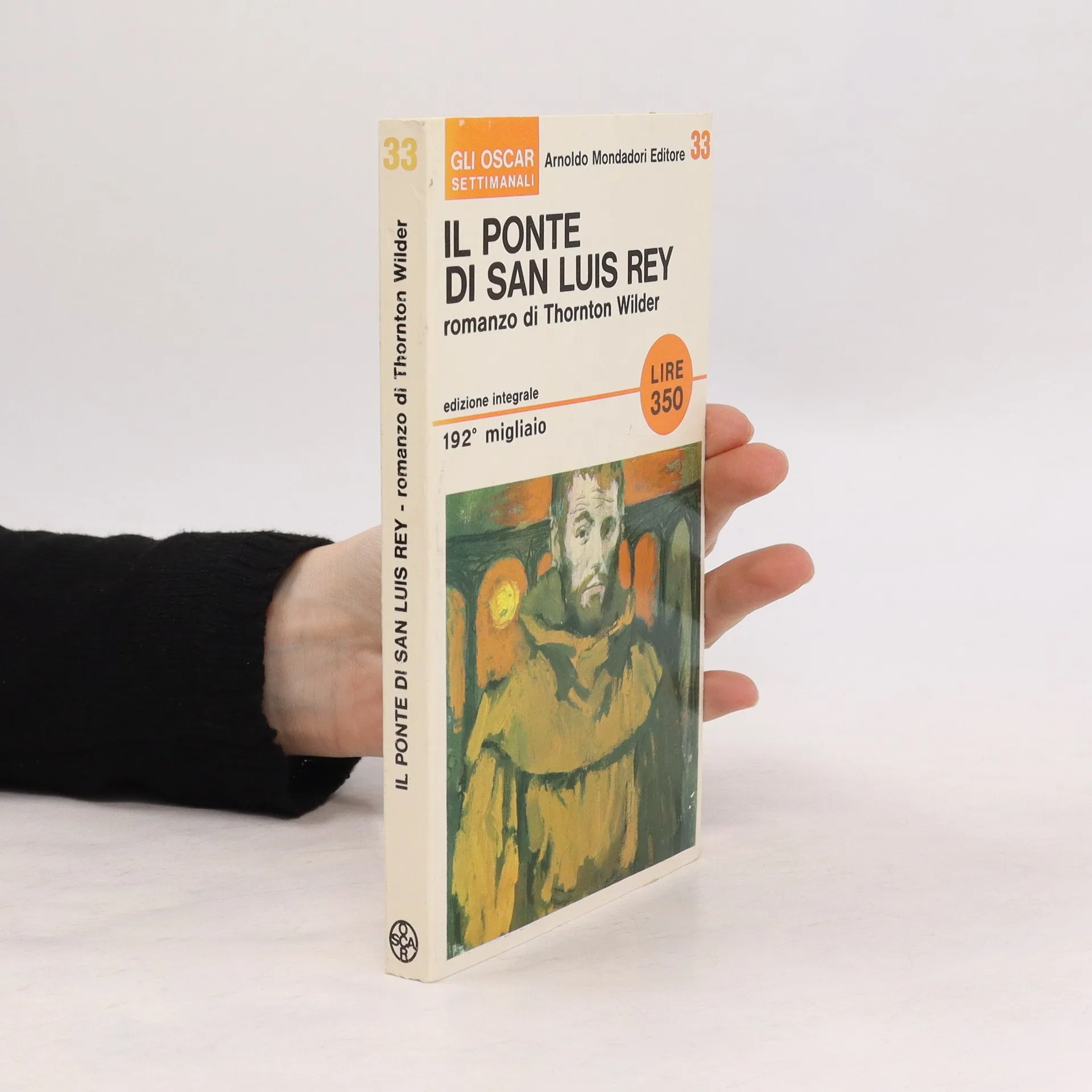
"On Friday noon, July the twentieth, 1714, the finest bridge in all Peru broke and precipitated five travelers into the gulf below." With this celebrated sentence, Thornton Wilder begins The Bridge of San Luis Rey, one of the towering achievements in American fiction and a novel read throughout the world. By chance, a monk witnesses the tragedy. Brother Juniper seeks to prove that it was divine intervention rather than chance that led to the deaths of those who perished in the tragedy. His study leads to his own death -- and to the author's timeless investigation into the nature of love and the meaning of the human condition.
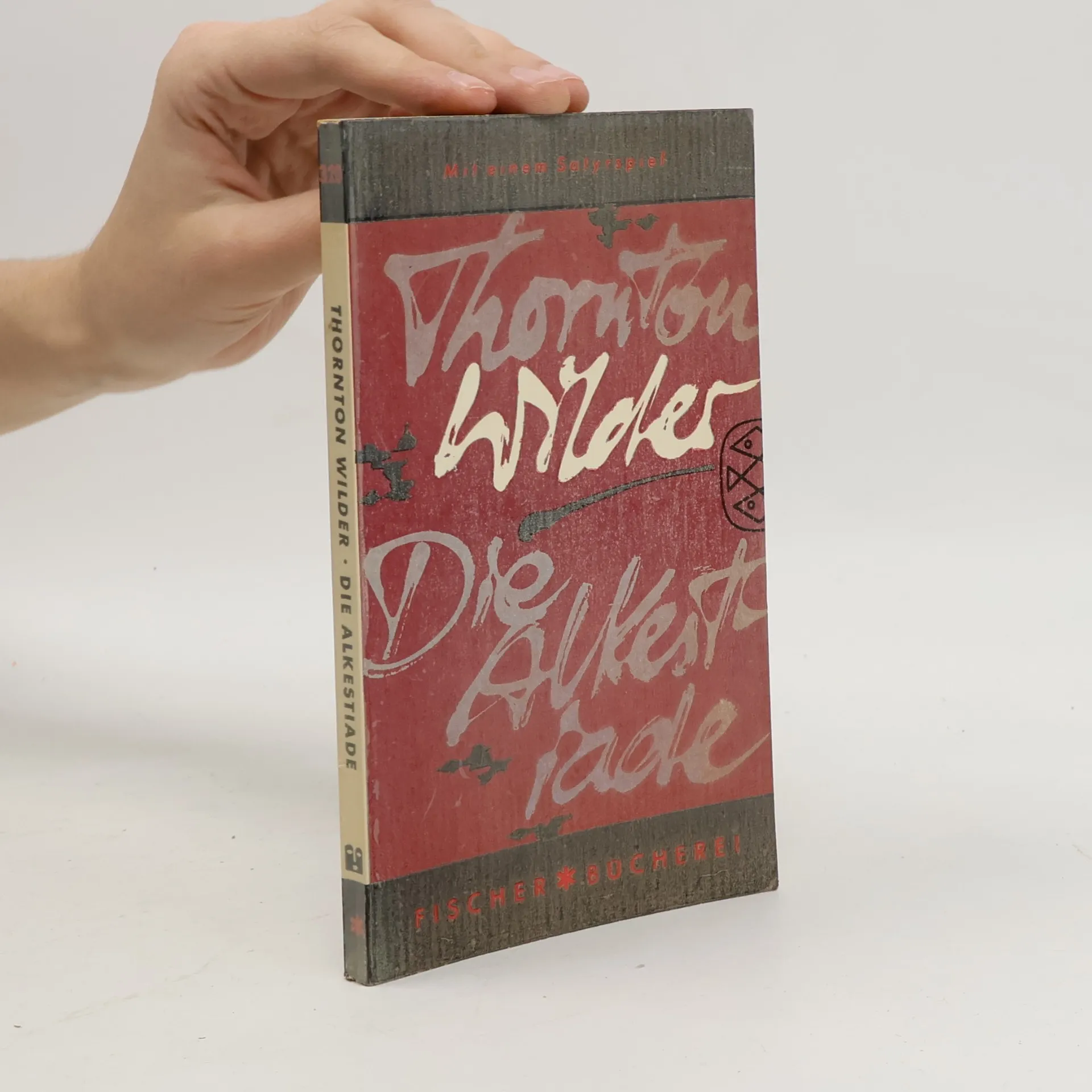
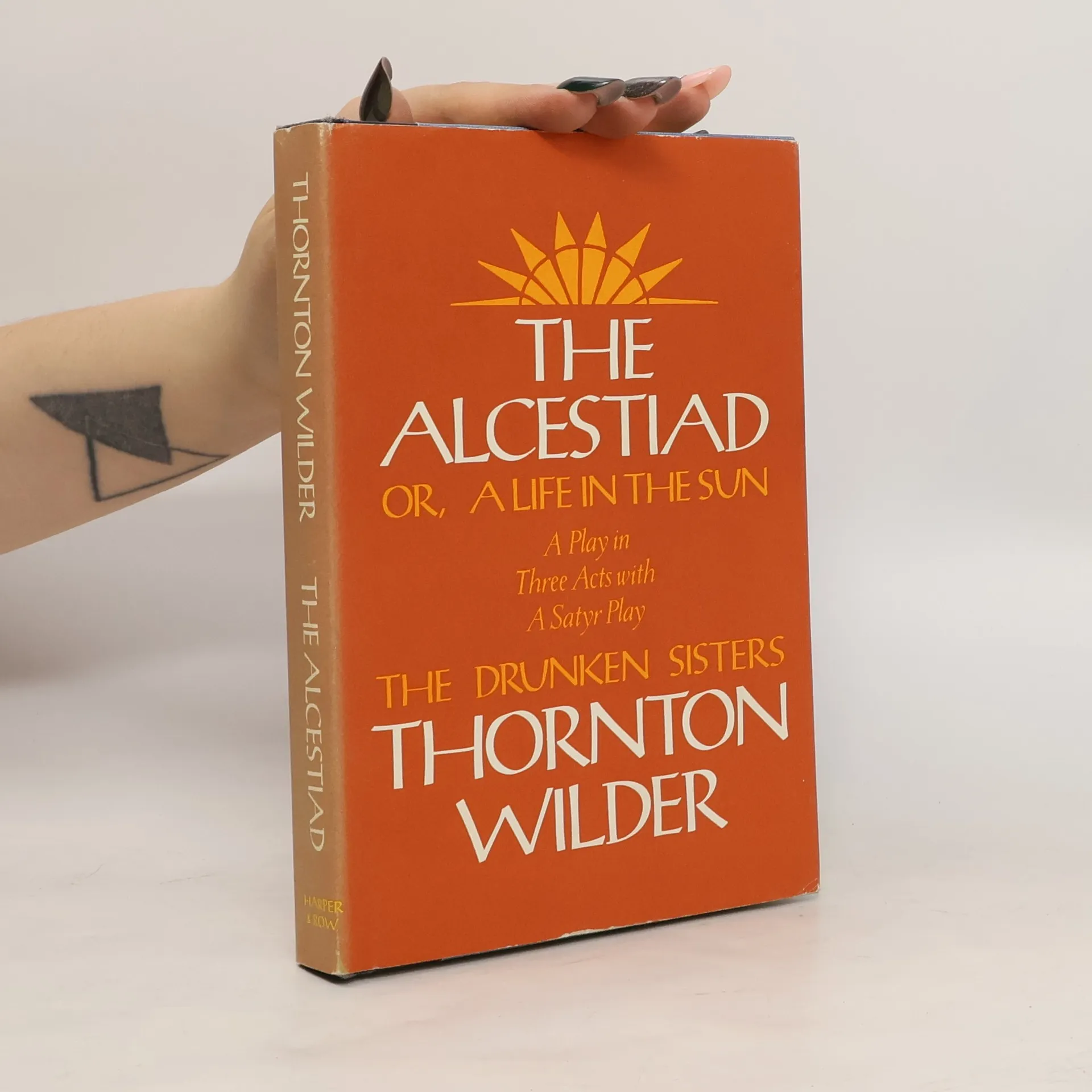
In The Alcestaid Thornton Wilder retells for us the ancient legend of Alcestis, Queen of Thessaly, who gave her life for her husband Admetus, beloved of the Sun Apollo, and was brought back from Hell by Hercules. Wilder's Alcestis is a seeker after understanding, to whom "there is only misery, and that is ignorance." Her life as wife, mother, Queen -- like Emily;s in Our Town -- is apparently idyllic happiness is destroyed by death. But neither death or happiness is what it seems to be, and the tragedy id Apollo's "song in motion...an unfolding -- a part of something larger than we can see." It is followed, according to Greek tradition, by a comic 'satyr' a one-act "diversion" in which Apollo, disguised as a kitchen-boy, confounds The Drunken Sisters -- the Fates -- to save the life of Admetus.
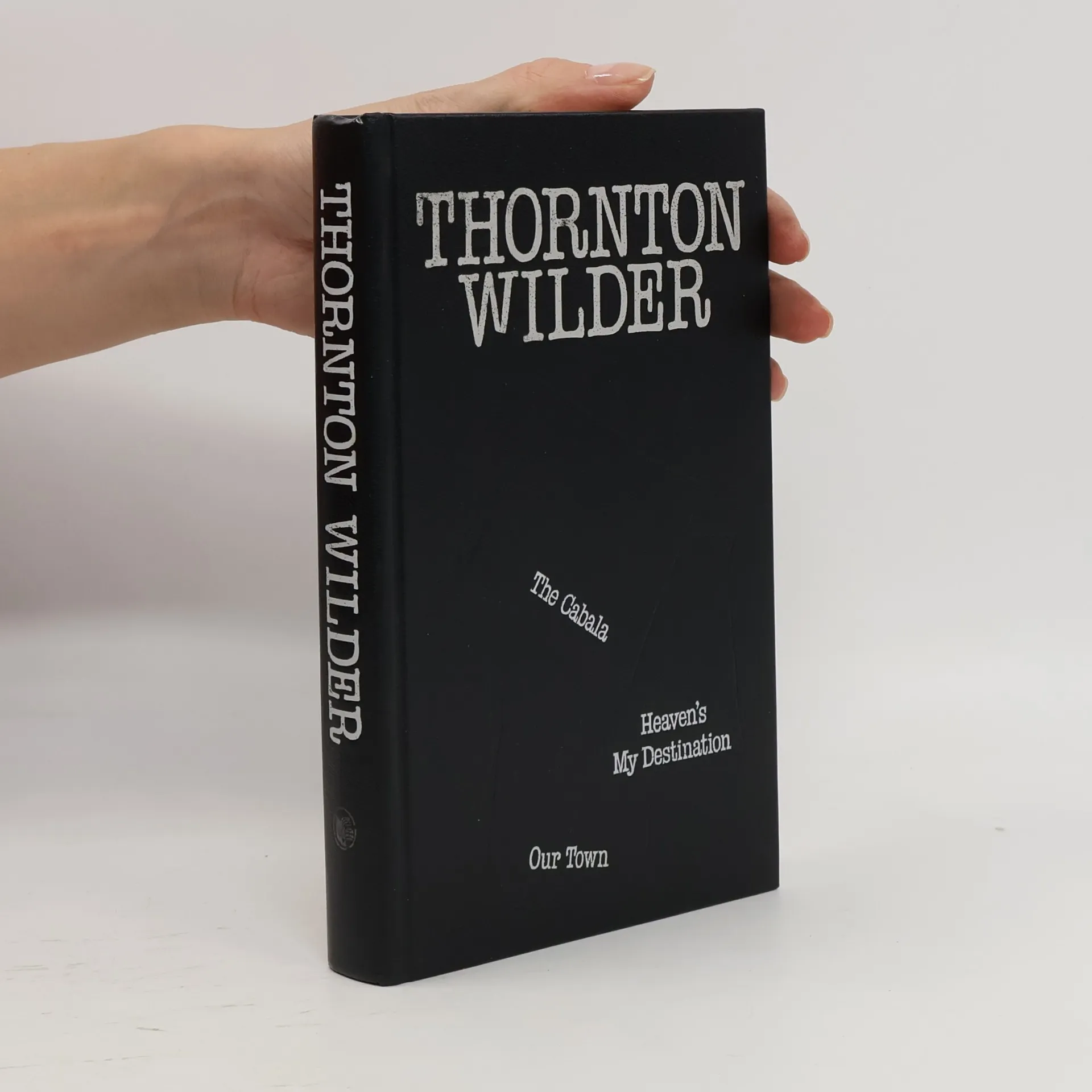
Our Town was first produced and published in 1938 to wide acclaim. This Pulitzer Prize-winning drama of life in the town of Grover 's Corners, an allegorical representation of all life, has become a classic. It is Thornton Wilder's most renowned and most frequently performed play. It is now reissued in this handsome hardcover edition, featuring a new Foreword by Donald Margulies, who writes, "You are holding in your hands a great American play. Possibly the great American play." In addition, Tappan Wilder has written an eye-opening new Afterword, which includes Thornton Wilder's unpublished notes and other illuminating photographs and documentary material.