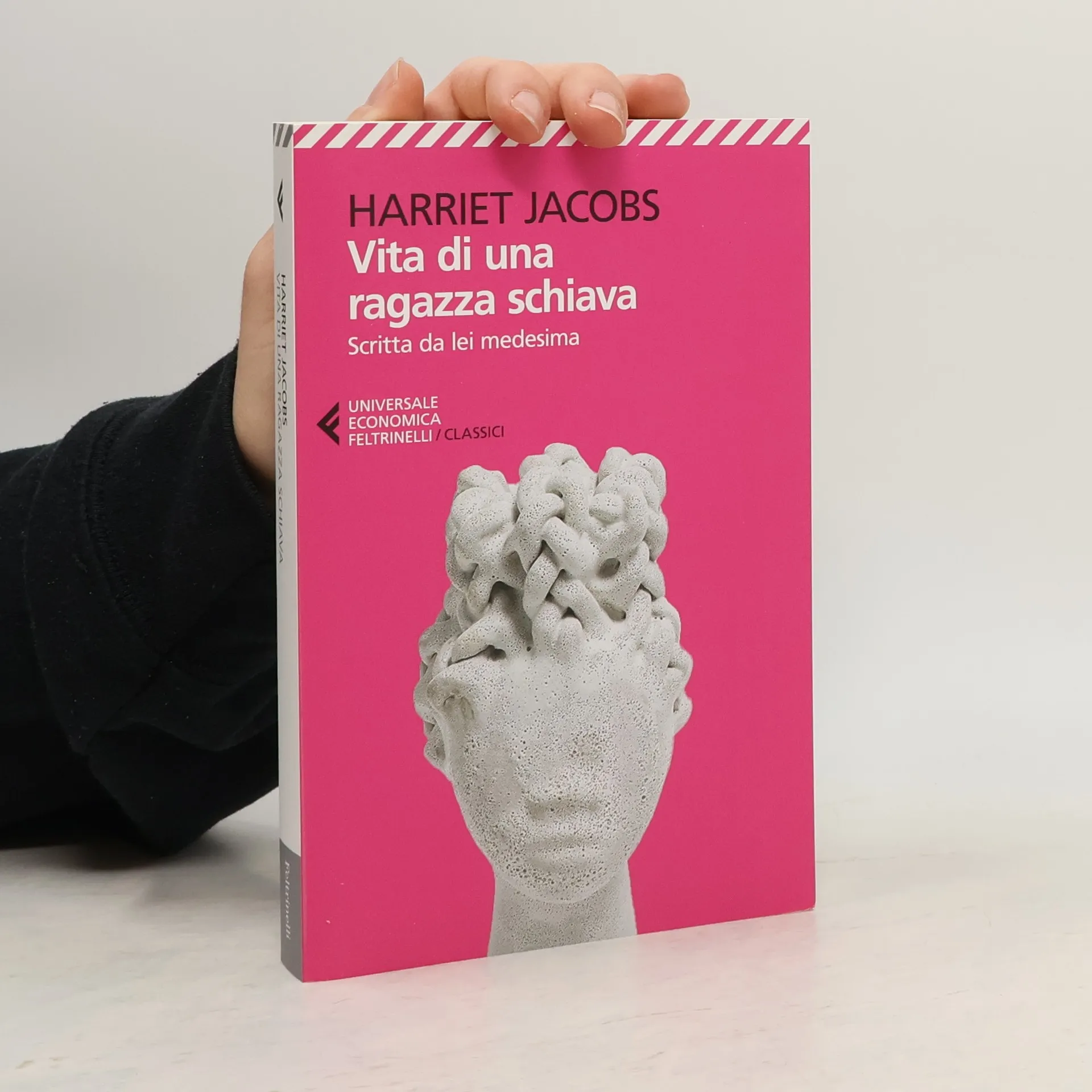
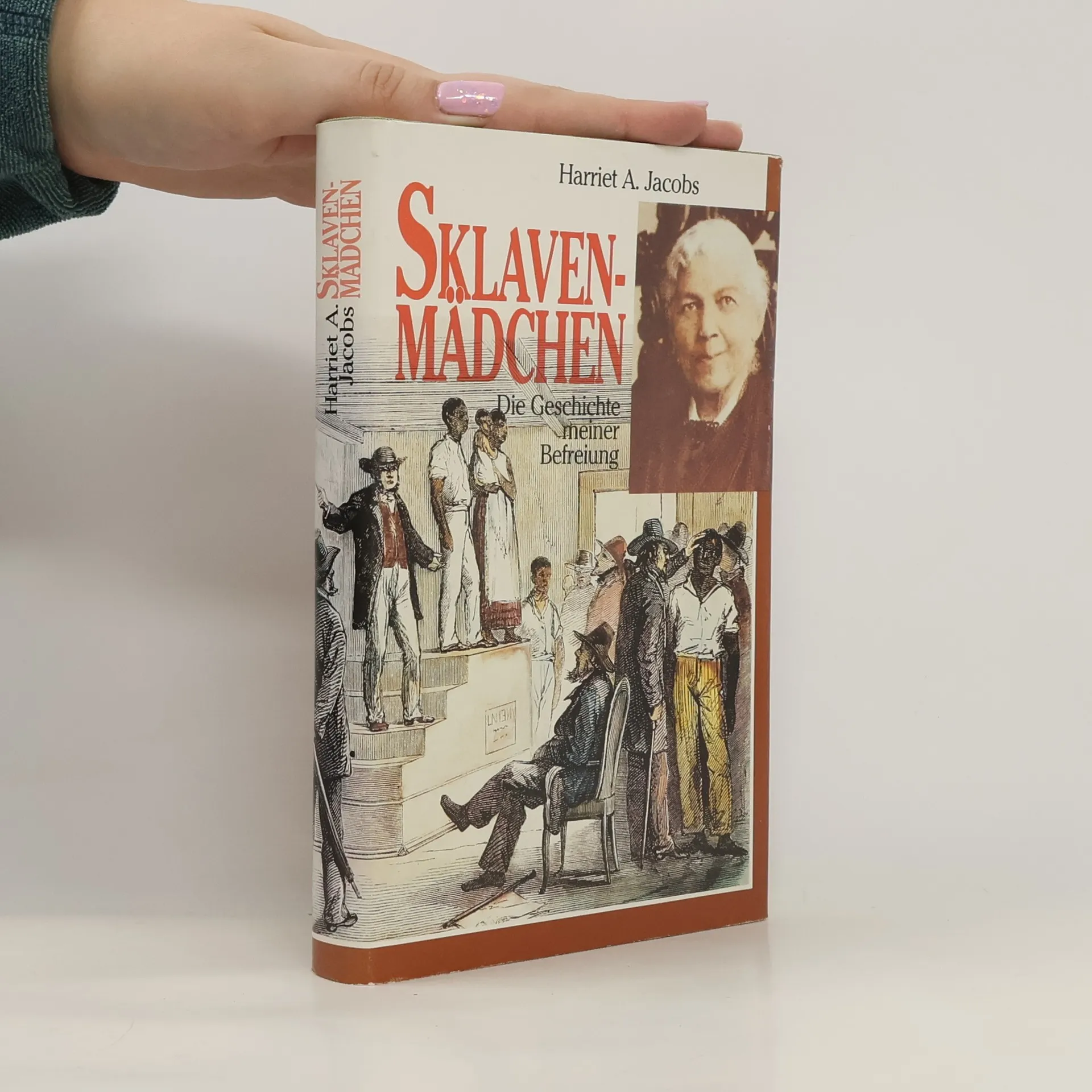
Die autobiografischen Erlebnisse von Harriet A. Jacobs werfen ein schonungsloses Licht auf die systematische sexuelle Ausbeutung von Sklavinnen in den USA. Jacobs beschreibt, wie junge Mädchen, oft ab der Pubertät, zum Objekt ihrer 'Besitzer' wurden, was zu einem erschreckenden Kreislauf der Gewalt und der rechtlichen Legitimität führte. Die Tatsache, dass die Nachkommen dieser Verhältnisse ebenfalls Sklaven wurden, verdeutlicht die Grausamkeit und Normalität dieses Systems. Ihr Bericht ist ein eindringliches Zeugnis der Banalität des Bösen in einer zutiefst unmenschlichen Gesellschaft.
Harriet A. Jacobs Orden de los libros (cronológico)
1 de enero de 1813 – 7 de marzo de 1897
Harriet Jacobs, quien también escribió bajo el seudónimo de Linda Brent, fue una autora cuyas obras exploraron profundamente las desgarradoras realidades de la esclavitud y su profundo impacto en el espíritu humano. Su estilo se caracteriza por una honestidad cruda y una profunda perspicacia psicológica, atrayendo a los lectores al núcleo mismo de las experiencias de sus personajes. A través de su escritura, buscó exponer las inimaginables crueldades y adversidades enfrentadas, al tiempo que destacaba la indomable fuerza de la voluntad humana y la búsqueda incesante de la libertad. Su legado literario reside en su examen sin concesiones de la injusticia y su significativa contribución al discurso sobre la igualdad racial y social.
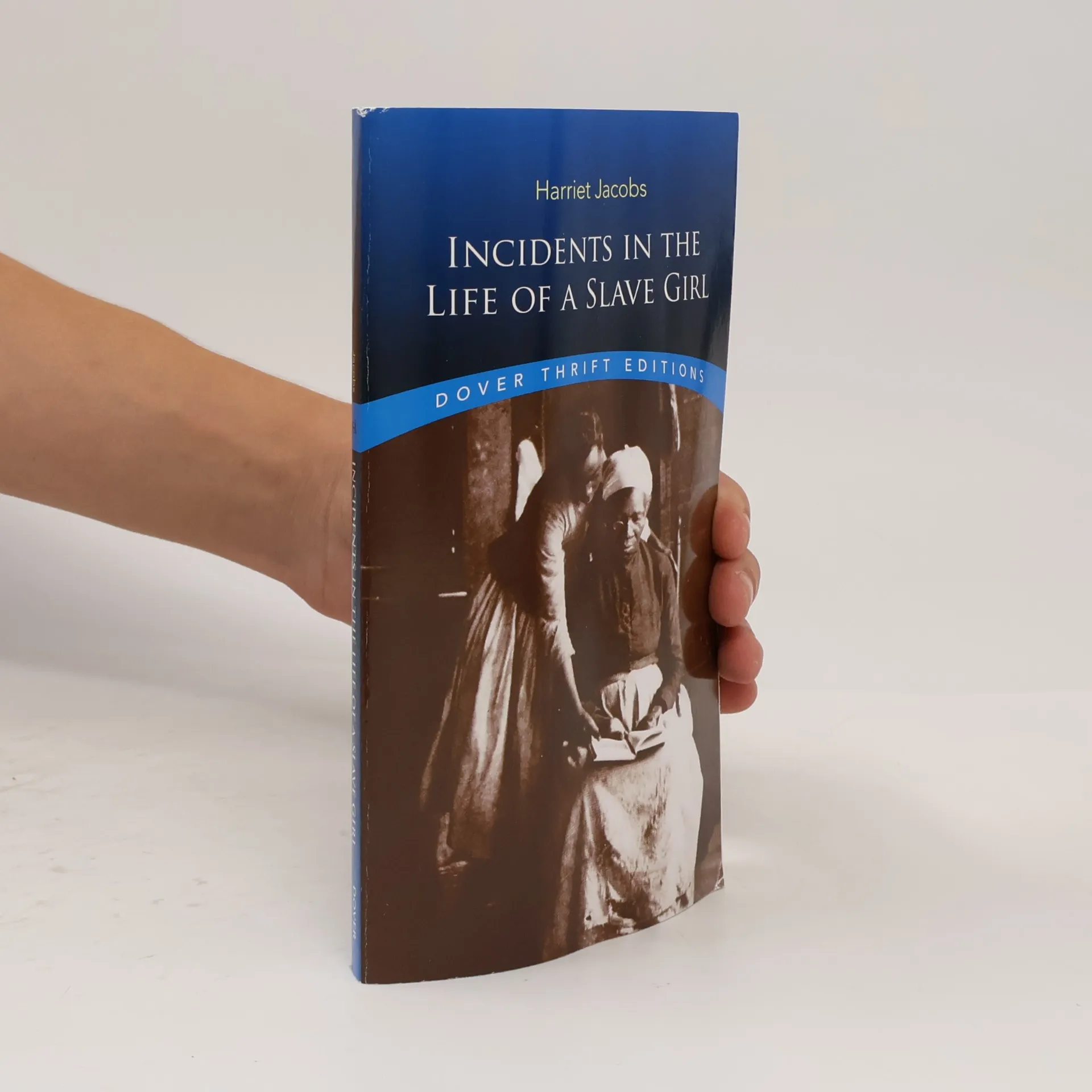


At six, Harriet learns of her status as a slave after her mother's death. The book is harrowing, addressing topics like sexual abuse by slave owners and the 1850 U.S. Fugitive Slave Law, which compelled northern states to return runaway slaves, shocking contemporary readers. Gröls Classics - English Edition.
Incidents in the Life of a Slave Girl Written by Herself and Narrative of the Life of Frederick Douglass, an American Slave By Harriet Jacobs, Frederick Douglass
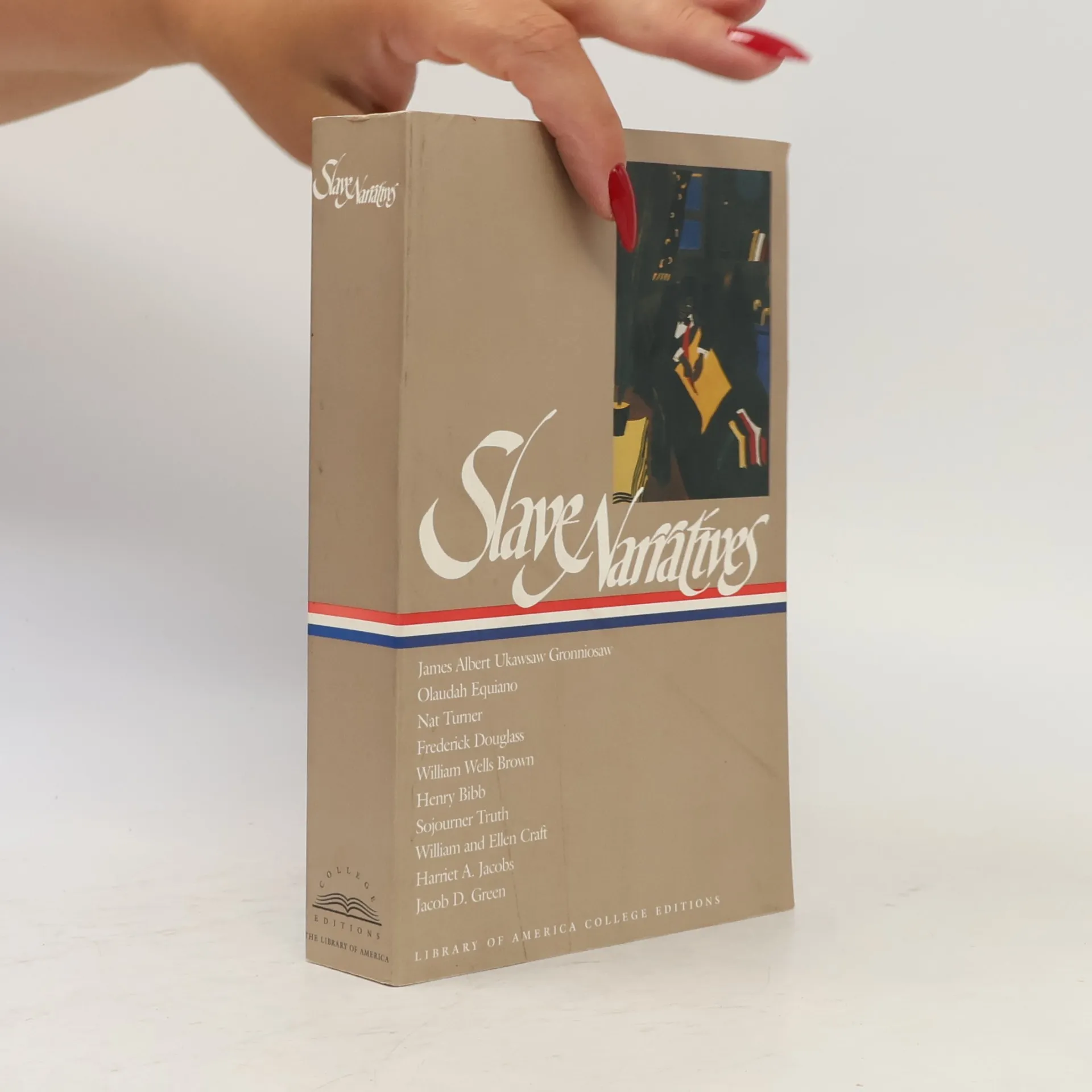
Library of America College Editions: Slave Narratives
- 1045 páginas
- 37 horas de lectura
The ten works collected in this volume demonstrate how a diverse group of writers challenged the conscience of a nation and laid the foundations of the African American literary tradition by expressing their in anger, pain, sorrow, and courage.Included in the Narrative of the Most Remarkable Particulars in the Life of James Albert Ukawsaw Gronniosaw ; Interesting Narrative of the Life of Olaudah Equiano ; The Confessions of Nat Turner ; Narrative of the Life of Frederick Douglass ; Narrative of William W. Brown ; Narrative of the Life and Adventures of Henry Bibb ; Narrative of Sojouner Truth ; Ellen and William Craft's Running a Thousand Miles for Freedom ; Harriet Jacobs' Incidents in the Life of a Slave Girl and Narrative of the Life of J. D.Green .
Signet Classics: The Classic Slave Narratives
The Life of Olaudah Equiano, The History of Mary Prince, Narrative of the Life of Frederick Douglass, Incidents in the Life of a Slave Girl
- 688 páginas
- 25 horas de lectura
No group of slaves anywhere, in any era, has left such prolific testimony to the horror of bondage as African-American slaves. Here are four of the most notable narratives: The Life of Olaudah Equiano; The History of Mary Prince; Narrative of the Life of Frederick Douglass; and Incidents in the Life of Slave Girl.
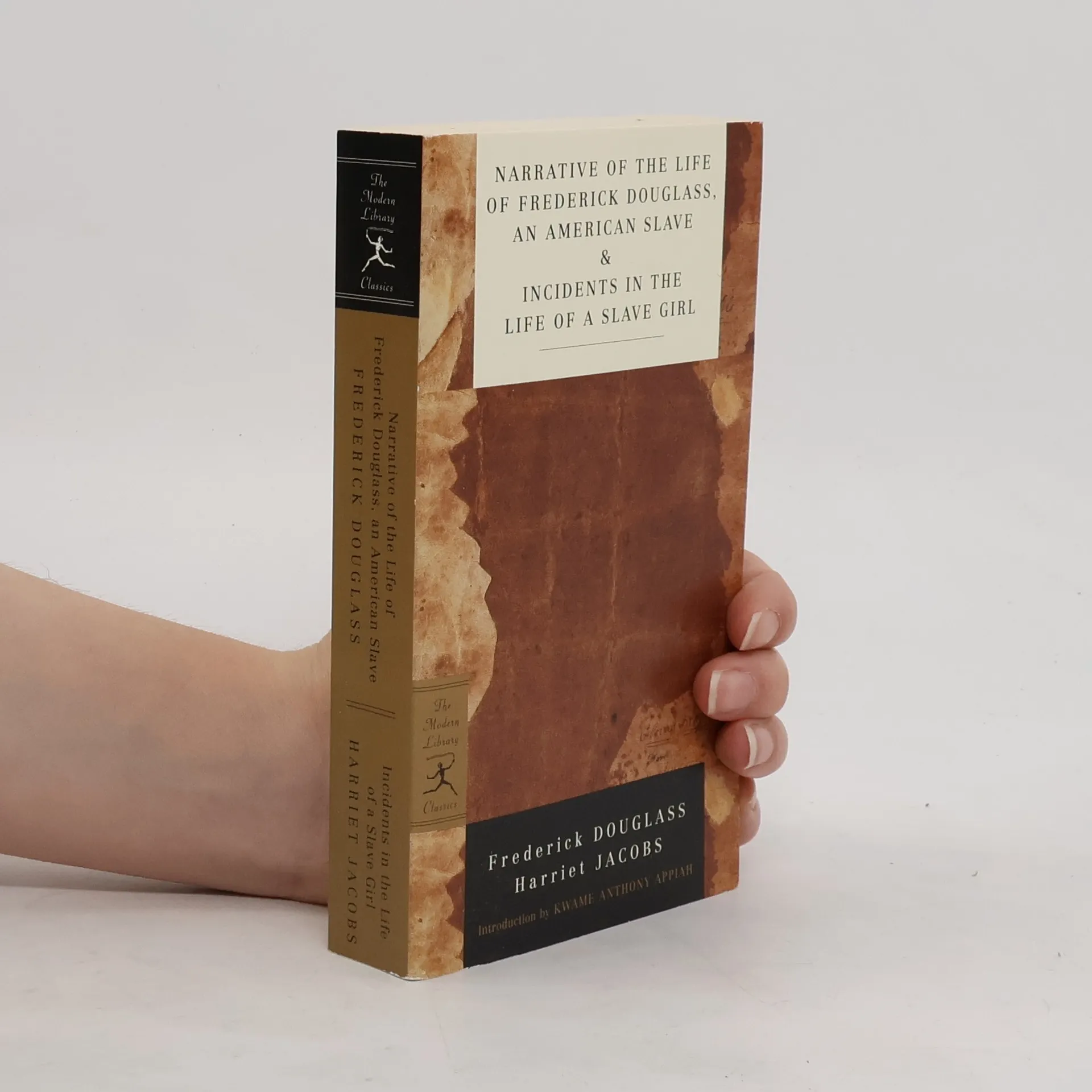
This Modern Library Paperback Classics edition combines the two most important African American slave narratives into one volume. Frederick Douglass's Narrative, first published in 1845, is an enlightening and incendiary text. Born into slavery, Douglass became the preeminent spokesman for his people during his life; his narrative is an unparalleled account of the dehumanizing effects of slavery and Douglass's own triumph over it. Like Douglass, Harriet Jacobs was born into slavery, and in 1861 she published Incidents in the Life of a Slave Girl, now recognized as the most comprehensive antebellum slave narrative written by a woman. Jacobs's account broke the silence on the exploitation of African American female slaves, and it remains crucial reading. These narratives illuminate and inform each other. This edition includes an incisive Introduction by Kwame Anthony Appiah and extensive annotations.
This autobiographical account by a former slave is one of the few extant narratives written by a woman. Written and published in 1861, it delivers an unflinching portrayal of the brutality of slave life. Jacobs speaks frankly of her master's abuse and her eventual escape, in an inspirational account of one woman's dauntless spirit and faith.--From publisher description