Ian Kershaw Orden de los libros (cronológico)
Ian Kershaw es un historiador británico, reconocido por sus completas biografías de Adolf Hitler. Su obra profundiza en las complejidades de la vida de Hitler y del régimen nazi con profundidad analítica y perspicacia crítica. Kershaw examina las motivaciones psicológicas y las fuerzas históricas que moldearon el siglo XX. Su investigación ofrece a los lectores una comprensión profunda de los eventos y figuras cruciales que influyeron en la historia moderna.



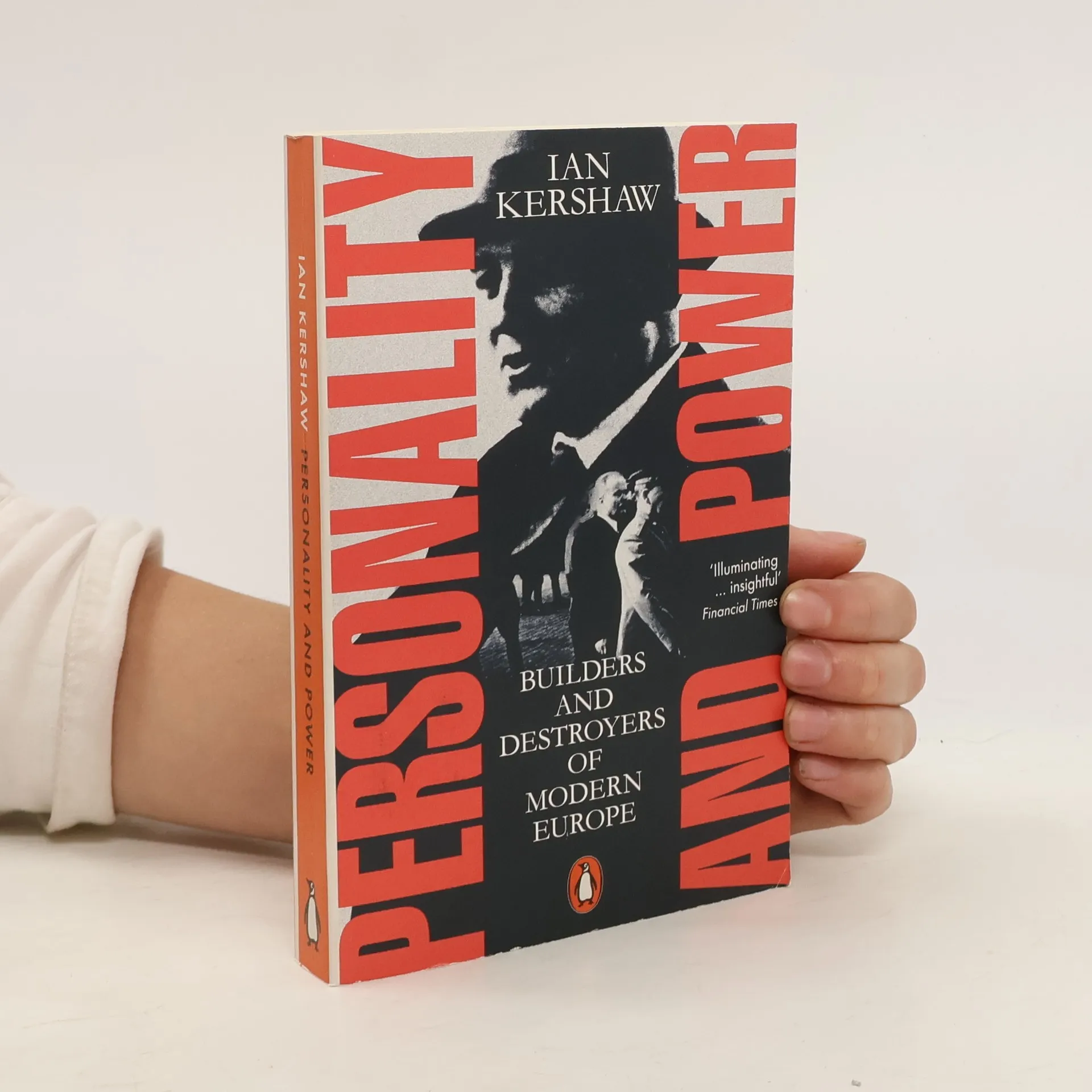
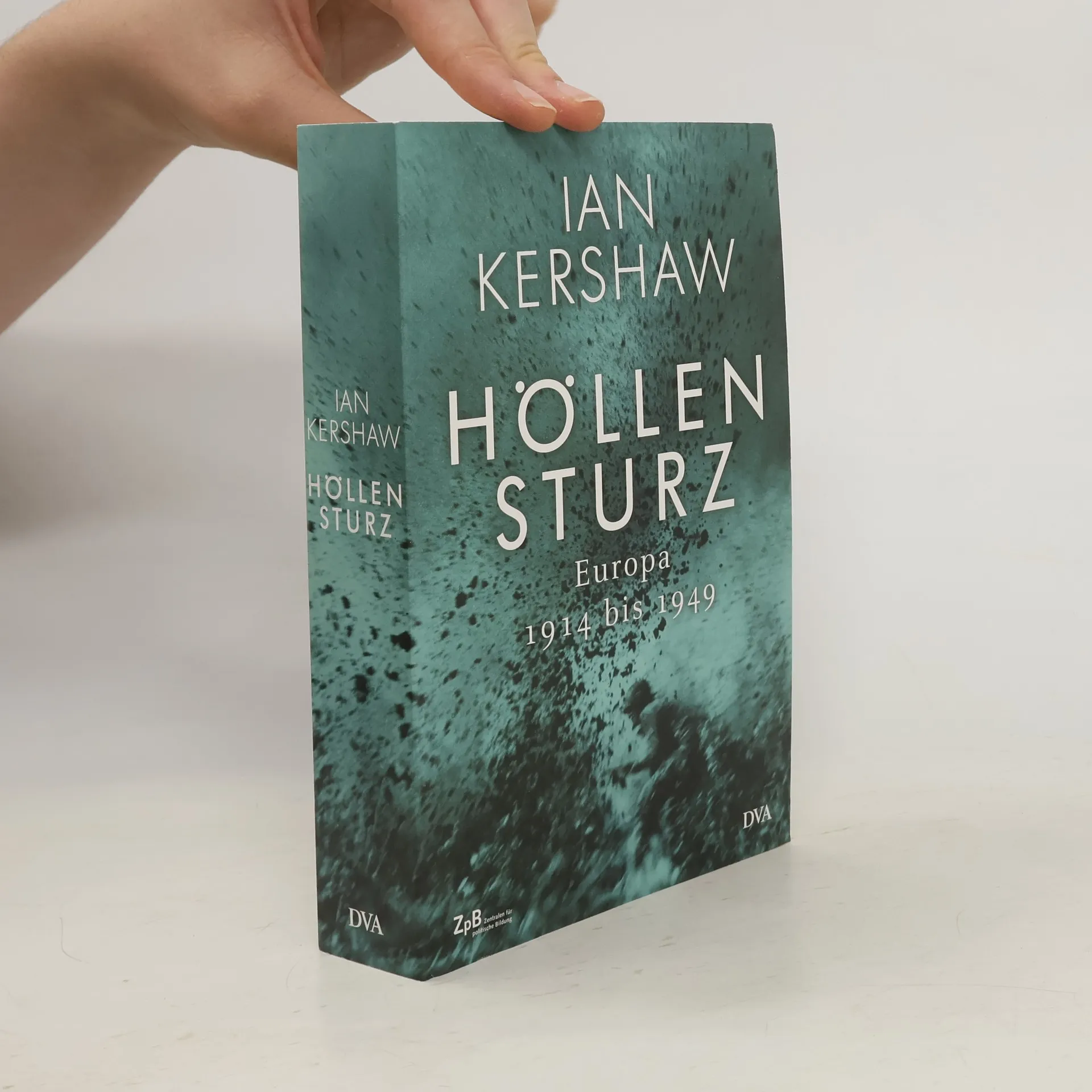
Die Frage nach dem Einfluss Einzelner auf den Lauf der Geschichte ist ebenso alt wie heikel. Für Ian Kershaw steht bei seinem Blick auf Europa im 20. Jahrhundert nicht das moralische Urteil der Nachgeborenen im Vordergrund. Ihn interessiert das komplexe Zusammenwirken historischer Gegebenheiten mit den Persönlichkeitsmerkmalen von Menschen, die Raum und Epoche maßgeblich beeinflussten. Kershaw betreibt keinen Geschichtsdeterminismus: Vielmehr fragt er jeweils nach Denkmustern und Idealen, Defiziten und Prägungen, also individuellen Eigenschaften, denen Entscheidungen folgten. Im Zusammenwirken mit den Potenzialen des Amtes, sei es übertragen oder usurpiert, lasse sich, so Kershaw, eher begreifen, warum die Verbindung von Person und Macht bei Lenin oder Mussolini, Hitler oder Stalin Europa in den Abgrund führte. Kershaw sucht das in der jeweiligen Persönlichkeit und in der historischen Situation Wurzelnde, um über Werturteile hinaus zu verstehen.
Personality and Power
- 512 páginas
- 18 horas de lectura
One of the great historians of our age asks: how far can a single leader alter the course of history? The modern era saw the emergence of individuals who had command over a terrifying array of instruments of control, persuasion and death. Whole societies were re-shaped and wars fought, often with a merciless contempt for the most basic norms. At the summit of these societies were leaders whose personalities had somehow given them the ability to do whatever they wished. Ian Kershaw's new book is a compelling, lucid and challenging attempt to understand these rulers, whether operating on the widest stage (Lenin, Stalin, Hitler, Mussolini) or with a more national impact (Tito, Franco). What was it about these leaders and the times they lived in that allowed them such untrammelled and murderous power? And what brought that era to an end? In a contrasting group of profiles, from Churchill to de Gaulle, Adenauer to Gorbachev, and Thatcher to Kohl, Kershaw uses his exceptional skills to think through how other, strikingly different figures wielded power.
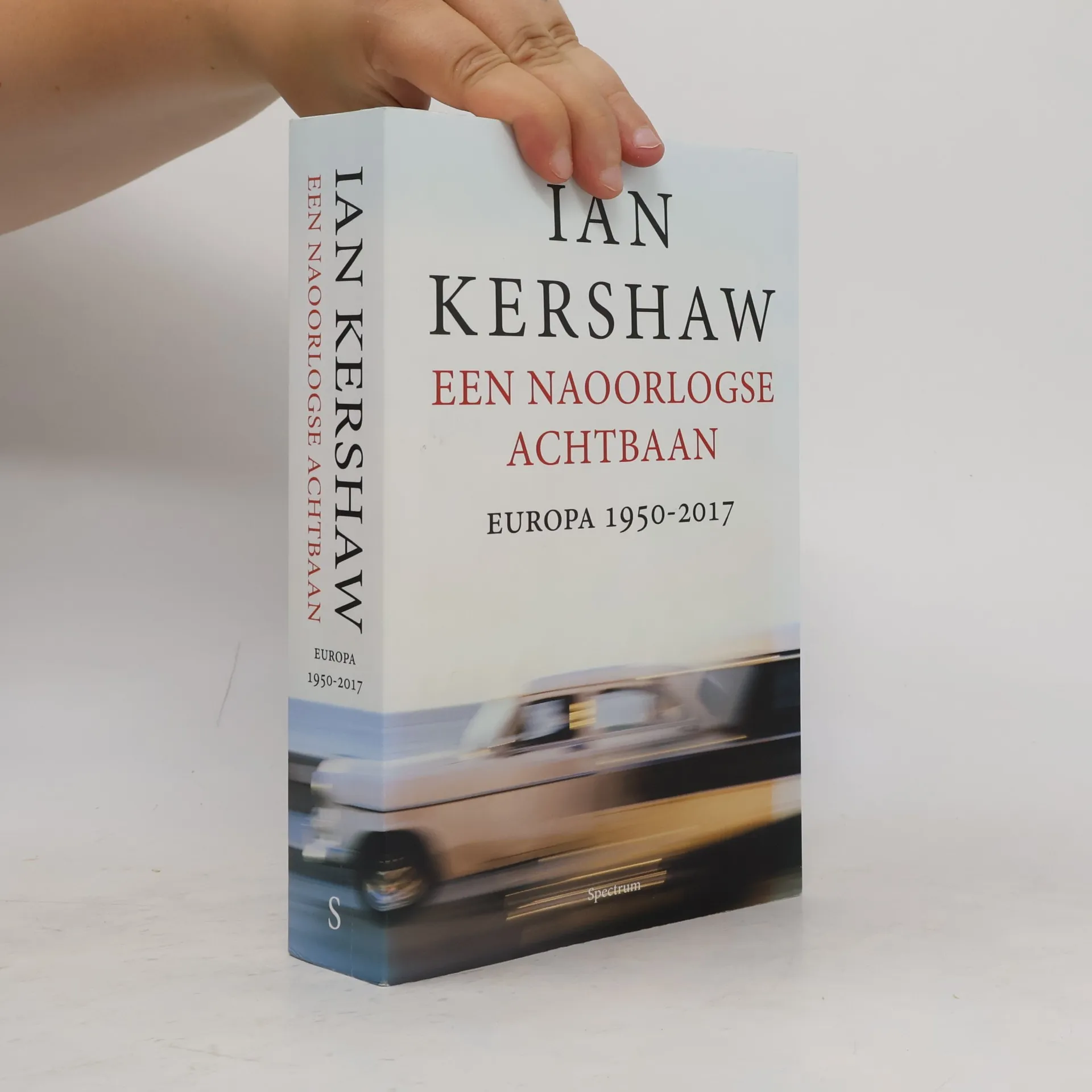
Geweldige nieuwe Kershaw Na twee verwoestende oorlogen in de eerste helft van de twintigste eeuw begint Europa aan zijn wederopbouw. Ian Kershaw beschrijft de eerste stappen naar een nieuwe, ogenschijnlijk welvarende toekomst, die echter wordt geteisterd door de spanningen van de Koude Oorlog, de economische groei en de sociale gevolgen daarvan, de roerige jaren zestig, de val van de Sovjet-Unie en de problemen die de landen in Oost-Europa ondervonden bij de transitie naar democratie en kapitalisme. Vervolgens zette 9/11 ook in Europa grote veranderingen in gang, gevolgd door oorlogen in Afghanistan en Irak. De opeenvolging van crises sinds 2008 bracht Europa in het zware weer waarin we nu nóg verkeren. In Een naoorlogse achtbaan – Europa 1950-2017 bouwt Ian Kershaw voort op de Europese geschiedenis uit het eerste deel van dit tweeluik, De afdaling in de hel – Europa 1914-1949. Het is een verhaal van hoge pieken en diepe dalen, vol kronkels en wendingen; een achtbaan, inclusief de uitgelatenheid en de doodsangst. De materiële en sociale vooruitgang in de korte periode van 1950 tot 2017 is verbluffend, maar deze transformatie was geen onomstotelijk succesverhaal. Europa bevindt zich in 2017 in een nieuwe periode van onzekerheid met een tanende invloed van de Europese Unie. Wat zal de tijd brengen? In zijn laatste hoofdstuk waagt Kershaw zich aan een blik op de toekomst.
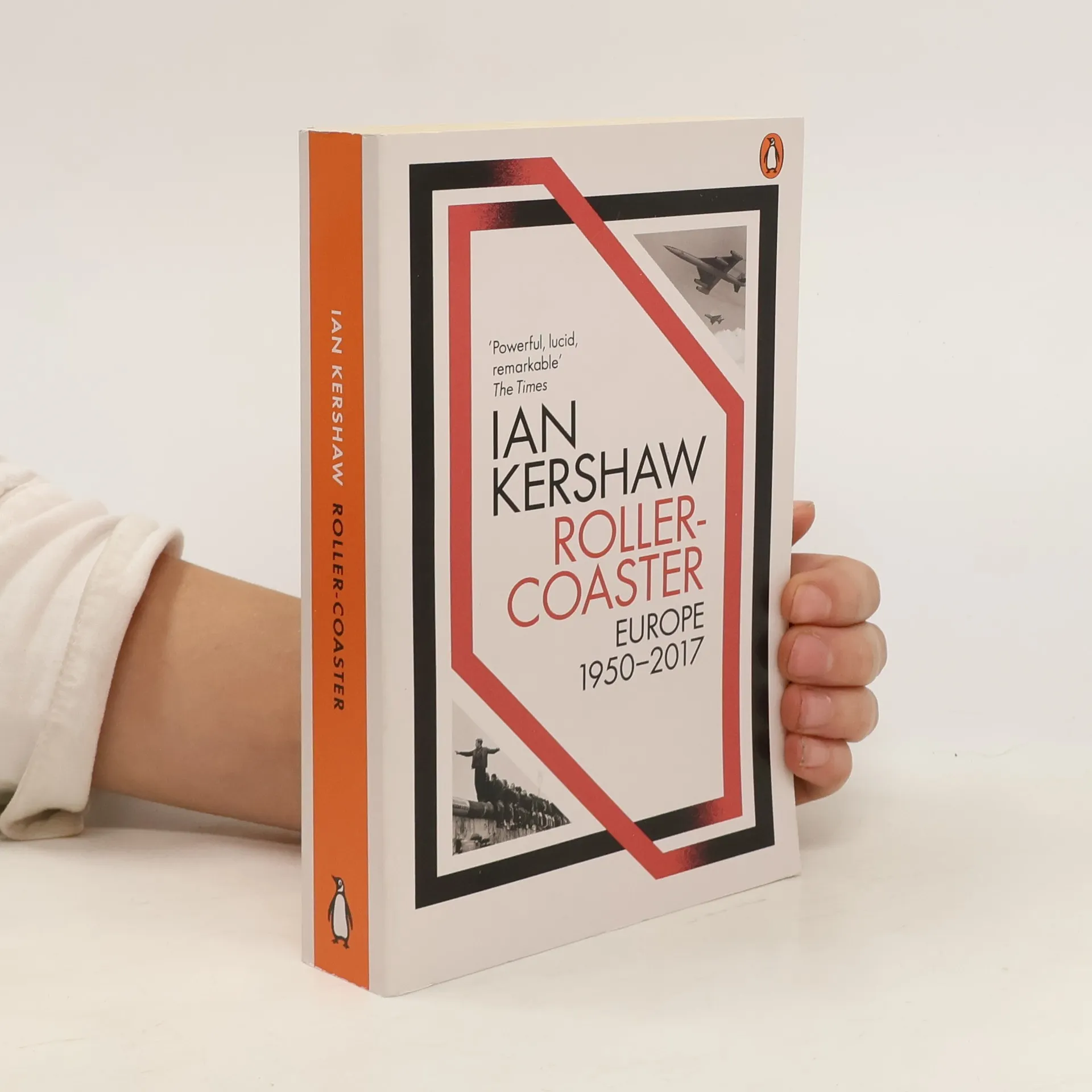
Roller-Coaster
- 704 páginas
- 25 horas de lectura
From one of Britain's most distinguished historians and the bestselling author of Hitler, this definitive history explores a divided Europe from the aftermath of the Second World War to the present. Following the horrors of the first half of the 20th century, the years from 1950 to 2017 brought peace and relative prosperity to much of Europe. Enormous economic improvements transformed the continent, allowing the catastrophic era of the world wars to fade into the past, though its long shadow continued to influence mentalities. Europe became a divided continent, living under nuclear threat and facing intermittent anxiety. Europeans experienced a tumultuous journey, often feeling powerless as the USA and USSR dictated their fates during the Cold War. There were notable successes, such as the dissolution of the Soviet bloc, the fall of dictatorships, and the reunification of Germany. However, accelerating globalization introduced new vulnerabilities. The interlocking crises post-2008 served as a stark reminder that peace and stability are not guaranteed. In this remarkable work, Ian Kershaw offers a grand panorama of contemporary Europe and its origins, prompting a reevaluation of what it means to be European.
Roller-Coaster : Europe, 1950-2017
- 400 páginas
- 14 horas de lectura
After the overwhelming horrors of the first half of the 20th century, the years from 1950 to 2017 brought peace and relative prosperity to most of Europe. Enormous economic improvements transformed the continent, while the catastrophic era of the world wars receded into the past, though its long shadow continued to shape mentalities. Europe became a divided continent, living under the nuclear threat, marked by intermittent anxiety. Europeans experienced a 'roller-coaster ride' of events that threatened disaster, often feeling powerless as the USA and USSR dictated their fates during the Cold War. There were notable successes, such as the dissolution of the Soviet bloc, the fall of dictatorships, and the reunification of Germany. However, accelerating globalization introduced new vulnerabilities. The impact of interlocking crises after 2008 served as a stark reminder that peace and stability were not guaranteed. In this remarkable work, the author presents a grand panorama of contemporary Europe and its historical roots, drawing on examples from across the continent. This exploration encourages a reevaluation of Europe and the essence of being European.
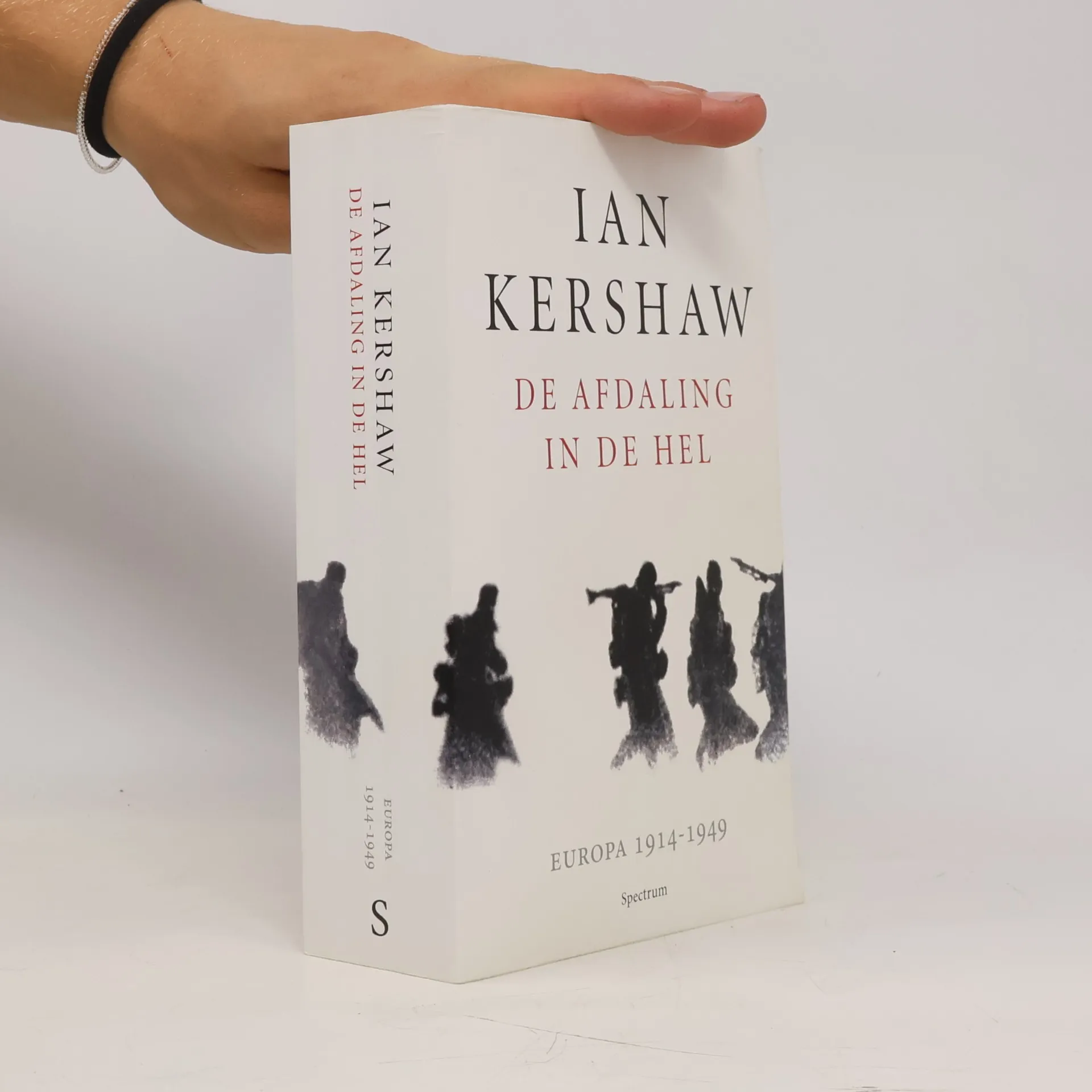
De afdaling in de hel
Europa 1914-1949
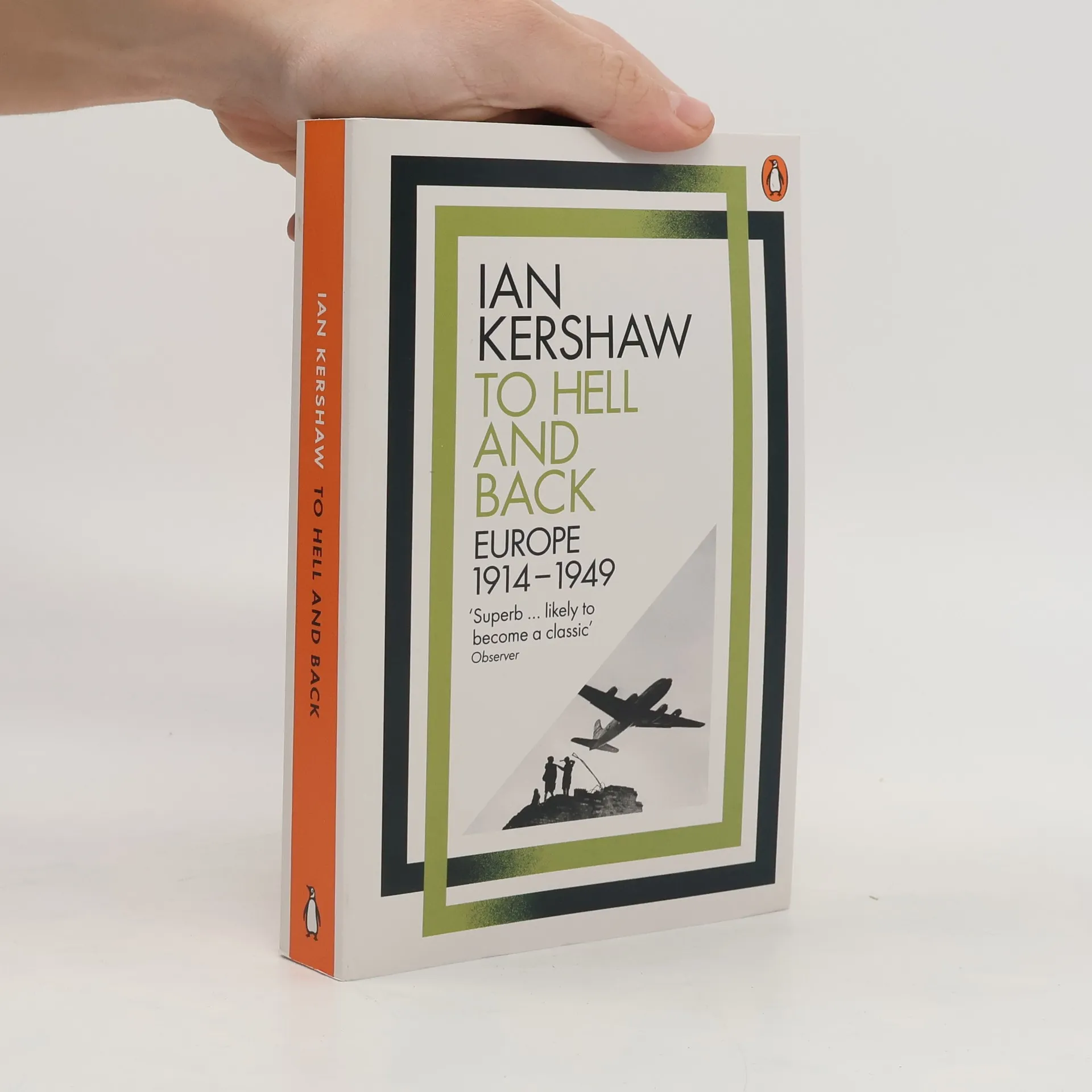
To hell and back : Europe 1914-1949
- 592 páginas
- 21 horas de lectura
'Superb ... likely to become a classic' Observer In the summer of 1914 most of Europe plunged into a war so catastrophic that it unhinged the continent's politics and beliefs in a way that took generations to recover from. The disaster terrified its survivors, shocked that a civilization that had blandly assumed itself to be a model for the rest of the world had collapsed into a chaotic savagery beyond any comparison. In 1939 Europeans would initiate a second conflict that managed to be even worse - a war in which the killing of civilians was central and which culminated in the Holocaust. To Hell and Back tells this story with humanity, flair and originality. Kershaw gives a compelling narrative of events, but he also wrestles with the most difficult issues that the events raise - with what it meant for the Europeans who initiated and lived through such fearful times - and what this means for us.
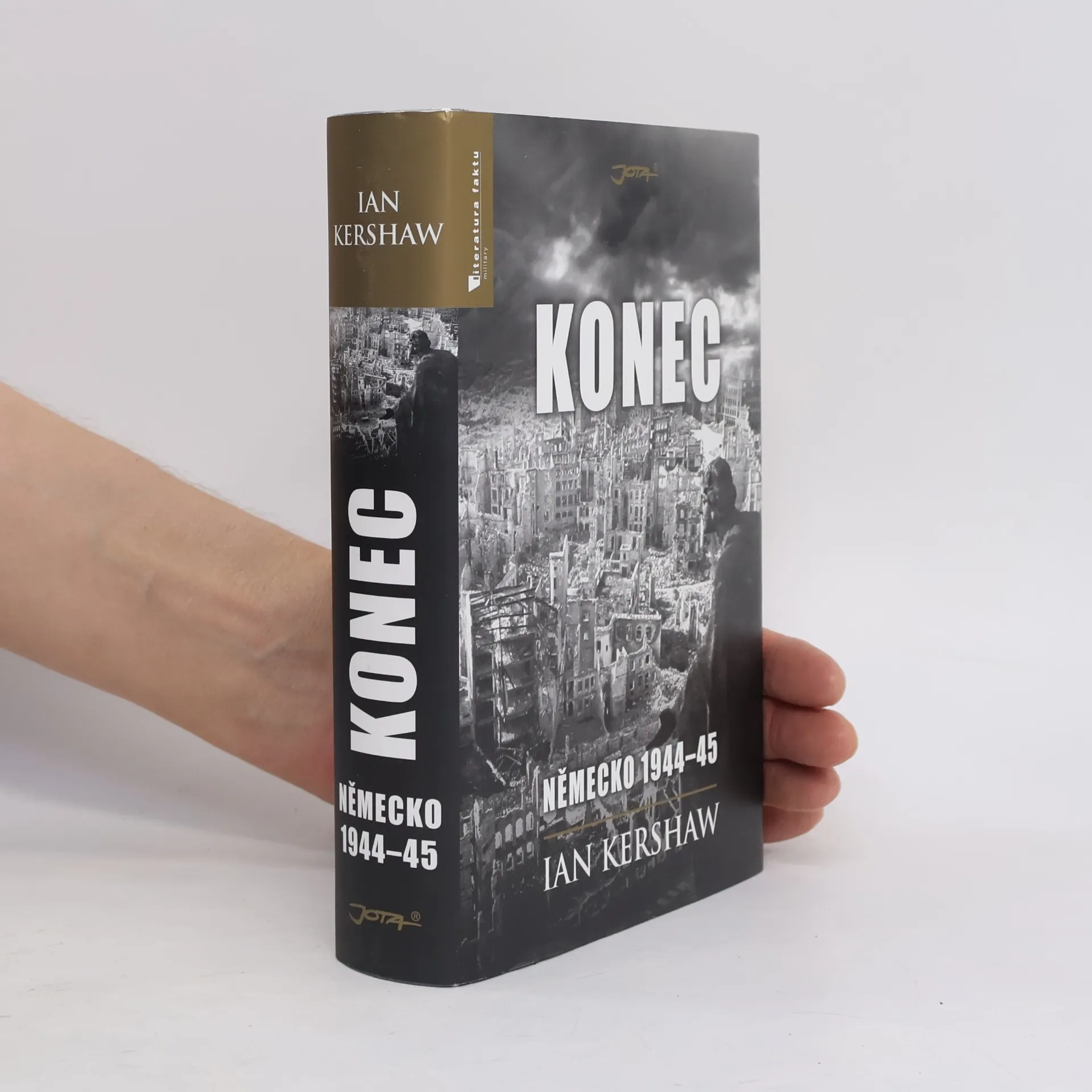
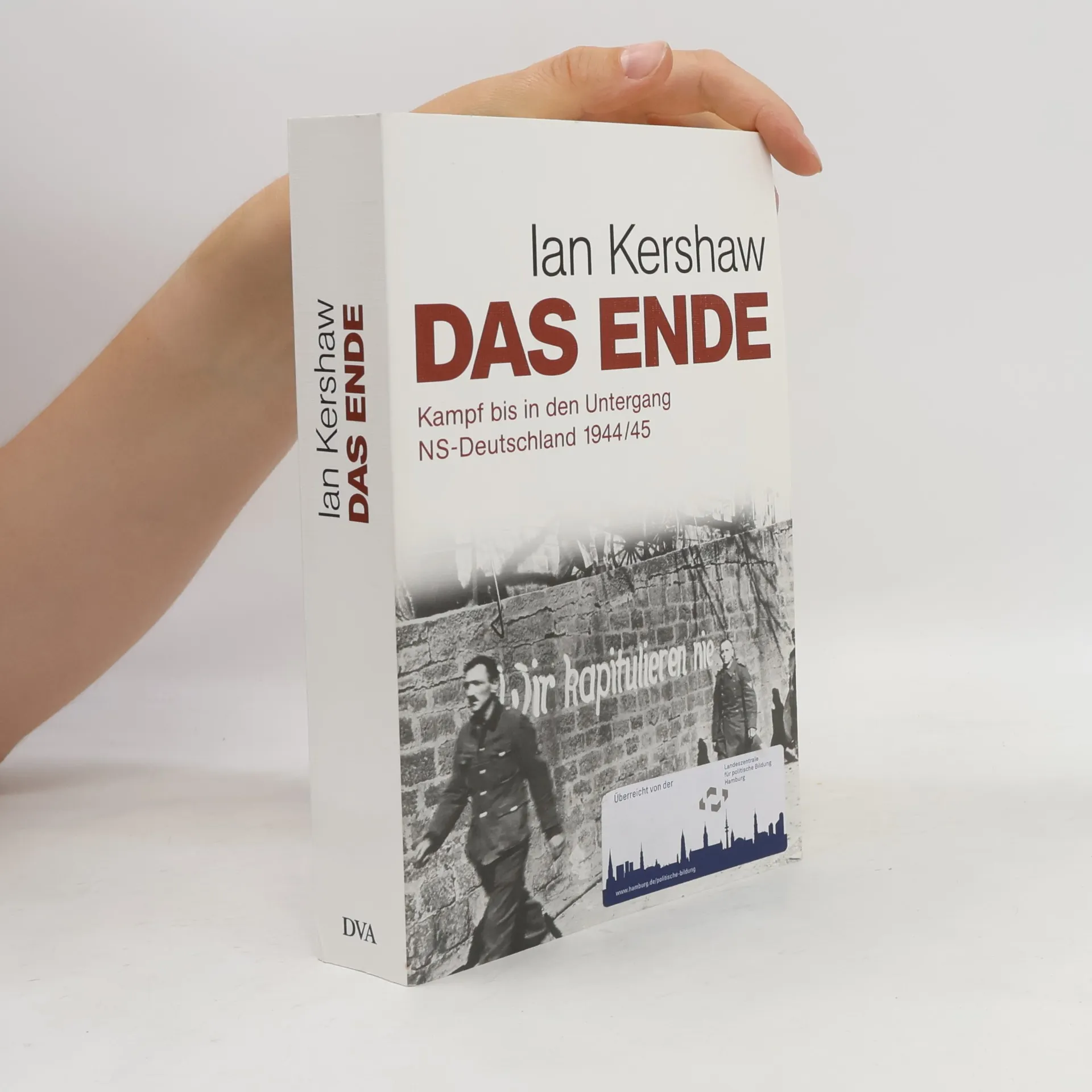
Konec: Německo 1944-45
- 616 páginas
- 22 horas de lectura
Mistrná a ojedinělá studie mechanismů fungování nacistické společnosti v závěrečných měsících druhé světové války se zabývá zásadními otázkami spojenými s koncem nacistického Německa. Jaké motivy vedly Německo k pokračování v boji, i když bylo jasné, že válku prohrálo? Jak dokázal rozkládající se hitlerovský stát přežít až do příchodu Rudé armády k Říšskému kancléřství? Proč se německý národ nevzpíral režimu, jenž jej vystavil brutálnímu teroru a vedl zemi do záhuby, na rozdíl od situace v roce 1918? Jak armáda stále poslušně plnila Hitlerovy nesmyslné rozkazy? Jakou roli hrály strach a fanatismus v sebezničujícím kurzu? A jak ovlivnil spojenecký požadavek na bezpodmínečnou kapitulaci agonický odpor třetí říše? Ian Kershaw, uznávaný britský historik a expert na éru nacistického Německa, se snaží na tyto otázky odpovědět. Jeho komplexní a dramatické líčení finálních měsíců existence hitlerovského státu začíná nezdařeným atentátem na Hitlera v červenci 1944 a končí jeho smrtí a kapitulací v květnu 1945. Text obsahuje bohatý poznámkový aparát a je doplněn jedinečnou fotografickou přílohou a mapkami.
The end : Hitler's Germany, 1944-45
- 500 páginas
- 18 horas de lectura
What made Germany keep fighting to the death, even when it was clear they would lose the Second World War? Why did its rulers not cut a deal to save their own skin? And why did ordinary people continue to obey the Führer's suicidal orders, with countless Germans executing their own countrymen for desertion or defeatism? Ian Kershaw's searing account takes us into the heart of the Third Reich's final months, laying bare the fear and fanaticism that drove a nation to destruction. 'Brilliant . . . undoubtedly a masterpiece.' Mail on Sunday'No one has written a better account of the human dimensions of Nazi Germany's end.' James J. Sheehan, New York Review of Books'Masterly . . . Kershaw's gripping and boldly intelligent work will surely become the standard popularly accessible account of the Nazi system's terrible final phase.' Financial Times'Kershaw is a sure-footed guide through the Hades of the final dark months of the war in Europe.' Independent on Sunday'A compelling account . . . gives us much more then the view from the top . . . interwoven are insights into German life and death at all levels of society.' The Times'Brilliant . . . utterly terrifying.'Sunday Times, Books of the Year
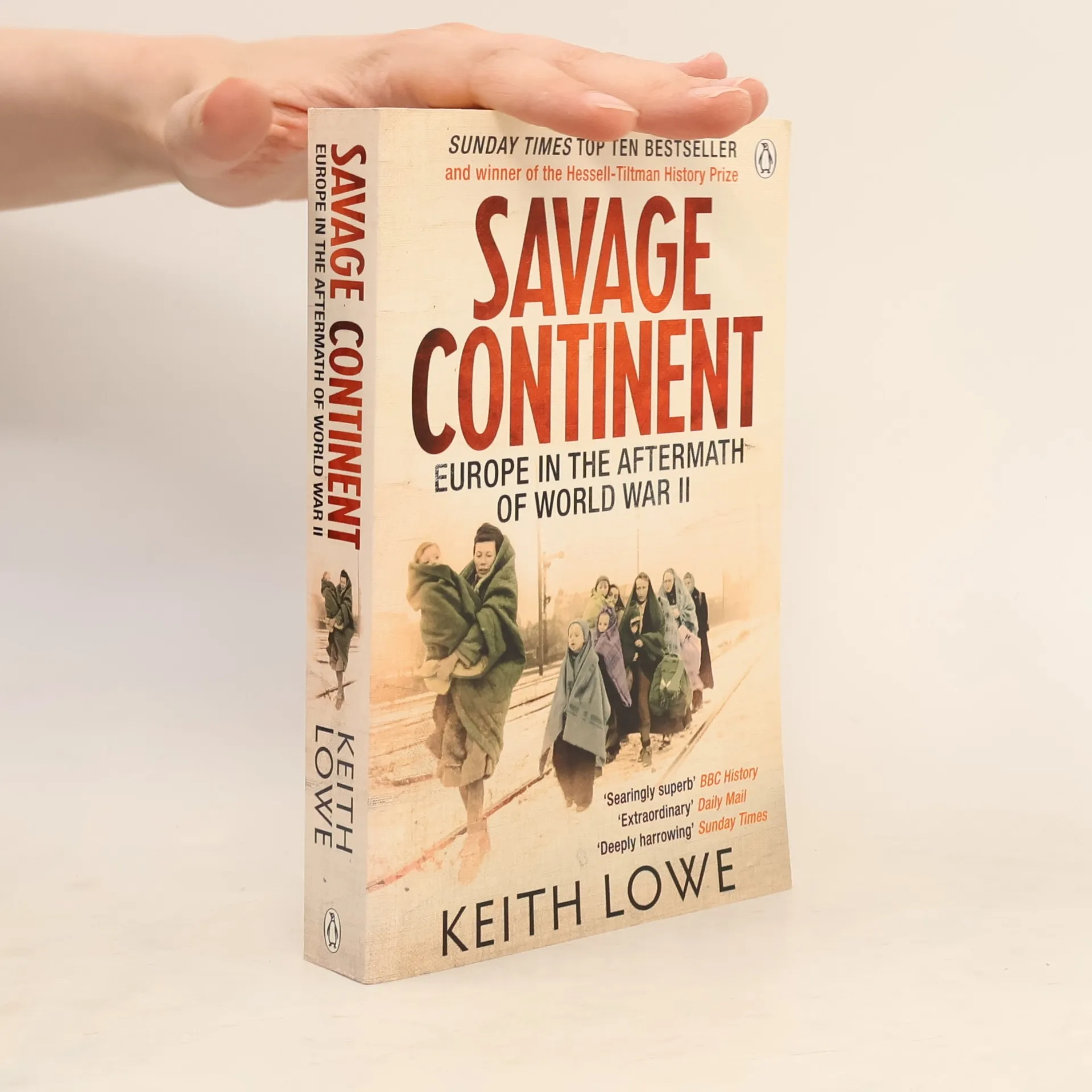
Savage continent: Europe in the aftermath of World War II
- 460 páginas
- 17 horas de lectura
Keith Lowe describes a continent still racked by violence, where large sections of the population had yet to accept that the war was over. He outlines the warped morality and the insatiable urge for vengeance that were the legacy of the conflict.
Countless books have been written about why Nazi Germany lost World War II, yet remarkably little attention has been paid to the equally vital question of how and why it was able to hold out as long as it did. The Third Reich did not surrender until Germany had been left in ruins and almost completely occupied. Even in the near-apocalyptic final months, when the war was plainly lost, the Nazis refused to sue for peace. Historically, this is extremely rare. Drawing on original testimony from ordinary Germans and arch-Nazis alike, award-winning historian Ian Kershaw explores this fascinating question in a gripping and focused narrative that begins with the failed bomb plot in July 1944 and ends with the German capitulation in May 1945. Hitler, desperate to avoid a repeat of the "disgraceful" German surrender in 1918, was of course critical to the Third Reich's fanatical determination, but his power was sustained only because those below him were unable, or unwilling, to challenge it. Even as the military situation grew increasingly hopeless, Wehrmacht generals fought on, their orders largely obeyed, and the regime continued its ruthless persecution of Jews, prisoners, and foreign workers. Based on prodigious new research, Kershaw's The End is a harrowing yet enthralling portrait of the Third Reich in its last desperate gasps.
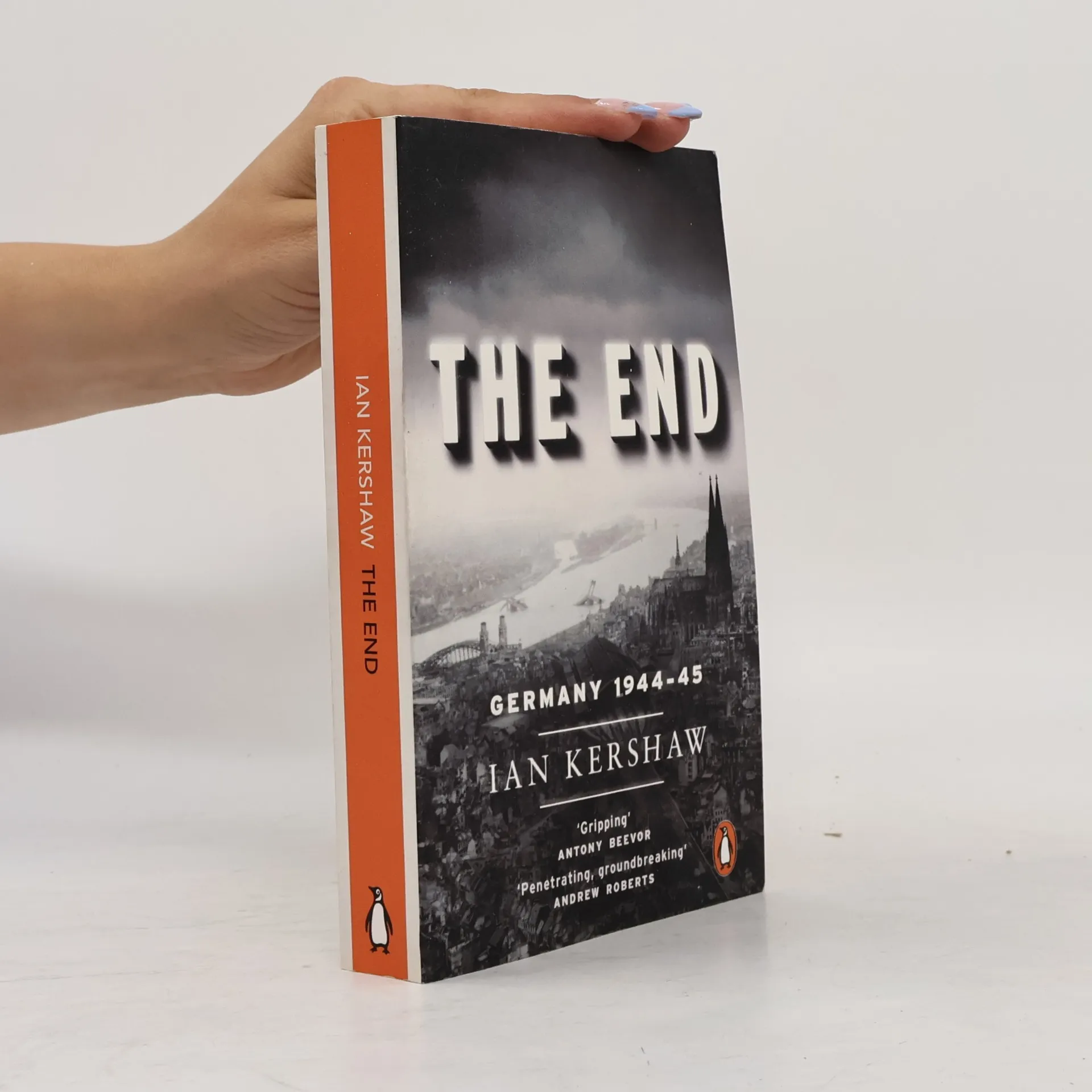
The end
- 500 páginas
- 18 horas de lectura
This is a a fascinating and original exploration of how the Third Reich was willing and able to fight to the bitter end of World War II. Countless books have been written about why Nazi Germany lost World War II, yet remarkably little attention has been paid to the equally vital question of how and why it was able to hold out as long as it did. The Third Reich did not surrender until Germany had been left in ruins and almost completely occupied.
The End. The Defiance and Destruction of Hitler's Germany, 1944-45
- 564 páginas
- 20 horas de lectura
A powerful narrative detailing the final days of the Nazi regime and the collapse of a nation.
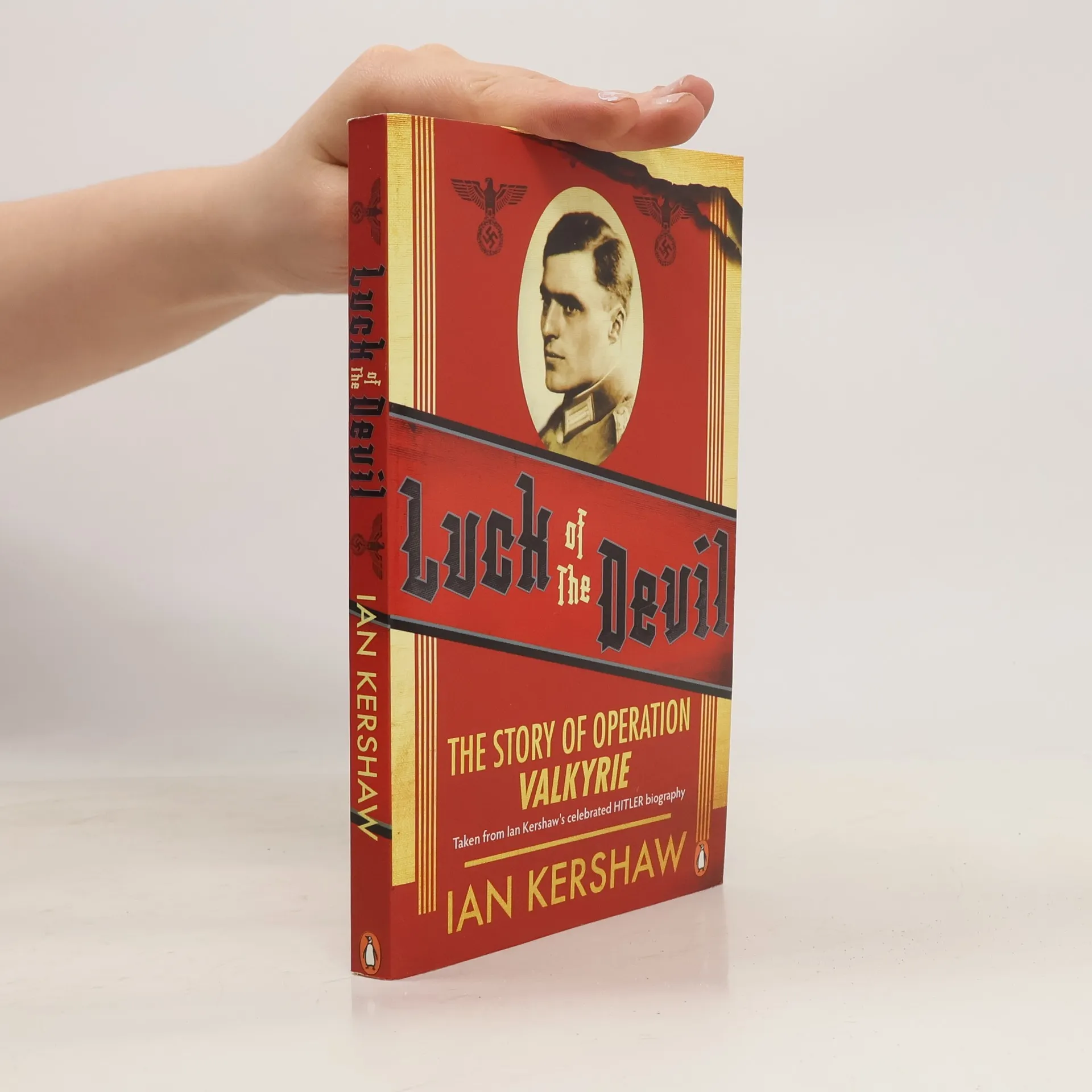
Luck of the devil
- 165 páginas
- 6 horas de lectura
'It is now time that something was done. But the man who has the courage to do something must do it in the knowledge that he will go down in German history as a traitor. If he does not, however, he will be a traitor to his own conscience' - Colonel Claus von Stauffenberg, July 1944. The July 1944 plot to kill Adolf Hitler was a desperate attempt by a group of senior officers to redeem Germany's honour and end the Second World War. They were heroic because they knew their chances of success were slight and that the result of their failure would undoubtedly be a terrible death.They wanted to leave a message for later that there were Germans who understood the evils of Nazism and were willing to act against it. This extraordinary story is the basis for Bryan Singer's major new film "Valkyrie", due to be released in February 2009. Published for the first time as a separate book, "Luck of the Devil" is taken from Ian Kershaw's bestselling "Hitler 1936-1945: Nemesis" and is a brilliant account of just what happened in those fateful days at Hitler's Wolf's Lair headquarters, when his opponents came so astonishingly close to assassinating what is one of the modern era's most terrible figures.
Fateful Choices
Ten Decisions That Changed the World 1940-1941 - Uncorrected Proof Copy
- 656 páginas
- 23 horas de lectura
The history of the Second World War, with its horrible twists and turns, is so well known that the major events and their outcomes have taken on a sort of inevitability. It has become, in effect, a tragedy with each leader and each country playing an assigned part. Ian Kershaw's extraordinarily thought-provoking and gripping new book, Fateful Choices, demolishes any such sense of inevitability. He examines closely eleven episodes at the heart of the War where there was an immense range of options open to planners and decision-makers. From declarations of war down to operational priorities, choices were made that could have resulted in an almost unrecognisably different conflict. Other viewpoints were passionately and articulately argued by powerful, ruthless advocates. In no case was the decision that prevailed to any degree foreordained. Kershaw, not least through his immense work on the career of Adolf Hitler, has spent many years thinking about the contingent nature of history. Fateful Choices dramatizes brilliantly and distressingly events that between them could have resulted in disaster or victory - either for the Allies or for the Axis.
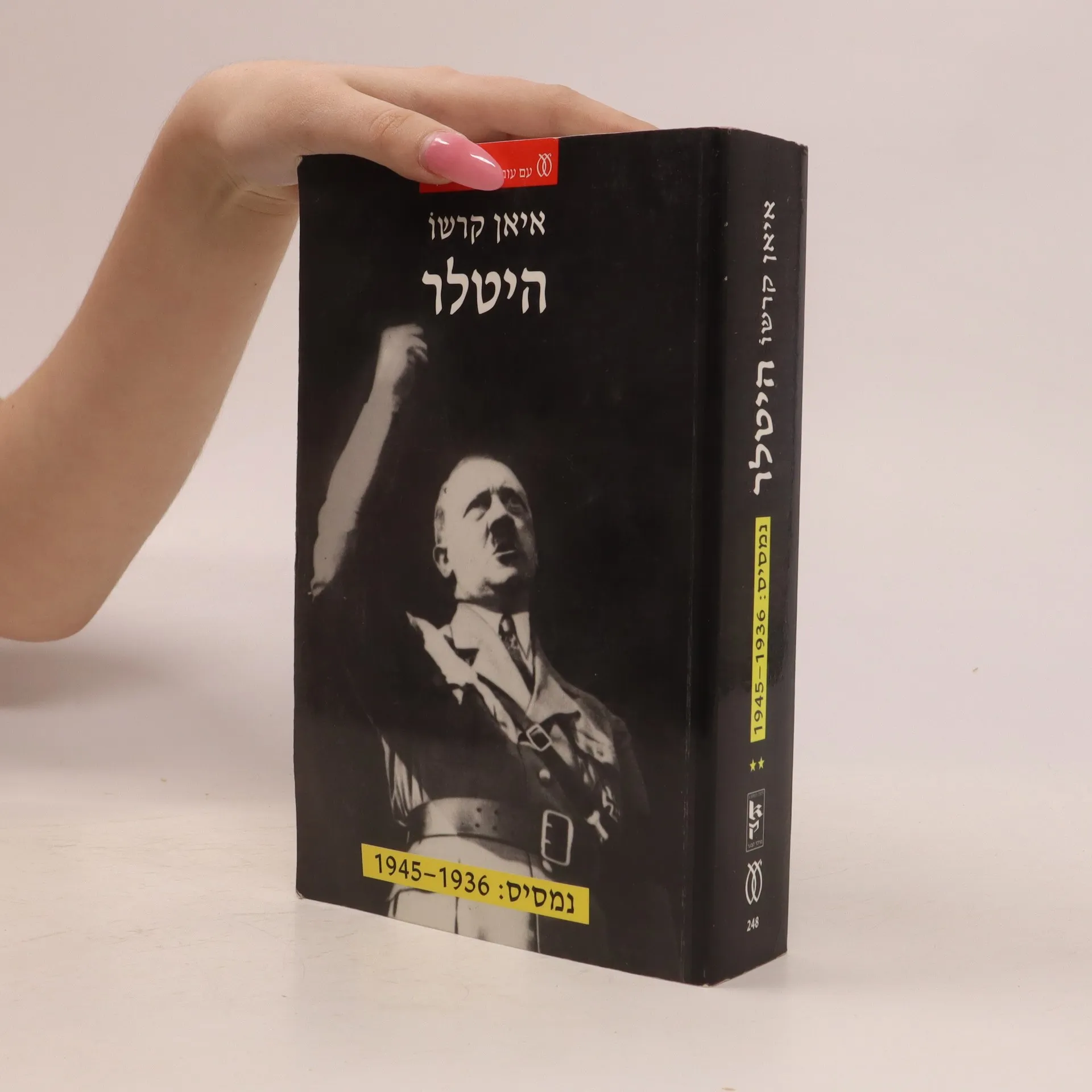
היטלר. Hitler
- 995 páginas
- 35 horas de lectura
הכרך השני של יצירת המופת של איאן קרסו הוא המשך מרהיב שבו אדולף היטלר השיג שלטון מוחלט בגרמניה וניצח באתגר הראשון שלו מול המעצמות האירופיות. היטלר, שהיה idolized על ידי חלקים גדולים מהאוכלוסייה ותמך באופן מוחלט על ידי המשטר הנאצי, היה מוכן להכניע את אירופה. תשע שנים לאחר מכן, כאשר מכונת המלחמה המפורסמת שלו הושמדה וכוחות בעלות הברית שטפו את גרמניה, היטלר יסיים את חייו ביריית רובה לראשו.
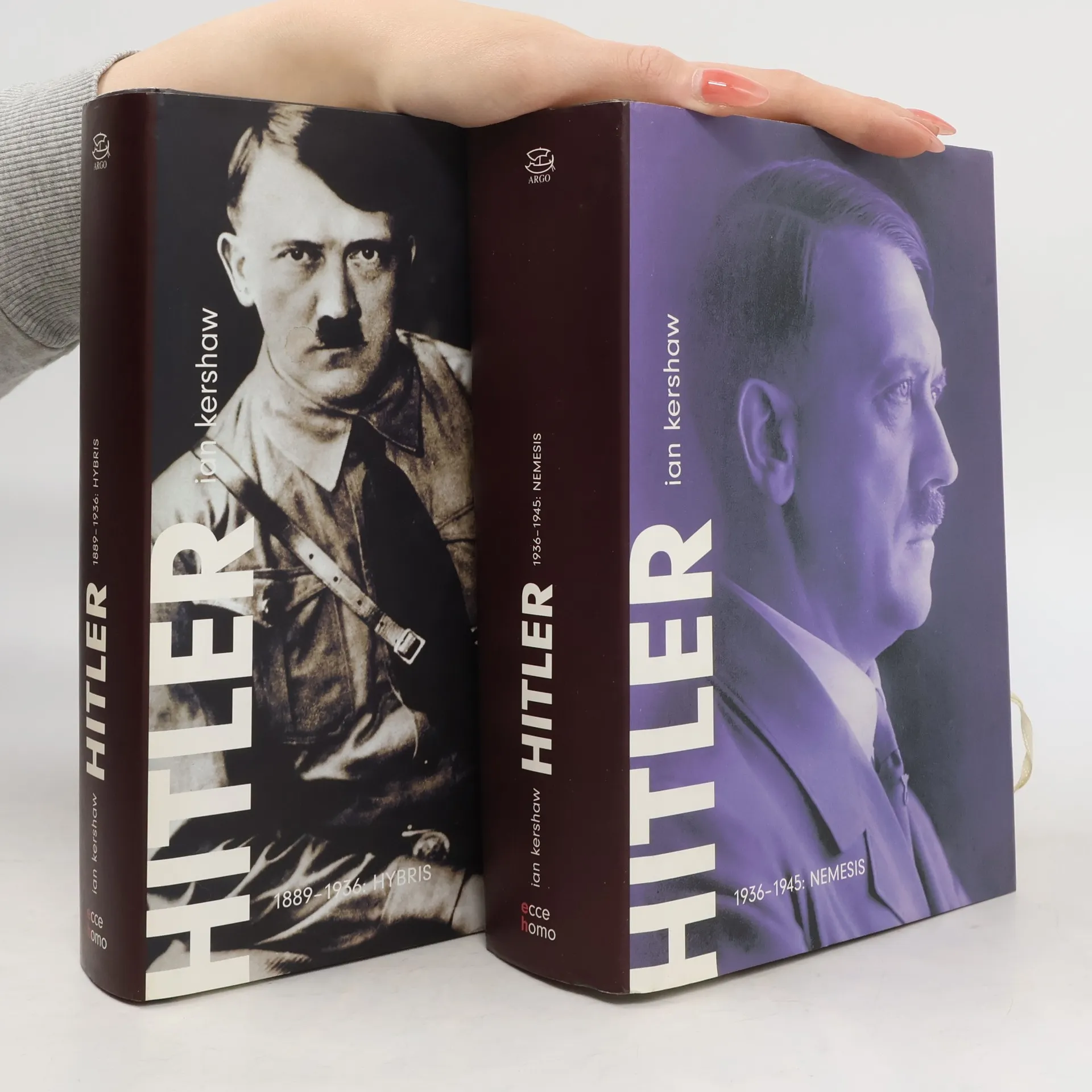
Hitler 1-2
Hybris; Nemesis
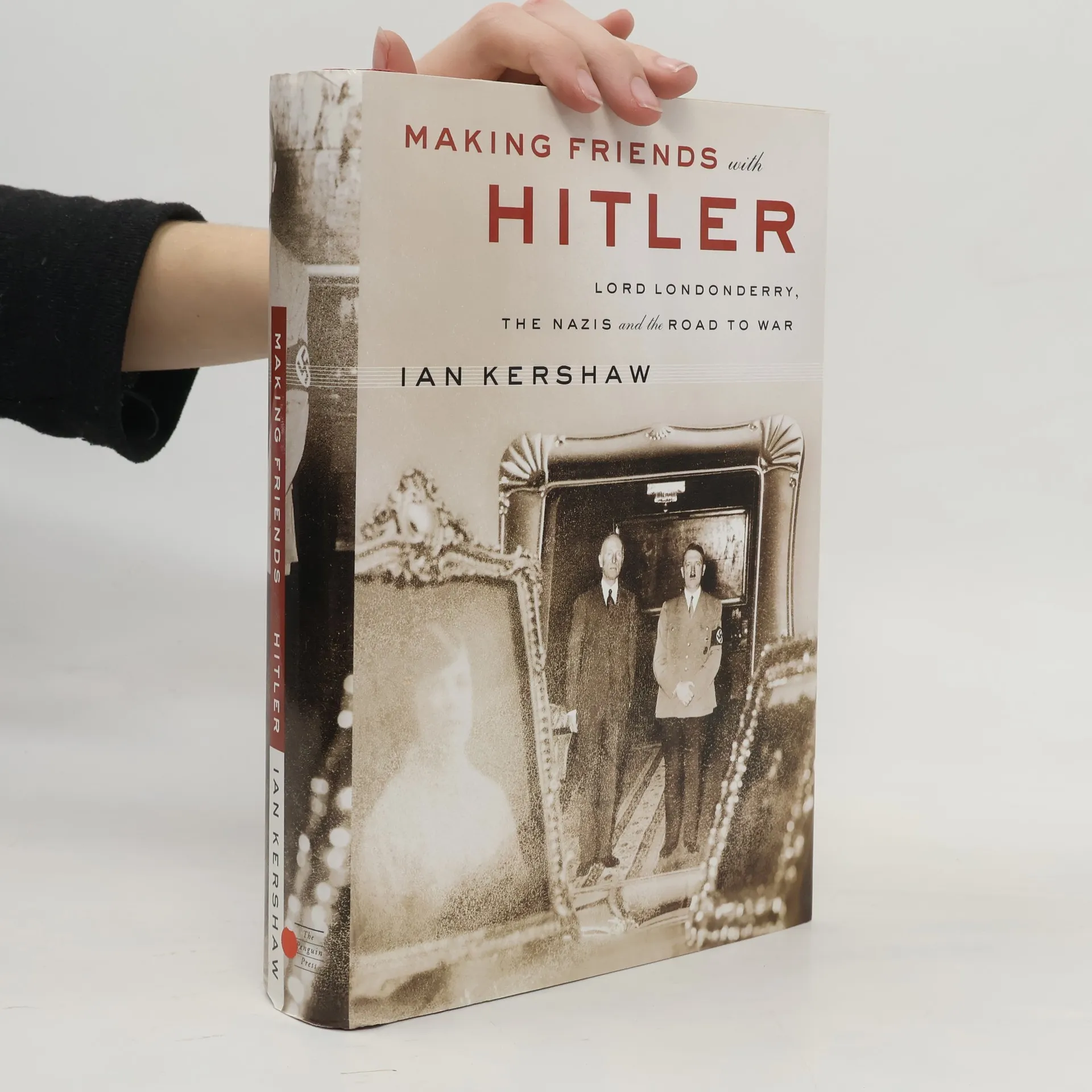
Making Friends with Hitler
Lord Londonderry, the Nazis and the Road to War
- 488 páginas
- 18 horas de lectura
Chas Stewart Henry Vane-Tempest-Stewart, 7th Marquess of Londonderry, was born to power. Scion of an aristocratic family, Churchill's cousin, royal confidant, owner of vast coal fields & landed estates, wed to the doyenne of London society, he was an ornament to his class, the .1% who still owned 30% of England's wealth as late as '30. But history hasn't been kind to 'Charley', as the king called him, because, in his own words, he "backed the wrong horse"--a very dark horse indeed: Adolf Hitler & the Nazis. Londonderry wasn't the only aristocrat to do so, but he was the only Cabinet member to do so. It ruined him. In a final irony, his grand London house was bombed by the Luftwaffe in the blitz. Kershaw isn't out to rehabilitate Londonderry but to understand him, to expose why he was made a scapegoat for views that were much more widely held than anyone likes to think. H.L. Mencken famously said that "for every complex problem, there is a solution that is simple, neat & wrong." The conventional explanation of the coming of WWII is a simple story of the West's appeasement of Hitler in the face of bullying. Thru the story of how Londonderry came to be mixed up with the Nazis & how it all went wrong, Kershaw shows that behind the familiar cartoon is a much more complicated & interesting reality, with miscalculations on both sides, fatal miscalculations.
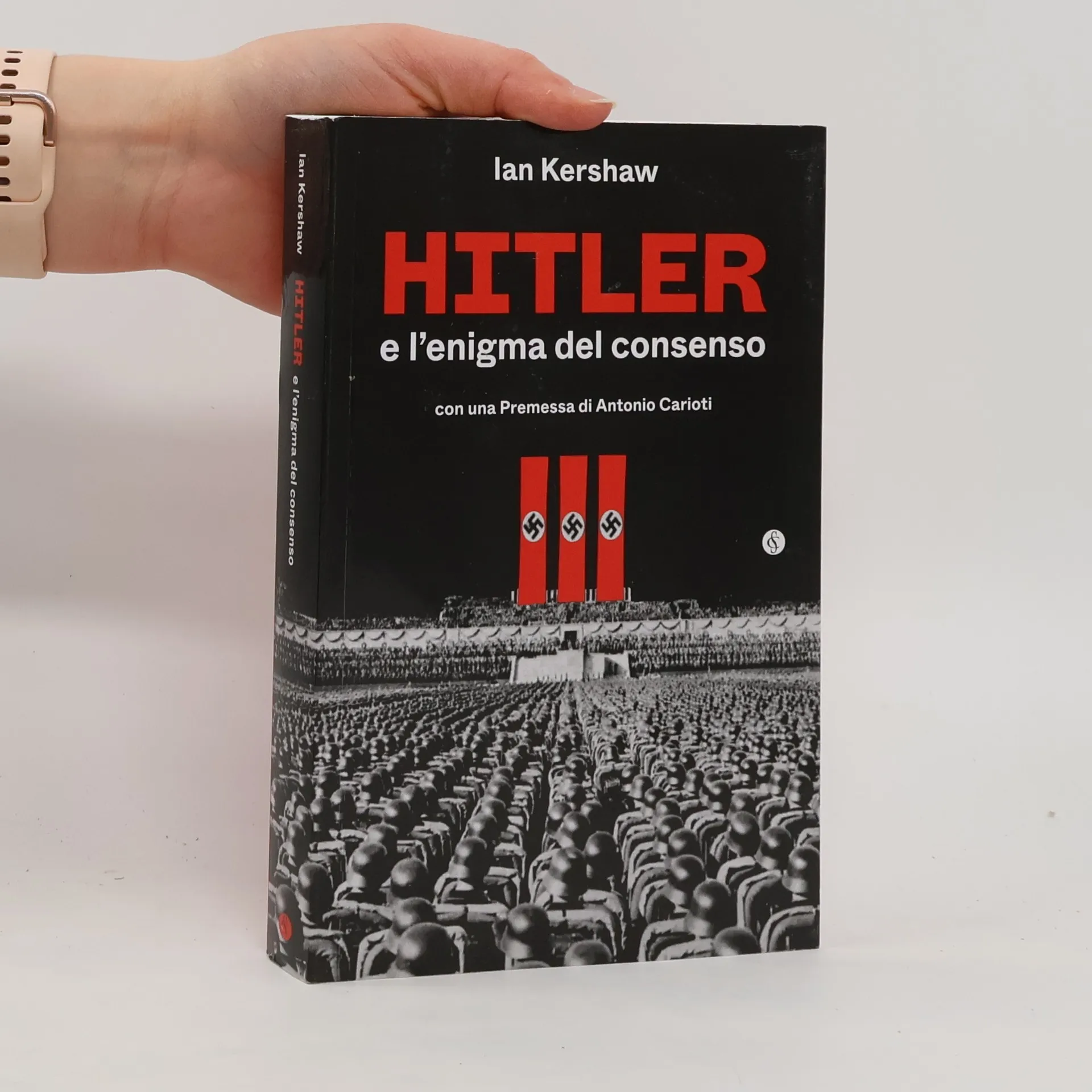
Diese magistrale Biografie ist das beste Standardwerk über einen der Hauptakteure des zwanzigsten Jahrhunderts. Wie konnte eine so unbedeutende Persönlichkeit das deutsche Volk so vollkommen in seinen Griff bekommen? Ian Kershaw untersucht in diesem ersten Teil seiner Hitlerbiografie Hitlers persönliche Hintergründe und entlarvt dabei hartnäckige Mythen. Hitler erhielt die Macht durch nationale und internationale Gegenspieler und die durch den Ersten Weltkrieg traumatisierte deutsche Gesellschaft klammerte sich an Hitler als 'Retter des Vaterlands'.
Hitler 1936-1945
- 1072 páginas
- 38 horas de lectura
Hitler 1889-1936, la primera parte de este estudio, explicaba las razones por las que los habitantes de un estado moderno, de elevado nivel cultural y de economía puntera, pusieron su destino en manos de un intruso de la política como Adolf Hitler. Ese primer volumen terminaba con la remilitarización de Renania en 1936, cuando el gran dictador gozaba del apoyo de una abrumadora mayoría de alemanes. En esta segunda entrega, Ian Kershaw hace un repaso de las decisiones más demagógicas y sanguinarias de Hitler, hasta su muerte en 1945, y propone explicar de qué modo éste pudo llegar a ejercer el poder absoluto con la aquiescencia y el beneplácito de los ciudadanos de su país, que se dejaron arrastrar a una guerra genocida, al asesinato en masa y a la propia devastación. Se trata, en palabras del autor, de una «historia sobrecogedora de autodestrucción tanto nacional como individual, de cómo un pueblo y sus representantes fraguaron su propia catástrofe como parte de una destrucción calamitosa de la civilización europea»
Hitler 1889-1936
- 776 páginas
- 28 horas de lectura
La primera parte de la biografía escrita por Ian Kershaw logró un notable éxito de público y crítica, a pesar de no abarcar los años más "interesantes" de la historia de Hitler. La obra se presenta como una exhaustiva investigación, amena y accesible para lectores sin conocimientos profundos de historia, resultado de 15 años de trabajo. Aunque puede ser repetitiva, el estudio ilumina aspectos fascinantes del personaje histórico, cuya popularidad se basaba en su habilidad oratoria, capaz de transformar a críticos en fervientes seguidores. La biografía explora los orígenes de Hitler, su vida en Viena y su experiencia en la Primera Guerra Mundial, que moldearon su ideología. Se detalla cómo su discurso y la narrativa de una "puñalada por la espalda" tras la derrota en la guerra cimentaron su ascenso. Kershaw también destaca el impacto de la crisis económica de 1929, que favoreció al nazismo como alternativa a la ineficaz República de Weimar. En 1933, el Partido Nazi ganó la mayoría parlamentaria, y tras la muerte de Hindenburg, Hitler consolidó su poder eliminando a posibles opositores. La biografía, enriquecida por nuevos archivos soviéticos, revela la mediocridad de Hitler en muchos aspectos, lo que hace aún más sorprendente su ascenso al poder.
С момента первого публикации в двух томах эта биография считается вехой в изучении Адольфа Гитлера и Третьего рейха. Это монументальное произведение представляет собой страшный и увлекательный рассказ о том, как жалкий провинциал из удаленного уголка Австрии смог завоевать беспрецедентную власть; о том, как маловероятные и презрительные идеи бывшего студента истории искусства объединились в идеологию, которая на протяжении двенадцати лет определяла судьбы миллионов людей; и о том, как безумная решимость навязать свою волю силой и противостоять многочисленным врагам привела к катастрофе геноцида. В этих страницах Иан Кершоу воссоздает путь человека, который довел мир до края пропасти, делая это с увлечением и несомненной авторитетностью.
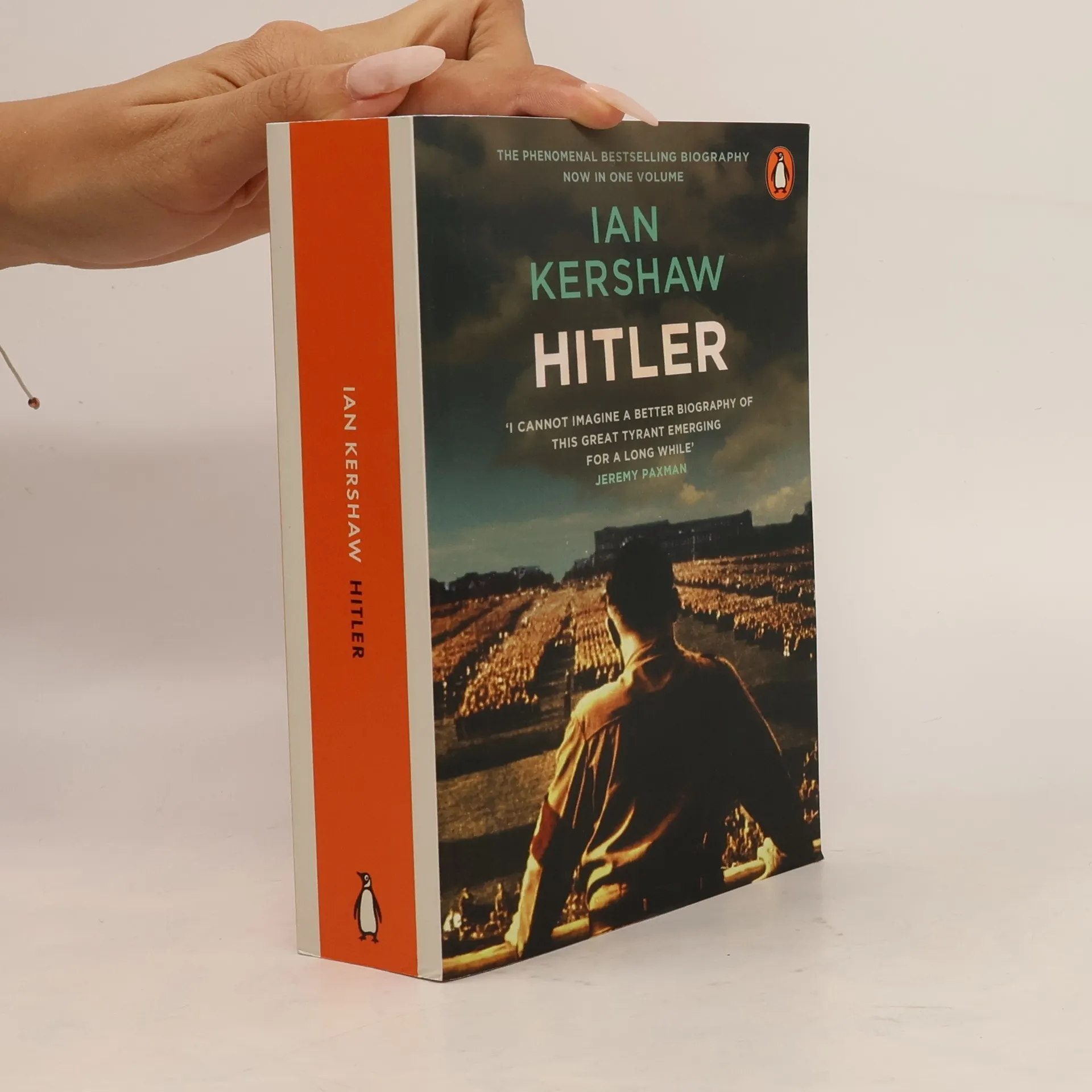
Hitler
The Phenomenal Bestselling Biography Now in One Volume - English Edition
- 1030 páginas
- 37 horas de lectura
This one-volume edition of Kershaw's "superb biography" (Ian Buruma, "New York Times Book Review") of Hitler will be the final word on the most demonic figure of the 20th century. of photos.
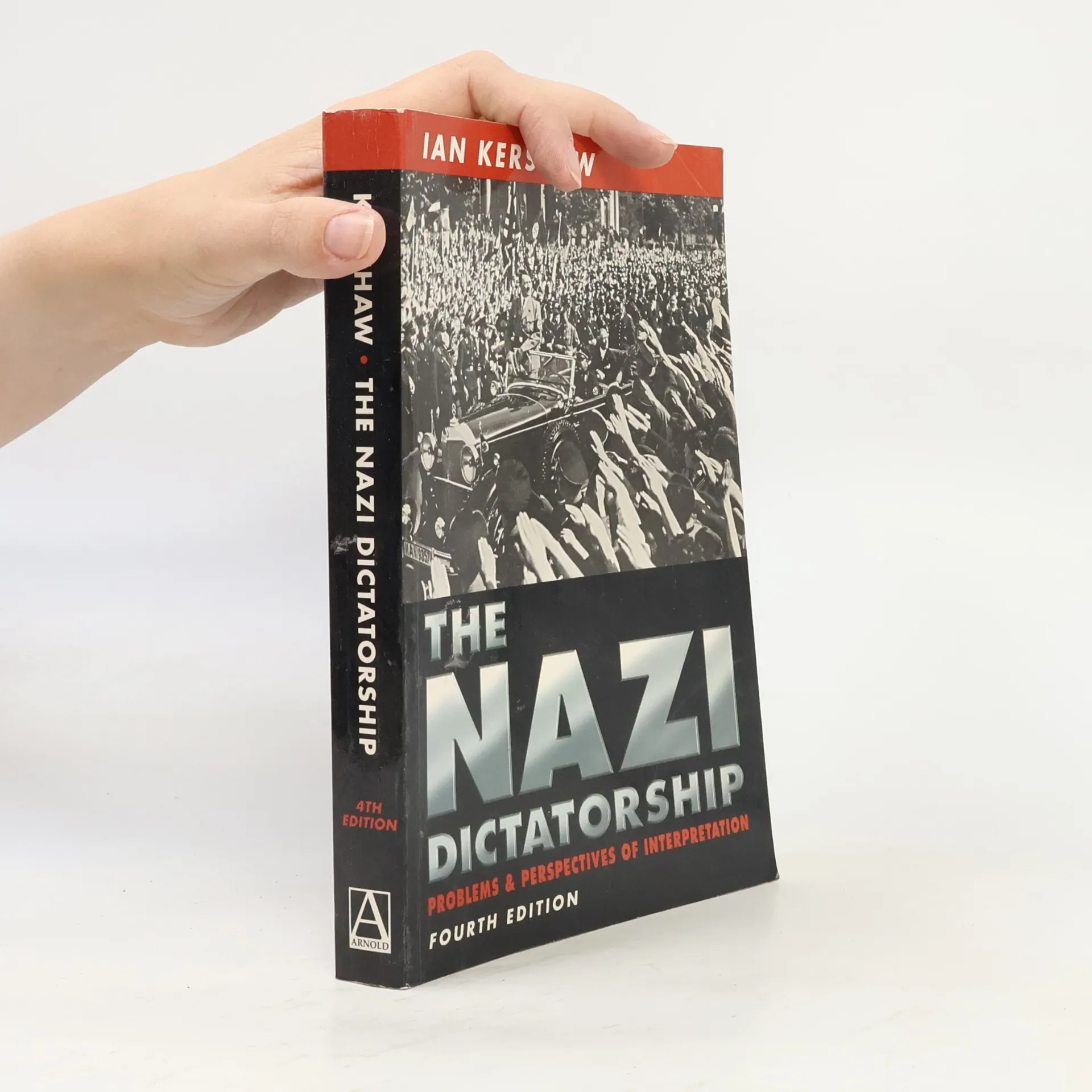
Nazi Dictatorship, 4ed
- 293 páginas
- 11 horas de lectura
This widely-used text on the Nazi regime explores the complex issues historians face when they interpret the Third Reich. Kershaw expertly synthesizes data and evaluates complex historiography looking at the major themes and debates among scholars about Nazism. Drawing on the findings of a wide range of research, particularly the work of German scholars which has not been widely available in English editions, he uncovers interpretational problems, outlines the approaches taken by various historians, and provides clear evaluations of their positions. This edition reflects current concerns and fresh research and contains substantial revisions to the chapter on "Hitler and the Jews" and an updated survey of recent historical work including Goldhagen's controversial book, Hitler's Willing Executioners .
The Hitler myth
- 312 páginas
- 11 horas de lectura
'Review from previous edition 'a book which should be read by everyone interested in the history of 20th-century Europe... perhaps the most revealing study available of popular opinion in Nazi Germany' ' -Times Higher Education Supplement
Warum kämpften die Deutschen bis zum bitteren Ende? Das »Dritte Reich« kämpfte nicht nur bis zum bitteren Ende, bis zur totalen Niederlage, es funktionierte auch bis zum Schluss. Bis die Rote Armee vor den Pforten der Reichskanzlei stand, wurde die öffentliche Ordnung in Deutschland, das täglich ein Stück mehr unter alliierte Besatzung geriet, weitgehend aufrechterhalten. Löhne wurden bezahlt und die Verwaltung lief – wenngleich unter großen Schwierigkeiten – weiter. Die Gründe dafür, warum Hitlers Deutschland militärisch zusammenbrach, sind bekannt, die Frage, wie und warum das »Dritte Reich« bis zum Schluss funktionierte, ist dagegen bis heute nicht beantwortet. Zentral bei der Suche nach einer Antwort auf die Frage, wie das Regime bis zum Ende durchhalten konnte, so der renommierte NS-Historiker Ian Kershaw, ist Hitlers Art der charismatischen Herrschaft.