English (translation)Original Hungarian
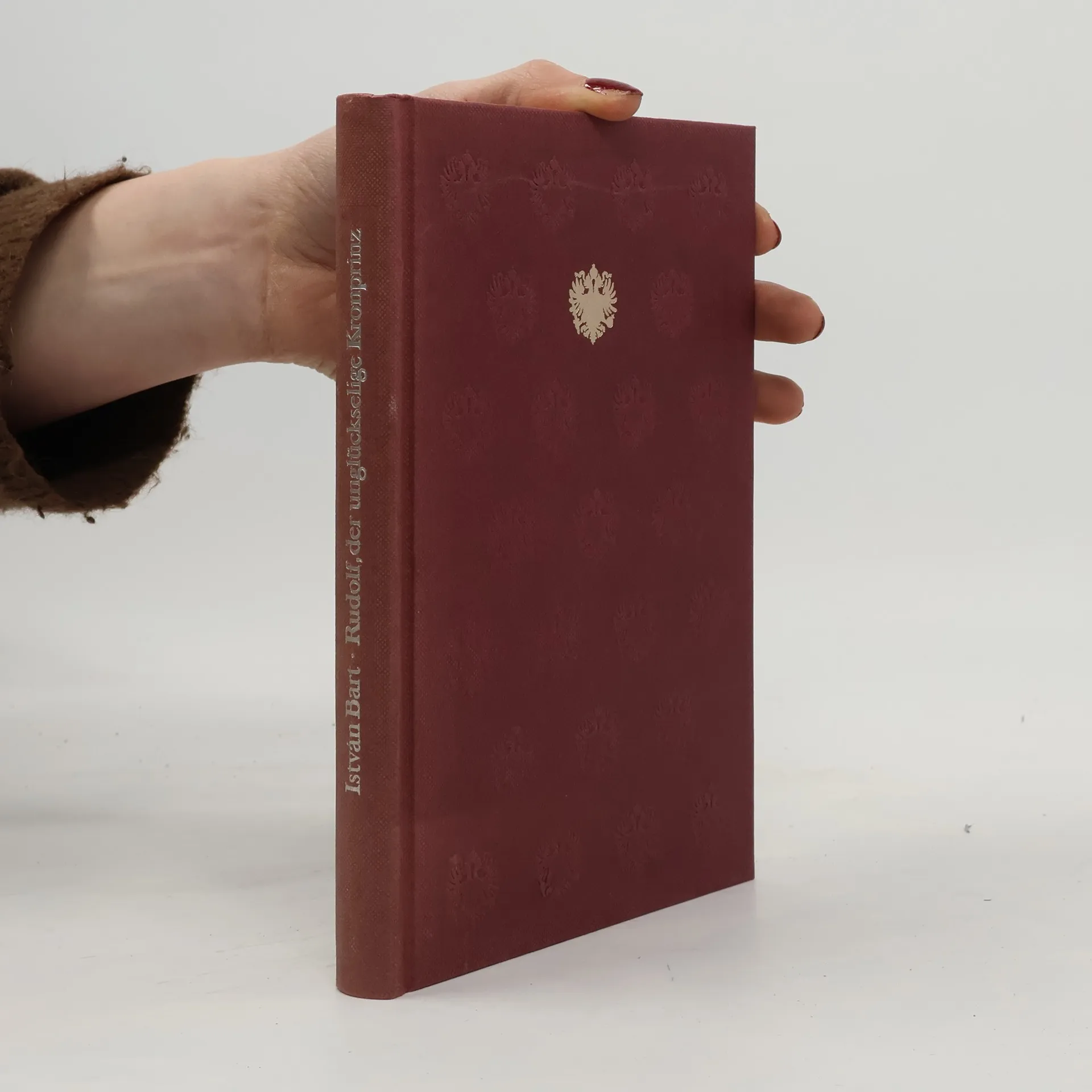
Istva n. Bart Libros
1 de julio de 1944 – 27 de junio de 2019




Hungary & the Hungarians
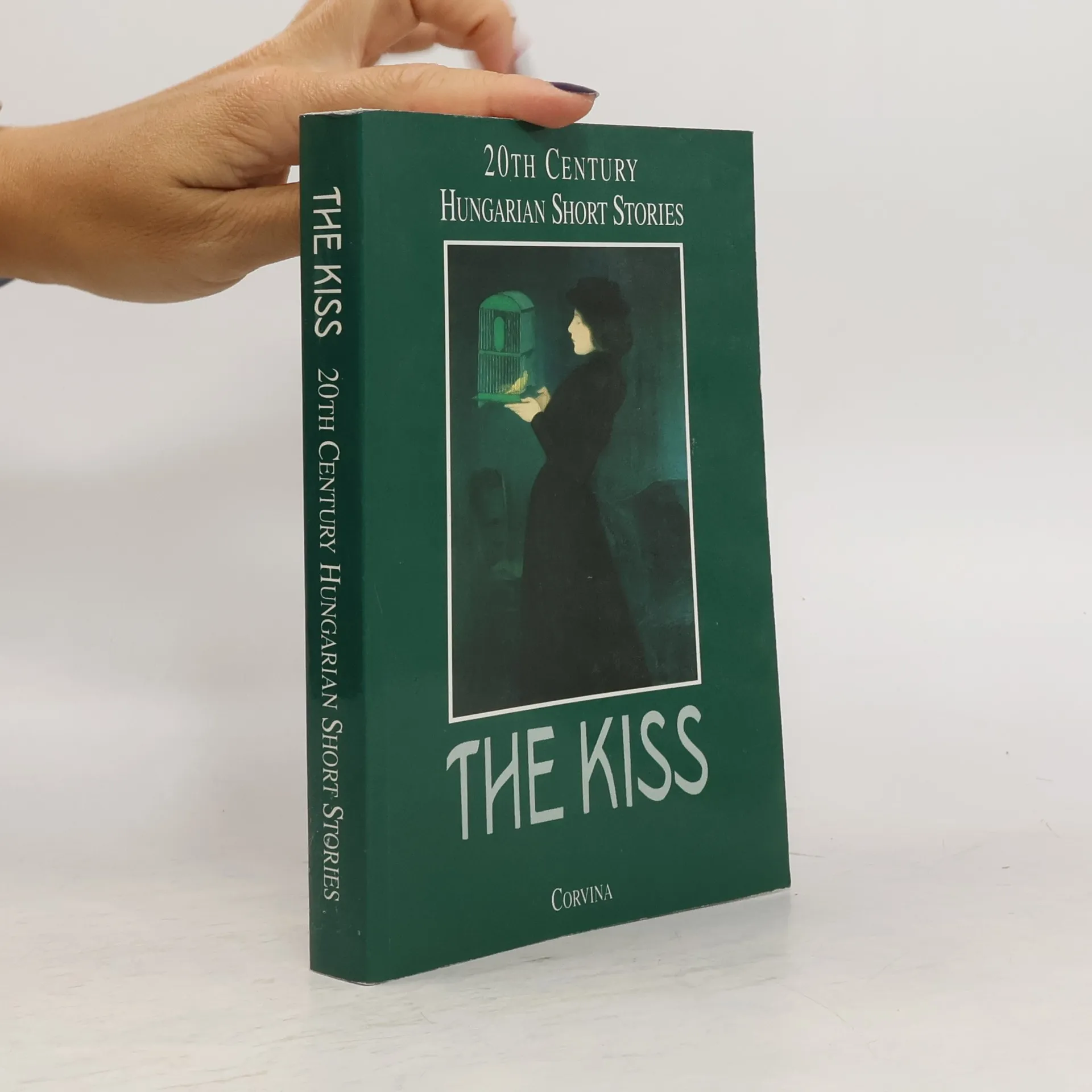
The Keywords : a Concise Dictionary of Facts and Beliefs, Customs, Usage & Myths
- 219 páginas
- 8 horas de lectura
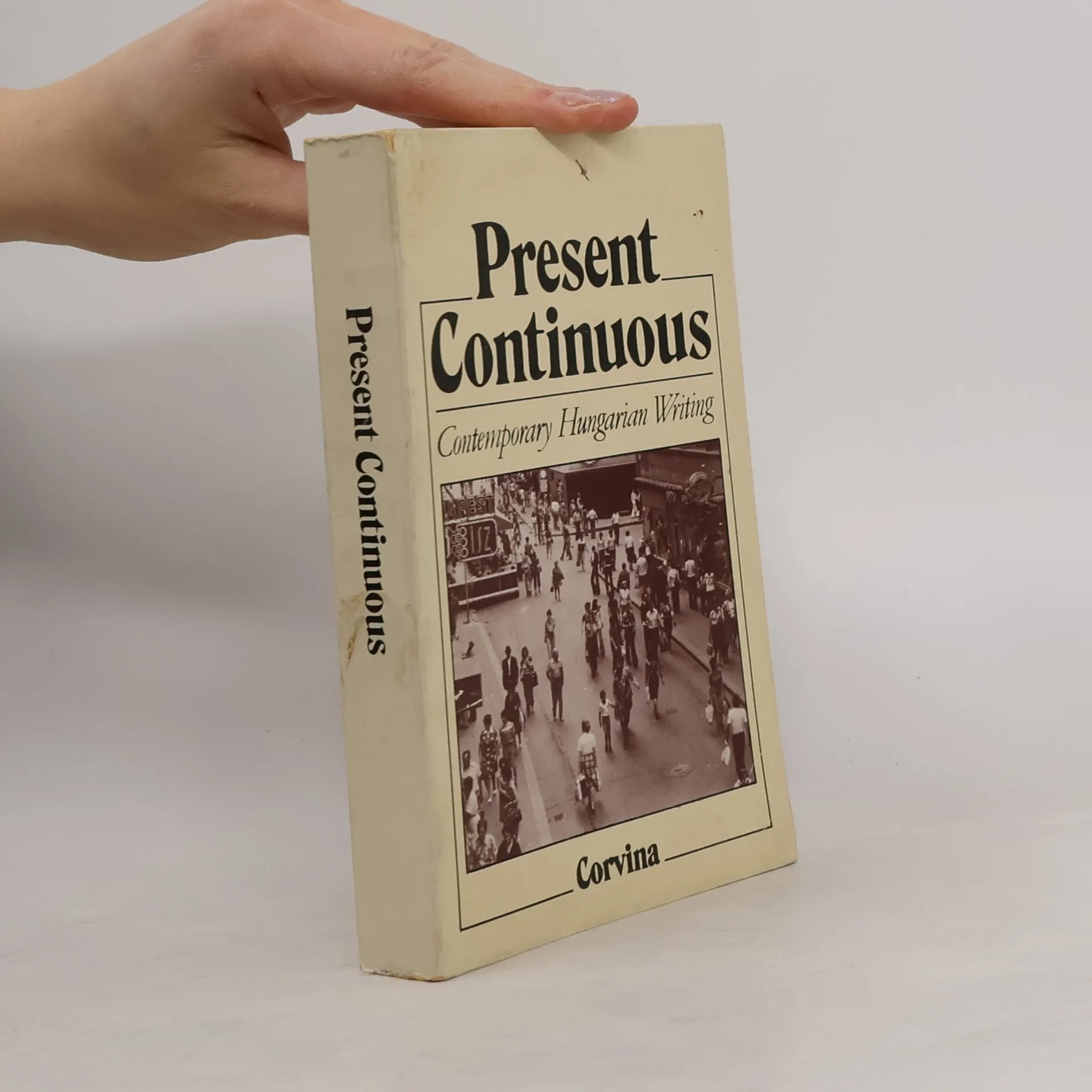
The present anthology is unusual in that its primary aim is to present, through a sample of recent Hungarian prose writing, the contemporary Hungarian scene from a historical angle. A piece each, by 25 Hungarian writers, including short stories, literary reportage, and 'sociographical' writings, gives the reader insight into the life of the country and its people, and by evoking historical turning-points, mirrors what has taken place in reality and, as a consequence, in the human soul in Hungary during the last fifty years. Among the criteria of the selection, then, the informative content of the writing figures as prominently as artistic value. By showing the pitfalls on the road towards the goals Hungarian society has set itself, the appropriate lessons can be drawn. The period under scrutiny has been extensively discussed by historians and sociologists. But how is Hungarian reality seen by the writer who is after all the most sensitive chronicler of his age, and who was both an active and passive participant in its events?
Das Buch mit dem gewollt an Kolportage erinnernden Titel ist kein Liebesroman um den Selbstmord des österreichischen Kronprinzen, sondern ein Versuch, die banale Realität einem Mythos gegenüberzustellen. Der Autor erhebt daher auch nicht den Anspruch, die x-te Lösung des Rätsels von Mayerling gefunden zu haben. Nichtsdestoweniger bringt er Neues, nämlich die Entstehungsgeschichte einer Legende. Der ironisch-kritische Unterton, der das Buch durchzieht, macht die Lektüre auch unterhaltsam. Zu bedauern sind Übersetzungsfehler sowie das Fehlen eines Literaturnachweises, denn laut Klappentext hat Bart Tagebücher, Memoiren, Gerichtsakten und Briefe verwertet. - Eine Ergänzung zu Camillo Schäfer "Mayerling" (ID 7/88). (3)
Liebe
- 413 páginas
- 15 horas de lectura
Bert Stern's "Last Sitting" photographs of Marilyn Monroe enter a dialogue with Norman Mailer's rigorous biography of the actress in this virtuoso publication. The fusion of image and text makes for an intimate portrait of an infamously enigmatic woman; a celebrity who shone even in tragedy. In this bold synthesis of literary classic and...
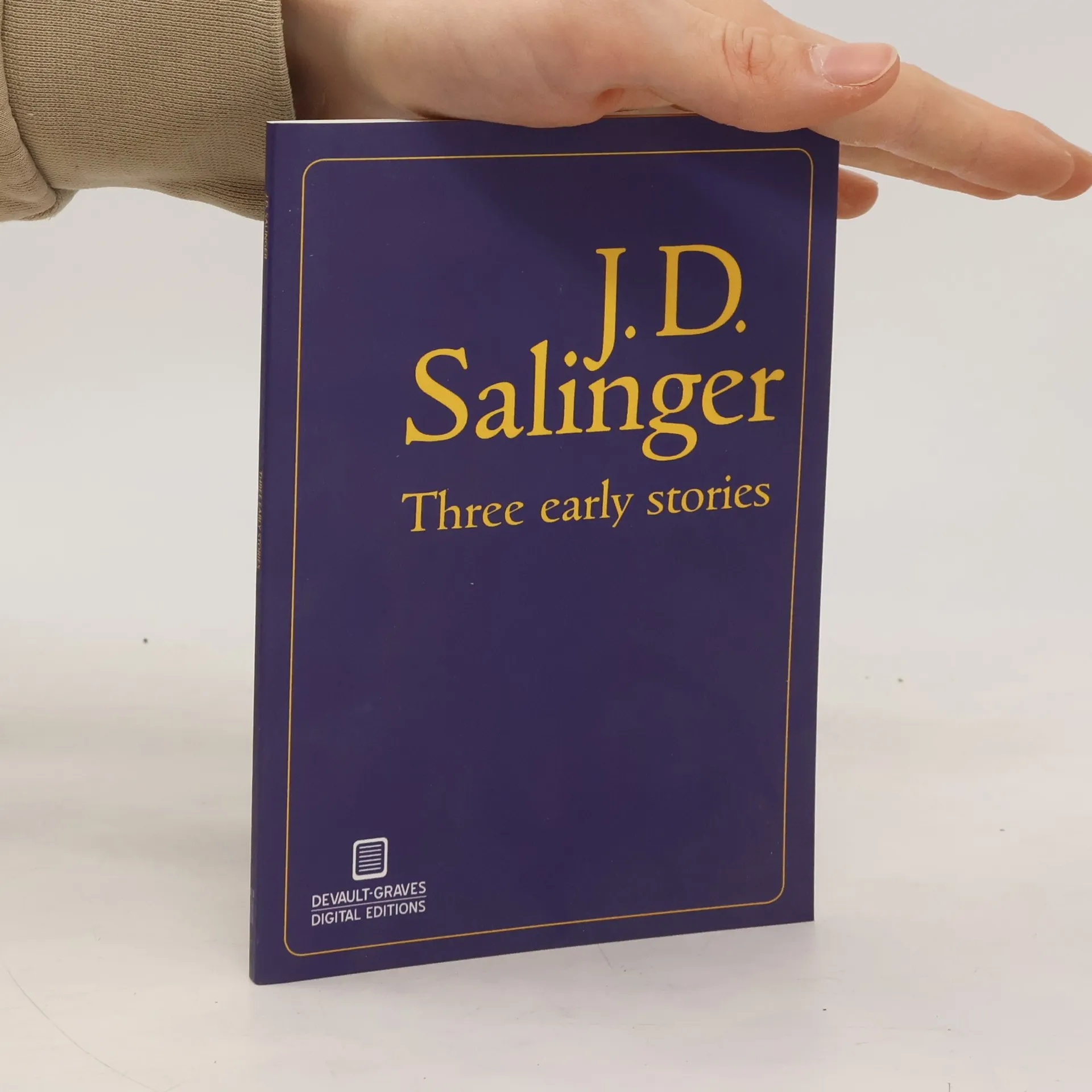
Three Early Stories
- 74 páginas
- 3 horas de lectura
A young and ambitious writer named Jerome David Salinger aimed high early in his career, yearning to publish in The New Yorker, which he viewed as the pinnacle of American literature. However, it took several years and the duration of a world war before he achieved this goal. The New Yorker, known for its selective tastes, was not ready for Salinger's brash style and cynical worldview. Instead, other magazines recognized his talent during a tumultuous time. Story magazine was the first to publish Salinger’s work, featuring “The Young Folks” in 1940. This story offers a glimpse into New York’s cocktail society, showcasing a conversation between two young people that is largely meaningless. His next story, “Go See Eddie,” appeared in The University of Kansas City Review, depicting a tense encounter where a male character pressures a young woman to meet Eddie, notable for its omitted backstory—a technique reminiscent of Hemingway. Later, as Salinger neared the end of his wartime experience, “Once A Week Won’t Kill You” was published in Story magazine. This story, about a soldier informing his aunt of his deployment, can be interpreted as a metaphor for preparing loved ones for potential loss. Devault-Graves Digital Editions proudly presents this anthology by one of America’s most innovative authors.
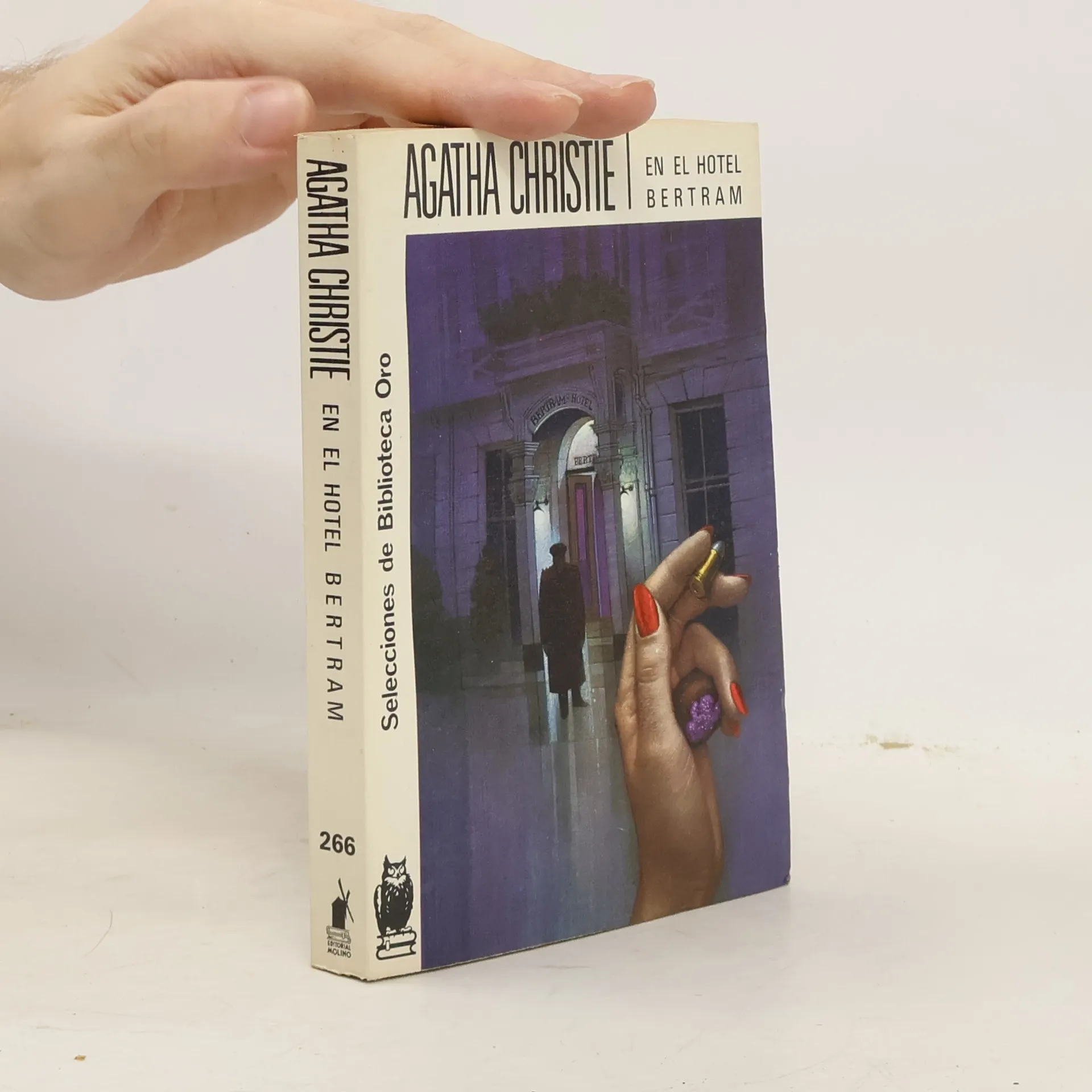
En el Hotel Bertram
- 255 páginas
- 9 horas de lectura
Miss Marple se satisface al ser invitada por su querido sobrino Raymond una estancia en el magnífico Hotel Bertram, cargando él con los gastos. Ella se había hospedado cincuenta años atrás y el ambiente no había cambiado en nada. Simplemente adoraba aquel clima de “viejos tiempos” del Hotel Bertram, situado en el West End, Londres. Era fabuloso reencontrar viejos conocidos, como al Sr. Pennyfather y se divertía con su vieja amiga Selina que acostumbraba confundir unas personas con otras. A la hora del té y acompañado de aquellos óptimos dulces ingleses, Miss Marple aprovechaba para observar a los presentes y sus reacciones. Imposible no notar la extravagante Lady Bess Sedgwick, que se había casado un buen número de veces. De uno de sus primeros matrimonios tuvo a su hija Elvira Blake, quien había alcanzado su mayoría de edad y una formidable fortuna. Ambas estaban hospedadas en el hotel. Un día, alguien intenta asesinar a Elvira, pero el tiro alcanza al portero del hotel, que intenta protegerla. Miss Marple, que había observado toda la situación desde el comienzo, puede ayudar al inspector de Scotland Yard, Fred Davy, a investigar sobre este atentado y descubrir que muchos misterios se escondían detrás del bello y tradicional Hotel Bertram.
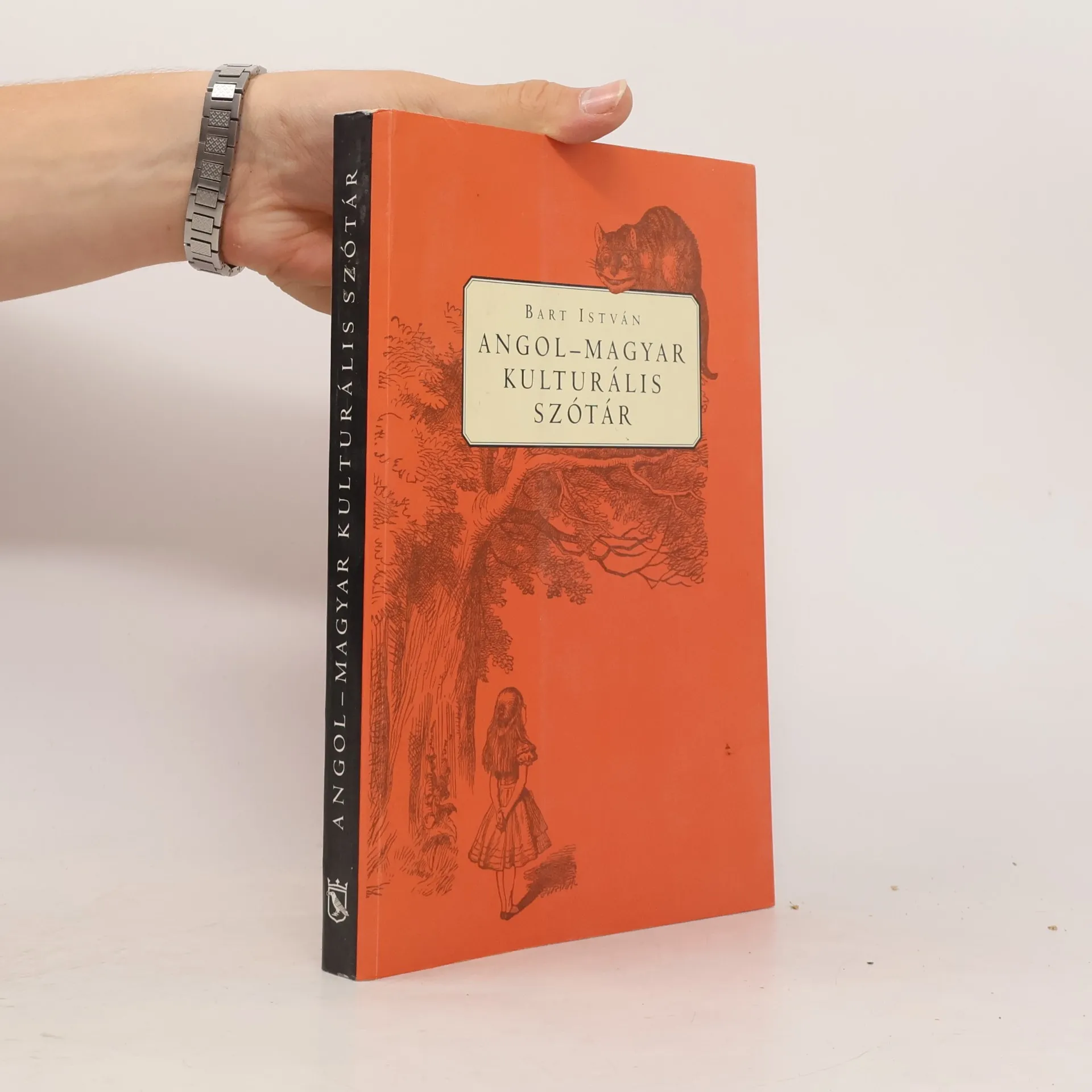
Angol-magyar kulturális szótár
- 267 páginas
- 10 horas de lectura
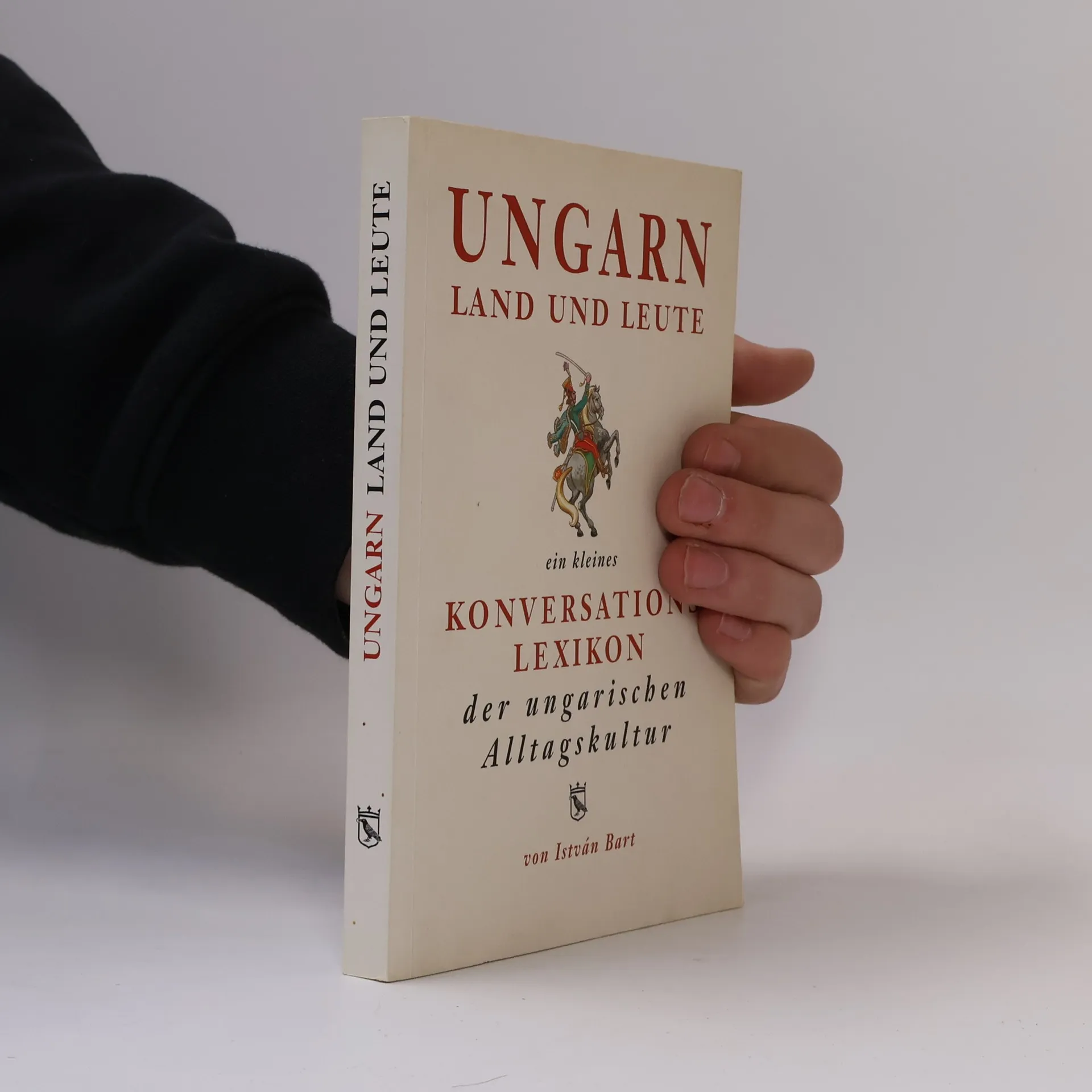
Ungarn Land und Leute
Ein kleines Konversationslexikon der ungarischen Alltagskultur
- 240 páginas
- 9 horas de lectura