Robert Matthews es un escritor científico galardonado cuyo trabajo profundiza en los aspectos fascinantes y a menudo contraintuitivos del mundo que nos rodea. Su investigación abarca campos desde el descifrado de códigos hasta la predicción de coincidencias, y sus estudios sobre la Ley de Murphy, incluido por qué la tostada aterriza tan a menudo por el lado de la mantequilla, han obtenido reconocimiento internacional. Matthews escribe con aguda perspicacia y humor, haciendo que los conceptos científicos complejos sean accesibles para una amplia audiencia. Sus artículos y ensayos exploran las fronteras de la comprensión científica, impulsando a los lectores a considerar lo aparentemente ordinario.
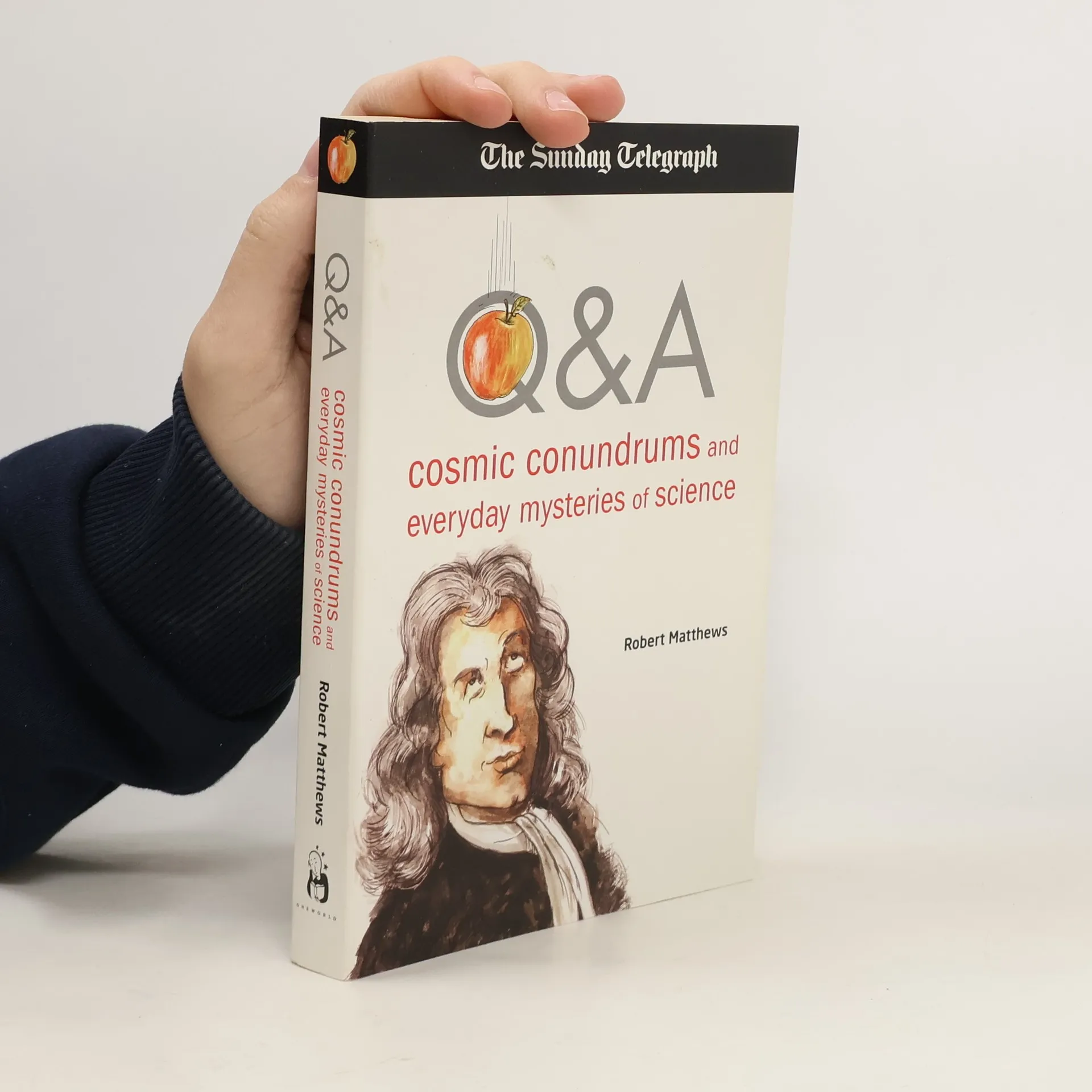
In the last 10 years scientists have made astounding discoveries about ourselves and the universe we live in. Most of these breakthroughs have remained beyond the reach of the non-expert, but this book aims to present them in an accessible fashion.
Why can't we tickle ourselves? Which properties give you the best chance of winning Monopoly? What would happen if you fell into a black hole? Is it possible to hurt your brain if you think too much? In this entertaining and enlightening tour of day-to-day life, award-winning writer and scientist Robert Matthews tackles everything from the puzzling maths of odd socks to the real 'string theory' mystery: how does string acquire all those unwanted knots?
After the Meiji Restoration of 1868 Japan modernized rapidly, transforming itself perhaps more quickly than any other country in history. However, the change was not without its conflicts, many of them still unresolved as the pleasures of modern society vie with a respect for the traditional Japanese lifestyle. As the literature of change and of the young, science fiction acts as a window to the modern mind and the uneasy alliance of the old and new. This book, filled with detailed reference to numerous stories, traces the origin and development of the genre from the mid-nineteenth century to today, thus exploring unique insights into Japanese attitudes to commercialism, spirituality, the media, war and international relations.
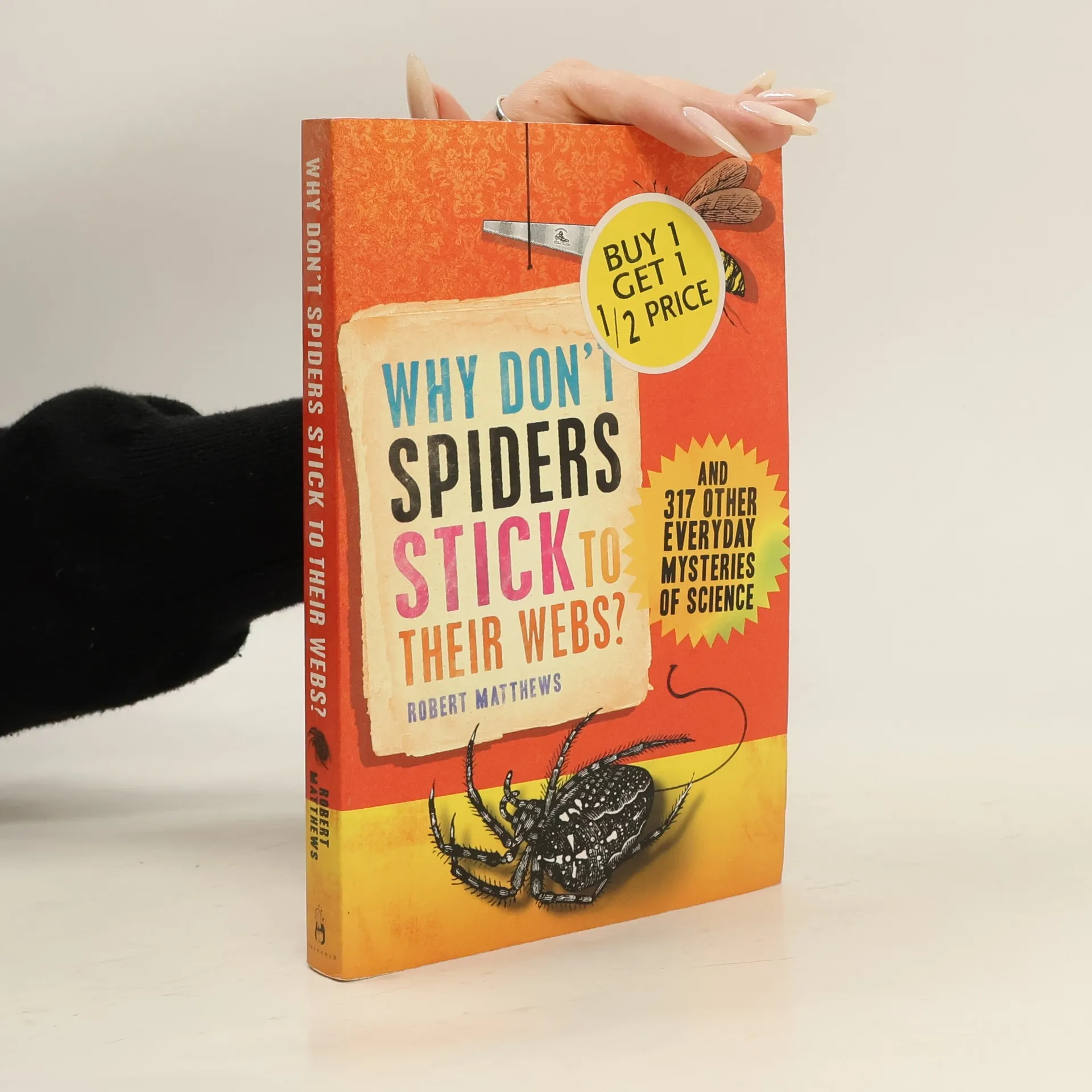
What happens if you fall into a black hole? Does subliminal advertising work? Why don't spiders stick to their webs? Award-winning science writer Robert Matthews answers the most baffling and intriguing questions sent by members of the general public, with some surprising results. From the edges of the universe to the fate of odd socks, this collection unravels the science that surrounds us, and is a must-read for all inquisitive minds.
Cosmic Conundrums and Everyday Mysteries of Science
237 páginas
9 horas de lectura
What would happen if you fell into a black hole? Which properties give you the best chance of winning at Monopoly? Why is it always difficult to get ketchup to come out of a full bottle? From the farthest reaches of the universe to the mysterious fate of odd socks, this collection of questions and answers unravels the science behind the world.
Robert Matthews i Nick Smith studiowali razem na uniwersytecie w Oxfordzie w początkach lat 80. XX wieku. Robert został fizykiem na Aston University oraz konsultantem naukowym magazynu "Focus". Jego najlepiej znane odkrycie to wyjaśnienie, dlaczego kanapka zawsze spada posmarowana stroną, za które otrzymał w 1996 roku nagrodę Ig Nobel. Nick zaś został najdłużej pracującym redaktorem w redakcji "Focusa". Zdobył kilka nagród dziennikarskich, a obecnie pisze książkę o kubańskich cygarach.