

Arshile Gorky (1904-1948) is recognized as one of the most crucial and intriguing figures in the early shaping of Abstract Expressionism. Gorky pioneered a complex vocabulary of forms by fusing landscapes remembered from his childhood home in Armenia with surrealist imagery and abstract plumes of color. In so doing, he helped create a distinctly new vision for painting, leading American art into one of the most experimental periods in its history. Gorky's most important paintings and drawings were executed from 1940 through 1947, powerfully expansive years that many regard as his breakthrough period. His rich, mature work of these years is the focus of this illuminating volume, the most comprehensive book on the subject. Michael Auping's valuable text provides an introduction to the life and art of Arshile Gorky as well as an insightful consideration of the grand psychological landscape The Liver is the Cock's Comb, 1944, a work pivotal to the development of Gorky's style. Dore Ashton writes a lucid account of this artist who tends to resist classification, contributing an art historical overview of Gorky's appreciation of such modern innovators of abstraction and Surrealism as Miro and Kandinsky. Matthew Spender provides biographical details of Gorky's early years, while a selection of Gorky's personal letters further sheds an intimate light on the artist and his achievements.
Arshile Gorky Libros


Arshile Gorky Memorial Exhibition
- 56 páginas
- 2 horas de lectura
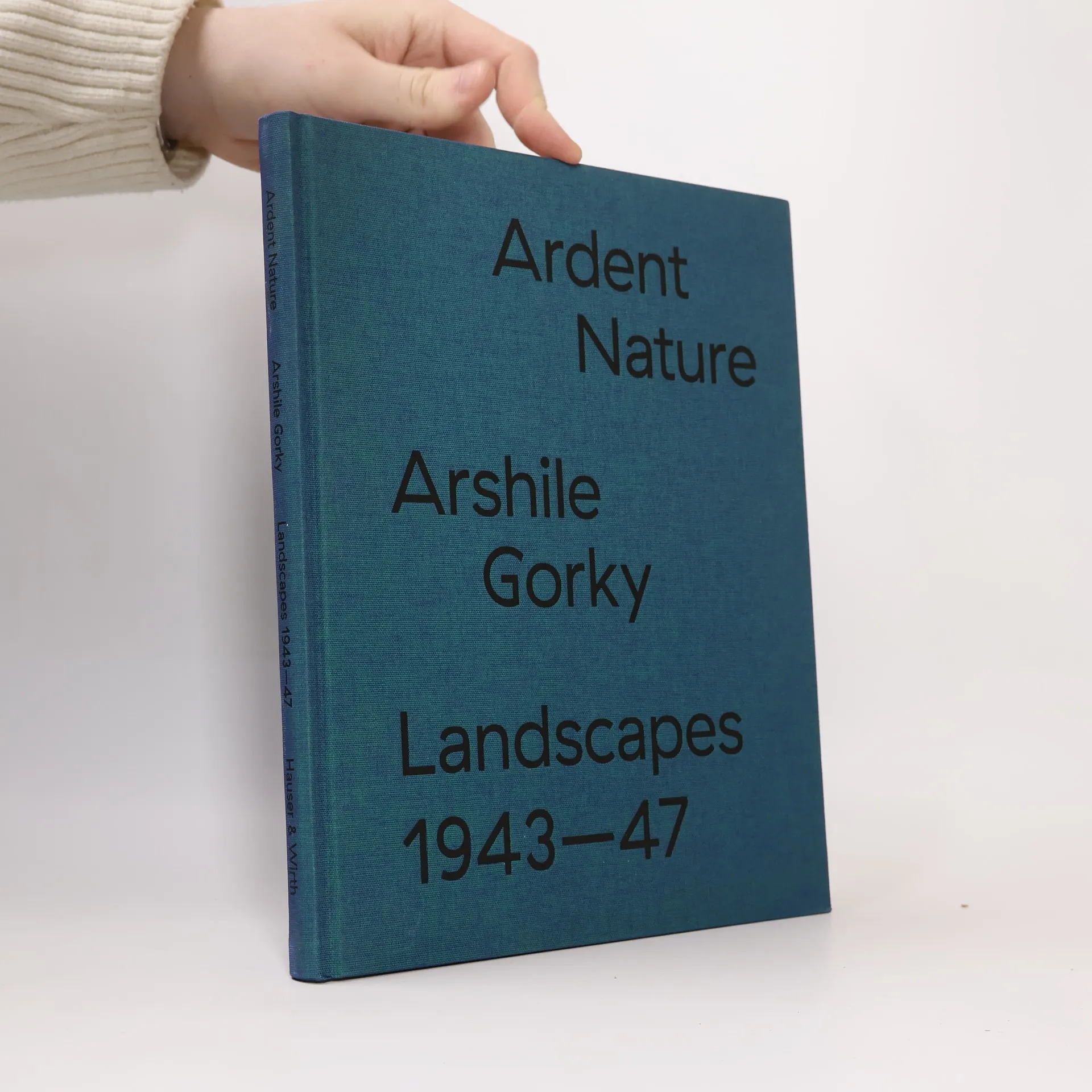
Exploring nature’s central role in establishing the singular voice of a pioneering figure in abstract expressionism Ardent Arshile Gorky Landscapes, 1943–47 is the first book to explore nature’s central role in establishing the singular voice of this truly pioneering figure in abstract expressionism. In the early 1940s, Gorky turned to nature as a primary subject matter, inspired by his summers spent in Connecticut and rural Virginia. The resulting works from this career-defining period, filled with a bold use of color, line and composition, and infused with an explosive expressive freedom, are some of the most evocative works of Gorky’s career. Featuring over 50 landscapes from this period, including paintings and works on paper, the book opens with a personal foreword from the artist’s granddaughter (and the show’s curator). The book continues with an essay from Edith Devaney, curator of the celebrated 2016 Abstract Expressionism show at the Royal Academy of Art in London, which traces the development of the Armenian-American artist’s passion and instinct for art along the arc of his career, highlighting key links to Cubism, Surrealism and Abstract Expressionism.