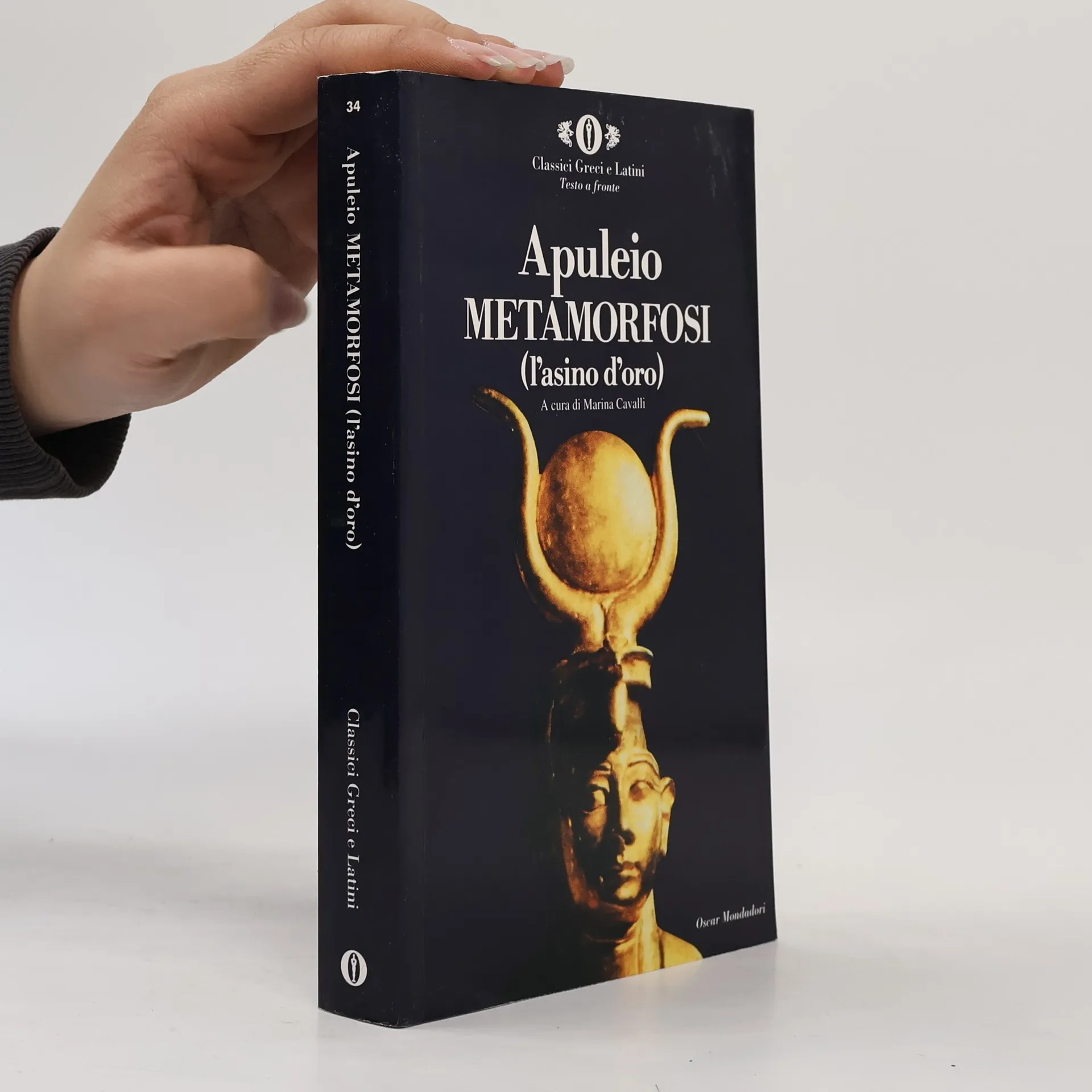
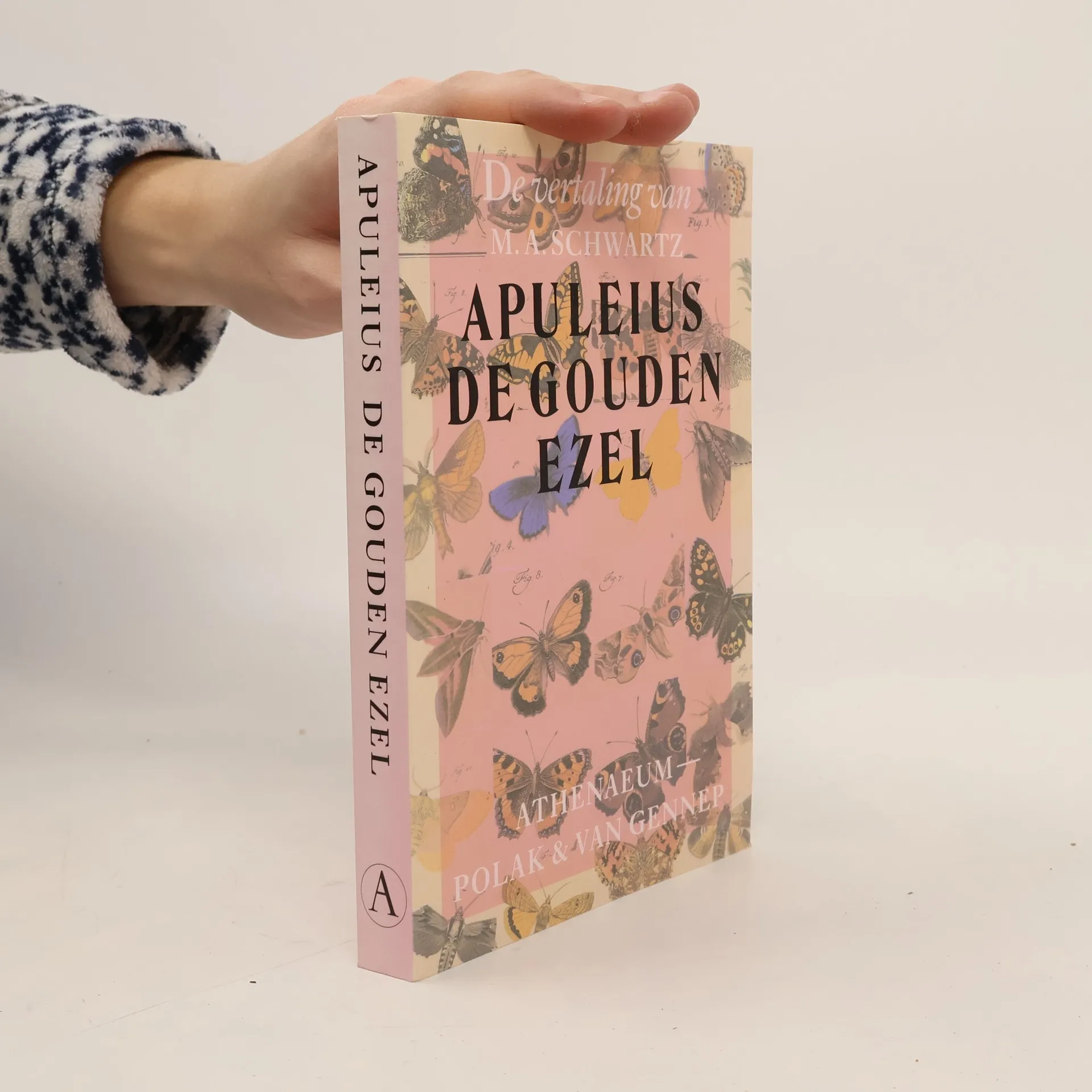
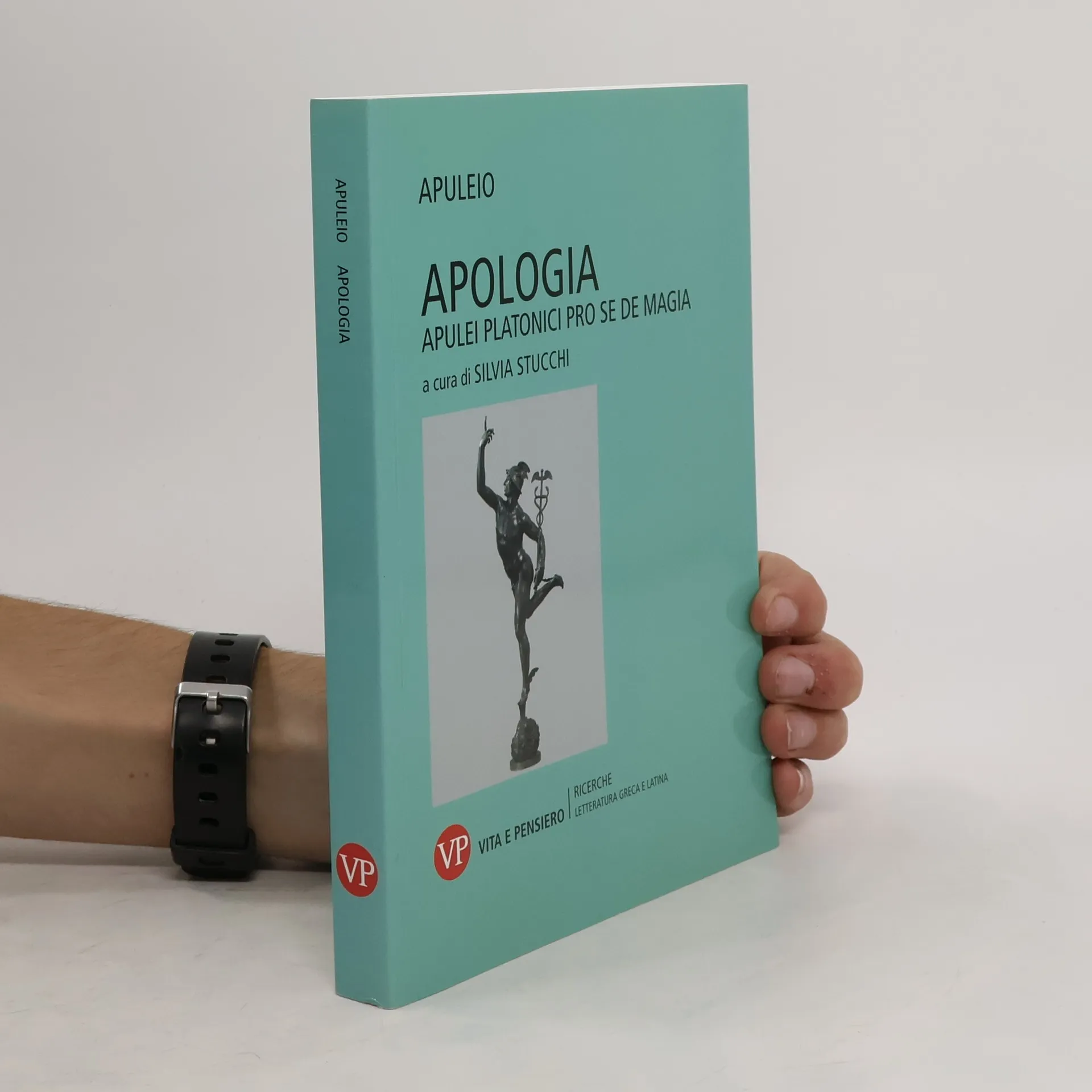
Lucius Apuleius Libros
Apuleyo fue un escritor de prosa en latín cuya vida se desarrolló bajo el Imperio Romano. De origen bereber, se sumergió profundamente en la filosofía platonista, viajó extensamente y fue iniciado en varios cultos de misterio. Su momento más célebre implicó una defensa ingeniosa y brillante que pronunció ante un procónsul y magistrados, donde se enfrentó a acusaciones de usar magia para ganarse los afectos y la fortuna de una rica viuda. Su escritura se caracteriza por su profundidad intelectual y narrativa vívida, reflejando una mente moldeada por diversas experiencias e indagación filosófica.



Apologia. Florida. De Deo Socratis
- 448 páginas
- 16 horas de lectura
Apuleius (born ca. 125 AD), one of the great stylists of Latin literature, was a prominent figure in Roman Africa best known for his picaresque novel Metamorphoses or The Golden Ass. This edition, new to the Loeb Classical Library, contains Apuleius' other surviving works that are considered genuine.
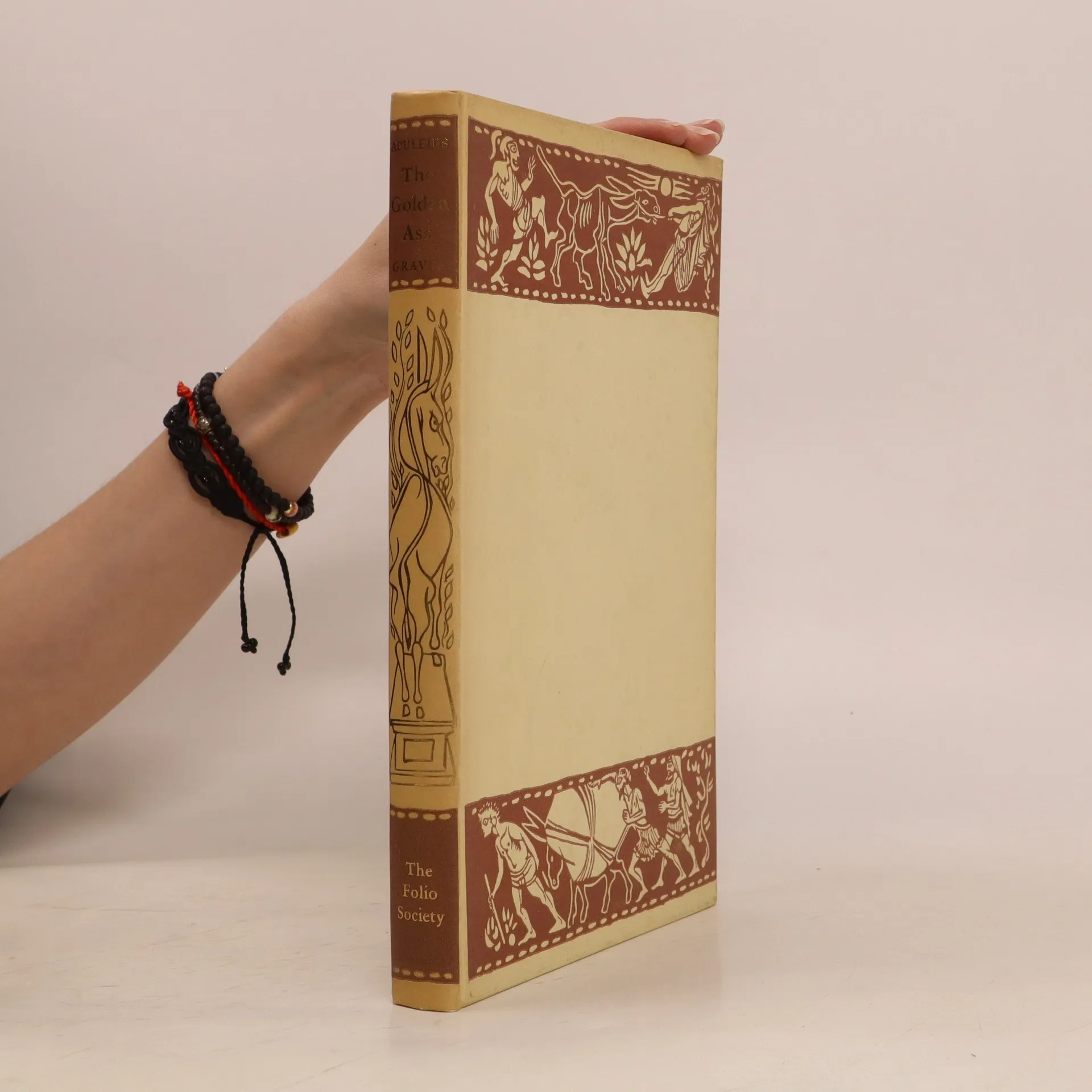
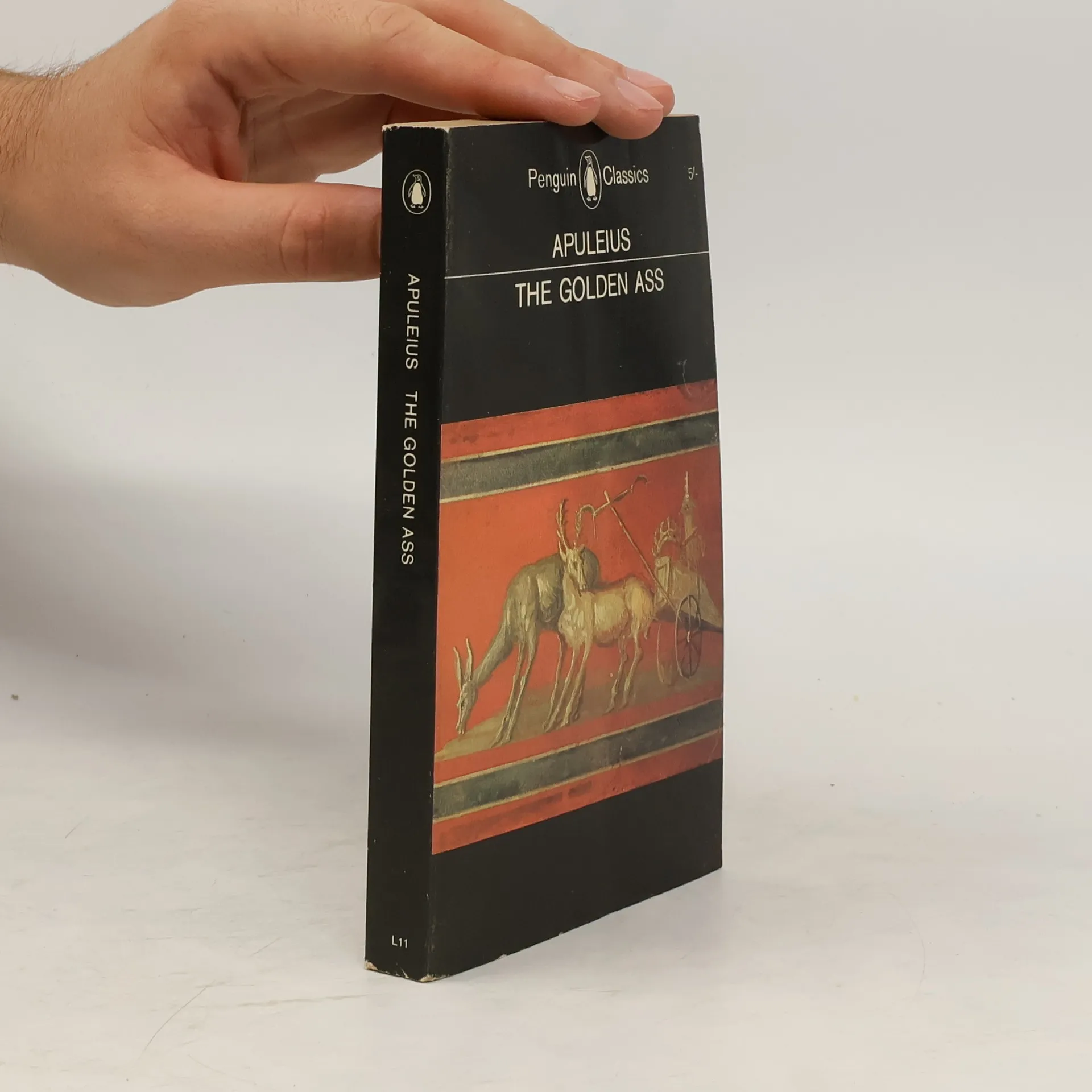
Peter Singer has breathed new life into Apuleius's The Golden Ass-a hilarious, bawdy tale and one of the earliest novels-accentuating its remarkable empathy for animals.
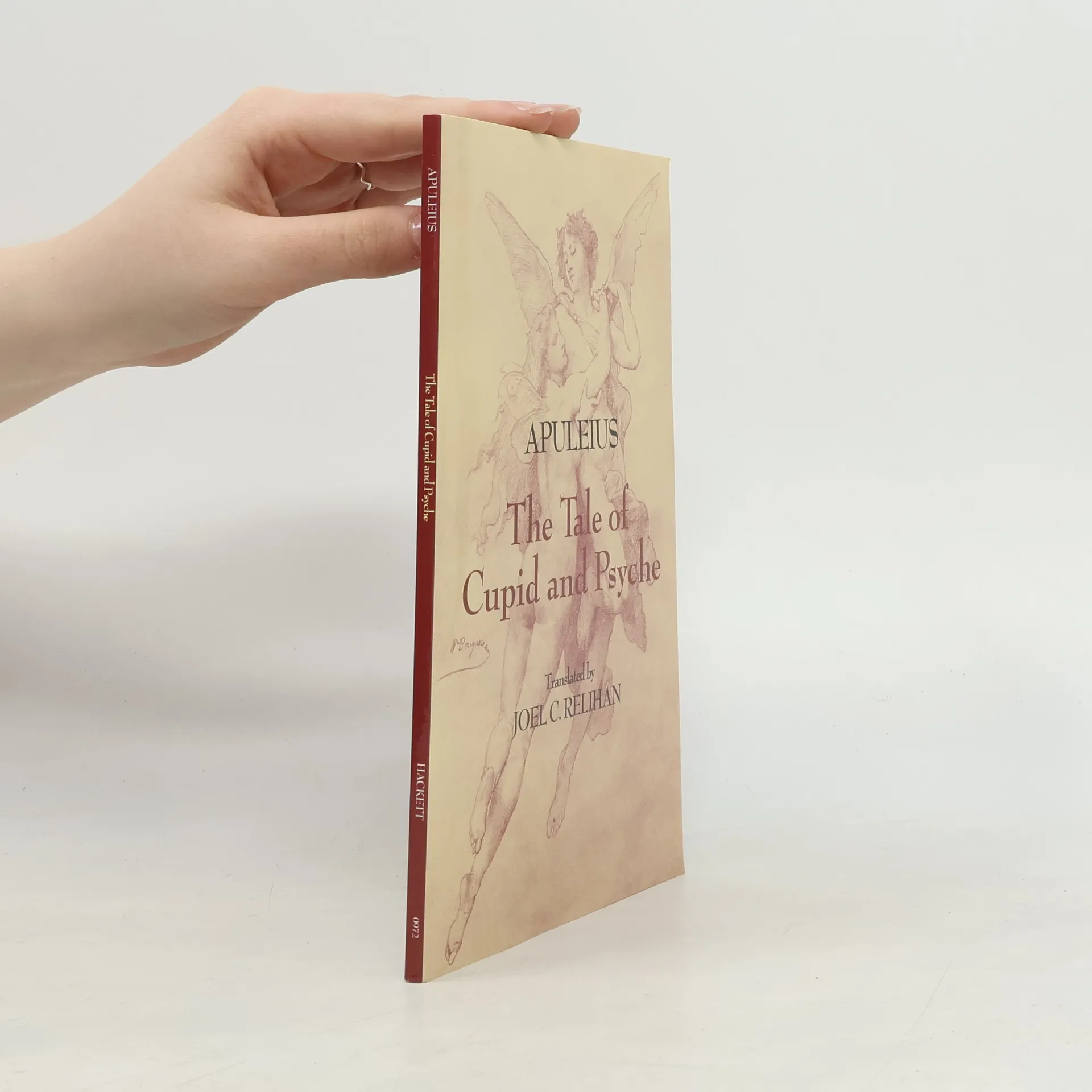
The Tale of Cupid and Psyche
- 102 páginas
- 4 horas de lectura
Is Cupid and Psyche a romance, a folktale, a Platonic allegory of the nature of the soul, a Jungian tale of individuation, or an archetypal dream? This book provides a translation of this best known section of Apuleius' Golden Ass.
The Metamorphosis: Or, Golden Ass, and Philosophical Works, of Apuleius
- 432 páginas
- 16 horas de lectura
The Golden Asse
- 262 páginas
- 10 horas de lectura
Lucius's reckless curiosity leads him to experiment with forbidden magic, resulting in his transformation into a donkey. As he navigates a comical yet perilous world, his new perspective allows him to observe human folly and societal secrets, providing sharp social commentary. His adventures through bustling marketplaces, encounters with cunning gods, and conversations with a talking parrot challenge him to confront themes of love, fate, and the absurdity of life. The story blends humor with deeper insights as Lucius seeks to regain his human form.
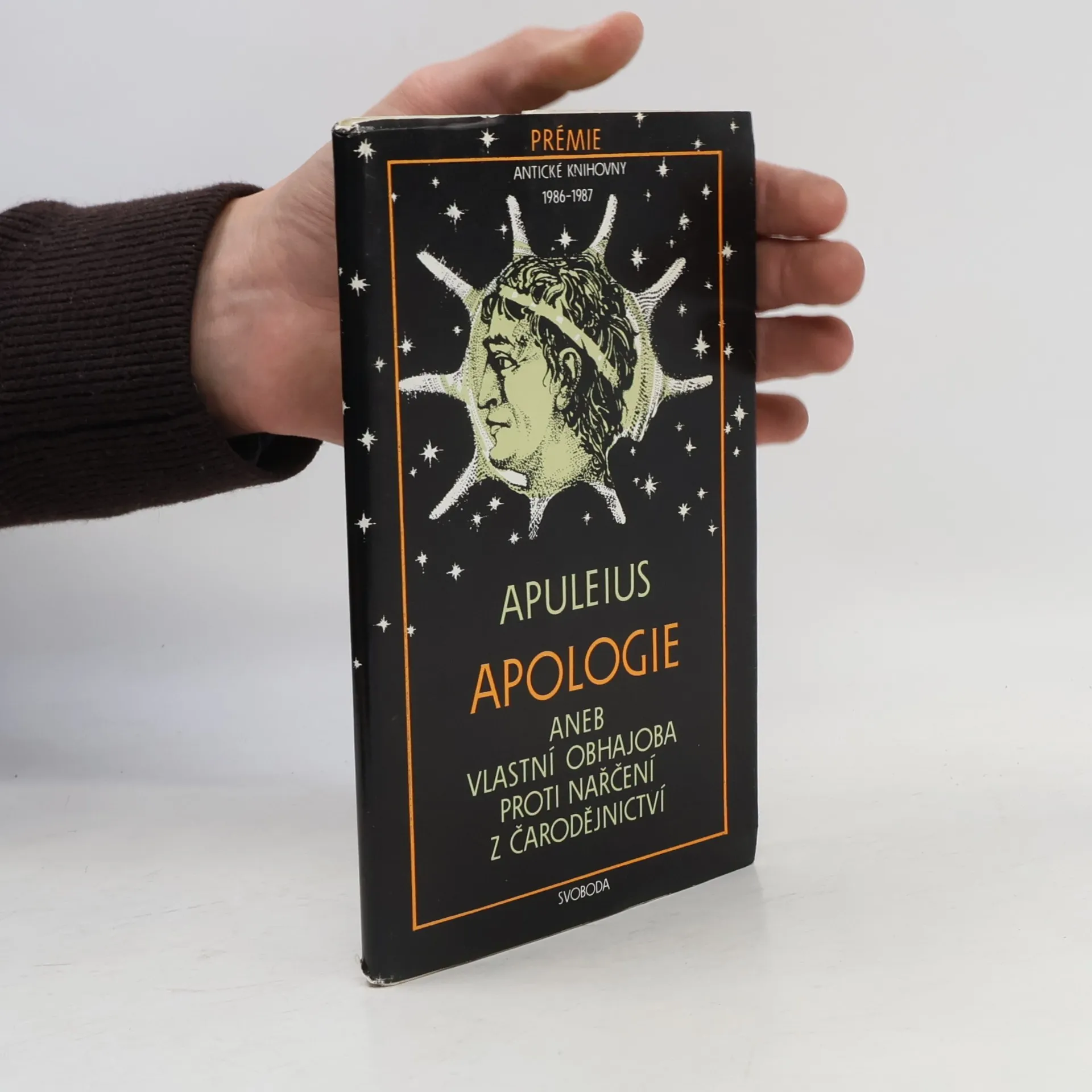
Jediná dochovaná soudní řeč z období římského císařství. Apuleiova „Apologie“ neboli „Vlastní obhajoba proti nařčení z čarodějnictví“ je řeč, kterou Apuleius pronesl na svou obranu před soudem a která mu zachránila život. Ve své psané formě byla autorem upravena pro publikaci, nicméně stále je svou povahou apologií. Je to jediná dochovaná latinská soudní apologie z císařské doby. Apuleius využívá svých rozsáhlých znalostí i svého rétorského umění a vyvrací obžalobu bod po bodu, počínaje obviněním z čištění zubů (!) až po pitvání ryb, které prováděl prý za magickými účely. Prémie Antické knihovny 1986-1987.
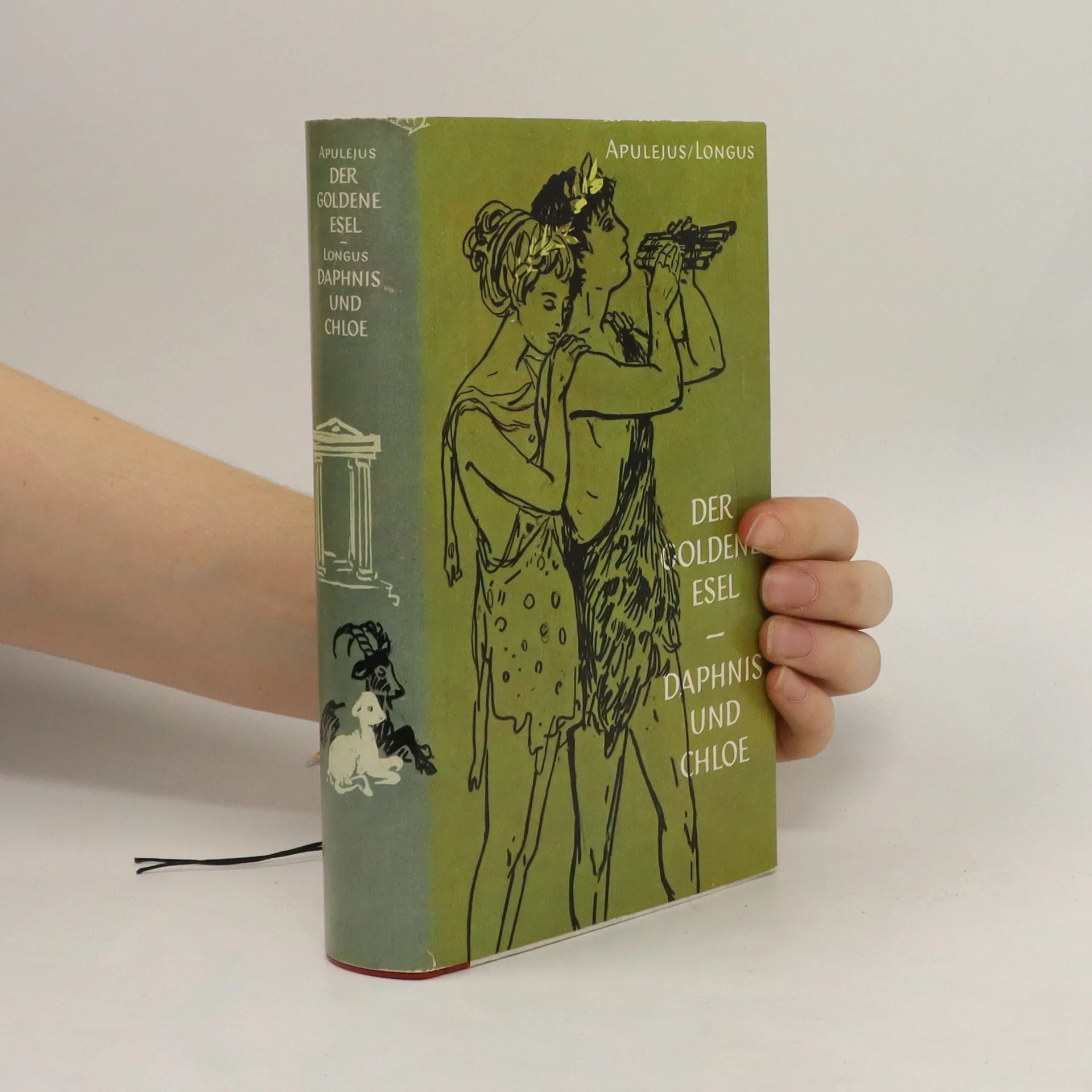
Seinen andauernden Ruhm verdankt Apuleius seinem Hauptwerk, dem lateinischen Roman »Metamorphosen«, auch bekannt als »Der goldene Esel«, der zur Weltliteratur gezählt wird. Die Interpretation des Romans, der wegen seiner Vielschichtigkeit zahlreiche Rätsel aufgibt, stellt nach wie vor eine große Herausforderung für die Klassischen Philologie dar. Die raffinierte Erzähltechnik und die geschickte Verhüllung der Absichten des Autors hat in der Forschung zu einer Fülle von konkurrierenden Deutungsansätzen geführt. Der religiös-philosophische Hintergrund des Werks ermöglicht dem Leser, in den geschilderten seltsamen, teils grotesken Vorgängen einen tieferen Sinn zu suchen und zu finden. Der Roman kann aber auch ohne Berücksichtigung einer solchen Tiefendimension gelesen werden und als bloße Unterhaltungslektüre dienen; in diesem Sinne wird dem Leser im Prolog angekündigt: »Du wirst dein Vergnügen haben«.
De magia
- 376 páginas
- 14 horas de lectura
Apuleius philosophus est, qui medium platonismum repraesentat, Platonicus nomine glorians, rhetor novae sophisticae (secundae sophisticae) peritus. Oratio defensiva multa debet immutabili humano ingenio. Longa serie philosophorum disputatum est, quod conatus ad sui conservationem sit praecipuum notae humanae. Humanae naturae character est egoismus, lex "homo homini lupus," postulatio semper superandi alterum. Incompatibilitas, invidia, zelus, impossibilitas cum alterius successu identificandi ad primam in litteris mundi Apologiam, a scripto pro suo commodo expressam, nasci iuvit.
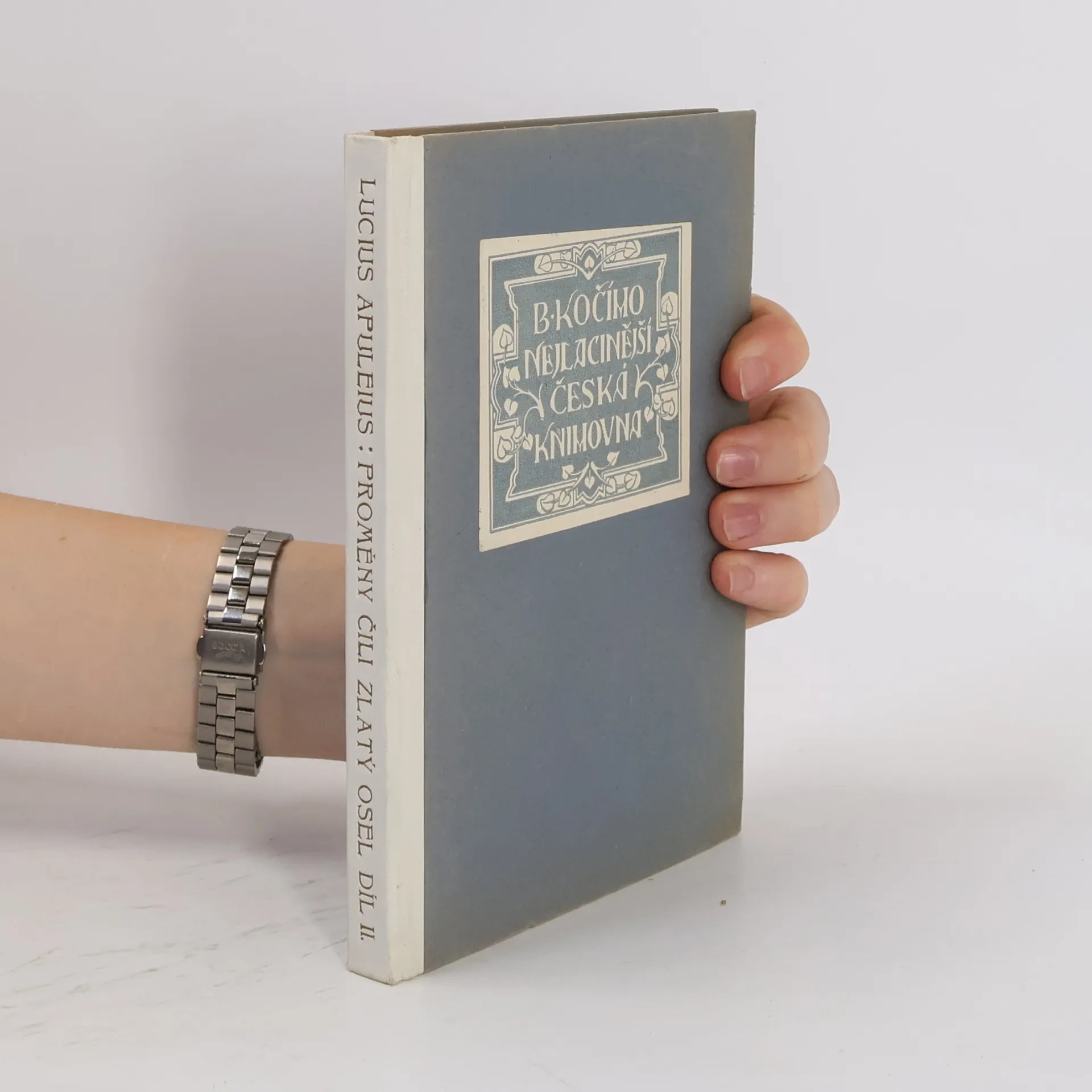
Proslulý dobrodružný román z 2. století vypráví o osudech mladého muže, který byl kouzlem proměněn v osla. Děj je proložen četnými historkami o strašidlech, intrikách, zločinech i příběhy milostnými a podává pestrý obraz rozkládající se antické společnosti.
Zlatý osol je jediným rímskym románom, ktorý sa dochoval do súčasnosti celistvý. Patrí do prúdu zábavnej literatúry, ktorá sa v Stredomorí rozvíjala od helenizmu. Hlavným hrdinom Apuleiovho románu je zámožný rímsky mladík Lucius, ktorý cestuje po Grécku. Keď vidí, ako sa žena pomocou svojich magických mastí dokáže zmeniť na vtáka, rozhodne sa i on takéto kúzlo vyskúšať. Dôjde ale k zámene čarovných mastí a tak sa z neho namiesto vtáka stane osol. Tento zvrat je východiskom rady ďalších epizôd, v ktorých Lucius-osol putuje po Grécku a pokúša sa získať nazad svoju pravú podobu.
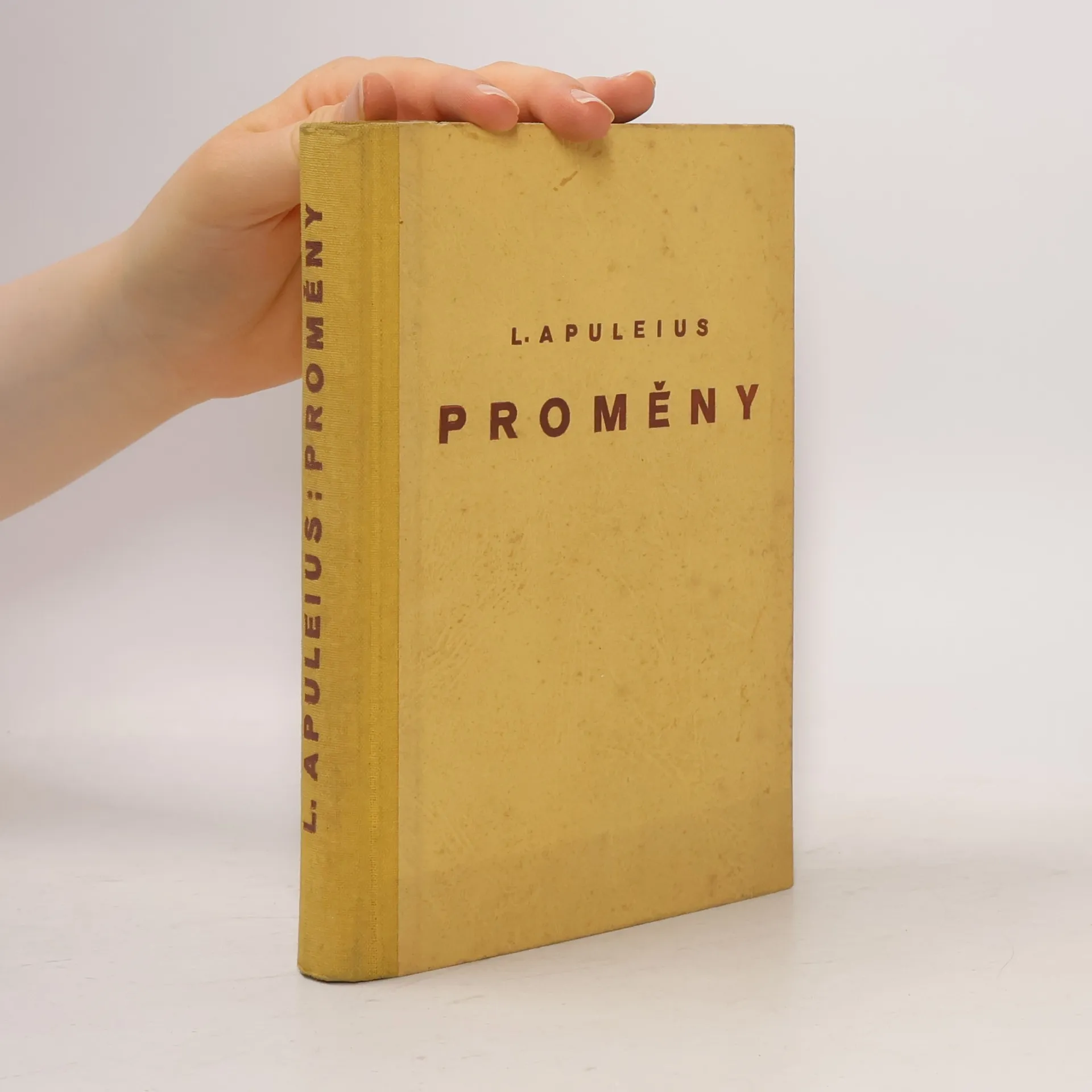
Proměny (Metamorfózy), většinou známé pod názvem „Zlatý osel“, jsou jediným zcela zachovaným latinským románem starověku. Satirický román je líčením neuvěřitelných příhod zámožného vzdělaného mladíka Lucia, který se v touze po dobrodružství a kvůli vlastní nerozvážností proměnil v osla. Než však stačí proti tomu cokoli udělat, je ukraden a donucen v oslí podobě putovat s různými majiteli, kteří ho kupují či kradou.
Apuleius: Gesammelte Werke
- 180 páginas
- 7 horas de lectura
Apuleius (123/170) war ein wichtiger antiker Schriftsteller, bekannt für seinen lateinischen Roman "Metamorphosen" oder "Der goldene Esel". Seine Werke, die philosophische und rhetorische Schriften umfassen, sind komplex und stellen eine Herausforderung für die Klassische Philologie dar. Weitere Inhalte sind "Amor und Psyche" und "Die Geschichte von dem Mann im Faß".
Proměny (Metamorfózy), většinou známé pod názvem „Zlatý osel“, jsou jediným zcela zachovaným latinským románem starověku. Satirický román je líčením neuvěřitelných příhod zámožného vzdělaného mladíka Lucia, který se v touze po dobrodružství a kvůli vlastní nerozvážností proměnil v osla. Než však stačí proti tomu cokoli udělat, je ukraden a donucen v oslí podobě putovat s různými majiteli, kteří ho kupují či kradou.
Známý příběh o tom, jak se bůh Amor zamiloval do dívky Psyché, je částí Apuleoiova románu "Proměny".
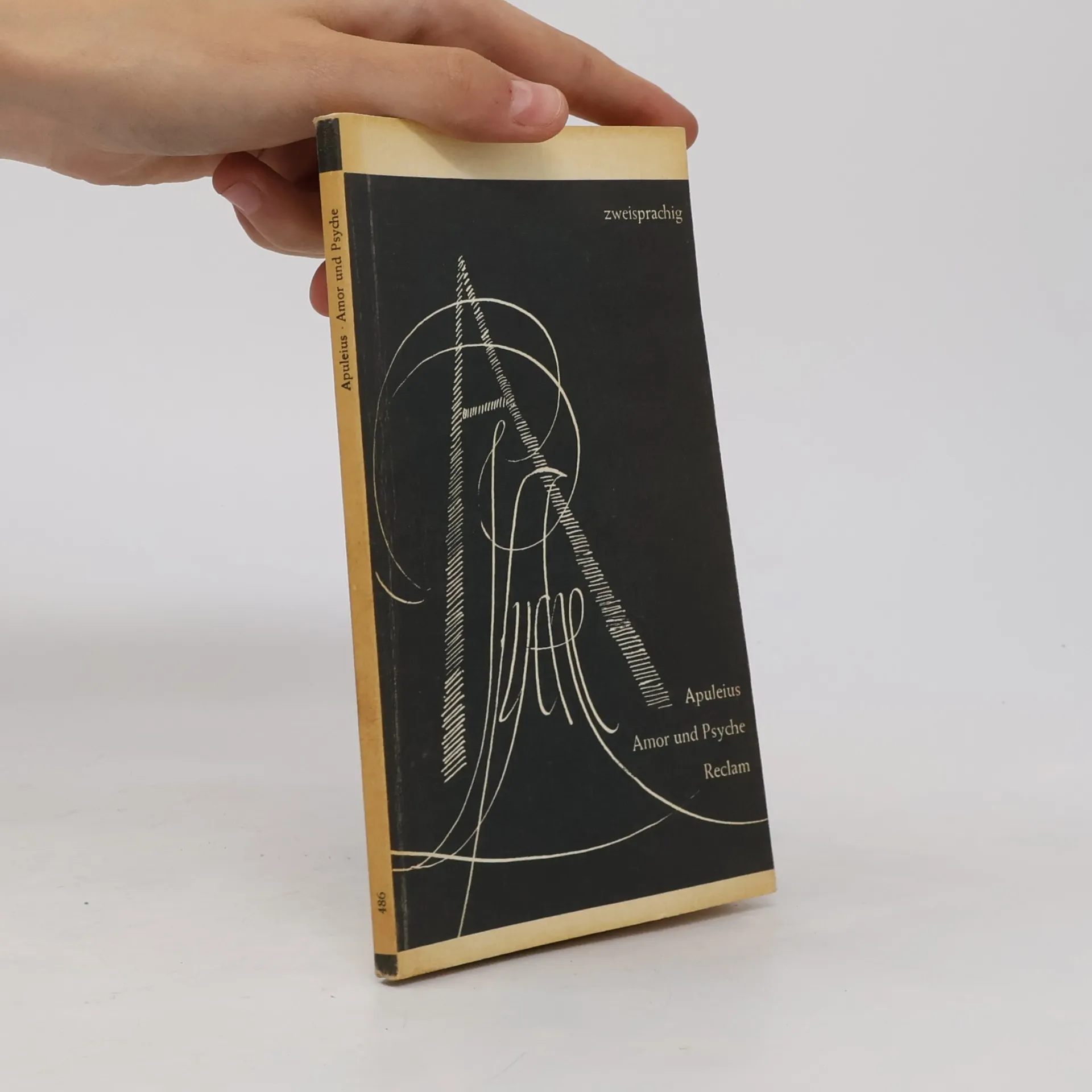
Amor und Psyche : lateinisch und deutsch
- 81 páginas
- 3 horas de lectura
Proměny (Metamorfózy), většinou známé pod názvem „Zlatý osel“, jsou jediným zcela zachovaným latinským románem starověku. Satirický román je líčením neuvěřitelných příhod zámožného vzdělaného mladíka Lucia, který se v touze po dobrodružství a kvůli vlastní nerozvážností proměnil v osla. Než však stačí proti tomu cokoli udělat, je ukraden a donucen v oslí podobě putovat s různými majiteli, kteří ho kupují či kradou.
Allegorische roman van de Latijnse auteur (geschreven rond 175 na Chr.) over een jongeman die in een ezel verandert.
Apologia. Apulei Platonici pro se de magia. Testo latino a fronte
- 347 páginas
- 13 horas de lectura