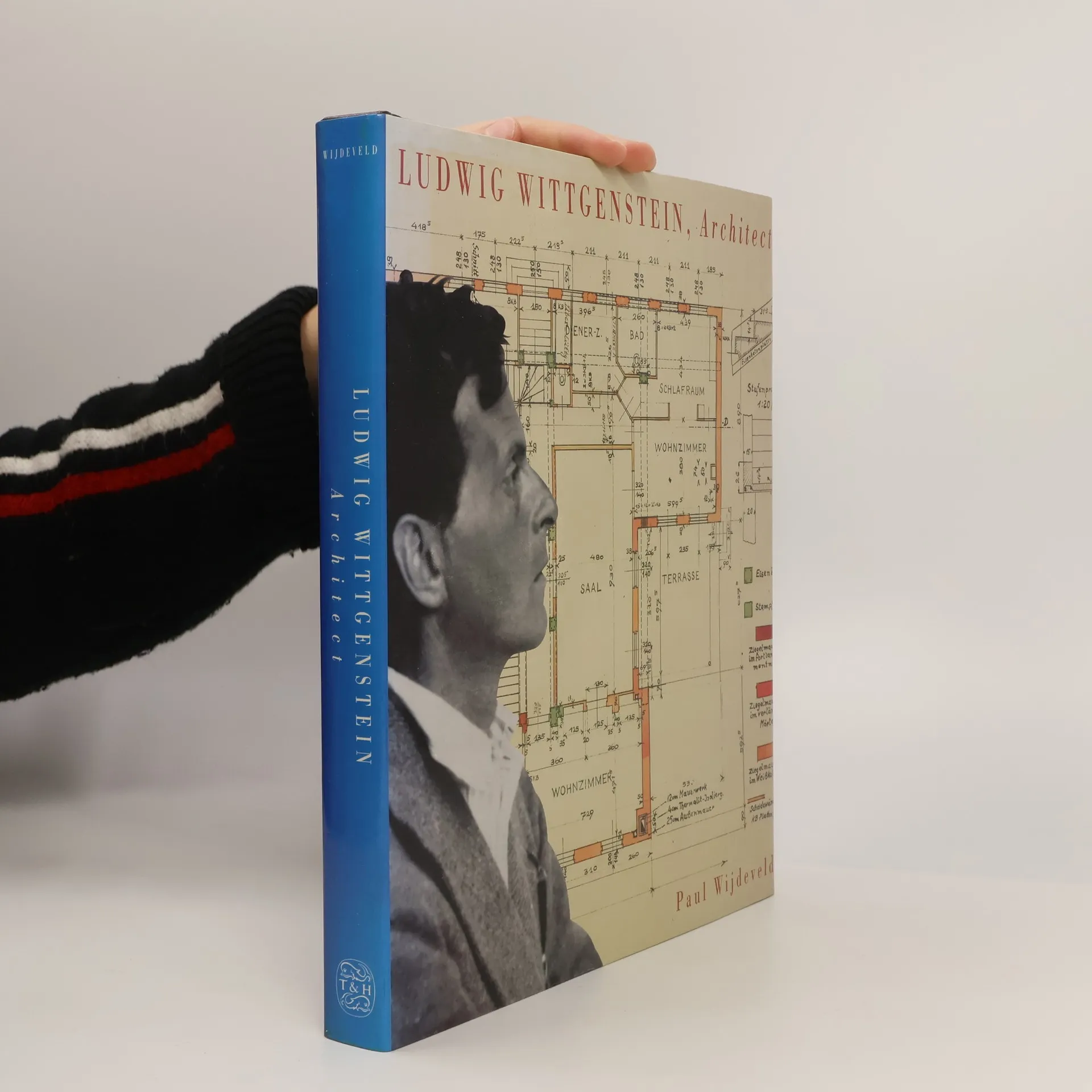
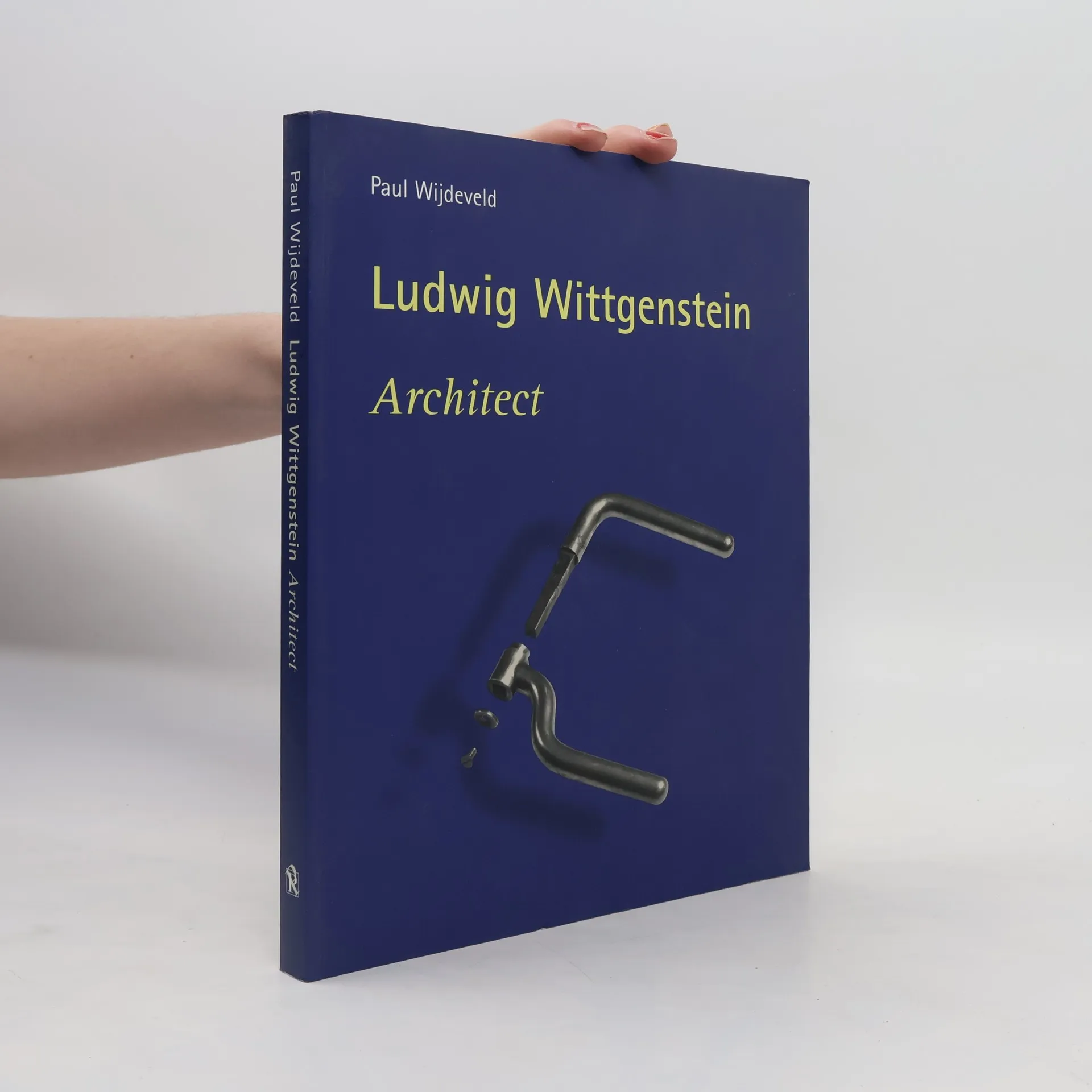
The text is accompanied by some 300 drawings and sketches by Engelmann and Wittgenstein, virtually all preserved perspectives and plans, and drawings and watercolors of the villa's interior and original furnishing.
The power of Ludwig Wittgenstein's genius, which had such a significant effect upon the course of Western philosophy, meant that for him nothing was trivial or of secondary importance. Between 1926 and 1928, in partnership with the architect Paul Engelmann, he designed and built a house in Vienna - the Kundmanngasse - for his sister Margaret Stonborough. Although Engelmann was an experienced architect and a former pupil of Adolf Loos, Wittgenstein dominated the project and is credited with the design: which is described as an elegant and austere example of early Modernism.
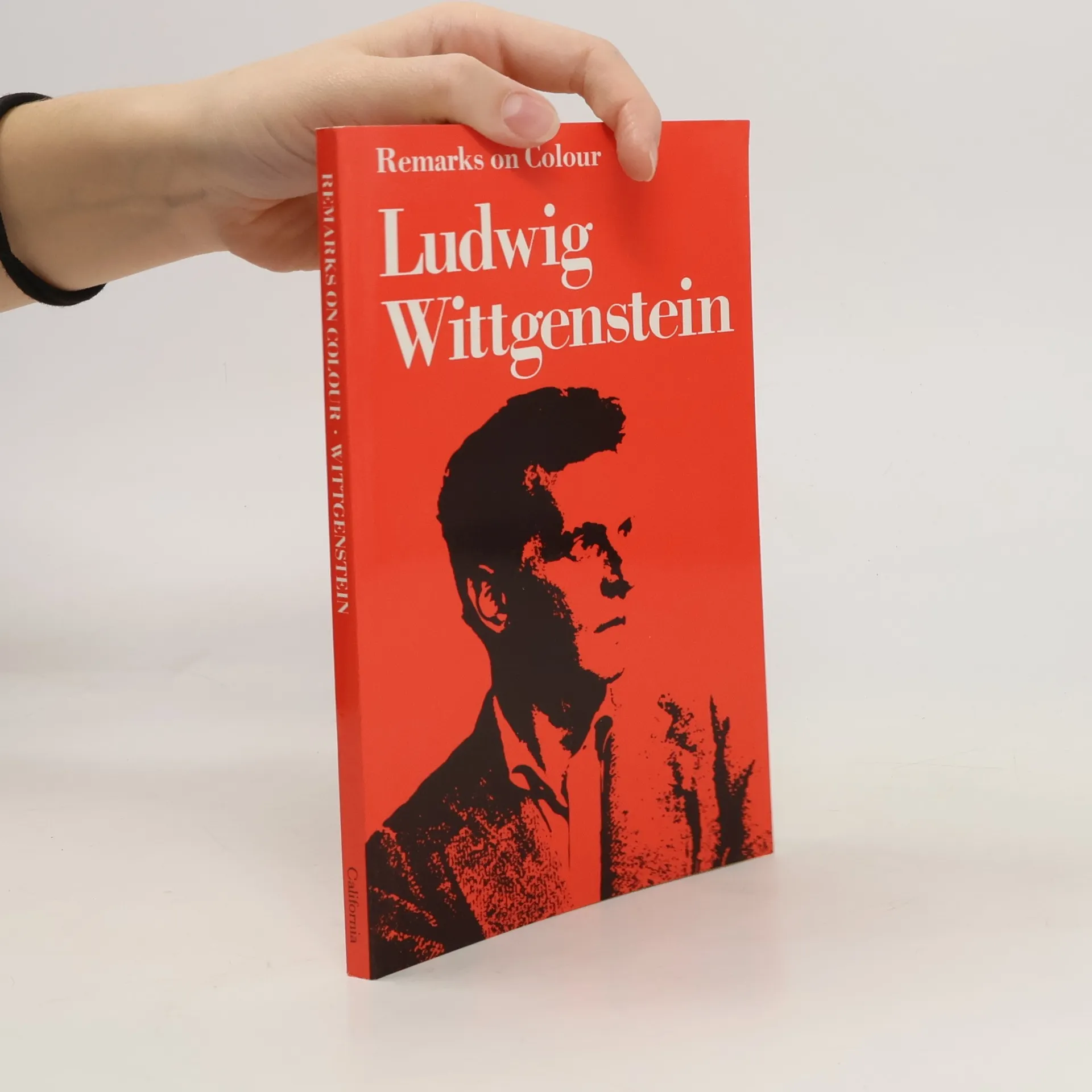
This book comprises material on colour which was written by Wittgenstein in the last eighteen months of his life. It is one of the few documents which shows him concentratedly at work on a single philosophical issue. The principal theme is the features of different colours, of different kinds of colour (metallic colour, the colours of flames, etc.) and of luminosity—a theme which Wittgenstein treats in such a way as to destroy the traditional idea that colour is a simple and logically uniform kind of thing. This edition consists of Wittgenstein's basic German text, together with an English translation.