
Bookbot

Chet A. Van Duzer

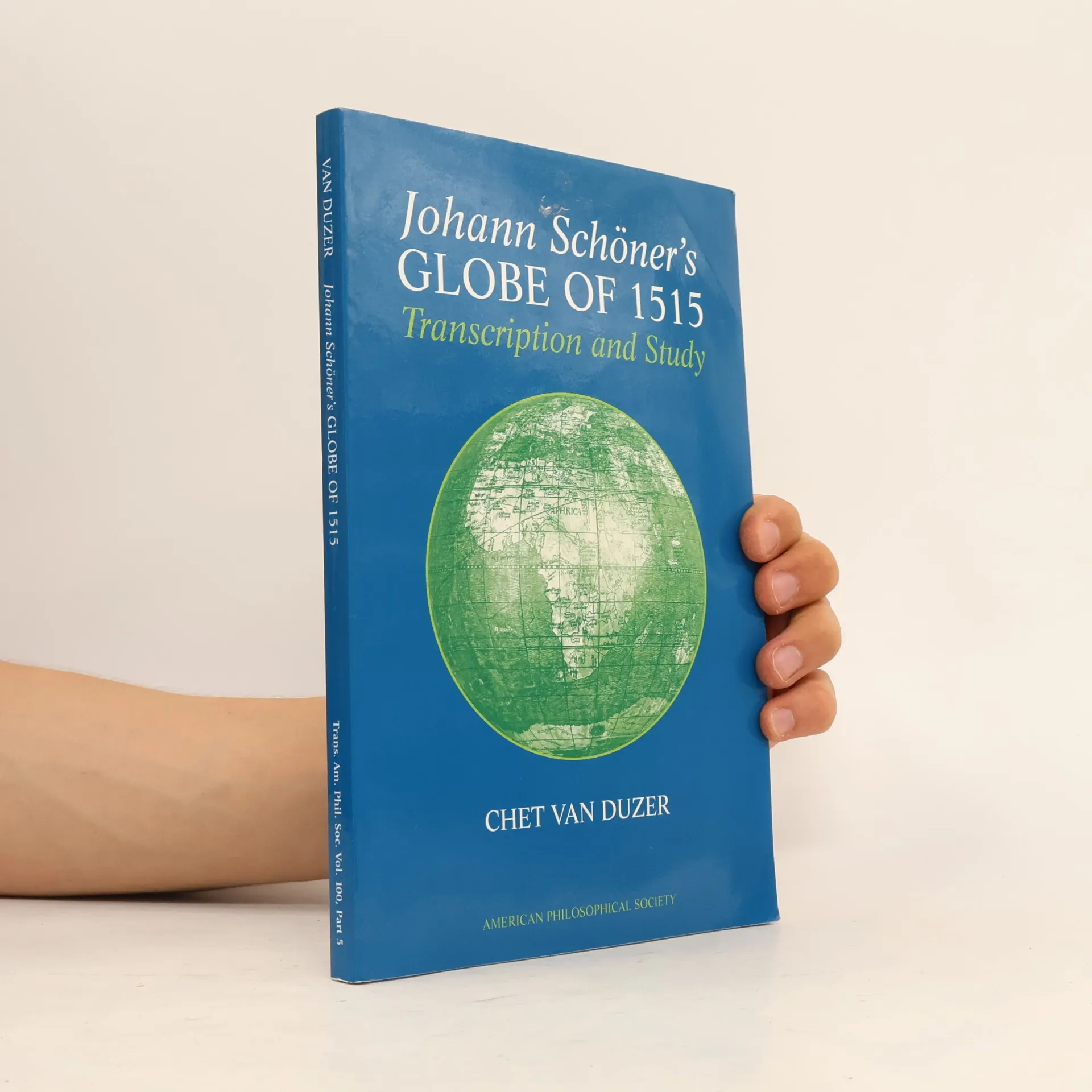
    Transactions of the American Philosophical Society - 100, Pt. 3: Johann Schöner's Globe of 1515
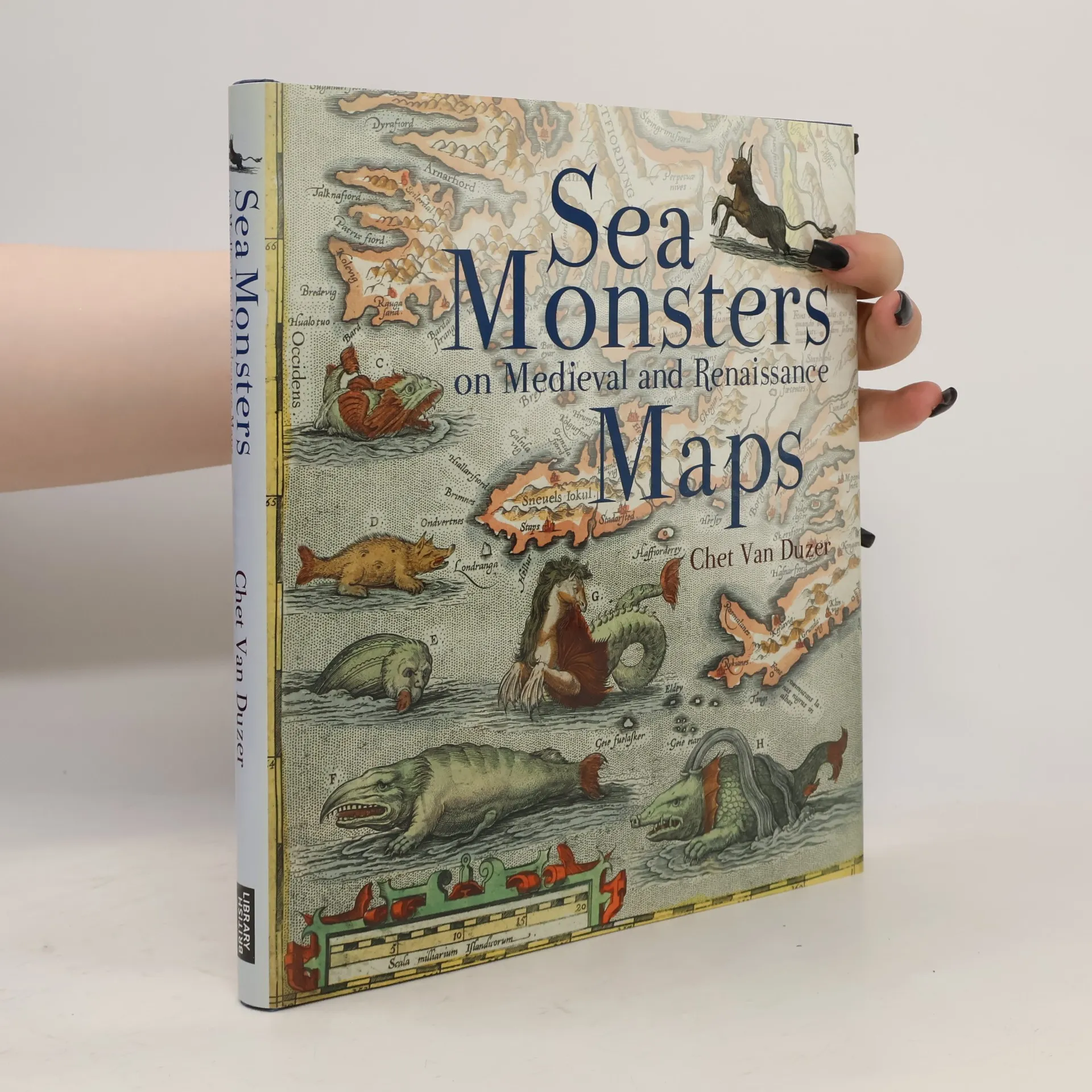
    Sea monsters on medieval and Renaissance maps
    • Sea monsters on medieval and Renaissance maps

      • 143 páginas
      • 6 horas de lectura

      From dragons and serpents to many-armed beasts, sea monsters have long terrified mariners, inspiring tall tales and captivating imaginations across cultures. These creatures have adorned maps, marking unexplored territories and areas shrouded in mystery. The sea monsters depicted on medieval and Renaissance maps are not only visually striking but also rich in historical significance. Despite their allure, they have received insufficient scholarly attention. This work delves into significant examples of sea monsters on European maps from the tenth to the sixteenth century, offering an analysis of their representation and the cartographers behind them. Chet Van Duzer explores the earliest mappaemundi featuring these creatures and traces their evolution through the centuries. Along the way, he illuminates the sources, influences, and techniques employed by the artists. This beautifully designed visual reference serves as a crucial contribution to the fields of cartography, art, and zoological illustration, while also enriching the understanding of the geography of the "marvelous" and Western perceptions of the ocean.

      Sea monsters on medieval and Renaissance maps
      4,1
    • The first detailed study of the terrestrial globe of Johann Schoner (1477-1547), a cosmographer and teacher of mathematics in Nurnberg, which he made as part of the first pair of celestial and terrestrial globes in 1515. The globe is not much younger than the earliest surviving terrestrial globe from 1492. The globe is an important part of early 16th-cent. cartography, and an important chapter in the cartographic history of the New World. Transcribing all of the toponyms and legends on the globe has entailed an examination of textual, catographic, and graphical sources which has shed light on the relationship of the globe to maps, globes, and books of the period. It will be useful in the study of late 15th- and early 16th-cent. cartography generally. Illustrations.

      Transactions of the American Philosophical Society - 100, Pt. 3: Johann Schöner's Globe of 1515