



Sozaboy powerfully describes the fate of a young, naive soldier thrown into the frontline of a civil war, from his first proud days of recruitment to the disillusionment and horrors that follow. Mene yearns for manhood. He dreams of gaining the glory that the ex-soldier in his village brags about, with his stories of hunting 'Hitla'. So when war breaks out and soldiers appear in Mene's isolated village, he sees his chance to finally wear a uniform. Too soon, however, Mene's innocence turns to terror. While witnessing the unfathomable, Mene must learn to evade the carnage of warfare if he wants to make it home alive... Writing in Nigerian Pidgin English, Ken Saro-Wiwa creates a unique window into the dark consequences of meaningless war. 'Haunting.' Guardian 'Sozaboy is not simply a great African novel, it is also a great anti-war novel, among the very best the twentieth century has produced.' William Boyd
Ken Saro Wiwa Libros
Ken Saro-Wiwa fue un escritor y activista ambiental nigeriano que se convirtió en la voz de su pueblo en la lucha contra la devastación ambiental del delta del Níger. A través de su escritura y su incansable activismo, expuso la ruina de la patria Ogoni, devastada por la extracción de petróleo y el vertido imprudente de residuos. Fue testigo de la destrucción de la tierra y las aguas de su pueblo por corporaciones multinacionales y un gobierno cómplice, pero se mantuvo firme. Su inquebrantable campaña por la supervivencia del pueblo Ogoni fue finalmente silenciada por su ejecución, que provocó indignación internacional y atrajo la atención mundial a su causa.


A Month and a Day
- 256 páginas
- 9 horas de lectura
Ken Saro-Wiwa was the man who gave voice to the campaign for basic human and political rights for the Ogoni people. It was fear of his success that made him the target of the despotic Nigerian military regime. This book is an account of his arrest and the harrowing experience that followed.
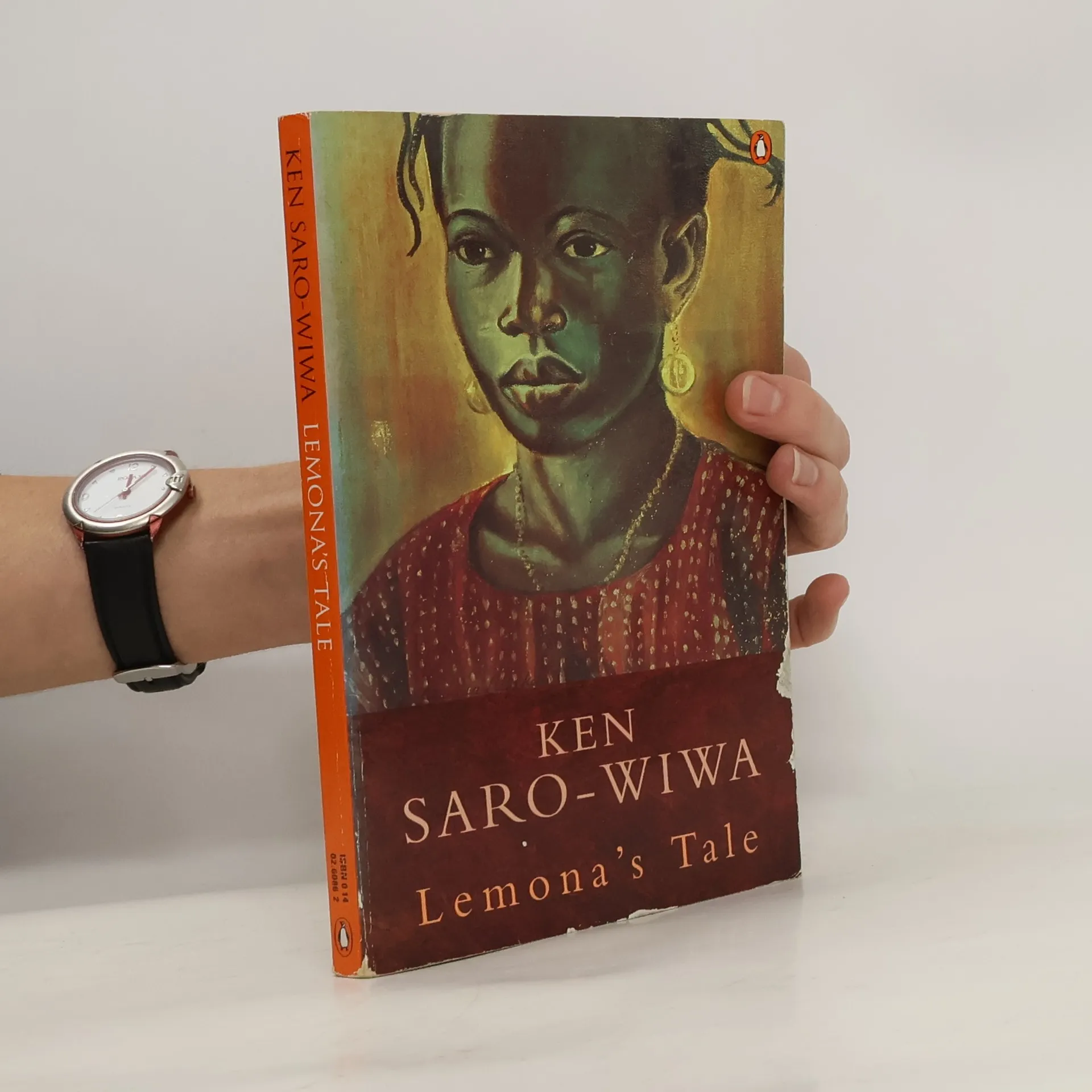
Lemona's Tale
- 160 páginas
- 6 horas de lectura
For a quarter of a century, Lemona has been held in a Nigerian prison, her crimes reflecting her passion and despair, her silence masking the truth. On the last day of her life she is visited by Ola, whose parents Lemona killed. To this woman Lemona recounts the events of her upbringing in poverty, the kindness of friends who took her in, and the abuse, corruption and betrayal by men which led to her downfall. though she is awaiting execution, Lemona's desire to understand the forces that shaped her life resonates throughout her story, leading Ola towards a new interpretation of her own history. -- Publisher description
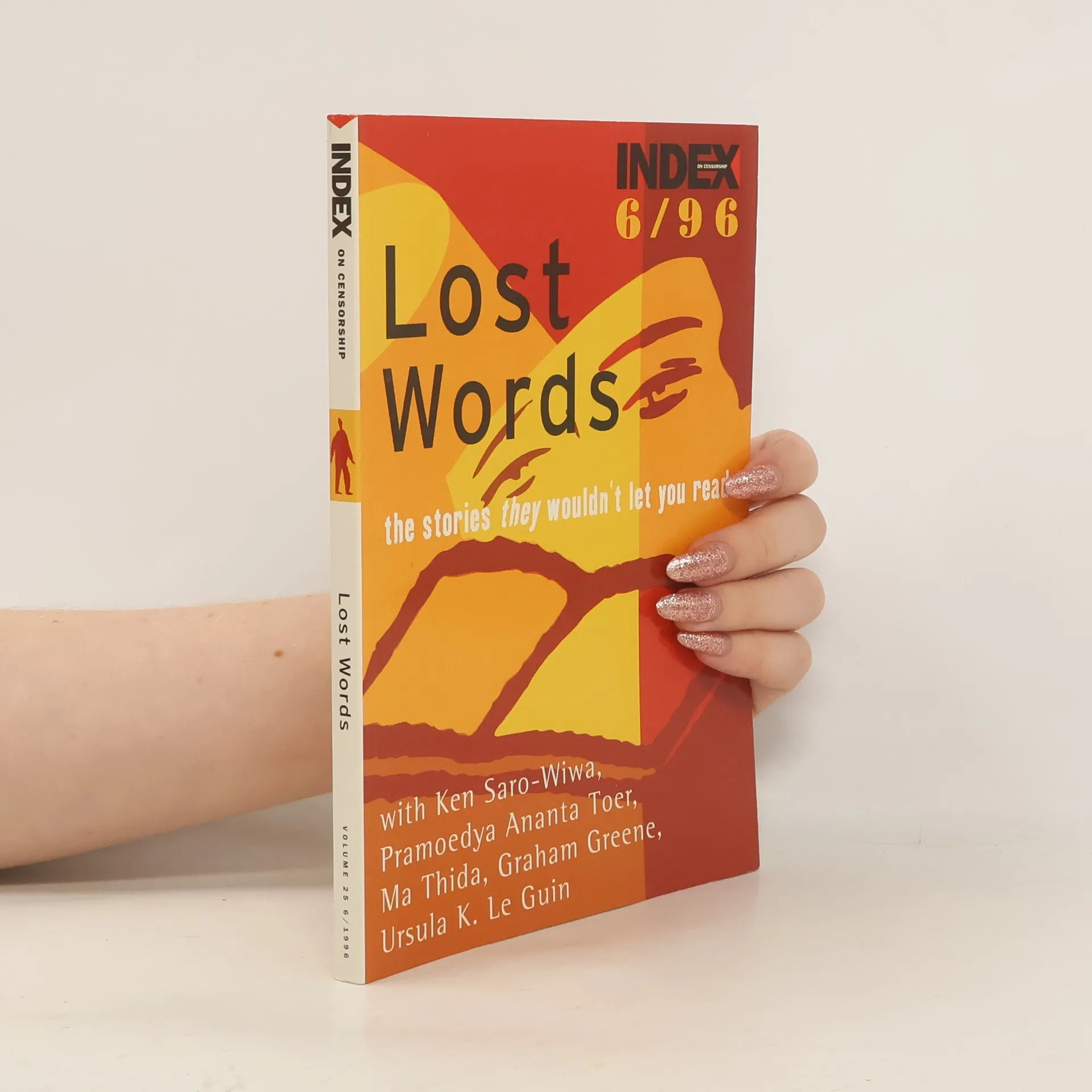
Index on Censorship - 25: Lost Words
The Stories They Wouldn't Let You Read
- 192 páginas
- 7 horas de lectura
This collection of fiction from around the world is concerned with censorship taboos and includes work from writers who remain censored, exiled or imprisoned. It includes writing by Willaim Trevor, Ken Saro-Wiwa, Aicha Lemsing and Breyten Breytenbach.
The travel memoir of a Nigerian woman in China exploring the intersections and divides between the two cultures and the lives of African economic migrants in the bustling People's Republic China today is both a land of opportunity for Africans, South Americans and other non-Westerners blocked from commerce with most of Europe and Northern America, and an intersection of racism and prejudice. Noo Saro-Wiwa goes in search of China's 'Black Ghosts', African economic migrants in the People's Republic, who live in separate communities and are vigorously involved in the trade between the continents. Her fascinating encounters include a Ghanaian cardiac surgeon, a drug dealer, a visa overstayer, a Nigerian popstar who sings in Chinese and men married to Chinese women who speak English with Nigerian accents.
Die Sterne dort unten
- 215 páginas
- 8 horas de lectura
Geschichten von Nigeria: voll Wärme und Komik, witzig und trotzdem unerbittlich. Ken Saro-Wiwa schildert mit liebevoller Betroffenheit das Leben in Nigeria und auch, wie ein ganzes Land unter einem unfähigen Beamtentum, durch unternehmerische Willkür und Rückständigkeit in den Ruin getrieben wird. Die Kluft zwischen dem ländlichen Bereich, wo man kaum etwas von technischem und zivilisatorischem Fortschritt ahnt, und den Städten, in denen das Leben schnell und hart ist, wird immer größer. Und aus den Ölfeldern sickern unentwegt die Mittel, die Korruption und Verbrechen noch reibungsloser funktionieren lassen... .
