

Bookbot

Karen Wilkin

    Andrew Wyeth
    Georges Braque
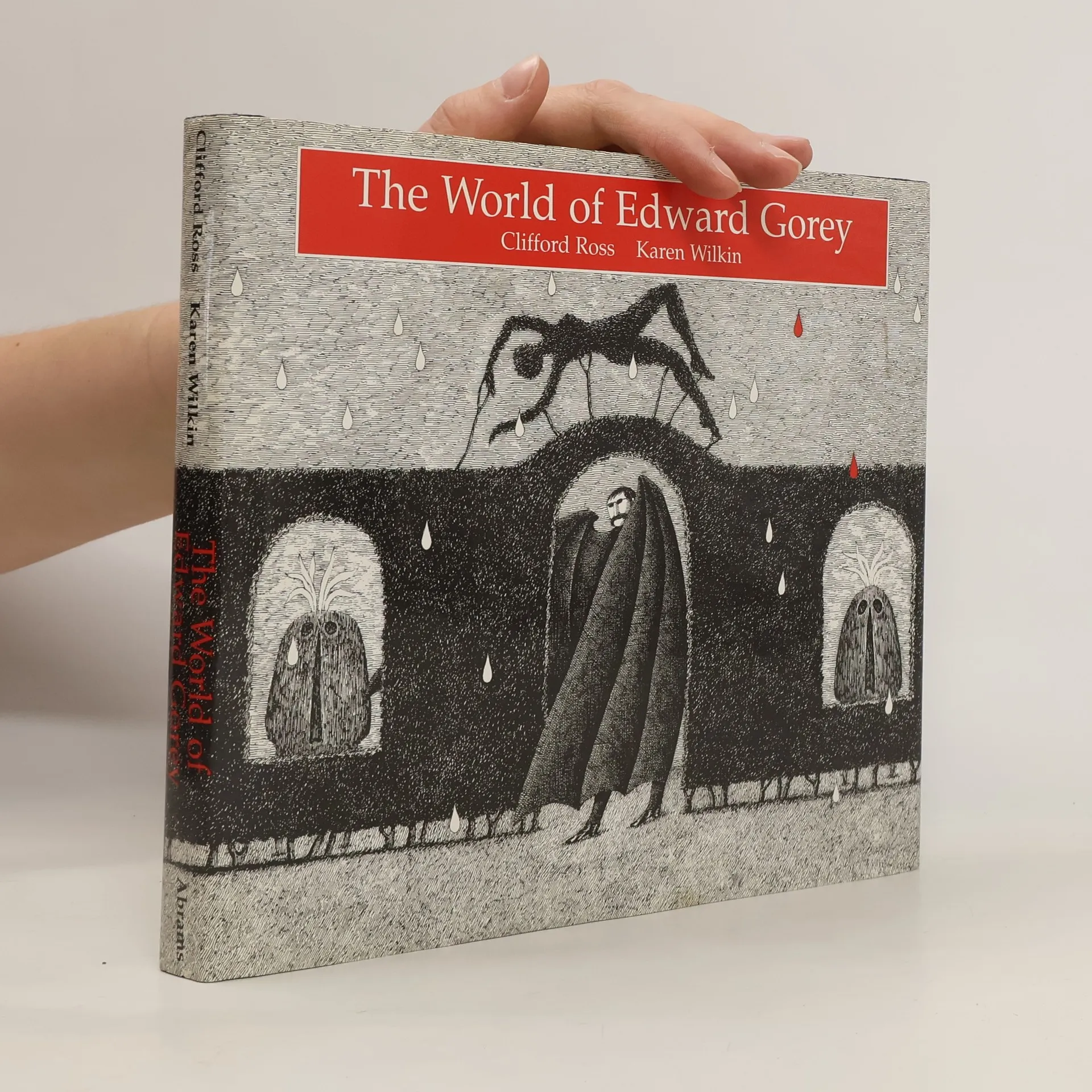
    The World of Edward Gorey
    Morandi
    Elegant Enigmas: The Art of Edward Gorey
    Figuration Never Died
    • Figuration Never Died

      New York Painterly Painting, 1950-1970

      • 120 páginas
      • 5 horas de lectura

      Karen Wilkin's essay offers a comprehensive exploration of postwar American painting, emphasizing the significance of figuration in the artistic landscape that emerged after Abstract Expressionism and the influence of Hans Hofmann. The publication aims to enrich the narrative surrounding this period, highlighting the complexities and accomplishments of figurative art in the United States.

      Figuration Never Died
      5,0
    • Elegant Enigmas: The Art of Edward Gorey

      • 123 páginas
      • 5 horas de lectura

      Edward Gorey's artistry showcases a unique talent for evoking mystery through what remains unexpressed. This collection features over 175 reproductions of his work, including illustrations from his books, designs for theater, and unpublished pieces. Alongside finished artworks, readers will find sketches, typewritten manuscripts, and personal doodles, offering a comprehensive glimpse into Gorey's creative process and diverse contributions to art and literature.

      Elegant Enigmas: The Art of Edward Gorey
      4,4
    • Morandi

      • 160 páginas
      • 6 horas de lectura

      This much-anticipated volume presents the work of the private, enigmatic Bolognese painter and engraver. The text traces Morandi's many influences, from Giotto to Cezanne and the Metaphysical painters to the Cubists, and discusses the manner in which his life and work have informed the critical interpretations of his art. A wealth of color reproductions illustrates every phase of Morandi's career, including his signature still lifes and landscapes with their serene groupings of muted objects.

      Morandi
      5,0
    • A look at the artist and his work, including his illustrations for T.S. Eliot's Old Possum's Book of Practical Cats and the animated credits for the Mystery! series on public television

      The World of Edward Gorey
      4,3
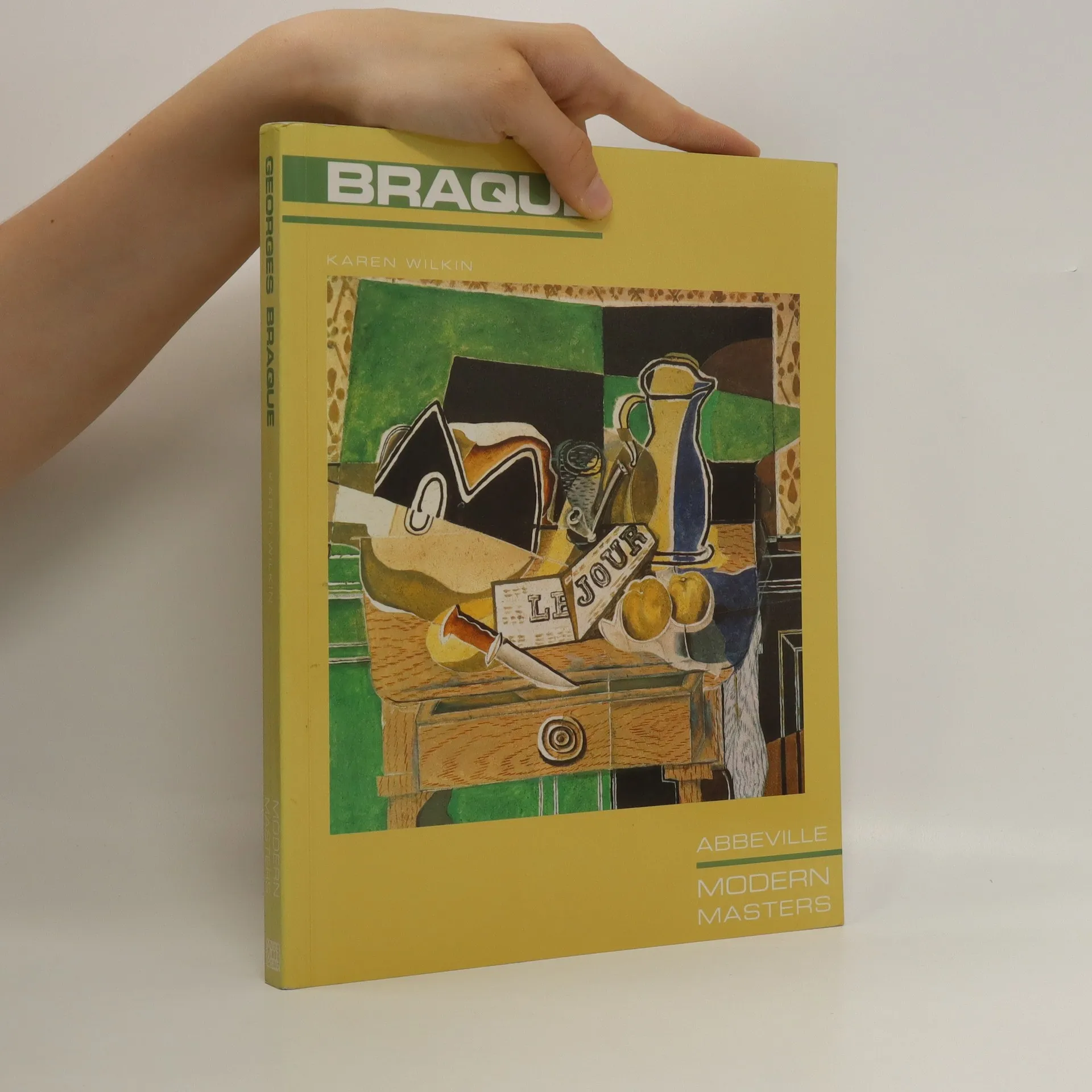
    • This work on Georges Braque depicts the man and the artist, drawing out the contrasts they throw up. The man was cheerful, good looking, an amateur boxer and a player of Beethoven; the artist was serious and meticulous, whether as a Fauvist, Cubist (with Picasso) or in his own style.

      Georges Braque
      3,6
    • The rich context behind one of Andrew Wyeth s most beloved and mysterious late paintings.

      Andrew Wyeth
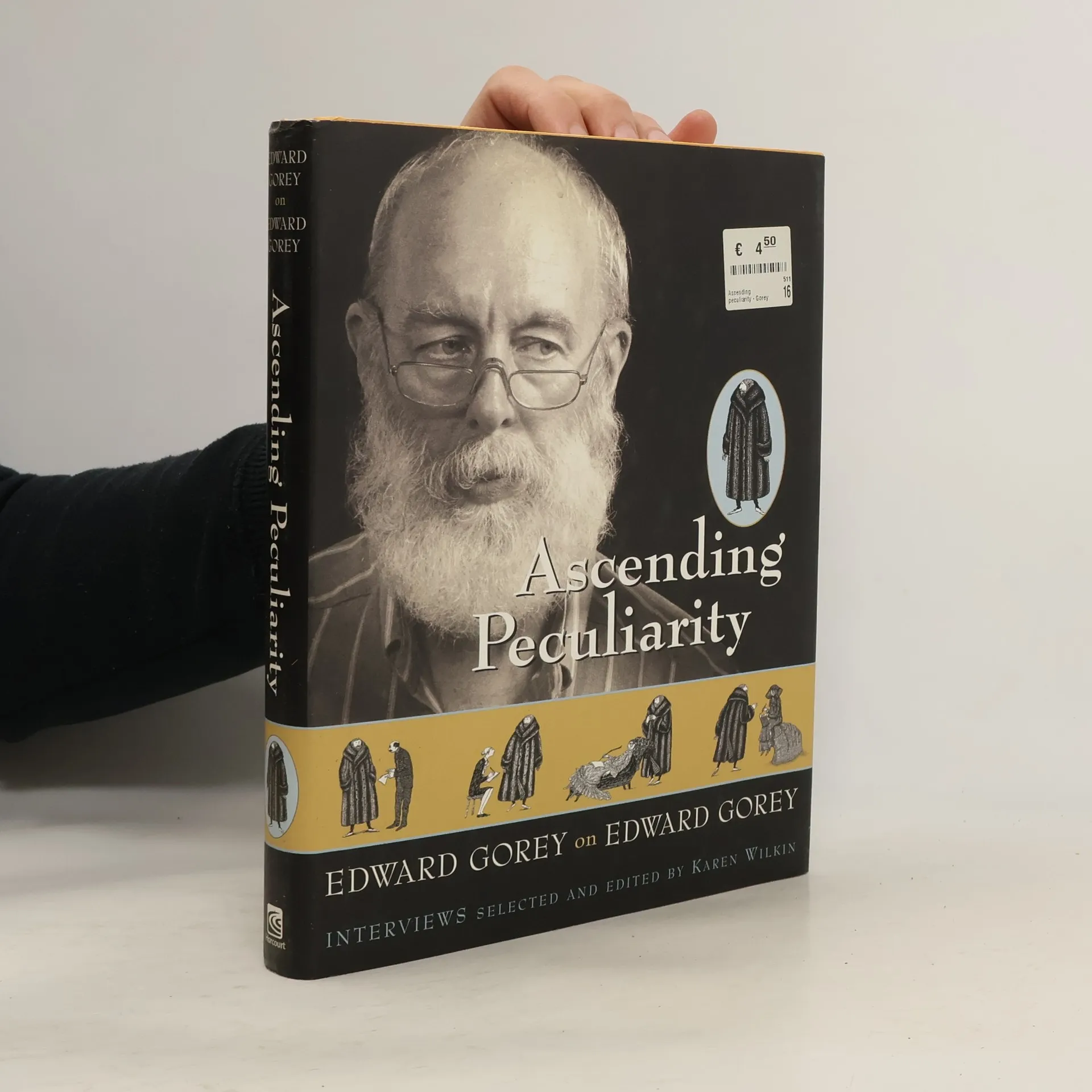
    • Ascending Peculiarity

      Edward Gorey on Edward Gorey

      • 292 páginas
      • 11 horas de lectura

      Culled from dozens of interviews, this unique autobiography of the famous artist showcases Gorey's ideas about French symbolist poetry, soap operas, George Balanchine, ballet, and Victorian snuff photography, among other topics. 50,000 first printing.

      Ascending Peculiarity
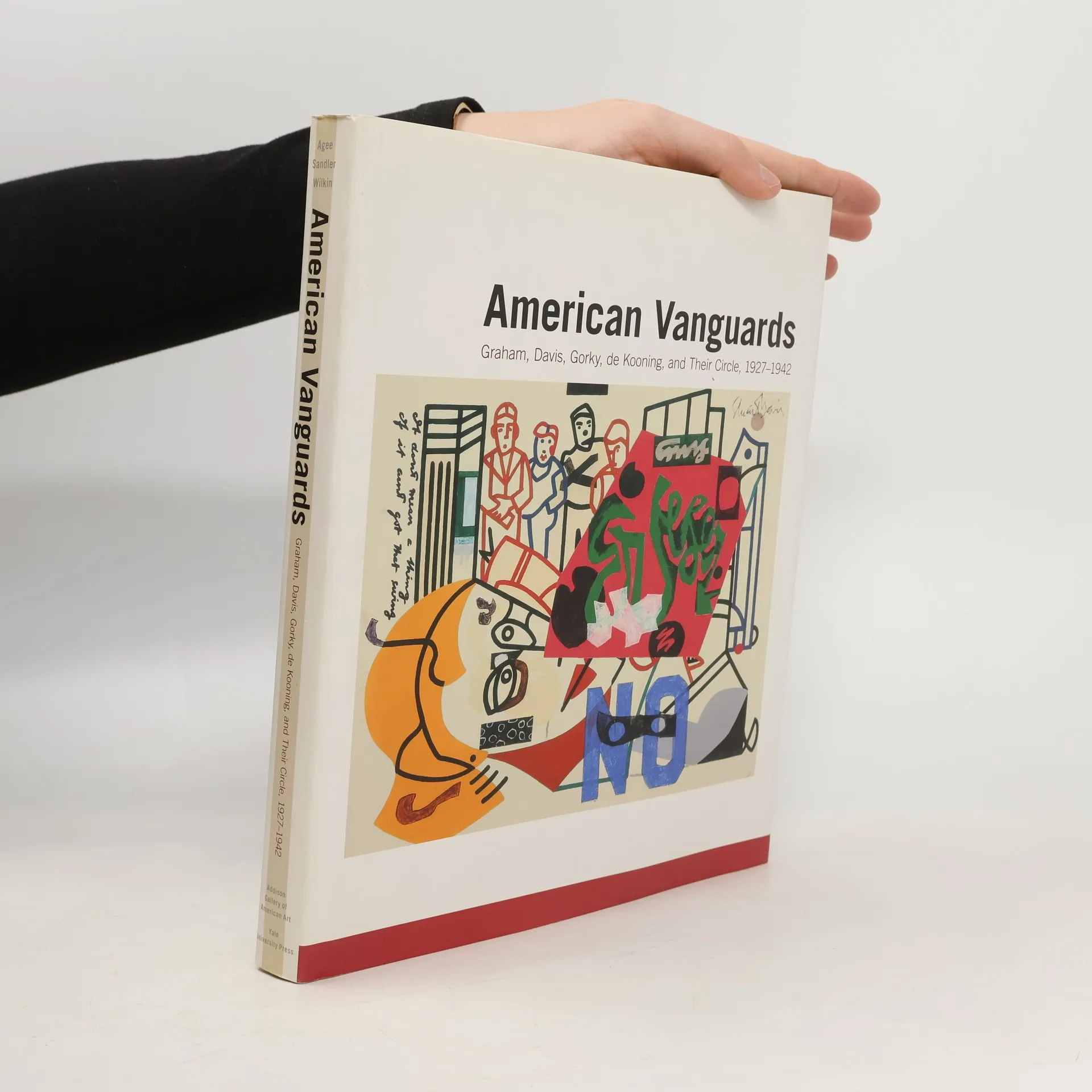
    • American Vanguards

      Graham, Davis, Gorky, de Kooning, and Their Circle, 1927-1942

      • 256 páginas
      • 9 horas de lectura

      This examination delves into the art and influence of John Graham and his circle, whose contributions were pivotal in the evolution of American modernism during the interwar period. The enigmatic Graham (1886–1961) significantly impacted New York artists from the 1920s to the 1940s. Alongside contemporaries like Stuart Davis, Arshile Gorky, and Willem de Kooning, Graham redefined the possibilities of painting and sculpture. His circle, which included influential figures such as Jackson Pollock and David Smith, played a crucial role in shaping American modernism. The exhibition features approximately eighty-seven artworks from this era, illustrating the interconnectedness and shared inspirations among Graham's associates. Three scholarly essays explore the intricate relationships within this artistic community. William C. Agee situates Graham's group within the New Classicism movement, which sought to recover from World War I's impact by referencing classical and Renaissance art. Irving Sandler examines the social and political dynamics among Davis, Gorky, Graham, and de Kooning in the mid-1930s. Karen Wilkin highlights the circumstances that united these artists and their collective dedication to modernism, revealing the artistic cross-pollination in their works. This critical analysis offers fresh insights into the New York School, Abstract Expressionism, and the vibrancy of American modernism in the interwar years.
      American Vanguards