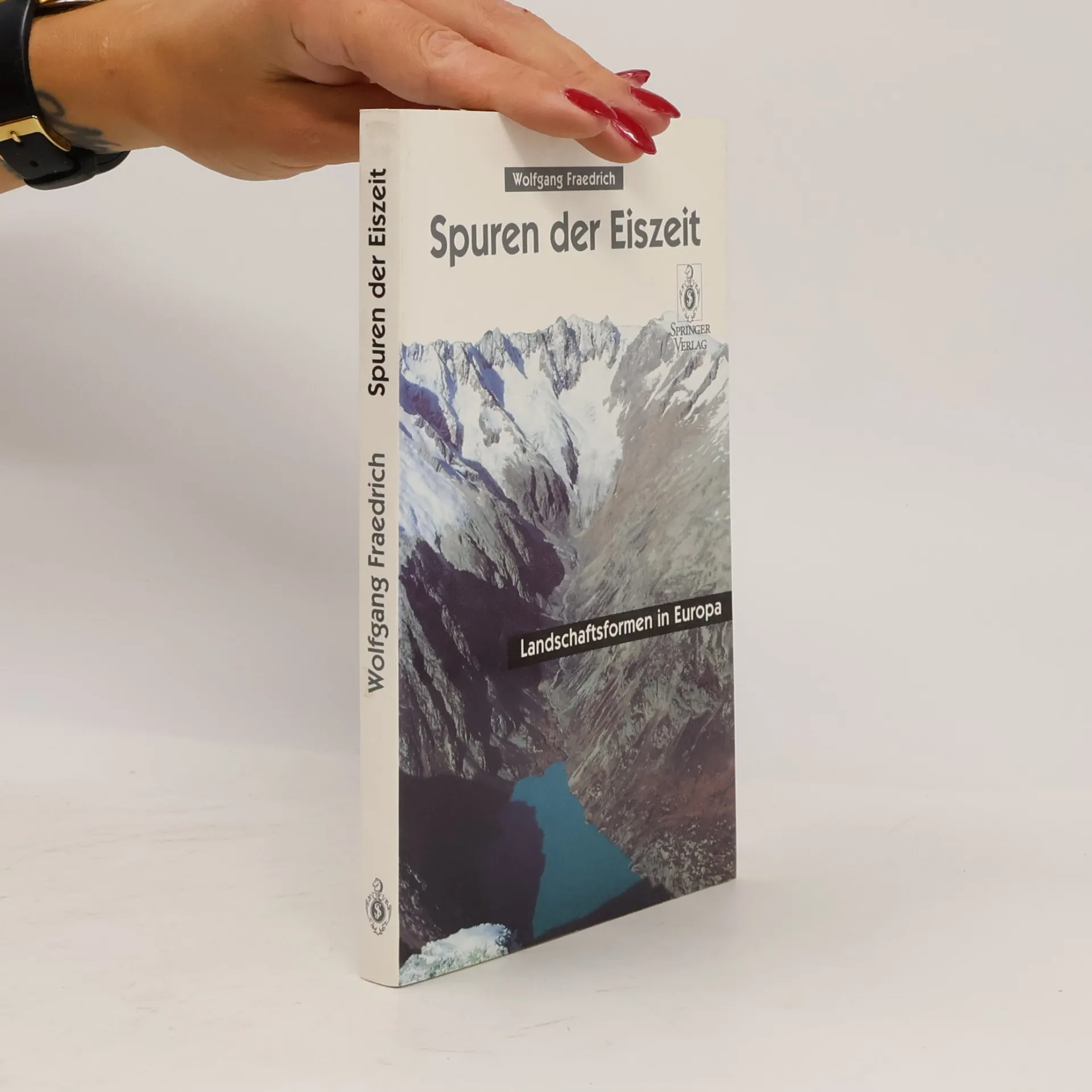
At present, we have been living in an ice age for around 2.5 million years, a geological epoch in which there is ice on Earth and in which the curve of the global mean temperature is subject to significant fluctuations (current trend: temperature increase). At nearly 16 million square kilometers, about ten percent of the land surface is currently covered by glacial ice-and glacial ice plays a major role in shaping landscapes. This compact textbook sharpens the eye for such landscapes. It makes the forms and the shaping processes comprehensible, which the author illustrates with numerous regional examples, especially from Central Europe, such as the North German Plain and the Alpine foothills, but also from Iceland. What traces have the glaciers and their meltwaters left behind? What formation processes can be inferred? How can recent climate history, in particular that of the Ice Age, be reconstructed? It is exciting to look at current developments in glaciated areas and also to take a look at the (climate) future of the Earth. For example, the question arises as to what influence glaciers have on sea level and on future climate change. In this context, natural processes such as the ice age cycles, for which there are various ice age formation hypotheses, and anthropogenic influences in global warming must be weighed against each other.
Wolfgang Fraedrich Libros
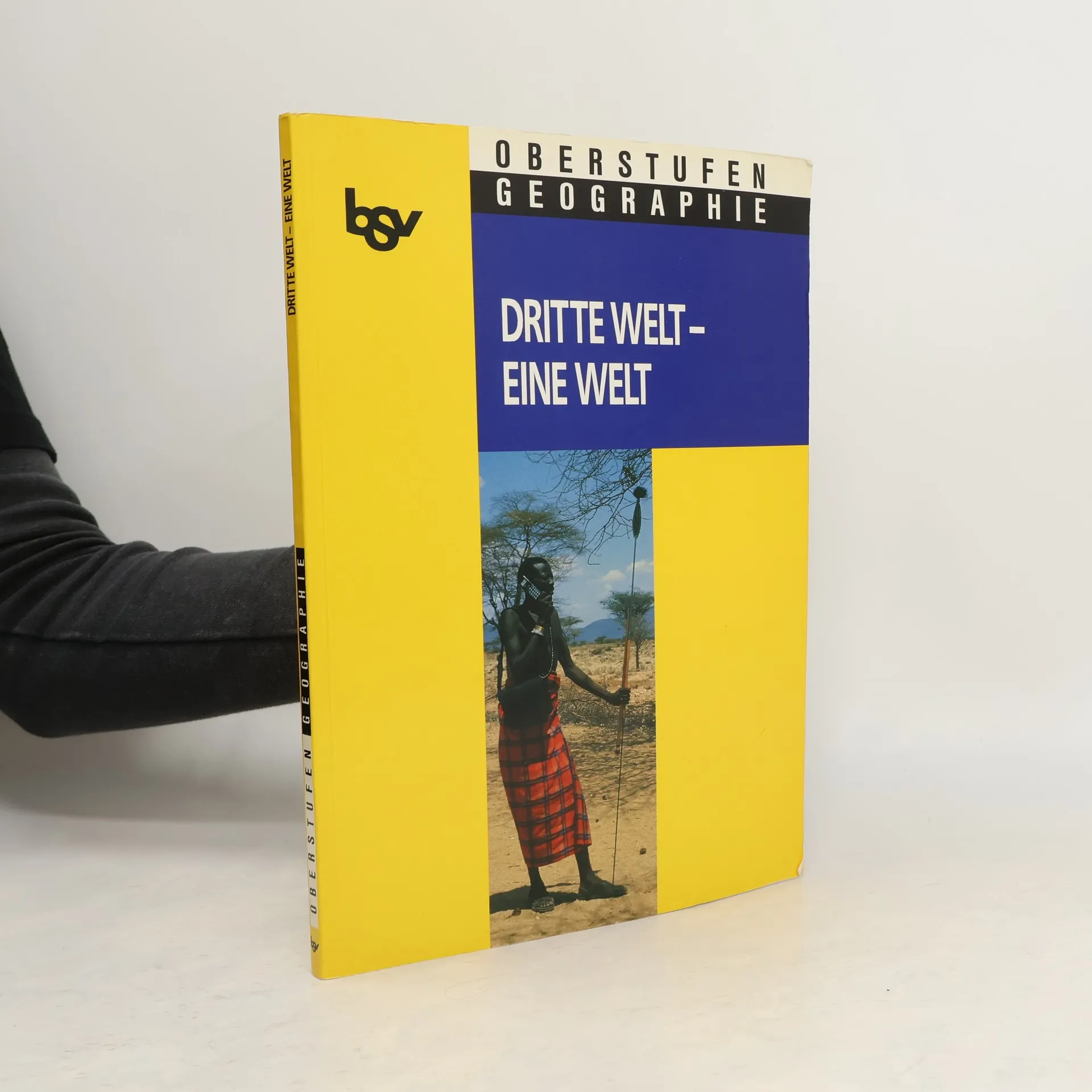
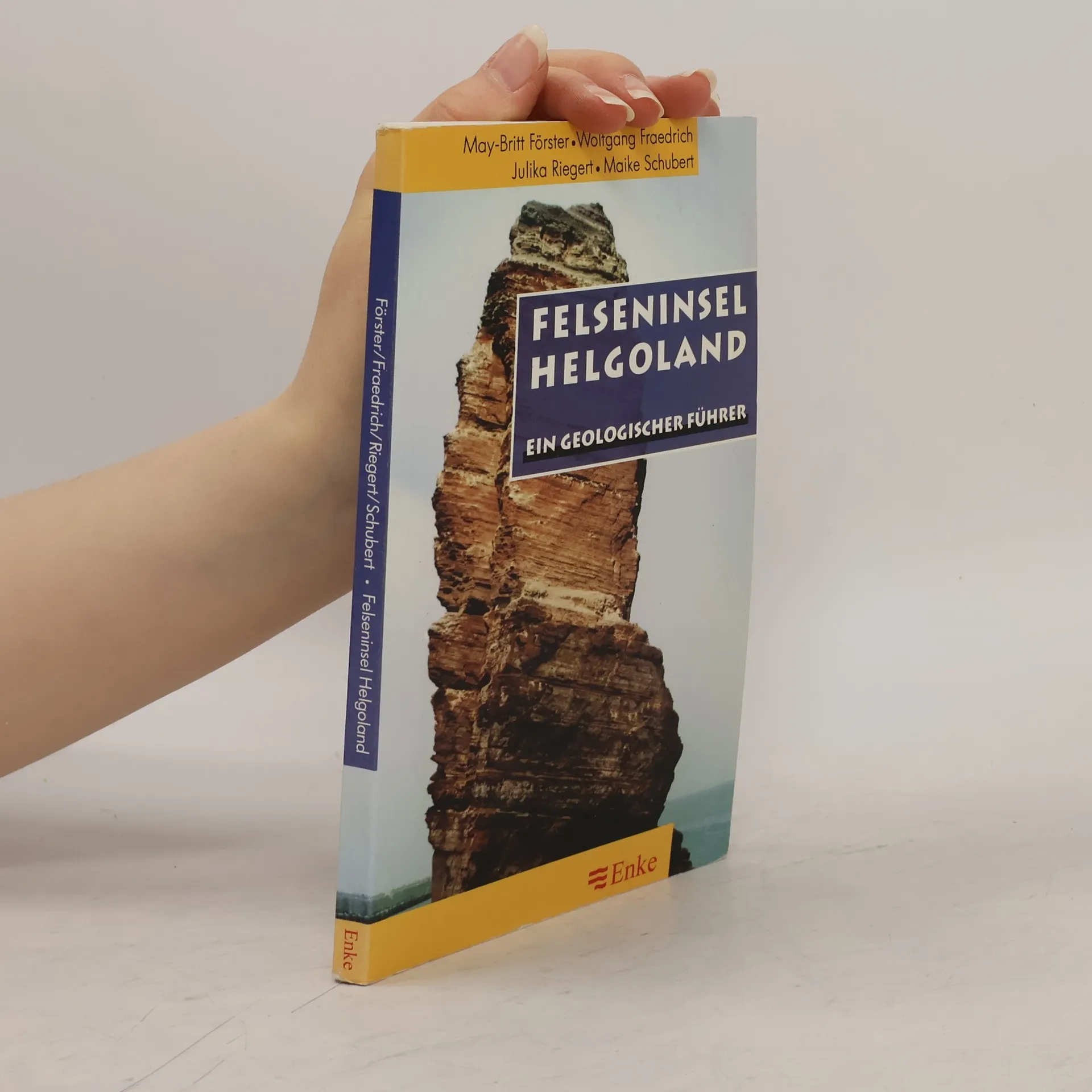

Helgoland hat unter den deutschen Nordseeinseln als Naturraum und auch als Kulturraum eine Sonderrolle. Dies verständlich der Leserschaft zu erläutern ist das vorrangige Ziel dieses Buches. Das Buch richtet sich an alle, die Interesse an der Natur, an der Entstehung von Landschaften, an geologischen Fragen und der Insel Helgoland schlechthin haben. Adressaten sind vornehmlich „interessierte Laien“, das Buch richtet sich aber auch an Studierende, Lehrkräfte sowie Schülerinnen und Schüler der Sekundarstufe II. Vier detailliert erläuterten Exkursionsvorschlägen sind die wichtigen theoretischen Grundlagen zum besseren Verständnis vorangestellt. Auf eine wissenschaftliche Ausdrucksweise wurde verzichtet, wo immer dies vertretbar war. So haben auch Laien eine Chance, geowissenschaftliches Denken in der Landschaft direkt nachzuvollziehen.
Spuren der Eiszeit
- 184 páginas
- 7 horas de lectura
Eis und Schmelzwässer haben im Laufe der Erdgeschichte ihre Spuren hinterlassen, denen das Buch in einer spannenden Entdeckungsreise folgt. Es führt in die Landschaften, die vom Eis geprägt wurden und macht die Formen und die Formungsprozesse verständlich. Die Reise beginnt vor Ihrer Haustür - Zeichnungen, Karten und Fotos begleiten Sie bei Ihrer Spurensuche.
With invoice - Shipment from Germany
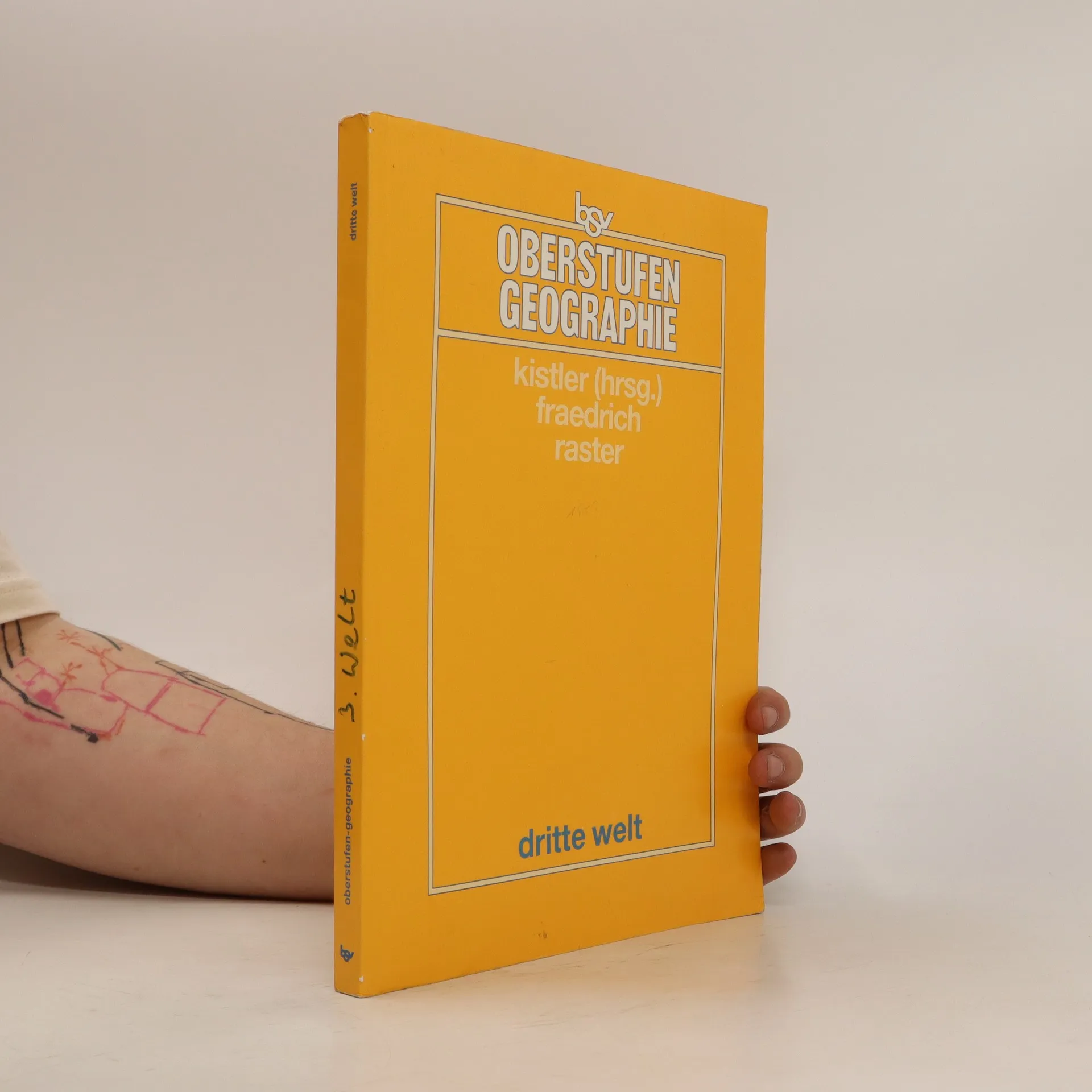
Oberstufen Geographie: Dritte Welt - eine Welt
- 159 páginas
- 6 horas de lectura