

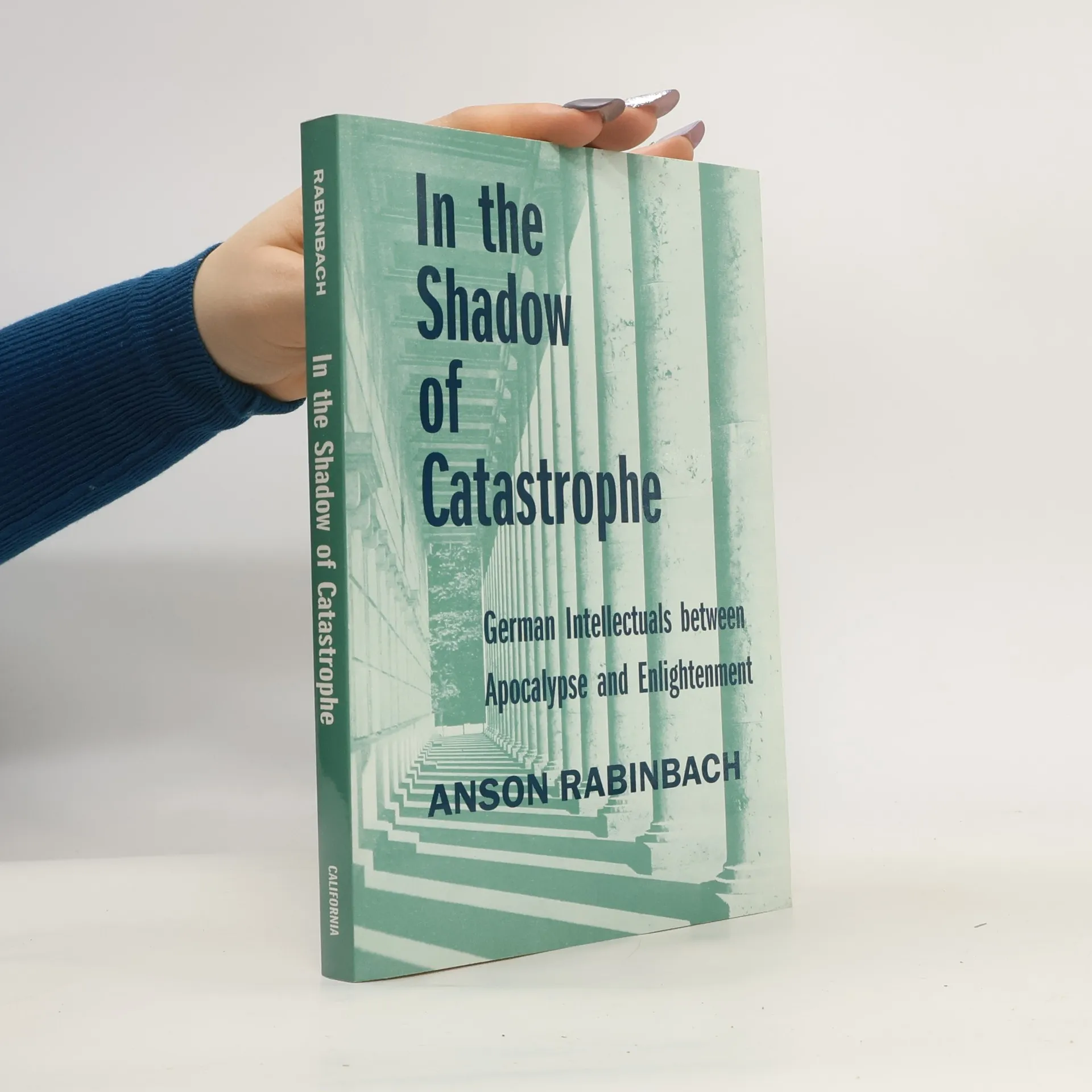
"The subject of how German scholars responded to the Nazi regime has seen a resurgence of interest in recent years. In this collection, Rabinbach and Bialas bring some of the most important and original scholarly contributions together in one cohesive volume, to deliver a surprising conclusion: whatever diverse motives German intellectuals may have had in 1933, the image of Nazism as an alien power imposed on German universities from without was a convenient fiction."--BOOK JACKET.
Wolfgang Bialas Orden de los libros (cronológico)
Wolfgang Bialas es un erudito especializado en la cultura, literatura, historia intelectual y cine alemanes de los siglos XIX y XX. Su obra profundiza en las profundas corrientes culturales y filosóficas que moldearon la sociedad alemana y sus expresiones artísticas. Los lectores pueden esperar exploraciones perspicaces de las ideas seminales y los enfoques estéticos que caracterizaron esta era dinámica.


In the Shadow of Catastrophe
- 252 páginas
- 9 horas de lectura
Includes essays that address the writings of key figures in twentieth-century German philosophy. This title explores their ideas in relation to the two world wars and the horrors facing Europe at that time. Analyzing the work of Benjamin and Bloch, it suggests their indebtedness to the traditions of Jewish messianism. schovat popis
Geschichtsdiskurs
Krisenbewusstsein, Katastrophenerfahrungen und Innovationen 1880-1945
- 424 páginas
- 15 horas de lectura
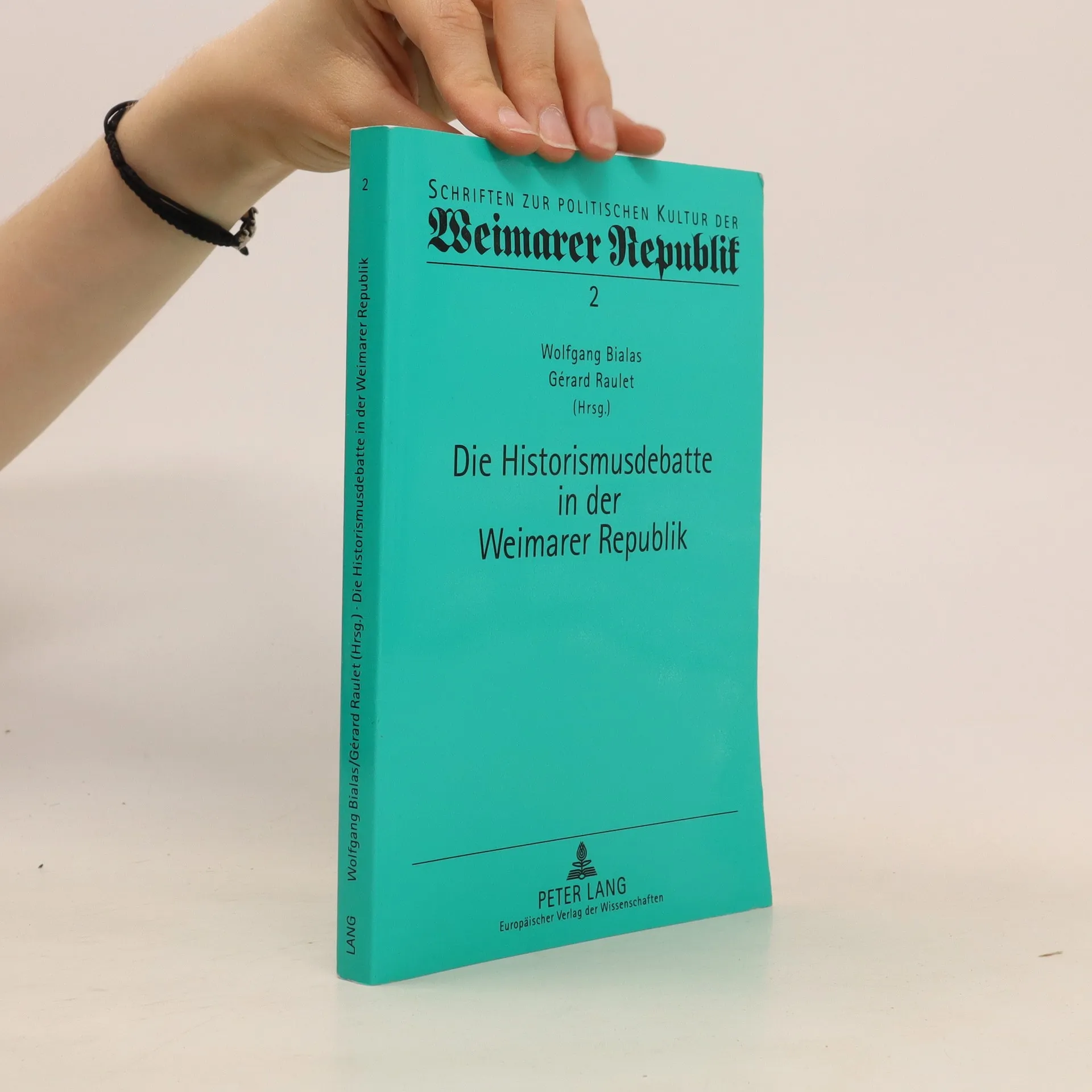
Die Historismusdebatte in der Weimarer Republik
- 276 páginas
- 10 horas de lectura
Mit der Debatte über die «Krise des Historismus», die das geistige Leben der Weimarer Republik von ihrer Geburt in den Wirren der Niederlage bis zu ihrem Untergang beherrscht hat, wird der Historismus zu einem Epochen-Phänomen, das, über den Rahmen der Geschichtswissenschaft hinaus, sich aller Disziplinen bemächtigt. Eine der erklärten Aufgaben dieser Debatte war, den Gebrauch und den Sinn der Bezeichnung «Historismus» zu klären. Die Feststellung, daß eher das Gegenteil geschah, berechtigt zu der Frage, ob der Historismus (selbst in der «Historismusdebatte») nicht die Losung einer regelrechten ideologischen Offensive gewesen ist, deren Auswirkungen auf die politische Kultur der Weimarer Republik hinterfragt werden sollen.
Examines how developments in physics, biology, medicine, psychology, politics, and art employed the metaphor of the working body as a human motor. This title demonstrates how the utopian obsession with energy and fatigue shaped social thought across the ideological spectrum.