

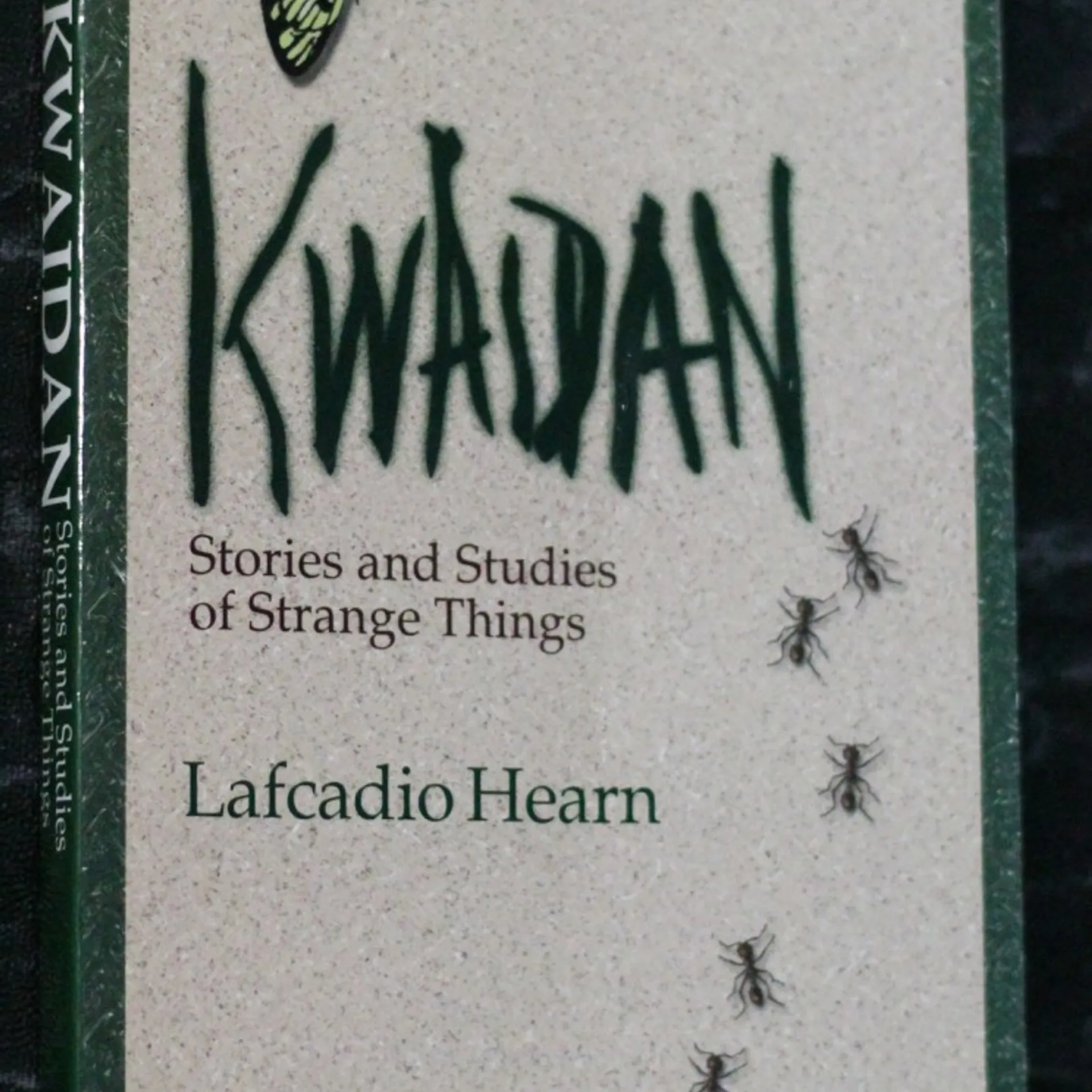
A blind musician with amazing talent is called upon to perform for the dead. Faceless creatures haunt an unwary traveler. A beautiful woman — the personification of winter at its cruelest — ruthlessly kills unsuspecting mortals. These and 17 other chilling supernatural tales — based on legends, myths, and beliefs of ancient Japan — represent the very best of Lafcadio Hearn's literary style. They are also a culmination of his lifelong interest in the endlessly fascinating customs and tales of the country where he spent the last fourteen years of his life, translating into English the atmospheric stories he so avidly collected. Teeming with undead samurais, man-eating goblins, and other terrifying demons, these 20 classic ghost stories inspired the Oscar®-nominated 1964 film of the same name.
Hiroshi Watanabe Libros


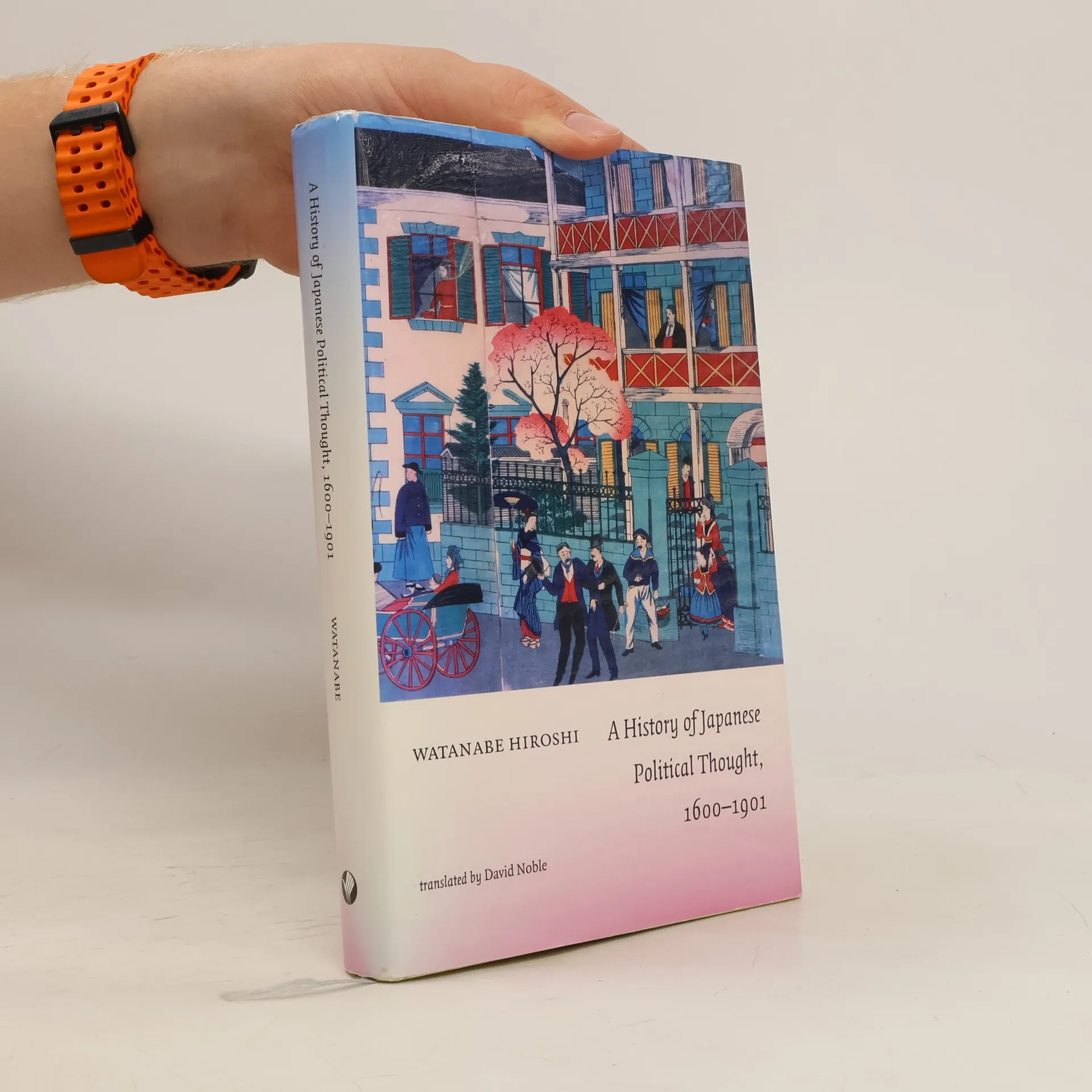
A History of Japanese Political Thought, 1600-1901
- 543 páginas
- 20 horas de lectura
In 1853 a flotilla of U.S. Navy warships led by Commodore Matthew C. Perry arrived in Japan. A scant fourteen years later the rule of the Tokugawa shogunate, which had lasted two and a half centuries, was at an end. What lay behind the sudden collapse of samurai rule? Watanabe Hiroshi traces the quiet changes in political thought that culminated in the dramatic events of the Meiji Revolution in 1868. Confucian ideals such as a universal Way and benevolent government under a virtuous ruler possessing the mandate of heaven were taught by successive Japanese Confucians and came to permeate the country, posing an implicit threat to military rule. Over time the development of a national consciousness, the rising prestige of the imperial court in Kyoto, and increased knowledge of the Western world created the conditions for a national debate over opening up to the West and for radical political change.
The architecture of Tôkyô
- 272 páginas
- 10 horas de lectura
This is the first guide to introduce nearly 500 buildings of this region.
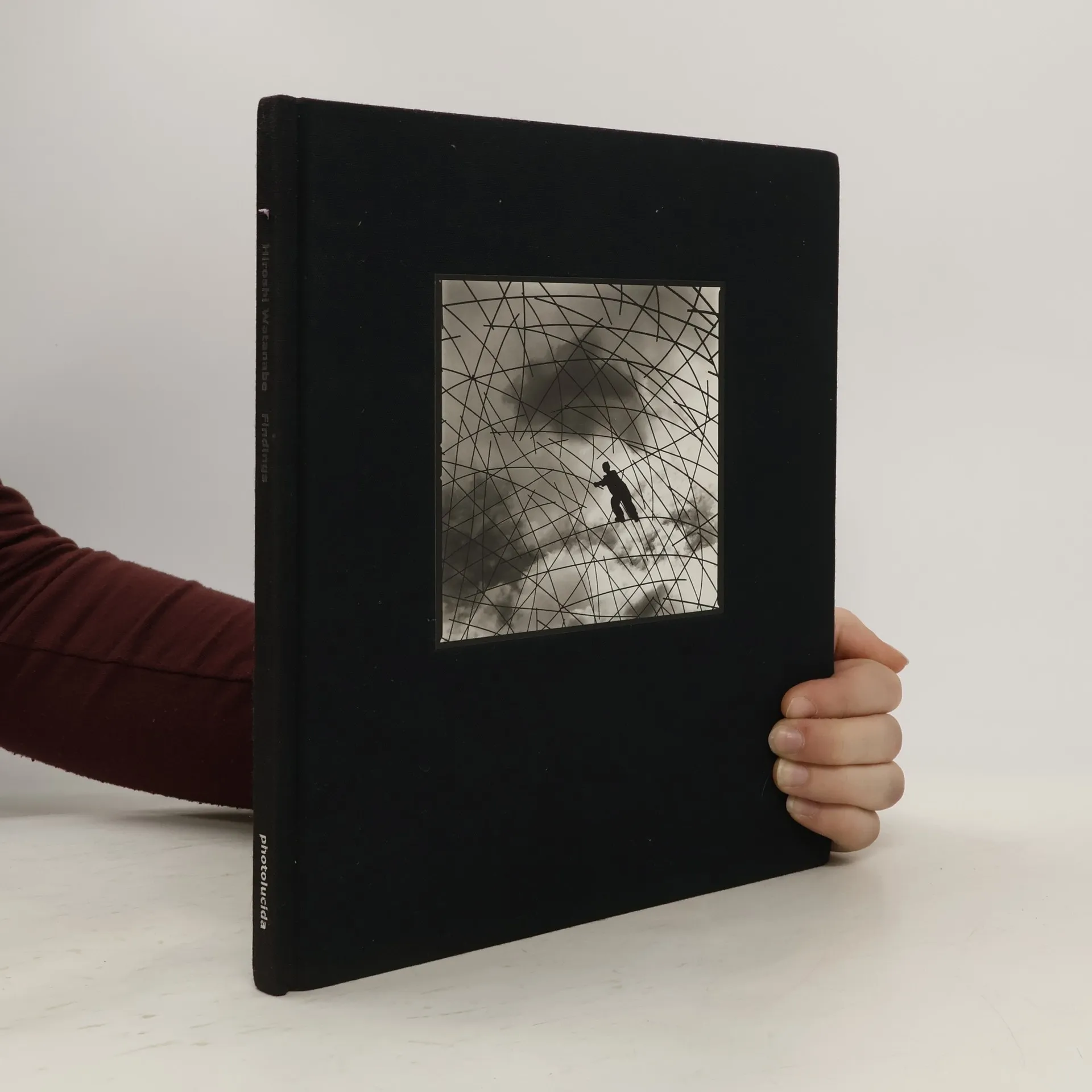
Findings
- 64 páginas
- 3 horas de lectura
Watanabes work is like a contemplative behavior that focuses on the breath so that the moment is fully free to emerge. So that the instant is lived as completely as it can be, Watanabe stays open for all the elements of discovery... the dried leaves in the foreground before the names of the dead. These are the illuminations of his pictures. Anthony Bannon, Director, George Eastman House, Rochester, NY