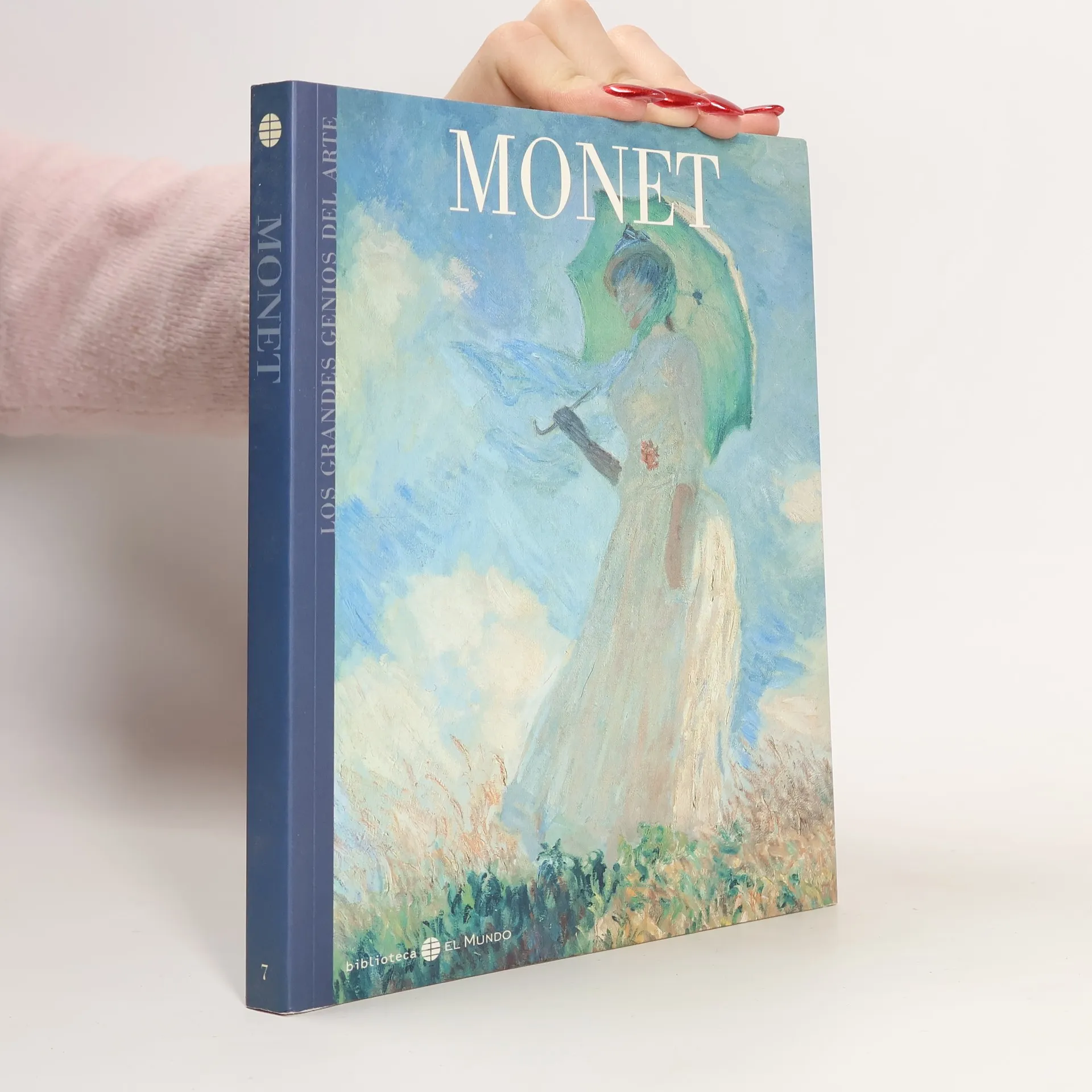
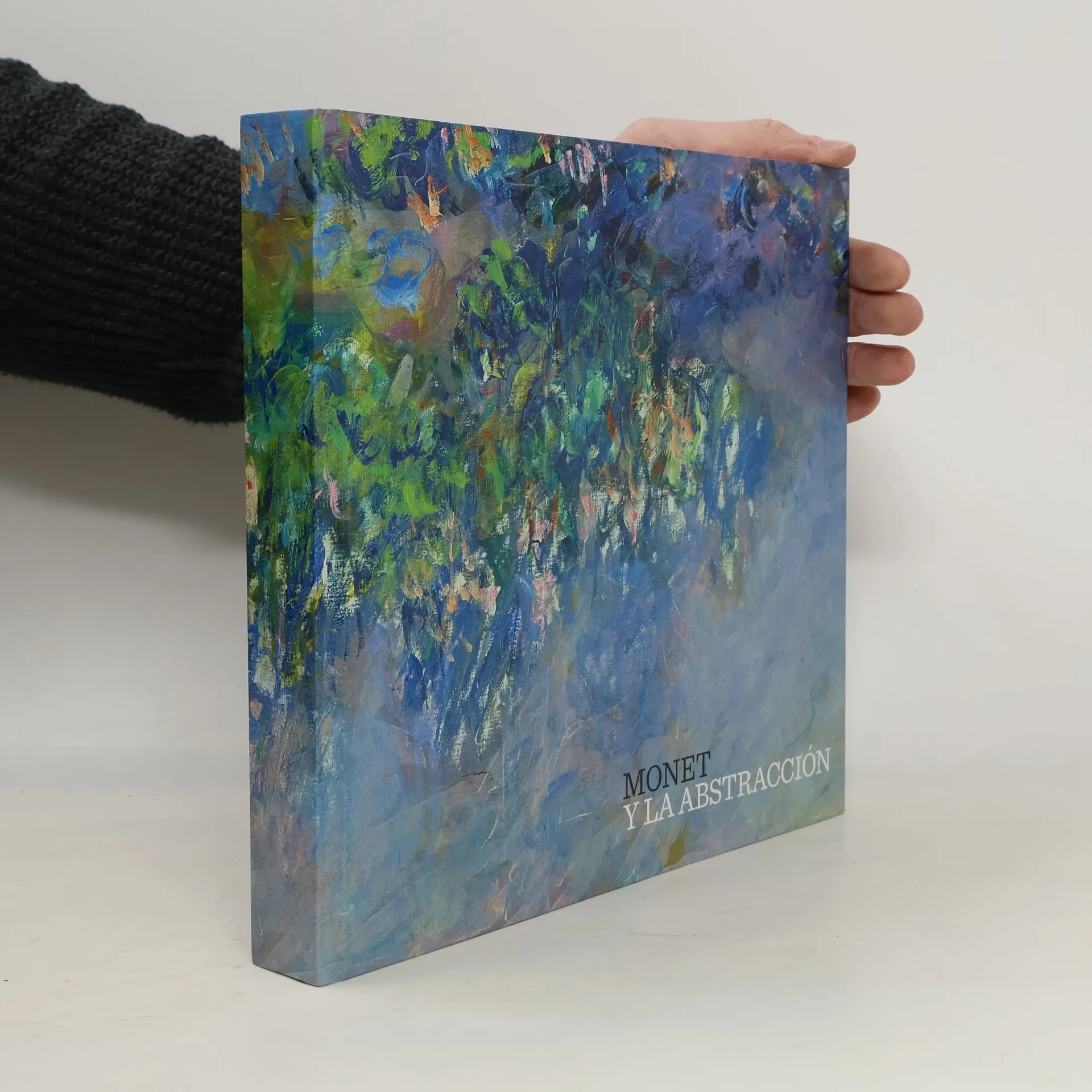
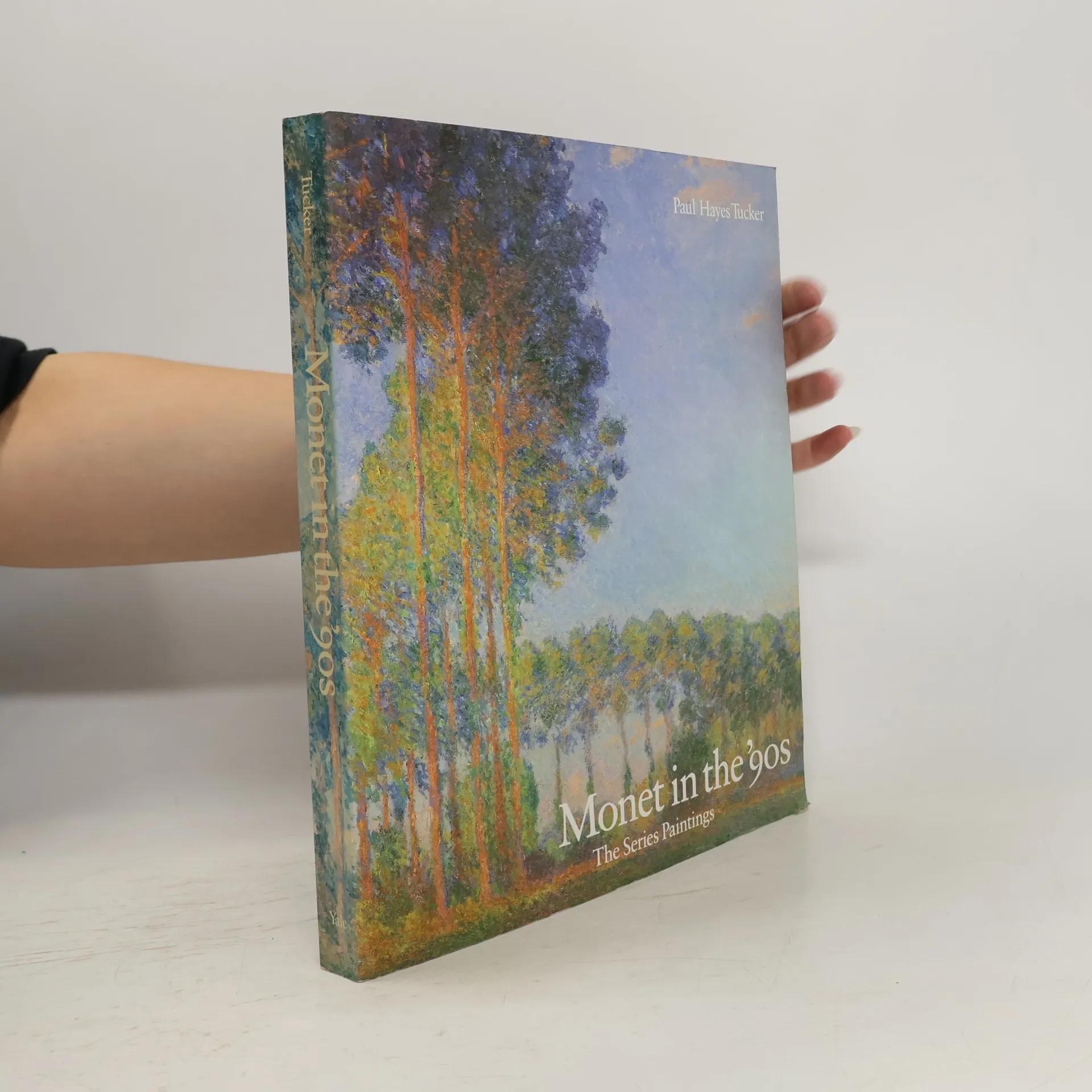
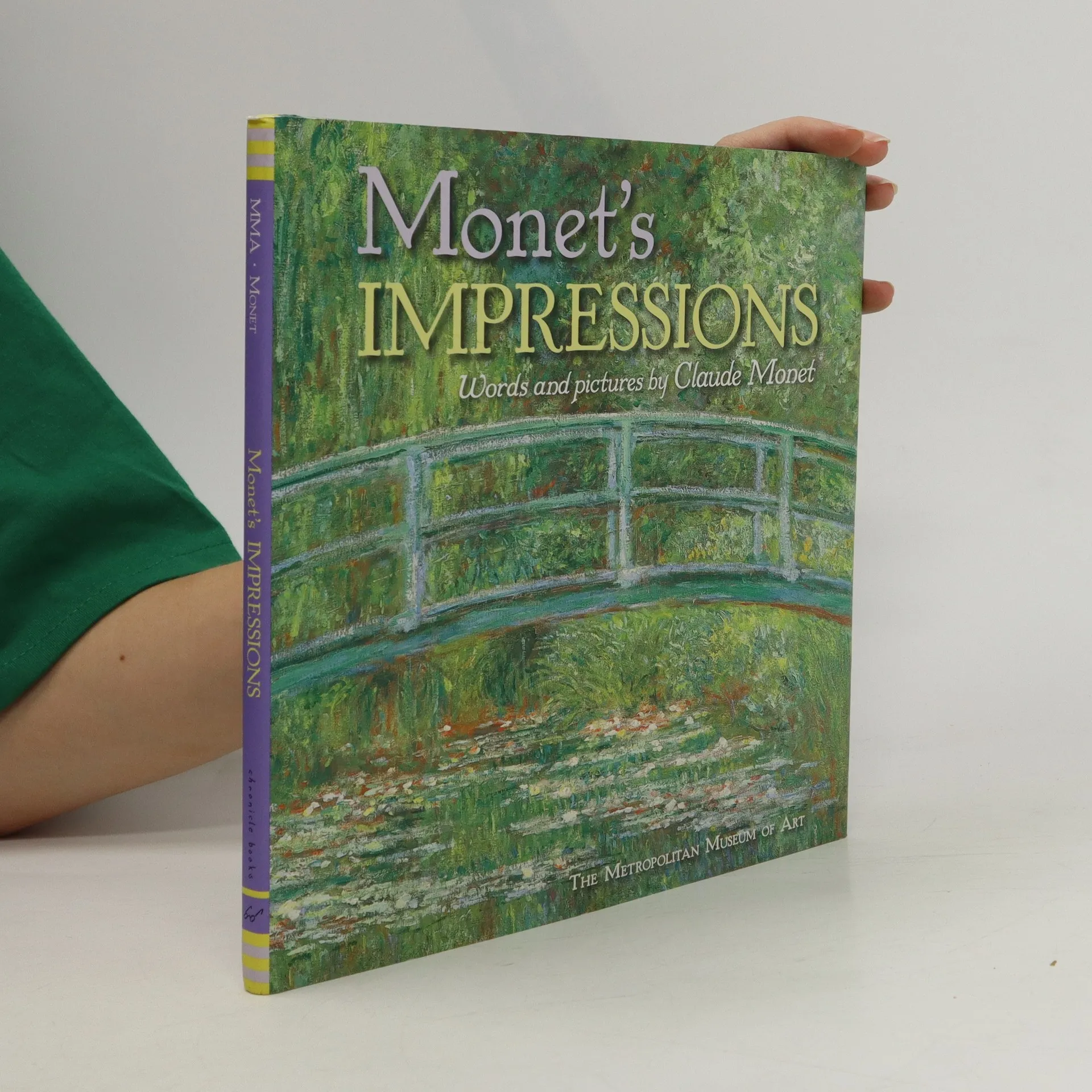
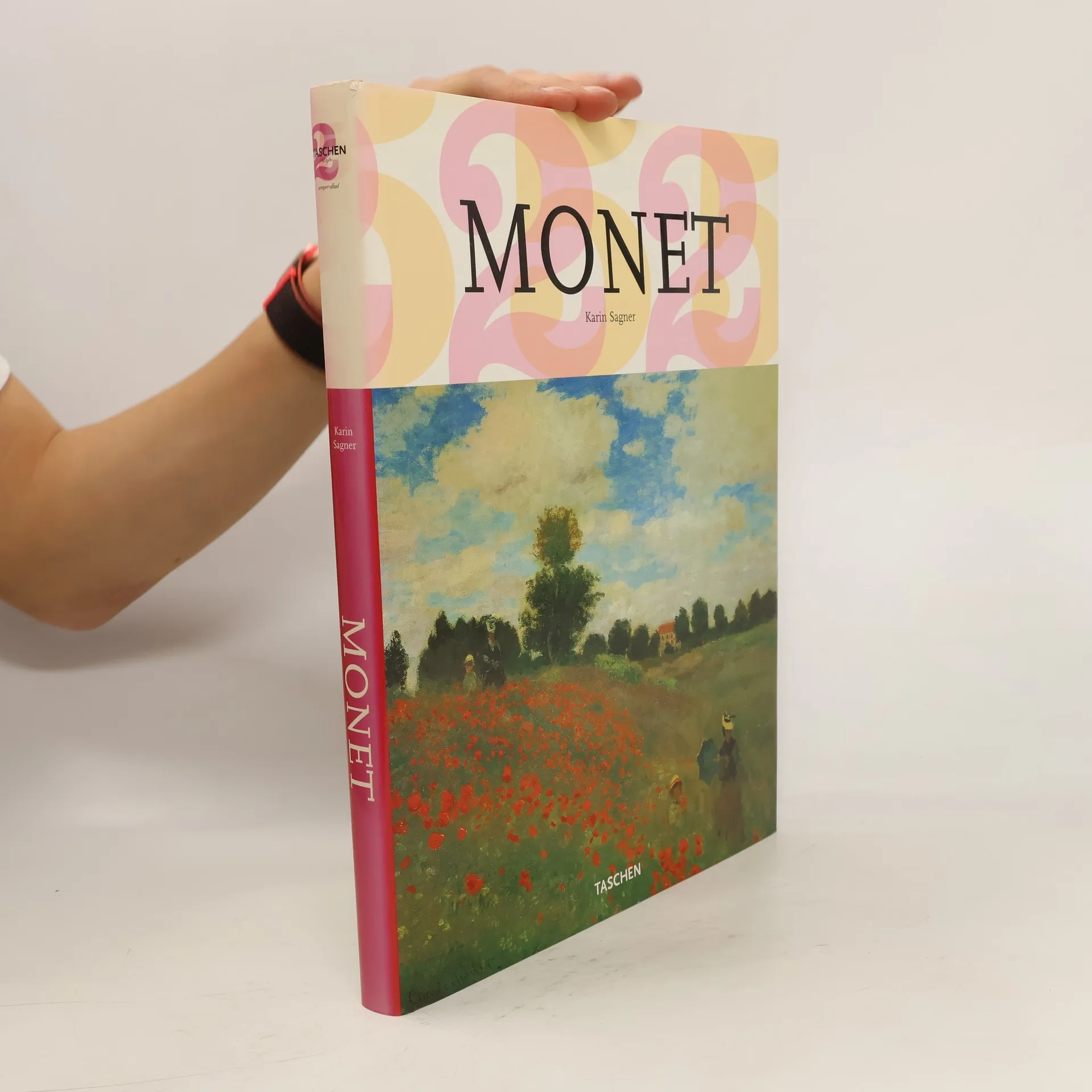
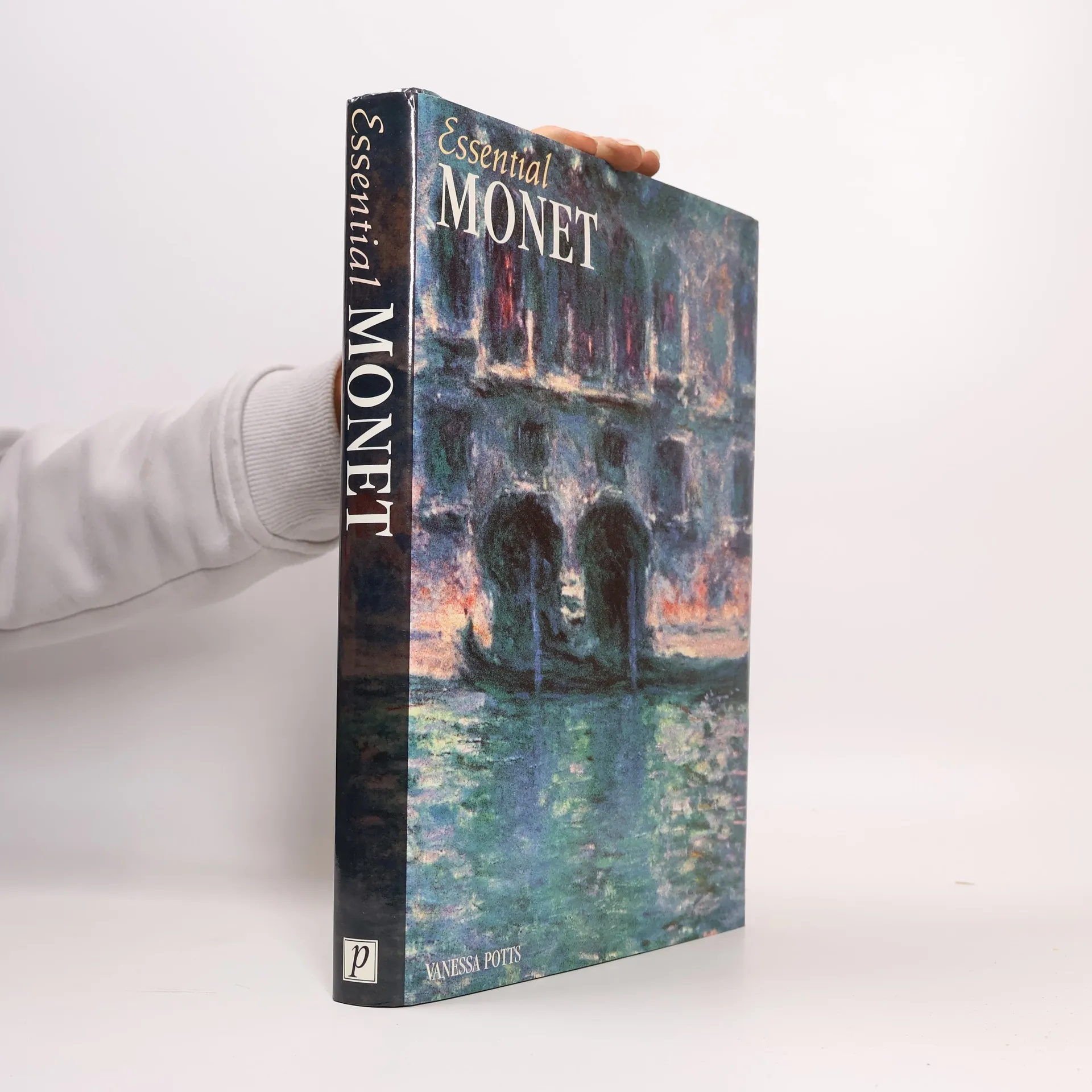
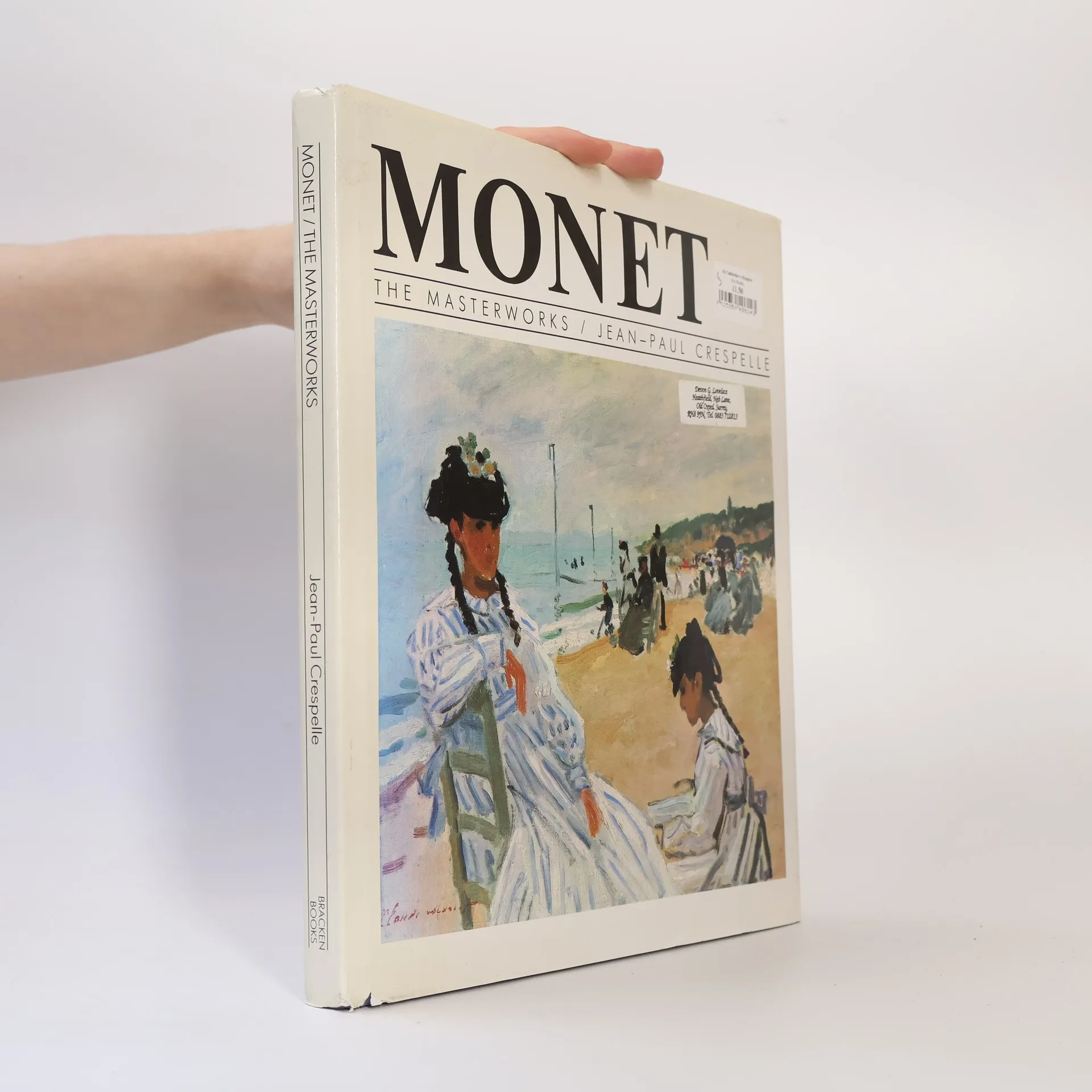
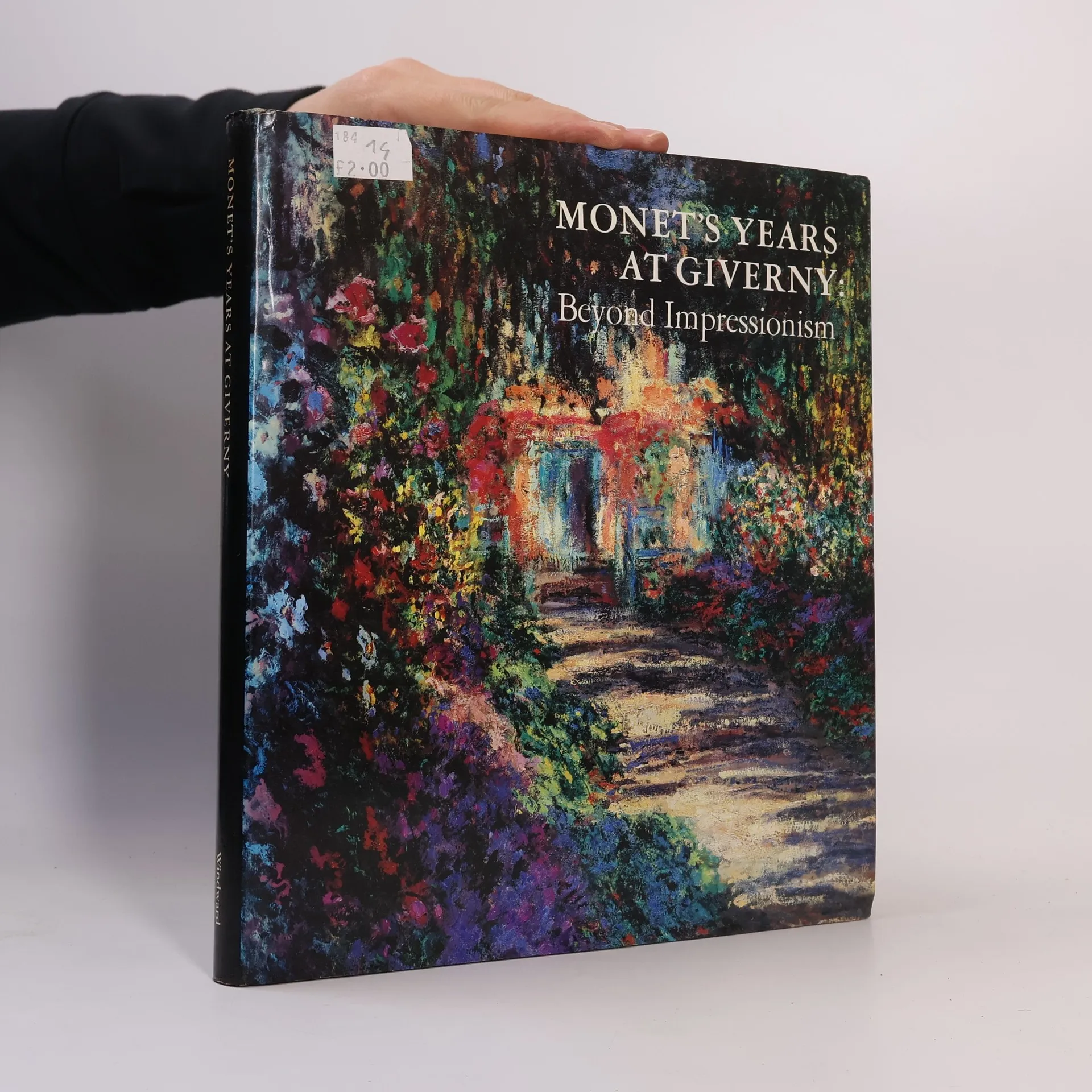
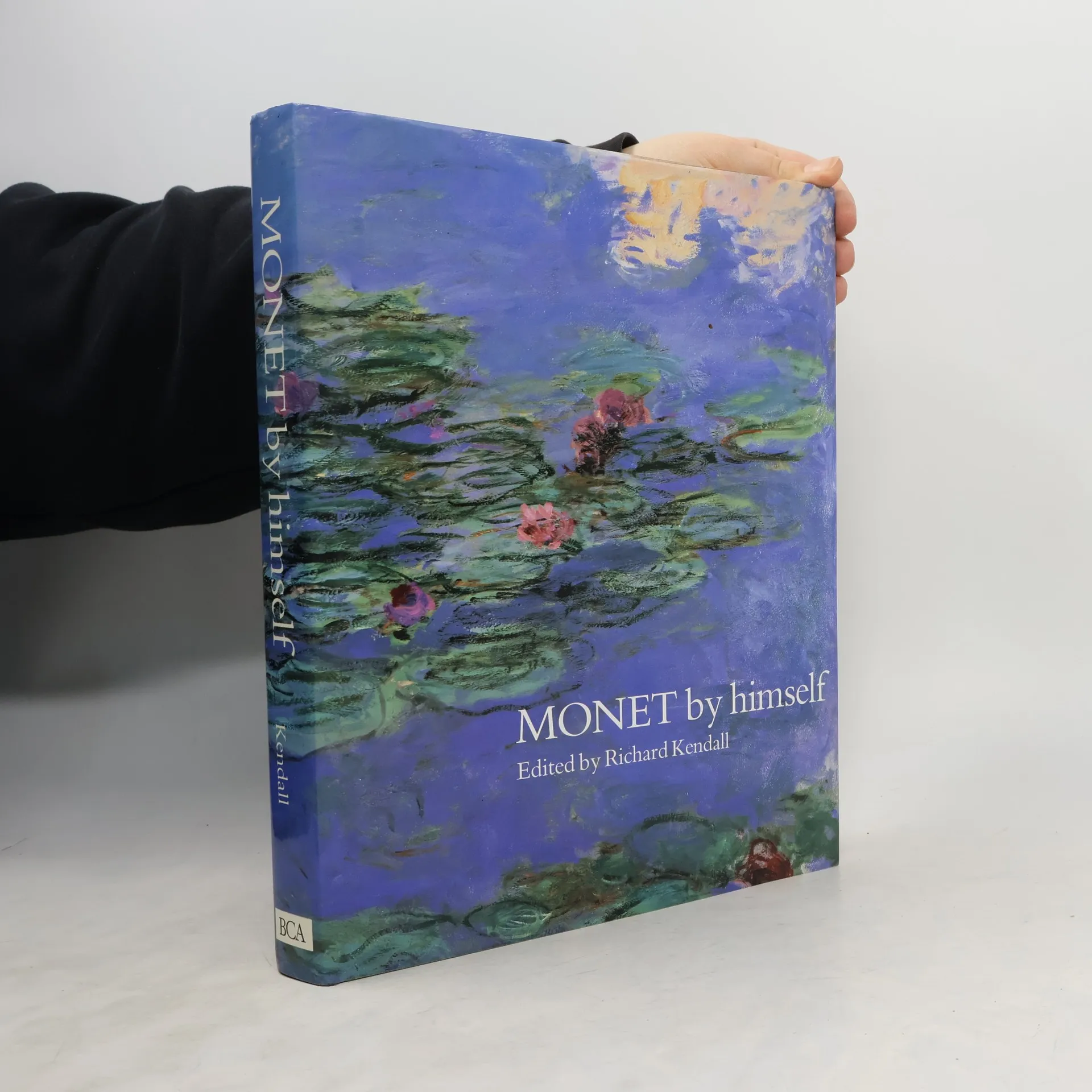
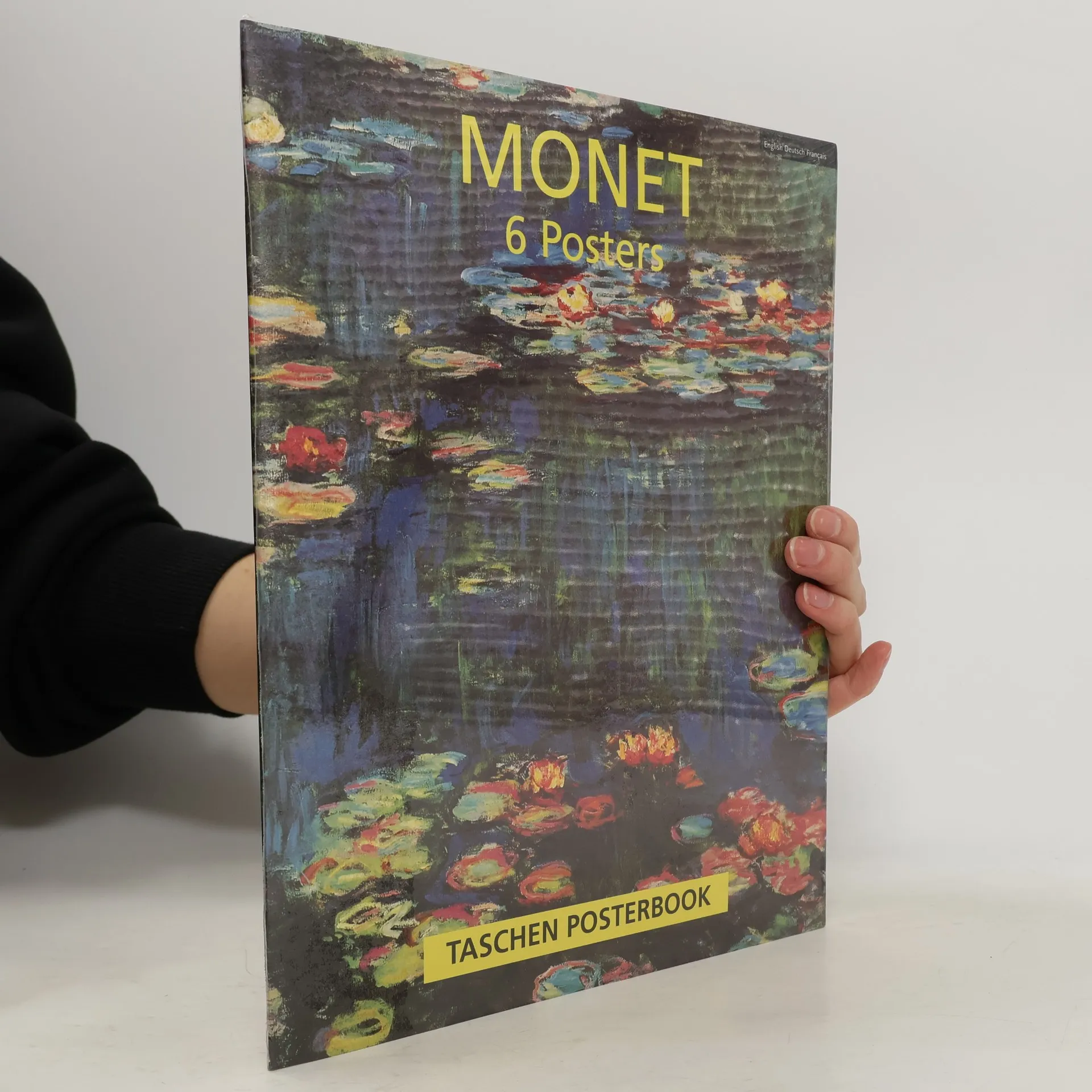
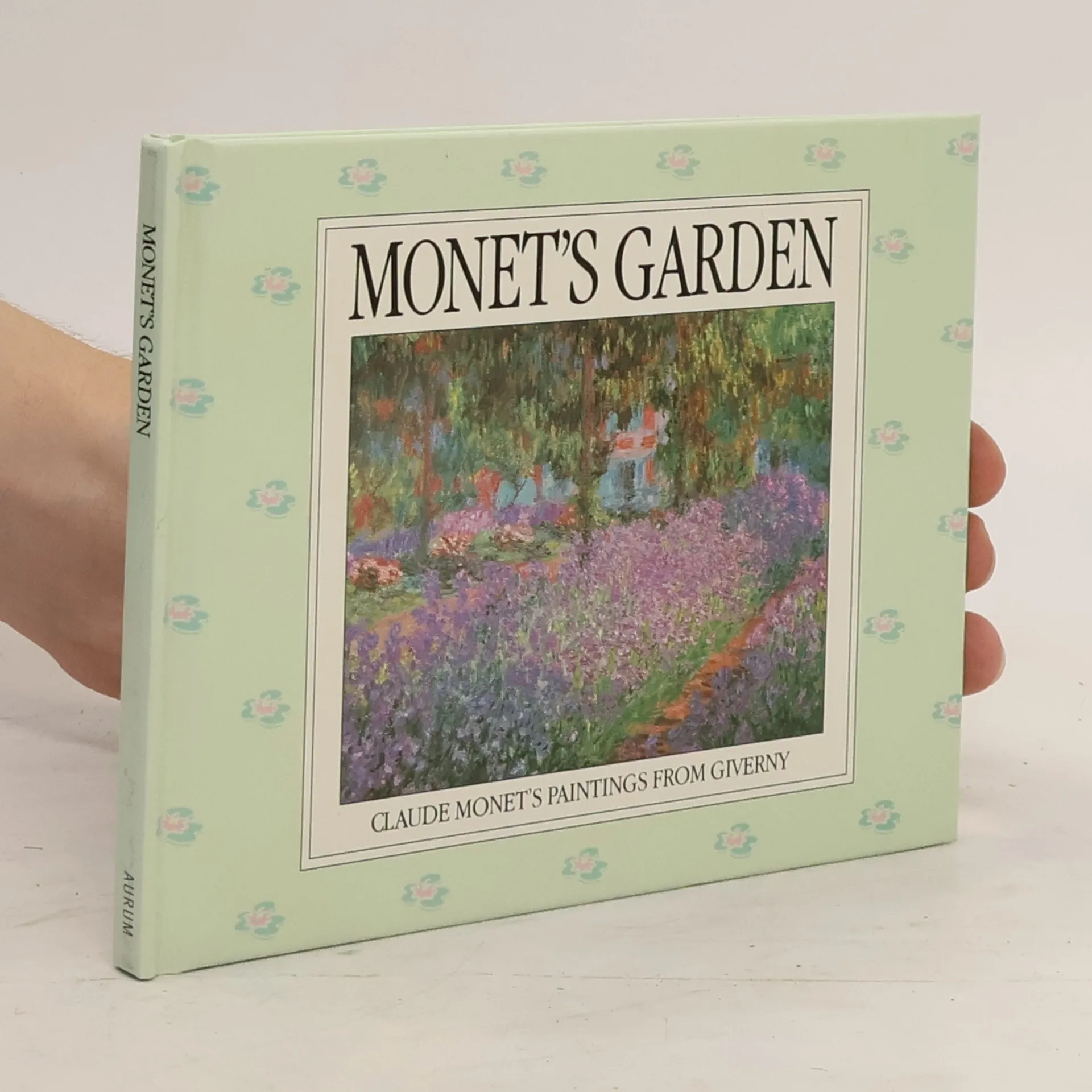
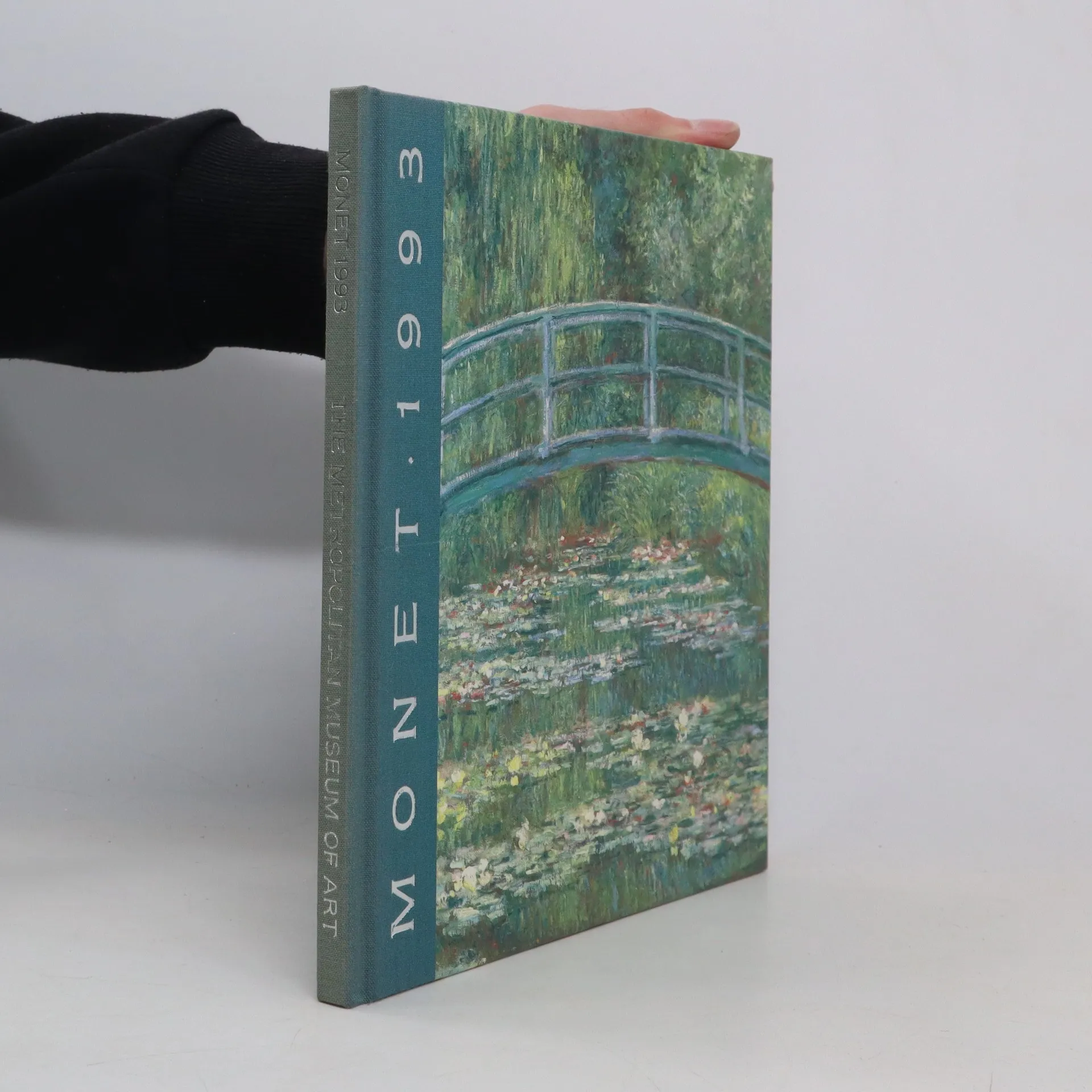
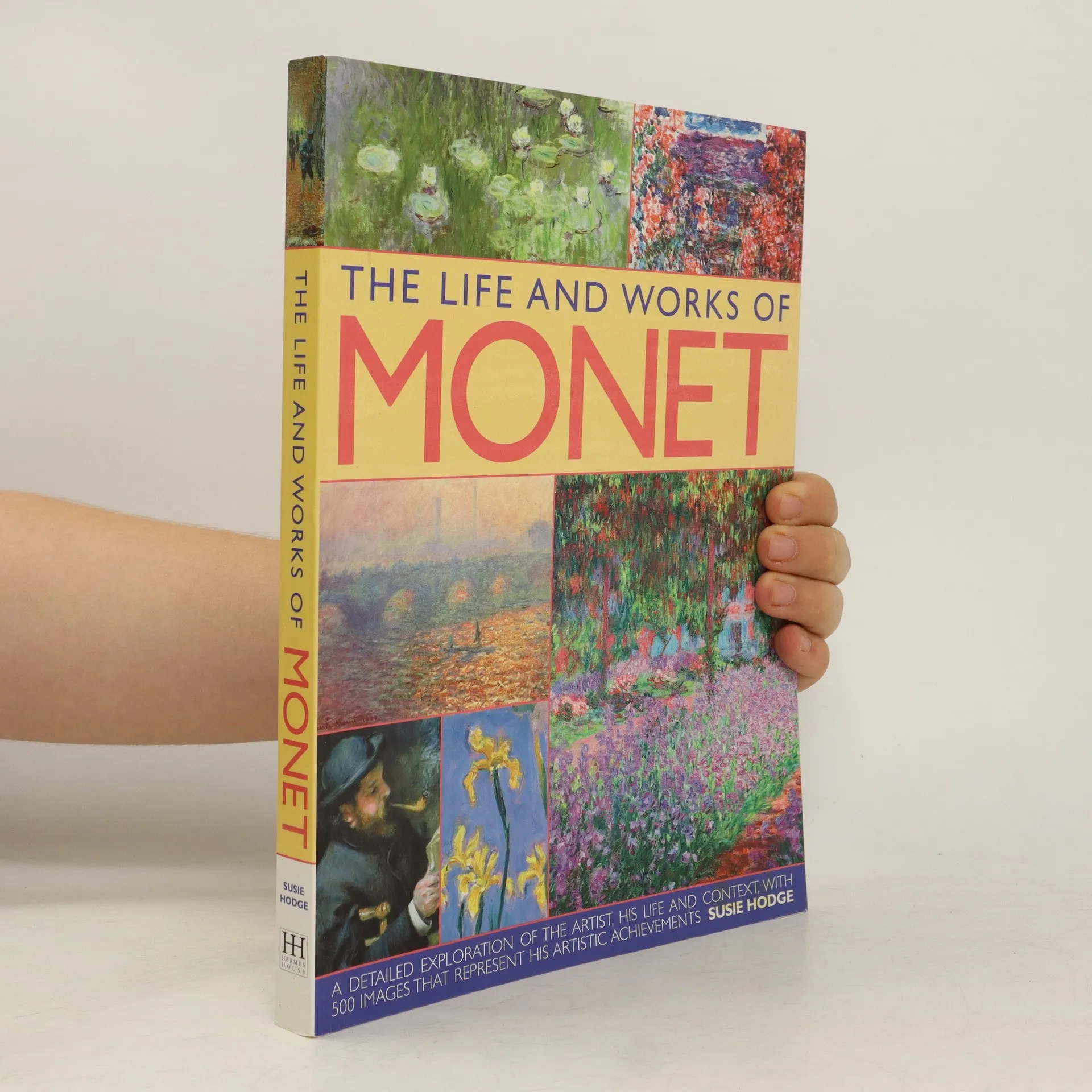
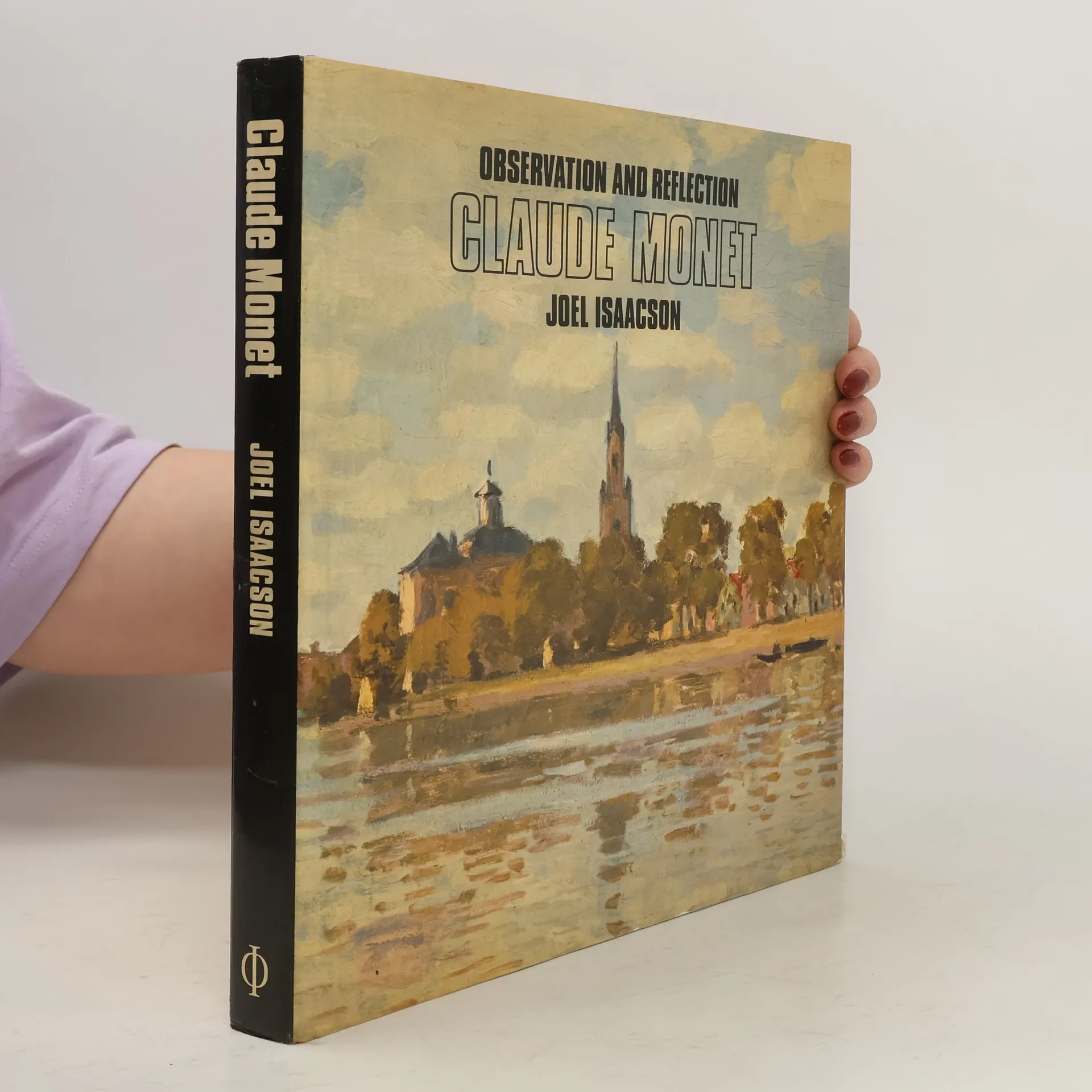
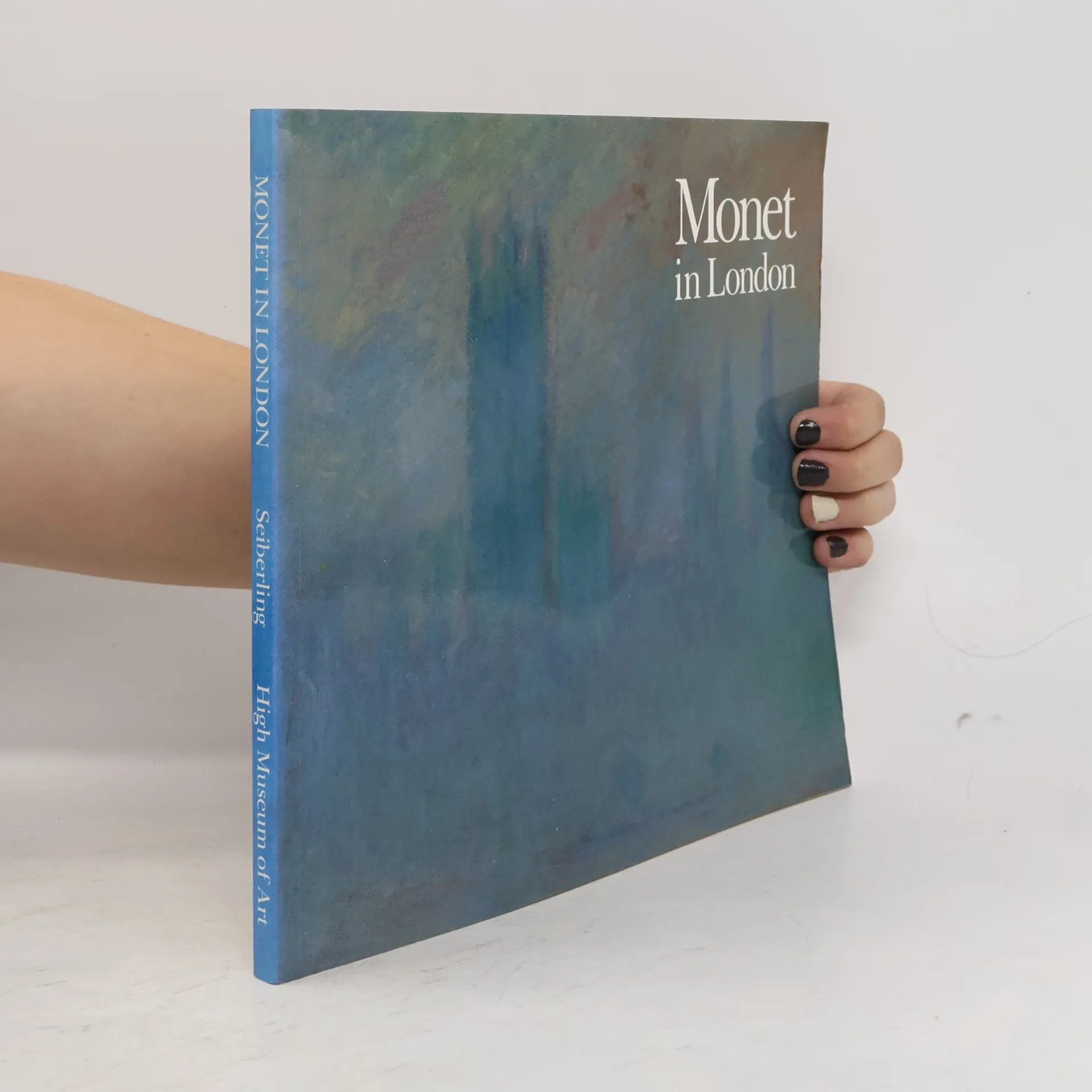
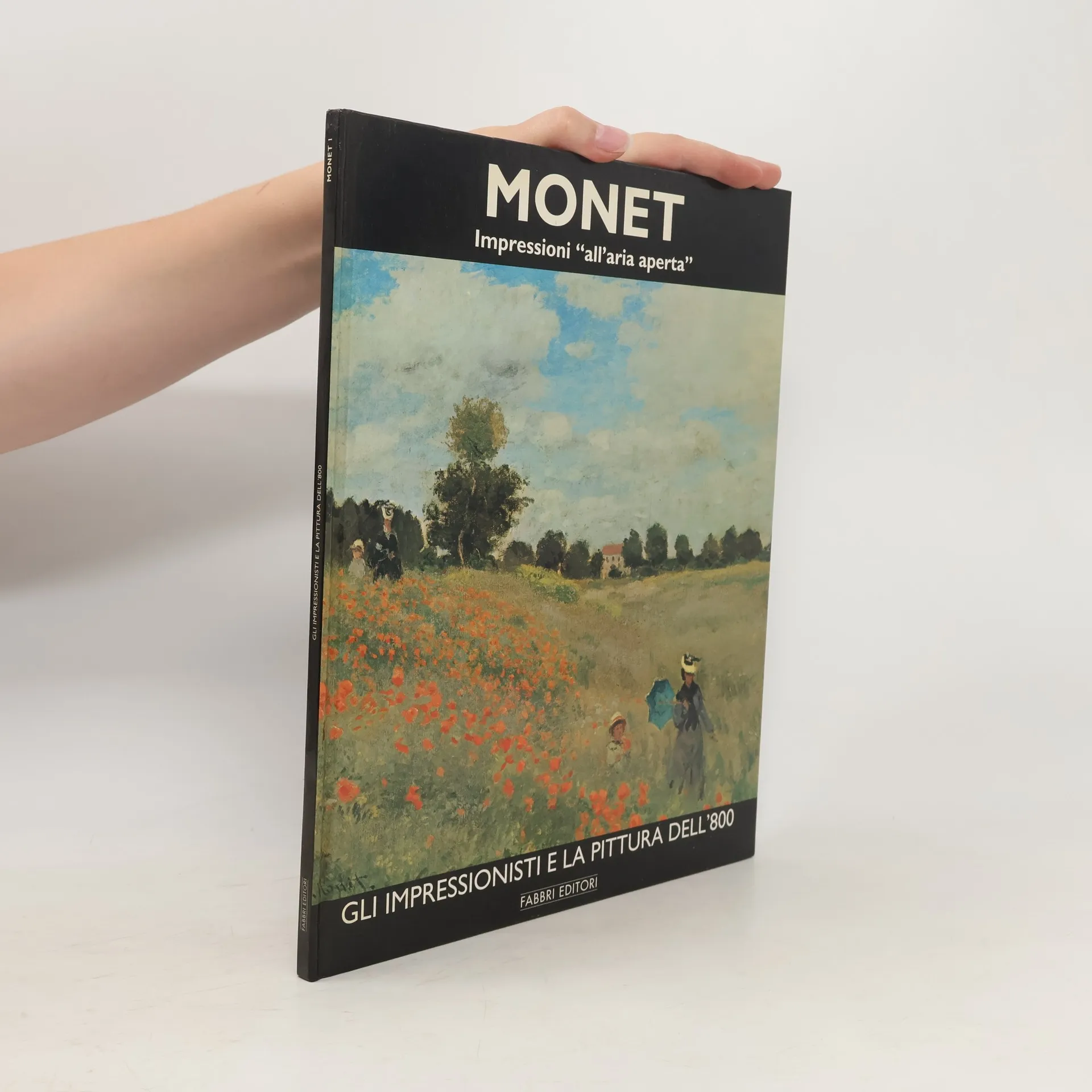
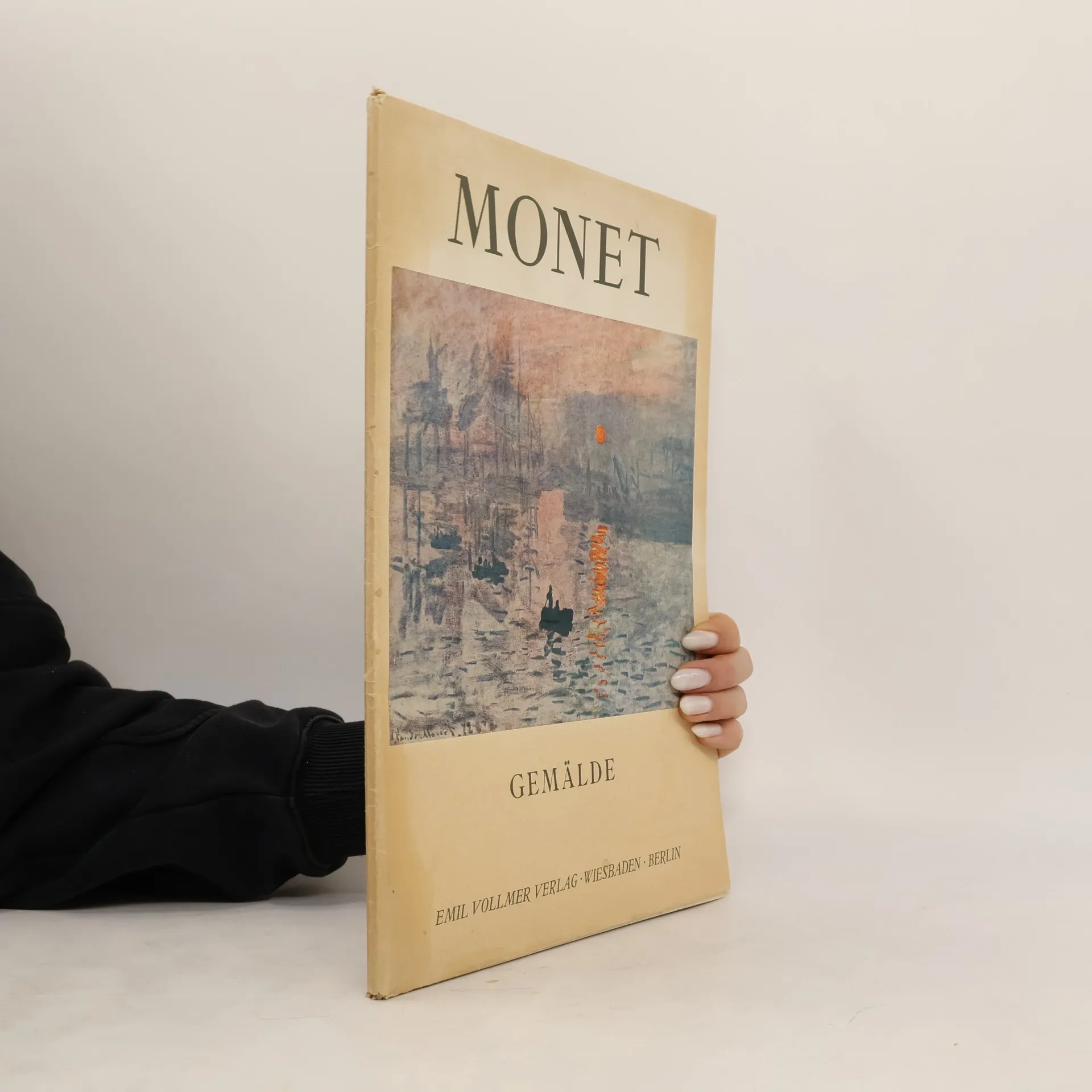
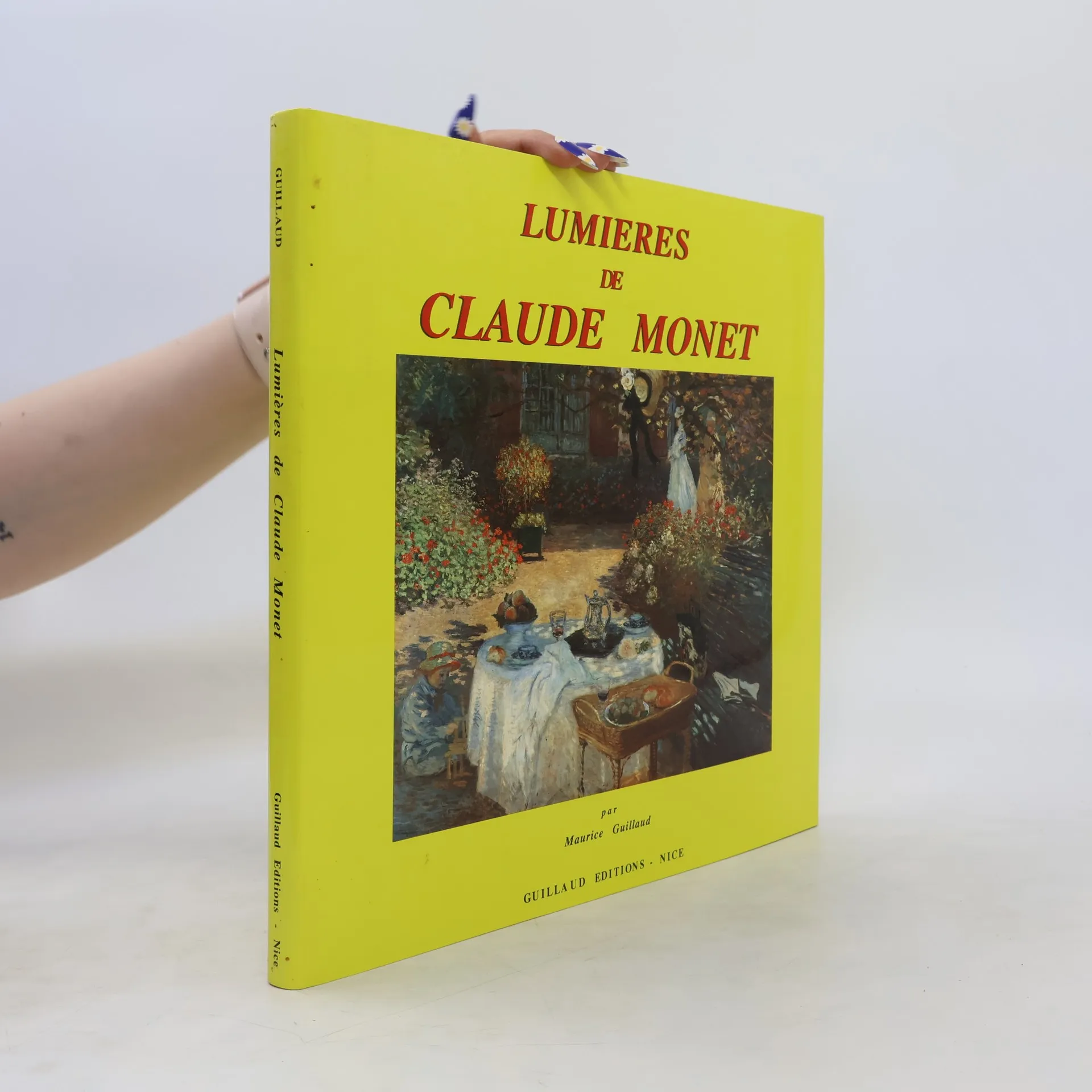
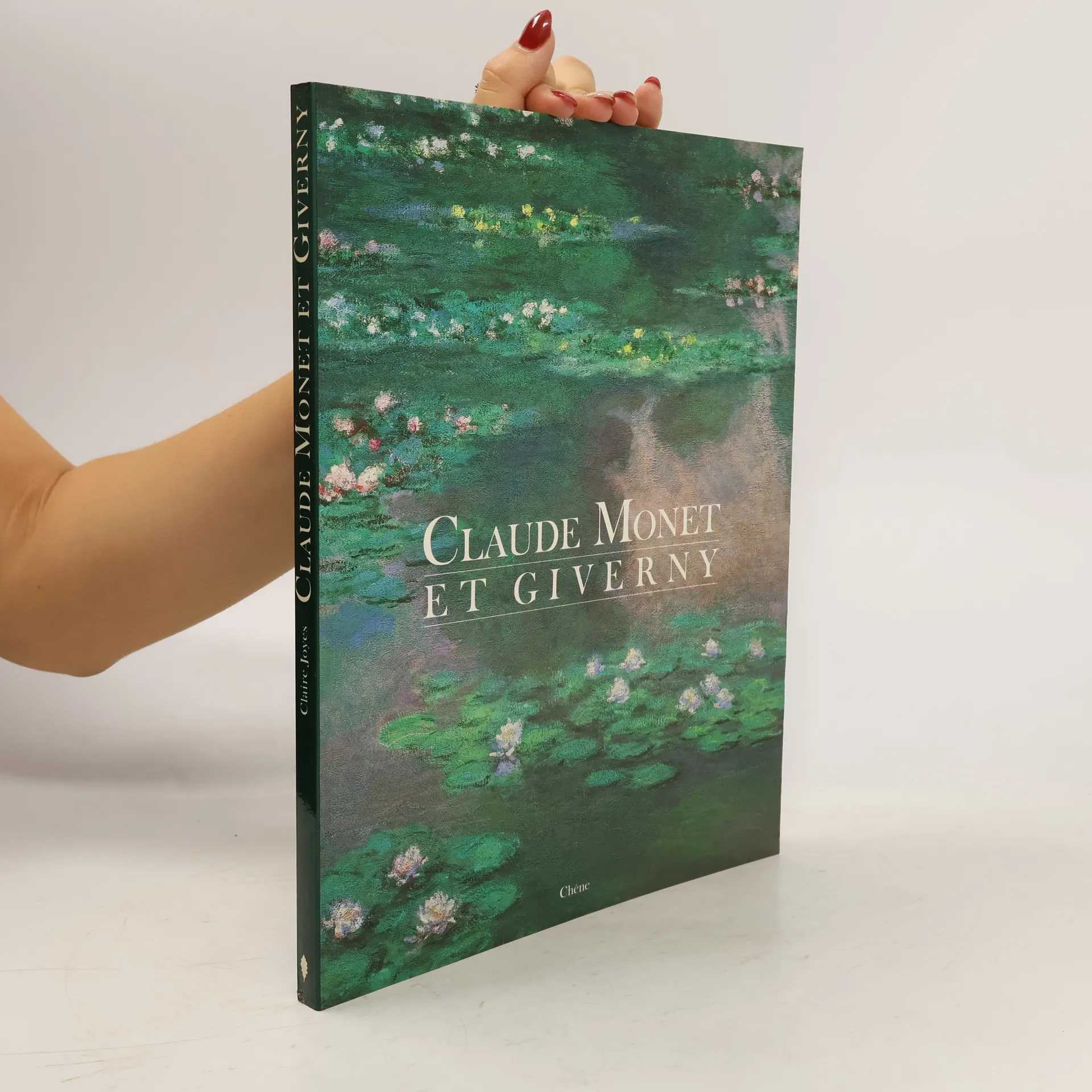
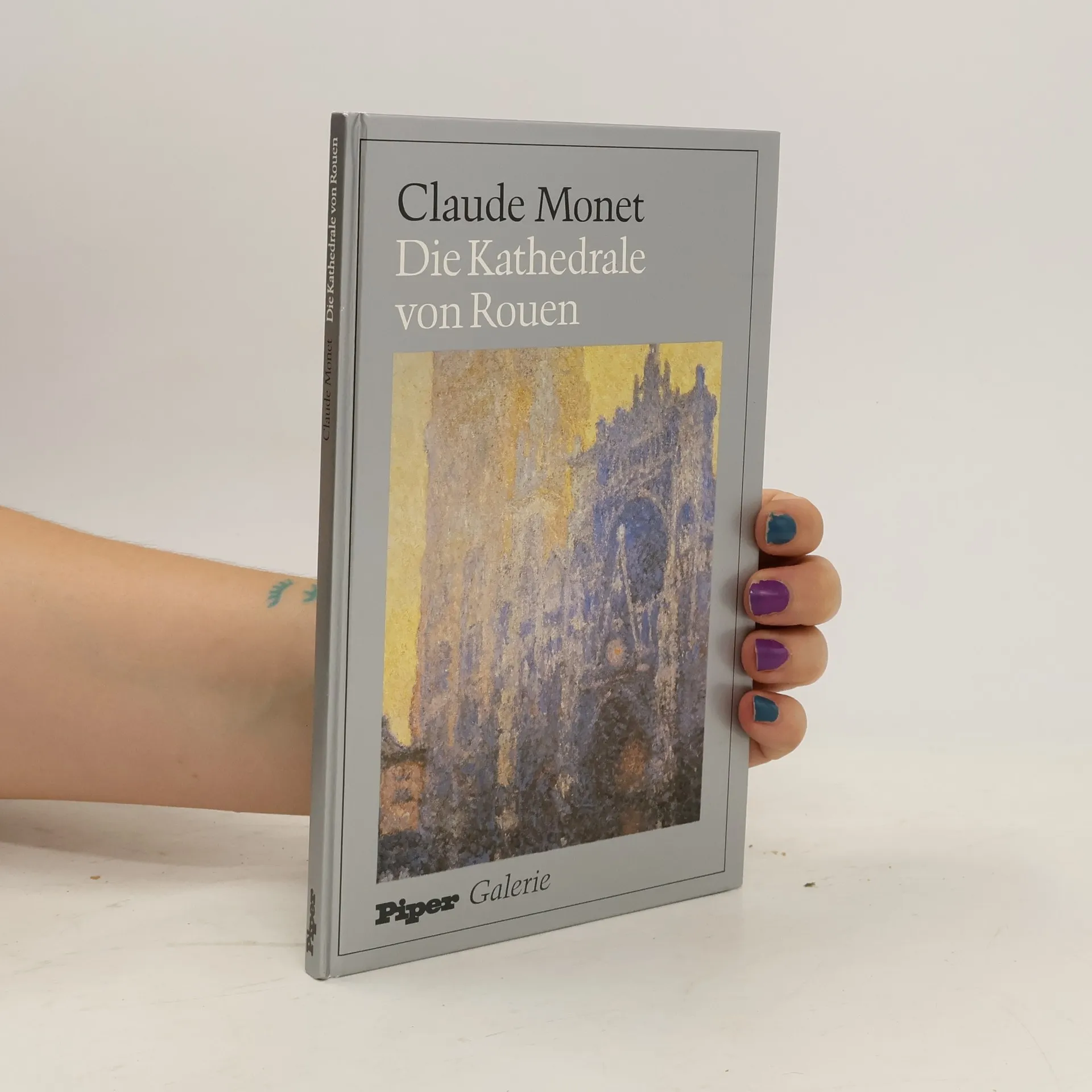
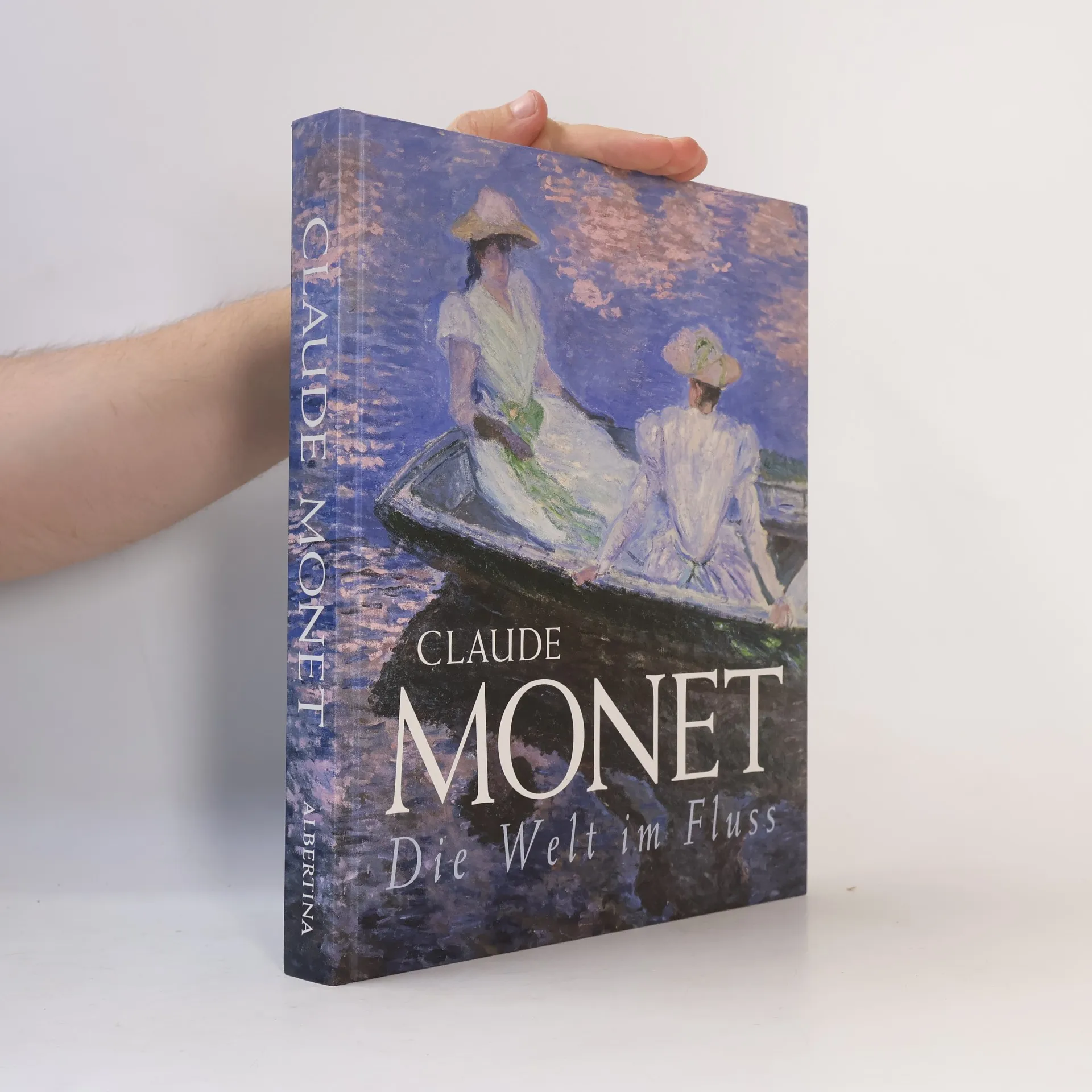
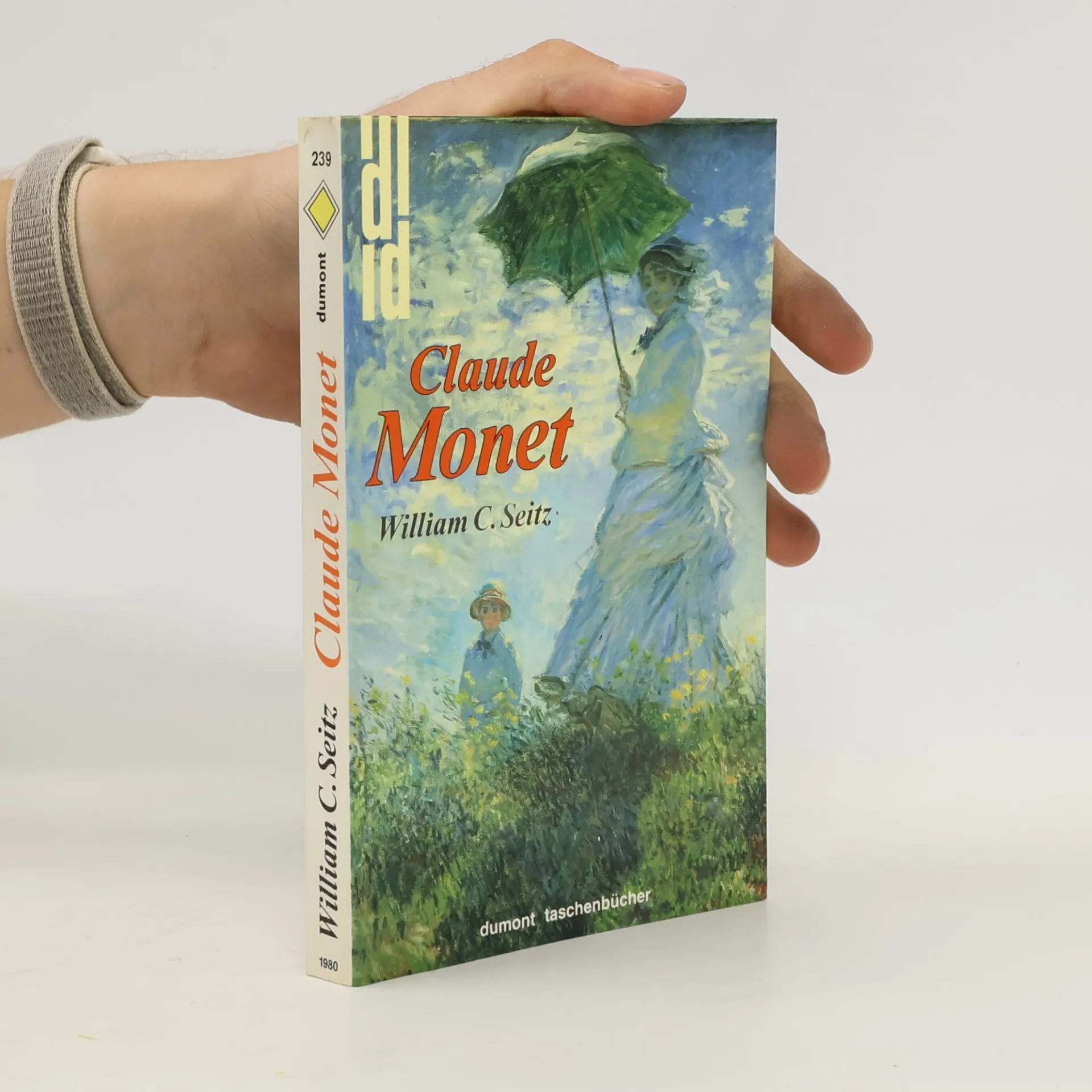
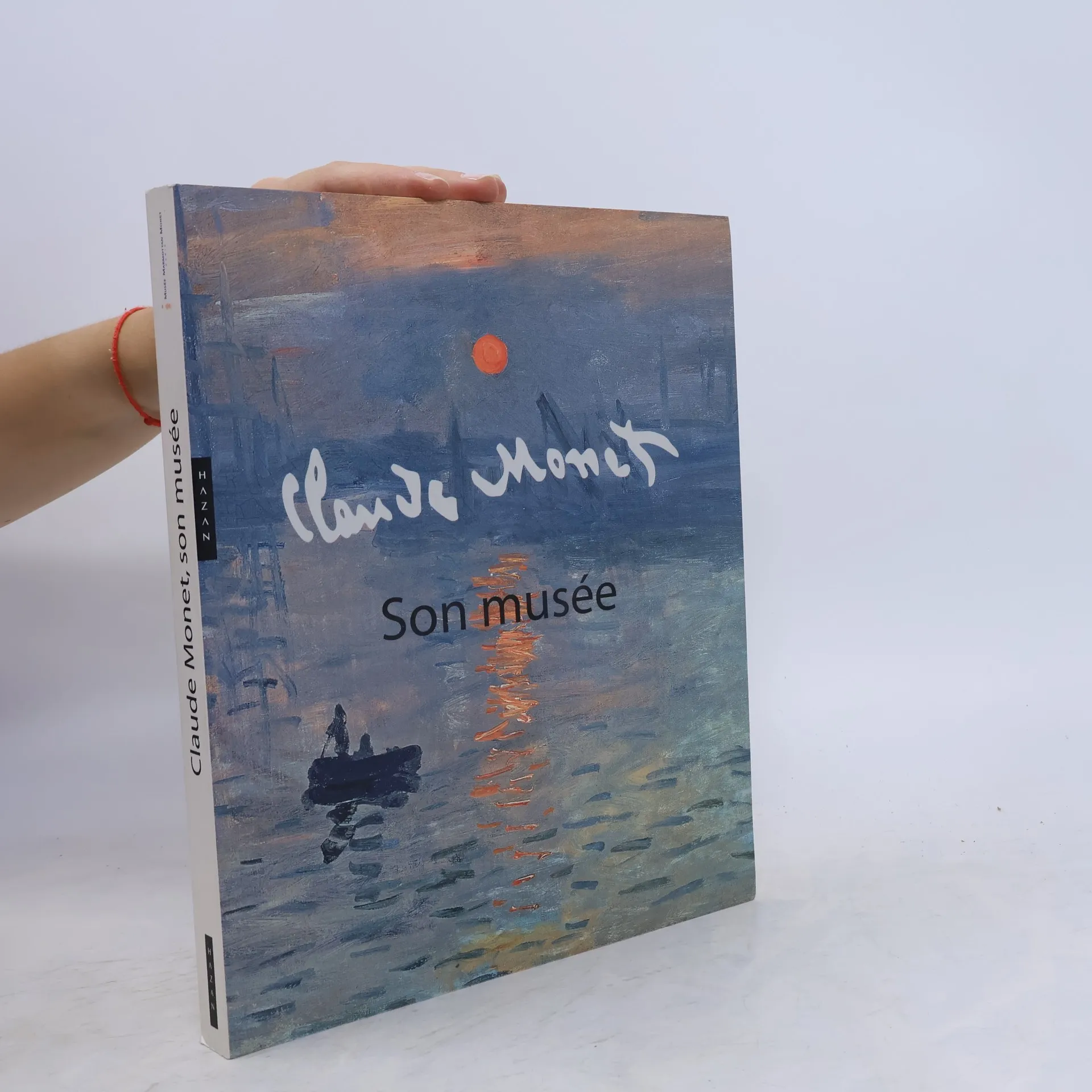
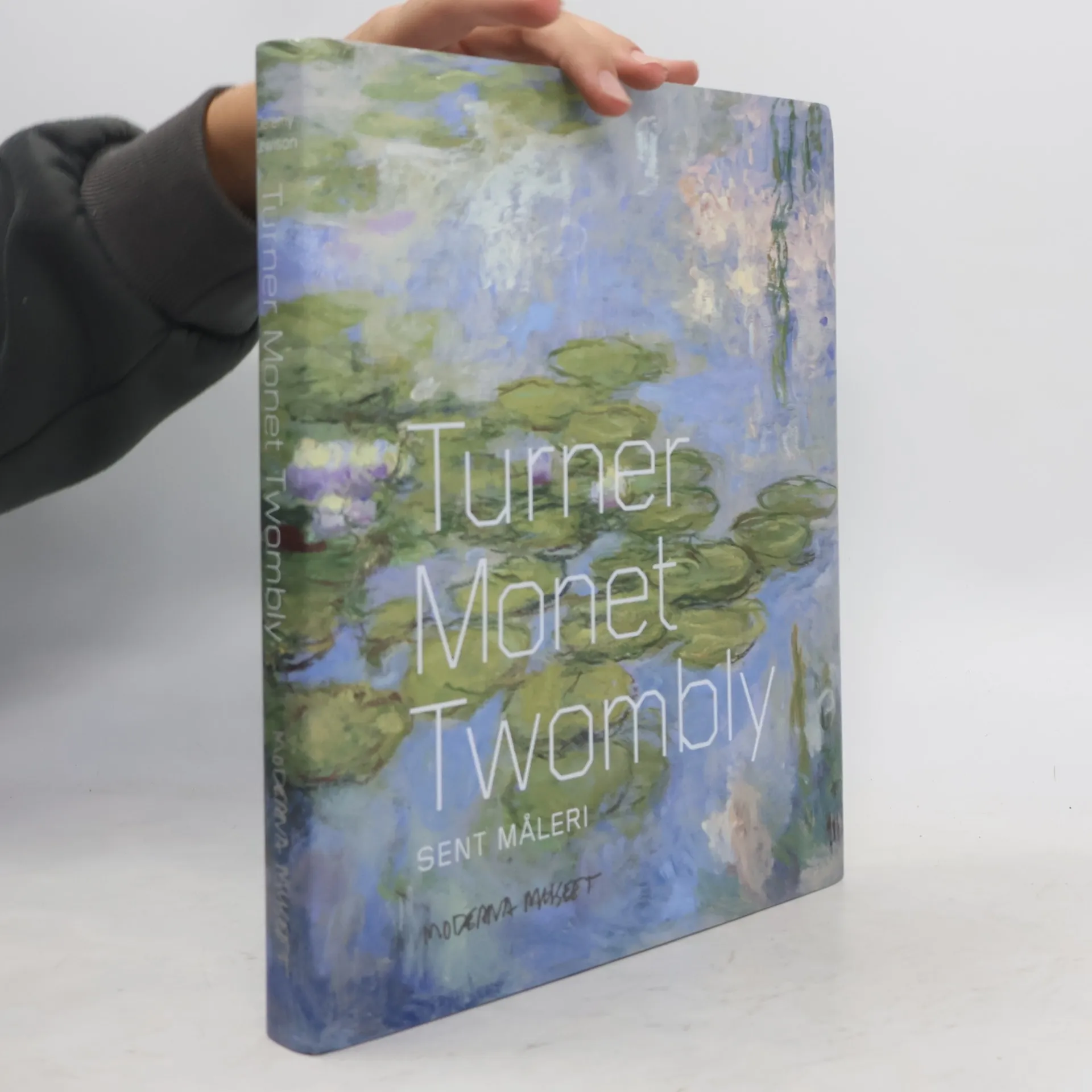
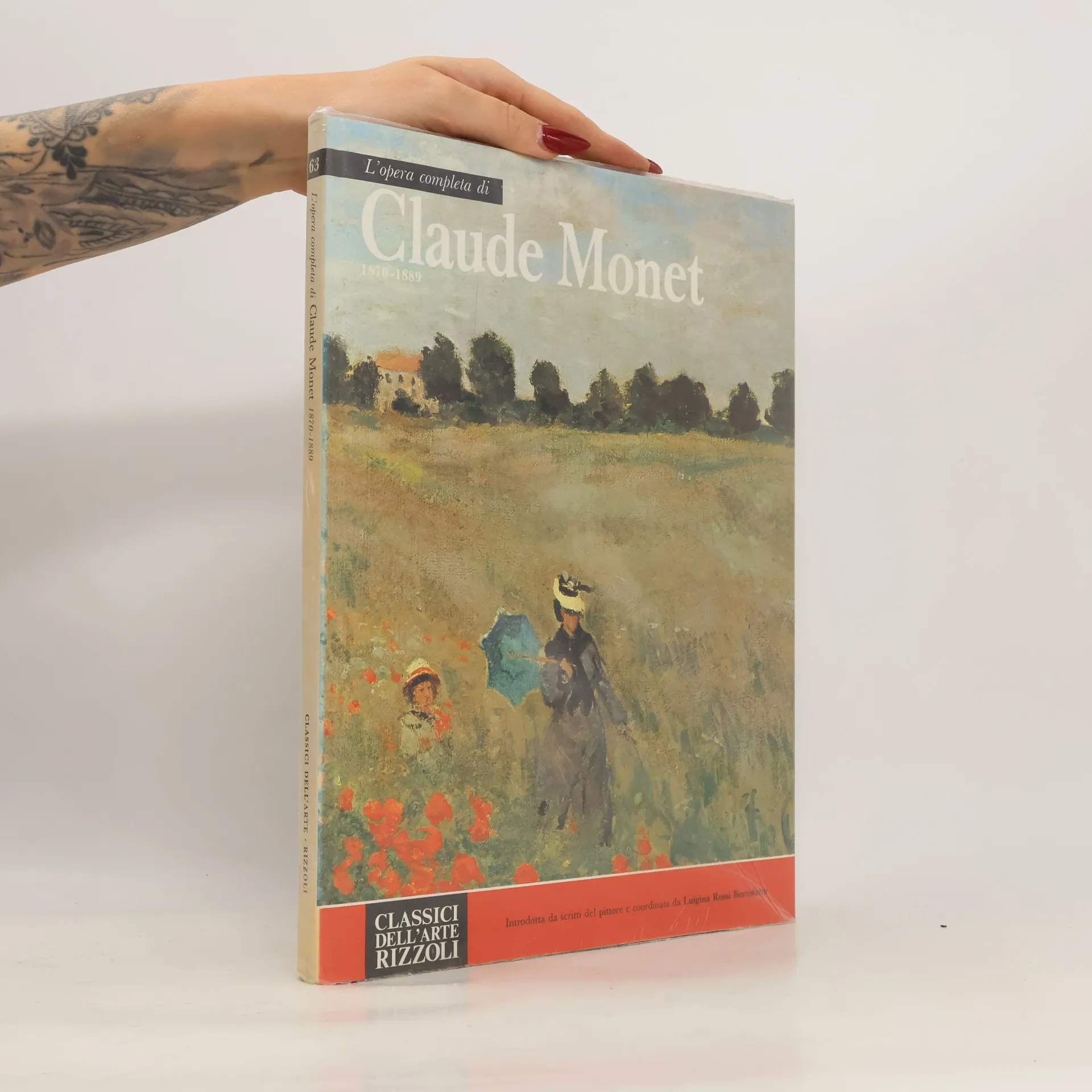
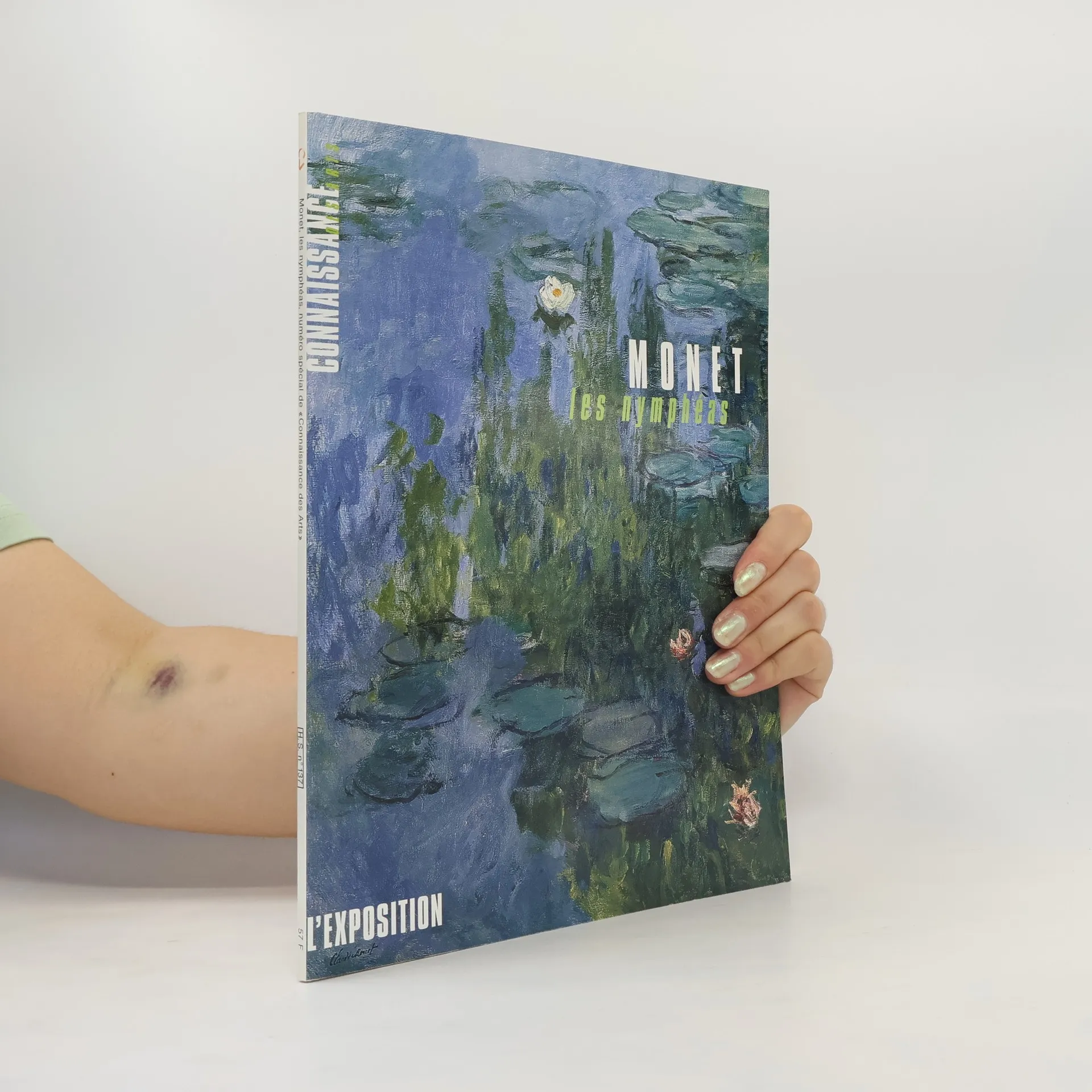
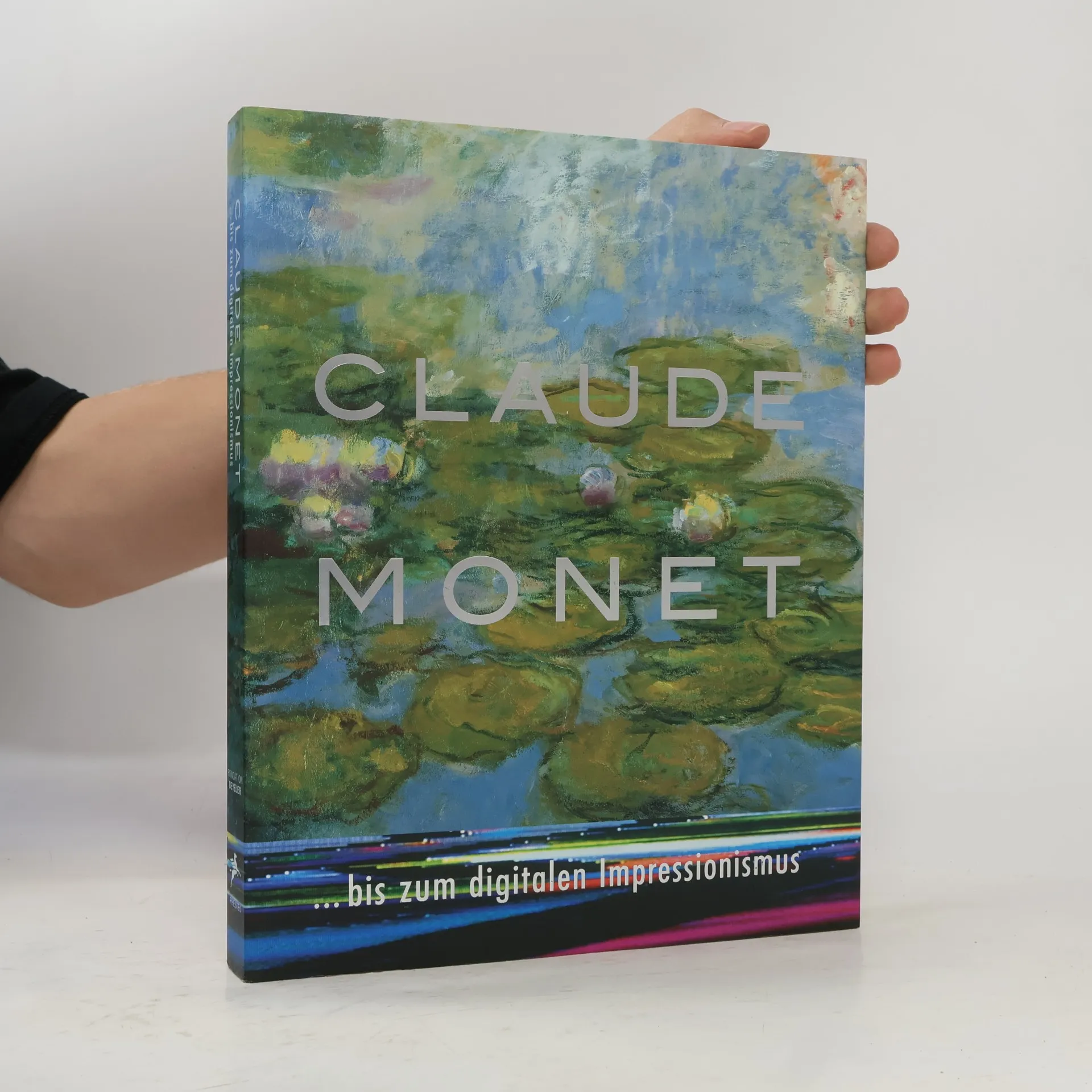
Claude Monet fue un fundador de la pintura impresionista francesa. Fue el practicante más consistente y prolífico de la filosofía del movimiento, que se centra en expresar las percepciones propias ante la naturaleza. Su obra se hizo famosa, en particular por su pintura de paisajes al aire libre. El estilo de Monet enfatiza la percepción inmediata y los efectos de la luz.
Catálogo de la exposición celebrada en Madrid en el Museo Thyssen-Bornemisza y la Fundación Caja Madrid del 23 de febrero al 30 de mayo de 2010.Catálogo con textos de Paloma Alarcó y Michael Leja, una antología de textos críticos, una cronología de la fortuna crítica de Monet y biografías de los artistas.
Una experiencia artística única para todos los aficionados al impresionismo: las obras maestras de Claude Monet presentan su evolución artística a lo largo de su larga y destacada carrera. La representación de la naturaleza es el núcleo de su pintura, donde buscó incansablemente la verdad de sus emociones. Desde la fiel representación del paisaje en sus inicios hasta la pintura gestual de sus últimos nenúfares, este volumen permite comprender de nuevo el desarrollo de su obra. Se abordan los temas recurrentes en el trabajo de Monet (el mar, el Sena, los jardines, las estaciones, etc.) así como las técnicas que empleó, como el tratamiento de la luz y el color a través del pincel, el uso de repeticiones y series para captar mejor las variaciones atmosféricas, y la progresiva disolución de las formas que lo convierten en un precursor de la abstracción.
Claude Monet (1840-1926) se destacó por capturar la luz en sus obras, siendo el impresionista más reconocido. Su enfoque visual y su exploración del color transformaron nuestra percepción del mundo. La biografía incluye reproducciones y fotos, destacando su influencia y su famosa serie de nenúfares.
A comprehensive guide to Monet's life and work contains more than two hundred reproductions and illustrations, accompanied by insightful criticism by such classic authors as Proust and Zola, as well as in-depth interviews with Monet
Throughout his life, Claude Monet wrote and spoke about his art. This elegant book pairs spectacular reproductions of some of his most important paintings with his own words to create a uniquely personal look at the work of one of the worlds most renowned artists. The poetic text introduces readers to the Impressionists' goal of capturing a fleeting moment and makes this an art book perfect for the young and the young at heart.Book HardcoverPublication 8/19/2009 48Reading Age 3 and Up
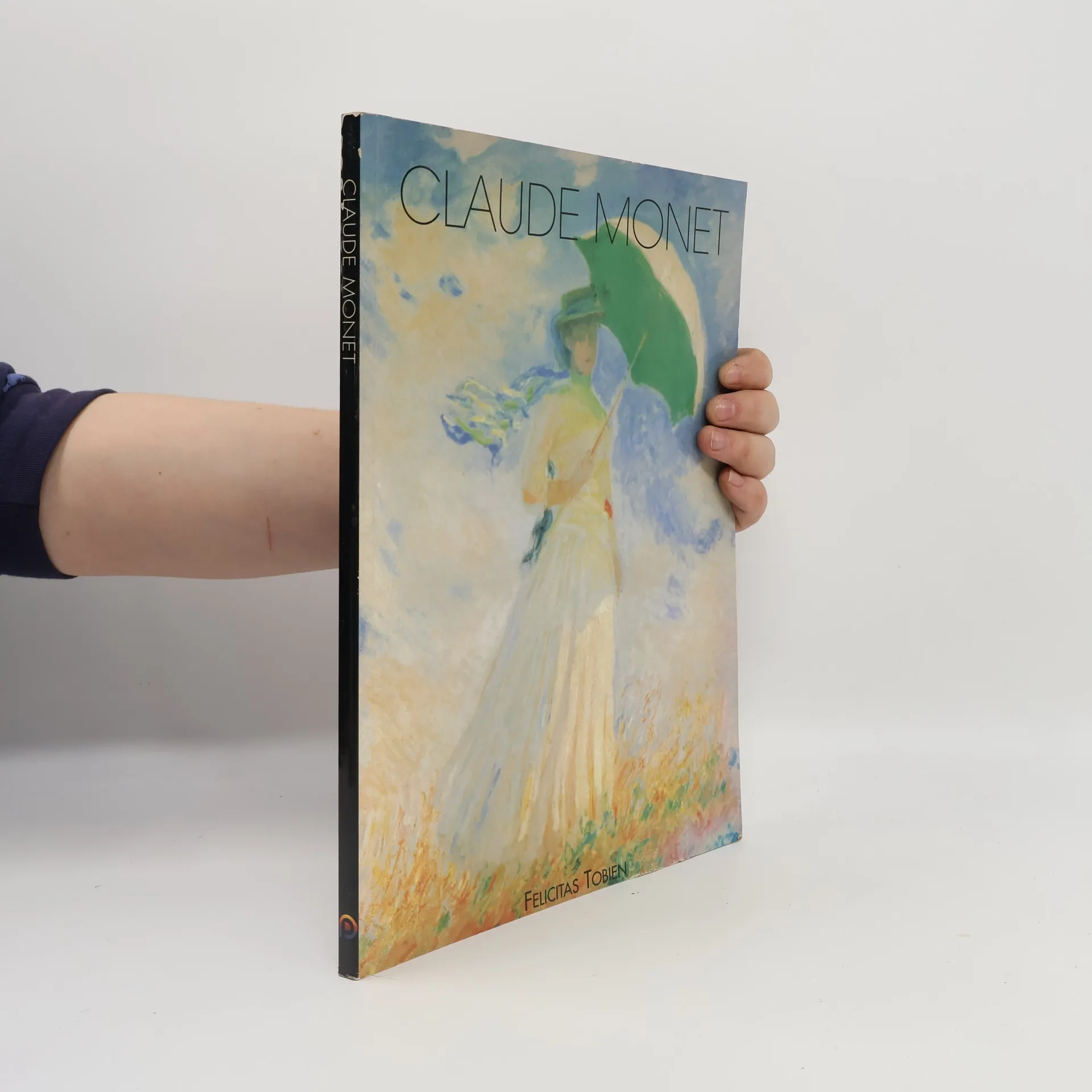
Claude Monet (1840-1926) was both the most typical and the most individual painter associated with the Impressionist movement. His long life and extraordinary work were dedicated to a pictorial exploration of the sensations. This book traces the life's work of one of art history's most beloved painters.
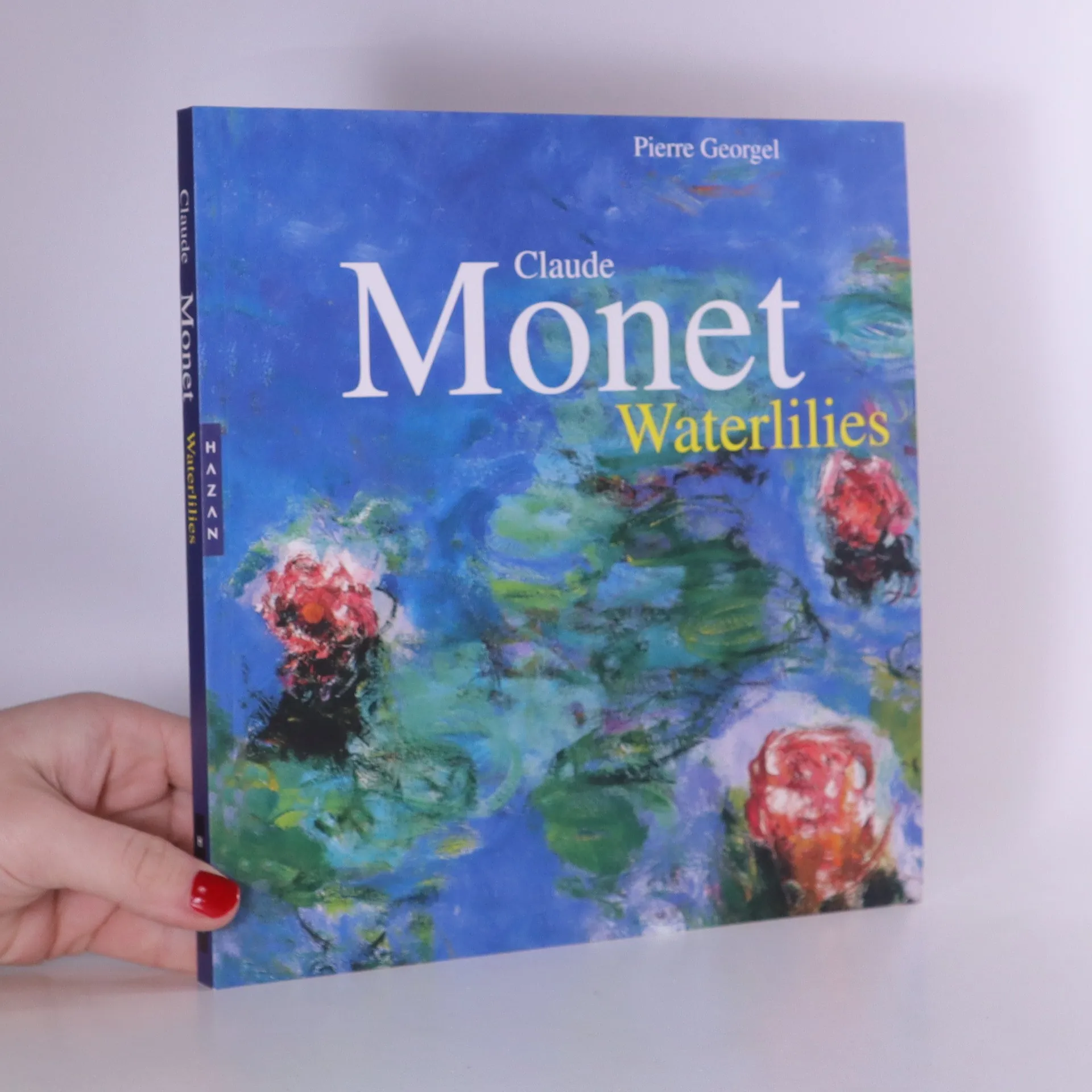
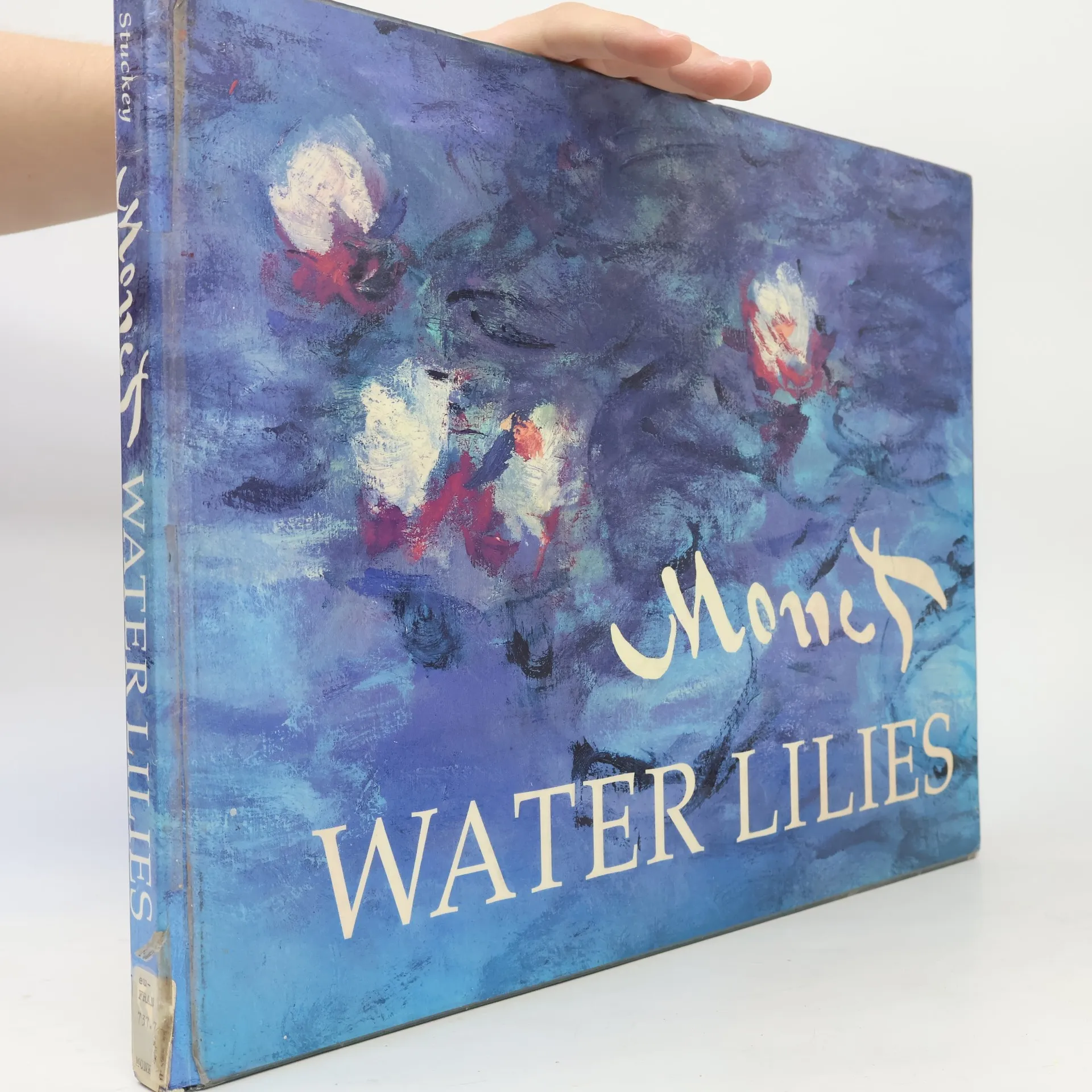
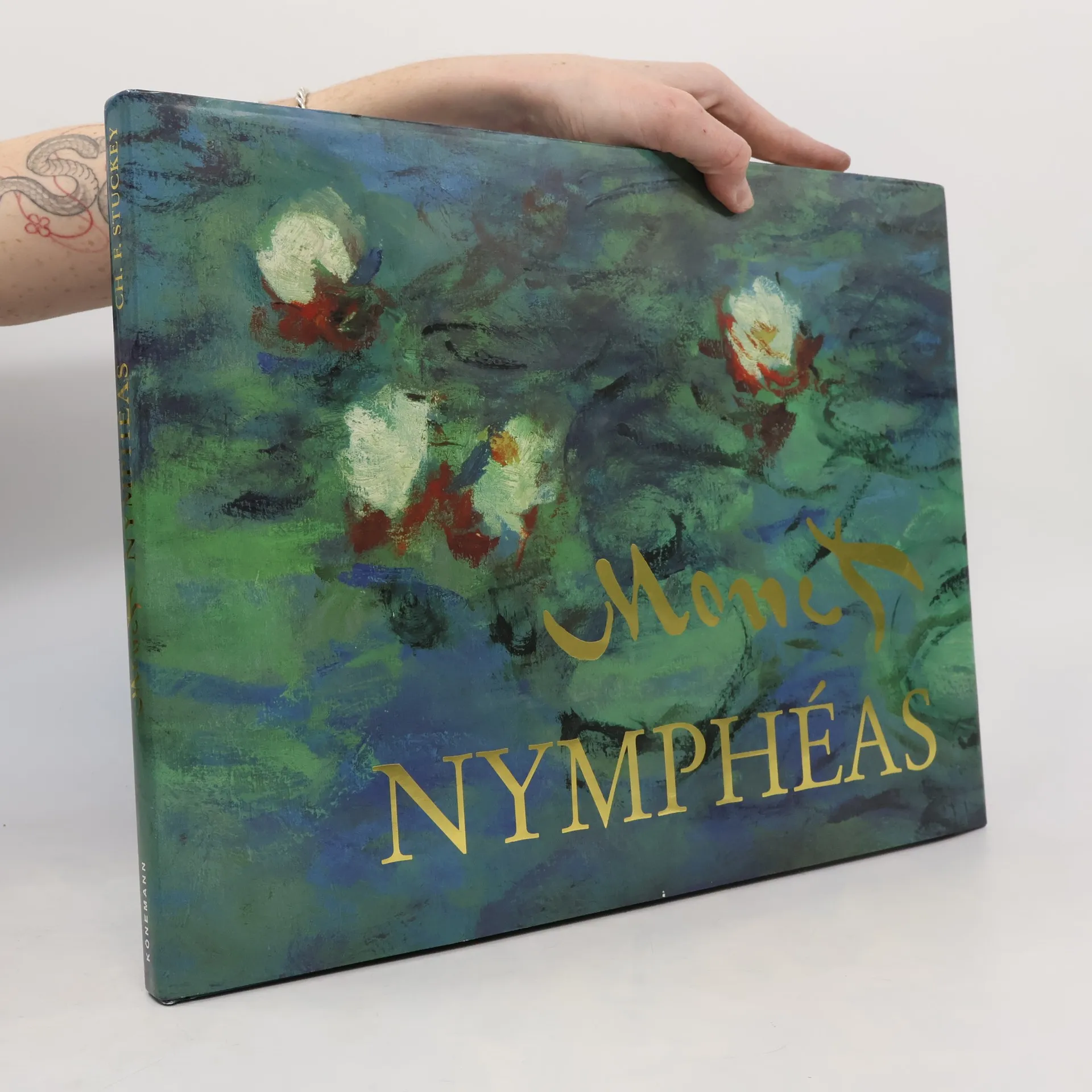
Richly illustrated, organized into chapters that analyze the genesis of the different series of Water Lilies, complemented by a chronology and an excellent approach to the obsessive and triumphant theme of Monet's later years.
Along with the other Impressionists, Monet's aim in his painting was to capture reality and analyse the ever-changing nature of light and color. He recorded his surroundings faithfully, from the grime of a Paris railway station to the incandescent beauty of his later paintings based on the gardens he created at Giverny in northeastern France. Monet looks at all aspects of the painter's artistic style, with detailed commentary on 120 of his works. Some are held to be his most important pieces; others may be less well known, but all are essential to his artistic development.
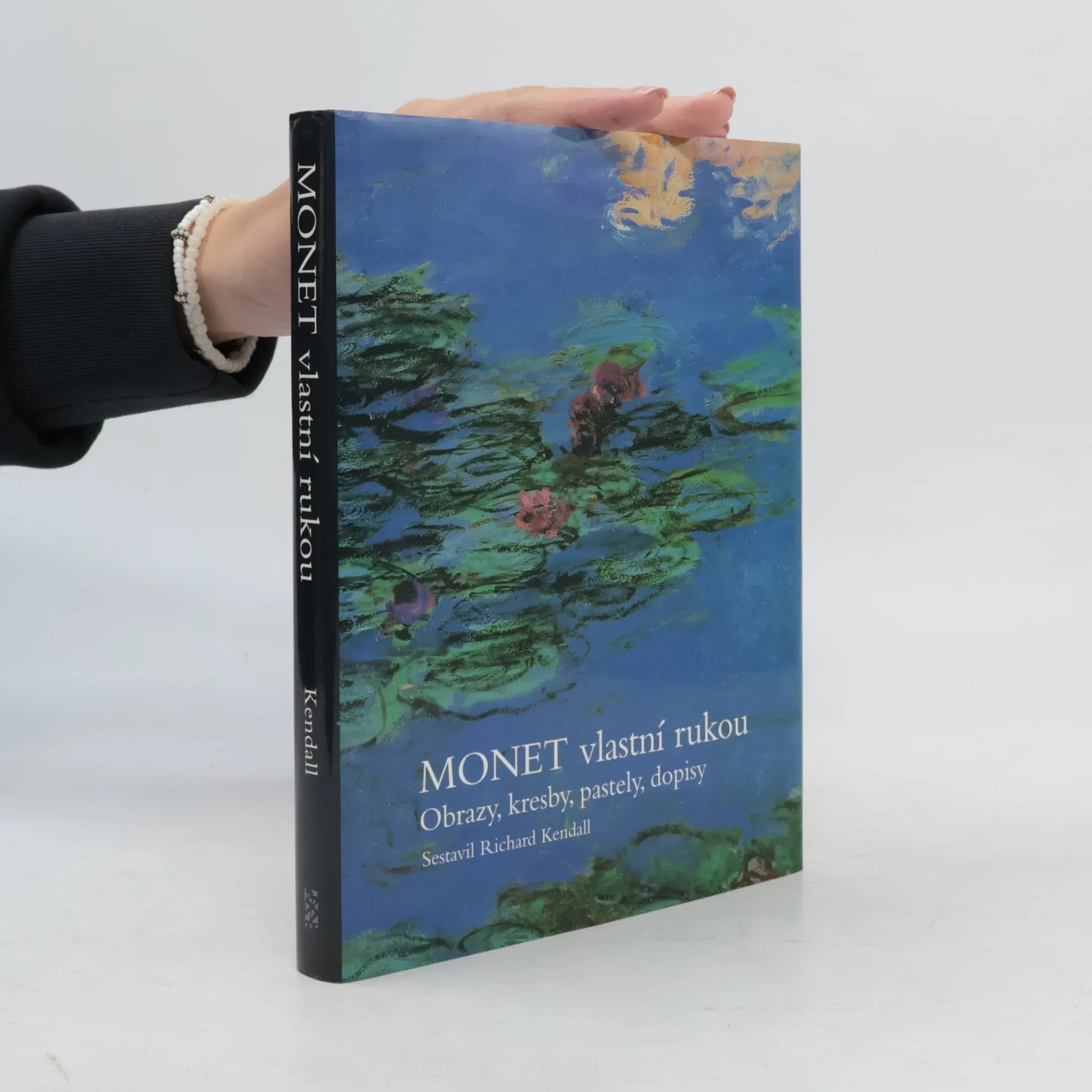
A collection of Monet's letters to friends, business associates, dealers, and fellow artists combined with over two hundred images of his paintings, pastels, and drawings. Same-scene paintings are shown together to accentuate Monet's love of light and varying effects.
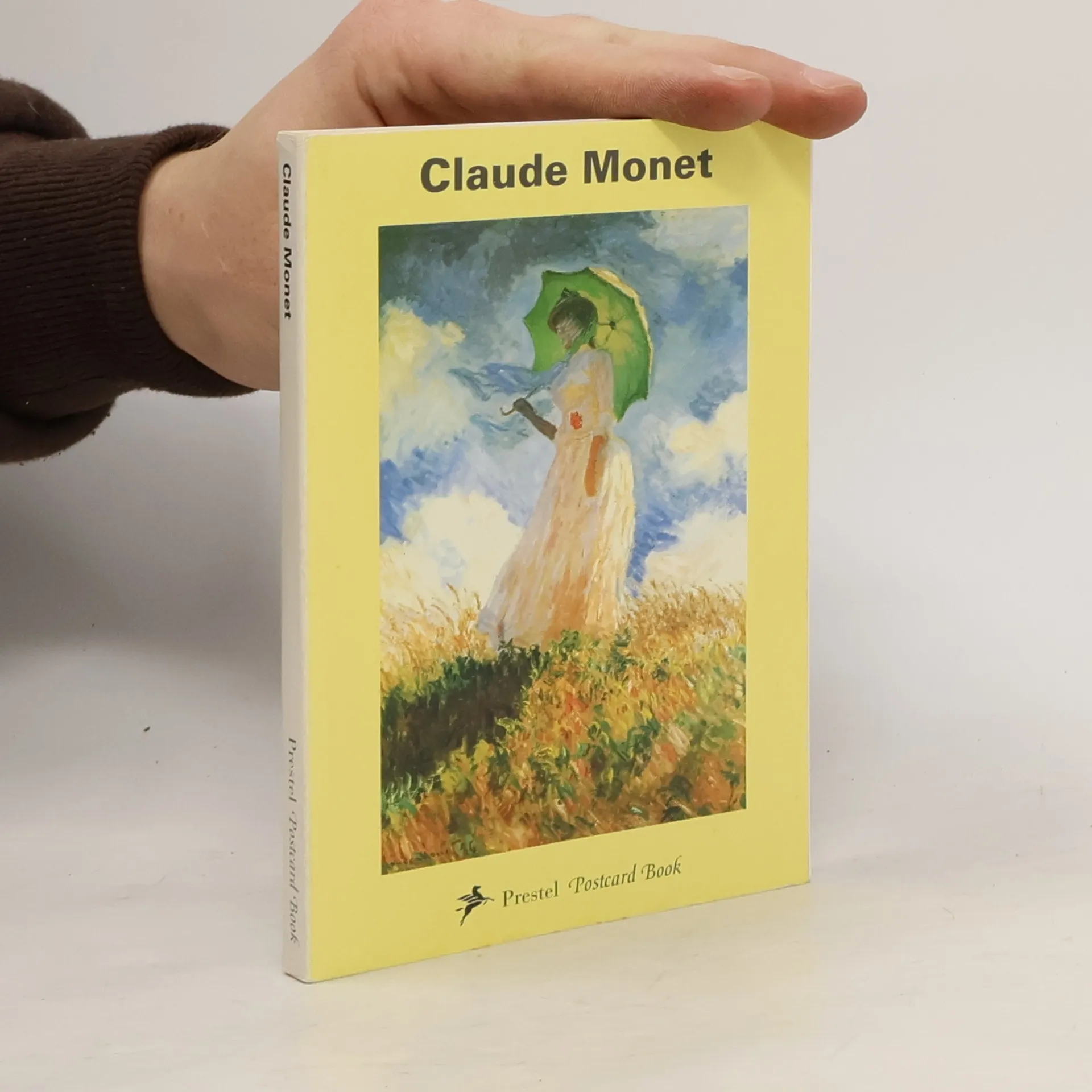
The greatest works by one of the most popular Impressionists are reproduced here in 15 postcards. Includes a book with descriptions of the garden by Monet's contemporaries. Full-color illustrations.
"A founder and pioneer of the art movement which became known as Impression, Claude Monet was one of the most influential and famous painters of the 19th and early 20th centuries. His insistence on challenging the traditional ways of painting changed the way the world viewed the purpose of art, and his work continues to be appreciated by a vast audience."--Jacket
Monet epitomizes the Impressionist movement like no other artist. His magnificent compositions of color and light, primarily created in the open air, continue to captivate viewers today. This collection presents a representative selection of his groundbreaking work, showcasing the beauty and innovation that define his artistic legacy.
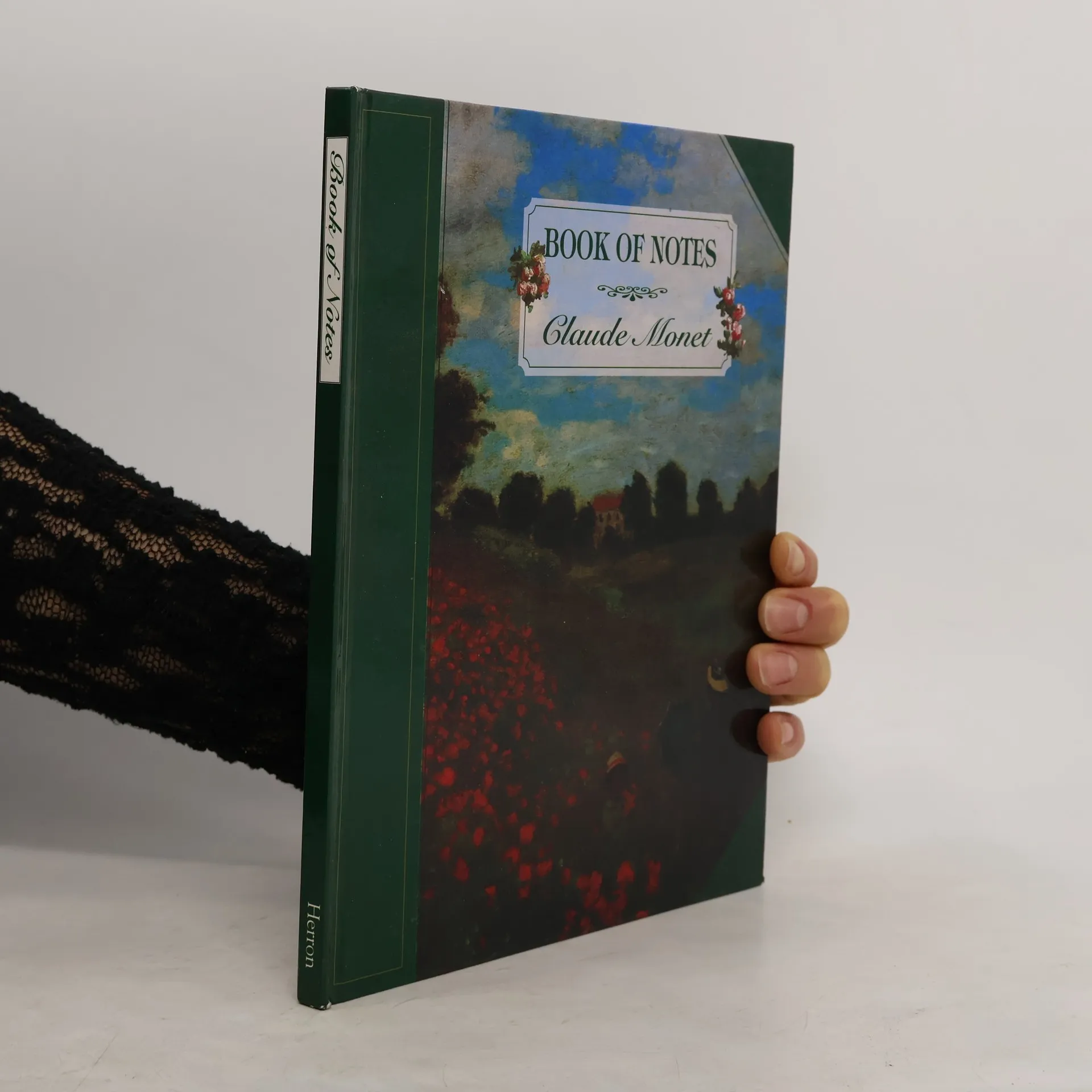
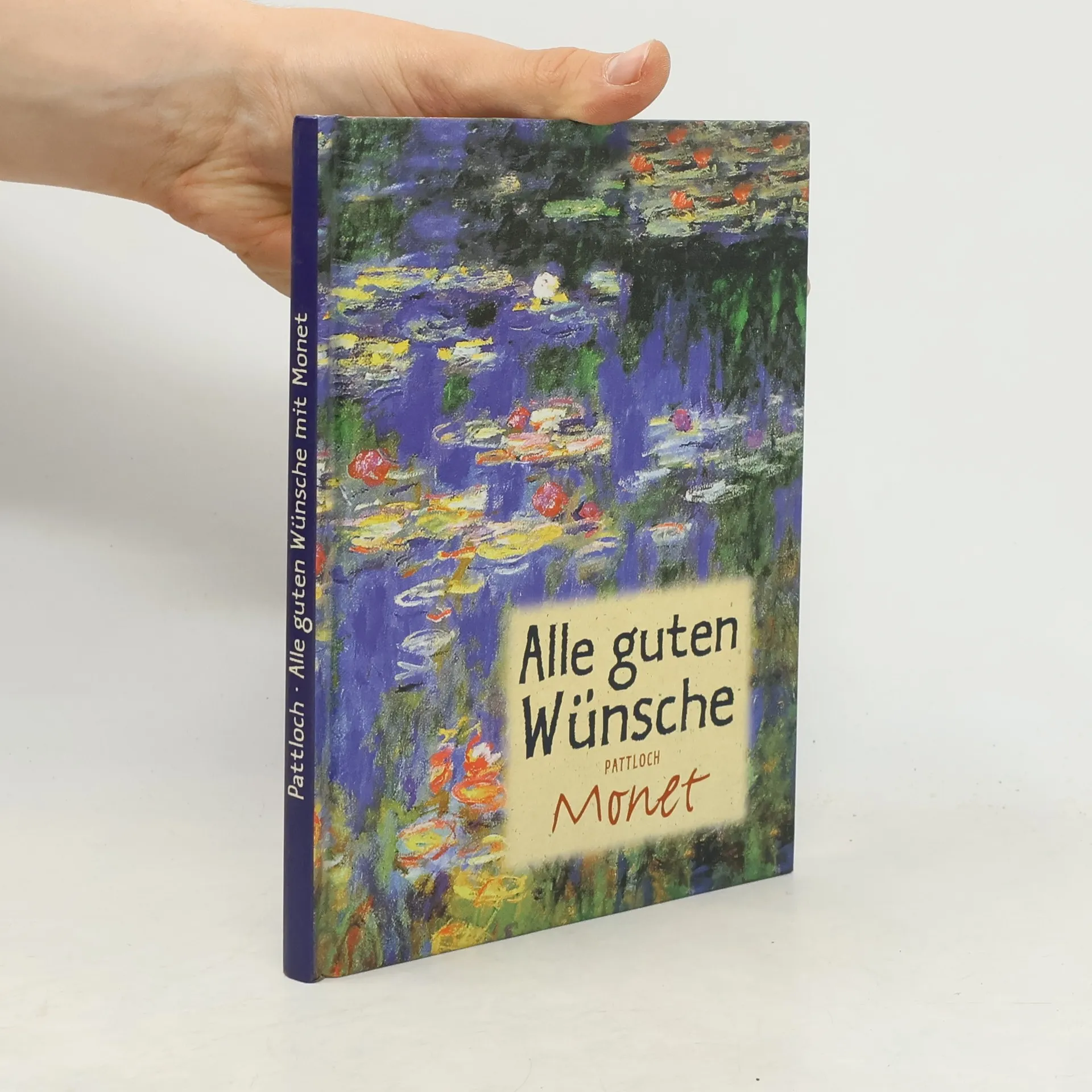
"When you go out to paint, try to forget what objects you have before you; a tree, a house, a field ... Merely think here is a little square of blue, here an oblong of pink, here a streak of yellow, and paint it just as it looks to you, the exact colour and shape, until it gives you your own naïve impression of the scene before you." - Claude Monet
The catalogue of an exhibition at the High Museum of Art, Atlanta, Georgia, October 9, 1988 - January 8, 1989. With 70 illustration in color and black-and-white. 23 paintings in the exhibition.
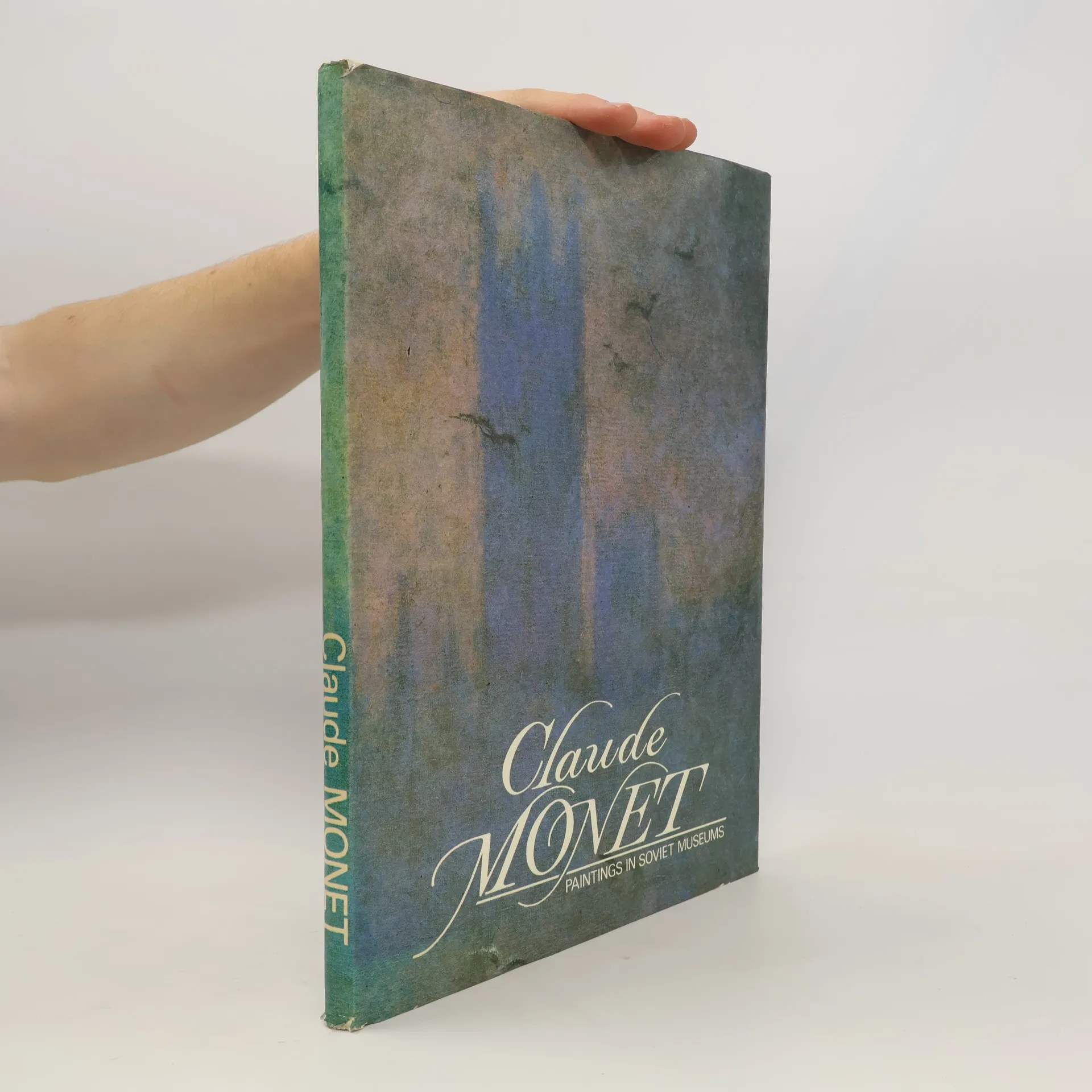
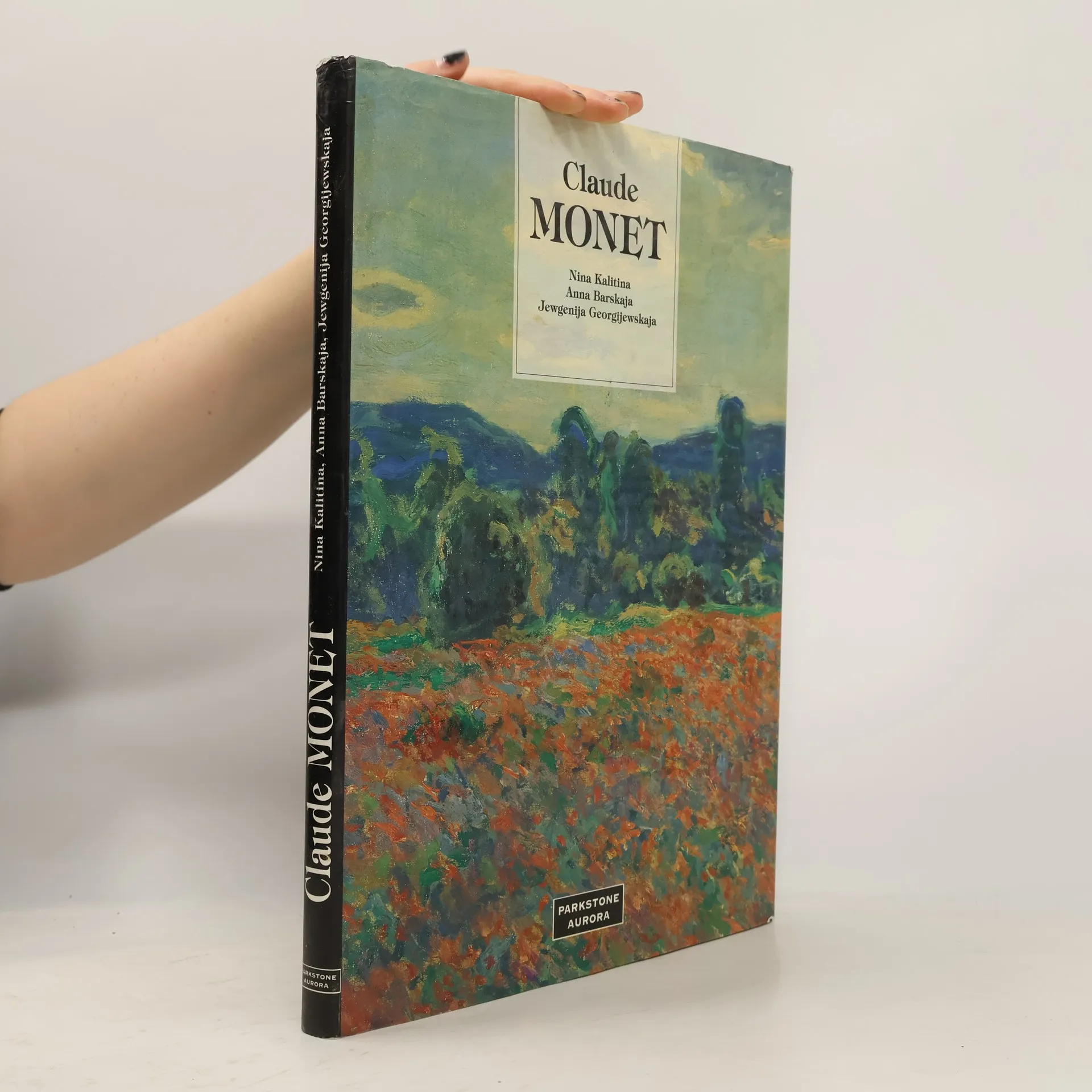
The 20 magnificent painting by Monet housed in the Hermitage & Pushkin Museum of Fine Arts, represent the artist's development thru various stages of his life. 149 illustrations, including 50 details which serve to reveal the coloristic and textural richness of the artist's palette.
These handsome volumes of postcards feature the artworks of the great modern masters, reproduced in brilliant full color. The cards are detachable and can be used to send messages to friends or as informal decoration for the home or office. Easily stored, they can also serve as inexpensive guides to some of the masterpieces of the late-nineteenth and early-twentieth centuries.
Claude Monet, conocido como el "Príncipe de los Impresionistas", rompió con las convenciones al capturar no solo la realidad, sino también el acto de la percepción. A través de pinceladas rápidas "en plein air", exploró cómo la luz transforma colores y formas. Este libro ofrece una introducción a su obra y reflexiones sobre el arte y el tiempo.
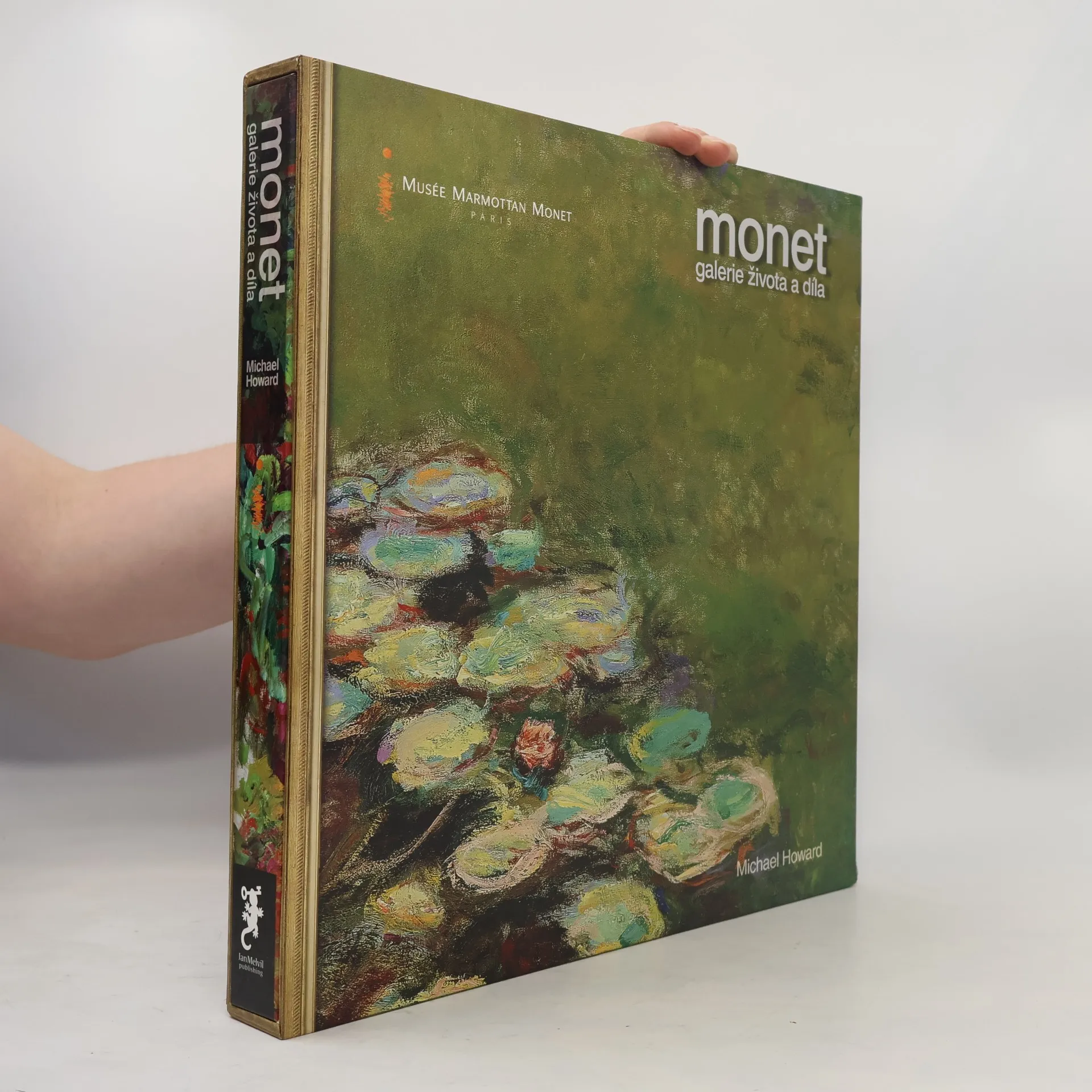
Kniha o Claudu Monetovi, primárně cílená na laické zájemce o výtvarné umění. Živým, populárně naučným jazykem popisuje malířův život, dílo a dobový umělecký kontext. Obsahuje desítky velkoformátových reprodukcí Monetových obrazů a faksimile monetovských dokumentů (črty, dopisy atd.). Vznikla v britském vydavatelství Carlton ve spolupráci s pařížským Musée Marmottan Monet.
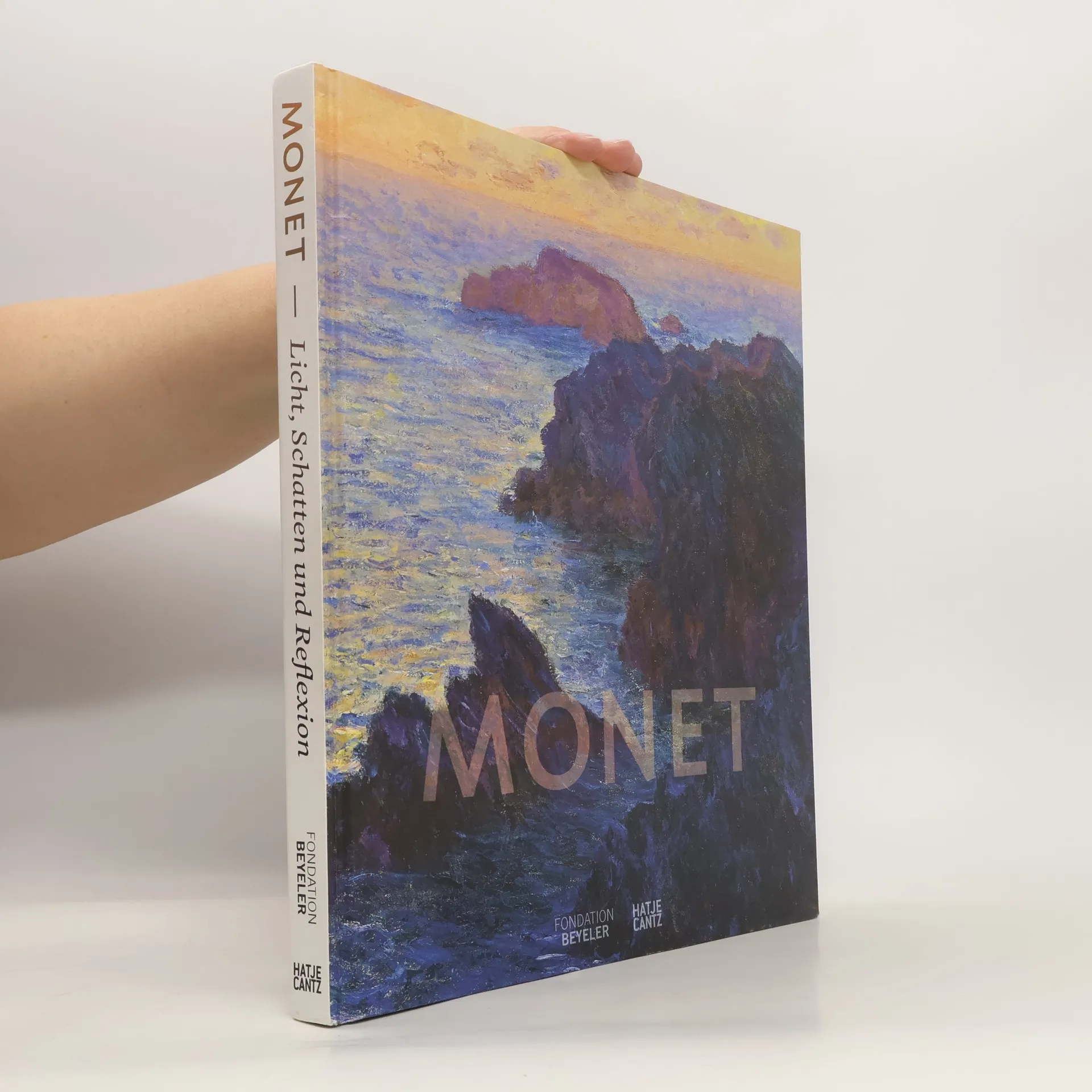
»Das Aussehen der Welt würde für uns erschüttert, wenn es uns gelänge, die Zwischenräume zwischen den Dingen als Dinge zu sehen«. Diese Worte des Philosophen Maurice Merleau-Ponty treffen den Kern von Claude Monets Kunst in den Jahren von 1880 und dem Beginn des 20. Jahrhunderts. Während sich das Interesse gewöhnlich ausschließlich auf das Früh- und Spätwerk des Ausnahmekünstlers richtet, zeichnet der Katalog mit über 60 Werken die Entwicklung zwischen diesen beiden Perioden nach. Begleitet von Texten bekannter Kunsthistoriker verfolgt man Monets außergewöhnliche Behandlung von Spiegelung und Schatten in seinen Bildern. Sie erlaubte ihm, sich von den Modalitäten einer repräsentativen Logik und vom Bildgegenstand zu lösen. Und sie machte Platz für eine Ästhetik, die der Wahrnehmung selbst zu ihrem Recht und dem Bild zu einem selbstreflexiven Moment verhelfen konnte. Ausstellung: Fondation Beyeler, Riehen/Basel 22.1.–28.5.2017
En 1869 au côté de son ami Renoir, Monet peint La Grenouillère, un établissement de bains et de canotage sur la Seine où une foule bigarrée vient s'amuser le dimanche. Il lui fallait, dira Mallarmé, " peindre non la chose, mais l'effet qu'elle produit ". L'impressionnisme est né, que le Salon officiel refuse, que la critique décrie, que le public conspue. Ce sera le scandale encore, après la guerre, lors de la première exposition du groupe impressionniste chez le photographe Nadar en 1874. Impression, soleil levant ajoute au tohu-bohu que provoque l'exposition, mais sera à l'origine du mot " impressionnisme ". Quand le groupe se défait, Monet demeure. Dans les " séries ", il poursuit les effets de la lumière changeant avec le temps qui s'écoule. Sa touche devient irisation immatérielle, la couleur raison d'être du tableau. Avec les Nymphéas, l'air, l'eau, la lumière ne forment plus qu'une seule masse liquide, ne sont plus ni formes ni nature mais peinture pure, avènement de l'art du XXe siècle. Les œuvres de Monet font l'orgueil des plus grands musées. Celui de Vernon (Giverny) attire les visiteurs du monde entier. Conservateur de ce musée, Sophie Fourny-Dargère fait partager aux lecteurs de cet ouvrage de la collection Profils de l'an son érudition, dans un livre tout entier de plaisir.
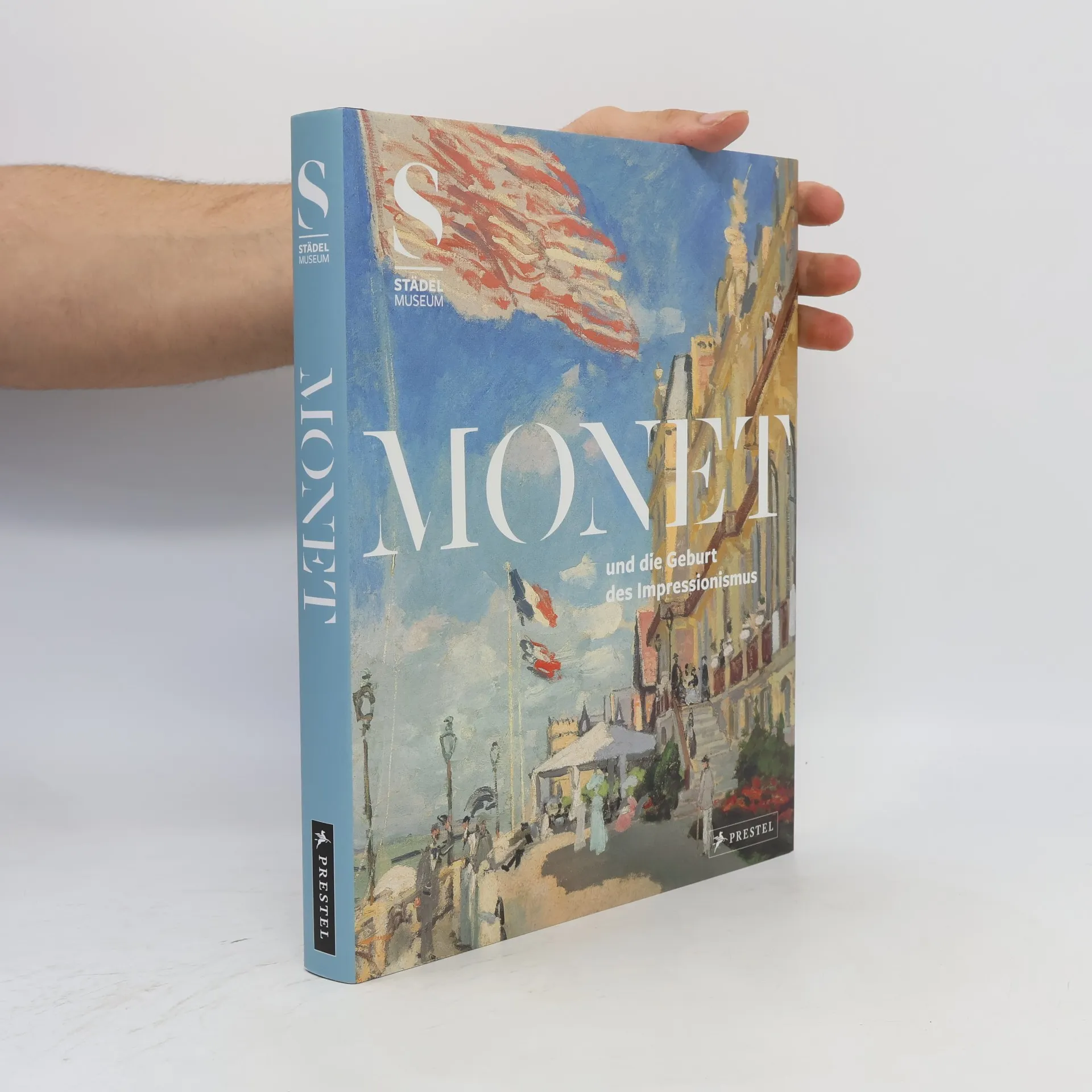
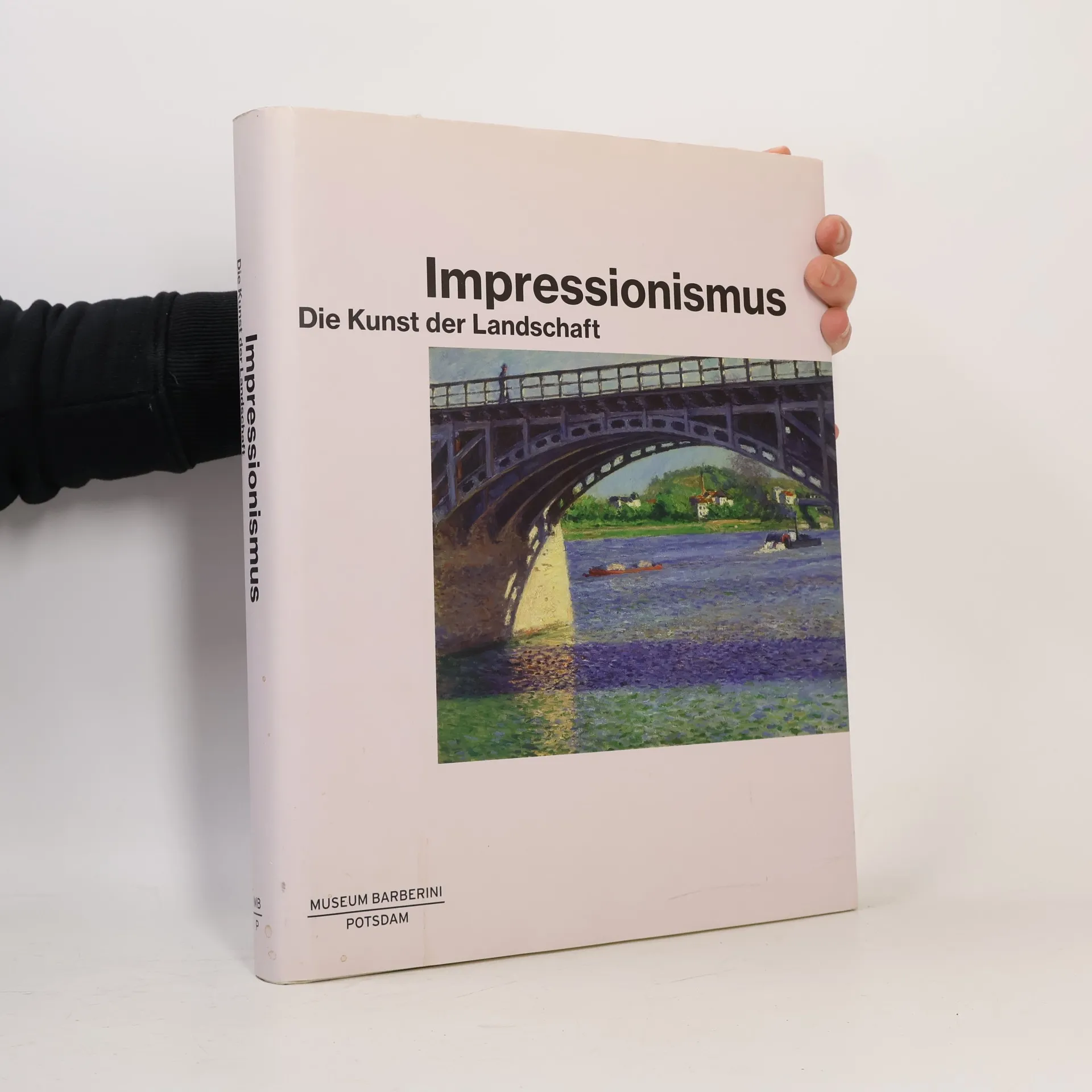
Das Ausstellungsereignis im Frühjahr 2015Großzügig bebildert, präsentiert dieser Band einige der bekanntesten Werke der impressionistischen Malerei und liefert zugleich neue, faszinierende Einblicke in die Entstehungsgeschichte des Impressionismus. Worin lag die anfängliche Radikalität dieser Kunst? Und warum ist sie bis heute so beliebt? Der Leser erfährt, welchen Einfluss Umbrüche innerhalb der französischen Gesellschaft, technischer Fortschritt und wachsende Mobilität, der Wandel im Verhältnis von Arbeit und Freizeit, aber auch das veränderte Verhältnis von Mensch und Natur auf die Entstehung des Impressionismus hatten. Anschaulich wird die innere Entwicklung der impressionistischen Kunst dargestellt: das Aufkommen der Freilichtmalerei und die Hinwendung zum Alltäglichen und zu Licht und Farbe, die schließlich wichtiger werden als das Sujet. Werke von Malern wie Frédéric Bazille, Armand Guillaumin oder Stanislas Lépine stehen bekannten Namen wie Auguste Renoir, Edgar Degas und Édouard Manet gegenüber.
V knize čtenář nalezne Monetovy listy kolegům malířům a mladým přátelům, dlouhé láskyplné dopisy rodině i blízkým a dopisy z časů strádání, kdy umělec musel žebrat o peníze a zakázky. Dočte se o Monetově neústupnosti ve finančních otázkách, o jeho dlouhých vyjednáváních s obchodníky s uměním a sběrateli, o jeho zklamáních a úspěších na malířských výpravách do Itálie, Británie a Norska, a o jeho opuštěnosti, nemoci a bolestných úmrtích v rodině, v jejichž znamení se neslo jeho stáří. Vlastní korespondence ukazuje Moneta jako složitějšího a méně šťastného jedince, než by se mohlo zdát podle jeho pláten naplněných sluncem. Kromě dopisů je v knize velké množství skvělých barevných reprodukcí jde o jeden z největších souborů, který byl kdy publikován pohromadě v jedné knize. Tyto reprodukce doprovázejí text a umožňují čtenáři sledovat cestu mladého umělce od jeho prvních setkáních s pařížskou uměleckou scénou přes dny, kdy byl určující osobností impresionistického hnutí, až po poslední kapitolu jeho života, během níž vytvořil v Giverny některá díla, jež patří k jeho nejambicióznějším a nejbarevnějším.
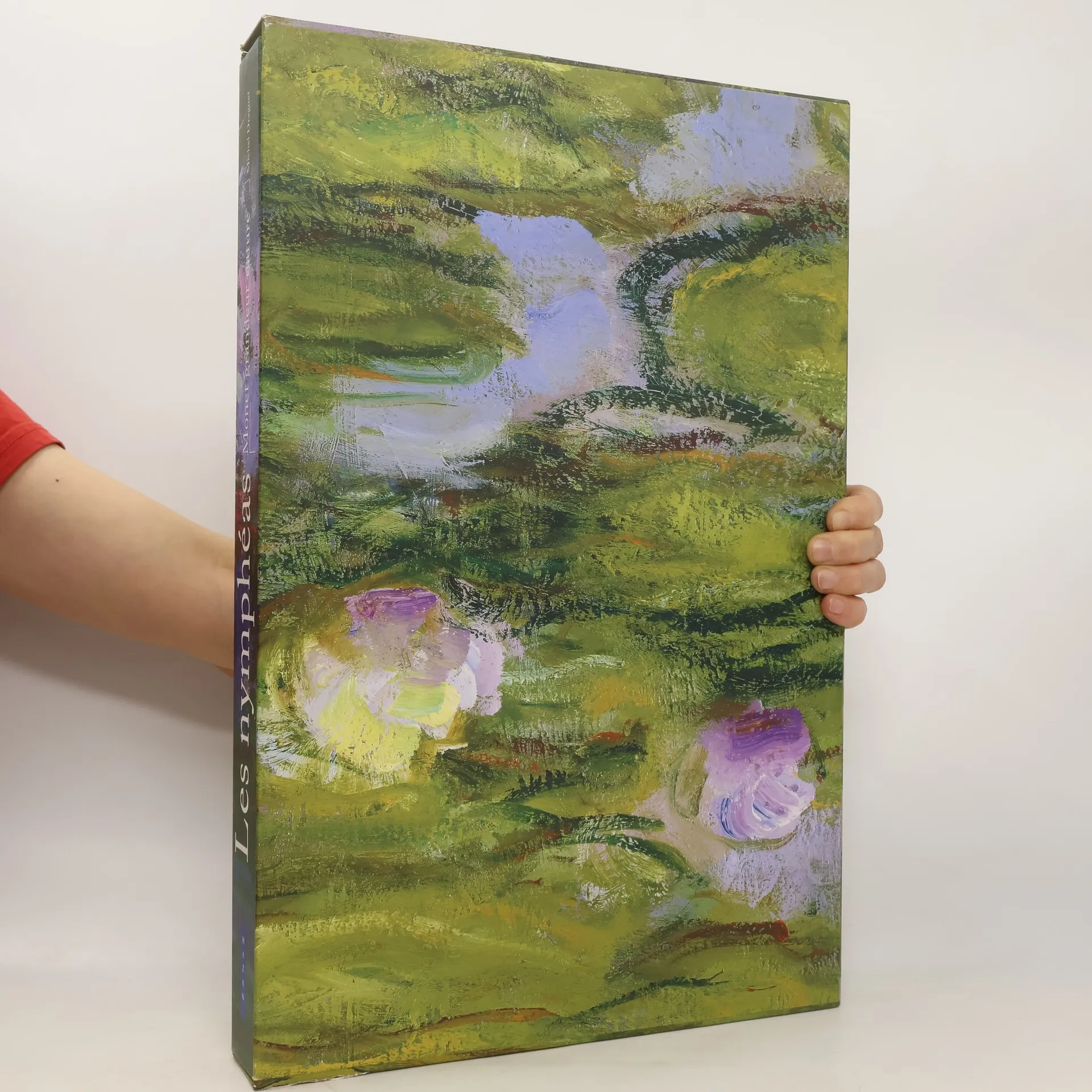
De 1899 à sa mort en 1926, Monet n’a cessé de traquer les jeux de transparence et de réverbération des « paysages d’eau » que lui inspirait son jardin japonais à Giverny. Le thème central ou plutôt le prétexte sont les NymphéDas, étudiés depuis la berge ou depuis le pont japonais, mais le véritable sujet, c’est la fusion du ciel et de l’eau, la transparence des fonds, la réverbération des surfaces, l’éclat des fleurs. Et, au-delà, la recherche de la sensation pure, tout détail aboli, au profit d’un état de contemplation qui fait appel à la synesthésie du symbolisme fin de siècle : cette recherche de l’alliance de tous les sens au service de l’art. Michel Draguet retrace conjointement l’histoire du jardin et celle de cette immense production picturale qui culmine avec les Grandes Décorations de l’Orangerie offertes par l’artiste à l’État français par l’entremise de Clemenceau. L’intérêt de cet ouvrage tient également à l’effort de reproduction des œuvres de Monet dans un format exceptionnel. L’ouvrage comprend 36 dépliants qui, ouverts, permettent de reproduire grandeur nature, une cinquantaine de détails des tableaux des Nymphéas de Monet, de 1899 à 1926, tantôt sur 90 cm de hauteur, tantôt sur 1,13 m, grâce à une campagne photographique réalisée à cet effet.
18 Kunstpostkarten aus hochwertigem Karton. ca. 0,28€ pro Karte
20 páginas
1 hora de lectura
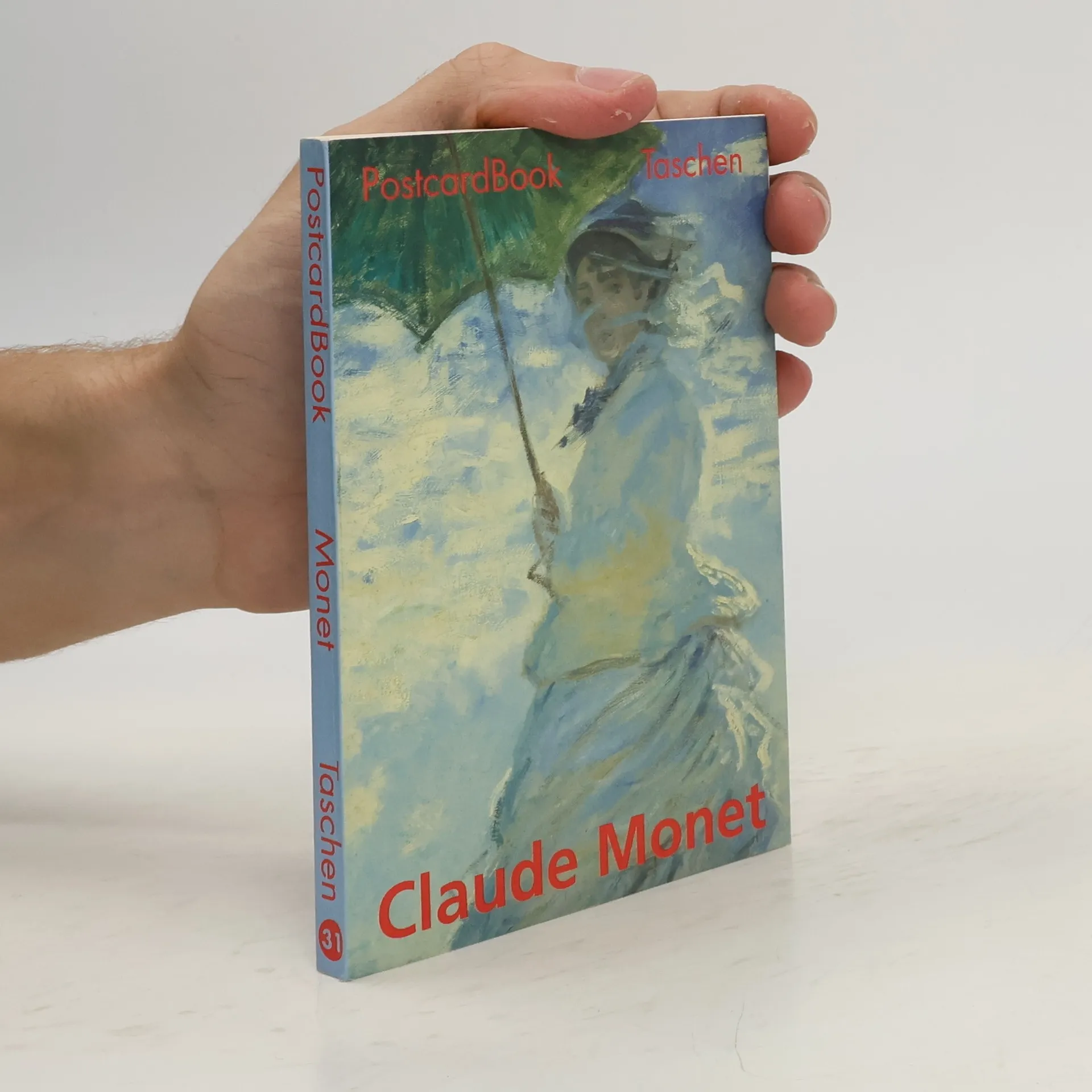
für Grußkarten, Glückwunschkarten, Geschenkkarten, Einladungskarten, zum Sammeln oder zur Deko. Im Format 15,4 x 10,8 cm. Mit Informationen zu Leben und Werk des Künstlers und viel Platz zum Schreiben Der französische Maler Claude Monet, 1840 - 1926, gilt als Mitbegründer des Impressionismus. Sein Bild "Impression" gab er der Kunstbewegung einen Namen. Neben seinen berühmten "Seerosen"-Bildern schuf Monet zahlreiche Gemälde, die heute Höchstpreise erzielen. Für dieses Postkartenbuch wurden zwanzig seiner schönsten Motive ausgewählt, die einen Überblick über sein Schaffen verdeutlichen. Alle Motive lassen sich leicht heraustrennen und als Postkarten nutzen.
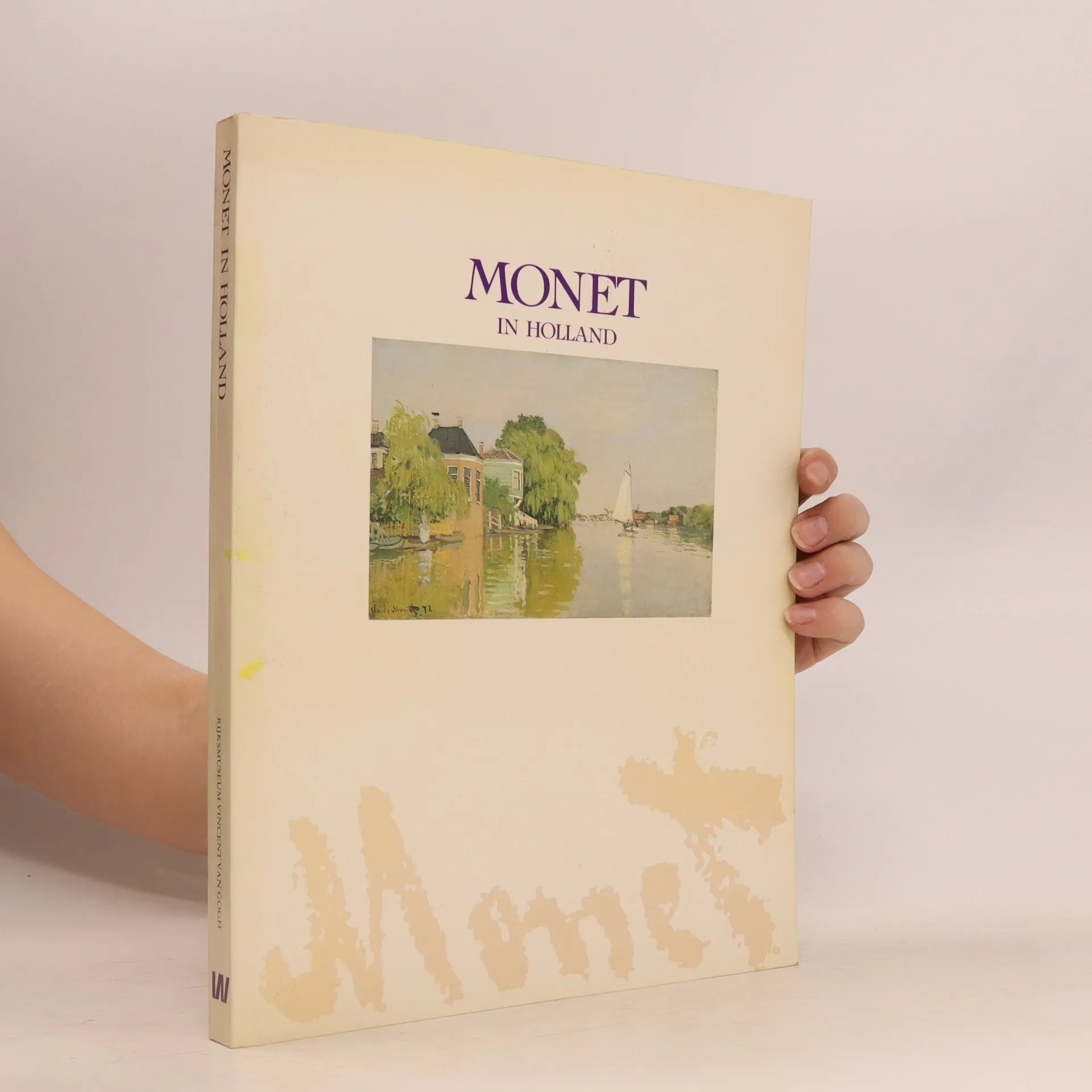
Book published to coincide with the exhibition, Monet in Holland at the Rijksmuseum Vincent Van Gogh, Amsterdam from October 17, 1986 to January 4, 1987.
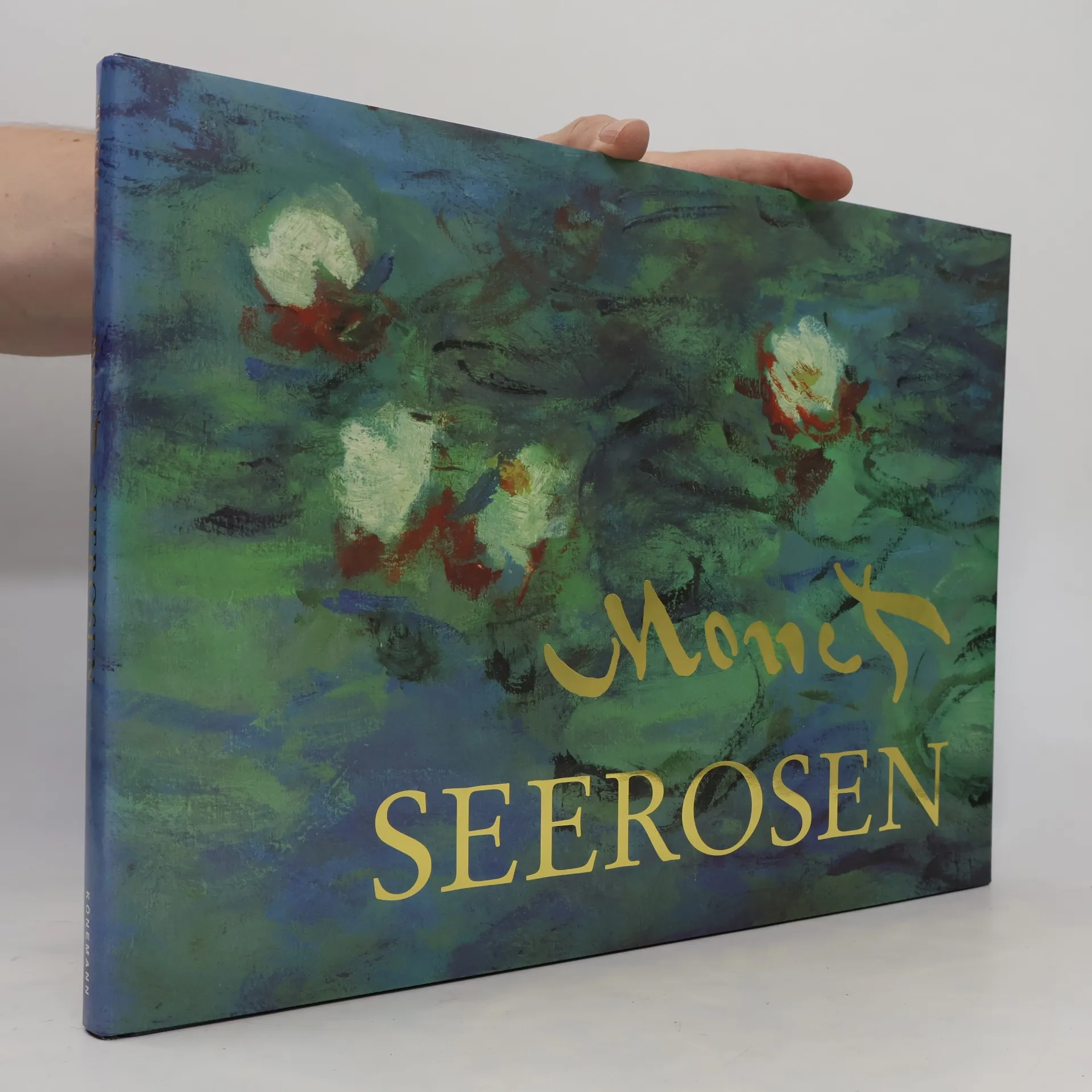
Monets Seerosen, die in seinem berühmten Garten in Giverny bei Paris entstanden, zählen zu seinen beliebtesten Werken und gelten als eine der größten Errungenschaften der Kunst des zwanzigsten Jahrhunderts. Diese großartigen Werke werden hier zum ersten Mal in angemessenem Format wiedergegeben und als ein Fest für das Auge präsentierte - denn dazu waren sie gedacht. 65 Farb- und zehn Klapptafeln mit Panorama-Abbildungen, die über 1,30 m breit sind, werden durch weitere 20 Schwarzweißabbildungen ergänzt, darunter auch Photographien des Künstlers bei der Arbeit in seinem Garten
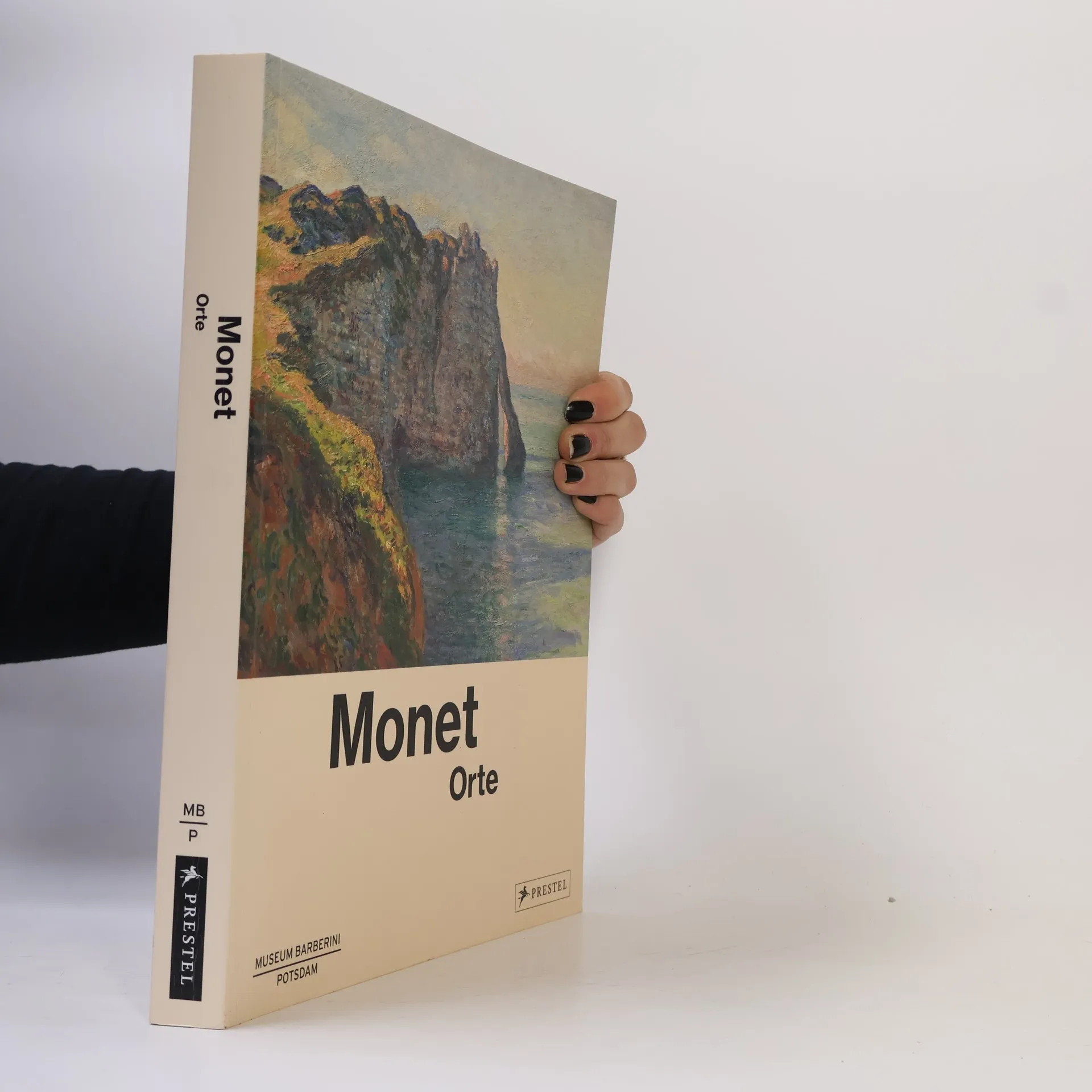
Claude Monet steht wie kein anderer für die Malerei des Impressionismus. Der Band beleuchtet Monets Werdegang vom Realismus über den Impressionismus bis hin zu einer Malweise, bei der sich die Farben und das Licht allmählich vom Gegenstand lösen. Im Fokus stehen sein bislang wenig untersuchtes Farbkonzept und seine leidenschaftliche Auseinandersetzung mit Motiven seines Gartens in Giverny.
Der französische ”Meister des Lichts“ (1840–1926) war ein zentraler Wegbereiter der Malerei im 20. Jahrhundert. Er malte am Meer, an der Steilküste der Normandie und an den Ufern der Seine. Monets Licht und Farben wechseln auf der Leinwand mit der sich stets verändernden Natur. Um die Vielfalt an atmosphärischen Eindrücken zu erfassen, malt er viele seiner Motive in Serien. Bei der Beschäftigung mit der Pflanzen- und Wasserwelt seines Gartens wird das Motiv nach und nach von der Naturbeobachtung unabhängig. So bereitet der Künstler mit seinem Spätwerk den Boden für die Malerei des abstrakten Expressionismus.
- Ce catalogue et l'exposition qu'il accompagne sont consacres a Monet et sa collection intime. Reunies aujourd'hui au musee Marmottan, en vertu d'un legs de Michel Monet, petit-fils de l'artiste, en 1964, la collection intime de Monet n'avait pas quitte Giverny depuis la mort de l'artiste. Realisees entre 1862 et 1925, les oeuvres qui la composent, racontent une histoire personnelle et brosse un portrait inedit de l'artiste. Dessins de jeunesse, souvenirs de voyages, tableaux de son jardin, portraits d'enfants ou oeuvres d'amis, chaque image est une piece du puzzle. Reunies, elles nous plongent dans l'intimite de Claude Monet tout en racontant un chapitre essentiel de l'histoire de l'art du XIXe siecle. En effet, ce qui apparait ici, c'est le fonds de tableaux que Monet avait toujours tenu a conserver aupres de lui, essayant de preserver une partie de la production de chaque grande periode de sa creation jusqu'a la proliferation des nympheas qui s'impose a partir de 1899. A quoi s'ajoute l'interet irremplacable que constituent pour notre connaissance de la gestation de l'oeuvre ses carnets de dessins. L'attachement de l'artiste a chacune de ces oeuvres a donc trait aussi bien a l'intimite de la vie privee qu'au developpement de son art. C'est dire l'importance que ce fonds revet pour notre connaissance de Monet et ceci, depuis les premiers dessins de sa jeunesse au Havre jusqu'aux derniers nympheas.
Aller et venir dans la peinture comme le promeneur dans la nature, c'est l'expérience offerte aux visiteurs des Nymphéas. Somme intimement méditée de l'art et de la pensée de Monet, le grand ensemble mural de l'Orangerie était aussi une entreprise inédite : la peinture cessait de se présenter comme un spectacle, vu à distance, pour devenir un milieu, qui enveloppe littéralement le spectateur. Pour donner « l'illusion d'un tout sans fin, d'une onde sans horizon et sans rivage », Monet a inventé un traitement révolutionnaire de l'espace : sans limites objectives, confondant haut et bas, avant et arrière, dessus et dessous, à l'image de la réalité informe, mouvante, illimitée, dont la nappe d'eau et sa fragile parure sont la figure accomplie.