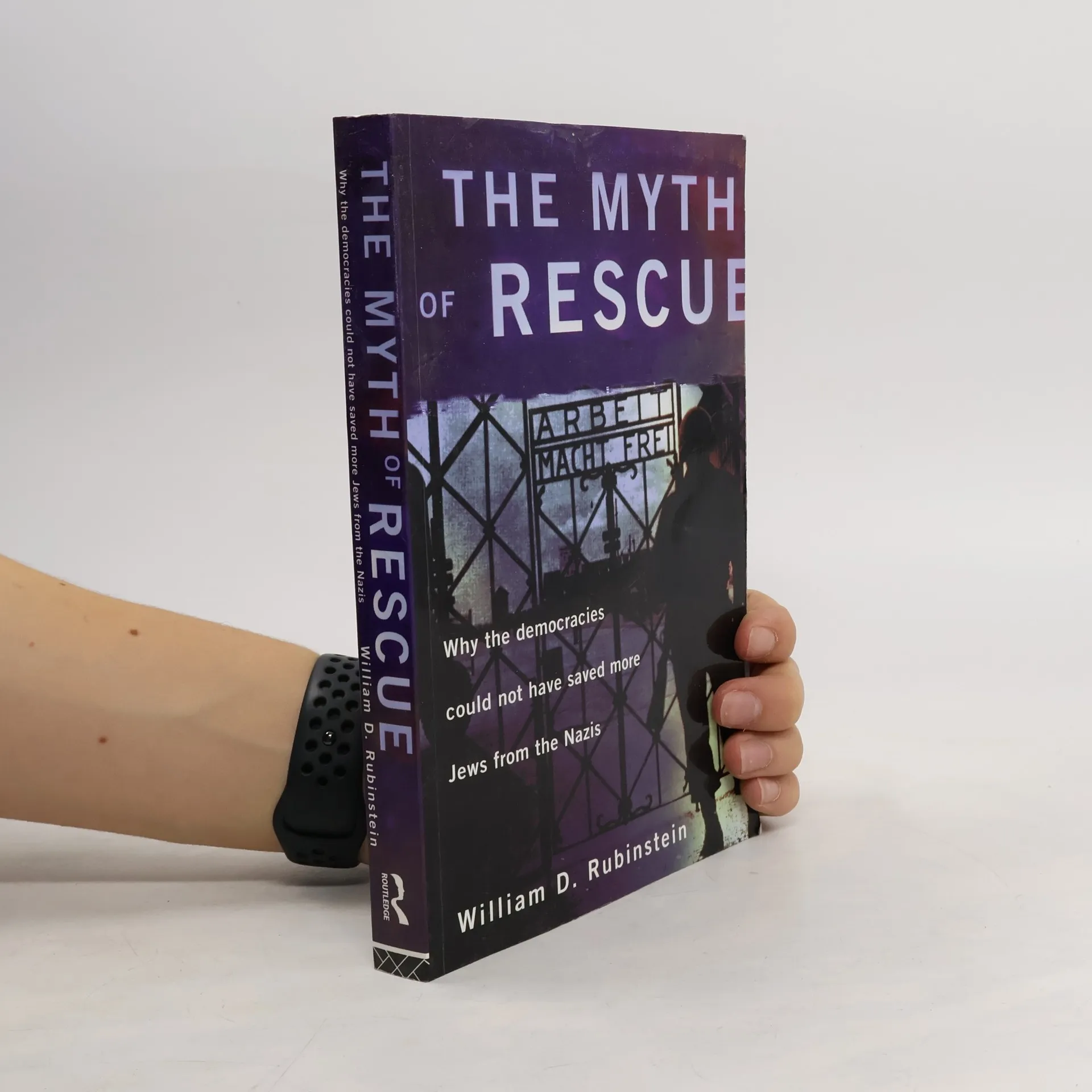
Focusing on the grim reality of genocide, this work offers a comprehensive examination of mass murder across history. It delves into the complexities and implications of genocide, making it an essential resource for those seeking to grasp its profound significance and impact. The text stands out for its stimulating insights and original perspective, catering to readers interested in understanding one of modern history's most tragic themes.
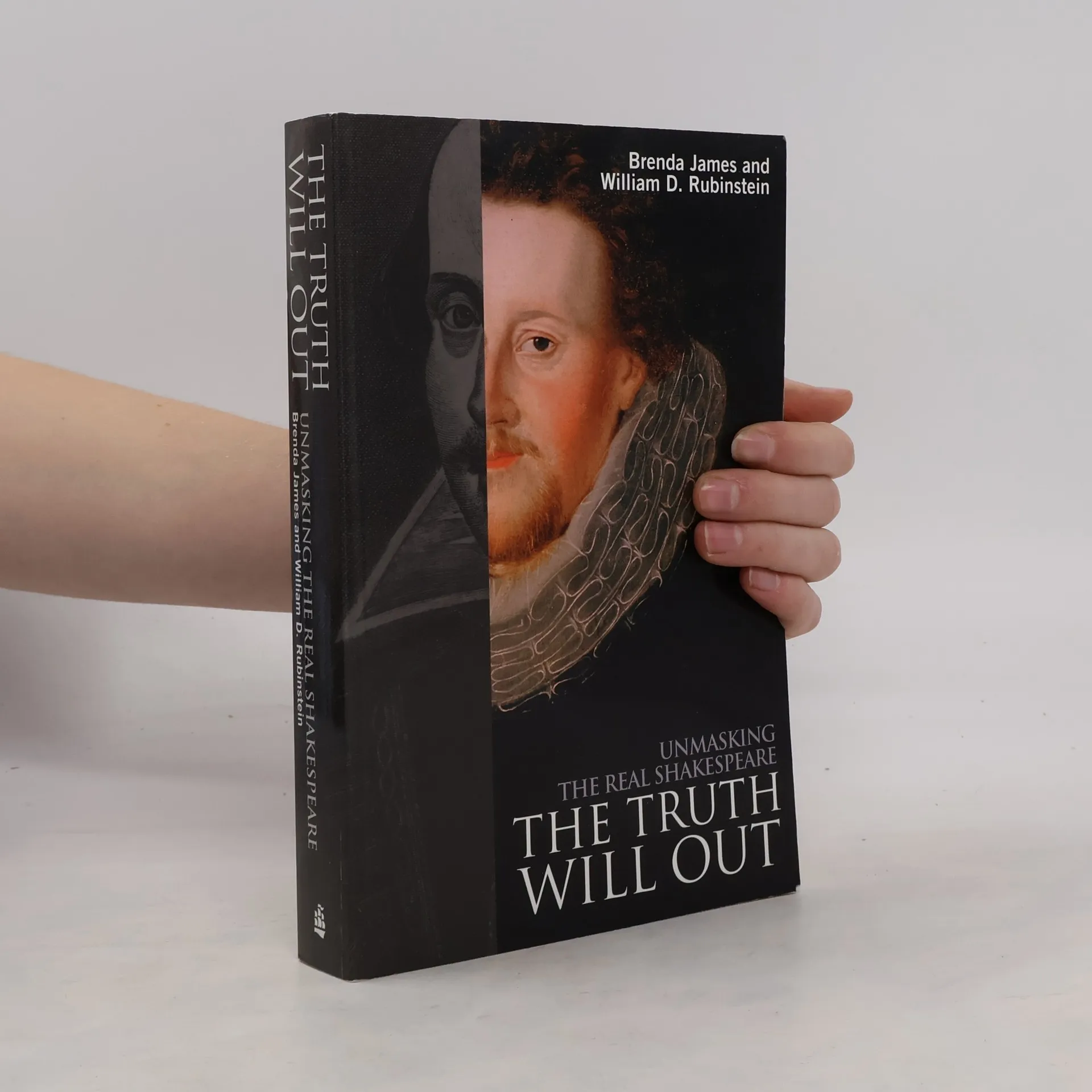
Motivated by scholarship and curiosity, Shakespeare historian Brenda James applied a sixteenth-century code-breaking technique to the dedication of Shakespeare's Sonnets, uncovering truths behind literature's greatest mystery. For over 150 years, scholars have questioned how William Shakespeare of Stratford, who left school at thirteen and seemingly never traveled abroad, could have produced such a vast and profound body of work. In this exploration, James and history professor William D. Rubinstein reveal that her findings point to Sir Henry Neville, a prominent Elizabethan diplomat, as the true author. They argue that Shakespeare of Stratford was merely a pawn, while Neville, an Oxford-educated ambassador and long-serving member of Parliament, was the real Bard. To avoid scandal, Neville concealed his authorship, drawing inspiration from his experiences abroad amidst aristocratic intrigue. Through detailed analysis of previously unstudied documents, the authors illustrate how Neville's life events align with the themes of Shakespeare's plays. They present compelling evidence, including mysterious signatures and Neville's intricate family lineage, to support his claim. An experienced politician who faced imprisonment for his role in the Essex Rebellion, Neville's hidden writings reveal the complexities of his life. This captivating exploration transforms our understanding of Shakespearean scholarship.