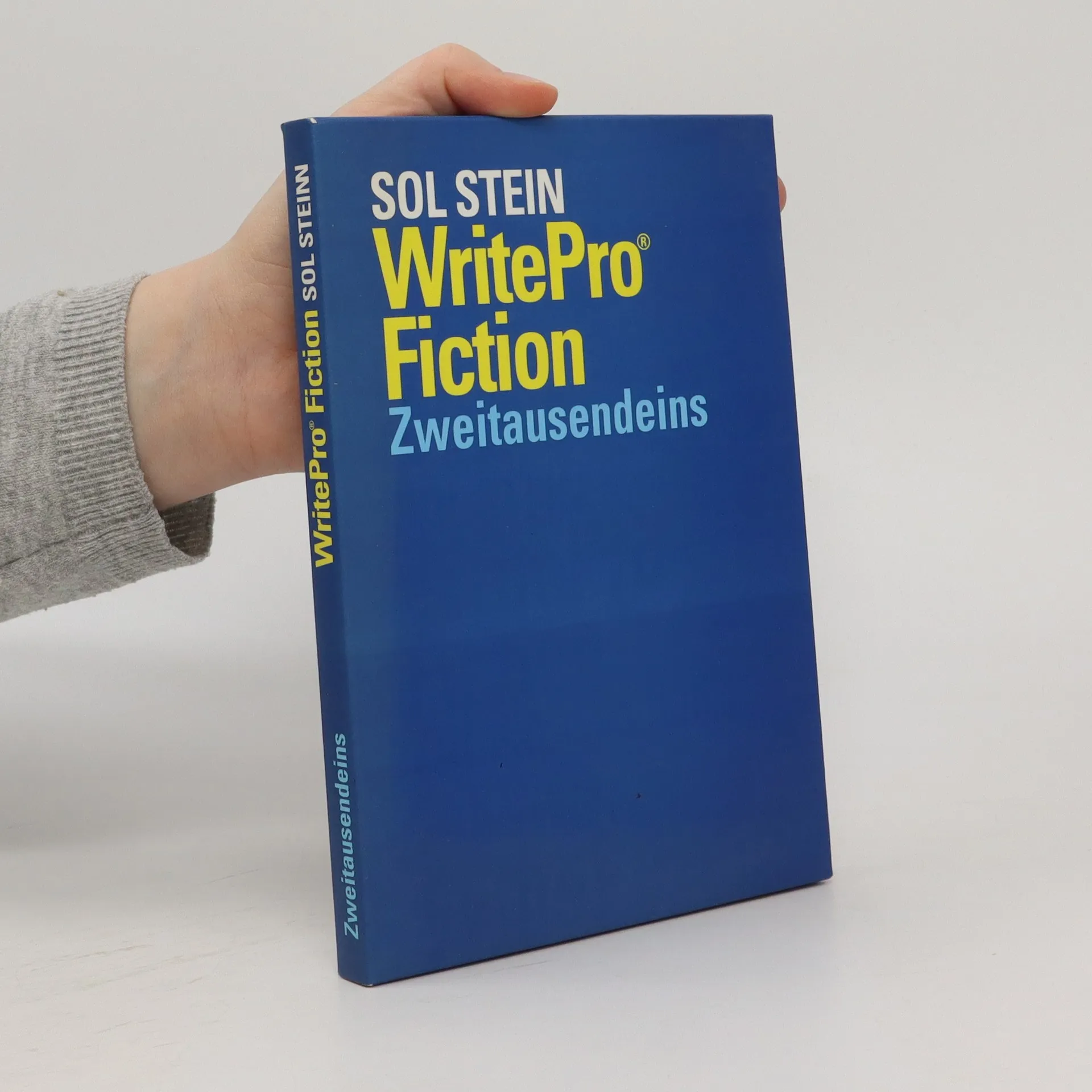
El mago
- 283 páginas
- 10 horas de lectura
Esta es una historia de dos magos, de extorsión y violencia en la escuela secundaria, y de un juicio criminal en el que los culpables quedan en libertad.


Sol Stein fue un aclamado novelista y editor que impulsó voces literarias importantes, como James Baldwin y Che Guevara. Su propia ficción profundizó en las complejidades de la psicología humana y los problemas sociales, demostrando un agudo talento de observación. Más allá de su escritura, Stein se dedicó al oficio de la autoría, desarrollando métodos y herramientas para enseñar escritura de ficción. Su legado está marcado por su doble compromiso de nutrir a otros escritores y aportar sus propias narrativas distintivas al panorama literario.


Esta es una historia de dos magos, de extorsión y violencia en la escuela secundaria, y de un juicio criminal en el que los culpables quedan en libertad.
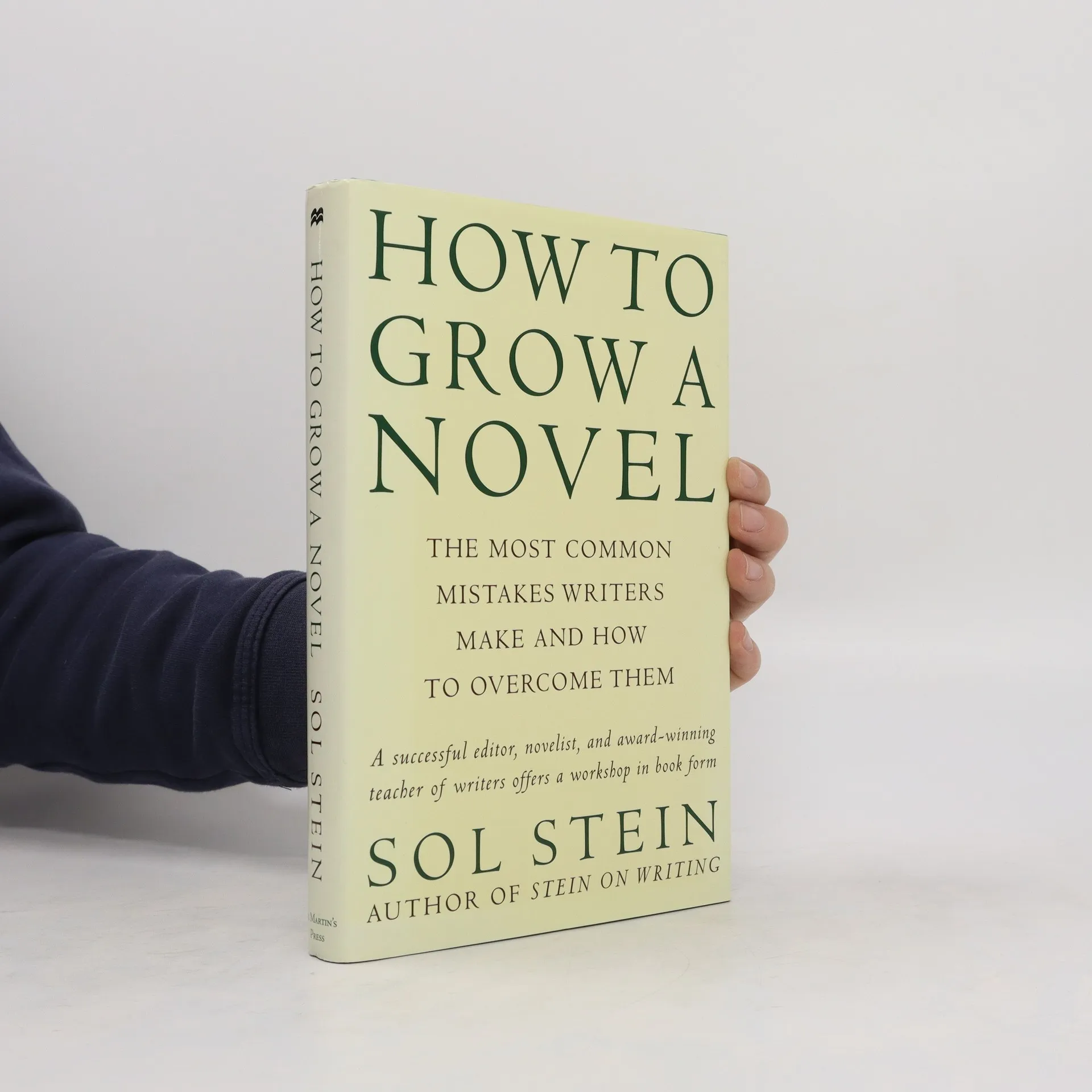
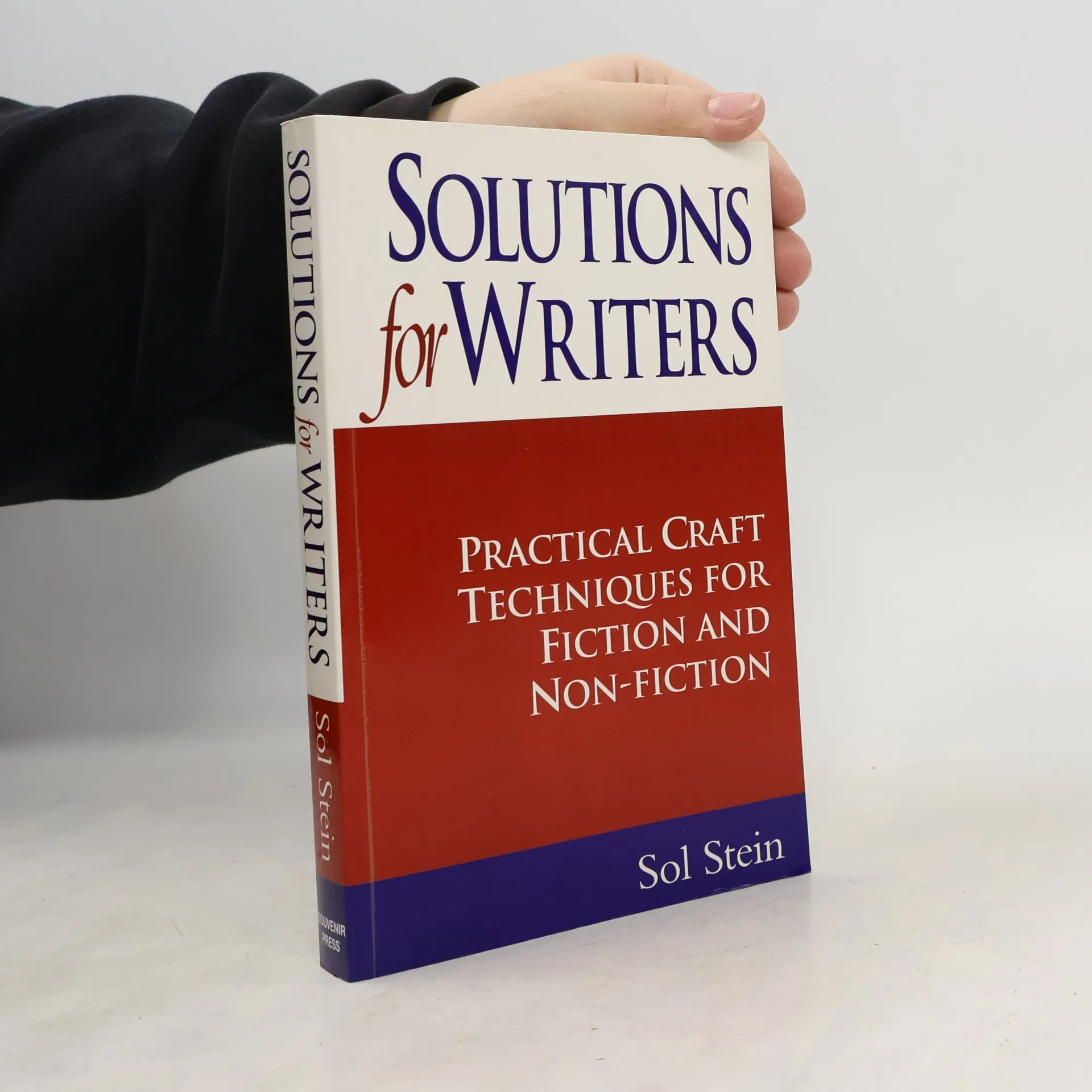
Practical Craft Techniques for Fiction and Non-fiction (Timelife Edition)
Aimed at writers of all standards, this book presents practical guidance on how to create interesting pieces of writing. Sol Stein''s book includes advice on how to use techniques of fiction to enhance works of non-fiction.'
The creative partnership between James Baldwin and Sol Stein is vividly explored through newly discovered letters, photos, and a memoir. Stein, a rising New York editor, played a crucial role in encouraging Baldwin to compile his influential essays in "Notes of a Native Son." This book not only recounts their intense friendship but also features two previously unpublished works: the story "Dark Runner" and the play "Equal in Paris," showcasing the collaborative spirit that contributed to Baldwin's literary legacy.
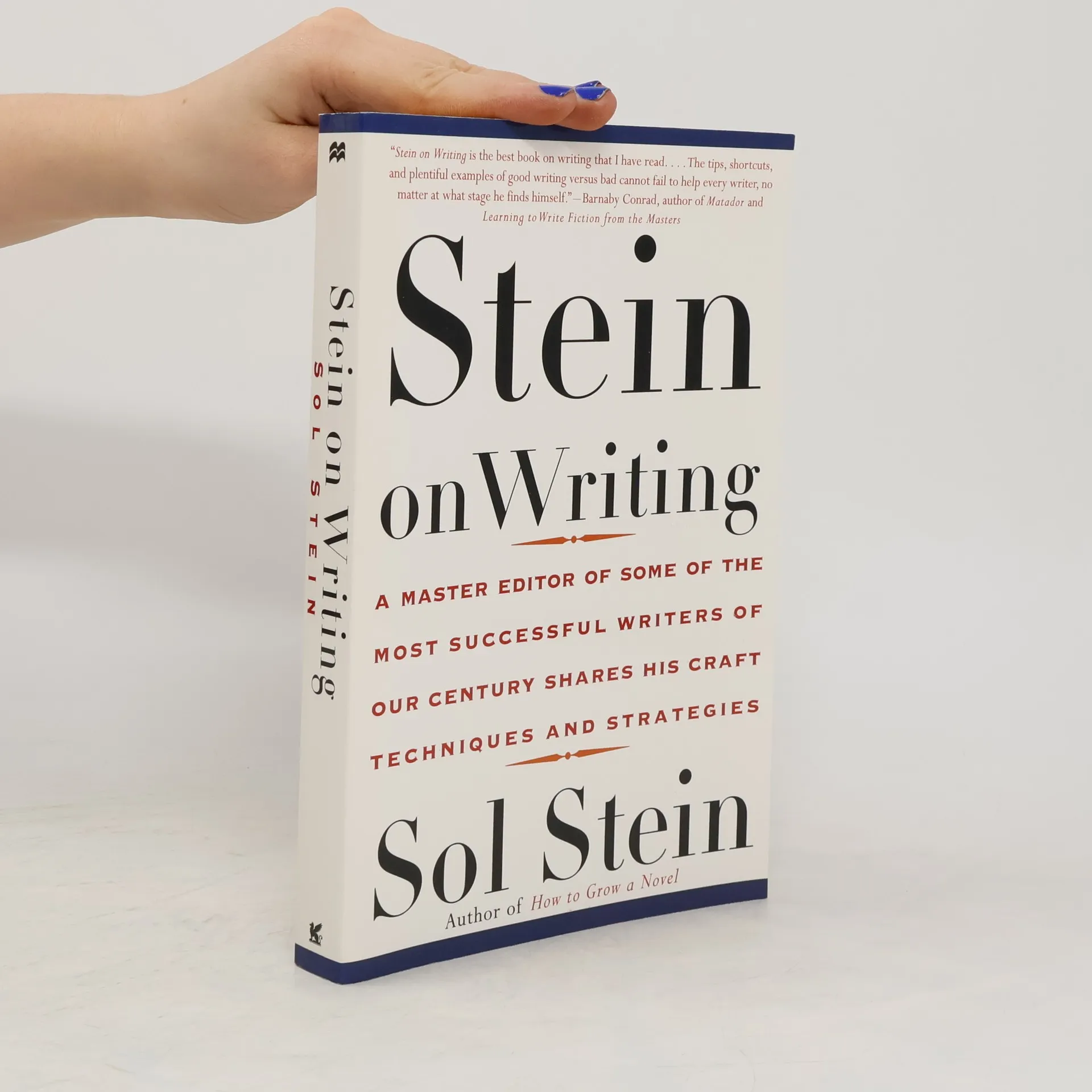
A master editor of some of the most successful writers of our century shares his craft techniques and strategiesStein on Writing provides immediately useful advice for all writers of fiction and nonfiction, whether they are newcomers or old hands, students or instructors, amateurs or professionals. As the always clear and direct Stein explains here, "This is not a book of theory. It is a book of usable solutions--how to fix writing that is flawed, how to improve writing that is good, how to create interesting writing in the first place." With examples from bestsellers as well as from students' drafts, Stein offers detailed sections on characterization, dialogue, pacing, flashbacks, trimming away flabby wording, the so-called "triage" method of revision, using the techniques of fiction to enliven nonfiction, and more.
"This book offers guidelines and warnings of special value for nonficiton writers who want to move into fiction"--Jacket.