Samuel Totten es un destacado erudito en genocidio cuyo trabajo profundiza en las causas, mecanismos e impactos de la violencia masiva. A través de un extenso trabajo de campo y análisis de documentos, descubre las brutales realidades de los conflictos genocidas. Su investigación sirve como un poderoso testimonio del sufrimiento de las víctimas y como un llamado crucial para la comprensión y la prevención. Sus escritos son esenciales para cualquiera que busque comprender los aspectos más oscuros de la historia humana y las consecuencias de la crueldad humana.
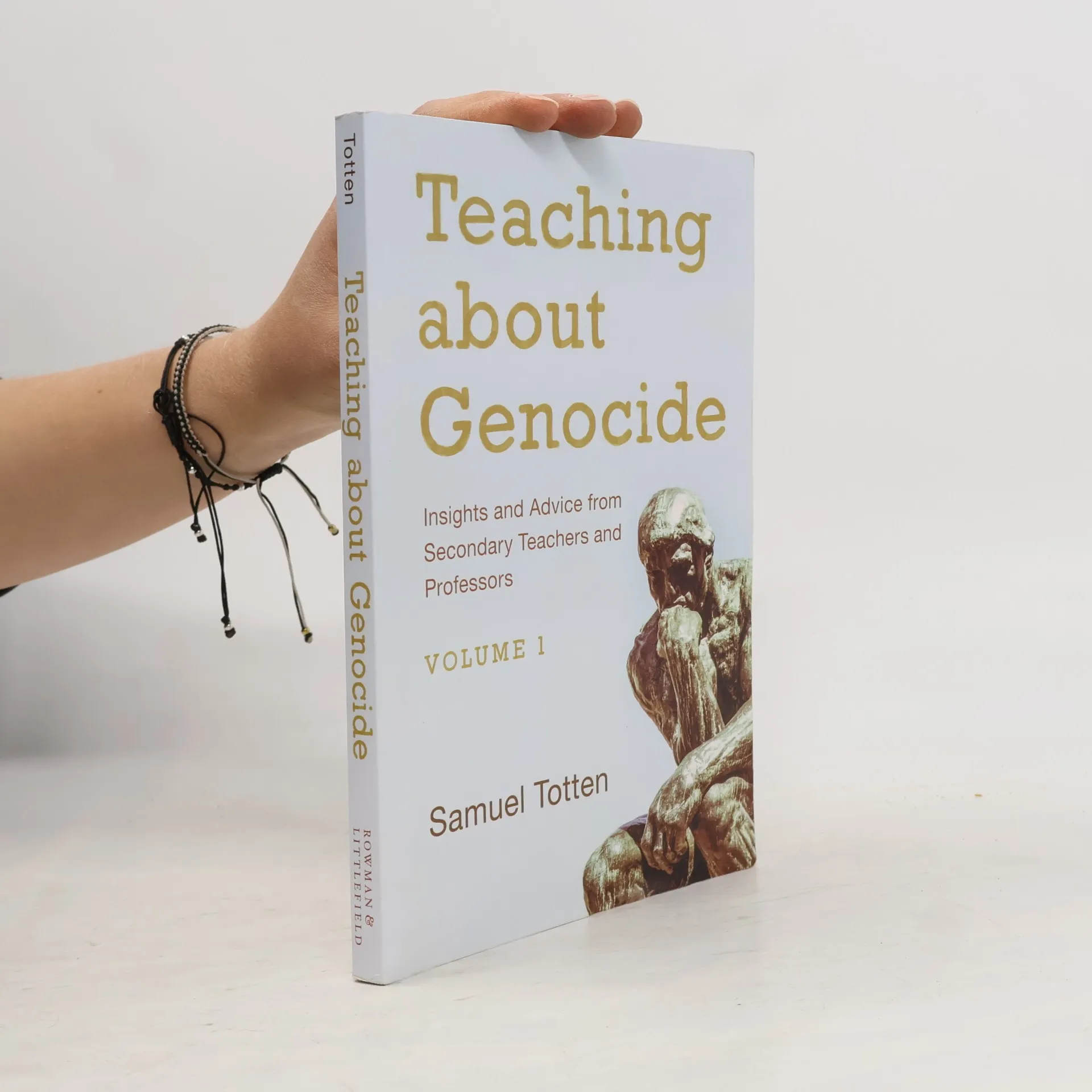
Insights And Advice From Secondary Teachers And Professors
208 páginas
8 horas de lectura
Secondary level teachers and professors from various disciplines present their best advice and insights into teaching about various facets of genocide and/or delineate actual lessons they have taught that have been particularly successful with their students.
Interviews with Survivors of the 1994 Genocide in Rwanda
207 páginas
8 horas de lectura
During a one-hundred-day period in 1994, Hutus murdered between half a million and a million Tutsi in Rwanda. The numbers are staggering; the methods of killing were unspeakable. Utilizing personal interviews with trauma survivors living in Rwandan cities, towns, and dusty villages, We Cannot Forget relates what happened during this period and what their lives were like both prior to and following the genocide. Through powerful stories that are at once memorable, disturbing, and informative, readers gain a critical sense of the tensions and violence that preceded the genocide, how it erupted and was carried out, and what these people faced in the first sixteen years following the genocide.
Teaching and Studying the Holocaust is comprised of thirteen chapters by some of the most noted Holocaust educators in the United States. In addition to chapters on establishing clear rationales for teaching this history and Holocaust historiography, the book includes individual chapters on incorporating primary documents, first person accounts, film, literature, art, drama, music, and technology into a study of the Holocaust. It concludes with an extensive and valuable annotated bibliography especially designed for educators. Chapter Ten instructs how to make effective use of technology in teaching and learning about the Holocaust. The final section of the book includes a bibliography especially developed for teachers that lists invaluable resources.