
Bookbot

Miguel Barnet

    28 de enero de 1940
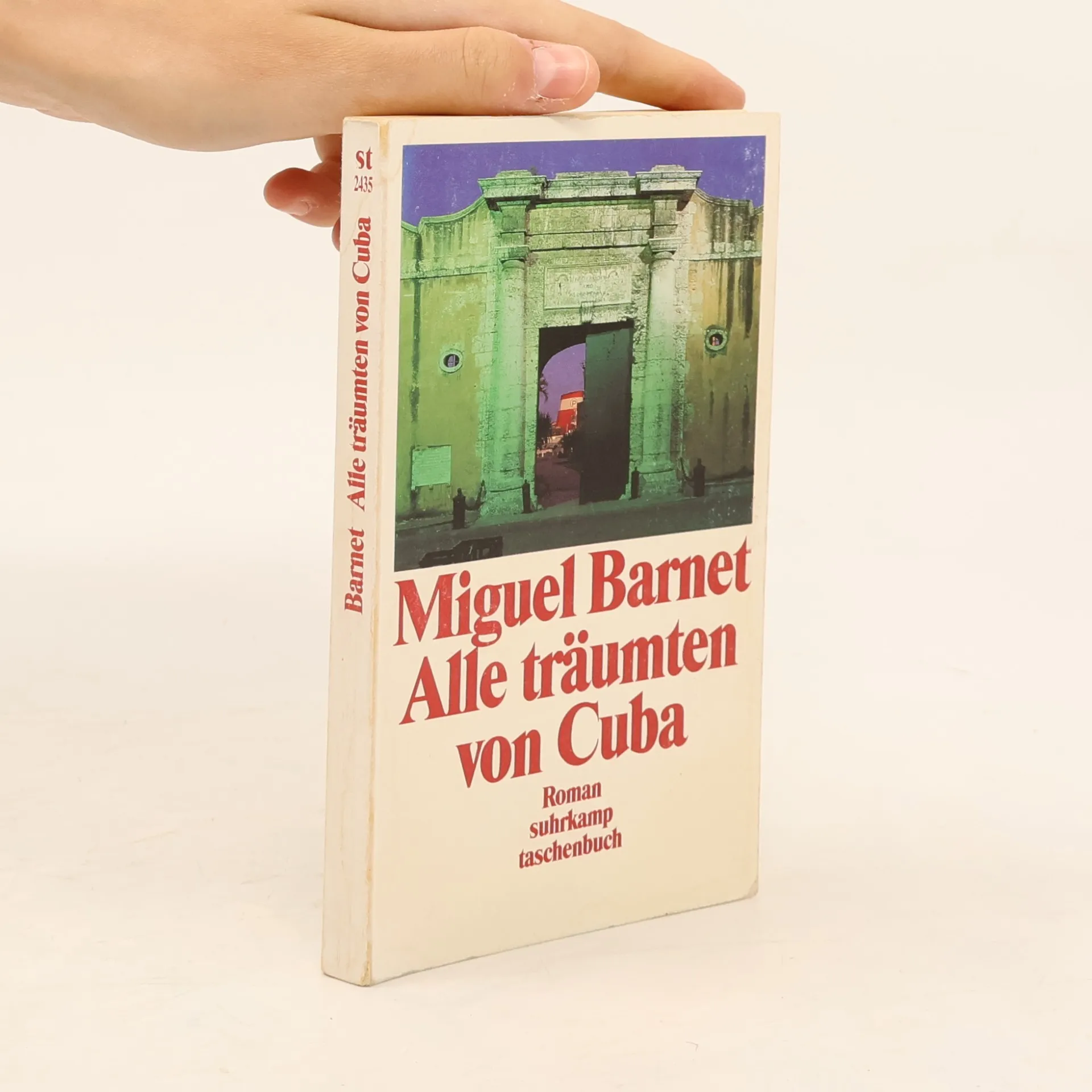
    Alle träumten von Cuba
    Ein Kubaner in New York
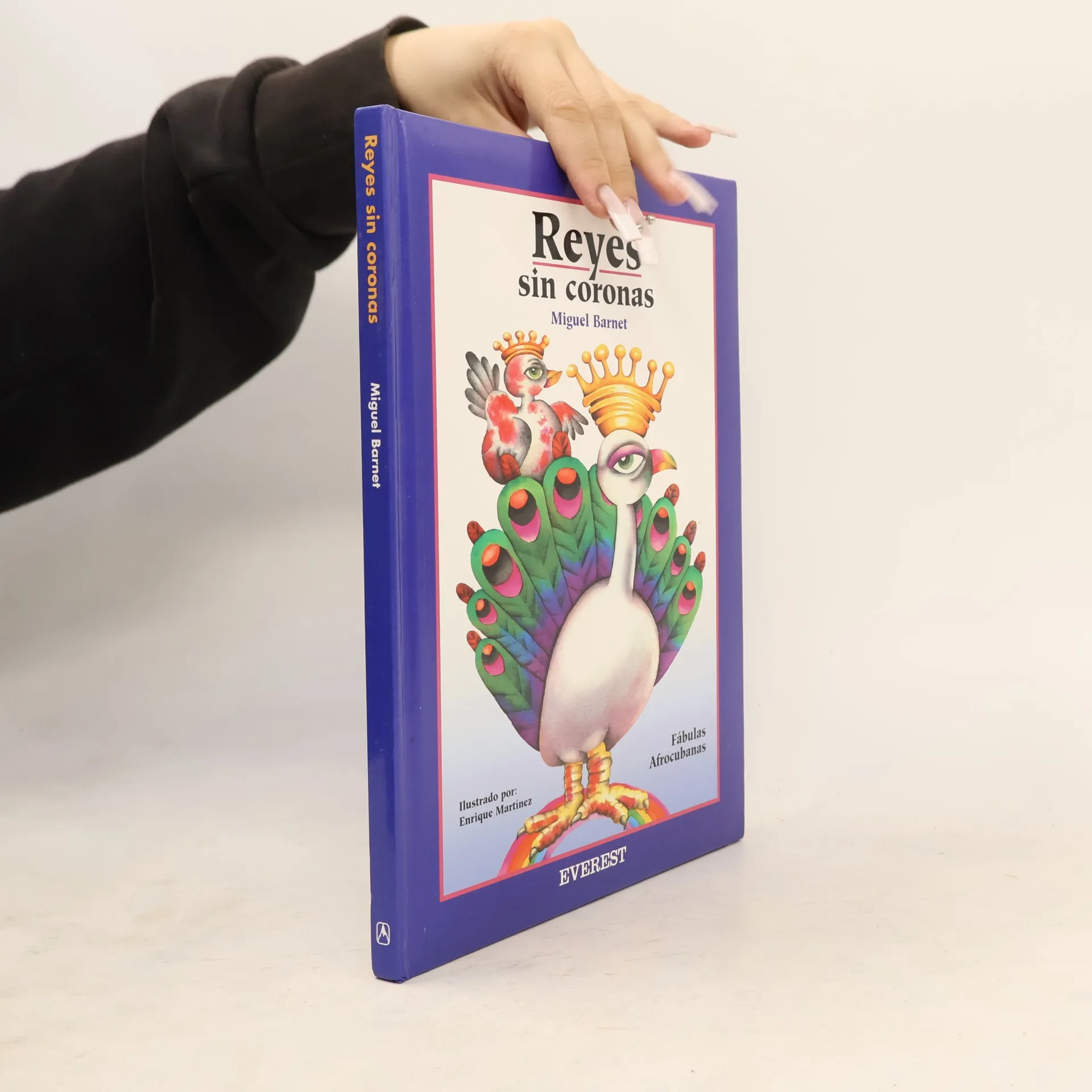
    Reyes sin coronas
    Gallego
    Oficio de ángel
    Biografía de un cimarrón
    • Reyes sin coronas

      • 38 páginas
      • 2 horas de lectura

      In the very beginning, the sky was teeming with animals and birds. Back then the sky was like the jungle is now. But one terrible day it started to rain, and all the animals ran to take shelter under a huge cloud so as not to get wet. Since there were so many of them, they couldn’t all fit, and the soaking wet animals started to feel cold and hungry. Shaking with cold, they decided to send the rooster down to earth as their emissary in search of fire to warm them up. When he flew down, the rooster discovered a corn patch and sat down to eat. The other animals huddled above, trembling with cold, until they couldn’t stand it any more and decided to go down to the earth themselves. There they found the rooster, happy as could be, stuffing himself with corn. And for his selfishness they punished him by taking away his power of flight. These and other fables in this book explain why some animals are the way they are today. The stories include “Why the Snail Carries His Shell,” “Every Evil-doer Receives His Due,” and “Olofi’s Punishment.”

      Reyes sin coronas2000
    • Afrokubanische Kulte

      Die Regla de Ocha, die Regla de Palo Monte

      • 127 páginas
      • 5 horas de lectura
      Afrokubanische Kulte2000
    • Ein Kubaner in New York

      Roman

      • 324 páginas
      • 12 horas de lectura

      German (translation)Original Spanish

      Ein Kubaner in New York1990
      3,5
    • Rachel, eine erfahrene Varietésängerin, strebt nach Höherem, bleibt jedoch in Banalitäten und Kitsch gefangen. Ihr Bericht spiegelt die Atmosphäre des vorrevolutionären Cuba wider, vermischt gesellschaftliche Konflikte mit dem Alltag der Unterwelt. Nach der Revolution von 1959 wird ihr Leben durch die Liquidation ihrer Immobilien und das Ende ihrer Karriere stark beeinträchtigt.

      Das Lied der Rachel. Mit einem Nachwort von Miguel Barnet. Aus dem Spanischen übersetzt von Wilhelm Plackmeyer. Das Nachwort von Miguel Barnet übersetzte Monika López aus dem Spanischen1983
    • Miguel Barnet wurde 1940 in Havanna geboren. Er studierte Werbetechnik, Soziologie und Ethnologie. Von 1961 bis 1967 arbeitete er als Dozent für Folklore an einer Lehrerbildungsanstalt, und ging mehrere wissenschaftlichen Tätigkeiten nach. Als Lyriker, Romancier und Ethnologe hat er zahlreiche Bücher veröffentlicht. 1994 wurde er mit dem Premio Nacional de Literatura de Cuba, dem kubanischen Literaturpreis ausgezeichnet. Weltweite Anerkennung erlangte er mit seinem dokumentarischen Roman Biografía de un cimarrón (1966, dt. Der Cimarrón, 1969). Auch in seinen weiteren Werkensetzt er sich mit Geschichte und Kultur seines Landes auseinander: Afrokubanische Kulte. Die regla de ocha. Die Regla de Palo Monte, Alle träumten von Cuba. Die Lebensgeschichte eines galicischen Auswanderers und Ein Kubaner in New York. Heute ist Miguel Barnet als Vorsitzender der nichtstaatlichen kubanischen Kulturstiftung Fernando Ortiz tätig und lebt in Havanna. Anneliese Botond (1922-2006) studierte und promovierte in Paris. Sie war als Lektorin und Übersetzerin für Französische und Lateinamerikanische Literatur tätig.

      Alle träumten von Cuba1981
      3,7
    • Biografía de un cimarrón

      • 268 páginas
      • 10 horas de lectura

      «No ha habido un libro como este antes y es improbable que vuelva a existir otro como él». GRAHAM GREENE Esteban Montejo, un viejo revolucionario mambí, afrocubano y nacido esclavo, cuenta su vida a un joven autor de veintitrés años, Miguel Barnet. Lo hace en 1963, en un país en el que una revolución triunfante apuesta por recuperar «la historia de la gente sin historia», por desenterrar la memoria silenciada de las rebeliones populares. Los recuerdos de la vida cotidiana del anciano se imbrican con algunos hechos históricos trascendentales para la historia de Cuba: el régimen de terror en los ingenios azucareros, los cimarrones huidos al monte, la abolición de la esclavitud, la guerra de Independencia... Y así, con paso discreto y dejando a su memoria discurrir libremente, Montejo incorpora a la suya muchas otras voces, las de tantos hombres y mujeres anónimos que han conformado el sustrato identitario de la isla caribeña. Miguel Barnet encontró en la palabra dicha el engranaje perfecto entre la ficción y la realidad en la que se funden lo personal con lo colectivo, convirtiendo este texto ;que se ofrece aquí en su versión definitiva;, como bien apuntó Alejo Carpentier, «en un caso único en nuestra literatura: el de un monólogo que escapa a todo mecanismo de creación literaria y, sin embargo, se inscribe en la literatura en virtud de sus proyecciones poéticas».

      Biografía de un cimarrón1976
      3,5