



Bookbot

Michael Hardt

    1 de enero de 1960

    Michael Hardt es un teórico literario y filósofo político estadounidense, reconocido por su trabajo colaborativo. Juntos, analizan las fuerzas de la opresión de clase contemporánea, la globalización y la mercantilización de los servicios, destacando su potencial para instigar el cambio social. Proponen que la 'multitud' puede servir como foco de un movimiento democrático a escala global. Sus escritos ofrecen perspectivas críticas sobre las dinámicas de poder y resistencia en el mundo moderno.

    Demokratie!
    Empire
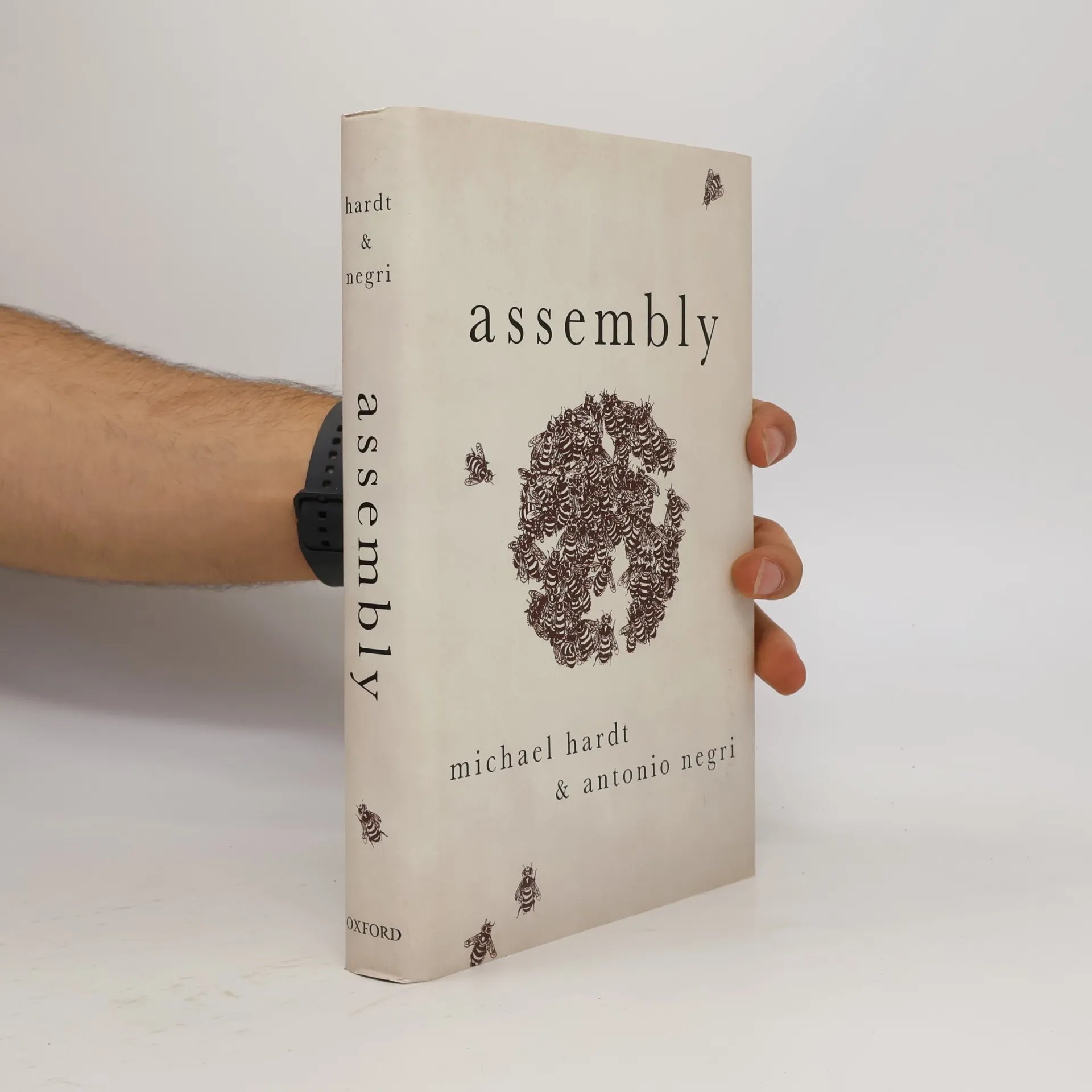
    Assembly
    Multitude
    Commonwealth
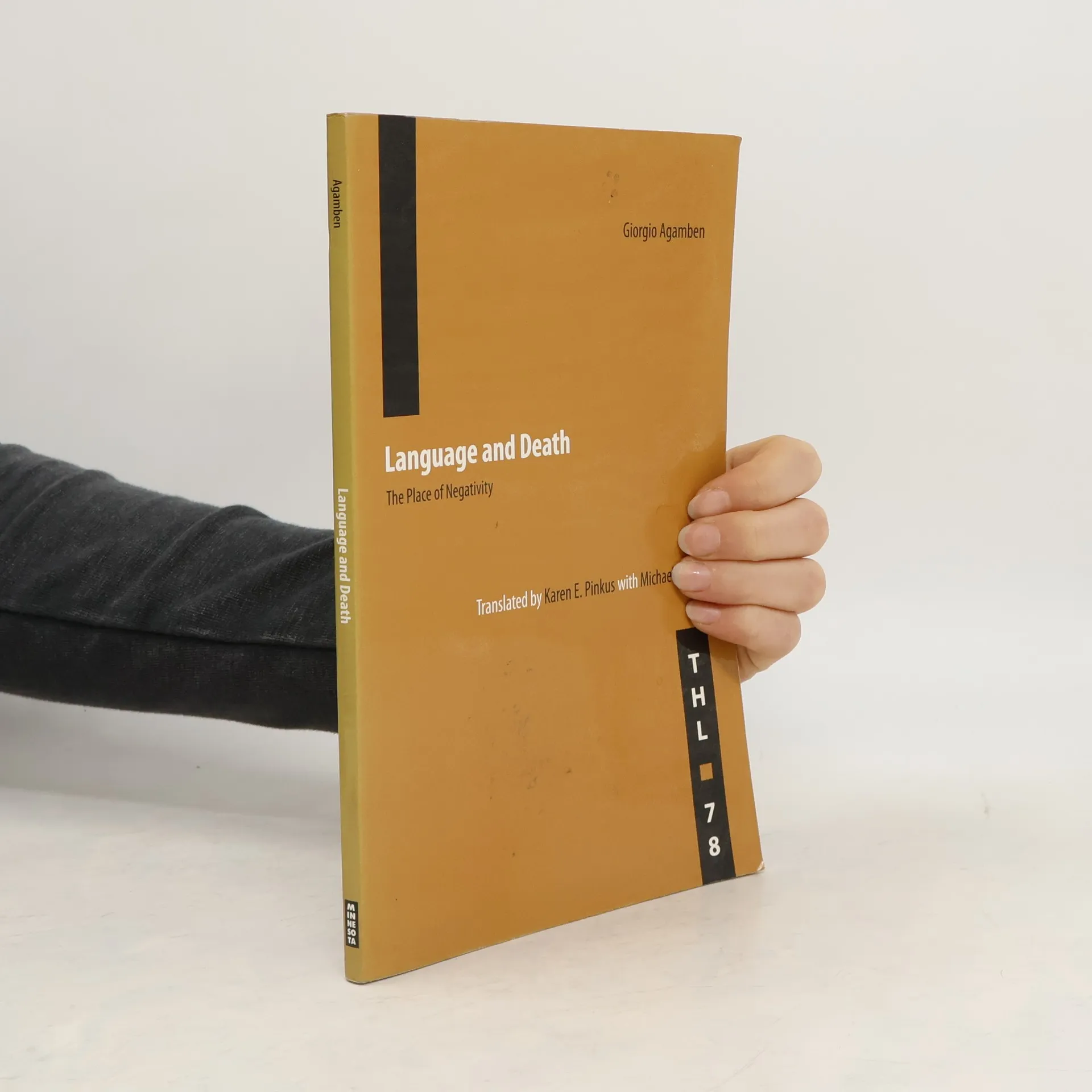
    Theory and History of Literature - 78: Language and Death
    • Theory and History of Literature - 78: Language and Death

      The Place of Negativity

      • 136 páginas
      • 5 horas de lectura

      A formidable and influential work, Language and Death sheds a highly original light on issues central to Continental philosophy, literary theory, deconstruction, hermeneutics, and speech-act theory. Focusing especially on the incompatible philosophical systems of Hegel and Heidegger within the space of negativity, Giorgio Agamben offers a rigorous reading of numerous philosophical and poetic works to examine how these issues have been traditionally explored. Agamben argues that the human being is not just “speaking” and “mortal” but irreducibly “social” and “ethical.” Giorgio Agamben teaches philosophy at the Collège International de Philosophie in Paris and at the University of Macerata in Italy. He is the author of Means without End (2000), Stanzas (1993), and The Coming Community (1993), all published by the University of Minnesota Press. Karen E. Pinkus is professor of French and Italian at the University of Southern California. Michael Hardt is professor of literature and romance studies at Duke University.

      Theory and History of Literature - 78: Language and Death
      4,2
    • Commonwealth

      • 448 páginas
      • 16 horas de lectura

      When "Empire" appeared in 2000, it defined the political and economic challenges of the era of globalization and, thrillingly, found in them possibilities for new and more democratic forms of social organization. Now, with "Commonwealth," Michael Hardt and Antonio Negri conclude the trilogy begun with "Empire" and continued in "Multitude," proposing an ethics of freedom for living in our common world and articulating a possible constitution for our common wealth.Drawing on scenarios from around the globe and elucidating the themes that unite them, Hardt and Negri focus on the logic of institutions and the models of governance adequate to our understanding of a global commonwealth. They argue for the idea of the common to replace the opposition of private and public and the politics predicated on that opposition. Ultimately, they articulate the theoretical bases for what they call governing the revolution.Though this book functions as an extension and a completion of a sustained line of Hardt and Negri s thought, it also stands alone and is entirely accessible to readers who are not familiar with the previous works. It is certain to appeal to, challenge, and enrich the thinking of anyone interested in questions of politics and globalization."

      Commonwealth
      3,9
    • Multitude

      • 448 páginas
      • 16 horas de lectura

      'Multitude' offers an inspiring vision of how people of the world can come together in a globally networked community to create a new kind of democracy. Hardt and Negri explain how empire, by colonizing and interconnecting more areas of life ever more deeply, has created the possibility for democracy of a sort never seen before.

      Multitude
      3,8
    • Assembly

      • 346 páginas
      • 13 horas de lectura

      Each year an eruption of "leaderless" social movements leaves external observers and activists perplexed. Why have the movements, which address the needs and desires of so many, not been able to achieve lasting change? In Assembly, Michael Hardt and Antonio Negri analyze potential paths for creating a more democratic and just society.

      Assembly
      3,7
    • Empire

      • 496 páginas
      • 18 horas de lectura

      This text identifies a radical shift in concepts that form the philosophical basis of modern politics, concepts such as sovereignty, nation and people - and links this philosophical transformation to cultural and economic changes in postmodern society. schovat popis

      Empire
      3,8
    • Finanz- und Umweltkrisen haben gezeigt: Die Welt braucht eine neue politische Ordnung. In ihrer Streitschrift entwerfen Michael Hardt und Antonio Negri den Weg dorthin. Inspiriert von den weltweiten Protestbewegungen beschreiben sie das Projekt einer Demokratie von unten: Wenn wir uns den Schulden verweigern, aus der Überwachung befreien, neue Netze politischer Information schaffen und die entleerte repräsentative Demokratie durch lebendige Formen der Beteiligung ersetzen, können wir eine neue Verfassung begründen. Eine, in der Wasser, Banken, Bildung und andere Ressourcen »commons«, Gemeingüter sind. Auf diesem Weg können wir die Folgen der Finanzkrise, die drängenden Umweltprobleme und die wachsende soziale Ungleichheit überwinden.

      Demokratie!
      3,0