

The book presents a systematic framework that explores the intricate relationship between language and technology, advocating for their interconnected analysis. By engaging with influential thinkers like Searle, Heidegger, and Wittgenstein, the author constructs a synthesis of three extreme positions, highlighting the complexities of how language shapes and is shaped by technological advancements. This thought-provoking work challenges readers to rethink the dynamics between these two critical domains.
Mark Coeckelbergh Libros


Digital Technologies, Temporality, and the Politics of Co-Existence
- 100 páginas
- 4 horas de lectura
The book explores the challenges of modern digital life, highlighting how constant connectivity and artificial intelligence contribute to feelings of alienation from ourselves, others, and nature. It addresses the pervasive fears surrounding climate change and humanity's future, prompting readers to reflect on how to cultivate a meaningful existence amidst these pressures. The author poses critical questions about coexistence in today's world, seeking to inspire a deeper understanding of living well in a rapidly changing environment.
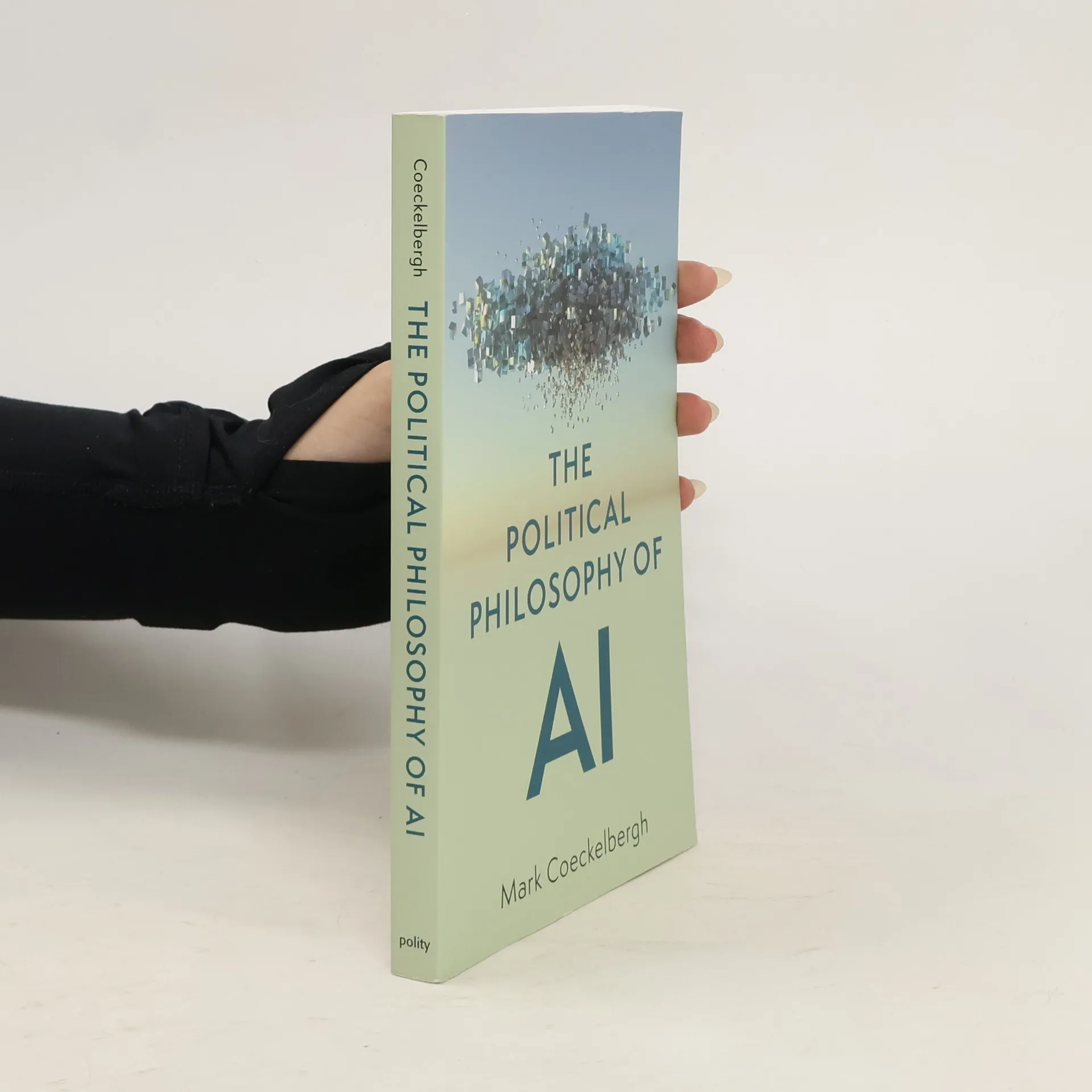
Political issues people care about such as racism, climate change, and democracy take on new urgency and meaning in the light of technological developments such as AI. How can we talk about the politics of AI while moving beyond mere warnings and easy accusations? This is the first accessible introduction to the political challenges related to AI. Using political philosophy as a unique lens through which to explore key debates in the area, the book shows how various political issues are already impacted by emerging AI technologies: from justice and discrimination to democracy and surveillance. Revealing the inherently political nature of technology, it offers a rich conceptual toolbox that can guide efforts to deal with the challenges raised by what turns out to be not only artificial intelligence but also artificial power. This timely and original book will appeal to students and scholars in philosophy of technology and political philosophy, as well as tech developers, innovation leaders, policy makers, and anyone interested in the impact of technology on society. -- Résumé de l'éditeur
Robot Ethics
- 272 páginas
- 10 horas de lectura
A guide to the ethical questions that arise from our use of industrial robots, robot companions, self-driving cars, and other robotic devices.Does a robot have moral agency? Can it be held responsible for its actions? Do humans owe robots anything? Will robots take our jobs? These are some of the ethical and moral quandaries that we should address now, as robots and other intelligent devices become more widely used and more technically sophisticated. In this volume in the MIT Press Essential Knowledge series, philosopher Mark Coeckelbergh does just that. He considers a variety of robotics technologies and applications--from robotic companions to military drones--and identifies the ethical implications of their use. Questions of robot ethics, he argues, are not just about robots but, crucially and importantly, are about humans as well.Coeckelbergh examines industrial robots and their potential to take over tasks from humans; "social" robots and possible risks to privacy; and robots in health care and their effect on quality of care. He considers whether a machine can be moral, or have morality built in; how we ascribe moral status; and if machines should be allowed to make decisions about life and death. When we discuss robot ethics from a philosophical angle, Coeckelbergh argues, robots can function as mirrors for reflecting on the human. Robot ethics is more than applied ethics; it is a way of doing philosophy.
AI ethics
- 248 páginas
- 9 horas de lectura
"AI ethics is much debated today and often attracts fears about superintelligence. This book, written by a philosopher of technology engaged in research and policy on the topic, moves away from science fiction fantasies and instead focuses on concrete ethical issues raised by AI and data science. After contextualizing nightmares about AI and sketching some philosophical issues, it looks at what the technology actually is and discusses problems such as responsibility, transparency, and bias. It also gives an overview of AI policy and discusses its challenges - also in the light of climate change. The book ends with a call for more wisdom next to intelligence"-- Provided by publisher
Exploring the intersection of performance arts and technology, this book employs dance, theatre, music, stage magic, and philosophy as metaphors to provoke thought on technological concepts. It delves into how these diverse practices can illuminate our understanding of technology's impact on society and individual experience, offering a unique perspective that blends artistic expression with critical analysis.
Green Leviathan or the Poetics of Political Liberty
Navigating Freedom in the Age of Climate Change and Artificial Intelligence
- 140 páginas
- 5 horas de lectura
Exploring the intersection of freedom and the limitations of liberalism, the book addresses the complexities of governing climate change and artificial intelligence. It draws on political philosophy to present a unique perspective on the future of technology and environmental governance, highlighting the urgent need for a reevaluation of our frameworks in light of these pressing global challenges.
We are immersed in a billion-dollar self-improvement industry, yet despite apps, workshops, and life hacks, happiness remains elusive. This obsession with perfecting ourselves has led to restlessness, anxiety, and desperation—essentially, we are improving ourselves to death. The roots of self-improvement culture lie in philosophical classics, perfectionist religions, and capitalism, but today’s landscape is shaped by technology. Artificial intelligence, social media, and big data not only inform but also measure and potentially alter our identities. This exploration reveals how self-improvement culture became toxic and emphasizes the need for a new understanding of self and a mission for social change to escape its grasp. The author examines the historical ideas that contributed to this culture, critiques technology’s role, and identifies unexpected pathways out of the self-improvement trap. Digital detoxes and ancient wisdom seem inadequate; transformation of our social and technological environments is essential. The author proposes "narrative technologies" to help us construct better stories about ourselves, while also stressing that there are no shortcuts to the philosophical journey of self-discovery or the commitment to fostering a good life and society.
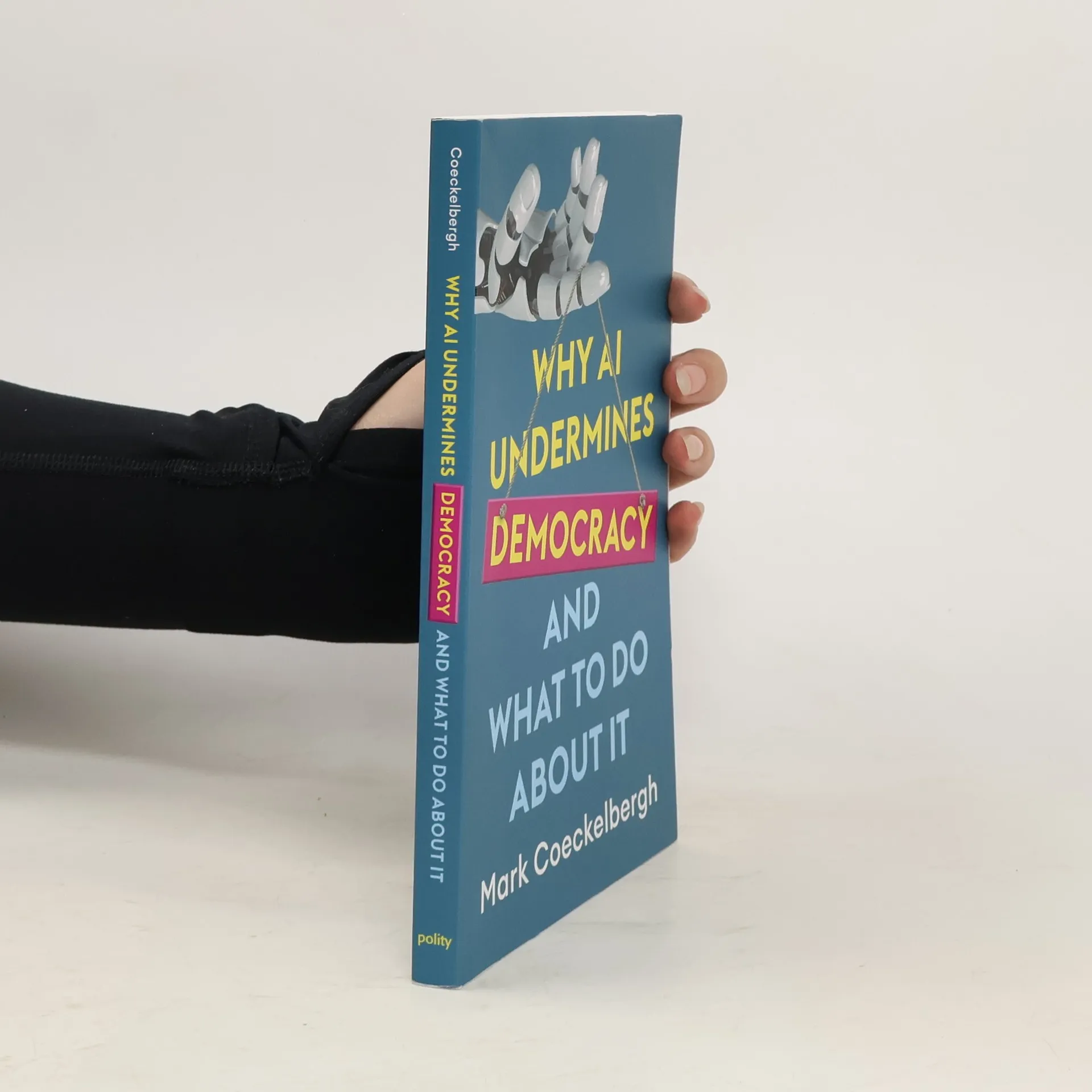
Across the world, Artificial Intelligence (AI) is being used as a tool for political manipulation and totalitarian repression. Stories about AI are often stories of polarization, discrimination, surveillance, and oppression. Is democracy in danger? And can we do anything about it? In this compelling book, Mark Coeckelbergh offers a guide to the key risks posed by AI for democracy. He argues that AI, as it is currently used and developed, not only aids totalitarian regimes but also undermines the fundamental principles on which liberal democracies are founded such as freedom and equality. How can we make democracy more resilient in the face of AI? And, more positively, what can AI do for democracy? Coeckelbergh advocates not only for more democratic technologies, but also for new political institutions and a renewal of education and culture to ensure that AI promotes, rather than hinders, the common good and helps us to revamp humanism for the 21st century. Why AI Undermines Democracy and What To Do About It is illuminating reading for anyone who is concerned about the fate of democracy.
