
Bookbot

Caleb Ellicott Finch

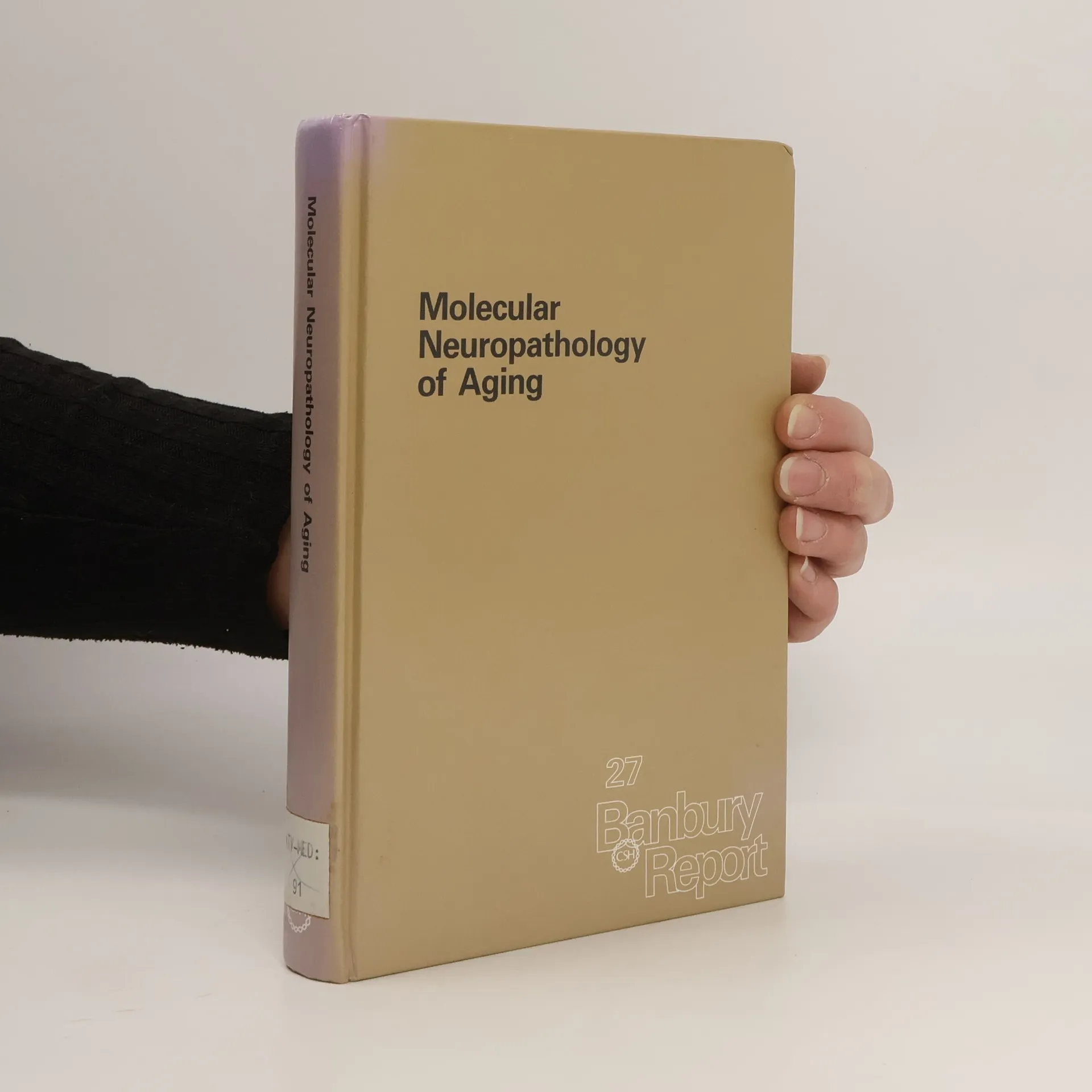
    Banbury Report - 27: Molecular Neuropathology of Aging
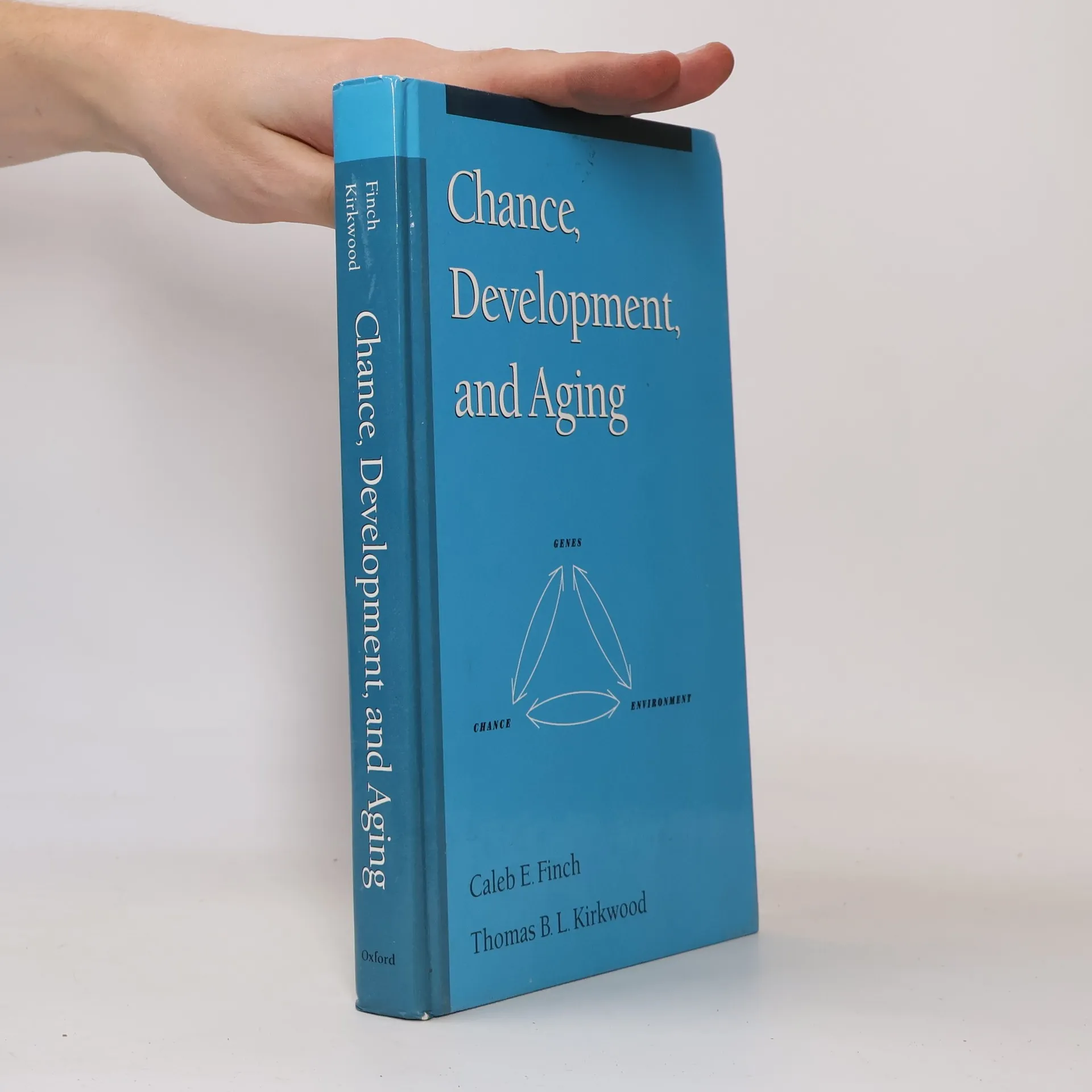
    Chance, Development, and Aging
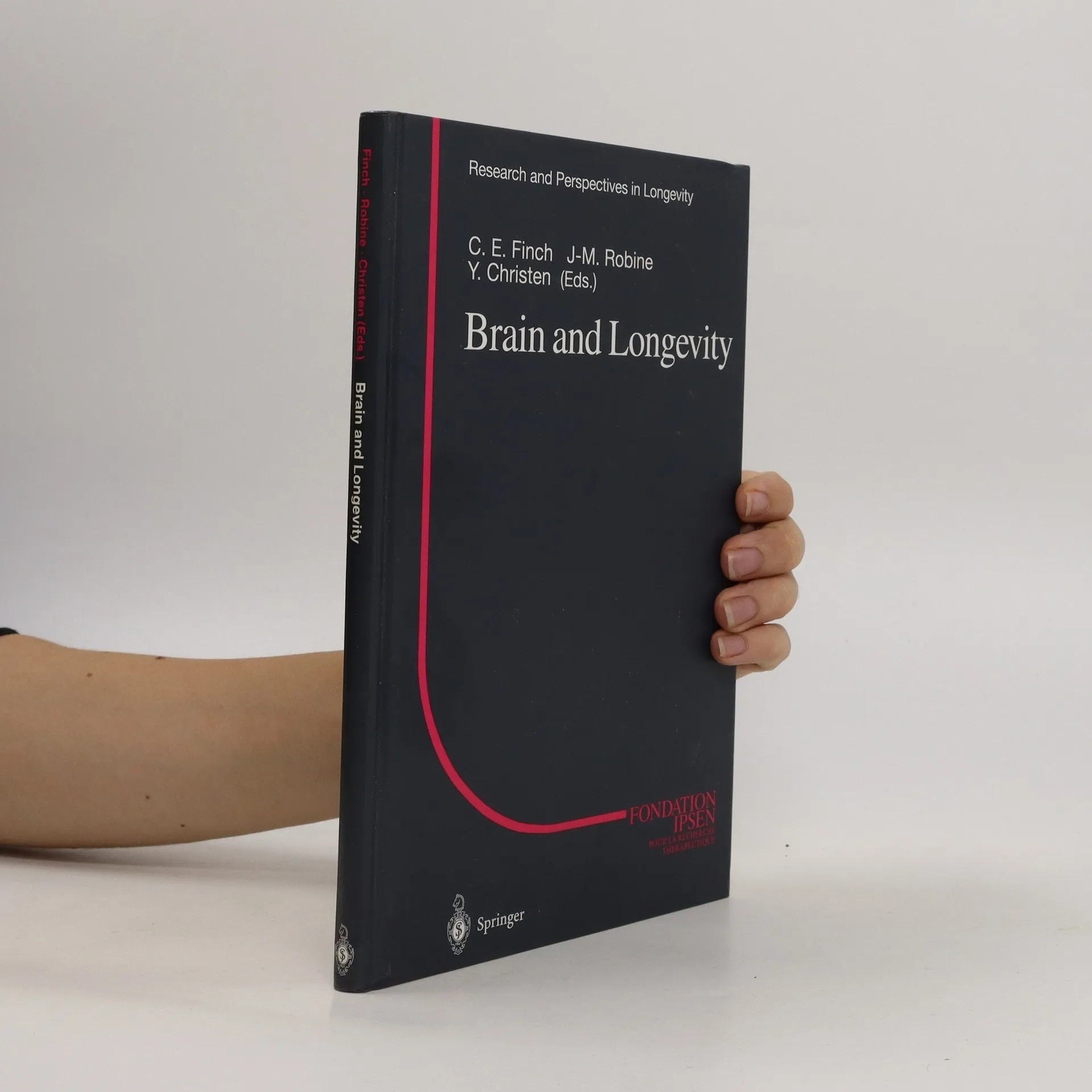
    Brain and longevity
    • Brain and longevity

      • 190 páginas
      • 7 horas de lectura

      In this third volume on longevity Fondation Ipsen has again collected the most recent results in research on genes and diet in the evolution of human longevity, educational level and longevity, cognitive impairment and survival at older age and other contributions. The preponderance of relatively short - compared to long-lived organisms suggests that morphogenesis is easier to accomplish than is maintenace of soma, whereas the broad range of longevities of organisms demonstrates that maintaining soma for extended periods of time is possible. The underlying assumption of "disposable soma" theory of aging is that the expense of maintaining somatic cells depends on their contribution to the welfare of the germ cells.

      Brain and longevity
    • Chance, Development, and Aging

      • 278 páginas
      • 10 horas de lectura

      In Chance, Development, and Aging , two leading biological gerontologists review and evaluate all of the available data to elucidate the respective roles played by genes and chance developmental events in determining the course of aging in individuals. The combination of genetic and externalenvironmental influences provides only an incomplete answer. Inbred laboratory animals, for example, exhibit a wide range of life spans despite having nearly identical genes and environments. Similarly, uncovering the genetic risks for Alzheimer's disease has not enabled doctors to predict withconfidence its onset and severity. This book argues that understanding chance events, specifically random variations during prenatal development, is essential for answering these questions. The book draws on the extensive research in developmental biology on random variations in form and function,while putting this research in a new context. The discussion sheds light on a range of questions, from understanding menopause to explaining why identical twins are not truly identical. The book will be invaluable for gerontologists, geneticists, developmental and reproductive biologists,physiologists, and a broad range of physicians and investigators in experimental medicine.

      Chance, Development, and Aging